No recent searches!

    Escape Himalaya
    • Certificate ofExcellence 2025
    • Whatsapp, Viber+977 9851006121
      • Everest Region
        • Everest Base Camp Trek - 14 Days
        • Everest Base Camp - Chola Pass - Gokyo Trek - 17 Days
        • Everest Base Camp Short Trek - 13 Days
        • Everest Base Camp Luxury Trek - 15 Days
        • Everest Base Camp Heli Shuttle Trek - 12 Days
        • Luxury Everest View Trek - 9 Days
        • Everest Panorama Trek - 9 Days
        • Everest Three High Passes Trek - 20 Days
        • Everest Base Camp Trek Heli Return to Kathmandu-11 Days - 11 Days
        • Everest Base Camp Trek for Seniors - 20 Days
        • Everest View Trek - 7 Days
      • Annapurna Region
        • Annapurna Base Camp Trek - 14 Days
        • Annapurna Circuit Trek - 14 Days
        • Mardi Himal Trek - 8 Days
        • Jomsom Muktinath Trek with Poon Hill - 9 Days
        • Short Annapurna Base Camp Trek - 6 Days Hike - 9 Days
        • Annapurna Circuit Tilicho Lake Trek - 17 Days
        • Annapurna Family Trek - 8 Days
        • Annapurna Base Camp Trek Heli Return to Pokhara - 10 Days
        • Annapurna Hot Spring Trek - 8 Days
        • Annapurna Trek with Chitwan Tour - 9 Days
        • Shortest Annapurna Base Camp Trek - 9 Days
      • Langtang Region
        • Langtang Valley Trek - 10 Days
        • Bhairav Kunda Trek - 14 Days
        • Helambu Trek - 8 Days
        • Langtang Helicopter Tour - 3 hrs
        • Langtang Gosainkunda Helambu Trek - 16 Days
        • Tamang Heritage Trail - 10 Days
        • Langtang Gosainkunda Trek - 13 days
      • Manaslu Region
        • Manaslu Circuit Trek - 14 Days
        • Manaslu Tsum Valley Trek Itinerary - 20 Days - 20 Days
        • Tsum Valley Trek - 13 days
      • Mustang Region
        • Upper Mustang Trek - 16 Days
        • Mustang Tiji Festival Trek - 18 Days
        • Lower Mustang Trek - 14 Days
        • Jomsom Muktinath Trek with Poon Hill - 9 Days
        • Upper Mustang Jeep Tour - 11 days
      • Dolpo Region
        • Upper Dolpo Trek - 25 Days
        • Lower Dolpo Trek - 18 Days
      • Summer Treks
        • Lower Dolpo Trek - 18 Days
        • Upper Mustang Trek - 16 Days
        • Lower Mustang Trek - 14 Days
        • Rara Lake Trek - 16 Days
        • Upper Dolpo Trek - 25 Days
        • Upper Mustang Jeep Tour - 11 days
      • Winter Treks Package
        • Short Annapurna Base Camp Trek - 6 Days Hike - 9 Days
        • Mardi Himal Trek - 8 Days
        • Australian Camp Short Trek in Pokhara - 5 Days
        • Annapurna Family Trek - 8 Days
        • Nepal Adventure Tour - 12 Days
        • Everest View Trek - 7 Days
        • Helambu Trek - 8 Days
      • Less Touristic Trails
        • Rara Lake Trek - 16 Days
        • Upper Dolpo Trek - 25 Days
        • Makalu Base Camp Trek - 21 days
        • Langtang Gosainkunda Helambu Trek - 16 Days
        • Pikey Peak Trek - 12 Days
        • Lower Dolpo Trek - 18 Days
        • Bhairav Kunda Trek - 14 Days
        • Kanchenjunga Trek - 22 days
        • Helambu Trek - 8 Days
      • Bhaktapur Patan Tour - 6 Hours
      • Kathmandu Day Tour - 6 Hours
      • Chitwan Jungle Safari Tour - 3 Days
      • Kathmandu Nagarkot Sightseeing Tour - 4 Days
      • Langtang Helicopter Tour - 3 hrs
      • Explore Nepal Tour - 10 Days
      • Bardia National Park Tour - 4 Days
      • Nepal Adventure Tour - 12 Days
      • Nepal Discover Tours - 6 Days
      • Everest Helicopter Tour - 3 Hours
      • Tour of Kathmandu's 7 UNESCO World Heritage Sites  - 1 days
      • Pisang Peak Climbing - 19 days
      • Lobuche Peak Climbing - 18 Days
      • Island Peak Climbing - 20 days
      • Tharpu Chuli Peak Climbing - 0 days
      • Naya Kanga Peak Climbing - 15 days
      • Mera Peak Climbing - 19 Days
      • Mera and Island Peak Climbing via Amphu Laptsa Pass - 23 days
      • Nepal Tibet Bhutan Tours - 13 days
      • Bhutan Experience Tour - 10 days
      • Nepal Bhutan Darjeeling Tour - 14 days
      • Glimpse Tours Bhutan - 8 days
      • Chomolhari Trek - 0 days
      • Laya Gasa Trek - 0 days
      • Druk Path Trek - 0 days
      • Simikot Kailash Lhasa Tour - 0 days
      • Nepal Tibet Bhutan Tours - 13 days
      • Tibet Everest Base Camp Tour - 11 days
      • Lhasa to Kathmandu Tours - 10 days
      • Everest Advanced BC Trek - 20 days
      • Lhasa Sightseeing Tours - 7 days
      • Saga Dawa Festival Tours - 14 days
      • Our Team
      • How to Book a Trip
      • Why Escape Himalaya
      • Terms and Conditions
      • Legal Documents
      • Nepal Tourist Visa Information
      • Travel Insurance
      • Equipment Checklist
      • Privacy Policy
    • Travel Guide
    • Contact Us
    Bookings are currently open for Himalayas during the 2026/27 season. Book Now
    • Home
    • Enquire us
    • Whatsapp
    • Search
    Escape Himalaya+977 9851006121Whatsapp, Viber
    Hotel Wood Apple

    Escape Himalaya - Adventure Tours and Trekking in Nepal more...

    Contact Us

    • +977-1 4980242
    • [email protected]
    • Khusibu, Kathmandu, Nepal
    Make an EnquiryCall Us
    Nepal Goverment
    Nepal Tourism Board
    TAAN
    NMA
    Trip Advisor
    Tour Radar
    Tour Radar

    Things to do in Nepal

    • Peak Climbing
    • Summer Treks
    • Winter Treks Package
    • Family Vacation
    • Wildlife Adventure
    • Helicopter Tours

    Company Profile

    • Our Team
    • How to Book a Trip
    • Why Escape Himalaya
    • Terms and Conditions
    • Legal Documents
    • Nepal Tourist Visa Information
    • Travel Insurance
    • Equipment Checklist
    • Privacy Policy

    Subscribe Newsletter

    To receive travel updates via email

    • 24/7 Whatsapp Contact
      +977-9851006121 (Raj),+977-9851363580 (Suman)
    • Send us mail
      [email protected], [email protected]
    • Services and Support
      Khusibu, Kathmandu, Nepal P.O. Box: 5596
    • Follow us on
    © 2015 - 2026 Escape Himalaya. All Rights Reserved.
    Card
    1. Home
    2. Nepal
    3. Trekking in Nepal
    4. Annapurna Region
    5. Short Annapurna Base Camp Trek - 6 Days Hike

    Short Annapurna Base Camp Trek - 6 Days Hike

    Short Abc Trek3
    Short Abc Trek5
    Short Abc Trek1
    Short Abc Trek4

    The Short Annapurna Base Camp Trek is a condensed journey into the heart of the Himalayas, where each moment pulses with the raw beauty of nature.Take a 9-day trek to the base camp of giant Annapurna I in the briefest yet most beautiful way possible Hiking to the Himalayas.

    Trip Fact

    • DestinationNepal
    • Durations9 Days
    • Trip DifficultyModerate
    • ActivitiesTrekking
    • AccommodationHotels / Teahouses
    • MealsBreakfast, Lunch, Dinner
    • Mx.altitude4130m.
    • VehicleCar / Flight / Tourist Bus
    • Group SizeMin. 1 Pax

    Short Annapurna Base Camp Trek - 6 Days Hike Highlights

    • Fly into the tourist hub of Nepal, overseeing the mountains
    • Traverse through the traditional ethnic villages
    • Savor the hospitality of the kind Nepalese people
    • Stay at lovely and comfortable alpine tea houses
    • Feel the endless thrills, richness, and tranquility of the Annapurna region
    • Take a close look at the inhabitants of the Annapurna Sanctuary
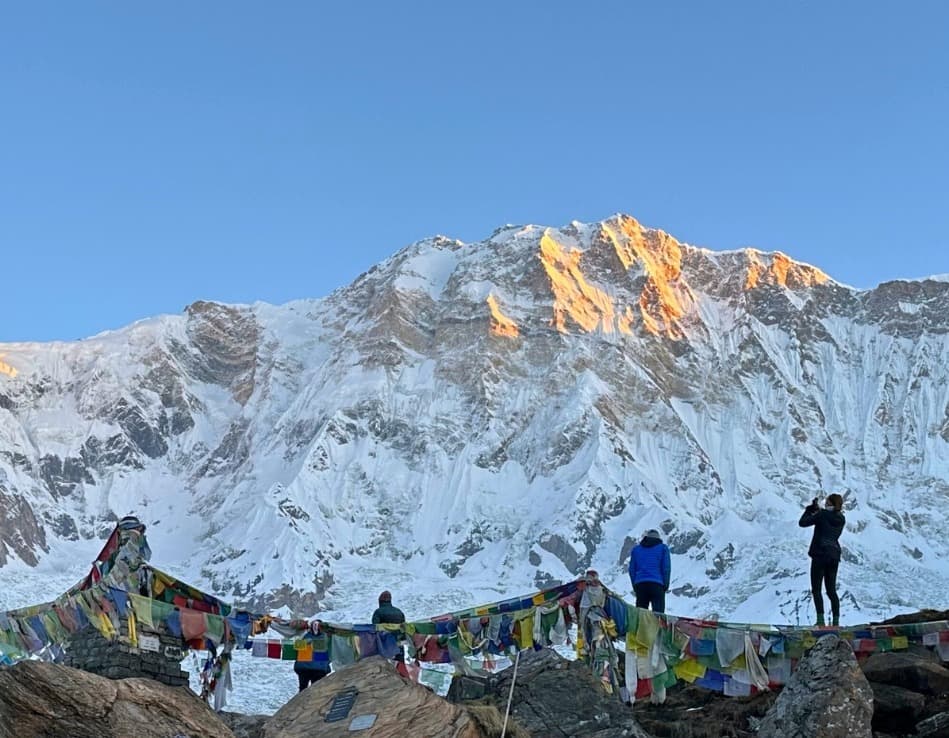
    • Capture the phenomenal eternal scenery from the Annapurna base camp
    • Enjoy the overnight stay at lively Pokhara City

    Overview

    As you lace up your hiking boots, get ready to be swept away by the unparalleled natural beauty surrounding you. Every step you take brings you closer to the essence of Annapurna's allure, from lush rhododendron woods to terraced farms that appear to reach the horizon. Simultaneously, it lets you appreciate the best features of one of Nepal's most appealing traveling aspects. Indeed, this short excursion is a well-assembled package comprising the best aspects of the journey. The 6-day Annapurna Base Camp Trek is an incredible way to quickly experience the essence of trekking on this popular trail.

    With the short trek to Annapurna Base Camp, experience the Annapurna Range's breathtaking majesty. Witness the sky-touching tops of massive mountains like the Machhapuchhre and Annapurna mountains. As you stand in their presence, you'll see that words can't do justice.

    As you trek through the quaint villages, interact with the locals, and get a sneak peek into their day-to-day lives. Enjoy the interaction and savor the traditional meals that fill your heart and soul. The warmth and resilience of the Nepalese are what you will get to see while
    on this beautiful trekking journey.

    After a long hiking day, you will rest in cozy tea houses with a warm fire in the hall. The tea houses are rusty after you pass certain heights, but they will offer the comfort and warmth your body deserves.

    All in all, the Annapurna Short Trek achieves the ideal harmony between excitement and relaxation. You can push yourself physically by going on invigorating hikes, but you can also find peace as you meditate through raging mountain rivers and tranquil forests

    Why Short Annapurna Trek with Escape Himalaya

    Escape Himalaya has been running treks in the Annapurna region since 2012. We've successfully guided over 3,500 trekkers to ABC. Our founder, Rajendra, grew up in these foothills and has personally trekked this route more than 200 times. We keep groups small at eight people maximum because it's the sweet spot for safety and genuine mountain connection. Every guide on our team was born in the region and speaks fluent English. All of them hold wilderness first responder certification, too.

    Direct Short Annapurna ABC Trek

    Most ABC treks take 10 to 12 days. We've refined a route that gets you there in just six trekking days without compromising safety. How do we do it? We skip the Poon Hill detour and start higher at Kimche instead of Nayapul. Your body still gets time to adjust gradually. You just saved three days in the process. This really matters if you're on a tight vacation schedule or want more time to explore Pokhara afterward.

    Annapurna Base Camp Professional Guide and Porters

    Here's something most companies won't tell you. Guide quality varies wildly in Nepal. Our guides average 8 years of mountain experience. They all carry oxygen meters to check their levels above 3,500m. They're not just leading the way. They're watching for early signs of altitude sickness that most trekkers miss. Our porters carry up to 12kg, while the industry standard is 15kg. We provide them with proper boots and jackets too. You'll notice the difference when your porter arrives at camp, smiling rather than exhausted.

    Short Annapurna Trek Route

    The route starts at Kimche (1,640m) and climbs through Ghandruk's stone houses and prayer flags. Then it drops down to cross the Kimrung River before the steep push to Sinuwa. Day three winds through dense bamboo forests where you might spot langur monkeys. From Deurali, you get a steady climb to MBC. The final two hours take you across the glacial moraine to ABC. Coming back down, we overnight at Bamboo instead of retracing the same path. Then we exit via Jhinu Danda, where natural hot springs await you.

    Short Annapurna Trek from Kathmandu or Pokhara

    Flying from Kathmandu to Pokhara takes just 25 minutes and costs around $130. It's worth it if you value time over budget. The flight itself is spectacular. You'll see Manaslu and the Annapurna range from your window seat on clear mornings. The tourist bus takes 7 hours but only costs $8. We recommend flying one way and taking the bus back so you get both experiences. Starting from Pokhara directly? You save a full day and skip Kathmandu's chaos entirely.

    Hiking Duration: 5 Days

    You'll spend five days actually trekking. Here's the honest breakdown. Day 1 is just 3 hours for an easy start. Days 2 to 4 range from 5 to 7 hours, depending on your pace. Day 5 is 6 hours and mostly downhill. The toughest stretch? Deurali to ABC, where you're gaining 930 meters of vertical in thin air. We've learned that starting before sunrise makes it much easier. The cold keeps you moving. Plus, you reach ABC for lunch instead of late afternoon when clouds roll in.

    Maximum High is Short Annapurna

    ABC sits at 4,130 meters. That's roughly the same altitude as Switzerland's Matterhorn base. At this height, you're breathing about 60% of the oxygen you're used to at sea level. Most people feel it with headaches and shortness of breath. Maybe some dizziness, too. The key? We sleep at 3,200m the night before. This gives your body time to adjust properly. Unlike Everest Base Camp at 5,364m, severe altitude sickness is rare on ABC if you go up at the right pace.

    Easy to Book Trek With Us

    Booking takes under 10 minutes on our website. Pick your date and fill in passport details. Pay a 25% deposit of $202 for the standard package. We'll send your confirmation within 2 hours along with a pre-trek checklist and packing guide. Need to reschedule? We offer free changes up to 21 days before departure. Got questions at 2 am? Our WhatsApp stays monitored around the clock. We've even handled last-minute bookings as late as 48 hours before departure. If there's space, we'll make it work for you.

    Why choose the Short Annapurna Base Camp Trek 

    Low risk of Altitude Sickness

    Trekking to the Short Annapurna Base Camp is one of the doable trekking routes in Nepal. The trail ascends steadily, allowing trekkers to acclimatize to the new environment. Without a rest day, it is possible to complete this trek. Additionally, the Annapurna Short Trek is suitable for people of all ages. Nevertheless, it is essential to remember that slow and steady is the key to any successful trekking journey.

    Amazing Amenities

    The Annapurna trekking trail is one of Nepal's most famous routes for hiking trips. And because of its popularity, travelers can now enjoy the fantastic amenities that provide comfort on this physically draining journey. Plenty of teahouses with warm bath facilities, electricity, internet services, and delicious meals for the hiker's smooth journey.

    Multiple Hiking Routes

    The trek to Short Annapurna Base Camp can be attempted in several ways. Pokhara is the starting point, and one can begin their journey to ABC via Ghorepani or Ghandruk. Whatever they choose, trekking is full of incredible sights and experiences.

    Multiple Optional Add-ons

    There are multiple trekking destinations around the Annapurna region. If time is flexible, one can add another journey in the Annapurna region. Since the trekking area is quite large, you can find easy treks and challenging ones as you like.

    Prepare for Short ABC Trek

    Preparing for the Short Annapurna Trek is essential to ensure you have a safe and enjoyable experience. This trek takes you through varied landscapes, challenging terrains, and high altitudes, demanding both physical and mental preparation. Training for the trek should begin at least two to five months in advance, focusing on building cardiovascular endurance through running, swimming, or cycling. Strength training for your legs, core, and shoulders is also important, along with flexibility exercises like yoga or stretching, to prevent injuries. Practice hiking on uneven terrain with a loaded backpack to simulate actual trekking conditions.

    Trekking at high altitudes can be physically taxing, so develop resilience through long hikes and by familiarizing yourself with the challenges of remote areas. Learning about altitude sickness symptoms and how to handle them is critical, as the trek reaches elevations over 4,130 meters.

    Short Trek Plans for ABC

    Short treks generally take between 5 to 6 days, which makes them more accessible for trekkers who may not have the time or stamina for longer treks. The maximum altitude reached on these treks is lower, reducing the risk of altitude sickness.

    Even on shorter treks, you’ll pass through charming Gurung and Magar villages like Ghandruk. These villages offer a chance to experience Nepali culture, interact with locals, and explore traditional homes, monasteries, and temples.

    If you only have a limited amount of time but still want to experience the beauty of the Annapurna region, a short trek is the perfect option. You can complete the trek in about 5-6 days, leaving enough time to explore Kathmandu or Pokhara.

    Short treks in the Annapurna region often start from Pokhara (a 6-7 hour drive from Kathmandu), which is a popular tourist hub. This makes the start of your trek easily accessible, with many transportation options

    You’ll be staying in tea houses and lodges, which provide comfortable and cozy accommodations, making the trek more comfortable than more rugged treks in remote regions. Some of these lodges even offer hot showers and Wi-Fi.

    Best Time For Annapurna 

    The best time for the Annapurna Base Camp (ABC) Trek is during autumn (September to November) and spring (March to May). These seasons offer the most favorable conditions for trekking, with clear skies, mild temperatures, and stunning views of the Annapurna massif. Autumn is the peak trekking season due to stable weather, dry trails, and vibrant landscapes, while spring offers beautiful rhododendron blooms and equally pleasant weather. Both seasons ensure great visibility, comfortable trekking conditions, and the best opportunities to experience the beauty of the region. Avoid the monsoon season (June to August), which brings heavy rain and slippery trails, and winter (December to February), which can be challenging due to snow and freezing temperatures. For the most enjoyable and safe trek to Annapurna Base Camp, autumn and spring are the optimal times to visit.

    Annapurna Short Trek Views

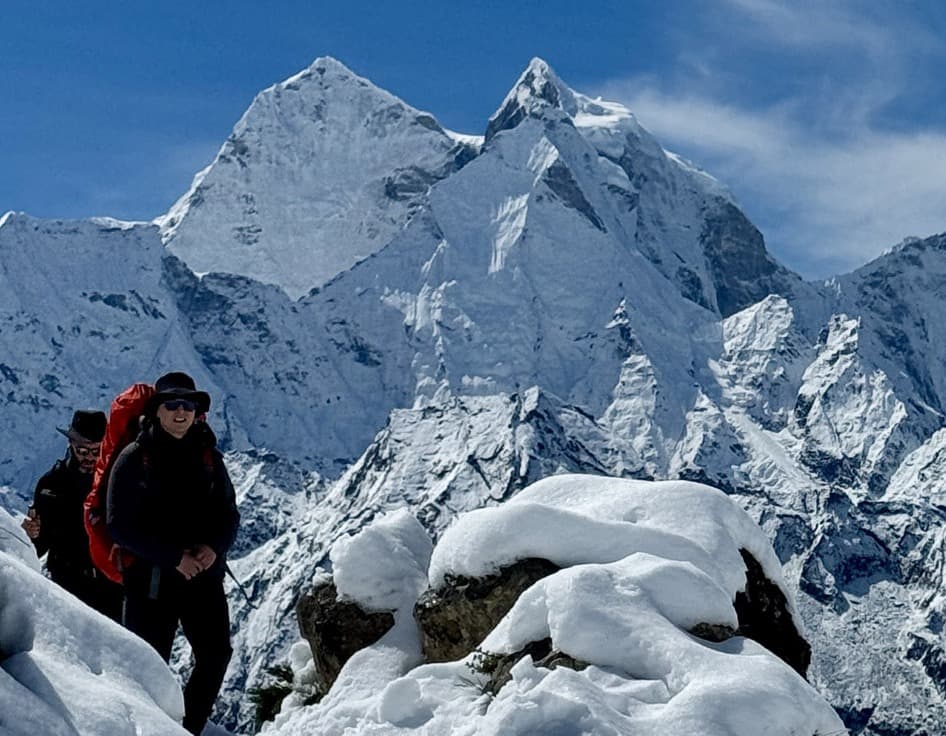
    The Annapurna Short Trek is a perfect choice for trekkers seeking stunning mountain views and a cultural experience within a short timeframe. With a duration of just 6-9 days, it’s ideal for those with limited time who still want to explore the beauty of the Annapurna region. The trek offers breathtaking views of peaks like Annapurna and Machapuchare, as well as lush forests and charming villages.

    This trek is suitable for beginners or trekkers with moderate fitness levels, as it’s less strenuous than other high-altitude treks. Along the way, you'll pass through traditional Gurung and Magar villages, where you can immerse yourself in local culture and hospitality.

    Meal and Accommodation 

    During the Annapurna Base Camp Short (ABC) Trek, both meals and accommodation are basic but adequate, ensuring trekkers have the essentials for a comfortable journey. The teahouses along the route serve traditional Nepali dishes like dal bhat (lentil soup with rice), momos (dumplings), and thukpa (noodle soup), offering nourishing meals to fuel your trek. Other options like fried rice, pasta, and potatoes are available, along with snacks such as biscuits, cookies, and hot drinks like tea and coffee. While the menu may become simpler at higher altitudes, the meals remain hearty and provide the necessary energy for long days of trekking.

    Accommodation is offered in teahouses, which are simple, family-run guesthouses with twin beds or shared dormitory-style rooms. Shared bathrooms are common, but the rooms are cozy and warm, offering a place to rest after a day of trekking. As you gain altitude, accommodations may become more basic, but the welcoming atmosphere and warmth of the teahouses make the trek enjoyable despite the simplicity.

    Electricity and WI-FI

    During the Annapurna Base Camp (ABC) Short Trek, both electricity and WiFi are available. In lower areas, such as Pokhara and Tadapani, electricity is generally reliable, often sourced from the national grid or small hydropower plants. As you ascend, solar power at ABC camp or generators is commonly used, and while you can charge devices, additional charges may apply. WiFi is available at most teahouses in the lower sections, but its reliability decreases as you approach ABC. At higher altitudes, the signal may be slow or unavailable. It’s best to prepare for limited connectivity and enjoy the trek without constant distractions.

    Alternative Option

    The 11-day Poonhill ABC specially crafted travel package is a round-trip flight tailored for the needs of older adults and children. It offers a beautiful opportunity for families to explore the stunning landscapes of Nepal together. With a focus on comfort and ease, the shortest ABC by flight this trek ensures a smooth and enjoyable journey for all participants, taking into account their specific needs and preferences.

    Plan Thoroughly,

    Our team at Escape Himalaya is always ready to cater to your wishes, ensuring that every moment of your journey is tailored to create an unforgettable and personalized adventure in the heart of the mountains. If you'd like to tailor your trip as needed, please send us an inquiry message or contact us directly.

    Detail Itinerary

    Expand all +
    1Day 01

    Arrival in Kathmandu

    Upon arrival, you will be greeted by our office representative, who will transfer you to your trip hotel in Kathmandu. At the hotel, you will have a brief meeting about the journey, and afterward, you can rest and prepare for your following day's adventure.

    1. Max. Elevation:1355m.
    2. Durations30 minutes
    3. Distance6 km
    4. AccommodationHotel
    2Day 02

    Fly to Pokhara, Drive to Kimche & Trek to Ghandruk

    Brace yourself for a journey that brings you to the village from the city. You will fly to Pokhara, which takes about 20-30 minutes. Upon reaching Pokhara, you will drive to Kimche, which takes approximately 2 hours, and start hiking towards Ghandruk. In less than an hour, we will reach Ghandruk.

    As the evening sets in, immerse yourself in the beauty and rich culture of the traditional Gurung settlement, set against the majestic backdrop of the Annapurna Himalayas.

    1. Max. Elevation:822m.
    2. Durations3 minutes
    3. Distance2 km walk
    4. MealsBreakfast, Lunch, and Dinner Included
    5. AccommodationGuesthouse
    3Day 03

    Trek to Sinuwa

    Our trek begins from Ghandruk today. We will climb to Kimrung Danda, descend to the Kimrung River, climb again to Doorbin Danda, and continue to Chhomrong. After lunch, we will continue to Sinuwa, the village on the hill next to Chhomrong.

    1. Max. Elevation:2340m.
    2. Durations5 hours
    3. Distance12 km
    4. MealsBreakfast, Lunch, and Dinner Included
    5. AccommodationGuesthouse
    4Day 04

    Trek to Deurali

    We will wake up early and have a warm breakfast to continue our trek. After filling our stomachs, we will head toward Deurali today. Hiding from steep hills and narrow paths to Deurali is a long trekking day. Be prepared for lots of ups and downs today. You will pass beautiful villages like Upper Sinuwa, Bamboo, Dovan, and Himalaya before reaching Deurali.

    1. Max. Elevation:3200m.
    2. Durations6 hours
    3. Distance14 km
    4. MealsBreakfast, Lunch, and Dinner Included
    5. AccommodationGuesthouse
    5Day 05

    Trek to Annapurna Base Camp

    This day is D-day. You will arrive at the anticipated Annapurna Base Camp today. While in transit to the base camp, you will also sidestep Machhapuchhre Base Camp (MBC) at 3,712 meters. The course from Deurali to Machhapuchhre Base Camp through river bank and some rough terrains.

    Further, the trail to the base camp from MBC onwards seems easier even being gradual uphill climb. You will get to savor the magnificence of the white-blanketed Himalayas and the lively atmosphere while approaching to the base camp. We will visit around the best location for good pictures and vibe of the moment.

    1. Max. Elevation:4130m.
    2. Durations6 hours
    3. Distance8 km
    4. MealsBreakfast, Lunch, and Dinner Included
    5. AccommodationGuesthouse
    6Day 06

    Trek back to Bamboo

    We will wake up early and catch the golden sunrise amidst the Annapurna Massif. After capturing the tranquil scenery, we have a warm breakfast and continue our journey. Our destination for today is Bamboo. We will descend to Bamboo, bypassing the smaller villages en route to Bamboo.

    1. Max. Elevation:2310m.
    2. Durations6 hours
    3. Distance18 km
    4. MealsBreakfast, Lunch, and Dinner Included
    5. AccommodationGuesthouse
    7Day 07

    Trek to Jhinu Danda & Drive to Pokhara

    Today, we will trek back to Jhinu Danda and drive to Pokhara. It is around a six-hour walk to reach Jhinu Danda through Sinuwa and Chhomrong villages, where you will catch a jeep.

    Reaching down to cross the long suspension bridge, you'll arrive at Jhinu Danda Jeep Station and take a drive back to Pokhara.

    1. Max. Elevation:1780m.
    2. Durations6 hours
    3. Distance12 km
    4. MealsBreakfast, Lunch, and Dinner Included
    5. AccommodationHotel
    8Day 08

    Bus drive to Kathmandu

    On this day, you will drive to Kathmandu by tourist bus. The highway is long, beautiful, and scenic and passes through several districts of Nepal. Upon arrival at the bus stop in Kathmandu, you will be dropped off at the hotel.

    (Note: You have the option to take a flight back to Kathmandu at the preferred time.)

    1. Max. Elevation:1355m.
    2. Durations6 hours
    3. Distance200 km
    4. MealsBreakfast Included
    5. AccommodationHotel
    9Day 09

    Farewell

    After the great adventure in the Annapurna region ends, you will depart from Nepal today. Approximately three hours before your return flight, a representative from Escape Himalaya will escort you to the air terminal and bid you farewell.

    1. Max. Elevation:1355m.
    2. Durations30 minutes
    3. Distance6 km
    4. MealsBreakfast Included

    If the provided schedule isn't suitable for you, we are able to create personalized travel arrangements according to your preferences and requirements.

    Customize My Trip

    Cost Details

    Cost Includes

    • All ground (airport/hotel) transfers by private vehicle
    • Two nights' accommodation with breakfast at a 3-star category hotel in Kathmandu
    • One night's accommodation with breakfast at a 3-star category hotel in Pokhara
    • Full board meals (Breakfast, Lunch, and Dinner) with tea/coffee during the trek
    • Best available twin-sharing lodge-to-lodge accommodation during the trek
    • Seasonal fruits - after-dinner snacks during the trek
    • Flight fare from Kathmandu to Pokhara, including departure taxes
    • Transfer from Pokhara to Kathmandu on a tourist bus
    • Private vehicle transfer from Pokhara to Ghandruk and Jhinu Danda to Pokhara
    • One highly experienced, helpful, and friendly guide and porters (1 porter for two people), including their food, transfers, accommodation, salary, equipment, and accidental insurance
    • Escape Himalaya Duffle Bag, Down Jacket, and Sleeping Bag during the trek
    • Escape Himalaya T-shirt, Trekking Map, and Trip Achievement Certificate
    • A comprehensive first-aid medical kit
    • ACAP (Annapurna Conservation Area Project) Permit Fee (Please bring three passport photographs for the permit.)
    • All government taxes & office service charges

    Cost Excludes

    • Meals not specified in the 'Meal Inclusions' in the itinerary
    • Travel Insurance
    • International Airfare
    • Nepal entry visa: You can obtain a visa upon your arrival at Tribhuwan International Airport in Kathmandu. (A multiple-entry tourist visa suitable for 30 days can be obtained by paying US$50 or equivalent foreign currency. Similarly, multiple-entry tourist visas for 90 days can be obtained by paying US$125. Please bring two copies of passport-size photos.)
    • Hot showers during the trek.
    • All kinds of cold drinks, e.g., water, Coke, Fanta, juice, etc.
    • Personal Trekking Equipment
    • Tips for trekking staff and drivers

    Dates & Availability

    • 28th Jan 2026From Kathmandu
      5th Feb 2026To Kathmandu
      guaranteed
      US $750Per person
      Book Now
    • 30th Jan 2026From Kathmandu
      7th Feb 2026To Kathmandu
      guaranteed
      US $750Per person
      Book Now
    • 1st Feb 2026From Kathmandu
      9th Feb 2026To Kathmandu
      guaranteed
      US $750Per person
      Book Now
    • 4th Feb 2026From Kathmandu
      12th Feb 2026To Kathmandu
      guaranteed
      US $750Per person
      Book Now
    • 8th Feb 2026From Kathmandu
      16th Feb 2026To Kathmandu
      guaranteed
      US $750Per person
      Book Now
    • 10th Feb 2026From Kathmandu
      18th Feb 2026To Kathmandu
      guaranteed
      US $750Per person
      Book Now
    • 20th Feb 2026From Kathmandu
      28th Feb 2026To Kathmandu
      guaranteed
      US $750Per person
      Book Now
    • 22nd Feb 2026From Kathmandu
      2nd Mar 2026To Kathmandu
      guaranteed
      US $750Per person
      Book Now
    • 28th Feb 2026From Kathmandu
      8th Mar 2026To Kathmandu
      guaranteed
      US $750Per person
      Book Now
    • 1st Mar 2026From Kathmandu
      9th Mar 2026To Kathmandu
      guaranteed
      US $750Per person
      Book Now
    • 5th Mar 2026From Kathmandu
      13th Mar 2026To Kathmandu
      guaranteed
      US $750Per person
      Book Now
    • 10th Mar 2026From Kathmandu
      18th Mar 2026To Kathmandu
      guaranteed
      US $750Per person
      Book Now
    • 12th Mar 2026From Kathmandu
      20th Mar 2026To Kathmandu
      guaranteed
      US $750Per person
      Book Now
    • 14th Mar 2026From Kathmandu
      22nd Mar 2026To Kathmandu
      guaranteed
      US $750Per person
      Book Now
    • 16th Mar 2026From Kathmandu
      24th Mar 2026To Kathmandu
      guaranteed
      US $750Per person
      Book Now
    • 22nd Mar 2026From Kathmandu
      30th Mar 2026To Kathmandu
      guaranteed
      US $750Per person
      Book Now
    • 24th Mar 2026From Kathmandu
      1st Apr 2026To Kathmandu
      guaranteed
      US $750Per person
      Book Now
    • 26th Mar 2026From Kathmandu
      3rd Apr 2026To Kathmandu
      guaranteed
      US $750Per person
      Book Now
    • 27th Mar 2026From Kathmandu
      4th Apr 2026To Kathmandu
      guaranteed
      US $750Per person
      Book Now
    • 29th Mar 2026From Kathmandu
      6th Apr 2026To Kathmandu
      guaranteed
      US $750Per person
      Book Now
    • 30th Mar 2026From Kathmandu
      7th Apr 2026To Kathmandu
      guaranteed
      US $750Per person
      Book Now
    • 31st Mar 2026From Kathmandu
      8th Apr 2026To Kathmandu
      guaranteed
      US $750Per person
      Book Now
    • 6th Apr 2026From Kathmandu
      14th Apr 2026To Kathmandu
      guaranteed
      US $750Per person
      Book Now
    • 8th Apr 2026From Kathmandu
      16th Apr 2026To Kathmandu
      guaranteed
      US $750Per person
      Book Now
    • 10th Apr 2026From Kathmandu
      18th Apr 2026To Kathmandu
      guaranteed
      US $750Per person
      Book Now
    • 12th Apr 2026From Kathmandu
      20th Apr 2026To Kathmandu
      guaranteed
      US $750Per person
      Book Now
    • 14th Apr 2026From Kathmandu
      22nd Apr 2026To Kathmandu
      guaranteed
      US $750Per person
      Book Now
    • 20th Apr 2026From Kathmandu
      28th Apr 2026To Kathmandu
      guaranteed
      US $750Per person
      Book Now
    • 24th Apr 2026From Kathmandu
      2nd May 2026To Kathmandu
      guaranteed
      US $750Per person
      Book Now
    • 28th Apr 2026From Kathmandu
      6th May 2026To Kathmandu
      guaranteed
      US $750Per person
      Book Now
    • 29th Apr 2026From Kathmandu
      7th May 2026To Kathmandu
      guaranteed
      US $750Per person
      Book Now

    Short Annapurna Base Camp Trek - 6 Days Hike Route Map

    Short Annapurna Base Camp Trek - 6 Days Hike Map

    Good to Know

    Essential Guide: Everything You Need to Know for Short ABC Trek

    Altitude and Getting Used to Less Oxygen

    Your body needs time to build red blood cells at altitude. That's just basic biology. Sleeping at Ghandruk (1,940m) on night one feels totally normal. By Sinuwa (2,340m), you might notice slightly heavier breathing. Deurali (3,200m) is where most people start feeling off. Mild headache, weird appetite, restless sleep. This is actually normal and means your body is adjusting properly. Red flags to watch for? Severe headache that won't respond to medicine. Throwing up. Confusion. Drink 4 liters of water daily, even when you're not thirsty. Dark urine means you're dehydrated. Skip alcohol at dinner because it dries you out and masks altitude symptoms. Walk slowly and take your time. We've noticed the fastest trekkers often get the sickest.

    Physical Fitness Requirements

    Can you hike uphill for 2 hours without stopping? That's our minimum fitness recommendation. This isn't Everest. You don't need to run marathons. You just need to feel comfortable with steady effort over time. Start training by hiking local hills with a 5kg backpack. Do this for 6 to 8 weeks before you leave. Stair climbing works excellently if you don't have hills nearby. Aim for 45 minutes without breaks. The trek's real challenge isn't technical difficulty. There's no rock climbing involved. It's the long days combined with thin air. Your heart and lungs matter way more than leg strength here. Age really isn't the main issue either. We've had 68-year-olds reach the top while fit 25-year-olds struggled. Your knees will take a beating on the way downhill. If yours are already problematic, bring trekking poles and consider wearing knee sleeves.

    Permits and Documentation

    You need two permits to trek legally. ACAP costs 3,000 NPR. The TIMS card costs 2,000 NPR. That's roughly $38 total. We handle all the paperwork for you. Just email us passport copies and three photos with a white background, measuring 35mm x 45mm. Send these one week before your trek. Since 2023, solo trekking has been banned in this area. You must have a licensed guide now. Officials check permits at the Ghandruk entry and Chhomrong checkpoint. Sometimes they check at MBC too. Keep your permits in a plastic sleeve because checkpoints won't accept wet or torn documents. Lost your permit during the trek? You'll have to hike all the way back down to Pokhara to replace it. We've seen this happen twice in 10 years. Don't be that person who loses important papers.

    Travel Insurance Requirements

    Your insurance must clearly state it covers trekking to 5,000m. Yes we said 5,000m even when ABC only reaches 4,130m. Insurance companies just categorize it higher for some reason. Standard travel insurance completely excludes mountain activities. We recommend World Nomads or True Traveller for trekking in Nepal. Helicopter rescue from ABC runs between $4,000 to $5,000. You must pay this upfront before the helicopter even takes off. Insurance companies reimburse you later, but not during the actual emergency. Save your policy number and emergency contact on your phone, where you can access them offline. Take photos of all your insurance documents, too. Read the fine print carefully. Some policies require you to report altitude sickness symptoms within 24 hours, or they refuse to cover helicopter costs.

    Money and Budgeting

    Plan to spend an extra $40 to $60 beyond the trek package for the week. Hot showers run 300 to 500 NPR. That's about $3 to $4 per shower. Totally worth it at Deurali after a long dusty day. Charging phones costs 200 NPR per device. Bring a portable battery pack to avoid having to pay for this repeatedly. Bottled water gets really expensive at 400 NPR at ABC. Carry purification tablets instead. We provide these to all our trekkers. WiFi costs 300 NPR daily but barely works above Bamboo anyway. Just save your money on that one, for tips, budget $15 per day for your guide and $10 per day for your porter. Most trekkers give around these amounts. No ATMs exist anywhere on the trail. Withdraw plenty of rupees in Pokhara before starting. Teahouse owners strongly prefer small bills, such as 100 and 500 NPR notes, over 1,000 NPR notes.

    Connectivity and Communication

    Nepal Telecom SIM cards work best up here. Ncell has pretty spotty coverage above Chhomrong. You'll get 3G at Ghandruk and Sinuwa. The signal gets weak at Deurali. Nothing works at ABC unless you get really lucky. WhatsApp messages might eventually be sent. Just forget about posting Instagram updates until you're back in Pokhara. Some teahouses advertise WiFi but it's painfully slow. Think 10 minutes just to load your Gmail inbox. Download offline maps before the trek starts. Maps.me works great and doesn't need any internet connection. Bring a backup battery bank. Charging opportunities are both limited and expensive up there. Tell your family you'll be completely unreachable for 3 to 4 days during the trek. Here's an unexpected benefit. The digital detox actually feels refreshing after day two.

    Weather and Seasonal Considerations

    October to November is peak trekking season for really good reasons. You get clear skies and stable weather. Mountain views stay sharp and visible. Daytime temps at ABC hover around 5 to 10°C. Nights drop down to minus 10°C. March to May brings warmer weather, and rhododendrons bloom everywhere. But afternoon clouds often block the views during these months. Winter, from December to February, is technically possible but pretty harsh. Snow blocks trails above Deurali regularly. Nighttime temps plunge to minus 20°C. Several teahouses close completely for the season. Monsoon runs from June to August. You'll deal with leeches in the forest and constant rain below 3,000m. Clouds hide all the peaks too. We run treks year-round but honestly? Just book October to November or March to April. You'll thank us later when you're standing at ABC under perfect blue skies instead of being stuck in thick fog.

    Trail Conditions and Safety

    About 70% of the trail is made up of stone steps. We're talking thousands of them. This is actually harder on the knees than flat-ground walking. Steps come in uneven heights too. You need to watch your footing constantly. Seven major suspension bridges cross rivers and gorges. They sway when you walk but they're totally safe. Just let mules pass first because they have the right of way. The trail narrows quite a bit between Bamboo and Deurali, with steep drop-offs along the way. It's not dangerous if you stay focused. Just put your phone away during these sections. Snow appears above MBC during the spring months. You'll need careful footing there. We provide microspikes when conditions require them. Avalanche risk exists from April to May on the final approach to ABC. We check conditions every single day. We've actually turned groups around when it got unsafe. Your guide carries a satellite phone for any emergencies. Helicopter response time averages 4 to 6 hours in good weather. Takes longer when it's cloudy.

    Accommodation and Facilities

    Teahouses keep things pretty simple. You get twin beds with thin mattresses. Bathrooms are shared. Everyone gathers in the communal dining hall that has a wood-burning stove. Nobody heats the bedrooms. You'll literally sleep in your down jacket up at ABC. Bathrooms start as western toilets down at Ghandruk. They switch to squat toilets as you get higher. Hot showers work reliably up to Sinuwa. They become hit-or-miss at Deurali. They don't exist at all at ABC. Nobody bothers showering there anyway because it's cold. Electricity comes from solar panels. Usually available from 6 to 8 pm each evening. Outlets are pretty scarce. Expect to share charging stations with other trekkers around you. Teahouses provide bedding, but you should bring a sleeping bag liner for hygiene. The dining hall is really where all the magic happens. People play card games and swap stories. You can watch the sunset light hit Machapuchare right through the windows.

    Packing Smart

    You need to pack for total extremes here. You'll sweat right through your shirts at Ghandruk when temps hit 25°C. Then you'll freeze at ABC when it drops to -10°C. A good layering system works best. Pack two synthetic base layers and one fleece mid-layer. Add one puffy down jacket and one hardshell rain jacket. Bring two pairs of trekking pants and one pair of thermal leggings. Pack four pairs of wool socks because cotton just causes blisters. Your boots absolutely must be broken in already. New boots will guarantee painful blisters by day two. Bring a 30-liter daypack to carry water and snacks. Add your camera and one extra layer. Don't overpack your main bag. Your porter can only take 12kg in the duffel. Leave your hair dryer and extra shoes at the Pokhara hotel. Same with jeans. Bring a headlamp for those early morning starts. Pack trekking poles to save your knees. Grab good sunglasses because UV rays are super intense. Put water purification tablets and blister plasters in your daypack. Add all your personal medicines there, too, instead of putting them in the duffel bag.

    Food and Hydration

    Dal bhat means rice and lentils. You get unlimited refills, and each meal costs 600 to 800 NPR. It's the best fuel for all-day trekking. Smart trekkers eat it twice daily for maximum energy. Other menu options include fried rice and noodle soup. You'll find momos, spring rolls, and pasta too. Breakfast usually means porridge or eggs. Chapati with jam is popular too. Food quality surprises most people in a good way. Teahouse kitchens stay cleaner than you'd probably expect. Menus do get smaller above Bamboo. Don't expect to be able to order burgers once you reach ABC. Meals take 45 to 60 minutes to cook because water boils at lower temperatures at higher altitudes. Order your drinks the second you arrive at a teahouse. Your tea will be ready by the time your food comes out. Try the garlic soup at dinner. It supposedly helps with altitude adjustment. Locals absolutely swear by this. Drink water constantly throughout the day. Aim for 4 liters minimum. Refill your water bottles at teahouses for just 20 NPR. Then purify it with tablets instead of buying plastic bottles everywhere. Check your pee color regularly. It should run clear and not yellow.

    Health and First Aid

    Bring ibuprofen because headaches happen to almost everyone. Ask your doctor about Diamox before you leave. Take 125mg twice daily starting right at Ghandruk. Pack some anti-diarrheal meds just in case. Blister plasters are essential too. Zinc oxide tape actually prevents blisters better than regular Band-Aids. Wrap any hot spots immediately before blisters even form. Altitude headaches usually respond well to ibuprofen and water. Slowing your walking pace helps too. If your symptoms keep getting worse despite all treatments, then going down is the only real cure. Waiting it out at altitude can actually turn fatal. Bring hand sanitizer and use it religiously. Always wash your hands before eating anything. Altitude kills your appetite pretty fast, but you need to force yourself to eat. Your body desperately needs that fuel. Sunburn happens incredibly fast at altitude, even on cloudy days. Reapply SPF 50 sunscreen every 2 hours without fail. Your lips will crack painfully without protection. Balm with SPF is absolutely required. Minor cuts heal super slowly at altitude. Keep them clean and properly covered at all times.

    Trekking Poles and Equipment

    Poles cut knee strain by about 25% when going downhill. That adds up to huge relief over five full days. Adjustable poles let you shorten them for uphill sections. Lengthen them back out for downhill stretches. Plant them really firmly on uneven ground. We've seen people twist ankles badly when poles slip on wet rocks. Bring rubber tips for the stone step sections. Metal tips just slide around dangerously. Carbide tips work better for dirt sections. A headlamp is absolutely required for pre-dawn starts and nighttime bathroom trips. The stars at ABC are absolutely incredible. Your sunglasses need at least UV400 protection. Snow blindness is both real and extremely painful. Regular water bottles will freeze solid at ABC. Insulated bottles work way better. So do hydration bladders with tubes tucked inside your jacket. Microspikes are those mini crampons for shoes. Optional from October to November, but required from March to May above MBC. We provide them when you need them. Bring a stuff sack for separating dirty clothes. You won't be washing anything during the trek anyway.

    Cultural Etiquette

    Always walk clockwise around stupas and mani walls. This is really important to locals. Taking photos of people without asking first is rude. Just point to your camera at them and wait for them to nod. Dress modestly whenever you're in villages. Cover your shoulders and knees. Remove your shoes before entering any homes or the sleeping areas of lodges. Never touch anyone's head because locals consider it sacred. Don't point your feet at people when you're sitting down, either. Use only your right hand when giving or receiving anything. In their culture, your left hand is reserved for bathroom tasks. Namaste works perfectly for both "hello" and "goodbye". Learn to say dhanyabad. It means thank you. Locals really appreciate it when you try speaking a bit of Nepali. Don't give money or candy directly to children. It just encourages begging behavior. If you want to help, ask your guide about supporting village projects instead. Tipping isn't expected at teahouses because prices already include service. But guides and porters genuinely rely on tips for income. Make sure you budget properly for this.

    Emergency and Rescue

    Helicopter rescue runs between $4,000 to $5,000 total. It requires insurance approval before the helicopter ever takes off. Your guide contacts the helicopter company first. They call your insurance provider next. Only after payment is fully confirmed will they actually fly out. Weather delays rescues up here. Thick clouds, strong winds, or fog can ground helicopters for 12 to 48 hours straight. If flying becomes completely impossible, porters will carry you down on a stretcher to a lower elevation. The Himalayan Rescue Association runs a medical clinic at MBC but only during peak seasons. That's October to November and March to May. Real doctors staff it and can properly assess altitude sickness. Your guide will check your oxygen saturation using a pulse oximeter above 3,500m. Anything measuring below 85% becomes genuinely concerning. Watch for severe altitude sickness symptoms. Confusion is a major one. Inability to walk in a straight line. Coughing up pink frothy liquid. Severe exhaustion that seems abnormal. If any of these symptoms appear, you need to go down immediately. Even in the middle of the night, we've evacuated three trekkers in our 12 years of operation. All of them recovered fully because we acted fast and didn't wait around.

    Additional Cost Planning

    Apart from the major costs of your ABC trip package, you will need to budget for certain additional fees. Here's a simple plan to help you budget while still having a good time:

    Trail Necessities:

    • Hot Showers: Tea houses may charge $3-5 for a warm shower, particularly at higher elevations.
    • Charging Electronics: Tea houses may allow you to charge your electronics for $1-3 per piece. Bringing a portable charger is convenient.

    Food & Treats:

    • Extra Meals: Depending on where you are, you may want to purchase more snacks or lunches, which cost between $5 and $10.
    • Drinks: Expect to spend $1-3 per bottle of purified  Drinking water. Other drinks may be more expensive, so use a reusable bottle and filter your water to save money and prevent waste.

    Staying Connected:

    • Wi-Fi: While many guest houses offer Wi-Fi, it can be slow and expensive, typically costing US$2-3 per day. If you need internet access, consider downloading maps and entertainment ahead of time.

    Remember that prices might vary, so use these estimates as a guideline.

    Consider your spending patterns for drinks, snacks, and gifts.

    Note: Carry Nepali Rupees for incidental expenses. While some tea shops accept US dollars, possessing the local currency eliminates conversion problems and ensures you have the correct amounts for smaller transactions.

    By budgeting for these things, you'll be better prepared to deal with unexpected costs and enjoy your Annapurna Base Camp route!

    Dining on the Annapurna Short Trek: From Classic Favorites to Local Delights

    Lunch and dinner on the Annapurna Base Camp Short trek are a delicious adventure in themselves. Dal Bhat, a traditional Nepali cuisine, is a popular choice among trekkers due to its low cost and high-calorie content. But the variety does not end there. Tea houses cater to a wide range of tastes, with classic dishes such as fried rice, chicken curries, and even burgers and pizzas. Noodle enthusiasts can have stir-fried noodles or cheesy pasta meals.

    After a day of hiking, dinner becomes a joyous occasion, with tea houses broadening their menus to include a broader selection of familiar favorites as well as local specialties.  So, whether you crave a hearty Dal Bhat or a soothing slice of pizza, the ABC journey delivers a great and satisfying refill after each adventure-filled day.

    Annapurna Base Trek Fundamentals:

    Prepare for the Annapurna short Trek with our full package, carefully planned to keep you comfortable and prepared during the entire trip.

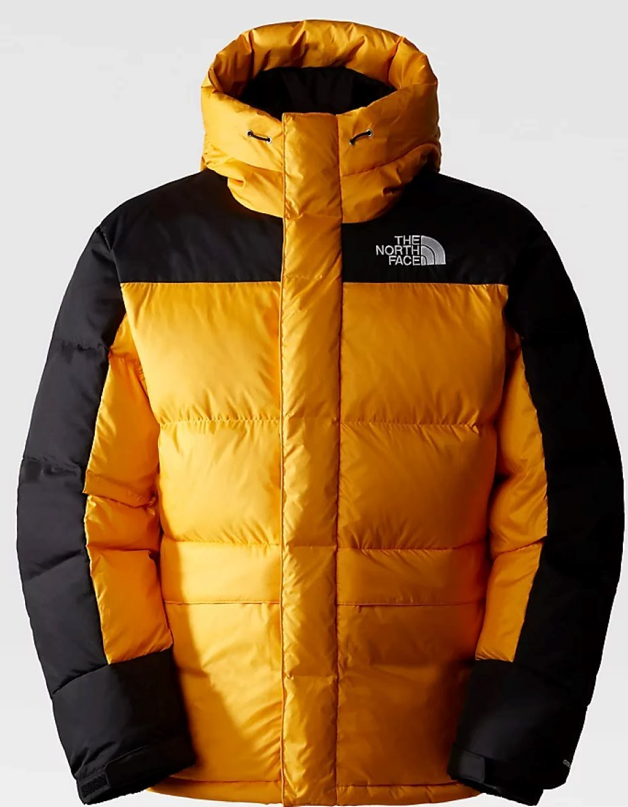
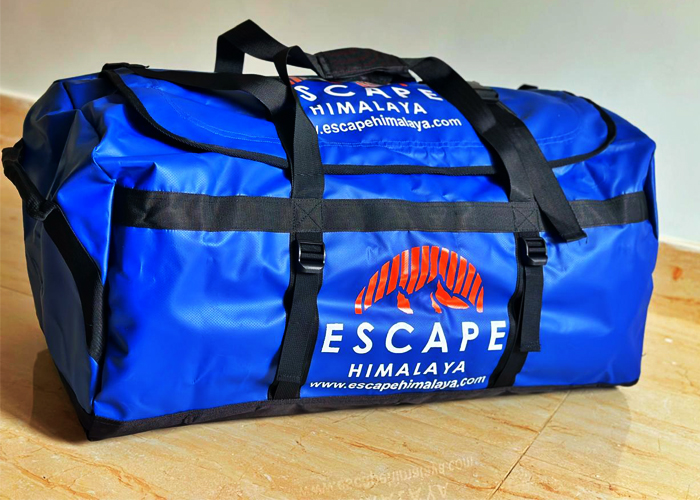
    We provide a 120-liter Duffel Bag for trek packing, a certified -20°C Down Jacket, and a four-season Sleeping Bag, ensuring warmth and coziness during chilly mountain nights.

    Trekking Duffel Bag for Annapurna Short Trek

    A duffle bag, also known as a kit bag is a cylindrical-shaped carrying bag having a top closure generally made of either natural fabric or other sturdy fabric (usually canvas). It has a handle or a shoulder strap to carry which makes it easy for the porter to carry it. Duffle bags are commonly used for traveling, sports, and outdoor activities or even for temporary storage. They are used for carrying clothing, personal items, and electronics or sports gear during travel. The size of the duffle bag varies according to one's needs and requirements. They come in different sizes from small bags to large travel duffle bags capable of holding required gear during travel. Generally, duffle bags are used to carry loads up to 15 kg in all trek which varies according to the size and materials to be carried during the travel, as well as the carrying limit of the porter. Duffle bags are suitable for trekking due to their comfort and accessibility as it is flexible and portable which makes them easy to carry. It is an excellent choice to carry for traveling due to its versatility and ease of handling.

    Trekking Duffle Bag
    Duffel Bag/Trek Luggage

    We arrange the duffle bags that hold up to 120 liters of storage capacity and are also waterproof which helps in the rainy environment by protecting the materials inside the bag. Generally, these duffle bags are carried by the porter during the trek and you can carry a small or medium carrying bag for yourself to carry personal materials and gadgets with you. Please be assured that your luggage and suitcase will be securely managed and safeguarded at our hotel while you enjoy your trek and will promptly return to you once you complete your trek.

    Down Jacket

    A down jacket, also known as a puffer jacket is a quilted coat filled with soft feathers either from a duck or goose. Down jackets are more popular for cold climates and especially useful in mountains and higher altitudes. They are generally preferred by hikers, trekkers, and backpackers for being extremely comfortable due to their lightweight and compressibility making it easy to pack without occupying a lot of space. It has an excellent warmth-to-weight ratio, best for maintaining body heat essential for trekking in cold climates and higher altitudes.

    down jacket
    Down Jacket

    It is also ideal for wearing and sleeping in during high-altitude treks, providing excellent insulation and good comfort. Please ensure to return it once the trek is completed so it can be preserved for the next adventures.

    Sleeping Bag

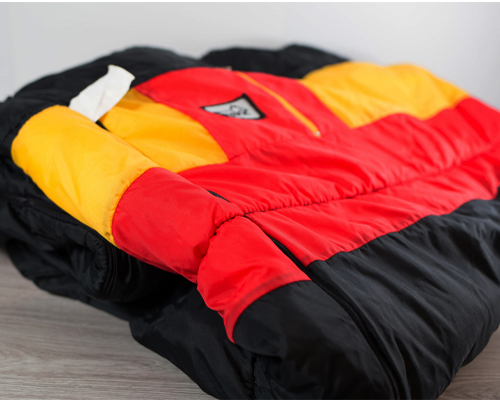
    Sleeping bags are essential gear for travelers and trekkers which provide good comfort and protection in various climatic conditions and altitudes. Most of our treks and tours require a sleeping bag as it keeps you warm by trapping the heat around you from your body.

    Sleeping bag
    Sleeping Bag

    The sleeping bags we use are mummy-shaped with a zip up and down that keeps the top tight around you. It is used in cold and wet climates in high altitudes( -20°C to  -25°C maximum temperature) giving you protection, and comfort and as well it is also lightweight and compact which it easy to carry on long treks. The sleeping bag is returned after the trek as it helps us to maintain our gear for future adventurers.

    At Escape Himalaya, we provide a detailed checklist of essential trekking gear, ensuring that you're fully equipped for your Himalayan adventure. 

    HEAD

    • Sun Hat or Scarf
    • Lightweight Balaclava or Warm Fleece Hat
    • Sunglasses with UV Protection
    • Headband or ear covers

    FEET

    • Thin, Lightweight Inner Socks
    • Thick, Warm Wool Hiking Socks
    • Sturdy Hiking Boots
    • Camp Shoes (Sneakers/Sandals)
    • Gaiters
    • Spare Laces
    • Microspikes

    HANDS

    • Lightweight Gloves
    • Heavyweight Gloves or Mittens
    • Hand Warmers

    LOWER BODY

    • Undergarments
    • Hiking Shorts
    • Lightweight Cotton Long Pants
    • Light & Expedition Weight Thermal Bottoms
    • Fleece Pants
    • Waterproof Shell Pants

    ACCESSORIES

    • Backpack (30-50 LTR)
    • Headlamp
    • First Aid Kit
    • Large Plastic Bag
    • Trekking Poles
    • Water Bottle
    • Toiletries
    • Lip Balm
    • Water Purification Tablets
    • Dry Bags/Ziploc Bags
    • Earplugs
    • Guide and Porter
    • Chargers
    • Bag Covers
    • Raincoat
    • Personal Care Kit
    • Sunscreen
    • Moisturizer

    Personal Hygiene Items

    • Wet Wipes
    • Tissues
    • Handwash
    • Blister Plasters
    • Portable Hand Sanitizer

    ADDITIONAL ITEMS

    • Maps and Guides
    • Snacks/Energy Bars
    • Camera
    • Notebook/Pen

    Travellers‘ Reviews

    Write a Review
    • Sheryl Ang

      14th Dec 2024

      Gorgeous Views!

      Excellent trekking experience with Escape Himalaya to Kala Patthar! Everything went seamlessly, and my guide ensured we were safe and comfortable at all times, even in the high altitude. Will definitely choose EH again when I am back in Nepal for more hiking! The country is so beautiful and just has so much to offer!

      Read more +
    • Tony W

      18th Apr 2024

      Amazing Manaslu Circuit with Phurba & Ram

      Just back from a fantastic 2 week trek around the Manaslu Circuit including Larke Pass (5100m). The weather was perfect and the views were outstanding!!

      Our guide Phurba Sherpa was excellent. Super knowledgeable and helpful at all times and always made sure we had a fantastic trip.

      Our porter, Ram Badhadur Magar was also a rockstar. He was super professional and always arrived before us every day. He was also super friendly and helpful too.

      Thanks to Phurba, Ram for always smiling and for a fantastic trip. Would highly recommend them to anyone interested in trekking in Nepal

      Read more +
    • Kevin P

      3rd Apr 2024

      Everest base camp trek - Mar-Apr 2024

      My 60 year old pals set out in hope on this adventure. In late March. We had our guide Raj Kumar and two porterd Janak and Ramesh. All three were stars. We changed our schedule - no problem. I would not have made it without Raj. I cannot thank him enough. Janak often took my back pack on steep climbs where I was struggling. This is a truly majestic and spiritual trek and I would encourage using Escape Himalaya and request this team of guide and porters if you want to give yourself the best chance of finishing and making best use of your time.
      Read more +

    FAQS

    Expand All (15)

    Q1. Is a visa required for entry into Nepal?

    Yes, the majority of travelers to Nepal will need a visa. You can acquire one upon arrival at Tribhuvan International Airport in Kathmandu or at land border crossings. Alternatively, you have the option to apply for a visa beforehand at a Nepalese embassy or consulate in your home country.

    Q2. Will there be someone to pick me up at the airport when I arrive?

    Yes, Escape Himalaya offers airport pickup services for our clients. We recognize the significance of a seamless arrival and strive to guarantee a trouble-free beginning to your journey. When you reserve a trek or tour with us, you can coordinate with our team to schedule a representative to greet you at the airport upon your arrival.

    Look for our staff member holding a signboard bearing your name or the company's name for easy recognition. Providing us with your flight details ahead of time, including your flight number and estimated arrival time, enables us to make suitable arrangements for your pickup.

    Q3. As a solo traveler, are you able to join a group for your journey?

    Certainly! As a solo traveler, you're welcome to join one of the groups organized by Escape Himalaya. We frequently arrange group treks and tours that cater to individuals traveling alone. Joining a group not only allows you to meet other travelers but also offers the opportunity to share experiences and potentially lower costs.

    When reaching out to Escape Himalaya, simply inform us that you're a solo traveler interested in joining a group. We'll then provide details about available group departures and assist you in selecting a trek or tour that aligns with your preferences and travel dates.

    Q4. What are the types of hotel you use in Kathmandu?

    Generally, we use the best available 3-star, 4-star, and 5-star category hotels for travelers' accommodation in Kathmandu. Meanwhile, travelers can upgrade or prolong accommodation with us as required.

    The costs to prolong or upgrade hotel accommodation in Kathmandu may vary based on preferred hotel rates.

    Q5. Would it be possible for me to upgrade my accommodation to a luxury hotel in Kathmandu?

    Certainly! You have the option to upgrade your accommodation to a luxury hotel in Kathmandu. If you wish to elevate your stay from the standard 3-star hotel provided by Escape Himalaya, simply let us know, and we can arrange the upgrade for you. However, please bear in mind that availability and pricing for luxury hotels may fluctuate based on the hotel and the timing of your visit.

    Q6. Which destinations are commonly favored by tourists visiting Nepal?

    Nepal boasts breathtaking natural landscapes and a profound cultural legacy. Among the sought-after tourist spots are Kathmandu (the capital), Pokhara, Chitwan National Park, Lumbini (the birthplace of Lord Buddha), Bhaktapur, as well as the renowned trekking regions of Annapurna, Everest, Langtang, Manaslu, and Upper Mustang.

    Q7. Do we need a visa before coming to Nepal?

    Yes, most travelers need a visa to enter Nepal. However, the process for obtaining a visa depends on your nationality. You can either obtain a visa from the diplomatic consulate office of Nepal in your respective country or apply for an “On Arrival” visa at the entry checkpoints of Nepal. Please click this link to get more information on ways to issue a tourist visa. Also please see the visa fee here below:

    On-Arrival Visa Fee at Entry Points of Nepal:

    • 15 Days – 30 USD
    • 30 Days – 50 USD
    • 90 Days – 125 USD

    Indian nationals do not need to have a visa to enter Nepal however they need to bring an official document such as a Passport or Election card (issued by the Election Commission) that proves their identity.

    Q8. Which one is better: Group or Solo (private) trek?

    Escape Himalaya offers both group and solo trek to Everest Base Camp. However, to choose to join which tour style completely depends upon the traveler itself.

    If you are happy to meet people from other parts of the world and join in an experience of a lifetime with fellow travelers, then going for a group trek is also best.

    However, if you prefer freedom and flexibility, trekking solo (private) will give you the independence to set your own pace and choose your itinerary. You will have the flexibility to make spontaneous decisions. You will not be bound by a group schedule and choose to lead your journey as you wish and even modify the plan if needed.

    Q9. Which time of year is ideal for trekking to Annapurna Base Camp?

    The months of February to June and October to December are the best times to trek at Annapurna Base Camp. We'll be trekking from mid-September to May. Early September is when the monsoonal rains stop. The weather is often consistent from the end of September until the end of December, with temperate to warm days and cold nights.

    Q10. How much time does it take to get to Base Camp Annapurna?

    The Annapurna Base Camp Trek typically takes 9–12 days to finish, round trip, however particularly skilled trekkers can finish it in less time. It is approximately 42 miles (67 kilometers) one way. Days of acclimation are included, which are essential to prevent altitude sickness. Every day, trekkers usually hike for five to eight hours.

    Q11. Is a permit required to hike to Annapurna Base Camp?

    The Annapurna Conservation Area permission (ACAP) and the Trekkers Information Management System (TIMS) permission are required to hike to Annapurna Base Camp. You can get these licenses in Pokhara or Kathmandu.

    Q12. What differentiates the 11-day and 14-day ABC trip packages from one another?

    The 14-day trip includes two nights in Pokhara and an additional trekking day. If you have plenty of time, then this plan is ideal for you. You can enjoy the trek and then rest in Pokhara.

    In the 11-day package, we will forgo the two nights of accommodation in Pokhara and have one less trekking day. This package is ideal for people with limited time who wish to complete the trek in a short period.

    Q13. Which are the several routes to Annapurna Base Camp?

    The most popular way to Annapurna Base Camp is the classic route, which begins in Nayapul and passes through Ghorepani, Tadapani, Chhomrong, Dovan, and Deurali.

    Some options include visiting Poon Hill for sunrise views or taking the Annapurna Refuge route via Machhapuchhre Base Camp.

    Q14. who will come to pick me up at the airport on arrival day?

    Upon your arrival in Kathmandu, a representative from the Escape Himalaya staff will be there to pick you with white board attched with your name up at the airport. This service is included in all their trekking packages to ensure a smooth and comfortable start to your adventure. The representative will escort you to your hotel, where you will be staying as per the package itinerary. This service is designed to provide you with a hassle-free experience right from the beginning of your trip​.

    Q15. who will come to pick me up at the airport on arrival day?

    Upon your arrival in Kathmandu, a representative from the Escape Himalaya staff will be there to pick you with white board where attched yours name up at the airport. This service is included in all their trekking packages to ensure a smooth and comfortable start to your adventure. The representative will escort you to your hotel, where you will be staying as per the package itinerary. This service is designed to provide you with a hassle-free experience right from the beginning of your trip​.

    You may also Like

    • Everest Base Camp Luxury Trek
      03 reviews
      from $1990

      Everest Base Camp Luxury Trek

      14 Nights 15 Days
    • Annapurna Base Camp Trek
      08 reviews
      from $850

      Annapurna Base Camp Trek

      13 Nights 14 Days
    • Annapurna Circuit Tilicho Lake Trek
      from $1450

      Annapurna Circuit Tilicho Lake Trek

      16 Nights 17 Days