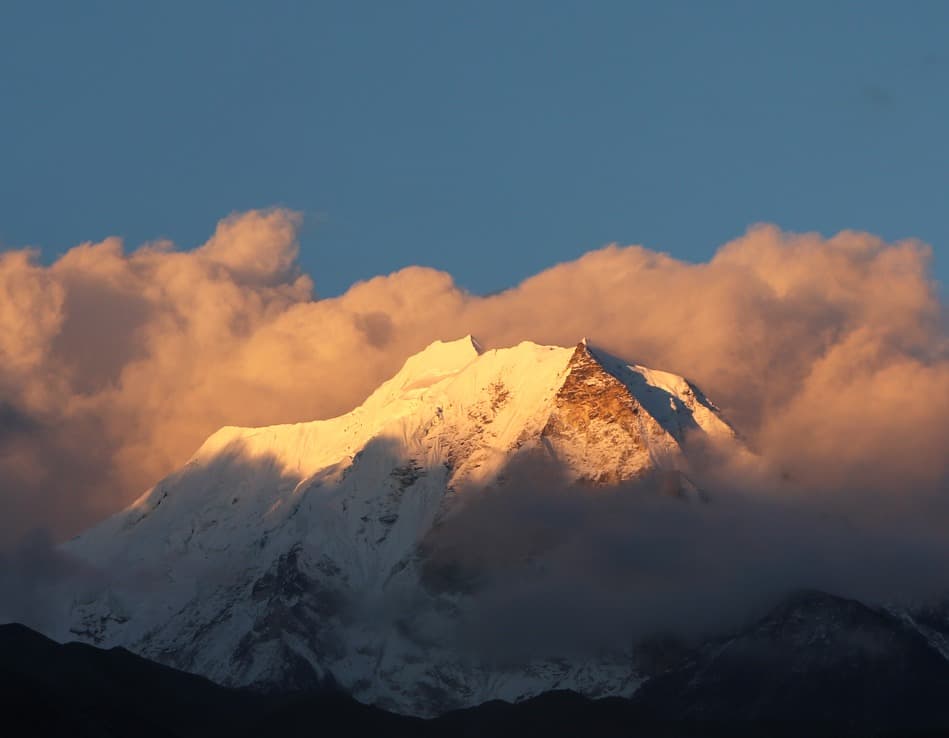





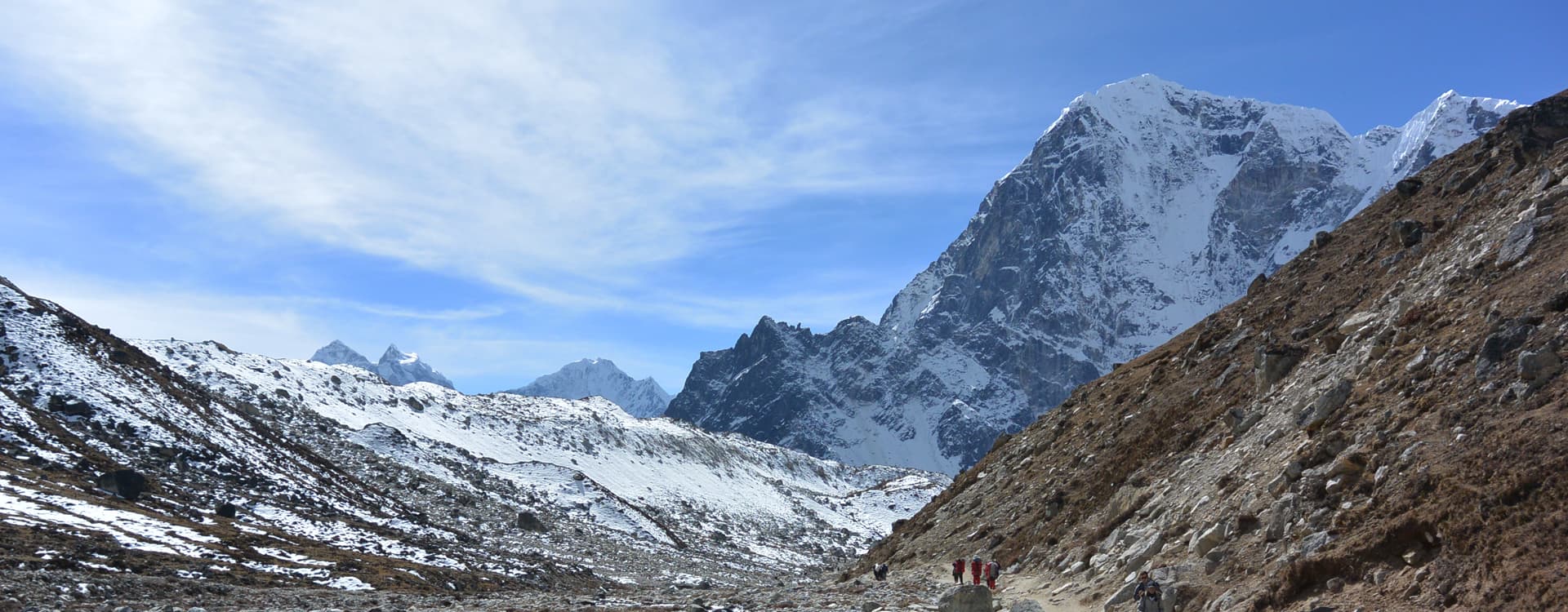
Combining the famous Everest Base Camp trek with a climb of Lobuche Peak creates one of the most thrilling adventures in the Himalayas. This journey gives you both worlds: walking the legendary trail to Everest's doorstep and then actually climbing a real Himalayan peak.
Lobuche East Peak sits at 6,119 meters. It's not the easiest climb, but it's definitely doable for fit trekkers who prepare well. You'll get a proper taste of mountaineering without needing years of experience. You'll use crampons, ice axes, and ropes. The slopes become steep, sometimes reaching angles of 45 to 60 degrees.
Your journey begins in Kathmandu. After a scenic flight to Lukla, you start walking through Sherpa villages, crossing swaying suspension bridges, and passing through forests. Each day takes you higher. You'll stop at Namche Bazaar, the bustling Sherpa town. Then comes Tengboche with its ancient monastery. Further up is Dingboche, where the air gets noticeably thinner.
The trek to Everest Base Camp is what many travelers dream about. Standing at 5,364 meters, you're at the foot of the world's tallest mountain. The massive Khumbu Icefall looms nearby. Before tackling Lobuche, you also hike to Kala Patthar at 5,545 meters. The views of Everest from there are unbeatable. These days of trekking serve two purposes: they let your body adjust to thin air while building strength.
Base camp is where things change. Your guides teach you proper climbing techniques. You learn rope work, how to walk in crampons, and how to use an ice axe correctly. Most climbers spend a whole day practicing before the real climb. It may feel silly practicing on smaller slopes, but these skills become crucial at higher altitudes.
Summit day starts incredibly early, usually around 2 or 3 AM. You climb in darkness, headlamp lighting the way ahead. The round trip takes 10 to 12 hours. Your body and mind both get tested. You clip onto fixed ropes, work up steep snow, and push through exhaustion. Then you reach the top. The view makes everything worthwhile. Everest, Lhotse, Makalu, Ama Dablam, and more peaks than you can count fill the horizon.
What makes this trip memorable goes beyond the physical challenge. You're experiencing Himalayan life firsthand and staying in family-run teahouses, eating dal bhat with locals, chatting with Sherpas about their lives. The Sherpa people have incredible stories. Their ancestors have called these mountains home for generations. Their warmth and hospitality add depth to the adventure.
The entire expedition takes 17 to 18 days. That might sound long, but a rapid altitude change is dangerous. You spend extra nights at key locations like Namche and Dingboche. Your body needs time to produce more red blood cells and adapt. This "climb high, sleep low" method is essential for success.
Expect cold weather, thin air, and tired legs. Some days you'll feel strong. On other days, you'll question your sanity. That's normal. But with good training, a positive attitude, and experienced guides to support you, this goal is achievable. Whether you're an experienced trekker trying mountaineering or someone pushing personal boundaries, this expedition delivers memories that last forever.