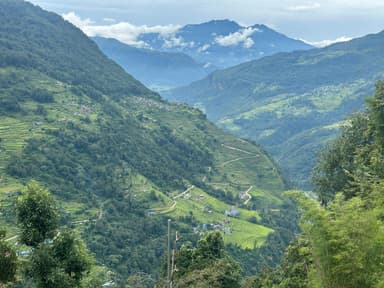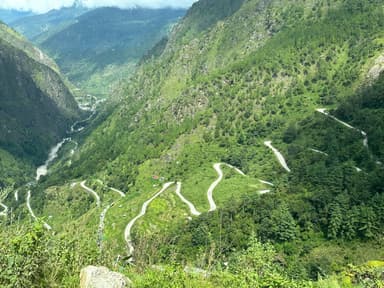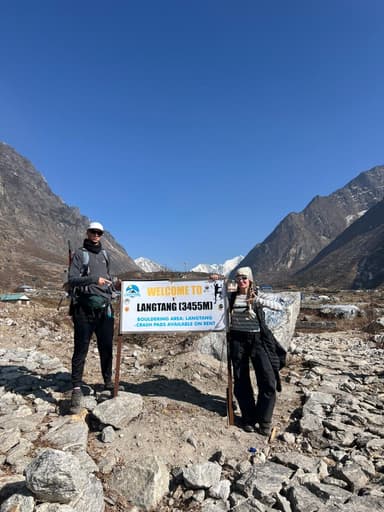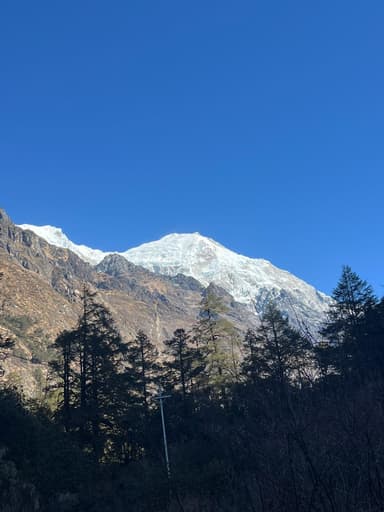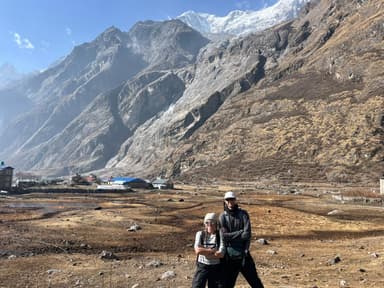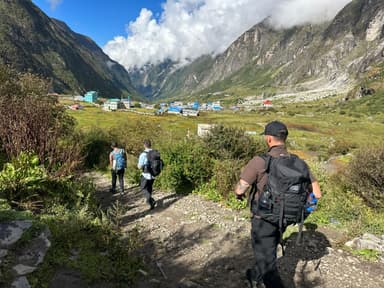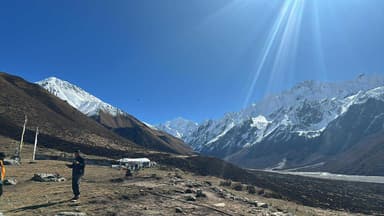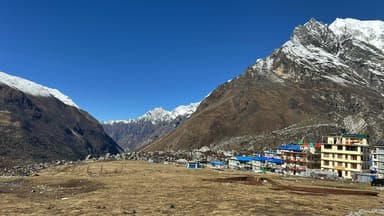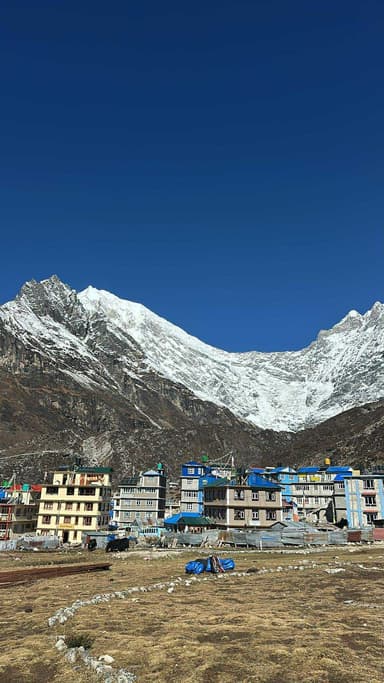
The classic 10-day Langtang Valley Trek will take you to Nepal’s third most frequented trekking trail. Situated just 130 kilometers north of Kathmandu, Langtang is an enchanting destination with diverse landscapes - a perfect spot for wilderness treks.
On your Langtang Valley Trek, you will visit some of the iconic villages of Rasuwa district in northern Nepal. The proximity to Tibet has left its mark, as the people of this region are descendants of Tibetan ancestors. Syabru Besi, the trailhead of the Langtang Valley Trek, and other villages of Langtang are predominantly inhabited by the Tamang and Sherpa communities.
The Langtang Trek allows you to explore Nepal’s rural areas free from the hustle and bustle of cities. The traffic-free trekking routes provide a rejuvenating, leisurely trek, unlike other trekking trails like Annapurna and Everest.
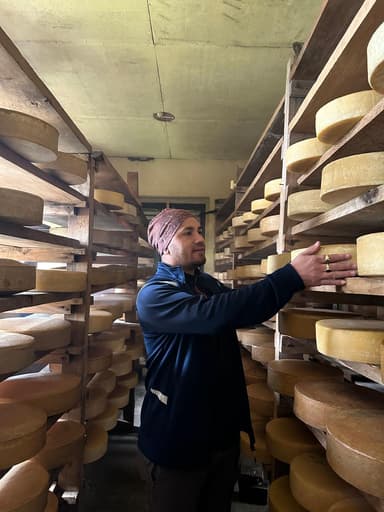
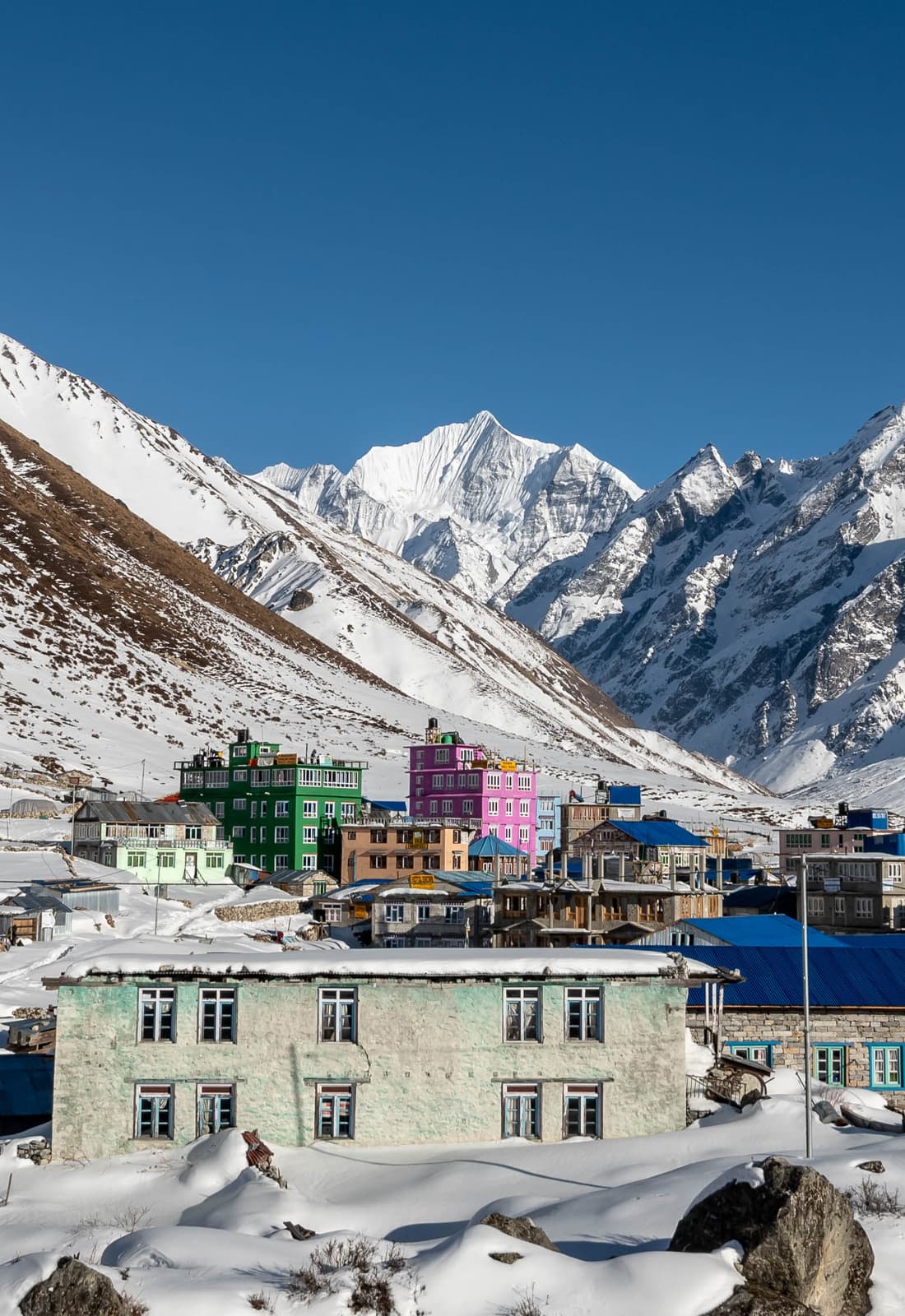
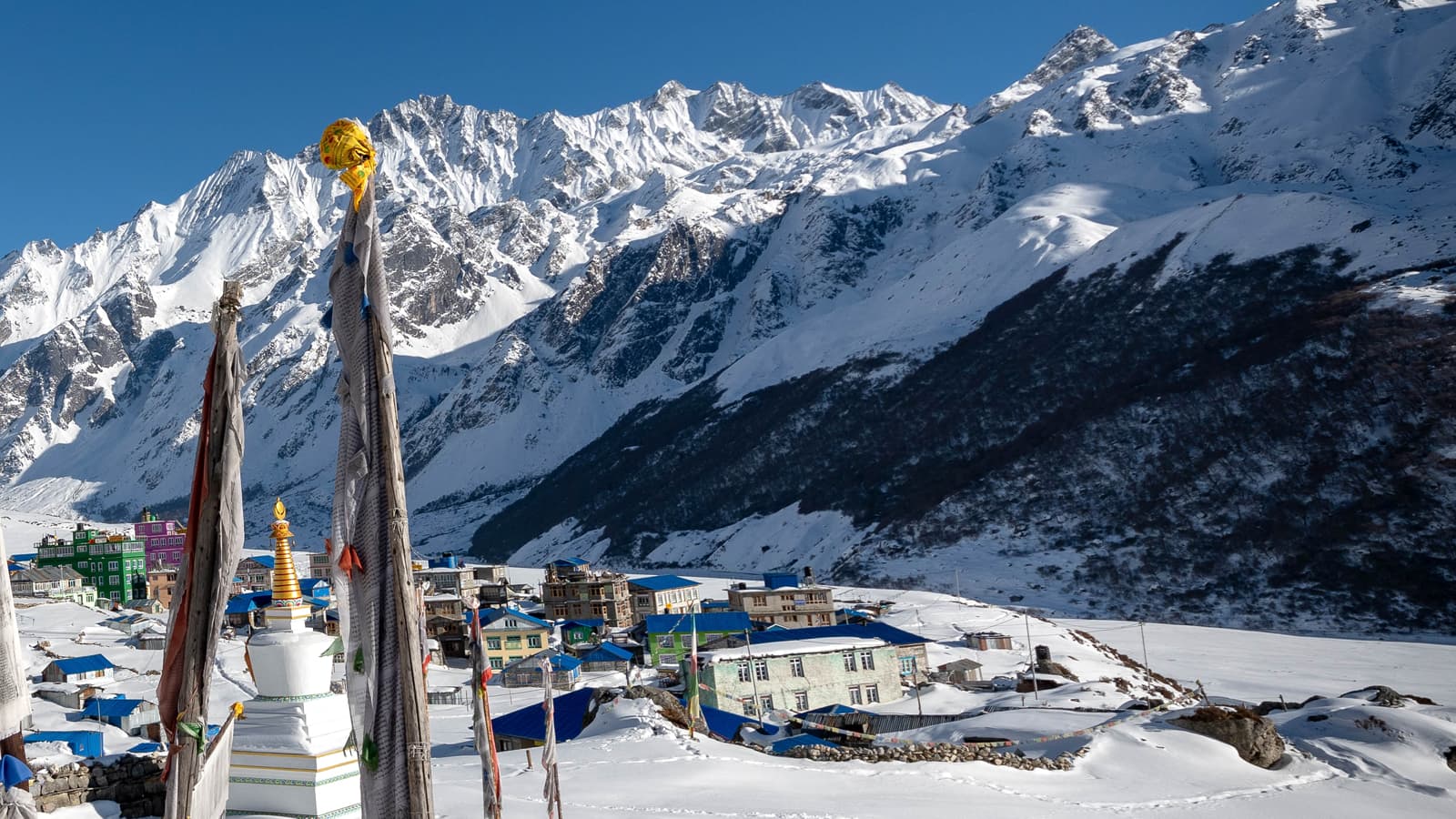
One of the key highlights of our 10-day Langtang Valley Trek is the ancient Kyanjin Gompa, which sits at a majestic height of 3,870 meters above sea level. Walking past Langtang village, you will reach Kyangjin Gompa, the last destination for overnight stays on your Langtang trek. Besides this 300 year’s 300-year-old Buddhist monastery, you will also find a cheese factory that has been producing the best Swiss-style cheese in the region for around eight decades. It was built in the 1950s by a Swiss man called Werner Schulthess, who taught cheese-making techniques to the locals for the first time.
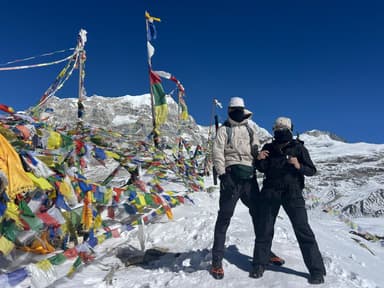
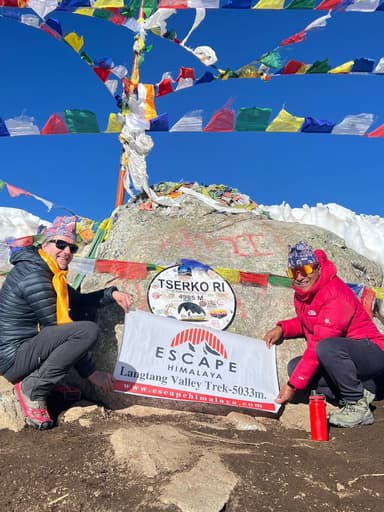
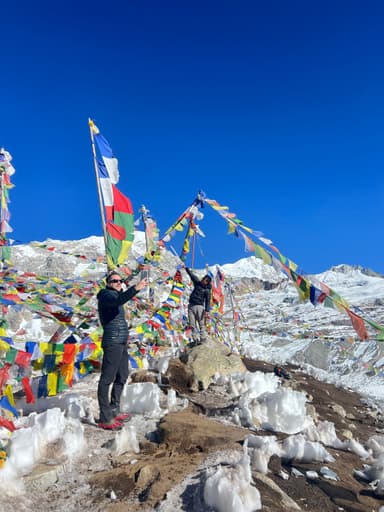
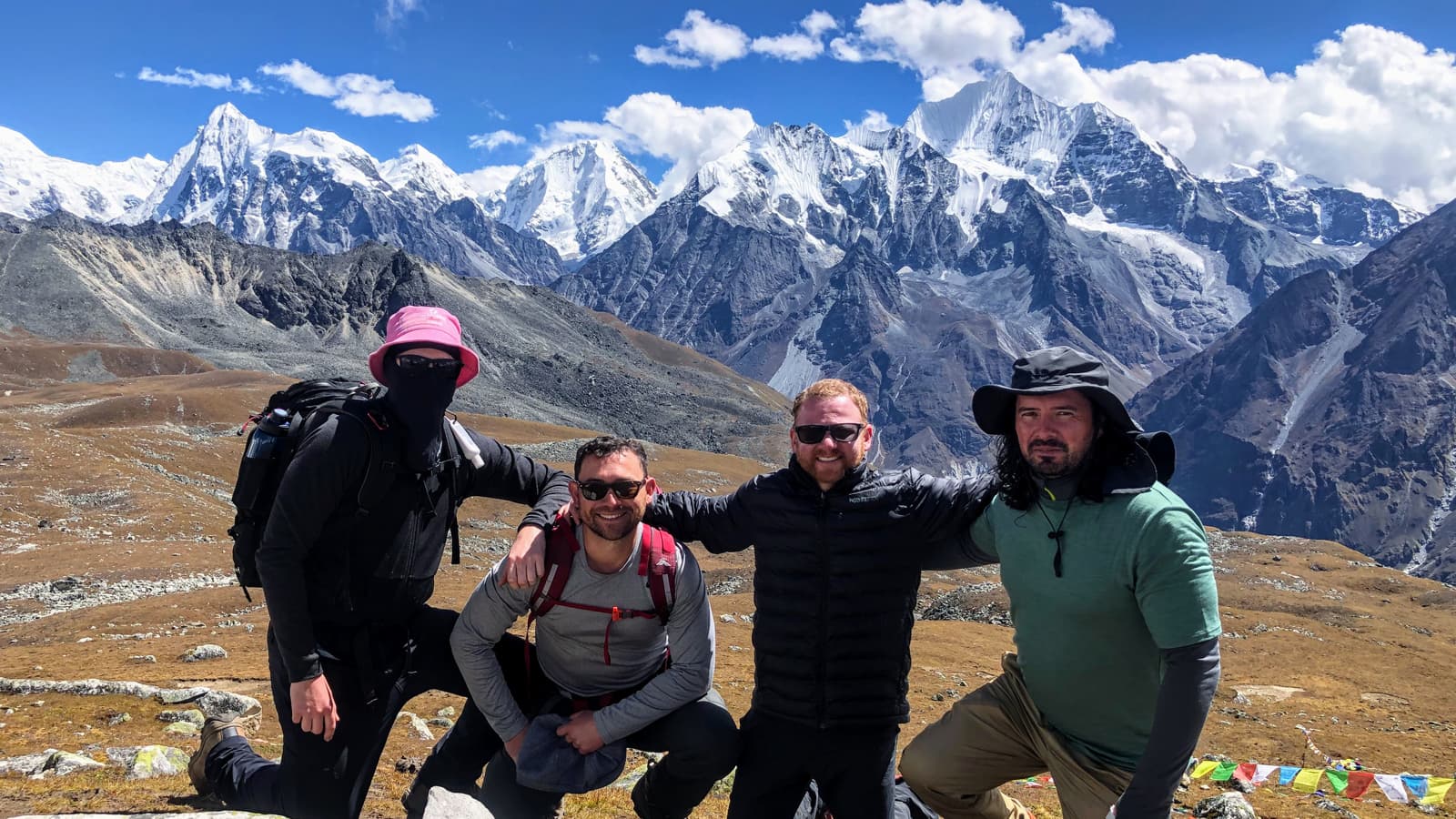
Another breathtaking spot on the 10-day Langtang Valley Trek is Tsergo Ri/ Chorkari Ri. A hill with an altitude of 5,050 meters above sea level, Tsergo Ri provides a stunning panorama of the Langtang Himalayas and other massive peaks on Tibet’s side, such as Shishapangma (8,027 m), etc. Enjoy unobstructed views of Langtang Lirung (7,246 m), Langshisha Ri (6,370 m), Kimshung (6,781 m), and others from the summit.
Our 10-day Langtang Valley Trek trails will take you through myriad landscapes in Langtang National Park, such as dense forests, vast pasturelands, and high, barren terrains. Similarly, you will witness rare high-mountain animals such as yaks, red pandas, danphe, Himalayan tahr, snow leopards, and many more.
Experience the exotic land of Langtang with our 10-day Langtang Valley trek. Enhance your Langtang trip with the warm hospitality of local communities, mesmerizing views of the Langtang Himalayas, and its numerous icy glaciers and lakes. Have a glimpse of Nepal’s typical rural lifestyle and its rich cultural heritage.
Major Highlights: Flood Disaster in Central Nepal, 26 August 2026
On 26 August 2026, a devastating flash flood hit the Bhote Koshi River area of Rasuwa, central Nepal, causing widespread destruction. The flood was linked to a sudden high-altitude ice/glacier and rock-collapse event, which sent a powerful surge of water and debris downstream. Rasuwa, Nuwakot, and Dhading were among the areas most severely affected. Houses, roads, bridges, hydropower projects, vehicles, and other infrastructure were swept away or seriously damaged. Many people were killed or reported missing, and rescue teams from the Nepal Army, Nepal Police, and Armed Police Force have been searching for survivors and recovering bodies. The disaster also affected the Nepal–China border area and the Rasuwagadhi trade route, disrupting transportation and local businesses. Authorities have warned residents living near rivers to remain alert because further flooding and landslides are possible during the monsoon. Search, rescue, relief, and identification efforts are continuing as the government assesses the full extent of the damage.
Langtang Valley and Tamang Heritage Trek – Current Situation
As of 31 August 2026, the Langtang Valley and Tamang Heritage trekking areas in Rasuwa have been significantly affected by the devastating 26 August flash flood along the Bhote Koshi corridor. The Langtang Valley Trek has not been destroyed. Still, access through Syabrubesi and connecting roads and bridges has been severely disrupted, so trekkers should wait for official confirmation that access and trails are safe. The Tamang Heritage Trek has been more directly affected, particularly around communities and infrastructure along the Bhote Koshi corridor, with damage to roads, bridges, and trail sections making normal trekking currently unsuitable. Rescue, road clearance and infrastructure assessment are still underway, and further landslides or flooding remain possible during the monsoon. Therefore, both routes require careful safety assessment before reopening, with the Tamang Heritage Trek currently more seriously affected, while the Langtang Valley Trek may be possible with alternative routes from Thulo Syabru once safe access to Syabrubesi and the trekking trail is officially confirmed. The situation is changing rapidly, so trekkers and tourism operators should obtain the latest information from local authorities and registered trekking agencies before planning or confirming trips.
Highlights
- Explore the diverse flora and fauna of Nepal’s exotic Langtang National Park.
- Familiarize yourself with the lifestyle, culture, and heritage of the locals of Langtang - mainly the Tamang and Sherpa communities.
- Pay homage to the historical Buddhist monastery - Kyanjin Gompa, situated 3,870 meters above sea level, with breathtaking vistas of mighty Himalayan peaks in the background.
- Watch Himalayan Yaks (high-altitude domesticated cattle) grazing in herds on vast pasturelands on the way to Langtang village.
- Witness a panorama of Langtang Himalayas such as Langtang Lirung (7,227 m), Langtang Ri (7,205 m), and Yala peak (5,520 m), along with Shishapangma (8,027 m) on the Tibetan side from the vantage point of Chorkari Ri (5,050 m).
- Visit the exotic landscapes of Langtang Valley with its secluded settlements among wilderness, spiritual ambiance, and rich culture for the best sustainable travel!
- Taste the Swiss-style cheese made from Yak milk! You will love Langtang’s famous cheese factory at Kayjin Gompa.
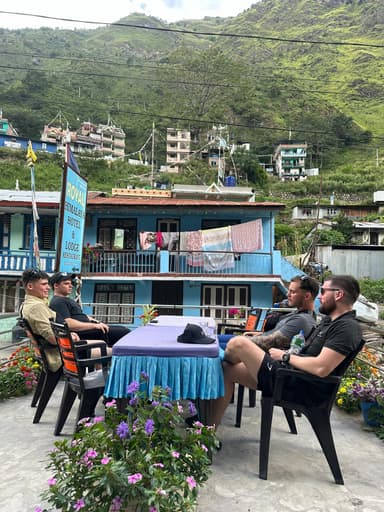
- Feel the community life at the teahouses along the trails - the locals' friendly vibe and their wholehearted assistance will make your journey even more lively.
Route Overview
The Langtang Valley in Nepal’s north-central Rasuwa district is a popular trekking destination. Our 10-day Langtang Valley Trek allows you to explore Langtang’s beautiful landscapes and gigantic mountains at the most comfortable pace.
The trip starts with your arrival in Nepal. The day you land at Kathmandu’s Tribhuvan International Airport, our Escape Himalaya staff, bearing our company placard, will welcome you. After transferring to your hotel, you will rest and recuperate from the long flight.
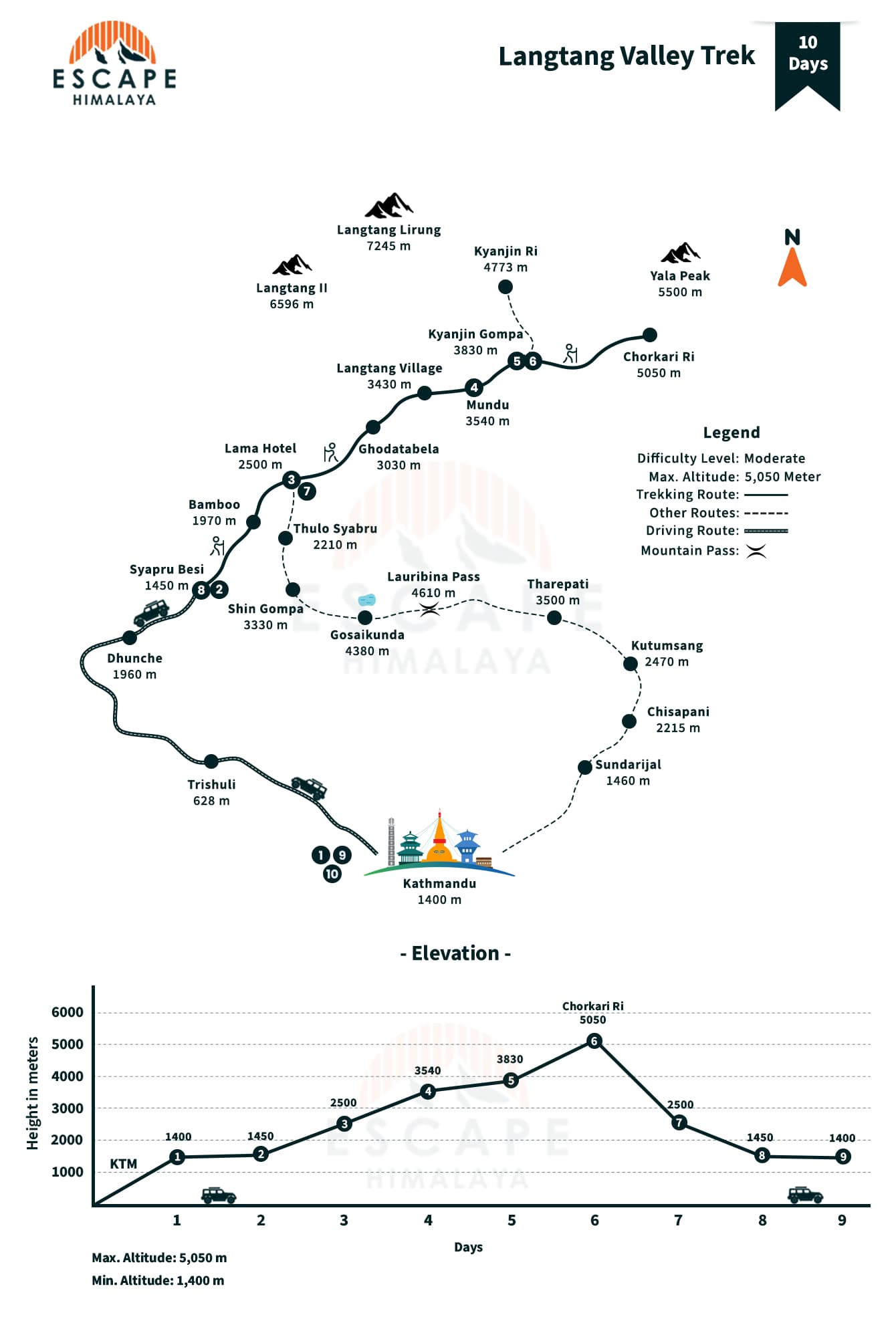
On day two, you will leave for Syabru Besi, a Tamang village on the outskirts of Langtang National Park. The jeep ride from Kathmandu to Syabru Besi lasts around 7 hours. Driving on the Pasang Lhamu Highway along the Trisuli River banks, you can enjoy the scenic views of Nepal’s rural villages and towns. Before reaching Shyabru Besi, you will pass through Dhunche, the administrative headquarters of Rasuwa district. You can see the spectacular Ganesh Himal (7,422 m) in the distance.
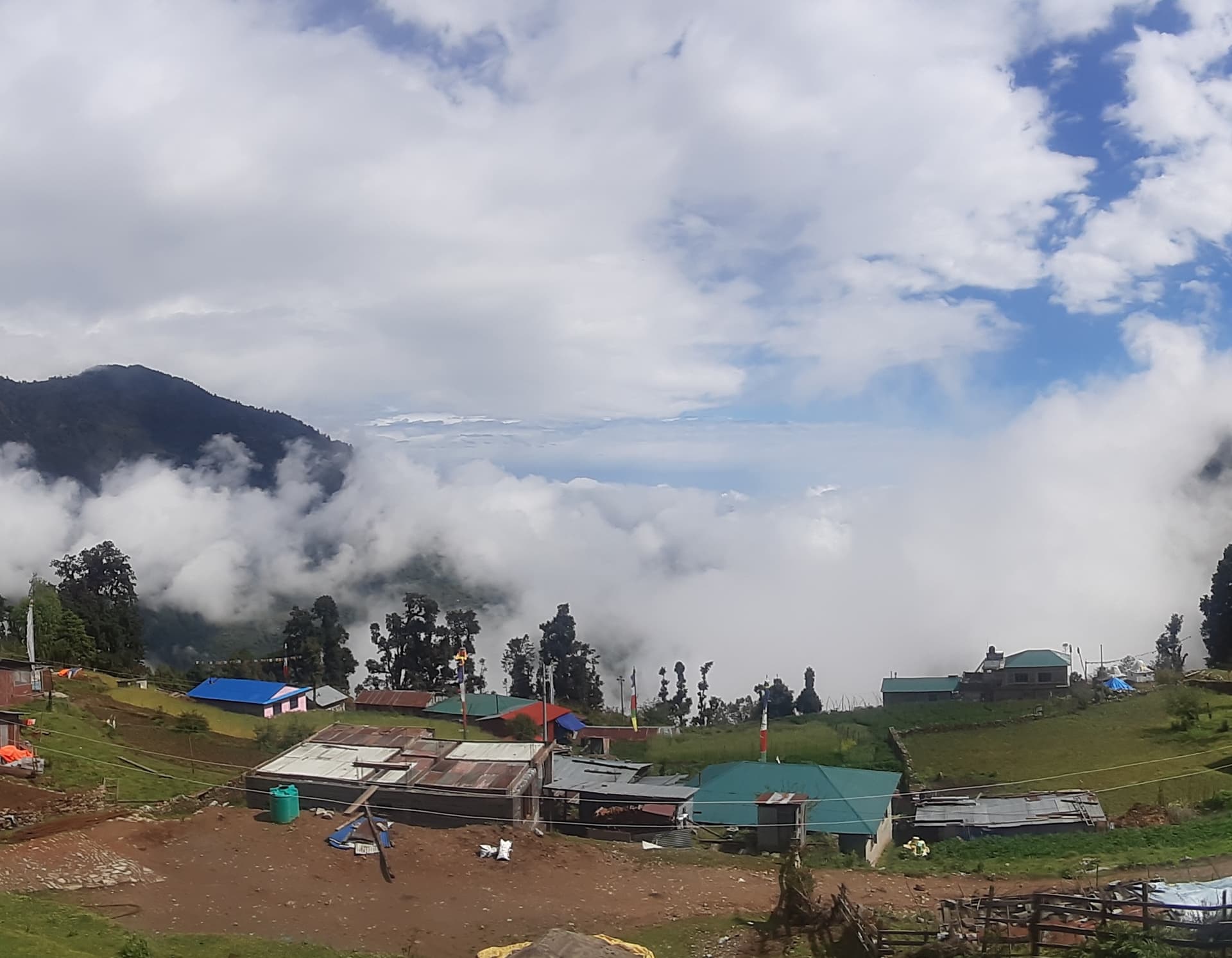
Shyabru Besi, the gateway to Langtang National Park, also serves as a transit point for international trekkers on their way to Kailash in Tibet. From there, you will tread slowly through various villages of Langtang to reach your final destination - Kyangjin Gompa (3,870 m). Since our 10-day Langtang Valley trekking itinerary is well-paced, you will make several overnight stays to acclimate to the high altitudes.
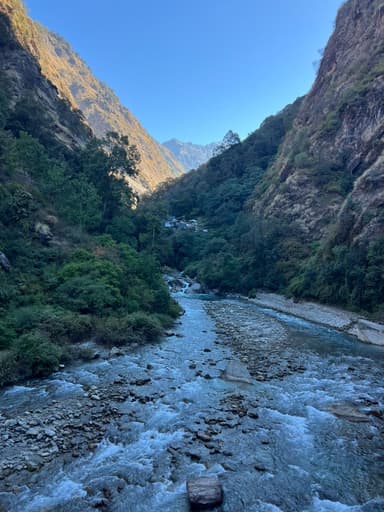
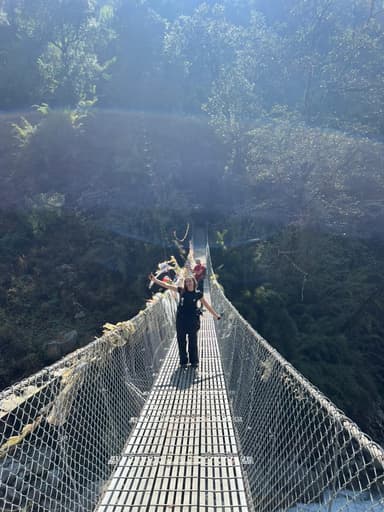
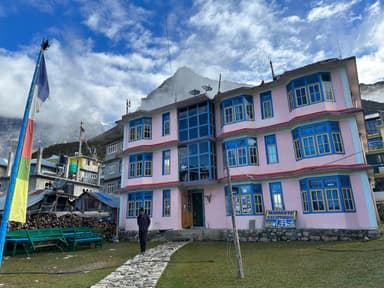
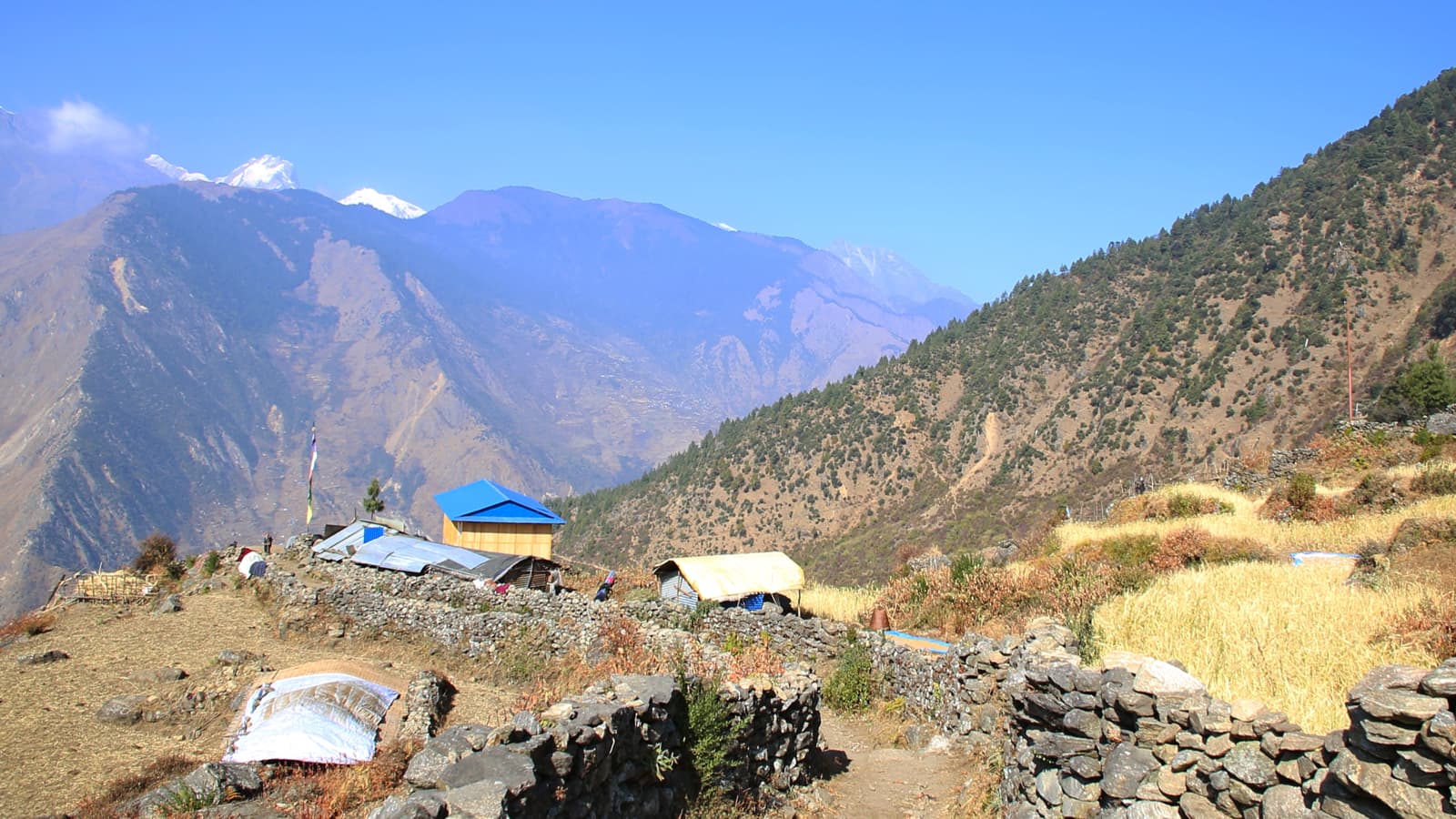
Trekking in the Langtang Valley commences with a hike to Lama Hotel (2,500m) from Shyabru Besi; the path traverses thick forests along Bhote Kosi and Langtang Khola riverbanks. Crossing over suspension bridges will give you a typical trekking experience in Nepal. Passing through smaller villages like Tiwasi, Bamboo, and Ramche, you will finally arrive at Gumanechok near Lama Hotel. It will be your first overnight stay in the Langtang National Park.
Following a similar pattern, you will trek to Mundu (3,543 m) from Lama Hotel and from Mundu to Kyanjin Gompa (3,830 m). Some of the villages on this route include Langtang village, Sindum, and Yamphu.
You will spend a day at Kyanjin Gompa visiting local attractions like the Buddhist monastery, the cheese factory, and Tsergori (5,050 m). The day hike to Tsergori and the return journey to Kyanjin Gompa take around 14 hours; however, this is the best vantage point to get a 360º view of the spectacular Langtang Himalayas and their glaciers.
The next day, you will begin your return journey to Syabru Besi. First, you will trek to Lama Hotel from Kyanjin Gompa, which will cover a distance of 15 kilometers over 5 to 6 hours. After an overnight stay at Lama Hotel, you will descend to Shyabru Besi the following day. It takes another 5 to 6 hours of hiking to get there.
Having completed your 10-day Langtang Valley Trek, you will take a jeep ride back to Kathmandu via the same route. On the last day of your trip, one of our Escape Himalaya staff will transfer you to the airport (TIA).
We look forward to assisting you in your next adventure in Nepal. Hope you enjoyed your Langtang Valley Trek with us.
What to Expect on 6 Days of Trekking in Langtang Valley, Exploring Kyanjin Gompa
Six days of trekking on the Langtang Valley Trek take you from the river valley at Syabrubesi through dense forest, Tamang villages, open yak pastures, and finally into the high mountain settlement of Kyanjin Gompa at 3,870 meters. Each day feels noticeably different from the last.
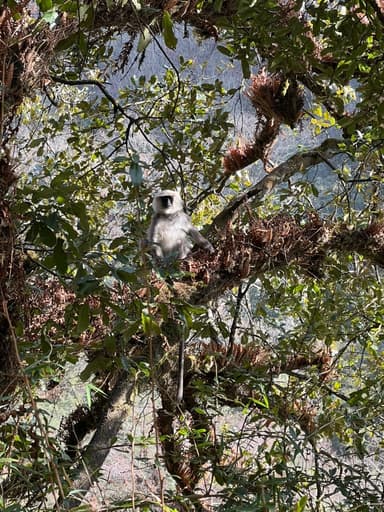
Days 1 and 2 cover the forested lower valley, where langur monkeys move through the trees, and the trail follows the Langtang River on wooden bridges.
Day 2 also passes through the rebuilt Langtang Village at 3,430 meters, which was buried under rock and ice during the 2015 earthquake and reconstructed by the local Tamang community.
Day 3 is shorter by design, covering the 6.8-kilometer walk to Kyanjin Gompa with time on arrival to visit the 300-year-old monastery and the yak cheese factory that has been producing cheese since 1955.
Day 4 is the exploration day. Kyanjin Ri at 4,773 meters takes 3 to 4 hours round trip and is the better option for most trekkers. Tsergo Ri at 4,984 meters is a full 6 to 8-hour day, offering a panoramic view of more than 20 peaks, including Langtang Lirung at 7,227 meters.
Days 5 and 6 retrace the route back to Syabru Besi, with the bamboo forest section near Bamboo Village being the best window for red panda sightings in the early morning.
Kathmandu to Syabru Besi: Everything You Need to Know About the Drive to the Langtang Trailhead
Syabru Besi is 122 kilometers north of Kathmandu, in the Rasuwa district, and is the main starting point for the Langtang Valley Trek. There are no flights to this region, so the drive is the only way in, and it takes most of a day.
By private jeep or sharing a jeep, the journey takes 6 to 7 hours. By public bus, it takes 8 to 10 hours with frequent stops. Escape Himalaya arranges private jeep transfers as standard for every Langtang Trek package, which handles the road conditions more reliably and comfortably than a shared vehicle.
The route follows the Pasang Lhamu Highway through Trishuli Bazaar and Dhunche before dropping into Syabrubesi. As of 2026, around 70 to 80 percent of the roads are paved. The remaining stretch beyond Dhunche is unpaved, and a 3-kilometer section near Ramche is prone to landslides and requires slow driving year-round. During monsoon months from June to September, this section becomes particularly difficult.
Departure from Kathmandu is between 7 am and 8 am. Sitting on the left side of the vehicle gives the best views of the Trishuli River and the forested valley throughout the journey. Both the outward and return transfers are included in Escape Himalaya's Langtang Valley Trek package with no separate booking needed.
Why the Langtang Valley Trek with Escape Himalaya Goes Beyond the Trail
The Langtang Valley Trek passes through rebuilt villages, bamboo and oak forest, and ends at Kyanjin Gompa with optional hikes to 4,984 meters. The full experience depends on a guide who understands not just the trail but the history and culture behind it: the 2015 earthquake that buried Langtang Village, the Tamang community that rebuilt it, the yak cheese factory that has run since 1955, and the red panda habitat in the bamboo zones below Ghodatabela. Escape Himalaya's Langtang-specific guides bring that context to every day of the trek. Solo trekkers are welcome with a minimum group size of one; permits are managed in advance under the mandatory guide regulation introduced in 2025, and the private Kathmandu to Syabrubesi jeep or shared jeep is included as standard.
Alternative Langtang Region Treks!
With alternate Langtang Valley treks, we can provide multiple options for our esteemed guests. Please check our website and choose a Langtang Valley Trek package that suits your travel needs. Some of our alternative treks include:
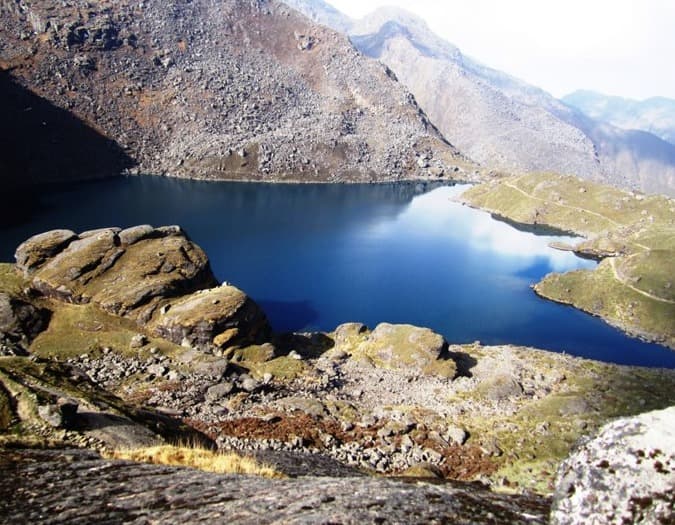
Our 13-day Langtang Gosainkunda Trek combines the classic Langtang Valley trek route (Syabru Besi to Lama Hotel, Mundu, and Kyangjin Gompa) with a side trip to the sacred Gosaikunda Lake. On your return journey from Kyangjin Gompa, you will detour from Lama Hotel and hike to Thulo Shyabru (2,230 m). You will then stop at Shin Gompa, Gosaikunda (4,380 m), Ghopte, and Kutumsang. From Kutumsang, you will take a jeep ride back to Kathmandu.
The 10-day Tamang Heritage Trail provides an in-depth cultural immersion and majestic views of the Langtang Mountains and Ganesh Himal as you travel through the Tamang villages of Langtang. From Kathmandu, you will take a jeep ride to Shyabru Besi and then trek through Gatlang, Tatopani, Thuman, Timur, and Briddim. The trek ends at Shyabru Besi; you will take another jeep ride back to Kathmandu.
The 8-day Helambu Trek package is perfect for those looking for a relatively easier trek in Nepal with manageable altitude gain. Our short trek to Helambu will allow you to observe and interact with the Tamang and Sherpa communities of the region while also enjoying views of the Himalayas from close proximity.
Note: With Escape Himalaya, you can customize a trek itinerary to suit your personal preferences and travel needs. Contact us for a memorable trip to Langtang Valley.
Popular Highlights
Yala Peak for Beginner Climbers
Yala Peak stands at 5,520 meters and makes a perfect first mountain for new climbers. You don't need special climbing gear like ropes or ice axes. Just bring your normal trekking equipment plus warm clothes. The route goes slowly up rocky slopes with some scrambling near the top.
Most people take 6 to 8 hours to reach the summit from Kyanjin Gompa and return. The weather changes fast at this height, so spring and autumn work best. Many trekking companies add Yala Peak to their regular Langtang trips. When you stand on top, you can see peaks in all directions. The key is walking slowly and drinking lots of water. Your body needs time to get used to the thin air up there.
Yak Cheese Factory
The cheese factory at Kyanjin Gompa started in the 1950s when a Swiss man came to teach locals. Werner Schulthess showed people how to make European-style cheese using yak milk instead of cow milk. The small stone building still makes cheese the same way he taught them.
Workers heat fresh yak milk in big metal pots and add special cultures. Then they press the mixture into round shapes and let it age. The cheese tastes different from normal cheese - richer and nuttier. You can buy it fresh from the factory or try it at dinner in the teahouses. Most places serve yak cheese with dal bhat or bread. The flavor comes from what the yaks eat - mountain grass and herbs. This cheese became famous in Nepal after a Swiss man introduced the techniques. Local families still run the factory and welcome visitors to watch the process.
Langtang Glacier
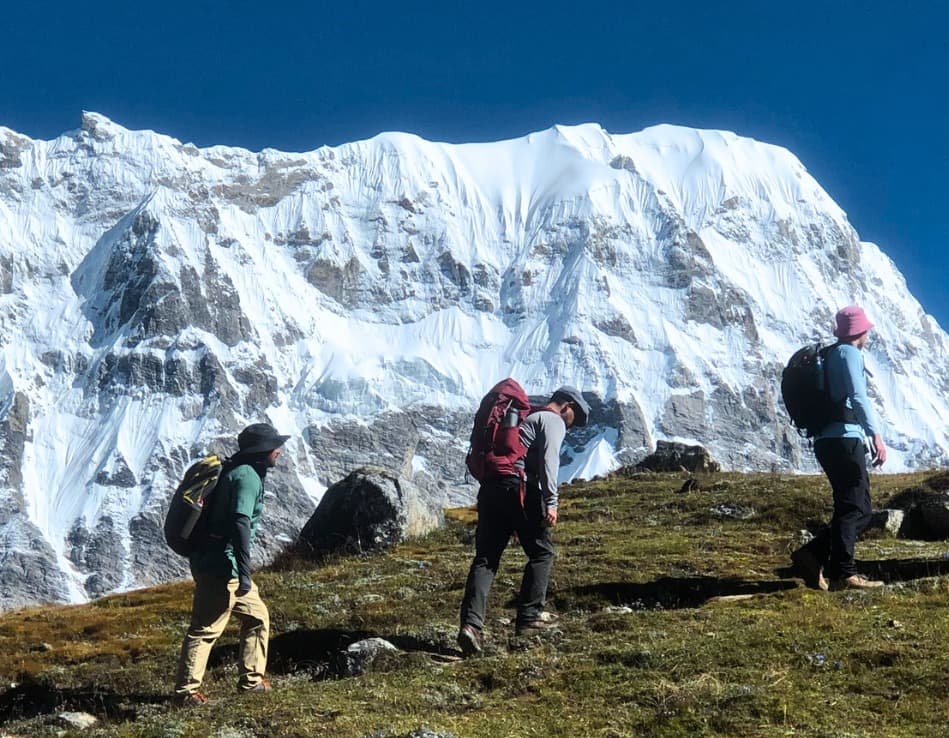
The big white ice field above Kyanjin Gompa is the Langtang Glacier. It looks close from the village, but it takes a long walk to reach the bottom edge. The glacier flows down from Langtang Lirung and other high peaks like a frozen river.
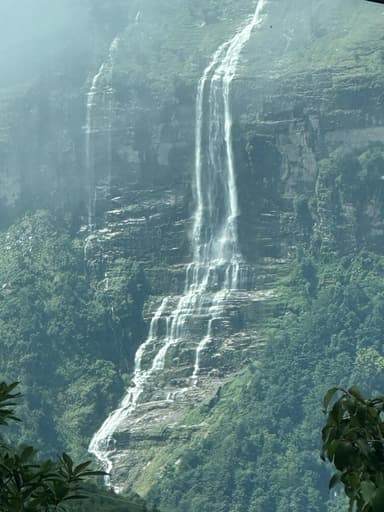
You can hike toward the glacier on rough trails, but the rocks get loose and dangerous. Old people in the village remember when the ice came much further down the valley. In spring, melting creates big waterfalls that crash down the mountain faces. All the water in the Langtang River comes from this glacier. During the day, you can hear the water running under the rocks where the glacier used to be.
Ganja La Pass
Ganja La Pass connects Langtang Valley with Helambu at 5,122 meters high. This route challenges experienced trekkers who want adventure beyond normal trails. You need crampons and ropes because of snow and ice on the pass.
The trail from Kyanjin Gompa becomes difficult quickly, with loose rocks and snowfields. The weather turns bad fast at this height, so you need a guide who knows the area well. On clear days, you can see both valleys spread out below like a map. The walk down into Helambu shows completely different villages and people. This route adds extra days to your trek and costs more money. Only try Ganja La Pass if you have good mountain experience and proper equipment. Conditions change every day depending on the snow and temperature. Many people turn back when the weather gets dangerous.
Langshisha Kharka
Langshisha Kharka sits about 2 hours walk past Kyanjin Gompa at 4,100 meters. The name means "place where animals graze," and you can see why when yak herds spread across the wide grass fields.
The trail stays mostly flat, following the valley bottom with huge mountains on both sides. In spring and summer, wildflowers bloom everywhere - purple, yellow, and white colors cover the meadows. Yaks wander around eating grass, with bells making gentle sounds that echo off the peaks. This quiet place lets you rest away from the busier areas around Kyanjin Gompa. Many trekkers stop here for lunch or to take photos. The views toward Langtang Glacier look even better from this spot. Some groups camp overnight to explore higher valleys the next day.