No recent searches!

    Escape Himalaya
    • Certificate ofExcellence 2025
    • Whatsapp, Viber+977 9851006121
      • Everest Region
        • Everest Base Camp Trek - 14 Days
        • Everest Base Camp - Chola Pass - Gokyo Trek - 17 Days
        • Everest Base Camp Short Trek - 13 Days
        • Everest Base Camp Luxury Trek - 15 Days
        • Everest Base Camp Heli Shuttle Trek - 12 Days
        • Luxury Everest View Trek - 9 Days
        • Everest Panorama Trek - 9 Days
        • Everest Three High Passes Trek - 20 Days
        • Everest Base Camp Trek Heli Return to Kathmandu-11 Days - 11 Days
        • Everest Base Camp Trek for Seniors - 20 Days
        • Everest View Trek - 7 Days
      • Annapurna Region
        • Annapurna Base Camp Trek - 14 Days
        • Annapurna Circuit Trek - 14 Days
        • Mardi Himal Trek - 8 Days
        • Jomsom Muktinath Trek with Poon Hill - 9 Days
        • Short Annapurna Base Camp Trek - 6 Days Hike - 9 Days
        • Annapurna Circuit Tilicho Lake Trek - 17 Days
        • Annapurna Family Trek - 8 Days
        • Annapurna Base Camp Trek Heli Return to Pokhara - 10 Days
        • Annapurna Hot Spring Trek - 8 Days
        • Annapurna Trek with Chitwan Tour - 9 Days
        • Shortest Annapurna Base Camp Trek - 9 Days
      • Langtang Region
        • Langtang Valley Trek - 10 Days
        • Bhairav Kunda Trek - 14 Days
        • Helambu Trek - 8 Days
        • Langtang Helicopter Tour - 3 hrs
        • Langtang Gosainkunda Helambu Trek - 16 Days
        • Tamang Heritage Trail - 10 Days
        • Langtang Gosainkunda Trek - 13 days
      • Manaslu Region
        • Manaslu Circuit Trek - 14 Days
        • Manaslu Tsum Valley Trek Itinerary - 20 Days - 20 Days
        • Tsum Valley Trek - 13 days
      • Mustang Region
        • Upper Mustang Trek - 16 Days
        • Mustang Tiji Festival Trek - 18 Days
        • Lower Mustang Trek - 14 Days
        • Jomsom Muktinath Trek with Poon Hill - 9 Days
        • Upper Mustang Jeep Tour - 11 days
      • Dolpo Region
        • Upper Dolpo Trek - 25 Days
        • Lower Dolpo Trek - 18 Days
      • Summer Treks
        • Lower Dolpo Trek - 18 Days
        • Upper Mustang Trek - 16 Days
        • Lower Mustang Trek - 14 Days
        • Rara Lake Trek - 16 Days
        • Upper Dolpo Trek - 25 Days
        • Upper Mustang Jeep Tour - 11 days
      • Winter Treks Package
        • Short Annapurna Base Camp Trek - 6 Days Hike - 9 Days
        • Mardi Himal Trek - 8 Days
        • Australian Camp Short Trek in Pokhara - 5 Days
        • Annapurna Family Trek - 8 Days
        • Nepal Adventure Tour - 12 Days
        • Everest View Trek - 7 Days
        • Helambu Trek - 8 Days
      • Less Touristic Trails
        • Rara Lake Trek - 16 Days
        • Upper Dolpo Trek - 25 Days
        • Makalu Base Camp Trek - 21 days
        • Langtang Gosainkunda Helambu Trek - 16 Days
        • Pikey Peak Trek - 12 Days
        • Lower Dolpo Trek - 18 Days
        • Bhairav Kunda Trek - 14 Days
        • Kanchenjunga Trek - 22 days
        • Helambu Trek - 8 Days
      • Bhaktapur Patan Tour - 6 Hours
      • Kathmandu Day Tour - 6 Hours
      • Chitwan Jungle Safari Tour - 3 Days
      • Kathmandu Nagarkot Sightseeing Tour - 4 Days
      • Langtang Helicopter Tour - 3 hrs
      • Explore Nepal Tour - 10 Days
      • Bardia National Park Tour - 4 Days
      • Nepal Adventure Tour - 12 Days
      • Nepal Discover Tours - 6 Days
      • Everest Helicopter Tour - 3 Hours
      • Tour of Kathmandu's 7 UNESCO World Heritage Sites  - 1 days
      • Pisang Peak Climbing - 19 days
      • Lobuche Peak Climbing - 18 Days
      • Island Peak Climbing - 20 days
      • Tharpu Chuli Peak Climbing - 0 days
      • Naya Kanga Peak Climbing - 15 days
      • Mera Peak Climbing - 19 Days
      • Mera and Island Peak Climbing via Amphu Laptsa Pass - 23 days
      • Nepal Tibet Bhutan Tours - 13 days
      • Bhutan Experience Tour - 10 days
      • Nepal Bhutan Darjeeling Tour - 14 days
      • Glimpse Tours Bhutan - 8 days
      • Chomolhari Trek - 0 days
      • Laya Gasa Trek - 0 days
      • Druk Path Trek - 0 days
      • Simikot Kailash Lhasa Tour - 0 days
      • Nepal Tibet Bhutan Tours - 13 days
      • Tibet Everest Base Camp Tour - 11 days
      • Lhasa to Kathmandu Tours - 10 days
      • Everest Advanced BC Trek - 20 days
      • Lhasa Sightseeing Tours - 7 days
      • Saga Dawa Festival Tours - 14 days
      • Our Team
      • How to Book a Trip
      • Why Escape Himalaya
      • Terms and Conditions
      • Legal Documents
      • Nepal Tourist Visa Information
      • Travel Insurance
      • Equipment Checklist
      • Privacy Policy
    • Travel Guide
    • Contact Us
    Bookings are currently open for Himalayas during the 2025/26 season. Book Now
    • Home
    • Enquire us
    • Whatsapp
    • Search
    Escape Himalaya+977 9851006121Whatsapp, Viber
    Hotel Wood Apple

    Escape Himalaya - Adventure Tours and Trekking in Nepal more...

    Contact Us

    • +977-1 4980242
    • [email protected]
    • Khusibu, Kathmandu, Nepal
    Make an EnquiryCall Us
    Nepal Goverment
    Nepal Tourism Board
    TAAN
    NMA
    Trip Advisor
    Tour Radar
    Tour Radar

    Things to do in Nepal

    • Peak Climbing
    • Summer Treks
    • Winter Treks Package
    • Family Vacation
    • Wildlife Adventure
    • Helicopter Tours

    Company Profile

    • Our Team
    • How to Book a Trip
    • Why Escape Himalaya
    • Terms and Conditions
    • Legal Documents
    • Nepal Tourist Visa Information
    • Travel Insurance
    • Equipment Checklist
    • Privacy Policy

    Subscribe Newsletter

    To receive travel updates via email

    • 24/7 Whatsapp Contact
      +977-9851006121 (Raj),+977-9851363580 (Suman)
    • Send us mail
      [email protected], [email protected]
    • Services and Support
      Khusibu, Kathmandu, Nepal P.O. Box: 5596
    • Follow us on
    © 2015 - 2025 Escape Himalaya. All Rights Reserved.
    Card
    1. Home
    2. Nepal
    3. Trekking in Nepal
    4. Everest Region
    5. Everest Panorama Trek

    Everest Panorama Trek

    5/5 from 3 reviews
    Everest Panorama Trek 1
    Everest Panorama Trek 2
    Everest Panorama Trek 3
    Everest Panorama Trek 4

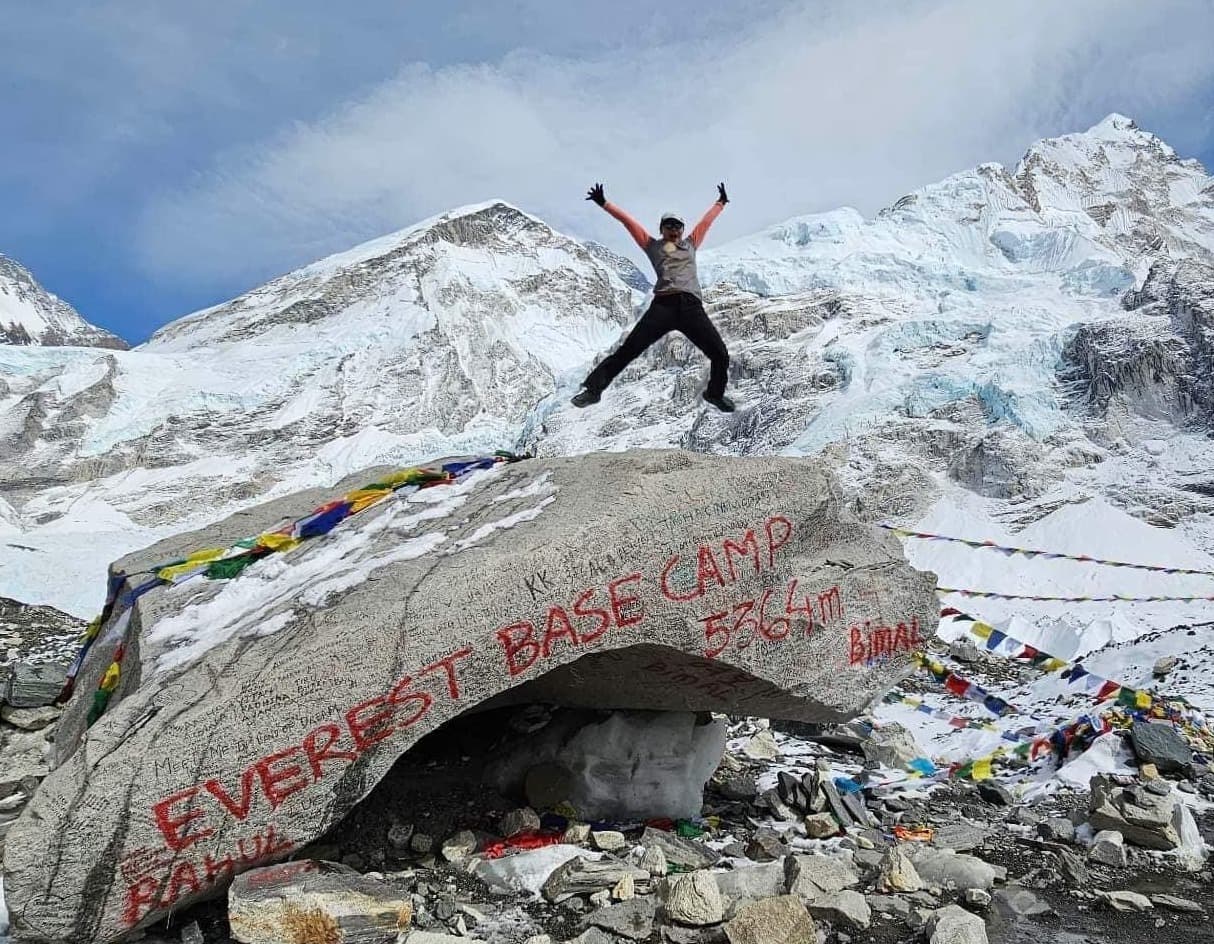
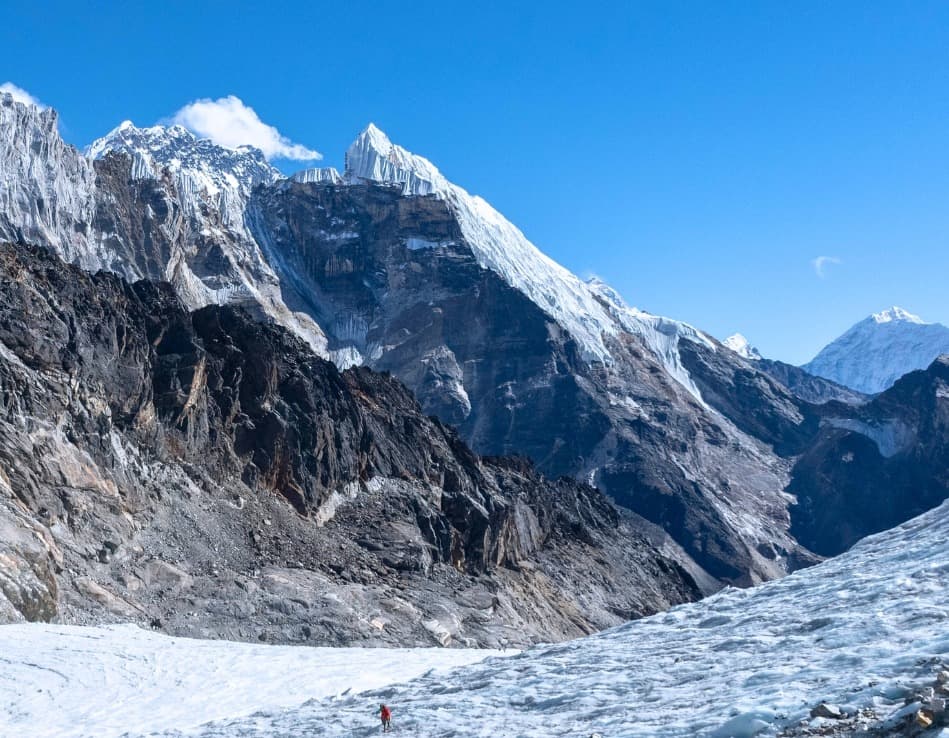
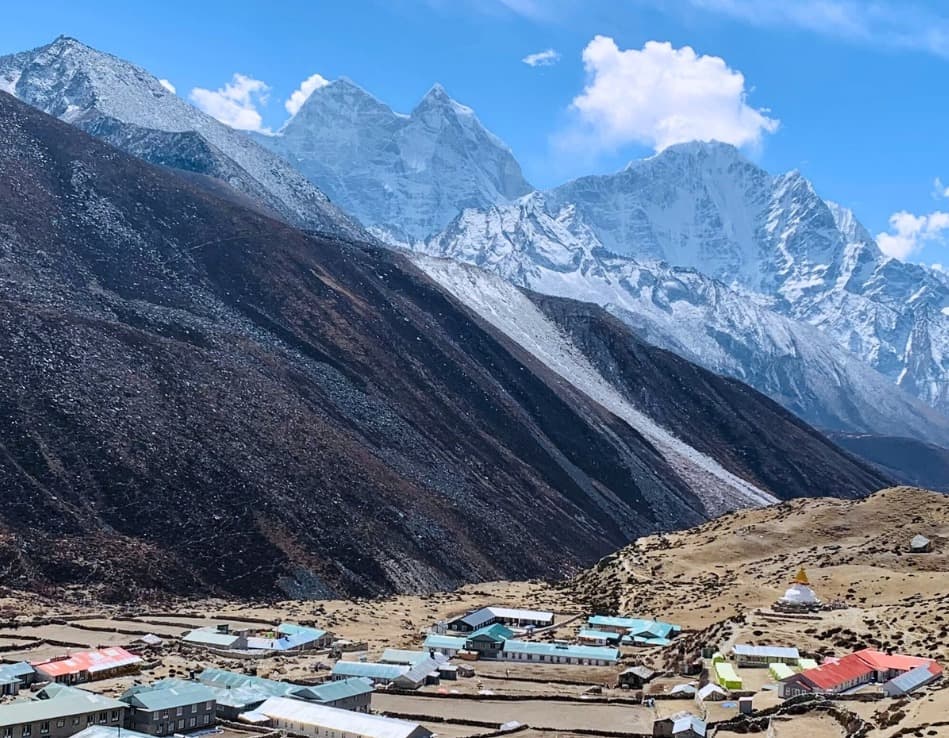
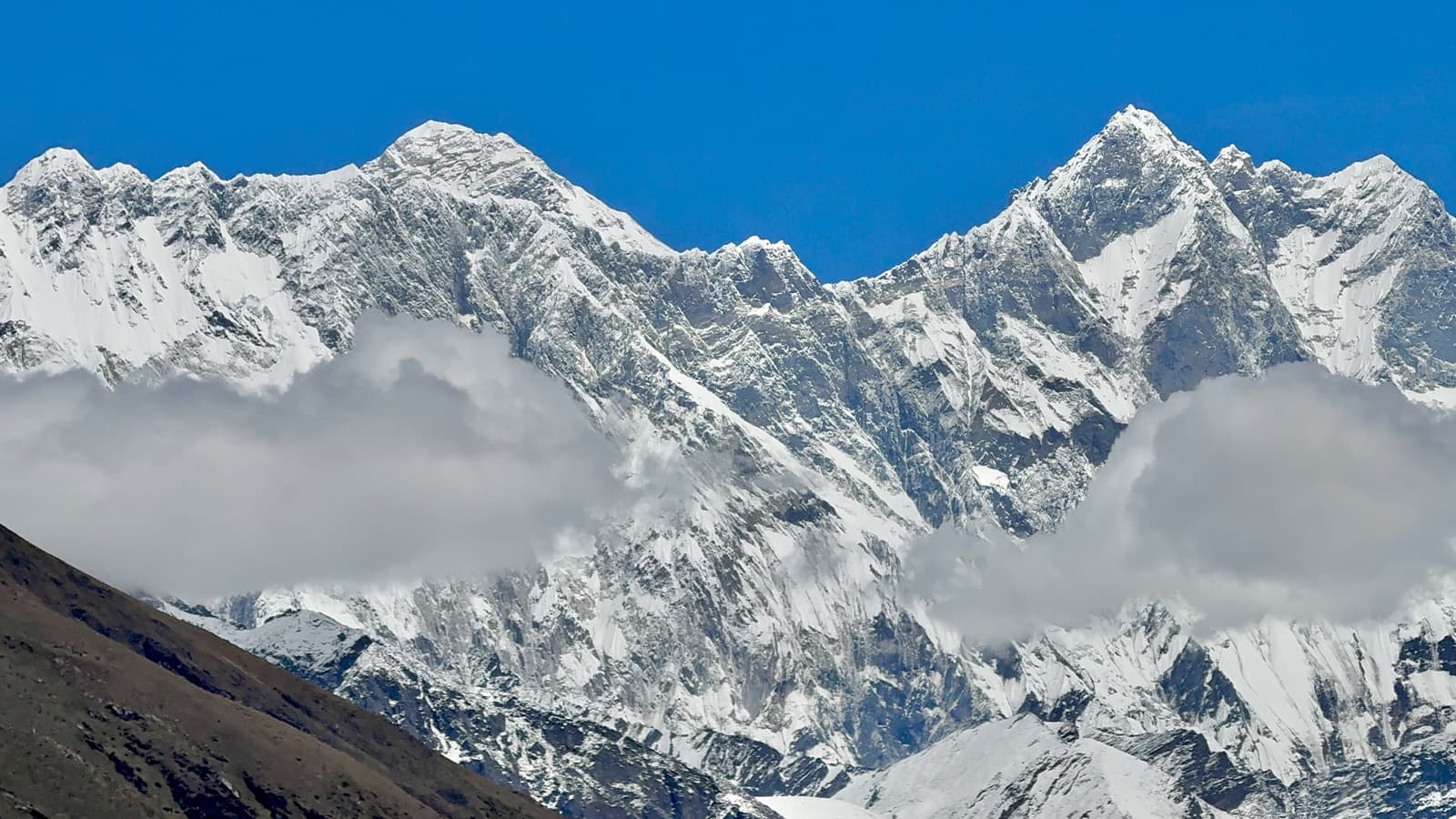
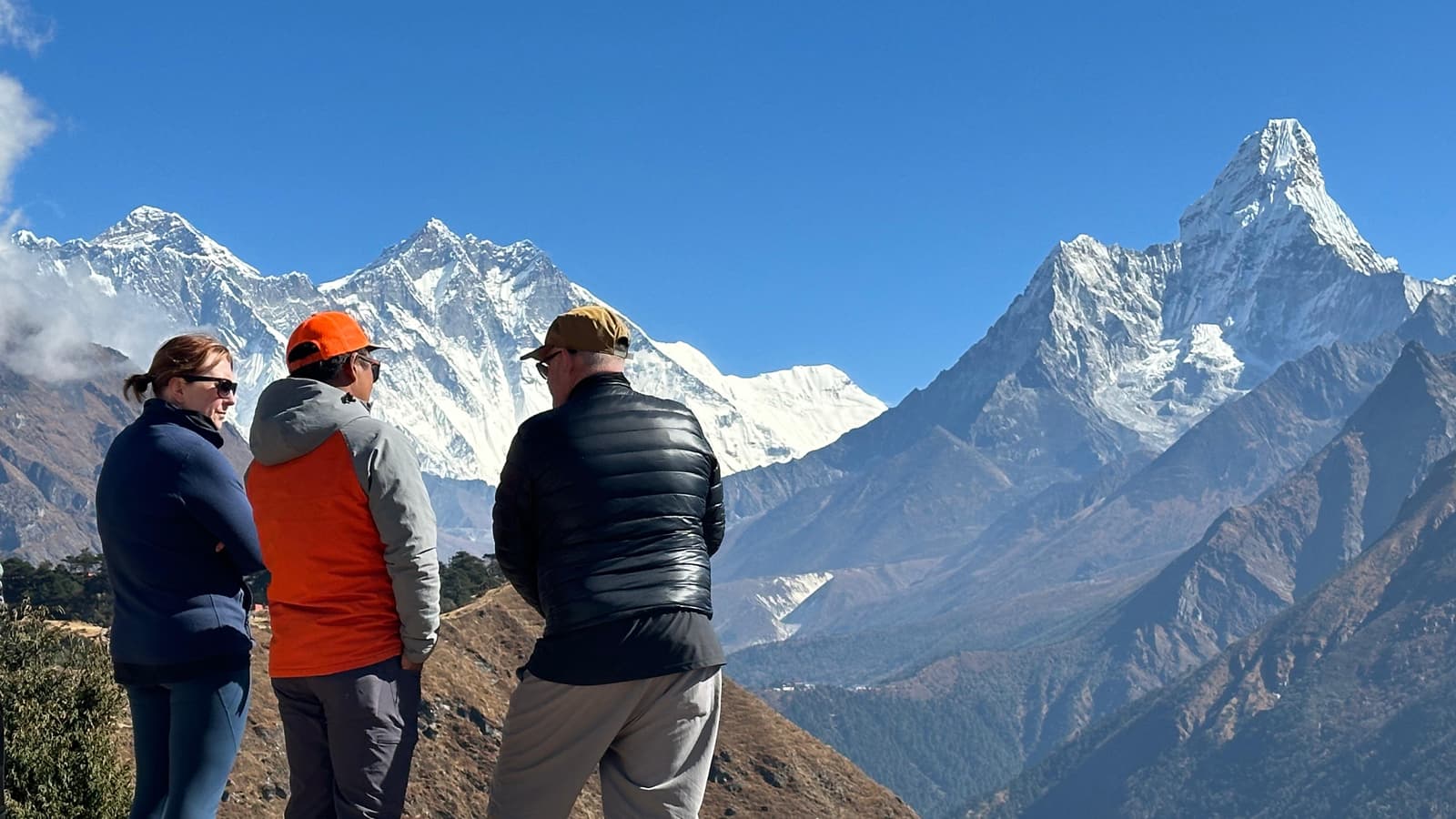
    The Everest Panorama Trek is a delightful trekking journey in the Khumbu region. The trip presents terrific views of Mount Everest, Ama Dablam, Kongde Ri, Thamserku, Lhotse, Nuptse, etc.

    Trip Fact

    • DestinationNepal
    • Durations9 Days
    • Trip DifficultyEasy
    • ActivitiesTrekking
    • AccommodationHotels / Teahouses
    • MealsBreakfast, Lunch, Dinner
    • Mx.altitude3880m.
    • VehicleCar / Flight
    • Group SizeMin. 1 Pax

    Everest Panorama Trek Highlights

    • Thrilling mountain flight to Lukla Airport (2,700m)
    • Sagarmatha National Park with diverse flora and fauna
    • Everest View Hotel (3,880m) luxury highest hotel
    • Stunning views of Everest, Lhotse, Nuptse, Ama Dablam, Thamserku, Kongde Ri, and more
    • Unique traditions, culture, and lifestyle of the Sherpa people
    • Khumjung Sherpa village & Monastery visit
    • Explore lively Namche Bazaar
    • Visiting grand Tengboche Monastery, the religious hub of Khumbu
    • Experience a short & easy yet worthy Everest Trek

    Overview

    The Everest Panorama Trek Himalayas has been a permanent charm for most trekkers. While travelers are putting Everest Base Camp journeys on their bucket list, it is always unnecessary. Many similar trips offer one to experience the most out of the Everest region. Likewise, the Everest Panorama Trek is a delightful trekking journey in the Khumbu region. The trip offers terrific views of Mount Everest, Ama Dablam, Kongde Ri, Thamserku, Lhotse, Nuptse, and more. The Everest View Hotel lets you experience a fantastic view of towering mountains most comfortably. You can end up having tea/coffee on the outer terrace dining of the hotel while Everest faces back at you. So, the Everest Panorama Trek is also known as the Easy Everest View Trek.

    Get close to the world’s greatest mountain giants with our exciting Everest Panorama Trek. This trek is a captivating excursion through the world’s beautiful mountain landscapes that harbor a warm Sherpa culture. It is the best alternative for those who still yearn for Everest Base Camp but unfortunately cannot because of certain constraints. Keeping all these hurdles in mind, our team at Escape Himalaya built this beautiful trek so everyone can experience the glory of Everest without any restraints. The trek starts with an exciting flight to Lukla, just like any other trek in the Everest region. Similarly, it allows you to experience bustling towns of the Everest region that reverberate with the energy of trekkers and locals.

    Besides, this trek is not only about mountains. Here, you will get to enjoy all the gifts of Mother Nature. From verdant forests to river gorges, you will get to admire much more besides the mountains. The amazing Sherpa culture is a bonus for anyone looking to get a glimpse of the mountain culture that is so vibrant yet meaningful at the same time.

     All along the trail as you pass by, numerous mani walls, chorten monasteries, and gumbas will greet you. All these monuments signify the religious aspect of the region. Overall, this is a great trekking journey who appreciate mountains and cultures. Similarly, as this is a moderate trek, it is best for people of all ages and time limitations. Also, for families who want to share their interest in trekking with kids, it is the best trek to begin with. Our carefully curated trek ensures that the Himalayas’ splendor remains accessible to all.

    Everest region, the guesthouses are almost like small hotels but with a much more homely feeling. Most have a restaurant area where you can meet other trekkers and enjoy a little warmth from the stove while you eat or enjoy a beer in the evening before sleeping. The beds are very comfortable, and quilts and pillows are provided. With a sleeping bag and the quilt, you will have a warm place to sleep, ready for the next trek. Most have western flushing toilets, too. Despite the extensive menus and various food offerings, the food is pretty much the same, but hot and delicious. The traditional favorite is dhal bhat, which is always all you can eat if you're hungry. The food is tasty, freshly cooked, and well-presented. No matter the guesthouse's quality, the Nepalese Sherpa people's friendly spirit is always present. They will do their very best to make you feel well and comfortable.

    Flying from Kathmandu to Lukla, we will hike to Phakding (2,652m), enjoying the lush landscapes along the way. Walking over bridges and crossing jovial rivers, the trail leads to Namche Bazaar, a famous Sherpa Village in Khumbu. Namche Bazaar is a central administrative hub for Nepali and Tibetan traders and merchants, which has continued since ancient times. T

    he journey goes through spectacular wooded acreage rich with blooming rhododendrons and the swell of fir and cedar. Likewise, we will visit Khunde and Khumjung villages. We will explore the Khumjung Monastery and the Hillary School, established in memory of Sir Edmund Hillary and Tenzing Norgay Sherpa.
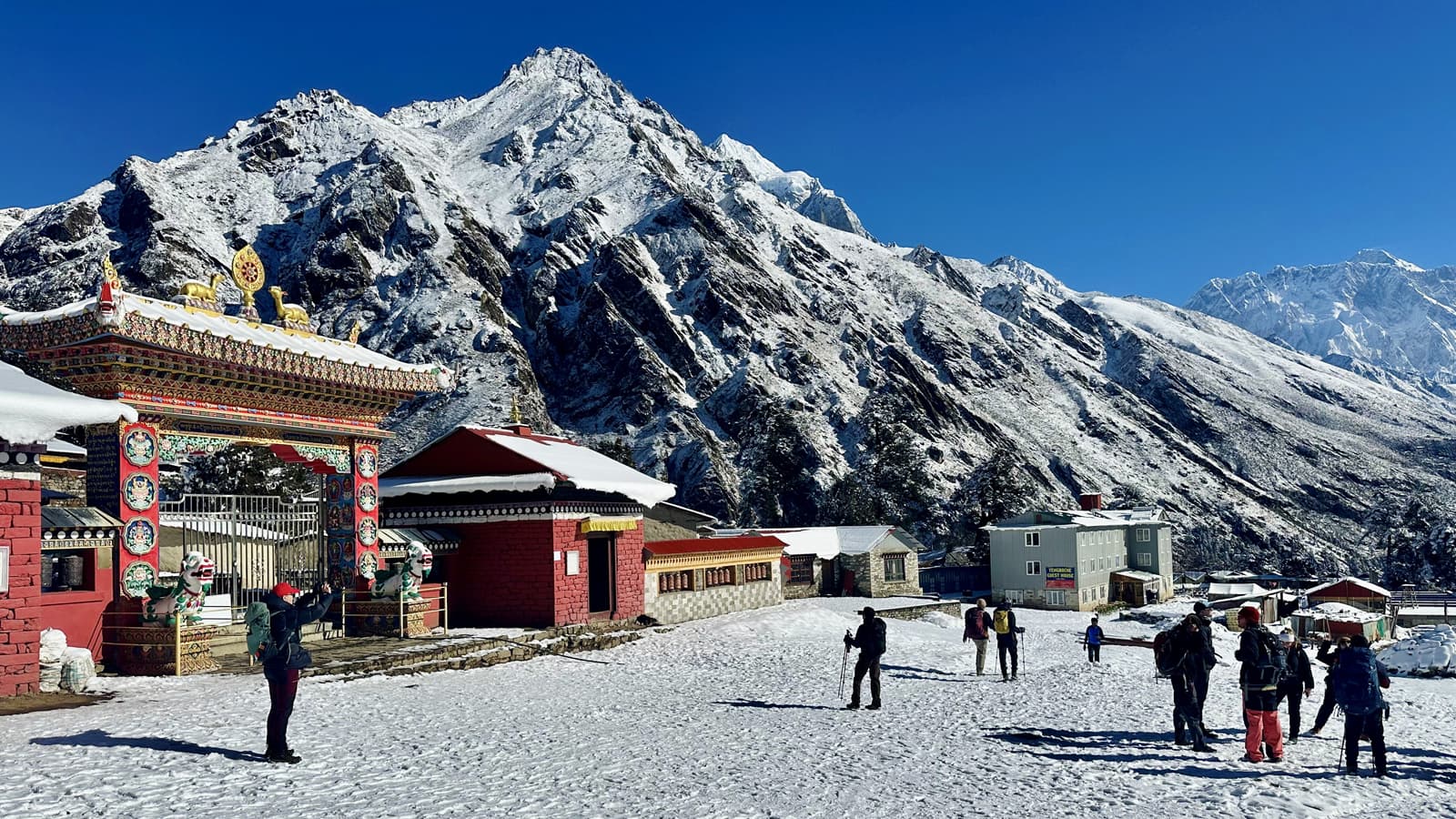
    Furthermore, trekking to Tengboche is another beautiful part of this trip. Tengboche shall present you with breathtaking sights of the Everest ranges, Ama Dablam, and many other peaks. The grand Tengboche Monastery is a religious hub in Tengboche. The monastery also plays a vital role in preserving flora and fauna in the Sagarmatha region.

    The Lamas residing there forbid killing within the region's perimeters. Indeed, traversing through the stunning natural ensemble of Sagarmatha National Park is a surreal experience. Everest Panorama Trek is an upbeat, exuberant trip full of amusing scenarios that will lift your aesthetic spirit.

    Best Time to Visit the Everest Panorama Trek

    Choosing when to go can make your Everest Panorama trek either amazing or miserable. Show up during monsoon season and you'll be staring at fog instead of mountains. Pick the right time, and you'll get views that make your jaw drop.
    Mountain weather doesn't follow normal rules. You can't just check if it's summer or winter and pack accordingly. The Himalayas have their own personality - sometimes friendly, sometimes moody, always unpredictable.

    When Everything Lines Up Perfectly

    Two seasons stand out for the Everest Panorama trek - autumn and spring. They're when the weather gods actually cooperate with your vacation plans.

    October through December gives you the clearest skies of the year. After months of monsoon clouds, the air becomes so clean you can see rocks on distant peaks. The temperature stays comfortable during the day but gets crisp at night. Perfect trekking weather without the brutal cold that comes later.

    Spring runs from March through May. This season warms things up nicely after the harsh winter months. Plus, you get a bonus - the rhododendrons bloom everywhere. Imagine hiking through forests splashed with bright red and pink flowers.

    Why October Rules Everything

    September wraps up the rainy season in Nepal. By October, all that water has washed the air clean and dried up the muddy trails. You can actually see where you're stepping instead of guessing which rocks are slippery traps.

    The temperature hits that perfect zone where you're not sweating buckets or shivering. Days stay warm enough to hike in a t-shirt when the sun's out. Nights need a warm sleeping bag, but won't freeze your water bottle solid.

    Fewer people clog the trails in autumn, too. Spring brings hordes of trekkers, but October gives you more breathing room on the Everest Panorama trek. Better photos without random strangers photo-bombing your mountain shots.

    Spring Has Its Own Magic

    By March, the winter freeze starts backing off. Days get longer and warmer, though mornings still bite a bit. April and May settle into predictable patterns - sunny mornings, possible afternoon clouds, cool evenings.

    The real spring magic happens in the forests. Rhododendrons go absolutely wild with color. The whole landscape looks like nature threw a party and invited every bright flower in Nepal. Birds come back out, streams run full, and everything feels alive again.

    May gets pretty warm in the lower sections, though. By afternoon, you might be sweating more than you'd like. But since the Everest Panorama trek doesn't go super high, this beats the freezing alternatives.

    Seasons That Will Ruin Your Trip

    Summer means monsoon in Nepal. June through September brings daily downpours that turn trails into mud pits. Clouds block the mountains for weeks straight. You came to see Everest, not the inside of a cloud bank.

    Leeches become your worst nightmare during the monsoon. These little blood suckers drop from trees and crawl up your legs. Plus, flight delays to Lukla happen constantly when the weather goes bad.

    Winter gets brutal from January through February. Temperatures drop way below freezing at night. Snow and ice make walking dangerous. Many guesthouses close up shop because even the locals head to warmer places.

    Real World Planning Tips

    Even during good seasons, mountain weather changes fast. Pack warm clothes no matter when you go on the Everest Panorama trek. A perfect sunny morning can turn into a blizzard by lunchtime.

    Lukla flights depend entirely on weather conditions. Build extra days into your schedule for delays. Missing your international flight home because clouds canceled your mountain flight costs serious money.

    Book teahouse beds early for peak seasons. October and April pack the trails with trekkers. Every decent room gets grabbed months ahead of time.

    Think about what you can actually handle. Hate cold weather? Skip the shoulder seasons and stick to warmer months. Don't mind chilly nights if it means fewer crowds? Late autumn might work perfectly.

    The mountains aren't going anywhere, but your experience changes dramatically based on timing. Pick your season carefully and the Everest Panorama trek rewards you with memories that last forever.

    Top Popular Places Highlights

    Tenzing Hillary Airport, Lukla

    Flying into Lukla scares the hell out of most people. The runway is crazy short and sits on a slanted hillside. Your plane drops between tall peaks, then hits the ground hard and stops fast before running out of space. Everyone grabs their seats and holds their breath. But this wild landing starts your Everest Panorama trek the right way. The small airport is full of porters with huge bags on their backs. Helicopters land and take off all day long. Trekkers stand around looking nervous and excited at the same time. Your heart beats fast for a few minutes after landing, but this tiny airport gets thousands of people safely to the mountains every year. It's your gateway to the best mountain views in the world.

    Namche Bazaar and Sherpa Culture

    Namche looks like someone carved a bowl into the mountainside and filled it with stone houses. This town started small as a place where Tibetan traders met Nepali farmers. Now it's the main town in Sherpa land. The weekend market is still going on, where people sell yak cheese, thick wool jumpers, and supplies for trekking.

    Prayer flags are hanging from every house, and the wind in the mountains makes them flutter. You can hear Tibetan music, the sound of helicopters, and people speaking different languages. The Sherpa families that own the guesthouses treat you like family. They keep pouring mugs of sweet tea and telling stories about life in the mountains. This town shows you what real mountain culture looks like during your Everest Panorama trek.

    Everest View Hotel

    The walk up to the Luxury Everest View Trek Hotel makes your legs burn after climbing to Namche. But getting to this spot pays off huge when the clouds move away, and you see the big mountains. Everest appears as a giant white triangle, surrounded by other tall peaks. The hotel deck gets crowded with people taking the same mountain photos. Coffee costs way too much here, but you're paying to sit and stare at Everest while drinking it. On clear days, you can see five different peaks over 8,000 meters high. Most people just come for lunch and photos, but the views make you want to sit here all day. This stop on the Everest Panorama trek gives you bragging rights that last forever.

    Suspension Bridge with Bungee Jump

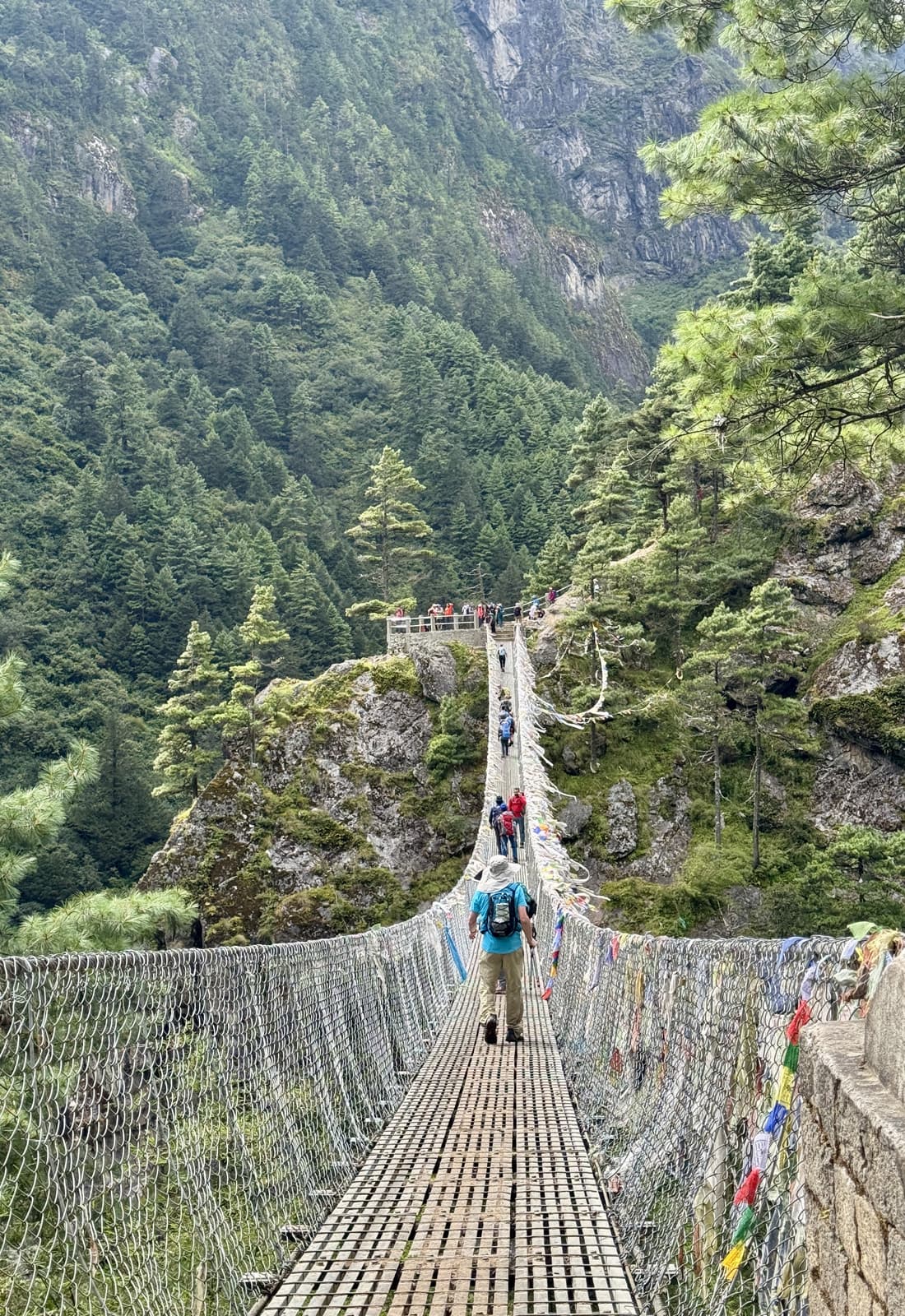
    The hanging bridges on the Everest Panorama trek bounce and shake every time you step on them. These metal and rope bridges cross over rushing rivers far below. Walking across them gets your heart racing as they move up and down with each step. Some bridges stretch way across deep valleys with white water crashing on rocks hundreds of feet down. The views from the middle are incredible, but don't look down if heights scare you. Some companies set up bungee jumping at certain bridges now. You can either jump off or just walk across normally. Either way, these bridges become the parts of your trek you talk about most when you get home.

    Khumjung Village with Hillary School

    Khumjung sits off the main trail but makes a great side trip during your Everest Panorama trek. This quiet village has the school that Edmund Hillary built for local kids back in the 1960s. Children still go to classes in the same buildings that Hillary put up. The village also has a monastery that claims to have a real yeti scalp on display.

    Most people come to see this weird artifact and wonder if it's real or fake. Stone houses sit between potato fields and look pretty much the same as they did fifty years ago. The people here live simple mountain lives without all the tourist chaos you find in busier places. This village shows you how Sherpa families really live when trekkers aren't around.

    Tengboche Monastery

    Tengboche Monastery sits on a ridge covered with red flowering trees during spring. This old Buddhist temple is one of the most famous stops on the Everest Panorama trek. Monks in red robes live here and hold prayer ceremonies morning and evening. You can hear them chanting and playing long horns that echo across the valleys. The monastery yard gives you clear views of Everest without any buildings in the way. It's a perfect place to sit quietly and think about your trek so far. The peaceful feeling here is totally different from the rough mountain landscape all around you. Many trekkers say this monastery represents the spiritual heart of the whole Everest region.

    How Difficult Is the Everest Panorama Trek?

    Are you getting ready for your first major mountain trip? You might like the Everest Panorama trek. This well-known trip in Nepal gives you great views of the mountains without being too hard. A lot of people want to know how hard this walk actually is. The good news is that most healthy people can accomplish it with a little bit of practice.

    Why the Everest Panorama Trek is Not Too Hard

    Compared to other climbs in the Everest area, the Everest Panorama trek is easier. You only go up to roughly 4,000 meters. This means you can see a lot of things, but you don't have to worry about becoming sick from the thin air. The paths are well-made and go through pleasant Sherpa communities where you may eat and sleep.

    It takes roughly 7 to 10 days to do this expedition. You walk for four to six hours every day. You can rest, take pictures, and enjoy the lovely mountains around you during this time. You will see Mount Everest, Lhotse, and other big peaks that look great.

    What You Need to Be Able to Do

    You don't have to be a great athlete to accomplish the Everest Panorama trek. But you should be in good shape. The trail gets steep in some places, like when you go from Lukla to Namche Bazaar. If you're new to trekking, this phase can be tiring. But don't worry; you can take your time and rest.

    Doing aerobics before your trip is the greatest way to prepare. It will assist a lot if you walk, run, or hike for a few weeks. You need powerful legs to go up and down hills. Do squats and lunges to make your leg muscles stronger.

    How to Get Ready for Your Everest Panorama Trek

    Four to six weeks before you leave, start training. This provides your body time to develop stronger. Do exercises that are good for your heart and lungs. You should also work on getting your legs stronger because you will be walking on uneven ground.
    You also need to get your thoughts ready. When the weather is terrible or you're fatigued, it can be hard to do mountain trekking. When things get tough on the path, doing yoga or taking some time to yourself can help you stay calm and cheerful.

    What the Trail is Like Each Day

    There are primarily good stone steps and dirt roads on the Everest Panorama walk. But when it rains or gets cold, some portions might get slippery or icy. You will encounter a lot of bridges that hang over rivers. These might look terrifying at first, but if you walk carefully, they are safe.

    The weather in the highlands can change quickly. It could be sunny one minute and gloomy or possibly snowing the next. If you have warm clothes and rain gear, you'll be comfortable no matter what occurs.

    Places to Sleep and Eat

    One great thing about the Everest Panorama trek is that you can sleep in teahouses along the way. Local families run these modest hotels in the mountains. They give you a bed, cooked meals, and a comfortable place to sleep every night. The rooms are tidy, but not fancy.
    Most teahouses will let you charge your phone and camera, but they usually ask for extra money. The internet is available in some regions; however, it can be slow. Hot showers are available too, also for an extra cost.

    Perfect For Families

    The Everest Panorama trek is perfect for families due to its moderate altitudes, reducing the chances of altitude sickness and ensuring a safe and enjoyable experience for kids. Families have the opportunity to discover the Dudh Kosi River and its surrounding areas, providing children with ample room for play and exploration.

    The journey also provides families with chances to engage with the friendly Sherpa community, enabling them to gain insight into their culture. Cozy teahouses offer comfortable lodgings and tasty food, with the beautiful natural landscape of snow-covered mountains and thick forests enhancing the charm of a memorable family hiking trip in Nepal.

    Should You Do This Trek?

    The Everest Panorama walk is a nice way to see big mountains without doing anything too crazy. You can probably complete this trek if you can walk for a few hours and are in good health. It is perfect for first-time mountain trekkers or people who want a shorter mountain trip.
    The most important things are to get in shape before you attend, know what to expect, and stay positive. There are always problems when you go mountain trekking, but the views and experience make it all worth it. The Everest Panorama trip gives you a taste of the Himalayas without being too hard on your body.

    What Is the Risk of Altitude Sickness?

    Altitude sickness is definitely one of the first things on your mind when you plan your Everest Panorama trek. You might have probably heard the scary stories about people getting really sick in the mountains. But most people don't know this: this journey is significantly safer than other Himalayan experiences.

    The highest point on the Everest Panorama trek is about 4,000 meters above sea level. That might sound really high, but it's actually where most healthy people can function pretty well. This trek has a great safety record because it doesn't drag you up to more than 5,500 meters.

    Why Altitude Affects Your Body

    The air gets thinner as you go higher. The air you breathe in has less oxygen than what your body is used to at sea level. To make up for this difference, your heart has to work harder, and you breathe faster.

    Most doctors agree that major altitude problems don't happen very often below 4,000 meters. The Everest Panorama hike is located at this point, where you can see amazing mountains while keeping your body in a safe zone. The thin air will surely affect you, but it won't knock you out.

    What You'll Actually Experience

    Let's be honest about what occurs on the trek. You might notice that your heart beats faster when you walk uphill on the first day or two. Your breathing will be a little heavier than usual. Some individuals have slight headaches, especially after the long, steep ascent from Lukla to Namche Bazaar.

    On the Everest Panorama trek, these symptoms stay pretty mild. You won't be throwing up or feeling dizzy like many do on far higher trails. Most trekkers just feel like they worked out harder than usual. The key is that these effects are temporary and manageable.

    Staying Safe at Moderate Altitude

    At high altitudes, staying hydrated is really important. In the thin, dry air of the mountains, your body loses water more quickly. Even if you don't feel very thirsty, drink more than you believe you need. This avoids altitude-related headaches.

    Don't rush on the trail. The stone steps and stony roads will always be there. Walk at a speed that lets you talk without being out of breath. If you're breathing so hard you can't talk, slow down.

    Getting enough sleep helps your body get used to the fluctuations in altitude. The teahouses along the Everest Panorama trek have simple but decent beds. When you can, get some sleep, and don't stay up late talking to others if you're exhausted.

    Signs That Need Your Attention

    Even though serious altitude sickness is rare on this trek, you should know what to watch for. A severe headache that doesn't improve with rest, water, and basic pain medicine isn't normal. Neither is persistent nausea or vomiting.

    More serious warning signs include feeling confused, dizzy when standing, or having problems breathing when lying down. You won't see these symptoms very often at the heights you'll reach on the Everest Panorama trek, but it's good to know them.

    The answer is simple: don't go higher if you have any symptoms that worry you. Stay at the same height or go down a little bit. This is easy to do because there are several well-developed trail systems and frequent villages.

    Prevention is Better Than Treatment

    A few days before your walk, start drinking more water. Your body requires time to become used to the different levels of water it needs in the mountains.

    Don't drink alcohol during the first few days you're on the path. After a long day of walking, that beer might look good, but drinking alcohol makes it harder for your body to get used to variations in altitude.

    Don't hurry the schedule for the climb. The Everest Panorama trek itinerary is designed with gradual altitude gain specifically to prevent altitude problems. Trust the process and enjoy each day's scenery instead of racing toward higher elevations.

    The Reality Check

    The Everest Panorama trek lets you see the Himalayas in a whole new way without the serious altitude risks that come with severe elevation routes. Every year, thousands of ordinary people complete this trek without any altitude-related issues.

    On this path, you're much more likely to get fatigued legs or little blisters than altitude sickness. If you focus on being in shape and taking common safety measures, altitude won't be a problem on your mountain trip.

    Our Say,

    The 9-Day Everest Panorama Trek comprises top services to make your trip a remarkable experience! You can also have alternate trekking options with our Everest Base Camp Trek, which allows trekking to the base of Mount Everest. The Everest Chola Pass Trek also presents the opportunity of excursing through the pass, letting you be captivated by its natural quintessence. The Everest Gokyo Lake Trek enables you to encounter the cerulean lakes at the bosom of the mountains. So join us in this adventure!

    You can also opt for a customizable itinerary if you wish to do so. This is another where you can experience the natural pulchritude of the destinations while undergoing the most beautiful trekking journey.
    Detail Itinerary

    Expand all +
    1Day 01

    Arrive at Tribhuwan International Airport, Kathmandu

    Our office delegate will be at the airport to welcome you with the placard of Escape Himalaya. He will smoothly escort you to the hotel in a private vehicle. We will conduct a brief orientation to explain the trek at the hotel. Afterward, there are no scheduled activities. You can take a rest for the day.

    Overnight at the hotel. Breakfast Included. 

    1. Max. Elevation:1336m.
    2Day 02

    Fly to Lukla and Trek to Phakding (2,652m/8,699ft). Walking Distance: 8 km, Duration: 3 Hours

    We will fly to Lukla from Kathmandu on this day, witnessing incredible sceneries from the flight. From Lukla, our trekking begins. We will pass through Chaurikharka village and stroll down toward the Dudh Koshi Ghat, situated at the height of 2,530m. We will walk beside the Dudh Koshi River to reach Phakding. Overall, we will trek for approximately 3 hours on this day.

    Overnight at the guesthouse. Breakfast, Lunch, and Dinner are included.

    1. Max. Elevation:2800m.
    3Day 03

    Trek to Namche Bazaar (3,440m/11,283ft). Walking Distance: 10 to 12 km, Duration: 6 Hours

    Today we will trek to Namche Bazaar, the capital of the Khumbu region. Namche Bazaar is a famous Sherpa village and an administrative hub of Khumbu. We will walk past marvelous wooded areas of rhododendrons and fir trees on this day. The trail during spring looks fantastic, with blooming Rhododendron flowers. On the way, we will walk passing Jorsalle (2,805m) and reach the beautiful setting where Dudh Koshi and Bhote Koshi's amalgamation occurs and is sure to captivate you. Climbing for some time, we will reach Namche Bazaar. It takes approximately 6 hours to reach Namche Bazaar.

    Overnight at the guesthouse. Breakfast, Lunch, and Dinner are included.

    1. Max. Elevation:3440m.
    4Day 04

    Acclimatization Day - Hike to Everest View Hotel. Walking Distance: 3 to 4 km, Duration: 4 Hours

    We will rest at Namche Bazaar before ascending further to the higher elevation. We will hike to Syangboche Airport (3,700m) for an acclimatizing hike. Moreover, we will visit Everest View Hotel for an incredible mountain vista. All-encompassing views of lovely peaks from the hotel are pretty alluring. We will also visit Sherpa Culture Museum and Sagarmatha National Park Museum, then trek back to Namche.

    Overnight at the guesthouse. Breakfast, Lunch, and Dinner are included.

    1. Max. Elevation:3880m.
    5Day 05

    Trek to Tengboche (3,860m/12,660ft).Walking Distance: 10 to 11 km, Duration: 5 Hours

    On this day, we will move from Namche Bazaar to Tengboche- set at a height of 3,860m. Getting to Tengboche is the most fantastic part of the entire trek. We will have a short climb to the edge, and with a stroll, we will reach Kyanjuma. As we reach Tengboche, the stunning vistas of Mt. Lhotse, Thamserku, Kondge, Mt. Nuptse, and Mt. Ama Dablam, along with the highest peak on Earth-Mount Everest, will fascinate us. We will also visit the Tengboche Monastery.

    Overnight at the guesthouse. Breakfast, Lunch, and Dinner are included.

    1. Max. Elevation:3860m.
    6Day 06

    Trek to Namche (3,440m/11,283ft) via Khumjung village (3,700m/12,136ft).Walking Distance: 4-5 km, Duration: 6 Hours

    We will go to Namche, passing Khumjung village, on this day. Khumjung is a charming village where the splendid landscape, especially the view of Mount Khumbila, is highly appealing. Before returning to Namche, we can also visit the Hillary School and Khumjung Monastery.

    Overnight at the guesthouse. Breakfast, Lunch, and Dinner are included.

    1. Max. Elevation:3440m.
    7Day 07

    Trek to Lukla (2,800m/9,184ft). Walking Distance: 18 to 19 km, Duration: 7 Hours

    We will, on this day, trek to Lukla from Namche Bazaar, which takes around 7 hours. On the way, we will need to traverse along the Dudh Koshi River via a suspension bridge. The thick woods of pine and rhododendron trees adorn the trail. We will, as a final point, reach Lukla.

    Overnight at the guesthouse. Breakfast, Lunch, and Dinner are included.

    1. Max. Elevation:2800m.
    8Day 08

    Fly Back to Kathmandu

    We will return from Lukla to Kathmandu on a short and scenic flight. You will transfer to the hotel upon landing at Tribhuwan International Airport.

    Overnight at the hotel. Breakfast is included.

    1. Max. Elevation:1336m.
    9Day 09

    Farewell

    One of the representatives from Escape Himalaya will transfer you to the Tribhuwan International Airport approximately 3 hours before your scheduled flight. And you will then depart, hopefully with many unforgettable memories of the experience and beautiful things to tell about it.

    Breakfast is included.

    1. Max. Elevation:1336m.

    If the provided schedule isn't suitable for you, we are able to create personalized travel arrangements according to your preferences and requirements.

    Customize My Trip

    Cost Details

    Dates & Availability

    • 15th Dec 2025From Kathmandu
      23rd Dec 2025To Kathmandu
      guaranteed
      US $1060Per person
      Book Now
    • 16th Dec 2025From Kathmandu
      24th Dec 2025To Kathmandu
      guaranteed
      US $1060Per person
      Book Now
    • 18th Dec 2025From Kathmandu
      26th Dec 2025To Kathmandu
      guaranteed
      US $1060Per person
      Book Now
    • 19th Dec 2025From Kathmandu
      27th Dec 2025To Kathmandu
      guaranteed
      US $1060Per person
      Book Now
    • 20th Dec 2025From Kathmandu
      28th Dec 2025To Kathmandu
      guaranteed
      US $1060Per person
      Book Now
    • 21st Dec 2025From Kathmandu
      29th Dec 2025To Kathmandu
      guaranteed
      US $1060Per person
      Book Now
    • 23rd Dec 2025From Kathmandu
      31st Dec 2025To Kathmandu
      guaranteed
      US $1060Per person
      Book Now
    • 25th Dec 2025From Kathmandu
      2nd Jan 2026To Kathmandu
      guaranteed
      US $1060Per person
      Book Now
    • 27th Dec 2025From Kathmandu
      4th Jan 2026To Kathmandu
      guaranteed
      US $1060Per person
      Book Now
    • 29th Dec 2025From Kathmandu
      6th Jan 2026To Kathmandu
      guaranteed
      US $1060Per person
      Book Now
    • 1st Jan 2026From Kathmandu
      9th Jan 2026To Kathmandu
      guaranteed
      US $1060Per person
      Book Now
    • 5th Jan 2026From Kathmandu
      13th Jan 2026To Kathmandu
      guaranteed
      US $1060Per person
      Book Now
    • 6th Jan 2026From Kathmandu
      14th Jan 2026To Kathmandu
      guaranteed
      US $1060Per person
      Book Now
    • 8th Jan 2026From Kathmandu
      16th Jan 2026To Kathmandu
      guaranteed
      US $1060Per person
      Book Now
    • 9th Jan 2026From Kathmandu
      17th Jan 2026To Kathmandu
      guaranteed
      US $1060Per person
      Book Now
    • 10th Jan 2026From Kathmandu
      18th Jan 2026To Kathmandu
      guaranteed
      US $1060Per person
      Book Now
    • 12th Jan 2026From Kathmandu
      20th Jan 2026To Kathmandu
      guaranteed
      US $1060Per person
      Book Now
    • 13th Jan 2026From Kathmandu
      21st Jan 2026To Kathmandu
      guaranteed
      US $1060Per person
      Book Now
    • 15th Jan 2026From Kathmandu
      23rd Jan 2026To Kathmandu
      guaranteed
      US $1060Per person
      Book Now
    • 17th Jan 2026From Kathmandu
      25th Jan 2026To Kathmandu
      guaranteed
      US $1060Per person
      Book Now
    • 18th Jan 2026From Kathmandu
      26th Jan 2026To Kathmandu
      guaranteed
      US $1060Per person
      Book Now
    • 20th Jan 2026From Kathmandu
      28th Jan 2026To Kathmandu
      guaranteed
      US $1060Per person
      Book Now
    • 22nd Jan 2026From Kathmandu
      30th Jan 2026To Kathmandu
      guaranteed
      US $1060Per person
      Book Now
    • 23rd Jan 2026From Kathmandu
      31st Jan 2026To Kathmandu
      guaranteed
      US $1060Per person
      Book Now
    • 24th Jan 2026From Kathmandu
      1st Feb 2026To Kathmandu
      guaranteed
      US $1060Per person
      Book Now
    • 27th Jan 2026From Kathmandu
      4th Feb 2026To Kathmandu
      guaranteed
      US $1060Per person
      Book Now
    • 29th Jan 2026From Kathmandu
      6th Feb 2026To Kathmandu
      guaranteed
      US $1060Per person
      Book Now
    • 5th Feb 2026From Kathmandu
      13th Feb 2026To Kathmandu
      guaranteed
      US $1060Per person
      Book Now
    • 12th Feb 2026From Kathmandu
      20th Feb 2026To Kathmandu
      guaranteed
      US $1060Per person
      Book Now
    • 19th Feb 2026From Kathmandu
      27th Feb 2026To Kathmandu
      guaranteed
      US $1060Per person
      Book Now
    • 26th Feb 2026From Kathmandu
      6th Mar 2026To Kathmandu
      guaranteed
      US $1060Per person
      Book Now

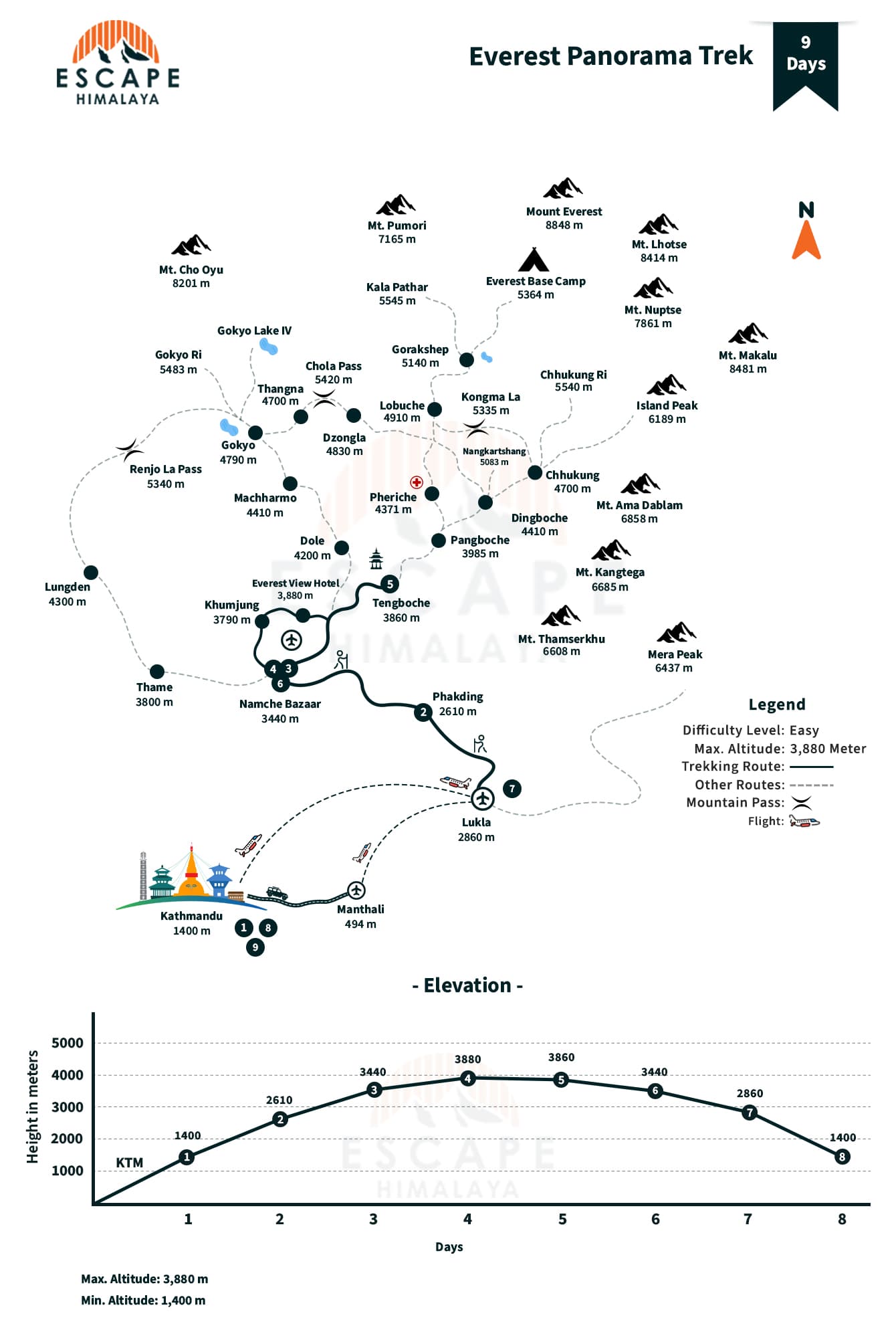
    Everest Panorama Trek Route Map

    Everest Panorama Trek Map

    Good to Know

    Everest Panorama Trek Essential Guide

    Planning an Everest Panorama Trek? Here are the Top 10 key things to know for an awesome adventure:

    • Season's Greetings: Pick the perfect time to go! Spring (March-May) and autumn (Sept-Nov) offer clear skies and stunning views.
    • Pack Smart: Travel light! Choose a comfortable backpack and pack only essentials for the changing weather.
    • Go at Your Own Pace: Don't rush! Enjoy the scenery and listen to your body. Slow and steady wins the race.
    • Train Like a Champ: Get in shape! Hiking at altitude requires some physical preparation.
    • Mind Over Mountain: Be prepared for challenges! A positive attitude goes a long way.
    • Fuel Your Hike: Eat healthy! Choose nutritious food to keep you energized throughout the trek.
    • Gear Up for Success: Dress for the elements! Pack clothes and footwear suitable for mountain weather.
    • Stay Hydrated: Drink plenty of water! Dehydration can be a problem at high altitudes.
    • Plan Your Path: Find the right itinerary! Choose a route that matches your experience and desired duration.
    • Respect the Locals: Be a good guest! Learn some basic Nepali phrases and be mindful of local customs.

    Bonus Tip: Capture the memories! Take photos and videos to document your incredible journey.

    Additional Cost Planning

    Apart from the major costs of your Everest Panorama trek package, you will need to budget for certain additional fees. Here's a simple plan to help you budget while still having a good time:

    Trail Necessities:

    • Hot Gas Showers: Tea houses may charge $4-5 for a warm gas shower, particularly at higher elevations.
    • Charging Electronics: Tea houses may allow you to charge your electronics for $2-3 per hour, including Namche Bazar in your packages.

    Food & Treats:

    • Extra Meals: Depending on where you are, you may want to purchase more snacks or lunches, which cost between $5 and $12
    • Drinks: Expect to spend $1-2 per bottle of water. Other drinks may be more expensive, so use a reusable bottle and filter your water to save money and prevent waste.

    Staying Connected:

    • Wi-Fi: While many guest houses offer Wi-Fi, they provide guest house typically charge 300-500 rupees for 24 hours. If you need internet access, consider downloading maps and entertainment ahead of time.

    Remember that prices might vary, so use these estimates as a guideline.

    Consider your spending patterns for drinks, snacks, and gifts.

    Note: Carry Nepali Rupees for incidental expenses. While some tea shops accept US dollars, possessing the local currency eliminates conversion problems and ensures you have the correct amounts for smaller transactions.

    By budgeting for these things, you'll be better prepared to deal with unexpected costs and enjoy your Everest route!

    Dining on the Everest Panorama Trek: From Classic Favorites to Local Delights

    Lunch and dinner on the Everest high pass trek to Everest Base Camp are a delicious adventure in themselves. Dal Bhat, a traditional Nepali cuisine, is a popular choice among trekkers due to its low cost and high-calorie content. But the variety does not end there. Tea houses cater to a wide range of tastes, with classic dishes such as fried rice, chicken curries, and even burgers and pizzas. Noodle enthusiasts can have stir-fried noodles or cheesy pasta meals.

    After a day of hiking, dinner becomes a joyous occasion, with tea houses broadening their menus to include a broader selection of familiar favorites as well as local specialties.  So, whether you crave a hearty Dal Bhat or a soothing slice of pizza, the EBC journey delivers a great and satisfying refill after each adventure-filled day.

    Everest Panorama Trek Fundamentals:

    Prepare for the Everest panorama Trek with our full package, carefully planned to keep you comfortable and prepared during the entire trip.

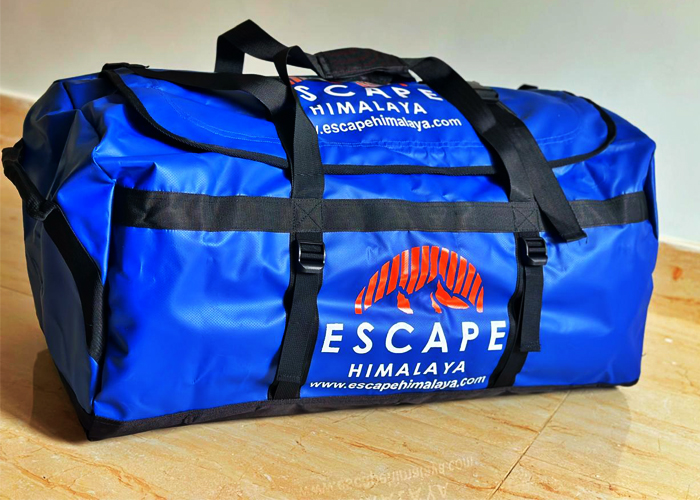
    We provide a 120-liter Duffel Bag for trek packing, a certified -20°C Down Jacket, and a four-season Sleeping Bag, ensuring warmth and coziness during chilly mountain nights.

    Trekking Duffel Bag

    A duffle bag, also known as a kit bag, is a cylindrical-shaped carrying bag having a top closure generally made of either natural fabric or other sturdy fabric (usually canvas). It has a handle or a shoulder strap to carry, which makes it easy for the porter to carry. Duffel bags are commonly used for traveling, sports, and outdoor activities, or even for temporary storage. They are used for carrying clothing, personal items, electronics, or sports gear during travel. The size of the duffel bag varies according to one's needs and requirements. They come in different sizes, from small bags to large travel duffel bags capable of holding the required gear during travel. Generally, duffle bags are used to carry loads up to 15 kg on all treks, which varies according to the size and materials to be carried during the travel, as well as the carrying limit of the porter. Duffle bags are suitable for trekking due to their comfort and accessibility, as it is flexible and portable, which makes them easy to carry. It is an excellent choice to carry for traveling due to its versatility and ease of handling.

    Trekking Duffle Bag
    Trekking Duffle Bag

    We arrange the duffel bags, which have a storage capacity of up to 120 liters and are also waterproof, helping to protect the materials inside the bag in a rainy environment. Generally, these duffel bags are carried by the porter during the trek, and you can carry a small or medium-sized backpack for yourself to store personal items and gadgets. Please be assured that your luggage and suitcase will be securely managed and safeguarded at our hotel while you enjoy your trek, and will promptly return to you once you complete your trek.

    Down Jacket

    A down jacket, also known as a puffer jacket, is a quilted coat filled with soft feathers from a duck or goose. Down jackets are more popular for cold climates and are especially useful in mountains and at higher altitudes. They are generally preferred by hikers, trekkers, and backpackers for being extremely comfortable due to their lightweight and compressibility, making it easy to pack without occupying a lot of space. It has an excellent warmth-to-weight ratio, best for maintaining body heat essential for trekking in cold climates and higher altitudes.

    It is also ideal for wearing and sleeping in during high-altitude treks, providing excellent insulation and good comfort. Please ensure to return it once the trek is completed so it can be preserved for the next adventures.

    Sleeping Bag

    Sleeping bags are essential gear for travelers and trekkers, providing good comfort and protection in various climatic conditions and altitudes. Most of our treks and tours require a sleeping bag, as it keeps you warm by trapping the heat around you from your body.

    The sleeping bags we use are mummy-shaped with a zip up and down that keeps the top tight around you. It is used in cold and wet climates in high altitudes( -20°C to  -25°C maximum temperature), giving you protection and comfort, and it is also lightweight and compact, which it easy to carry on long treks. The sleeping bag is returned after the trek, as it helps us to maintain our gear for future adventurers.

    At Escape Himalaya, we provide a detailed checklist of essential trekking gear, ensuring that you're fully equipped for your Himalayan adventure. 

    HEAD

    • Sun Hat or Scarf
    • Lightweight Balaclava or Warm Fleece Hat
    • Sunglasses with UV Protection
    • Headband or ear covers

    FEET

    • Thin, Lightweight Inner Socks
    • Thick, Warm Wool Hiking Socks
    • Sturdy Hiking Boots
    • Camp Shoes (Sneakers/Sandals)
    • Gaiters
    • Spare Laces
    • Microspikes

    HANDS

    • Lightweight Gloves
    • Heavyweight Gloves or Mittens
    • Hand Warmers

    LOWER BODY

    • Undergarments
    • Hiking Shorts
    • Lightweight Cotton Long Pants
    • Light & Expedition Weight Thermal Bottoms
    • Fleece Pants
    • Waterproof Shell Pants

    ACCESSORIES

    • Backpack (30-50 LTR)
    • Headlamp
    • First Aid Kit
    • Large Plastic Bag
    • Trekking Poles
    • Water Bottle
    • Toiletries
    • Lip Balm
    • Water Purification Tablets
    • Dry Bags/Ziploc Bags
    • Earplugs
    • Guide and Porter
    • Chargers
    • Bag Covers
    • Raincoat
    • Personal Care Kit
    • Sunscreen
    • Moisturizer

    Personal Hygiene Items

    • Wet Wipes
    • Tissues
    • Handwash
    • Blister Plasters
    • Portable Hand Sanitizer

    ADDITIONAL ITEMS

    • Maps and Guides
    • Snacks/Energy Bars
    • Camera
    • Notebook/Pen

    Prepare for your Everest panorama Trek with confidence, knowing that you have all the necessary gear and essentials to make your journey safe, comfortable, and memorable.


    Travellers‘ Reviews

    Write a Review
    • Michael C

      30th Dec 2022

      Very nice experience and will join them in the future

      We have a very nice planning during our Trip. Our guide gave us flexible arrangements such as dining and transport.

      It's my third time to visit Nepal with this company.

      Read more +
    • Mummy Kuyra

      16th Jun 2022

      Very good

      I really enjoyed hiking with Raj. He's very kind, friendly and very helpful. He’s a good photographer too, he captured so many amazing photos along the way 😁

      Thank you Raj 👍

      Read more +
    • Miss L

      11th Jun 2022

      Highly recommended

      Had a blast throughout the whole trip. 5-star for both guide DC Raj and porter. Both were very supportive and helpful in all ways. Would definitely recommend Mr. Raj and team.

      Read more +

    FAQS

    Expand All (24)

    Q1. Is a visa required for entry into Nepal?

    Yes, the majority of travelers to Nepal will need a visa. You can acquire one upon arrival at Tribhuvan International Airport in Kathmandu or at land border crossings. Alternatively, you have the option to apply for a visa beforehand at a Nepalese embassy or consulate in your home country.

    Q2. Will there be someone to pick me up at the airport when I arrive?

    Yes, Escape Himalaya offers airport pickup services for our clients. We recognize the significance of a seamless arrival and strive to guarantee a trouble-free beginning to your journey. When you reserve a trek or tour with us, you can coordinate with our team to schedule a representative to greet you at the airport upon your arrival.

    Look for our staff member holding a signboard bearing your name or the company's name for easy recognition. Providing us with your flight details ahead of time, including your flight number and estimated arrival time, enables us to make suitable arrangements for your pickup.

    Q3. As a solo traveler, are you able to join a group for your journey?

    Certainly! As a solo traveler, you're welcome to join one of the groups organized by Escape Himalaya. We frequently arrange group treks and tours that cater to individuals traveling alone. Joining a group not only allows you to meet other travelers but also offers the opportunity to share experiences and potentially lower costs.

    When reaching out to Escape Himalaya, simply inform us that you're a solo traveler interested in joining a group. We'll then provide details about available group departures and assist you in selecting a trek or tour that aligns with your preferences and travel dates.

    Q4. What are the types of hotel you use in Kathmandu?

    Generally, we use the best available 3-star, 4-star, and 5-star category hotels for travelers' accommodation in Kathmandu. Meanwhile, travelers can upgrade or prolong accommodation with us as required.

    The costs to prolong or upgrade hotel accommodation in Kathmandu may vary based on preferred hotel rates.

    Q5. Would it be possible for me to upgrade my accommodation to a luxury hotel in Kathmandu?

    Certainly! You have the option to upgrade your accommodation to a luxury hotel in Kathmandu. If you wish to elevate your stay from the standard 3-star hotel provided by Escape Himalaya, simply let us know, and we can arrange the upgrade for you. However, please bear in mind that availability and pricing for luxury hotels may fluctuate based on the hotel and the timing of your visit.

    Q6. Which destinations are commonly favored by tourists visiting Nepal?

    Nepal boasts breathtaking natural landscapes and a profound cultural legacy. Among the sought-after tourist spots are Kathmandu (the capital), Pokhara, Chitwan National Park, Lumbini (the birthplace of Lord Buddha), Bhaktapur, as well as the renowned trekking regions of Annapurna, Everest, Langtang, Manaslu, and Upper Mustang.

    Q7. Do we need a visa before coming to Nepal?

    Yes, most travelers need a visa to enter Nepal. However, the process for obtaining a visa depends on your nationality. You can either obtain a visa from the diplomatic consulate office of Nepal in your respective country or apply for an “On Arrival” visa at the entry checkpoints of Nepal. Please click this link to get more information on ways to issue a tourist visa. Also please see the visa fee here below:

    On-Arrival Visa Fee at Entry Points of Nepal:

    • 15 Days – 30 USD
    • 30 Days – 50 USD
    • 90 Days – 125 USD

    Indian nationals do not need to have a visa to enter Nepal however they need to bring an official document such as a Passport or Election card (issued by the Election Commission) that proves their identity.

    Q8. Which one is better: Group or Solo (private) trek?

    Escape Himalaya offers both group and solo trek to Everest Base Camp. However, to choose to join which tour style completely depends upon the traveler itself.

    If you are happy to meet people from other parts of the world and join in an experience of a lifetime with fellow travelers, then going for a group trek is also best.

    However, if you prefer freedom and flexibility, trekking solo (private) will give you the independence to set your own pace and choose your itinerary. You will have the flexibility to make spontaneous decisions. You will not be bound by a group schedule and choose to lead your journey as you wish and even modify the plan if needed.

    Q9. How is the Manaslu Circuit Trekking trail?

    The Manaslu Circuit Trekking path involves a variety of terrains, including some steep and uneven paths. There are sections with rocky and sloppy trails, especially as you ascend to higher altitudes and cross mountain passes. Proper trekking gear and good physical fitness are important for navigating these terrains. The trail conditions can vary depending on the season, so it's advisable to do some prior research or consult with someone who knows how to trek the trail.

    Q10. Can I do Manaslu Circuit Trekking?

    Definitely! Manaslu Circuit Trekking is a moderate to challenging trek. It includes walking for multiple days consecutively for hours. However, we must say, it is not a tiresome journey. Trekking is a physical work but it is also a mentally rewarding task. And when your mental state is happy, tiredness is the last thing you will be thinking about.

    Nevertheless, some sort of prior experience will help in making your journey smoother. Prior hiking or short trekking activities will prepare you for the impact that long hours of walking have on your body. It helps your body get accustomed to the nature of the activity you are indulging in.

    Q11. How should I physically prepare for the Manaslu Circuit Trek?

    For Manaslu Circuit Trekking one can indulge in simple exercise activities like jogging, walks, running, or going on hikes. These will enhance your cardiovascular endurance which is crucial for you while doing ascends and descends on a mountainous terrain. Similarly, these will also help you in building muscle strength which is very necessary for carrying backpacks. Likewise, it aids in building stamina, joint flexibility, and stability. Additionally, these activities allow you to familiarize yourself with trekking gear such as backpacks, water bottles, boots, and other equipment.

    Q12. Should I worry about Altitude sickness while doing the Manaslu Circuit Trek?

    Manaslu Circuit Trek is a high-altitude trek so altitude sickness is a concern one should think about. The highest point on the trek, Larkya La Pass, reaches an elevation of over 5100 meters above sea level, and it is an outstanding altitude. Henceforth, trekkers must approach the journey gradually and cautiously.

    One can take on the journey by following a well-planned itinerary, constantly hydrating themselves, having nutritious meals, and not rushing the trek. Most want to skip a few days or rush the itinerary by passing dedicated stop areas. One should not do something like that even if they are physically okay or can walk for some hours. The body always rejects decisions that are not working for them and it can result in being sick. A key to a successful trekking is taking the journey gently and steadily prioritizing your health and well-being.

    Q13. What to do if you suffer from altitude sickness?

    If you or somebody is suffering from mountain sickness, immediately inform the guide. There are various ways to deal with the situation and they are professional in this regard. Besides consulting with the guide, one can descend to a lower altitude to acclimatize. However, if the condition is worse, it is crucial to evacuate from the location for professional medical attention. There are emergency helicopter rescue services available for such cases and our company will assist trekkers in arranging the service.

    Q14. When is the ideal time to do Manaslu Circuit Trekking?

    For trekking the Manaslu Circuit, the spring (March to May) and autumn (September to November) seasons are the finest times to go. Both seasons are perfect for trekking since they have pleasant weather, clear skies, and breathtaking vistas.

    Spring season offers pleasant daytime temperatures and chilly evenings, the weather is often steady and gentle. The season also adds brilliant colors to the sceneries by bringing the walking trail to life with rhododendrons in blossom. The verdant, lush forests may be home to a variety of species. Furthermore, because of the snowmelt and generally calm weather during this season, high mountain crossings like Larkya La Pass are easier to access.

    Autumn is another great season to do the Manaslu Circuit Trek. There are expansive vistas of the surrounding mountains due to the clear and steady weather. The monsoon season is followed by the fall, which guarantees clear skies and better air quality. This offers great visibility for taking in the views of the mountains.

    Winter (December to February) season also offers great vistas but it comes with the challenge of extremely cold weather and thick snow layers. This will require trekkers to bring extra special equipment which can be unfavorable for some. Nevertheless, the scenery at this time is truly magical as the mountains are all covered in snow and shining brightly.

    Summer/Monsoon (June to August) on the other hand brings the struggle of rain, muddy and slippery paths, and the possibility of delays due to landslides and blocked roads. Yet, it showcases fresh green scenery enhancing the beauty of the Manaslu range.

    Overall, picking the best time to do anything depends on the availability of a traveler. However, it is good to do prior research regarding what your selected time holds for your journey so that you will have a great traveling experience.

    Q15. Are permits necessary to do the Manaslu Circuit Trekking?

    Yes, permits are necessary to do Manaslu Circuit Trekking. The trail is part of restricted areas and is only open for group trekking. Solo trekking in Manaslu Circuit without professional assistance is not possible. Since it is a group trekking trail, one has to do the trek via a trekking agency in Nepal. They will manage the restricted area permits for you.

    Q16. What is a restricted area?

    There are some places in Nepal which does not allow solo travelers and such places are called restricted areas. It is so because most of these places lie in rural areas where the earliest cultures are still relevant and signs of modernization are still lacking. Henceforth, travelers are unable to travel to these places without the company of a guide or some form of assistance. Solo traveling is not allowed and a restricted area trekking permit is necessary for everyone who wishes to explore these areas. Restricted areas include places like Nar Phu Valley, Tsum Valley, Upper Mustang, and a few more. For more info, please click here.

    Q17. Where can we get the Restricted Area Permit (RAP)?

    Our company shall assist you in getting the permit so travelers may not worry about obtaining the permits.

    Q18. What documents are necessary to get a Restricted Area Permit?

    To get a Restricted Area Permit, you need to submit, your scanned passport size photo, trekking schedule, and a passport number.

    Q19. How is the accommodation during Manaslu Circuit Trekking?

    During the Manaslu Circuit lodging options range from basic teahouses to comparatively more comfortable lodges in select villages. Teahouses offer essential amenities, but trekkers should not anticipate luxurious accommodations. Hot water is available in some bathrooms while in some, it might not be. Similarly, please be informed that lodging arrangements include shared facilities.

    Q20. Is there an internet or telephone network on the trail of Manaslu Circuit?

    Yes, you will be able to access the internet and telephone network on the trail. However, since you will be trekking along the rugged landscape, please expect to have inconveniences with network connections.

    Q21. How can we charge our electric appliances?

    Trekkers can charge their electric appliances at the teahouses they are staying. Nevertheless, it is wise to bring a power bank, and extra batteries as sometimes it can get quite challenging to find a spot for charging and can cost you extra as well.

    Q22. Where to access safe drinking water along the trek?

    Bottled mineral water is available on the trail, yet we do not suggest buying it as it will leave you with trash. Thus, we recommend bringing your own water bottle and water filtering kit. You will find numerous water sources along the trail or you can simply buy hot water from the teahouses you pass by.

    Q23. How is the food on the Manaslu Trek Route?

    Trekkers will find a bunch of varieties of options for meals. Most teahouses will serve trekkers with a menu where you can find dishes like porridge, fried rice, varieties of noodles, dumplings, soups, and a Nepali staple dish Daal Bhat. Although the food menu may be limited, cooks at the teahouse will try their best to serve the delicious and warm meals of your preference.

    Q24. Can we get vegan foods throughout our trek?

    Most of the teahouses and restaurants in the Manaslu trekking route serve vegan foods. The guide will take the food order as per your preferences.  You can pre-inform about your choices.

    You may also Like

    • Everest Base Camp Trek
      12 reviews
      from $1420

      Everest Base Camp Trek

      13 Nights 14 Days
    • Everest Base Camp - Chola Pass - Gokyo Trek
      04 reviews
      from $1340

      Everest Base Camp - Chola Pass - Gokyo Trek

      16 Nights 17 Days
    • Everest Base Camp Short Trek
      07 reviews
      from $1150

      Everest Base Camp Short Trek

      12 Nights 13 Days