Upper Mustang Trek

5/5 from 1 reviews

Trip Fact

  • DestinationNepal
  • Durations16 Days
  • Trip DifficultyModerate
  • ActivitiesTrekking
  • AccommodationHotels / Teahouses
  • MealsBreakfast, Lunch, Dinner
  • Mx.altitude4210m.
  • VehicleCar / Flight
  • Group SizeMin. 2 Pax

Upper Mustang Trek Highlights

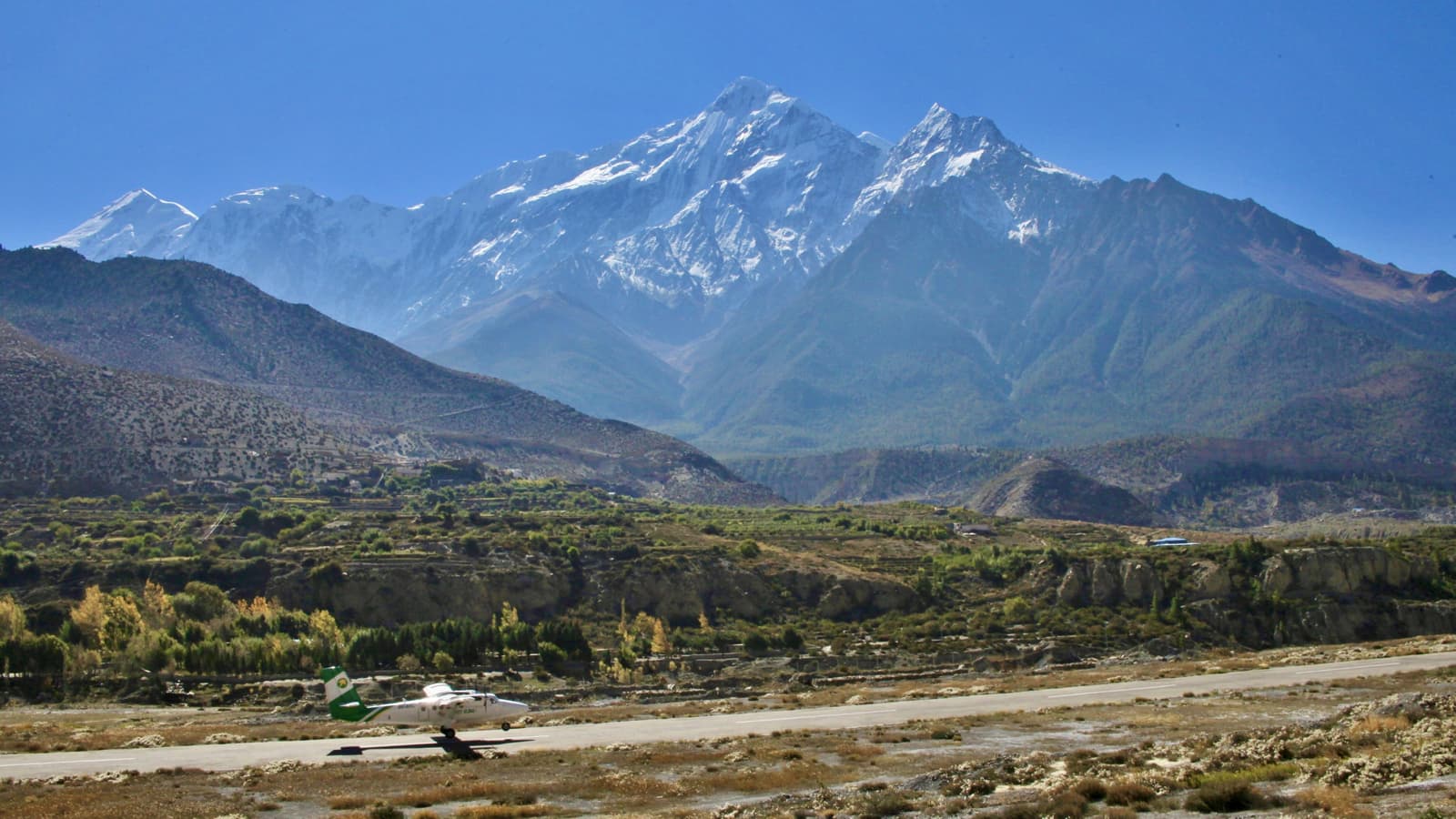
  • Fly the breathtaking Pokhara to Jomsom route through the world's deepest river gorge, the Kali Gandaki
  • Trek through the ancient walled city of Lo Manthang, founded in 1380 by warrior king Ame Pal
  • Visit Lo-Gekar Monastery (Ghar Gompa), the oldest Buddhist shrine in Mustang, contemporaneous with Tibet's first monastery at Samye
  • Walk the legendary salt-trade route that once connected Tibet and the Indian subcontinent
  • Explore the Chogo La Pass at 4,280 meters, the highest point of the trek, with panoramas of Annapurna, Dhaulagiri, and Nilgiri
  • Discover the 10,000 ancient hand-carved sky caves of Mustang, including the Jhong Cave complex near Chhoser
  • Stand on the Ghami Mani Wall, the longest prayer wall in the Mustang region, stretching over one kilometer
  • Experience the Tiji Festival in Lo Manthang if traveling in May, one of the most powerful Tibetan Buddhist ceremonial events in the Himalayas
  • Visit Muktinath Temple, a sacred pilgrimage destination for both Hindus and Buddhists, fed by 108 sacred water spouts
  • Walk through Marpha Village and taste the region's famous organic apple products, including local apple brandy

Overview

Upper Mustang Trek: Journey into Nepal's Last Forbidden Kingdom

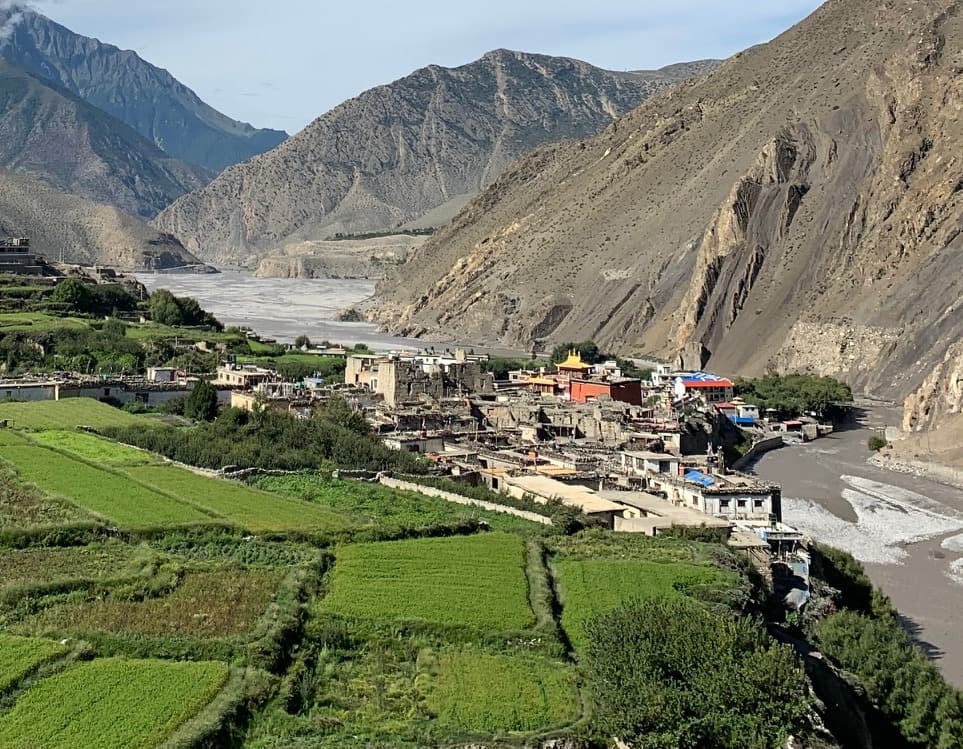
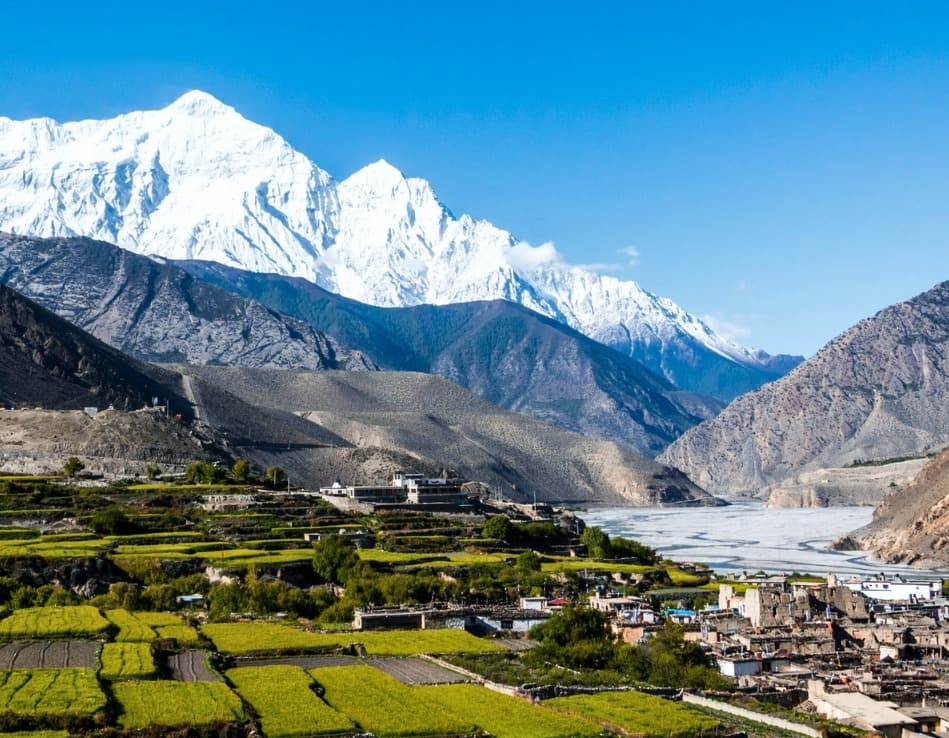
Few places on Earth stop you the way Upper Mustang does. Standing at the edge of Kagbeni, where the paved road ends and the ancient salt-trading world begins, you realize you are about to cross into a region that remained off-limits to foreigners until 1992. Referred to for generations as the Forbidden Kingdom of Lo, Upper Mustang is a high-altitude Trans-Himalayan desert squeezed between the Dhaulagiri and Annapurna ranges, pushed hard against the Tibetan border, and shaped by winds that have been sculpting its red, ochre, and chocolate cliffs for thousands of years.

The Upper Mustang Trek with Escape Himalaya is a 16-day guided journey from Kathmandu to the ancient walled capital of Lo Manthang and back. It is not a trek about summit conquest or dramatic altitude gains. It is something rarer: a slow walk through one of the most culturally intact corners of the Himalayas, where the Loba people still speak the Loke dialect of Tibetan, monks still light butter lamps inside 14th-century monasteries, and the sky above the desert remains so clear at night that you can see stars you forgot existed.

The Mustang District sits within Gandaki Province in north-central Nepal, and the Upper Mustang area, north of Kagbeni and the Kali Gandaki River checkpoint, remains a Restricted Area of Nepal requiring a special government-issued permit. This restriction is not a bureaucratic inconvenience but a deliberate policy that has kept the region's Tibetan Buddhist culture, ancient sky caves, and fragile desert landscape from the kind of mass-tourism erosion that has affected more accessible Himalayan trails. When you trek here, you are entering a living museum, not a heritage park.

Why Choose the Upper Mustang Trek with Escape Himalaya

The appeal of Upper Mustang is not something you can manufacture. You either want to go deep into the Trans-Himalayan plateau and sit with a culture that has outlasted empires, or you want a quicker tick on a list. This trek is firmly for the first category of traveler. Here is what makes trekking in Upper Mustang genuinely different from anything else in Nepal, and why Escape Himalaya is the right team to take you there.

A Landscape Unlike Any Other in Nepal

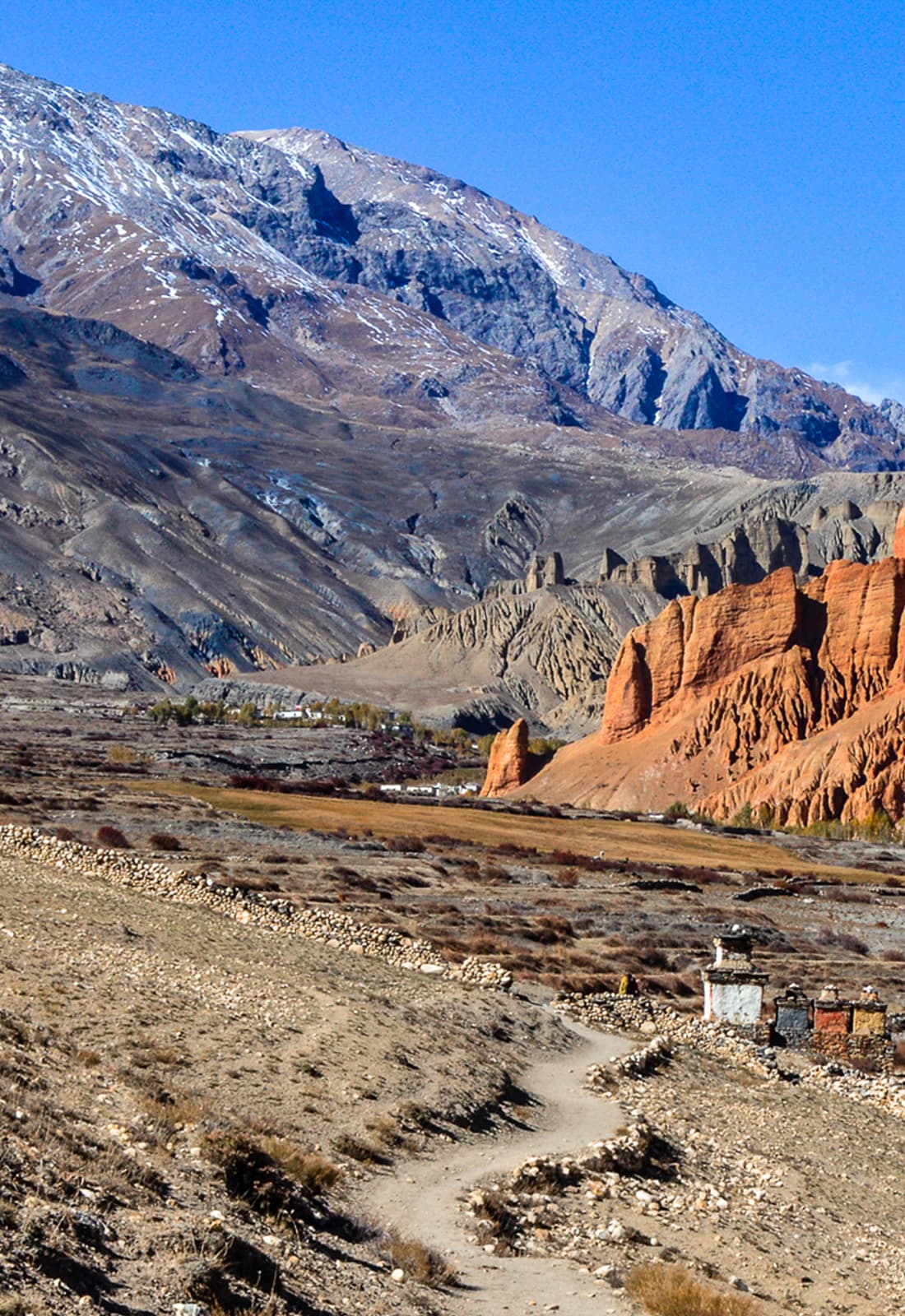
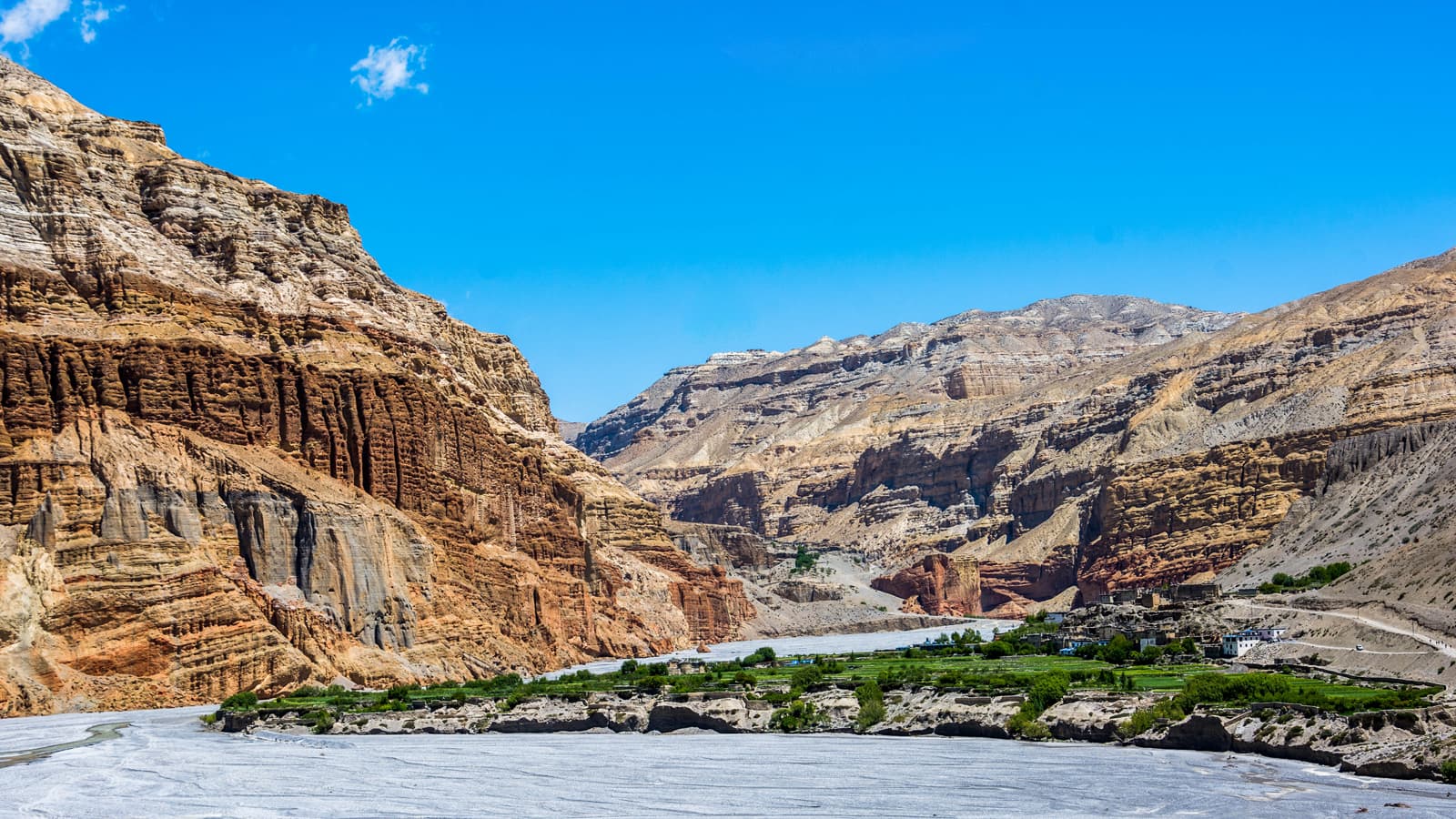
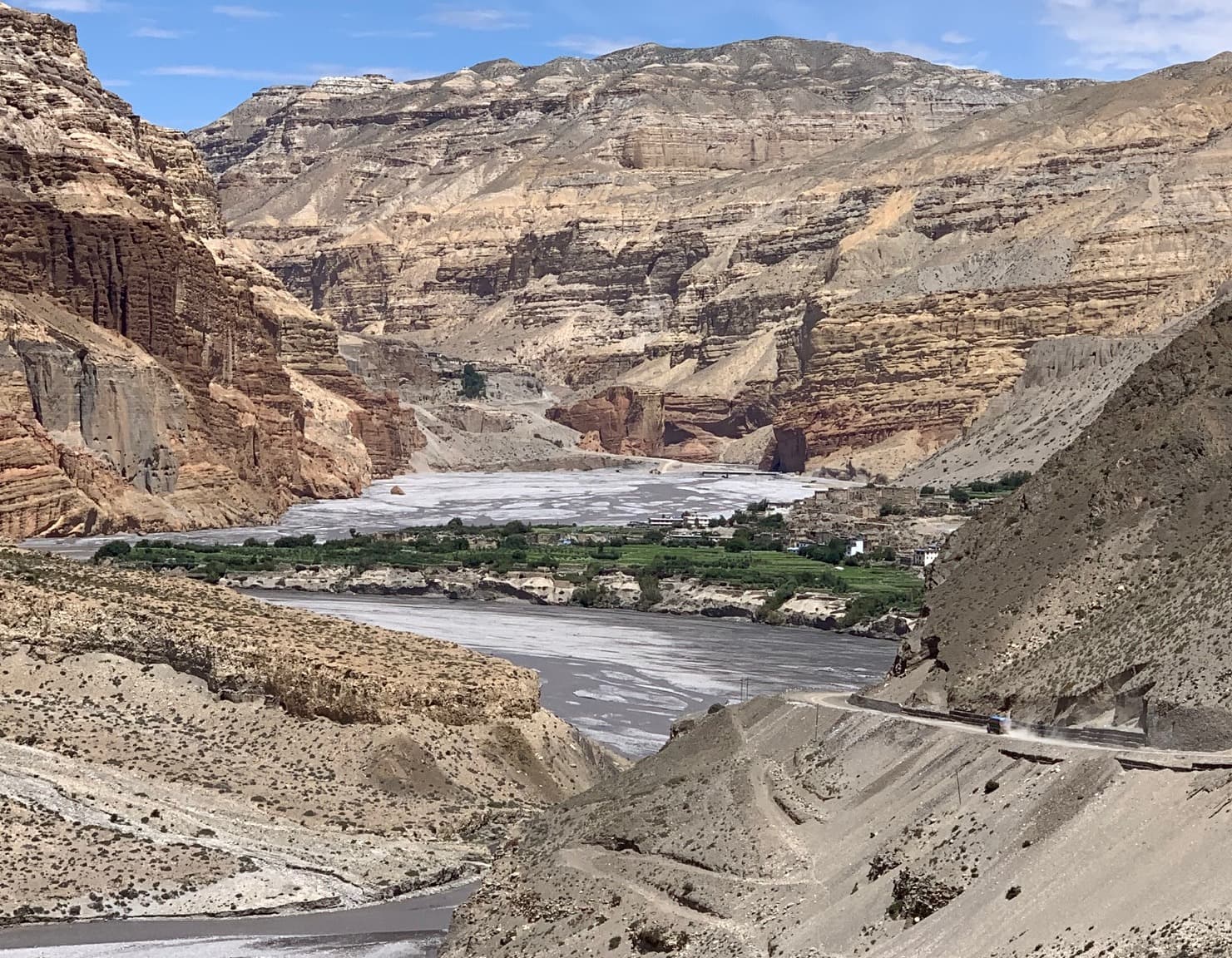
Most Nepal trekking routes pass through rhododendron forests, terraced farmland, and dense green valleys. Upper Mustang looks like none of that. The rain shadow of the Dhaulagiri and Annapurna massifs blocks monsoon rainfall almost entirely, leaving behind a high plateau of eroded sandstone towers, deep crimson and ochre canyons, wind-carved rock formations, and barren ridgelines that stretch toward the Tibetan Plateau. Photographers compare the landscape to parts of the American Southwest, except that 7,000-meter peaks ring the horizon. The visual drama here is constant and unlike anything in the more-trodden Annapurna or Everest circuits.

Living Tibetan Culture in Its Most Authentic Form

Upper Mustang separated from Tibet politically but never culturally. The Loba people, the indigenous inhabitants of the Lo Kingdom, speak the Loke dialect, follow the Sakya and Nyingma sects of Tibetan Buddhism, and continue practices that were interrupted or suppressed across the border in Tibet itself. Inside Lo Manthang, the monasteries of Jampa Lhakhang (14th century), Thubchen Gompa (15th century), and Chode Monastery remain active places of daily worship. The monks here still hand-paint thangkas, carve stone prayer flags, and observe ritual calendars unchanged for six centuries. Walking through these alleys with an Escape Himalaya guide who speaks the local dialects and understands the cultural protocols gives your visit a depth that is impossible to achieve on your own.

The Mystery of the Sky Caves

One of the most remarkable archaeological discoveries in the Himalayas happened right here. The Mustang District contains over 10,000 hand-carved caves cut into vertical cliff faces at heights of up to 50 meters, some dating back 3,000 years. Scientists from the University of Cologne and archaeologists from Nepal discovered partially mummified remains dating at least 2,000 years old in the 1990s. In 2007, a joint expedition of American, Italian, and Nepali explorers found 13th-century Buddhist paintings, manuscripts, and pottery inside caves near Lo Manthang. The Jhong Cave complex near Chhoser, accessible from Lo Manthang, is a five-story structure carved into the cliff face and is considered one of Nepal's most important tentative UNESCO World Heritage sites. These caves served as burial chambers as early as 1,000 BC, later became shelters during periods of conflict in the 10th century, and eventually transformed into meditation retreats and monastic spaces.

A Restricted Area That Stays Genuinely Remote

Because Upper Mustang requires a Restricted Area Permit (RAP) and a licensed guide from a registered Nepali trekking agency, the number of visitors is carefully managed. In a recent year, fewer than 2,000 foreign trekkers made it to Upper Mustang while over 40,000 visited the broader Mustang region. That ratio means the trails are quiet, the teahouses are uncrowded, and Lo Manthang feels like a living city rather than a tourist exhibit. Escape Himalaya holds all required government registrations and handles every element of the permit process on your behalf.

The New 2026 Permit Structure Makes It More Accessible

In November 2025, the Government of Nepal replaced the long-standing flat USD 500 Restricted Area Permit fee with a flexible USD 50 per person, per day system. For a 16-day trek in which approximately 10 days are spent inside the restricted area, the permit cost is now USD 500, the same as before, but without the minimum-day requirement. This change makes shorter Upper Mustang jeep tours and 5 to 7-day quick-access trips significantly more affordable and opens the region to a wider range of traveler budgets. All other entry requirements remain in place: a licensed guide, a registered agency, and a minimum group of two trekkers.

Tiji Festival in Upper Mustang: The Sacred Three-Day Ceremony of Lo Manthang

If you are planning the Upper Mustang Trek for May 2026, you should know that the Tiji Festival in Lo Manthang is scheduled for May 13 to May 15, 2026. This is not a tourist performance. It is one of the most spiritually powerful Buddhist festivals in the entire Himalayan region, and it takes place in the courtyard of the Tashi Gompa Royal Palace of Lo Manthang before an audience of local villagers who have walked for days from surrounding settlements to attend.

What Tiji Means

The word Tiji is an abbreviation of the Tibetan phrase Tempa Chirim, which translates to Prayer for World Peace. The festival commemorates the victory of Dorje Jono, a deity born as the demon's own son, who turned against his father to save the Kingdom of Lo from destruction, drought, and chaos. The three-day ceremony reenacts this cosmic battle through elaborate masked dances known as Cham, performed by monks of the Chode Monastery who prepare for months beforehand. The lead Vajra master must undergo a three-month solitary meditation retreat before the festival and receive empowerment directly from the highest levels of the Sakya tradition.

The Three Days of the Tiji Festival

On Day One, called Tsa Chham, the monks depict the arrival of destructive forces in the kingdom. Dressed in hand-crafted masks considered to be sacred objects, some centuries old, the dancers begin their ritualistic battle in the main courtyard. Day Two, or Nga Chham, portrays Dorje Jono's intervention, birth, and his attempt to subdue the demon who has been starving the region of water and causing suffering. Day Three is the Rha Chham, the dance of victory. On this final day, a tsampa effigy representing the demon's remains is carried by the lead monk to the outskirts of Lo Manthang, where antique muskets are fired, and the effigy is cast into the desert, symbolizing the final banishment of evil. The people of Lo Manthang believe this ceremony protects the Seven Villages of Mustang for the coming year and draws rain for the harvest.

Practical Information for the Tiji Festival 2026

The 2026 Tiji Festival runs from May 13 to May 15 in the main square of Lo Manthang. Accommodation in Lo Manthang books out weeks in advance during this period. Escape Himalaya recommends booking your festival trek package no later than two months before the dates to secure lodges and permits. While the festival is a growing international attraction, it remains community-centered. Visitors are welcome but are observers, not participants. Photographers should position early and avoid stepping into performance areas. Women in traditional striped aprons called pangden, wearing turquoise and coral bead jewelry, line the courtyard. Older community members receive the best viewing spots as a mark of respect.

Booking the Mustang Tiji Festival Trek 2026 with Escape Himalaya also gives you access to Lo Manthang in its most vivid state. The city is decorated, families return from Kathmandu and Pokhara, food is shared in the streets, and the entire atmosphere of this medieval walled city transforms into something found nowhere else on the planet.

Culture and Religion in Upper Mustang: A Living Heritage of Tibetan Buddhism

Upper Mustang is sometimes described as a time capsule of Tibetan culture. That is not poetic exaggeration. When Tibet came under Chinese administration in the 1950s, many practices and institutions were disrupted or destroyed. In Upper Mustang, which remained under Nepalese sovereignty and was effectively sealed from external influence until 1992, those same traditions continued uninterrupted. Walking through Lo Manthang today is closer to walking through a functioning Tibetan city of the 15th century than anything you will find inside Tibet itself.

The Three Monasteries of Lo Manthang

Inside the walled city of Lo Manthang, three ancient monasteries anchor the spiritual life of the community. Jampa Lhakhang is the oldest, constructed in the early 14th century by King Angon Sangpo, son of the kingdom's founder. The building covers a platform measuring 42 meters by 24 meters and rises to a height of 16 meters. Its interior features a towering Maitreya Buddha statue, intricate mandalas, and some of the finest examples of Tibetan Buddhist mural painting in Nepal. Thubchen Gompa, built in the 15th century, is the largest of the three and is known for its massive assembly hall and the ongoing restoration of its 600-year-old wall paintings by international conservation teams. Chode Monastery is the active ceremonial center of Lo Manthang, the monastery where monks train and rehearse for the Tiji Festival. A combined entry ticket covering all three monasteries costs NPR 1,000 per visitor.

The Loba People and Their Way of Life

The indigenous people of Upper Mustang are called the Loba, and their identity is distinct from both the hill communities of lower Nepal and the Tibetan communities across the border. They speak Loke in the Upper Mustang valleys and a related dialect, Bahragaule, in the lower Mustang areas. The younger generation in Lo Manthang is increasingly multilingual, speaking Nepali and English in addition to their mother tongue. The Loba economy is built on barley and buckwheat farming at lower elevations, potato cultivation at higher altitudes, yak herding on the upper plateaus, and, in recent decades, a growing trade in tourism and apple products from Marpha and surrounding villages. Traditional social structures, including extended kinship networks and village solidarity councils, remain the foundation of community decision-making.

Muktinath Temple: Sacred Ground for Two Faiths

Near the end of the Upper Mustang Trek, the route passes through Muktinath, a pilgrimage site sacred to both Hindus and Buddhists. For Hindus, Muktinath is one of the 108 Divya Desams dedicated to Vishnu and one of the 51 Shakti Peethas. The temple complex includes 108 stone water spouts, each continuously pouring sacred water from the Himalayas, and an eternal flame fed by natural gas burning alongside water, a natural phenomenon considered deeply auspicious. For Buddhists, Muktinath is associated with Guru Rinpoche and is considered the dwelling place of the Dakinis, the sky dancers. The combination of these traditions makes Muktinath one of the most genuinely cross-cultural sacred sites in all of Asia.

The Amchi Tradition: Traditional Tibetan Medicine

Lo Manthang is home to an Amchi school and museum, where practitioners of traditional Tibetan medicine continue training in methods that use local Himalayan herbs, minerals, and diagnostic techniques unchanged for over a thousand years. Visitors to Lo Manthang can tour the Amchi museum and gain insight into how high-altitude communities managed health and illness before modern medical infrastructure reached the region. The knowledge encoded in these practices is of growing interest to researchers in integrative medicine worldwide.

Physical Preparation for the Upper Mustang Trek

The Upper Mustang Trek is graded as moderate, meaning it is accessible to trekkers without prior high-altitude experience, provided they are in reasonable cardiovascular health. The maximum elevation is Chogo La Pass at 4,280 meters, and Lo Manthang itself sits at 3,840 meters. These altitudes are significantly lower than those of Everest Base Camp or the Annapurna Circuit high camp, which considerably reduces the risk of acute mountain sickness. However, the combination of daily trekking hours (typically five to seven hours per day), high-altitude dry air, cold nights, and strong afternoon winds from the Kali Gandaki Valley makes physical preparation genuinely worthwhile.

Training Recommendations

Begin a structured fitness program two to three months before departure. The most useful physical preparation combines cardiovascular endurance work with lower-body strength training. Hiking with a loaded daypack on uneven terrain is the single most transferable training activity. Running, cycling, and swimming all build the aerobic base you need. Incorporate stair climbing and step-ups to simulate the repeated ascents that characterize many sections of the Upper Mustang trail. Yoga or regular stretching helps prevent the muscle soreness and joint stiffness that accumulate over multi-day trekking.

Altitude Sickness Awareness on the Upper Mustang Trek

Acute Mountain Sickness (AMS) can begin affecting trekkers above 2,500 meters and becomes more likely above 3,500 meters. Early symptoms include headache, fatigue, loss of appetite, disturbed sleep, and mild nausea. The Upper Mustang route generally ascends gradually, and the itinerary includes planned rest days to allow acclimatization. The key risk window is between Geling (3,570 meters) and Lo Manthang (3,840 meters). Drink three to four liters of water per day. Avoid alcohol during the first two to three days at altitude. Do not ascend if you have a persistent headache or are feeling significantly worse than the previous day. Diamox (Acetazolamide) is widely used as a preventive measure, but it must be discussed with your doctor before departure, as it has contraindications. Your Escape Himalaya guide carries a comprehensive first-aid kit and is trained to recognize and respond to altitude emergencies. In extreme cases, helicopter evacuation from the Mustang Valley is possible, which makes travel insurance with emergency medical evacuation cover non-negotiable for this trek.

Daily Trekking Conditions

Afternoon winds in the Kali Gandaki Valley and along the Upper Mustang plateau are a defining feature of the trail. These winds typically begin around 11 AM and increase steadily through the afternoon. Starting the daily walk before 8 AM is strongly recommended. The trail surfaces alternate between loose gravel, packed sandy earth, rocky mountain paths, and occasional steep cliff-edge traverses. Trekking poles are genuinely useful, particularly on descents. Dust is a constant companion, especially during spring trekking. A buff or bandana worn across the mouth and nose significantly improves comfort on the windier stretches.
Detail Itinerary

Expand all +

If the provided schedule isn't suitable for you, we are able to create personalized travel arrangements according to your preferences and requirements.

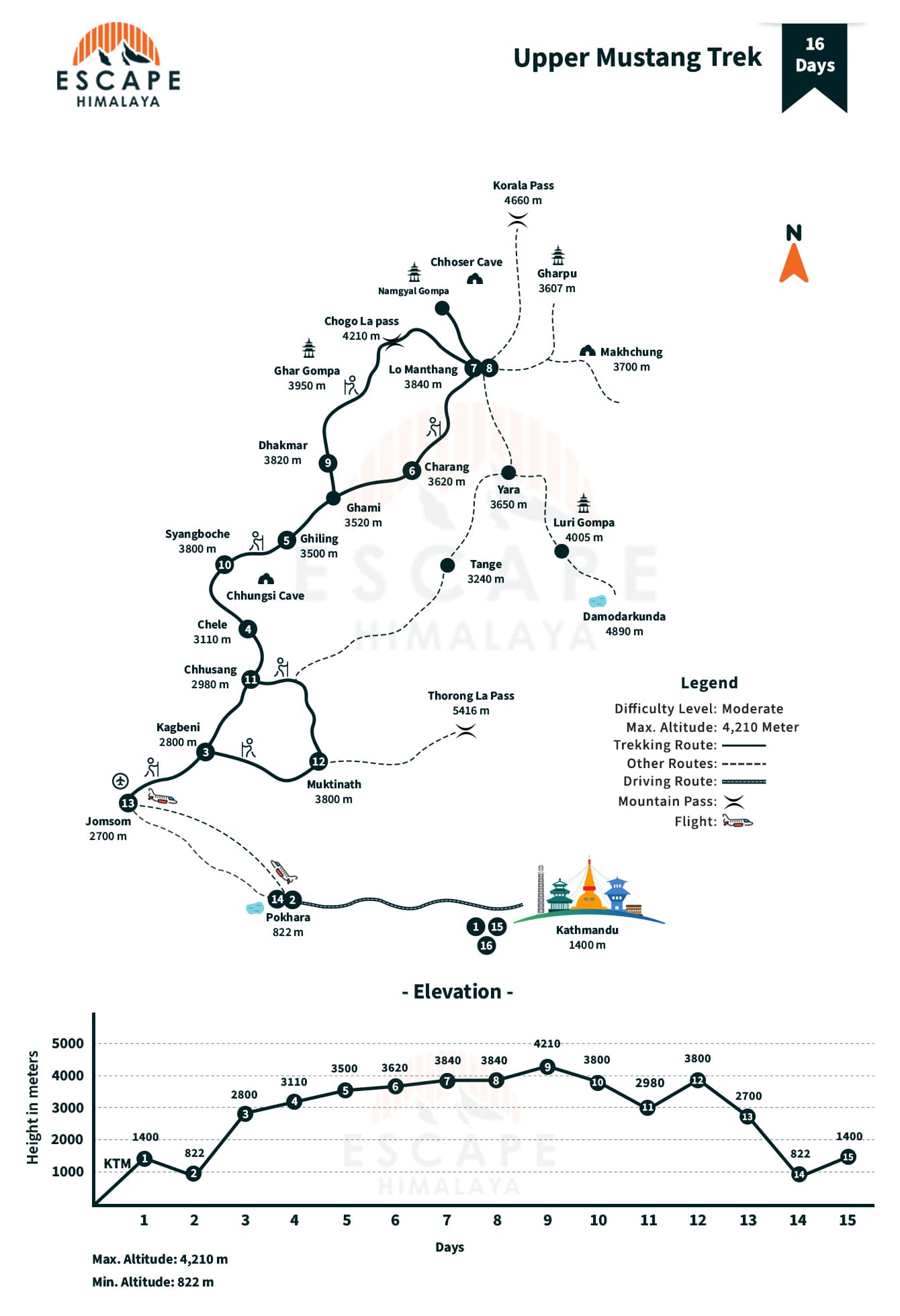
Upper Mustang Trek Route Map

Upper Mustang Trek Map

Good to Know

Best Time to Visit Upper Mustang: Choosing the Right Season

Upper Mustang is one of very few trekking destinations in Nepal that is genuinely walkable during the monsoon months of June to August. Because the region lies in the rain shadow of the Annapurna and Dhaulagiri massifs, the heavy rainfall that affects the rest of Nepal delivers almost nothing to Mustang. The trails stay dry and the sky above the plateau remains remarkably clear even when Kathmandu and Pokhara are soaked.

Spring, running from March through May, is the most popular trekking season. Temperatures are mild, mountain views are crisp, wildflowers appear at lower elevations, and the Tiji Festival takes place in mid-May. Skies are generally clear in the morning with afternoon cloud buildup. Afternoon winds in the Kali Gandaki Valley become stronger as spring progresses, so early starts are essential. Daytime temperatures in Lo Manthang during April and May range from 10 to 18 degrees Celsius, while nights drop to 0 or below.

Autumn, from September through November, is the second peak season and is favored by photographers for the crystal-clear post-monsoon skies and the golden light on the ochre cliffs. The apple harvest in Marpha and the surrounding Mustang villages takes place through October, making this an excellent time to taste the region's fresh fruit, dried apples, apple brandy, and apple cider. Daytime temperatures are similar to those in spring, but nights become progressively colder through November.

Summer (June to August) is underrated for Upper Mustang. The monsoon brings green patches to lower valley floors, the light is often spectacular in the late afternoon after rain clears, and the number of trekkers on the trail is noticeably lower. Flight connections to Jomsom can be disrupted by weather in Pokhara during this period, and the road from Beni to Jomsom is occasionally affected by landslides below the Mustang rain shadow zone. Plan with flexibility.

Winter, from December through February, is not recommended for most trekkers. Many Loba families migrate to Pokhara or Kathmandu during the coldest months; most teahouses above Kagbeni close or reduce services; and temperatures in Lo Manthang can drop well below -15 degrees Celsius at night. Flights to Jomsom are irregular due to winter fog in Pokhara. If you have specific reasons to visit in winter, a fully supported camping expedition is required.

Upper Mustang Trek Permits 2026: Everything You Need to Know

Entering Upper Mustang requires three separate permits, all of which must be arranged through a registered Nepali trekking agency. Independent permit applications are not accepted, and trekking without a licensed guide inside the restricted area is illegal and subject to significant penalties.

Restricted Area Permit (RAP): USD 50 per person per day

This is the principal permit granting access to the Upper Mustang restricted area north of Kagbeni. Following the November 2025 government announcement, the old flat USD 500 fee for 10 days has been replaced by a daily rate of USD 50 per person. This applies to every day spent inside the restricted area boundary. For the 16-day Escape Himalaya itinerary, approximately 10 days are spent inside the restricted zone, making the RAP cost USD 500 per person, the same as the old flat fee but without the mandatory minimum-day commitment. Shorter Upper Mustang jeep tours now benefit significantly from this change. The RAP must be processed through your registered trekking agency from the Department of Immigration in Kathmandu or Pokhara.

Annapurna Conservation Area Permit (ACAP): NPR 3,000 (approximately USD 23 to 30)

Since the Upper Mustang trekking route passes through the Annapurna Conservation Area in its lower sections, all trekkers must also carry a valid ACAP permit. Revenue from this permit funds conservation projects and community development initiatives throughout the Annapurna region.

TIMS Card: USD 10

The Trekkers Information Management System card is required for trekkers entering through the overland route. Note that if you fly directly into Jomsom, the TIMS card requirement may be waived. Confirm current rules with Escape Himalaya at the time of booking, as regulations are subject to periodic updates.

Important Permit Rules

A minimum group size of two trekkers is required to obtain the RAP. Solo travelers cannot enter Upper Mustang independently, but can be paired with another solo trekker by their registered agency to meet this requirement. Permits are non-transferable and are issued under each trekker's personal passport details. You will be required to show permits at multiple checkpoints throughout the trek, starting at Kagbeni. Keep them accessible throughout the journey.

Lo Manthang: The Ancient Walled Capital of the Kingdom of Lo

Lo Manthang, sitting at 3,840 meters in the northernmost reaches of the Mustang District, is the historical capital of the former Kingdom of Lo and the cultural centerpiece of the Upper Mustang Trek. The city was founded in 1380 by the warrior king Ame Pal, who consolidated the Lo Kingdom and commissioned the construction of its defining walled perimeter. Those same mud-brick walls, reinforced over centuries, still stand today and still define the boundary between the ancient world of Lo and the surrounding plateau.

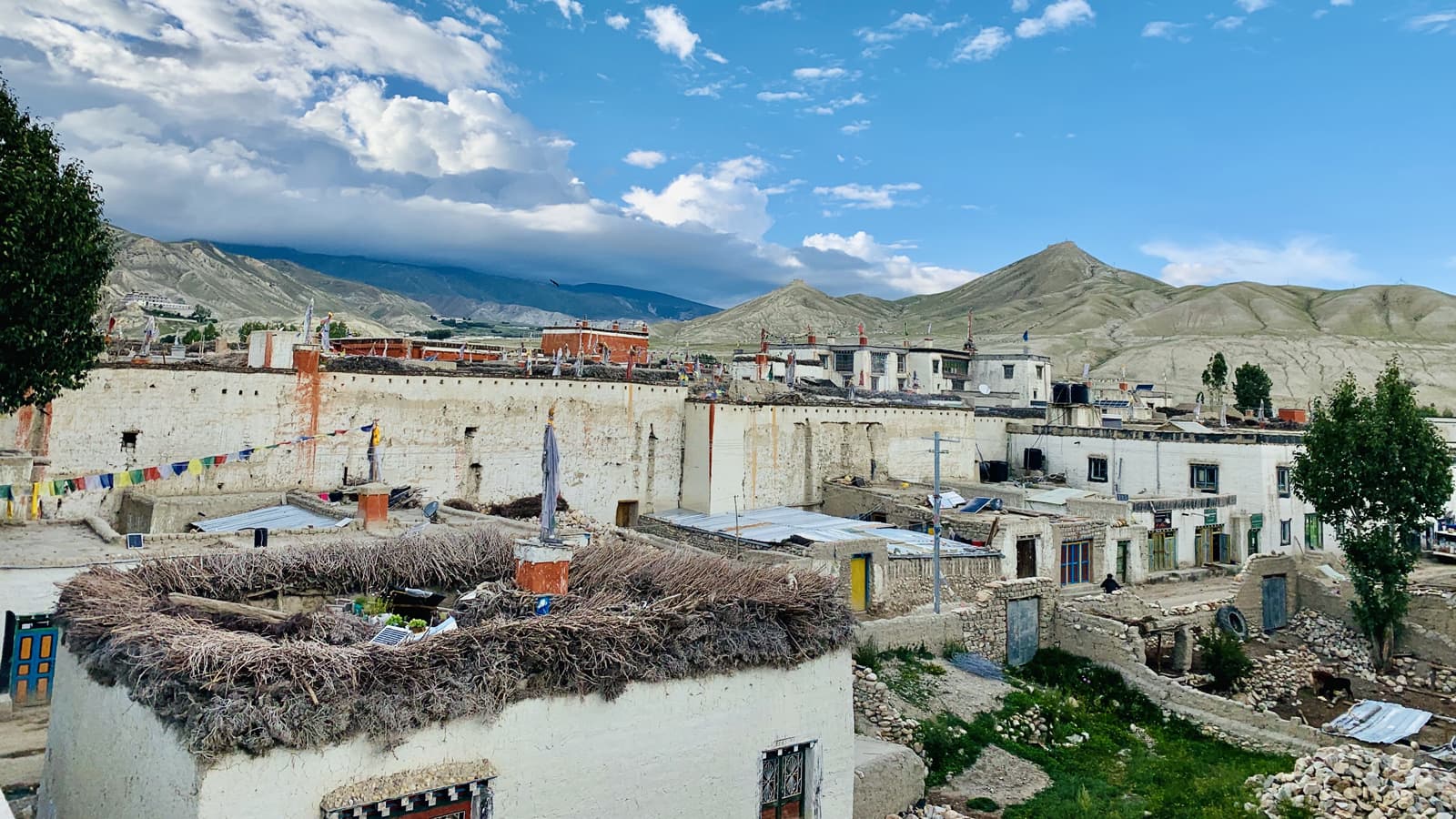
Inside the walls, the city contains approximately 150 households and a population of around 1,300 people, most of whom are of Tibetan descent. The architecture is a compact maze of flat-roofed mud houses, narrow alleys, and interconnected courtyards. The Tashi Gephel Royal Palace, a five-story structure measuring 45 meters east to west and 30 meters north to south, stands at the center of the city. Built in the 15th century from mud, stone, and timber with a distinctive sloping stone foundation designed for earthquake resistance, it is one of the finest examples of traditional Tibetan palace architecture south of the Himalayas. Its main entrance opens to the only public square in Lo Manthang, which serves as the stage for the Tiji Festival each May.

Beyond the three major monasteries and the palace, Lo Manthang rewards slow exploration. The Amchi museum and school offer a window into traditional Tibetan medicine. The labyrinthine alleys open unexpectedly onto courtyards where children play, and older women spin wool in doorways. Namgyal Gompa, located on a hilltop approximately two hours' walk from Lo Manthang, is an important local monastery with a commanding view of the plateau and the surrounding peaks. Tingkhar, a satellite village roughly 40 minutes north of Lo Manthang, was historically the summer residence of the Lo King and contains its own small monastery and traditional stone houses.

The Sky Caves of Mustang: 3,000 Years of Human History in the Cliffs

The Mustang sky caves are among the most extraordinary archaeological features in South Asia. Over 10,000 hand-carved caves punctuate the vertical sandstone and conglomerate cliffs of the Mustang valley system. Research has divided their use into three broad historical periods. The earliest phase, dating to around 1,000 BC, saw the caves used as burial chambers. During a period of intense conflict in the 10th century, families moved into the caves for protection. The third phase saw the caves transformed into meditation retreats and small monastic spaces.

The Jhong Cave complex near the village of Chhoser, about two hours from Lo Manthang, is the most accessible and most impressive of the sky cave systems. Carved five stories into a vertical cliff, with dozens of rooms connected by interior passages and ladders, it contains 13th-century Buddhist wall paintings discovered by international researchers in 2007. The Nyiphu cave system, northeast of Lo Manthang in the Tsoshar valley, features well-preserved pillars, columns, and interior corridors, with ancient murals depicting religious figures and scenes of daily life. Luri Gompa, set on a ledge in a sandstone pillar formation in the Lo area, is a monastery built directly into a natural cave system and decorated with murals depicting the life of the Buddha.

Wind, Dust, and Starting Early: Trail Conditions in Upper Mustang

The afternoon winds of the Kali Gandaki Valley are the most predictable weather feature of the Upper Mustang Trek. They typically begin building around 11 AM and peak in the early to mid-afternoon with speeds that can make forward progress genuinely difficult and stir up significant dust. The solution is simple but important: start walking by 7 or 7:30 AM each day and plan to arrive at your teahouse well before the wind peaks. Escape Himalaya itineraries are designed around this rhythm. Carry a quality dust mask or buff. Wind-resistant outer layers matter even in spring when daytime temperatures are otherwise comfortable.

Accommodation and Food on the Upper Mustang Trek

The teahouse infrastructure along the Upper Mustang trekking route has improved significantly over the past decade, though it remains basic by Kathmandu or Pokhara standards. Most teahouses offer twin-sharing rooms with simple wooden beds, thick blankets, and basic washing facilities. Hot showers are available in most lodges for a small surcharge, typically USD 3 to 5. Electricity from solar panels is available in most villages, though charging ports may be shared, and capacity is limited. Carry a power bank.

Food along the route is surprisingly good. Dal Bhat, the classic Nepali rice-and-lentil meal, remains the staple and provides excellent caloric sustenance for long trekking days. Tibetan staples such as tsampa porridge, butter tea, and buckwheat pancakes appear more frequently as you move deeper into Upper Mustang. Lo Manthang offers the widest selection, including menu items that reflect the region's apple-growing culture. Seasonal fresh apples and dried apricots make for excellent trail snacks between villages.

Wi-Fi is theoretically available in some teahouses in larger villages, but it is slow and unreliable. Phone signal from Nepal Telecom covers parts of the route, particularly near larger settlements, but drops in remote sections. Come prepared to be genuinely disconnected for several days at a time.

Marpha Village: The Apple Capital of the Mustang Valley

Just south of Jomsom on the Kali Gandaki, Marpha is one of the most photogenic and distinctive villages in the Mustang region. Its whitewashed stone houses with flat roofs, traditional paved stone lanes, and drainage channels down the main street give it a character unlike anywhere else in Nepal. Marpha is famous throughout the country for its apple orchards, which produce fruit of exceptional quality thanks to the dry sunny climate and cool nights. The village produces apple juice, dried apples, apple brandy, and apple cider, all sold at small family-run shops. Visiting Marpha on the way to or from Jomsom is a brief but worthwhile detour included in Escape Himalaya's standard itinerary.]

Budgeting for Additional Costs on the Upper Mustang Trek

Beyond the main package price, trekkers should budget for the following common expenditures during the 16-day journey.

  • Hot showers at teahouses: USD 3 to 5 per shower, charged separately in most lodges above Kagbeni
  • Electronic device charging: USD 1 to 3 per device per charge at most teahouses; a portable power bank is strongly recommended
  • Additional drinks: Bottled water costs USD 1 to 3 per bottle and becomes more expensive at higher elevations. Carrying a reusable water bottle with purification tablets or a filter is both economical and environmentally responsible
  • Monastery entry fees: Lo Manthang's three major monasteries charge a combined NPR 1,000 (approximately USD 7 to 8) for a single entry ticket
  • Wi-Fi: Where available, typically USD 3 to 5 per day
  • Personal snacks and extra food: Budget USD 5 to 15 per day for items outside of included meals
  • Tips for guides and porters: Tips are a meaningful part of their income. You can provide them based on your trekking journey and satisfaction with the trip and the service they provide.
  • Carry Nepali Rupees: Most teahouses and small vendors in Upper Mustang accept only Nepali currency. Currency exchange in Jomsom is possible but limited. Exchange before leaving Pokhara

Do I need a visa before arriving in Nepal for the Upper Mustang Trek?

Most nationalities can obtain a Nepal tourist visa on arrival at Tribhuvan International Airport in Kathmandu or at designated land border crossings. A 15-day visa costs USD 30, a 30-day multiple-entry tourist visa costs USD 50, and a 90-day multiple-entry tourist visa costs USD 125. You will need two passport-size photographs. Indian nationals do not require a visa but must carry a valid passport or Election Commission identity card. Escape Himalaya advises obtaining your visa before the trek departs to avoid any complications with the additional RAP permit application process.

What is the new Upper Mustang permit cost for 2026?

The Government of Nepal replaced the old mandatory USD 500 flat fee for the Upper Mustang Restricted Area Permit (RAP) with a flexible USD 50 per person per day system in November 2025. This applies to all foreign nationals, including SAARC citizens (who may pay a reduced rate; confirm with Escape Himalaya). You pay only for the exact number of days spent inside the Upper Mustang restricted area north of Kagbeni. For the 16-day Escape Himalaya itinerary, this works out to approximately USD 500 per person in RAP fees. The ACAP permit (approximately USD 23 to 30) and TIMS card (USD 20) are required in addition. All permits are arranged by Escape Himalaya and included in the package price.

Can I trek Upper Mustang solo without a guide?

No. The Upper Mustang restricted area permit requires a licensed Nepali guide and a registered trekking agency to process the application. Solo independent trekking in the Upper Mustang restricted zone is not legally permitted and will result in permit denial. Additionally, the RAP requires a minimum group of two trekkers to be issued. If you are traveling alone, Escape Himalaya can pair you with another solo traveler to meet this requirement. Once your group is formed, you will be accompanied throughout by your licensed guide.

Is Upper Mustang safe to trek during the monsoon season?

Yes. Because Upper Mustang lies in the rain shadow of the Dhaulagiri and Annapurna massifs, it receives very little monsoon rainfall compared to the rest of Nepal. The trails remain dry, and the landscape takes on a distinctive beauty during June through August, with green patches in the lower valley floors contrasting with the red and ochre cliffs above. The main risks during the monsoon are flight disruptions at Jomsom Airport due to weather in Pokhara and occasional road closures south of Beni from landslides. Escape Himalaya builds contingency days into monsoon-season itineraries to accommodate these possibilities. Travel insurance with trip interruption cover is strongly recommended.

How hard is the Upper Mustang Trek compared to Everest Base Camp or Annapurna Circuit?

Upper Mustang is significantly lower in maximum altitude than both Everest Base Camp (5,364 meters) and the Annapurna Circuit with Thorong La Pass (5,416 meters). The highest point of the standard Upper Mustang Trek is Chogo La Pass at 4,280 meters, and most days are spent between 3,000 and 4,000 meters. This makes the altitude risk and physical demands lower than those famous routes. However, the Upper Mustang Trek is not easy. Walking five to seven hours on exposed, dusty, wind-affected trails with consistent elevation changes is physically demanding. The remoteness of the region and the lack of infrastructure mean you cannot easily cut the trek short if conditions become difficult. Moderate baseline fitness and genuine physical preparation two to three months in advance will make the experience far more comfortable and rewarding.

What is the best time to visit Upper Mustang for the Tiji Festival?

The Tiji Festival 2026 is scheduled for May 13 to May 15 in Lo Manthang. To witness all three days of the ceremony, your trek must be timed to arrive in Lo Manthang on or before May 13. The Escape Himalaya Mustang Tiji Festival Trek package is specifically designed around these dates. Accommodation in Lo Manthang fills very quickly during the festival period, sometimes weeks in advance. Booking early is essential. If you prefer the festival season without the festival crowds, late April or early June offers excellent conditions on the same trails.

When should I arrive in Kathmandu before the trek begins?

Escape Himalaya representatives will meet you at Tribhuvan International Airport in Kathmandu on your arrival day, regardless of your flight time. No additional acclimatization day in Kathmandu is required for the Upper Mustang Trek given its moderate altitude profile, but arriving the day before your program begins is recommended so you have time to meet your guide, review the itinerary, check and organize your gear, and adjust to Nepalese time zones before the busy travel day to Pokhara. If you are connecting through a long international flight, a night's rest in Kathmandu before the program starts will meaningfully improve your first few days on the trail.

What accommodation options are available in Kathmandu as part of the Upper Mustang Trek package?

The Escape Himalaya Upper Mustang Trek package includes two nights at a 3-star category hotel in Kathmandu with breakfast included. Upgrades to 4-star and 5-star category hotels in Kathmandu are available on request. These upgrades are subject to seasonal availability and pricing at the time of booking. Common 3-star hotel areas for trekking groups in Kathmandu include Thamel, the main tourism district, and the quieter neighborhoods of Lazimpat and Naxal. Specific hotel names and locations can be confirmed when you book your trek.

What popular sights are near Jomsom and Pokhara during the trek?

During the approach and return sections of the Upper Mustang Trek, the Escape Himalaya itinerary includes several worthwhile stops, with others offered as optional add-ons. In Jomsom, Marpha Village, with its apple orchards and locally produced brandy, is a 45-minute walk away. Dhumba Lake near Jomsom offers a peaceful viewpoint. Muktinath Temple, the sacred Hindu and Buddhist pilgrimage site with 108 water spouts, is a key stop on Days 12 and 13 of the trek. In Pokhara, options include boating on Phewa Lake, visiting Davis Falls, exploring Mahendra Cave, and visiting the Bindhyabasini Temple and the World Peace Stupa with its panoramic views of the Annapurna range.

Travellers‘ Reviews

  • Muhammad Shafiq

    22nd Jul 2024

    Explore Upper Mustang Tour

    Escape Himalaya Trek well-organized Upper Mustang treks, offering stunning views of the Himalayan landscapes and unique Tibetan culture. Their experienced guides ensure a safe and memorable journey through this restricted region, providing insightful cultural experiences and breathtaking vistas.

FAQS

Expand All (8)