What is the Manaslu Short Trek
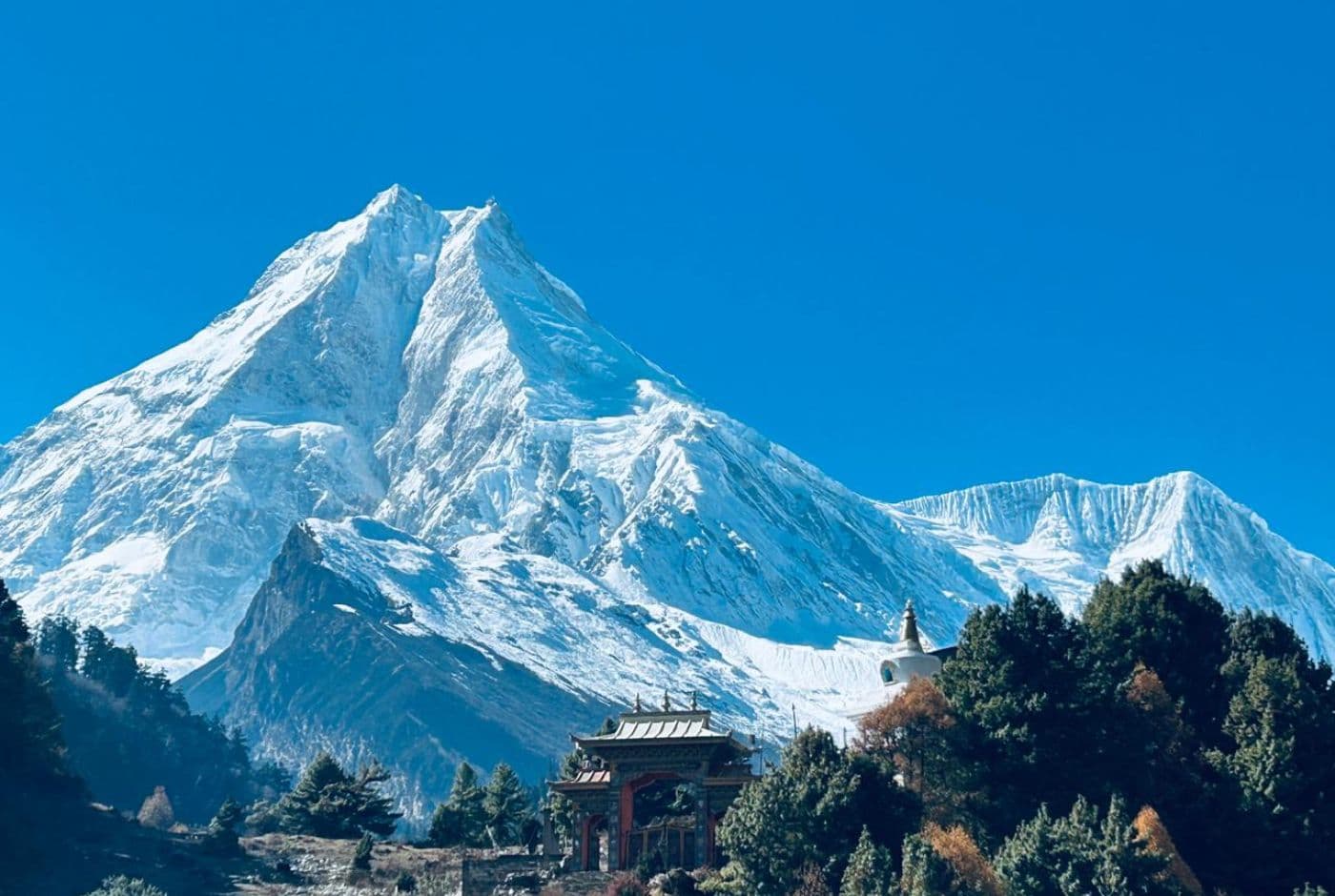
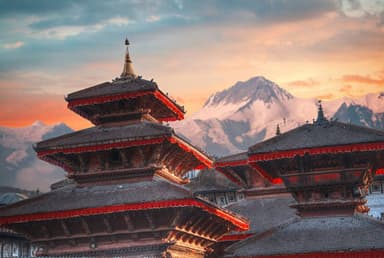
The Manaslu Short Trek is a condensed version of Nepal is legendary Manaslu Circuit, designed for trekkers who crave authentic Himalayan adventure but have limited time. Spanning just nine days, it captures the spirit of the full circuit-majestic peaks, serene villages, and ancient culture-without the lengthy commitment.
Unlike the more commercial routes that attract heavy foot traffic, this journey takes you deep into an untouched realm where the rhythms of mountain life remain unchanged. It is ideal for adventurous travelers or beginners eager to experience high-altitude hiking in a region that still feels wild, remote, and beautifully authentic. You’ll encounter the same sweeping vistas, cultural warmth, and mountain charm as on the longer circuit, but in a timeframe that fits modern schedules.
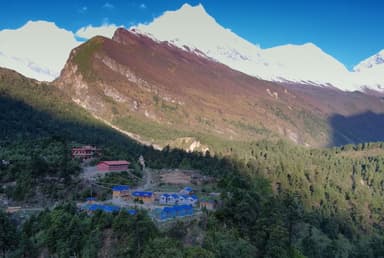
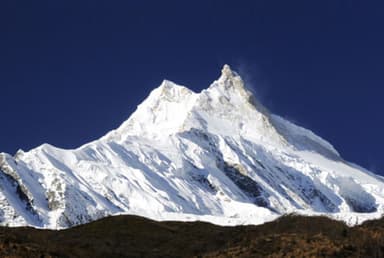
This shorter route traces the same breathtaking landscapes, monasteries, and timeless trails of the original circuit. You still conquer the mighty Larkya La Pass (5,106m)-the trek is highest point-standing face-to-face with panoramic views of Manaslu (8,163m) and its neighboring giants. The path was thoughtfully designed to include every essential highlight while trimming the long, repetitive walking days that often make the full circuit a lengthy expedition.
Manaslu Short Trek Difficulty
The Short Manaslu Trek is graded as moderate to challenging, offering a rewarding adventure for trekkers with a good level of fitness and a sense of endurance. While it is a condensed version of the full Manaslu Circuit, the route still climbs to significant altitude - reaching 5,106 meters at Larkya La Pass - and includes long trekking days over varied mountain terrain.
Physical Demand:
You’ll typically walk 6 to 8 hours a day, covering between 10–15 kilometers depending on terrain and altitude. The trail includes steep ascents and descents, rocky paths, and sections where balance and stamina are tested.
The most demanding day is the Larkya La Pass crossing, which can take up to 8 hours of continuous trekking - often starting before sunrise in cold, thin air. A moderate level of pre-trek fitness, such as regular hiking, jogging, or cycling, is highly recommended.
Altitude and Acclimatization
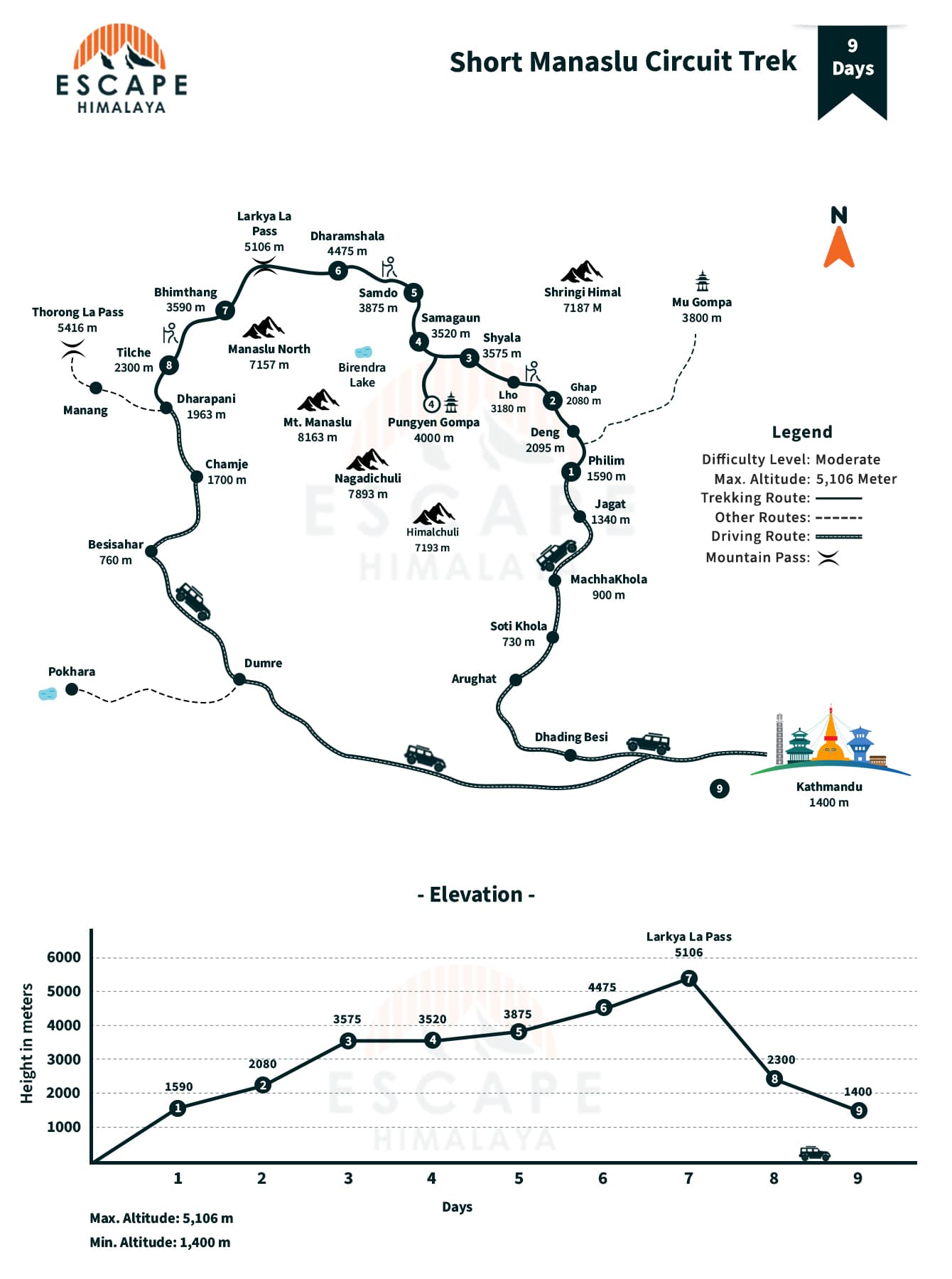
Although the trek is shorter in duration, the elevation gain is considerable. You begin around 900 meters in Philim and reach over 5,100 meters within a week. This rapid ascent requires your body to adjust to thinner air, so proper acclimatization days (such as in Samagaon) are built into the itinerary.
Common altitude-related symptoms like mild headaches or fatigue can occur but are manageable with hydration, pacing, and rest. Experienced guides from Escape Himalaya carefully monitor each trekker is condition to ensure safe progress.
Trail Conditions
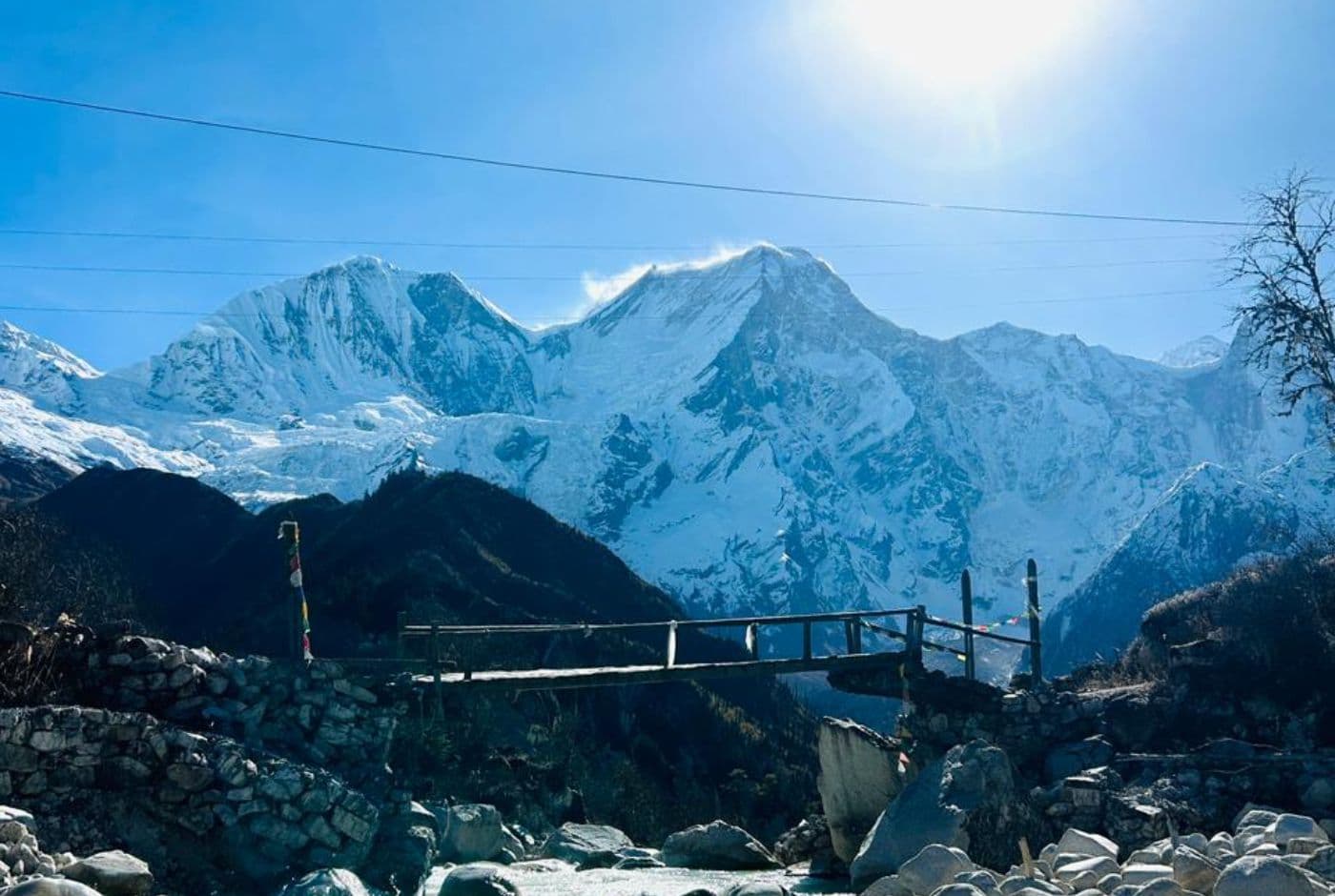
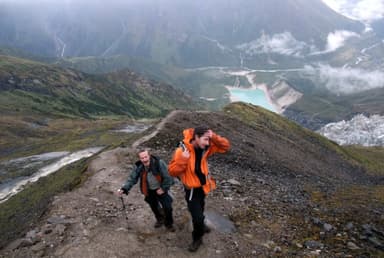
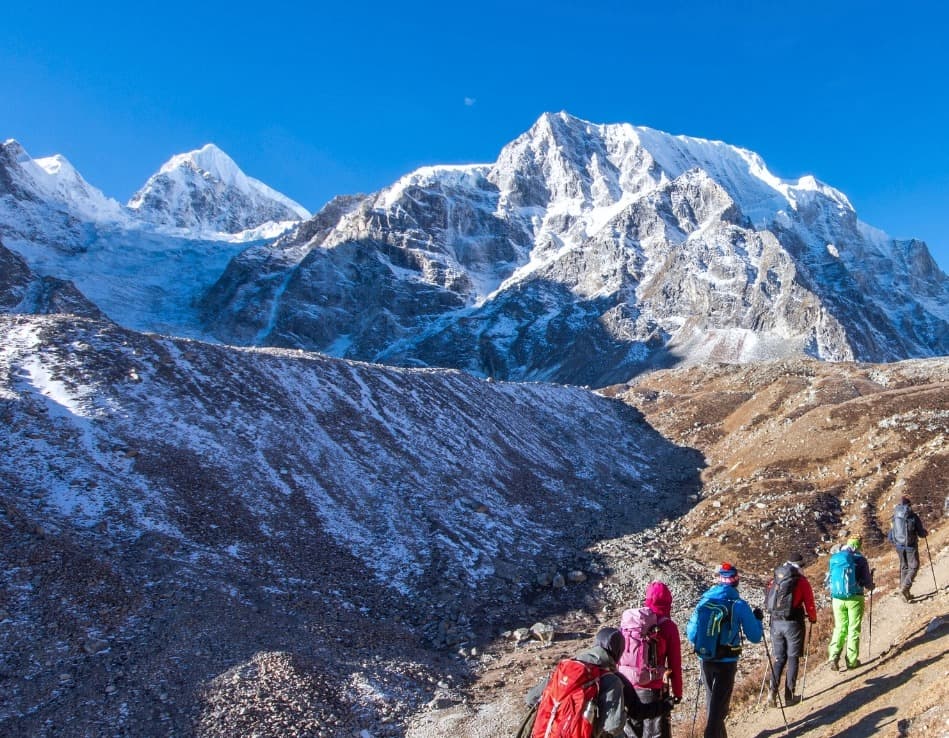
The Manaslu route is remote and rugged, with trails that vary from well-trodden forest paths to rocky glacial moraines near the pass. Certain sections may involve walking on uneven terrain, scree slopes, and narrow ridges, especially before and after Larkya La.
In spring and autumn, the trail is mostly dry and stable; however, in early spring or late autumn, snow patches or ice can make the high sections more challenging. Good-quality trekking boots with ankle support are essential.
At a glance, The 9-Day Short Manaslu Trek is not technically difficult but does require stamina, adaptability, and preparation. For well-prepared trekkers, it offers one of Nepal is most enriching experiences - combining physical challenge with the serenity of remote landscapes and the deep culture of the Manaslu region.
Crossing the Larkya La Pass – The Defining Moment of the Manaslu Short Trek
On the Manaslu Short Trek, every day builds toward one defining moment - the crossing of Larkya La Pass (5,106m). This is not only the highest point of the journey but also its emotional and physical pinnacle.
By the time you leave Dharmashala (Larke Phedi) before dawn on Day 7, your body has already adjusted through gradual altitude gains at Samagaon and Samdo. Still, this day tests endurance, patience, and mental strength more than any other. The climb begins in darkness, illuminated only by the glow of headlamps and the glimmer of stars over the frozen peaks. Each step feels heavier in the thin air, the cold biting at your breath, and the silence amplifying the enormity of the mountains around you.
The trail across the pass is long and demanding, stretching for several hours over rocky ridges and snow-covered slopes. The terrain can shift quickly - a mix of packed snow, loose gravel, and sharp moraine ridges - requiring focus and steady pacing. The ascent is steady but relentless, with brief pauses to regain breath and energy.
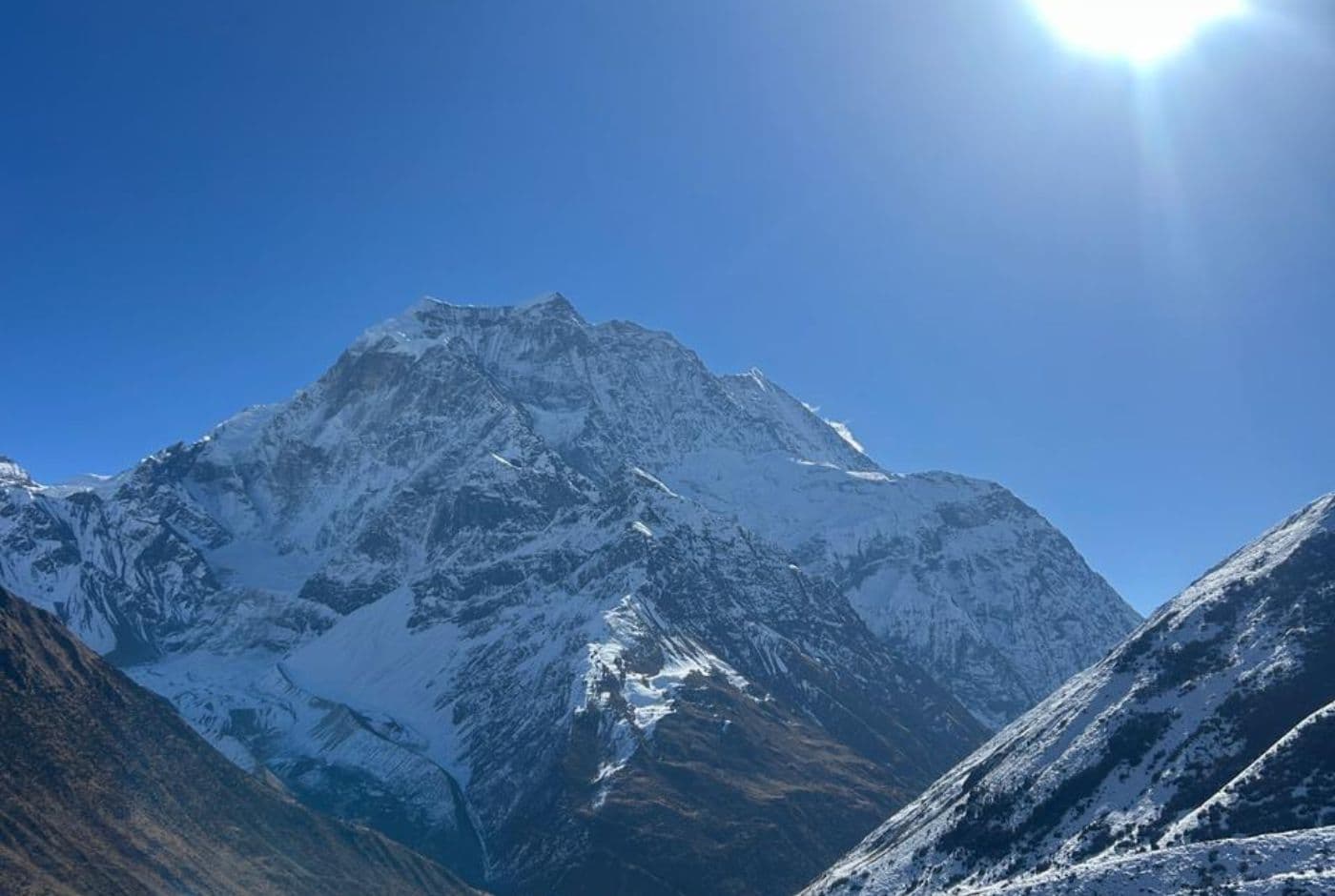
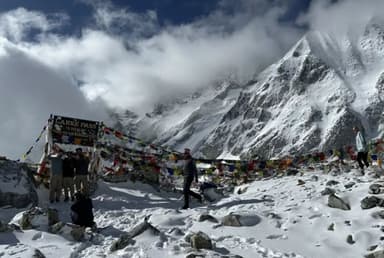
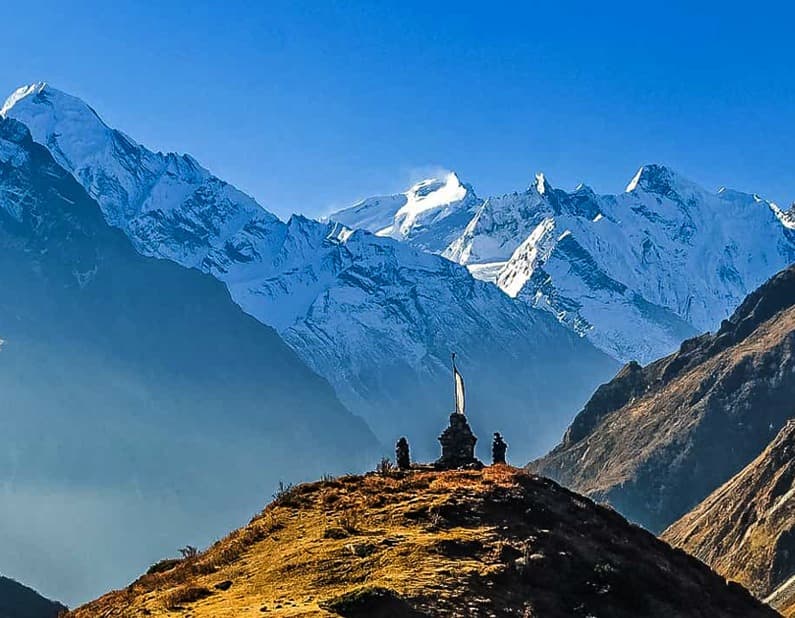
Yet, the effort is profoundly rewarding. As you finally reach the summit of Larkya La Pass, prayer flags whip in the icy wind, and the horizon opens to an awe-inspiring 360-degree view - Manaslu is north face, the rugged Himlung Himal, the elegant sweep of Cheo Himal, and the distant spire of Annapurna II.
At that moment, exhaustion fades into quiet triumph. It is not just the altitude you’ve conquered - it is the challenge of pushing beyond limits, step by step, through one of Nepal is most pristine and untouched mountain corridors.
From here, the descent to Bimthang feels almost meditative. The landscape softens from barren snowfields to green meadows, marking both a literal and symbolic transition - from hardship to peace, from struggle to fulfillment.
Crossing Larkya La Pass is more than a physical achievement; it is the emotional climax of the Manaslu Short Trek, a moment that stays etched in memory long after you’ve left the mountains behind.
Weather and Temperature in Manaslu Short Trek
Weather in the Manaslu region varies dramatically due to its wide altitude range from subtropical valleys in the lower sections to icy alpine zones near the Larkya La Pass (5,106m). Trekkers experience multiple climate zones within a single journey, so layering and preparation are key to staying comfortable and safe.
Lower Regions (Philim - Ghap - Shyala)
At altitudes between 900m and 2,100m, the weather is generally mild and humid.
Daytime temperatures: 10°C to 20°C
Nighttime temperatures: 5°C to 10°C
The lower valleys are warm enough for light clothing during the day, though evenings can be cool. These areas are lush, with forests of rhododendron, oak, and pine, and light rain or mist is common, especially in spring and post-monsoon periods.
Middle to Upper Regions (Samagaon - Samdo - Dharmashala)
Between 3,000m and 4,500m, temperatures begin to drop noticeably.
Daytime temperatures: 5°C to 10°C
Nighttime temperatures: –5°C to –10°C
Mornings are crisp, and the air becomes noticeably drier. The wind can pick up after midday, making warm outer layers essential even when skies are clear. These sections are open and exposed, with little vegetation - so sun protection (hat, sunglasses, sunscreen) is just as important as warmth.
High Pass Region (Larkya La - 5,106m)
The highest and most challenging section of the trek often experiences freezing conditions, particularly before sunrise.
Pre-dawn temperatures: –10°C to –15°C (or lower during late autumn and winter)
Daytime temperatures: 0°C to 5°C on clear days
Weather patterns: Strong winds, thin air, and occasional snowfall or frost, even outside winter months. Because the weather can shift suddenly near the pass, trekkers should carry windproof jackets, insulated gloves, and layered clothing to adapt quickly.
Best Season for Manaslu Short Trek
We have prepared the seasonal breakdown for Manaslu Short Trek, as choosing the best season for your trek becomes very phenomenal.
| Season |
Months |
Scenery & Trail Conditions |
Weather & Temperature |
Festivals & Cultural Highlights |
Best For |
| Spring |
March – May |
Hillsides covered in rhododendron and magnolia blooms; clear views of Manaslu, Himalchuli & Cheo Himal. Trails dry and colorful with active wildlife. |
Warm days (15–20°C at lower altitudes), cold nights near Larkya La (–5°C to 5°C). Stable weather. |
Holi (Festival of Colors), Buddha Jayanti – celebrated in monasteries like Pungyen Gompa. Villages lively with pre-monsoon trade. |
Trekkers who enjoy vivid landscapes, clear skies, and moderate temperatures. |
| Summer (Monsoon) |
June – August |
Lush green valleys, waterfalls, and wildflowers. Trails often muddy and leech-prone; mountain views frequently obscured by clouds. |
Warm (20–25°C) but humid. Heavy rain at lower elevations; potential snow or fog at high passes. |
Ropai Jatra (Rice Planting Festival) in lower villages; quiet trails, authentic rural atmosphere. |
Adventure seekers comfortable with wet conditions and looking for solitude in vibrant landscapes. |
| Autumn |
September – November |
Crystal-clear visibility, golden forests, and snow peaks shining under blue skies. Trails dry and perfect for trekking. |
Ideal weather: warm days (10–18°C) and cool nights (–5°C to 5°C). Very stable conditions for Larkya La crossing. |
Dashain and Tihar (major Nepali festivals), Mani Rimdu in Buddhist villages; locals celebrate post-harvest season. |
First-time trekkers and photographers wanting the most stable weather, sharp mountain views, and cultural vibrancy. |
| Winter |
December – February |
Quiet trails, snow-covered landscapes above Samdo and Dharmashala. Manaslu looks magnificent but temperatures drop sharply. |
Cold: daytime (5–10°C), nights (–10°C to –20°C). Risk of heavy snow at Larkya La Pass. |
Fewer local festivals; monks often hold winter retreats in monasteries like Samagaon. |
Experienced trekkers who enjoy cold, peaceful trails and don’t mind potential snow closures. |
Each season along the Short Manaslu Trek reveals a different face of the Himalayas - from the vibrant blooms of spring to the crystal skies of autumn and the quiet solitude of winter. While every period offers its own charm, spring (March–May) and autumn (September–November) stand out as the most rewarding times to experience the trek is perfect balance of weather, scenery, and culture. Whether you’re drawn by clear mountain views, blooming trails, or the warm spirit of village festivals, the Manaslu region promises an unforgettable Himalayan journey in every season.
Permits Required for Manaslu Short Trek
Permits are essential for Manaslu Short Trek, here is the detailed overview of the permits required during your trek in Manaslu Region. You can learn more about the permits required for Manaslu Short Trek here.
| Permit Type |
Where It Applies |
Cost (Approx.) |
Issued By |
Special Notes |
| Manaslu RAP |
Jagat to Samagaon (Restricted Zone) |
USD 75–100 + USD 15/day (seasonal) |
Dept. of Immigration |
Must be obtained through a registered agency |
| MCAP |
Philim to Larkya La (Manaslu Conservation Area) |
NPR 3,000 (≈ USD 25) |
NTNC |
Valid for entire trek within Manaslu area |
| ACAP |
Larkya La to Dharapani (Annapurna Region) |
NPR 3,000 (≈ USD 25) |
NTNC |
Required after crossing Larkya La Pass |
| TIMS |
- |
Not Required |
- |
Covered under RAP regulations |
Who Is This Trek Suitable For?
The Short Manaslu Trek is ideal for trekkers who want a genuine Himalayan adventure in a shorter timeframe - one that blends cultural immersion, physical challenge, and spectacular scenery. Though more compact than the full circuit, it still reaches high altitudes and traverses diverse terrain, making it a rewarding journey for those ready for an authentic experience.
- Trekkers with prior multi-day hiking experience
Those who have completed treks above 3,000 meters or similar long-distance routes will find the Short Manaslu Trek comfortably challenging. The daily walks range from 6 to 8 hours, with steady altitude gain and varied terrain, ideal for hikers looking to step up from mid-altitude trails.
The trek demands good cardiovascular endurance and leg strength, as it includes continuous uphill and downhill walking, especially around Samagaon, Samdo, and Larkya La Pass. If you enjoy long hikes or outdoor sports, you’ll adapt well to its rhythm.
- Travelers seeking a remote and less commercialized route
Compared to Everest or Annapurna, the Manaslu region offers a quieter, more authentic trekking atmosphere. You will walk through Tibetan-influenced villages, meet locals who still follow traditional ways of life, and experience the genuine hospitality of rural Nepal.
- Nature lovers and cultural explorers
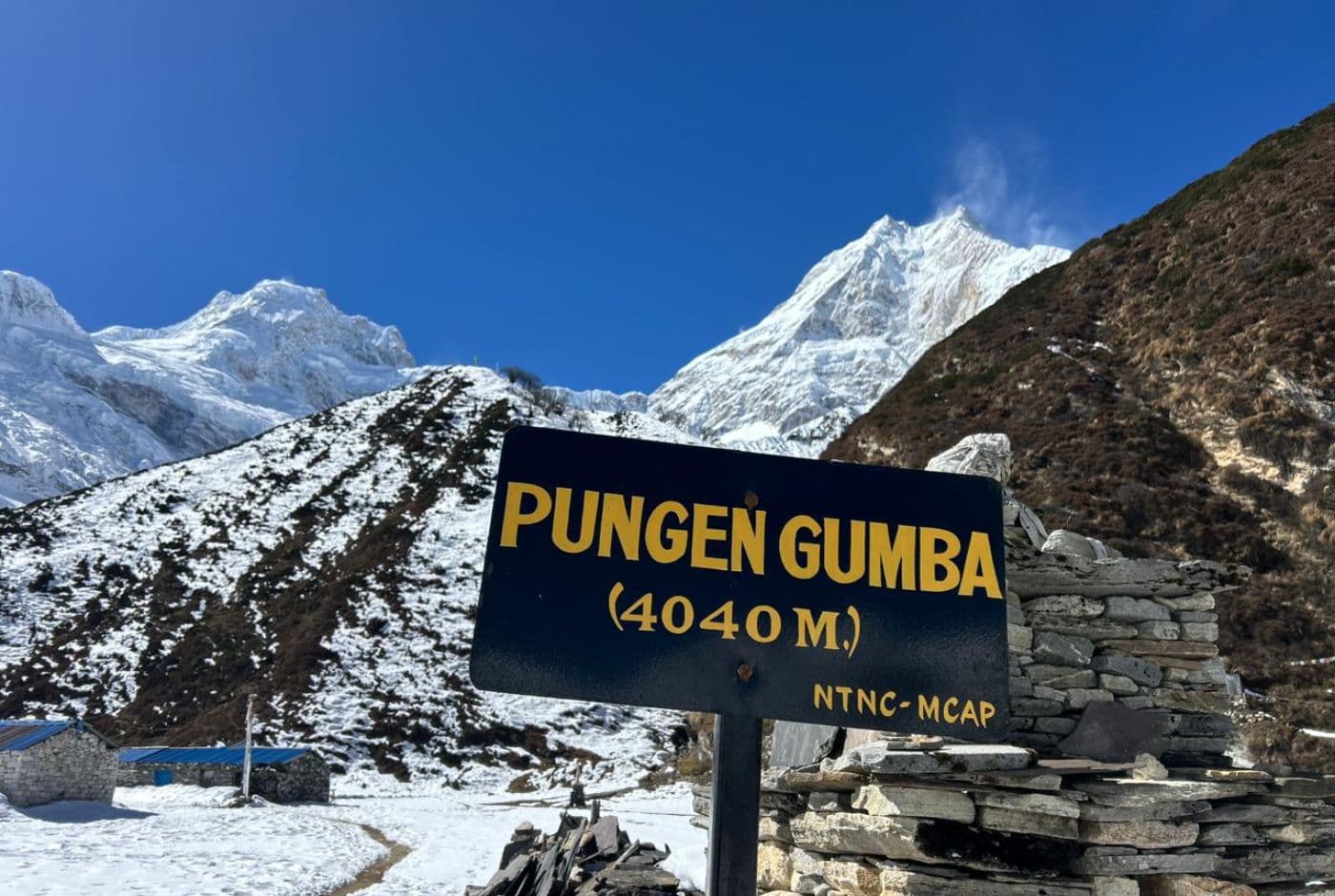
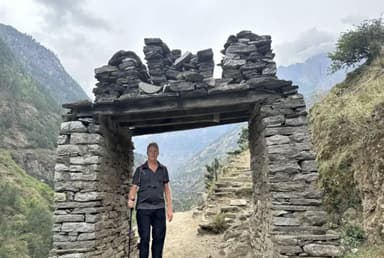
From rhododendron forests and yak pastures to monasteries like Pungyen Gompa and ancient mani walls, every day reveals a new layer of natural beauty and cultural depth. It is perfect for those who want both stunning landscapes and meaningful human connection.
- Adventurers who value both challenge and reward
Crossing the Larkya La Pass (5,106m) is a true highlight - testing endurance while delivering some of the most breathtaking mountain views in Nepal. Trekkers who enjoy setting and achieving personal milestones will find this experience deeply fulfilling.
In short, the Manaslu Short Trek is best suited for motivated trekkers who seek a balance of effort and enrichment - a route that challenges the body, inspires the mind, and leaves lasting memories of Nepal is untouched mountain heartland.
Preparation Tips for Short Manaslu Trek
Preparing properly for the Short Manaslu Trek makes all the difference between a tough trip and a rewarding Himalayan experience. Although shorter than the full circuit, this route still climbs above 5,100 meters at Larkya La Pass, demanding good fitness, smart packing, and the right mindset.
Physical Preparation
Begin training 6–8 weeks before departure. Focus on stamina and leg strength with uphill walking, running, cycling, or stair climbing.
Practice hiking with a loaded daypack (8–10 kg) to mimic real trekking conditions.
Include core and balance exercises, as the trail alternates between forests, rocky paths, and snow-covered slopes.
If possible, do a short high-altitude trek or overnight hike beforehand to get used to consecutive walking days.
Mental and Altitude Readiness
The trek rises quickly-from Philim (900 m) to Larkya La Pass (5,106 m)-so prepare mentally for slower walking and thinner air.
Understand common altitude symptoms and learn to recognize fatigue early.
Plan to acclimatize gradually; use rest stops at Samagaon and Samdo to adjust before the high pass.
Stay patient, enjoy the process, and remember that steady pacing is the key to success.
Packing Essentials
Clothing Packing list: Lightweight trekking pants, moisture-wicking shirts, a warm down or fleece jacket, a waterproof shell, and insulated gloves.
Footwear: Waterproof boots with ankle support and worn-in soles for rocky trails near Dharmashala and Larkya La.
Accessories: Trekking poles, UV sunglasses, buff or beanie, quick-dry socks, and sunscreen.
Gear: A quality sleeping bag rated to –10 °C, reusable water bottles, water-purification tablets, headlamp, and power bank.
Documents: Manaslu RAP, MCAP, and ACAP permits (arranged by Escape Himalaya) and a copy of your travel insurance.
4. Health and Safety Preparation
Hydrate well before and during the trek; dehydration worsens altitude symptoms.
Bring a personal first-aid kit with altitude medicine, rehydration salts, and pain relievers.
Get a medical check-up before the trip if you have any concerns about your heart, lungs, or blood pressure.
Travel insurance with high-altitude rescue coverage is mandatory for the Manaslu region.
What is the relation of Manaslu Short Trek and the Manaslu Conservation Area?
The Short Manaslu Trek takes place almost entirely within the boundaries of the Manaslu Conservation Area (MCA), making it both a trekking adventure and a journey through one of Nepal's most important protected regions.
The conservation area - established in 1998 and managed by the National Trust for Nature Conservation (NTNC) - was created to preserve the unique biodiversity, culture, and landscapes surrounding Mount Manaslu (8,163m). The Short Manaslu route follows trails that wind through its heart, beginning near Philim and continuing up the Budhi Gandaki Valley toward Samagaon, Samdo, and the Larkya La Pass (5,106m) before descending into the Annapurna region.
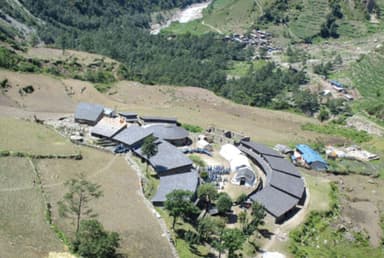
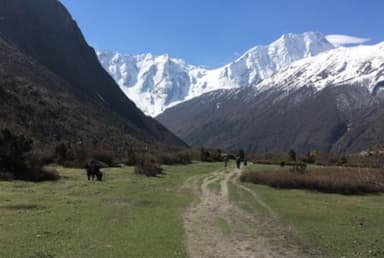
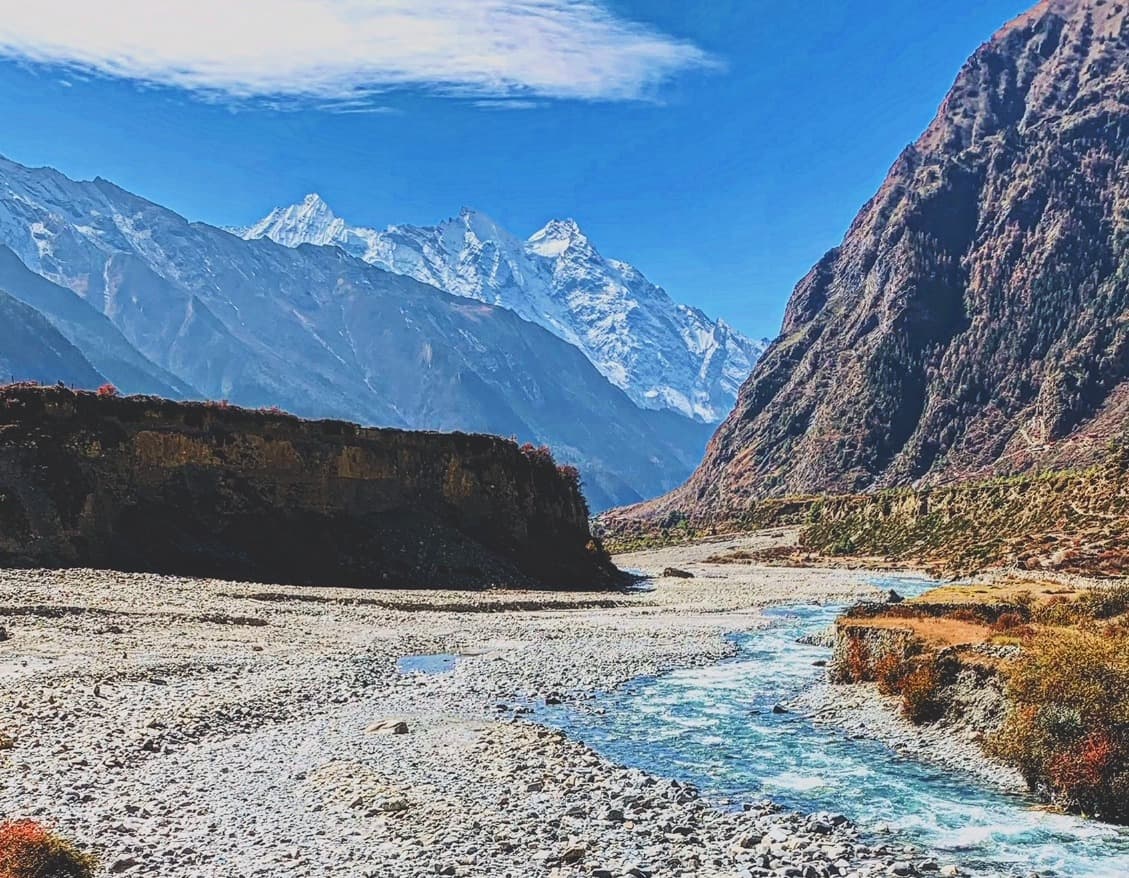
As trekkers move through the area, they experience the full ecological and cultural diversity that the MCA protects - from subtropical forests and rhododendron-covered hills to alpine meadows, glacial valleys, and high mountain passes. Along the way, traditional Gurung and Tibetan villages showcase the living heritage that conservation efforts aim to sustain.
By requiring the Manaslu Conservation Area Permit (MCAP), every trekker directly contributes to local conservation and community development programs. The fees support wildlife protection, reforestation, waste management, and sustainable tourism initiatives that help preserve this fragile mountain ecosystem for future generations.
In short, the Short Manaslu Trek is more than a scenic hiking route - it is a meaningful journey through the Manaslu Conservation Area, where natural beauty, cultural authenticity, and conservation come together in perfect balance.
Geographical Highlights
Manaslu Short Trek is also renowned in the trekking community for its deep geographical highlights. Segmentation of the Manaslu Short Trek Route is detailed below:
| Section |
Natural & Cultural Features |
| Lower Region (Philim–Ghap) |
Subtropical valleys, Gurung villages, suspension bridges, rhododendron forests |
| Middle Region (Shyala–Samagaon) |
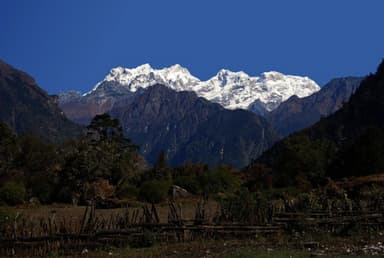
Tibetan Buddhist culture, monasteries, panoramic views of Manaslu and Himalchuli |
| High Region (Samdo–Larkya La Pass) |
Glacial valleys, barren ridges, snow-capped peaks, and remote Himalayan terrain |
| Descent (Bimthang–Tilche–Dharapani) |
Meadows, pine forests, and entry into the Annapurna Conservation Area |
Accommodation on the Short Manaslu Trek
During the Short Manaslu Trek, you’ll stay in local tea houses - small, family-run mountain lodges that offer a warm and authentic glimpse into life in the Himalayas. These accommodations are simple but comfortable, providing everything you need for rest and recovery after a day on the trail.
Rooms are typically twin-sharing with basic furniture: wooden beds, foam mattresses, pillows, and warm blankets. However, because nights in the Manaslu region can be cold - especially above Samagaon and Samdo - it is essential to bring a quality four-season sleeping bag for extra warmth.
Bathrooms are usually shared, with Western or squat toilets depending on the lodge. Hot showers are available in most lower and mid-altitude villages like Philim, Ghap, and Shyala, often for a small fee. At higher points such as Dharmashala and Samdo, facilities become more basic and hot water may not always be available.
Most tea houses now have solar or limited electricity, allowing you to charge small devices for a nominal cost. Wi-Fi is available in select villages such as Samagaon, though it becomes unreliable or unavailable as you approach the pass.
Meals are served in a communal dining room, often heated by a central stove, where trekkers gather in the evenings. The menu includes Nepali staples like dal bhat, noodles, soups, and tea - all freshly prepared by the lodge owners using local ingredients. The friendly, welcoming atmosphere is one of the highlights of trekking in Manaslu, offering not just comfort but genuine cultural connection.
As you ascend higher, tea houses become simpler and more rustic - but that is part of the adventure. Staying in these lodges lets you experience the true spirit of Himalayan hospitality, making your journey both memorable and meaningful.
Food on the Short Manaslu Trek
Despite its remoteness, the Short Manaslu Trek offers surprisingly good and diverse meals throughout the journey. You’ll eat at local tea houses, where food is freshly cooked by the families who run them. Meals are hearty, warm, and designed to keep trekkers energized for long walking days at high altitude.
The most common and beloved dish on the trail is dal bhat - a traditional Nepali meal of steamed rice, lentil soup, vegetable curry, and pickle. It is nutritious, filling, and endlessly replenishable - you can always ask for more (“dal bhat power, 24 hour,” as locals say).
Most tea houses also serve a variety of international dishes, such as fried rice, noodles, pasta, pancakes, soups, omelets, and Tibetan bread. In villages like Samagaon and Shyala, you might even find momos (dumplings) or yak cheese made locally. While the menu options are wide, the availability of fresh vegetables and meat decreases as you gain altitude - especially beyond Samdo and Dharmashala, where supplies must be carried up from lower villages.
Breakfast usually includes porridge, eggs, toast, pancakes, or Tibetan bread with tea or coffee, giving you a good start before trekking. Lunch is served mid-day at one of the tea houses along the route, and dinners are typically shared in a cozy dining hall heated by a wood or yak-dung stove.
Most tea houses are happy to accommodate dietary restrictions or vegetarian preferences if you inform them in advance. However, since ingredients become limited in higher areas, it is smart to bring some personal snacks such as energy bars, nuts, chocolate, or electrolyte powder - especially for long days like the Larkya La Pass crossing.
Overall, meals on the Short Manaslu Trek are simple but wholesome, offering a balance of local flavor, comfort, and energy. Sharing food in the tea houses - surrounded by other trekkers and the friendly mountain hosts - becomes one of the most enjoyable parts of the Manaslu experience.
Importance of Travel Insurance for the Short Manaslu Trek
Having comprehensive travel insurance is absolutely essential for anyone undertaking the Short Manaslu Trek. This trek reaches high altitudes - over 5,100 meters at Larkya La Pass - and passes through remote mountain regions where medical facilities and transportation are extremely limited. Proper insurance ensures your safety, peace of mind, and financial protection in case of unexpected emergencies.
Remote Location and Limited Medical Access
The Manaslu region is one of the most isolated trekking areas. Beyond Philim, there are no major hospitals or advanced medical centers - only small health posts with basic first aid. If you experience altitude sickness, injury, or severe illness, evacuation by helicopter may be the only way to reach proper care in Kathmandu or Pokhara.
Without insurance, these evacuations can cost $4,000–$6,000 USD or more, payable in advance. A reliable insurance policy covers this cost, ensuring a quick and stress-free rescue if needed.
High Altitude and Weather Challenges
Crossing Larkya La Pass (5,106m) involves trekking in thin air, low temperatures, and unpredictable weather. Even experienced trekkers can develop Acute Mountain Sickness (AMS), frostbite, or hypothermia if conditions worsen.
Insurance that specifically covers high-altitude trekking (above 5,000m) provides access to emergency evacuation and medical treatment - critical when sudden altitude-related symptoms appear.
Coverage for Delays and Cancellations
Road access to the Manaslu region (via Arughat or Soti Khola) can occasionally be disrupted by landslides, heavy rain, or road damage, especially in the monsoon or late autumn.
A good insurance policy covers trip delays, cancellations, or missed international flights caused by these unforeseen conditions - saving you from expensive last-minute changes.
Protection Against Loss or Theft
Though rare, loss or damage to luggage, gear, or personal items can occur during travel or on the trail. Comprehensive coverage helps replace essential items like trekking boots, sleeping bags, or electronics, minimizing disruption to your trip.
Required by Trekking Agencies
The Manaslu region is a restricted trekking zone, and licensed operators such as Escape Himalaya require proof of valid travel insurance before issuing permits or starting the trek. This ensures that all trekkers are adequately protected in emergencies.
What Your Insurance Should Cover for the Short Manaslu Trek
These things should be covered by your Travel Insurance Company during your Short Manaslu Trek:
- High-altitude trekking coverage up to 6,000m
- Helicopter evacuation and medical rescue
- Medical treatment and hospitalization
- Trip interruption or cancellation
- Loss or damage of personal items
- Repatriation to your home country
Recommended insurance providers for Nepal trekking include World Nomads, Allianz, True Traveller, and Global Rescue, as they offer specific coverage for Himalayan expeditions.
Manaslu Trek Coverage and Connectivity
Access to the Manaslu region has significantly improved in recent years, making this once-isolated area more accessible to travelers from around the world. Yet, the region's pristine charm endures. Local authorities have carefully managed development, ensuring the balance between improved infrastructure and preservation of natural and cultural integrity.
Your adventure begins with a scenic drive from Kathmandu to Arughat, roughly 120 kilometers along a largely paved route that winds through terraced hillsides and riverside settlements. From Arughat, a jeep journey leads further north toward Philim, the trek's starting point, where you continue on foot into the heart of the Himalayas.
Surprisingly, connectivity in this remote area has kept pace with modernization. Most villages now have mobile network access, though it fluctuates with the terrain and weather, and teahouses along the route offer basic Wi-Fi service. It is enough to share a message or upload a photo, but the higher you climb, the slower the connection becomes. This digital simplicity, however, enhances the sense of escape, letting you focus fully on the grandeur of your surroundings.
In emergencies, helicopter evacuations are available, though high-altitude weather can occasionally delay rescue operations. Fortunately, the region is well-prepared for trekkers. Most teahouses are adequately stocked, offering warm meals, comfortable rooms, and the kind of genuine mountain hospitality that makes evenings as memorable as the trekking itself.