





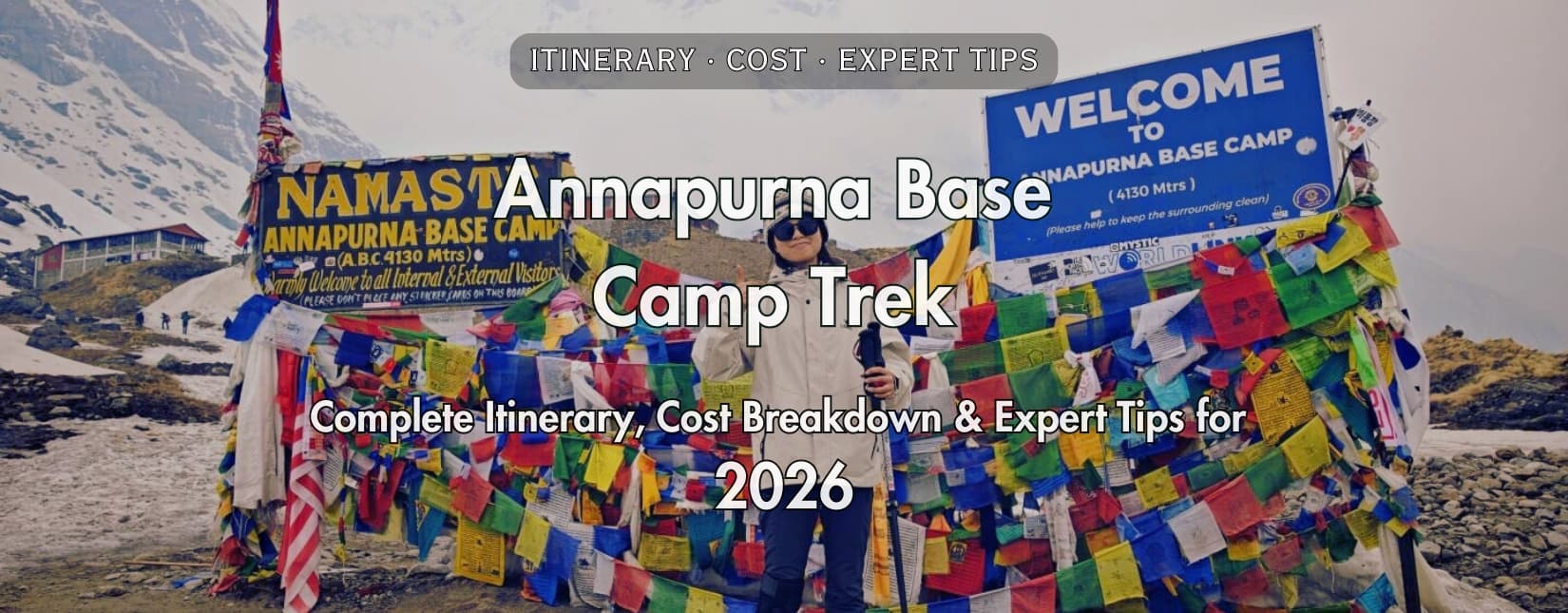

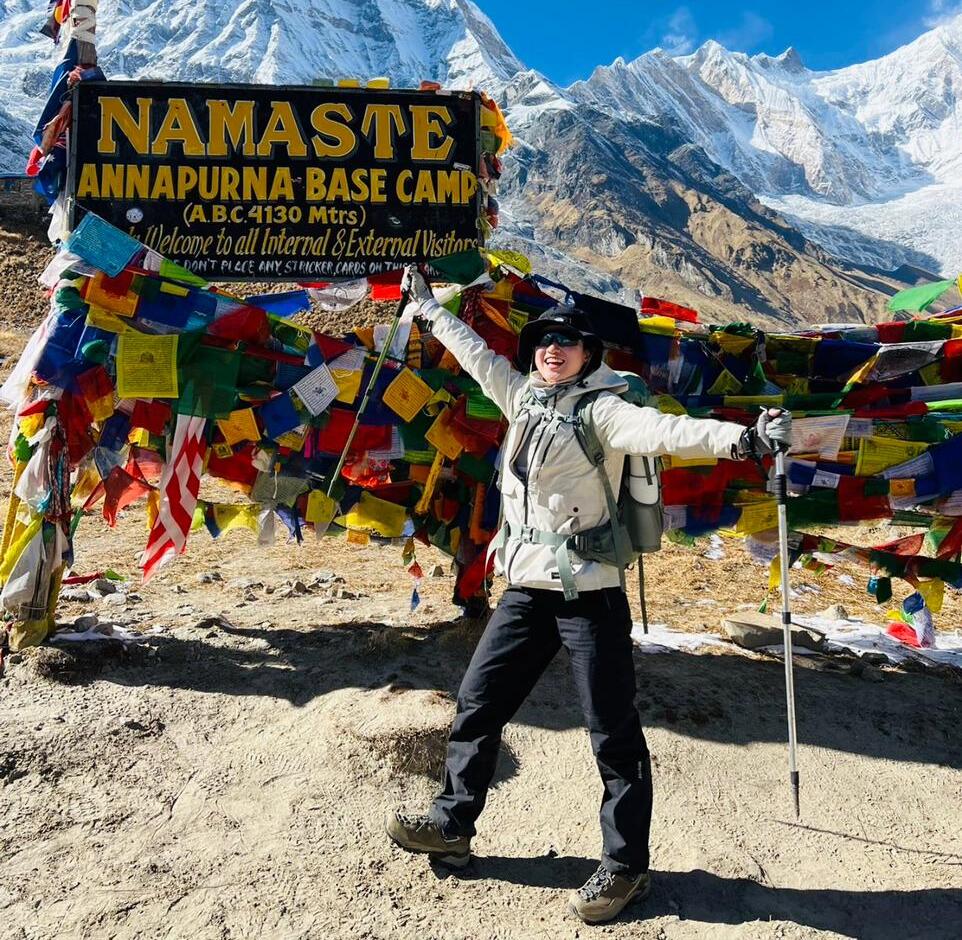
The ambition of being at the base of the world's 10th highest mountain is no longer just a dream. The Annapurna Base Camp Trek is such a journey that, with the towering Annapurna Massif 4,130 meters right in front of you, it offers an adventure that is just the right mix of difficult and doable. So, if you are a first-time trekker or have been to the mountains many times, this detailed guide will be of great assistance to you in planning your 2026 ABC trek with self-assurance.
Why Choose Annapurna Base Camp Trek in 2026?
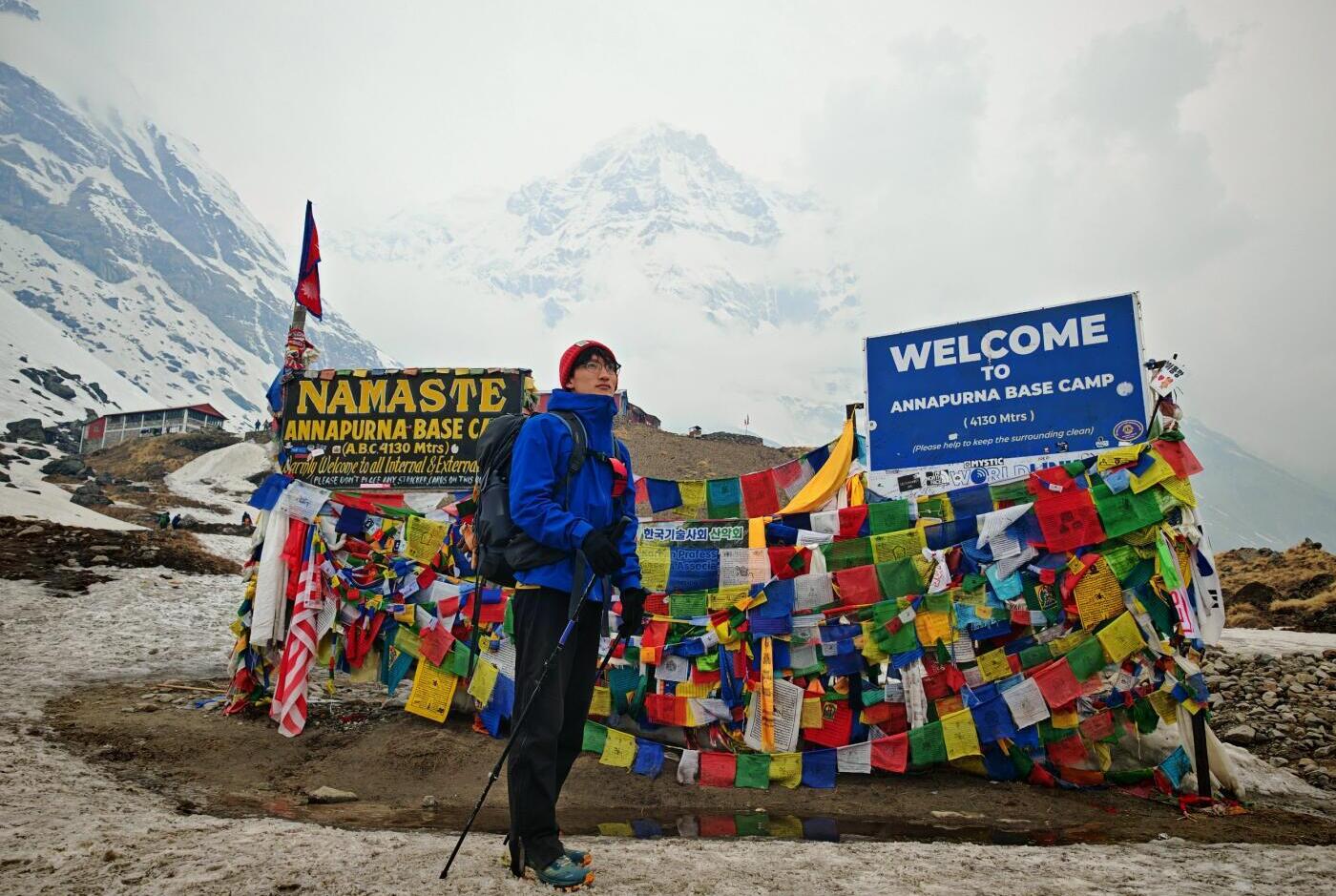
The ABC Trek has been known as Nepal's most rewarding moderate trek and it's quite clear why. Unlike extreme high-altitude expeditions, this trip is open to trekkers of different levels of experience and still, it offers stunning views of the Himalayas. On your way, you will be going through sub-tropical forests full of rhododendrons, you will be crossing suspension bridges over raging rivers, and you will be walking next to terraced rice paddies until you will be going up to the alpine wilderness of the Annapurna Sanctuary.
The thing that makes this trek to be considered as the wonder of the world is the combination of the natural beauty and the cultural richness aspects. The trail goes through the villages of Gurung and Magar which are not influenced by modern civilization and where the feeling of mountain streams is hospitality. By making your trip in 2025, you will be able to take advantage of the trail infrastructure which has been upgraded, teahouse facilities which have been improved, and safety that has been enhanced by the local communities.
Understanding the Annapurna Base Camp Trek
| Trek Overview | Details |
|---|---|
| Maximum Altitude | 4,130 meters (13,550 feet) |
| Total Trek Distance | About 110 km round trip |
| Duration | 7–14 days depending on the route |
| Difficulty Level | Moderate (suitable for fit beginners) |
| Best Seasons | March–May & Sept–Nov |
| Starting Point | Pokhara or Nayapul |
The journey leads you right through the core of the Annapurna Conservation Area, which is the biggest protected region of Nepal and covers an area of 7,629 sq. kms. This amazing refuge is like a mini-world of different biomes starting from subtropical forests at the foothills and going all the way to arctic zones next to the base camp.
What Makes ABC Trek Special?
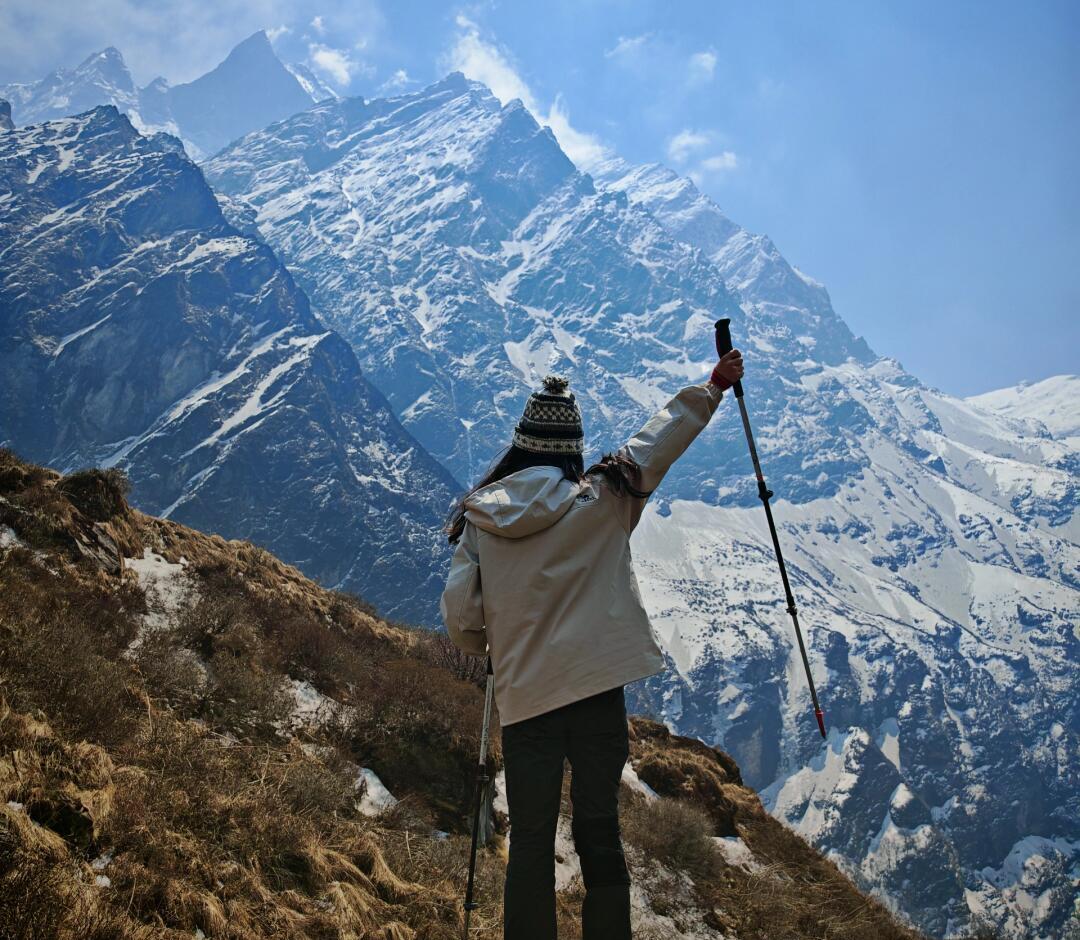
The Annapurna Sanctuary is a natural amphitheater. It is a clean and clear 360-degree mountain view, which is awe-inspiring by all means, from the top of the Poon Hill (3,193m), Annapurna Sanctuary is a natural amphitheater surrounded by towering peaks including Annapurna I (8,091m), Annapurna South (7,219m), Machhapuchhre or "Fishtail" (6,993m), Hiunchuli (6,441m), and Gangapurna (7,455m). This 360-degree mountain panorama is simply breathtaking.
In addition to the mountain views, you will come across:
- Different nature changing every few hours of trekking
- Rich biodiversity with a possibility to spot Himalayan animals
- Good relationships with the local people
- Natural hot springs at Jhinu Danda to relax after trekking
- Awesome sunrise views from Poon Hill (optional extension)
- Buddhist monasteries and traditional architecture
Detailed 2026 Itinerary Options
Annapurna Base Camp Trek – 14 days
Day 1: Arrival in Kathmandu (1,400m)
The moment you arrive at Tribhuvan International Airport, your Himalayan journey is set in motion. The Escape Himalaya team member will be there to receive you with a smiling face and a welcome sign, offering you the highly acclaimed Nepalese hospitality. After an easy transfer to your cozy 3-star hotel in Thamel, Kathmandu's lively tourist area, you will have the liberty to take a nap and freshen up after your long haul. In the evening, we will hold a short briefing where we will go through the trek details with you, clarify your doubts, and ensure that you are adequately equipped for the upcoming expedition.
Accommodation: 3-star hotel in Kathmandu
Meals: None (meals on your own)
Day 2: Drive from Kathmandu to Pokhara (910m) | 6-7 hours
Once you've had breakfast, take an overland trip full of beautiful views to Pokhara, the doorway to the Annapurna area. The 200-kilometer road goes through Nepal's middle hills and thus provides amazing sights of the terraced rice paddies, the villages with a timeless look, and the Trisuli and Seti rivers which are quite powerful. Along the way, you will come to market towns that are full of life as well as quiet hamlets and thus you will get a first-hand experience of rural Nepali life. When you get close to Pokhara, the impressive Annapurna range can be seen from far away and thus the days to come will seem very exciting. After that, check into your hotel by the lake and spend your evening either walking along the charming promenade of Phewa Lake or simply relaxing by the water.
Driving Distance: 200 km
Accommodation: 3-star hotel in Pokhara
Meals: Breakfast included
Day 3: Drive to Nayapul, Trek to Tikhedhunga (1,495m) | 4-5 hours
Today is the day when your trekking excursion is going to be official. Right after an early breakfast, you will be driving along the beautiful countryside and small villages to Nayapul (1,070m), which is around 90 minutes away. At Nayapul, you will get together with your porters, complete the permit checks and get going with your trek. Your path runs along the Modi Khola river, and you will be able to enjoy the nature and bamboo and rhododendron forests that are growing in the subtropical area. Several times you will be crossing suspension bridges that will offer you breath-taking views of the river that is rushing below. Walk through the lovely village of Birethanti and then continue on the riverside trail through Hile and Ramghai until you gradually ascend to Tikhedhunga. Your first day will be relatively light and you will be able to get your trekking rhythm.
Trekking Distance: 9 km
Accommodation: Teahouse/Guesthouse
Meals: Breakfast, Lunch, Dinner
Day 4: Trek from Tikhedhunga to Ghorepani (2,850m) | 6-7 hours
The Ulleri stone staircase is the first major physical challenge of your journey. After having breakfast, you should cross the bridge over the Bhurungdi Khola and start the hard climb of more than 3,000 stone steps to get to Ulleri village (2,070m). Slow down if you must; the views keep getting better and better. After getting past Ulleri, the slope becomes less steep as you walk through lovely oaks and rhododendrons forests. The rhododendrons in the forests blossom in different colored flowers: red, pink, and white during the spring. You trek through Banthanti and Nangethanti, villages of the mountains, before you get to Ghorepani, a traditional mountain village that used to be a very busy and important rest stop for traders. The mountain views from Ghorepani are stunning.
Trekking Distance: 13 km
Accommodation: Teahouse/Guesthouse
Meals: Breakfast, Lunch, Dinner
Day 5: Early Morning Hike to Poon Hill (3,210m), Trek to Tadapani (2,500m) | 7 hours total
One of the most magical moments on the entire trek is to wake up super early (around 4:30 AM). In the dark, just before the break of day, you have to climb approximately 45 minutes to the Poon Hill viewpoint to be the first to witness a spectacular sunrise over the Himalayas. You can see the sun's first rays highlighting with bright golden and pink colors the snow-covered peaks of Dhaulagiri (8,167m), Annapurna I (8,091m), Annapurna South, Machhapuchhre (6,993m), and many other mountains.
It's a 360-degree view that literally takes your breath away and is absolutely worth every minute of those early hours. After that, you go back to Ghorepani to have a big delicious breakfast, and then you continue trekking through forests of rhododendron and oak on the way to Tadapani. The trail is up and down and goes through unspoiled nature where you have a few glimpses of the mountains through the trees. Tadapani, which means "far water," offers incomparable view of the close-up of Annapurna South and Machhapuchhre.
Trekking Distance: 9 km (after Poon Hill)
Trekking Duration: 1 hour to Poon Hill + 6 hours to Tadapani
Accommodation: Teahouse/Guesthouse
Meals: Breakfast, Lunch, Dinner
Day 6: Trek from Tadapani to Chhomrong (2,020m) | 5-6 hours
Today you are trekking more into Gurung area to get to Chhomrong, the Annapurna Sanctuary's entry point. After that, the way takes you down from the woods into the opening and then up the steps made of stones through the small settlements. Chhomrong now is one of the largest villages in the region with terraced hillsides and traditional stone houses. The affluent community has become very popular among trekking tourism and at the same time, it has preserved its cultural identity. Walk around the village, talk to the people, and get ready emotionally to the next day when you will be walking into the Sanctuary.
Trekking Distance: 8.5 km
Accommodation: Teahouse/Guesthouse
Meals: Breakfast, Lunch, Dinner
Day 7: Trek from Chhomrong to Dovan (2,600m) | 6 hours
Today is the day you are going to enter the Annapurna Sanctuary, the holy glacial basin that is surrounded by the snow-covered peaks. For starters, go down around 2,500 steep stone steps to the Chhomrong Khola (river), and then ascend the stairs that are equally steep on the other side of the river. As you walk, the path gets narrower and you find yourself entering a dense bamboo and rhododendron forest. Pass through Sinuwa village and continue your journey to Kuldighar where the scenery becomes quite impressive with cliffs towering on both sides. Keep moving through bamboo forests—if you are on a trek during the spring, you may notice the new bamboo shoots coming out. Arrive at the little village of Bamboo, and from there, go a bit higher to Dovan where you will spend the night. The forest here is dense and enchanting, and you are now deep inside the Sanctuary.
Trekking Distance: 9 km
Accommodation: Teahouse/Guesthouse
Meals: Breakfast, Lunch, Dinner
Day 8: Trek from Dovan to Deurali (3,200m) | 4-5 hours
The path today is along the Modi Khola river valley through more and more alpine nature. Passing through bamboo forests and the Himalayan Hotel you will get to Hinku Cave, a natural rock overhang that used to be shelter for the locals. The plants are getting less and less as you go higher, and the nature becomes more and more impressive with steep valley cliffs rising up to you. See how the oxygen is less and the temperature is lower. Get to Deurali which is located on an exposed ridge with the first real vast mountain view. There, on sunny days, you can get a glance of Machhapuchhre, Hiunchuli, and several other peaks. You are at 3,200 meters now, remember to move slowly and drink enough water.
Trekking Distance: 7-8 km
Accommodation: Teahouse/Guesthouse
Meals: Breakfast, Lunch, Dinner
Day 9: Trek to Annapurna Base Camp (4,130m) via Machhapuchhre Base Camp (3,700m) | 5-6 hours
This is the day you have been dreaming about! After breakfast, continue your journey through the increasingly dry and desolate landscape as you ascend to Machhapuchhre Base Camp (MBC). With every step, the mountains look bigger and bigger. At MBC, it will be the most stunning view of the highest peaks surrounding you, with the holy Machhapuchhre (Fishtail Mountain) right above you—so near that you can almost touch it.
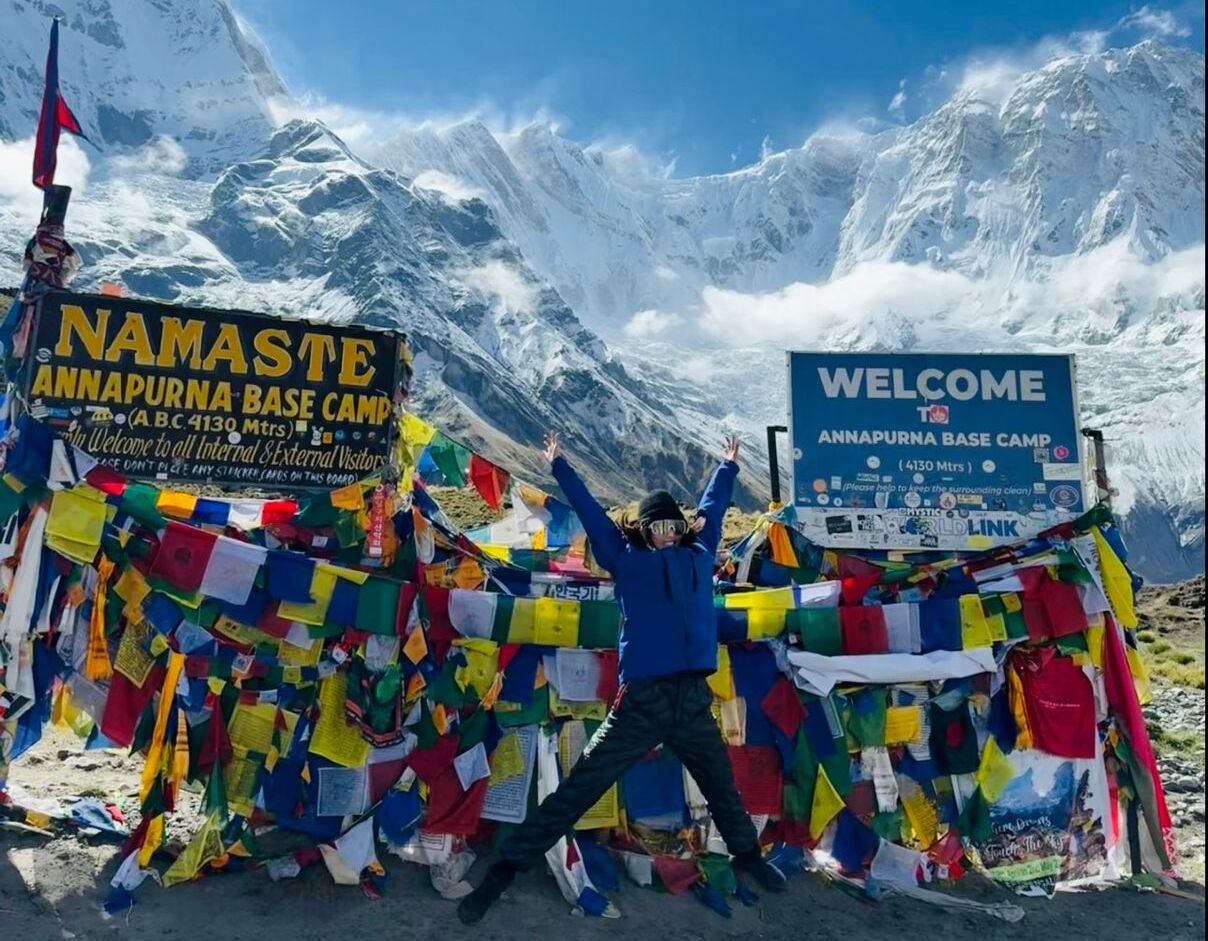
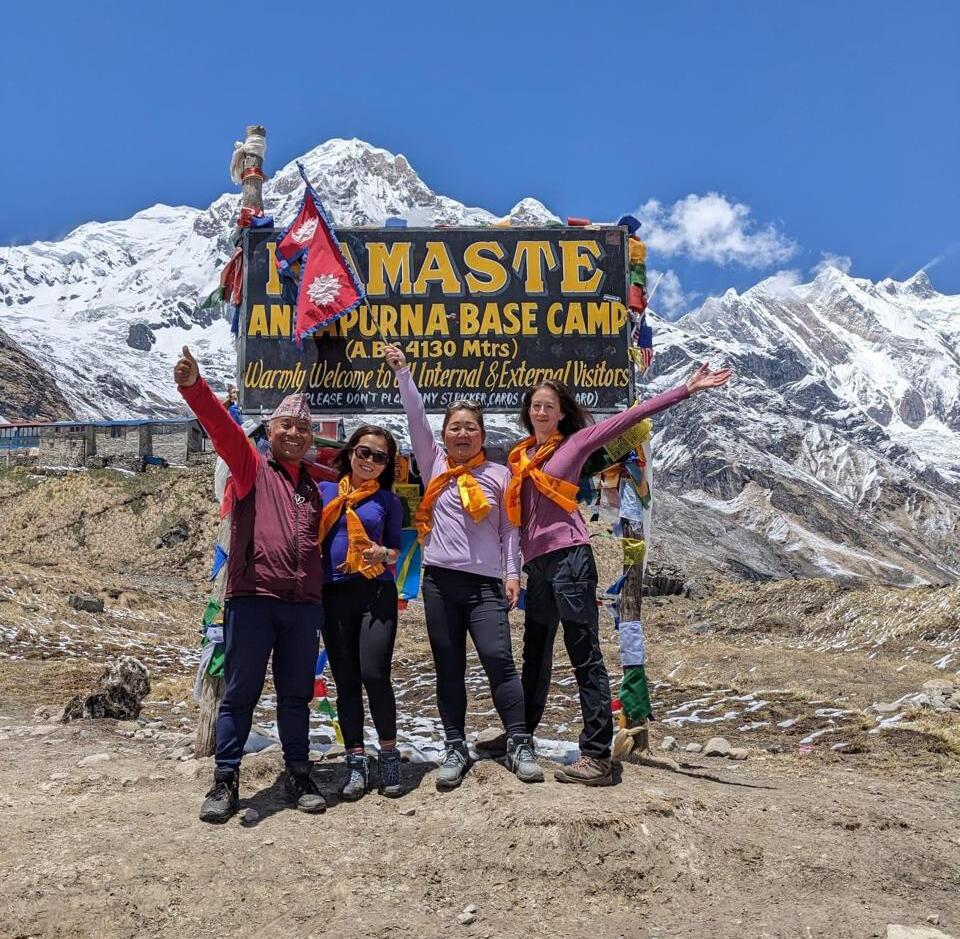
After a break and some food at MBC, go on for another two hours to Annapurna Base Camp. When you turn the last corner and see the amphitheater, it will be hard for you to dismiss the feeling of total amazement. You are at 4,130 meters in a natural bowl surrounded by the giants of the world: Annapurna I (8,091m), Annapurna South (7,219m), Hiunchuli (6,441m), Gangapurna (7,455m), and Machhapuchhre, all are the closest you can get without actually touching them.
If you get there in the afternoon, enjoy the sunset that colors the mountains in majestic tones. The feeling of accomplishment and awe is beyond words. This is what you came for.
Trekking Distance: 8 km
Accommodation: Teahouse/Guesthouse at ABC
Meals: Breakfast, Lunch, Dinner
Pro Tip: Wake up early for sunrise at ABC, it's even more spectacular than sunset!
Day 10: Trek from Annapurna Base Camp to Bamboo (2,310m) | 7-8 hours
Wake up before the sun is up to see the very last sunrise at ABC, the early sun on the mountains is really beautiful. After eating and making somewhat sad farewells to this amazing place, start going down. You'll be going back the same way through MBC and Deurali and then down through Hinku Cave and past Himalayan Hotel.
The go-down is actually much quicker than the go-up, but still, don't hurry. You will need to pay full attention to the steep, rocky trails, especially if you are using your knees. In the afternoon, you will feel the air to be heavier and warmer which means you are going down further. Get to Bamboo where you are again with the trees and rhododendrons and prepare for your night.
Trekking Distance: 18 km
Accommodation: Teahouse/Guesthouse
Meals: Breakfast, Lunch, Dinner
Day 11: Trek from Bamboo to Jhinu Danda (1,780m) | 6 hours
Keep on going down the path through the woods that you know well and pass Sinuwa on your way back to Chhomrong. It will be a tough walk because you will be going up those 2,500 steps again. Have your lunch in Chhomrong and farewell the village. Next, you are not going back to Tadapani but taking a different path which goes down terraced fields and leads to Jhinu Danda.
The main event of today is definitely the natural hot springs in Jhinu! When you arrive at your teahouse, you will need to go down the stone steps by the river for about 15 minutes to get to the hot spring pools. Enjoy the warm and heal waters that will definitely relieve your muscles while watching the fast river Modi Khola flowing right next to you. This is what it is like in heaven after you have spent days trekking. Quite a lot of trekkers even say that it is the happiest moment they have had during the whole trek.
Trekking Distance: 12 km
Special Highlight: Natural hot springs
Accommodation: Teahouse/Guesthouse
Meals: Breakfast, Lunch, Dinner
Day 12: Trek to Nayapul, Drive to Pokhara (910m) | 7-8 hours
On your very last day of the hike, you are going to walk down through the terraced farmlands, small villages, and forests to Nayapul. After that, you will walk through the villages of Syauli Bazaar and Shaulibazar and then cross the Modi Khola for the last time. The path gets wider and more people will be around as you get closer to Nayapul. Your trekking adventure comes to an end when you are at the road in Nayapul! The car that you will take back to Pokhara will be there waiting for you. Enjoy the comfort of the drive after days of walking. When you get to Pokhara, make yourself at home in your hotel and then celebrate your success. Many trekkers take it easy on the last night in the vicinity of Phewa Lake, maybe with a cold beer and a nice meal at one of the lakeside restaurants. You totally deserve it!
Trekking Distance: Approximately 10 km
Trekking Duration: 5-6 hours
Drive Duration: 1.5 hours
Accommodation: 3-star hotel in Pokhara
Meals: Breakfast included
Day 13: Drive from Pokhara to Kathmandu | 6-7 hours
Why not add a morning walk by the lake to the leisure breakfast you had and then leave Pokhara for your return journey to Kathmandu. While you are driving back to Kathmandu 200 kilometers, the road will seem to pass quickly that's what you think as you recall your amazing adventure. After that, you will have to check into your hotel in Kathmandu. The afternoons and evenings are often considered free for you and you can plan to do some shopping in Thamel, visiting temples, or simply relaxing. Maybe you would like to organize with your guide and porter a farewell dinner in the evening. Apart from that, it is also the best moment to get the souvenirs or trekking gear that you might have left.
Driving Distance: 200 km
Accommodation: 3-star hotel in Kathmandu
Meals: Breakfast included
Day 14: Final Departure from Kathmandu
Today marks the end of your Himalayan adventure. Our company representative will drive you to Tribhuvan International Airport about three hours before your international flight. The memories of the view from the bottom of the world's tenth-highest mountain, the friends you've made, and the hurdles you've conquered will accompany you back home. The mountains will stay with you in your heart. Have a safe journey home, and we hope to see you again in Nepal!
Meals: Breakfast included
Airport Transfer: Included
Alternative Itinerary Options
While our 14-day itinerary offers the perfect balance of adventure and acclimatization, we understand that every trekker has different time constraints and preferences. Escape Himalaya offers two excellent alternatives to suit your needs:
1. Short Annapurna Base Camp Trek (9 Days)
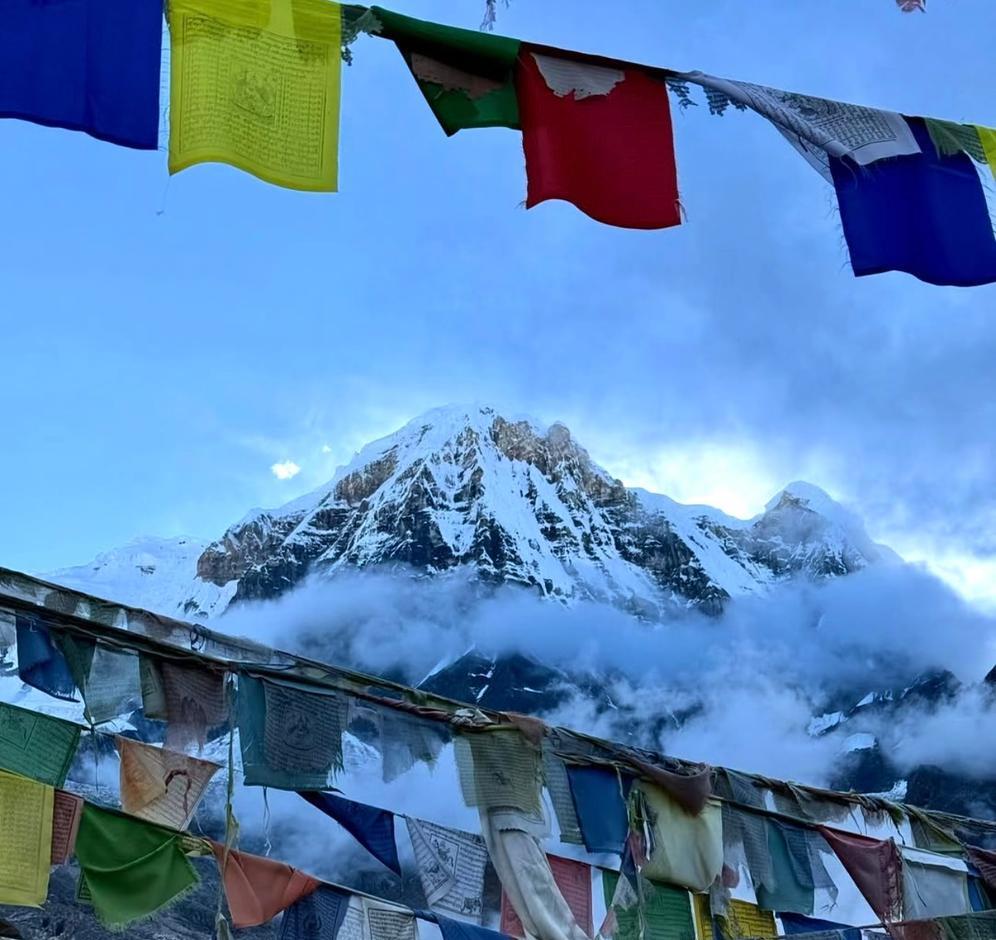
Perfect for trekkers with limited vacation time who still want the complete ABC experience. A scenic flight to Pokhara is included in this condensed 9-day package, and it takes a different route via Ghandruk village instead of Poon Hill.
Key Highlights:
- Only 6 days trekking (4 days of trekking are saved)
- Path through Ghandruk, the biggest Gurung village
- Including the ticket for the Kathmandu-Pokhara flight
- Day 5 to ABC
- Time-efficient and physically demanding trek for the fit
Perfect For: Those having a total of 9-10 days wanting to experience ABC without the extended journey, cultural lovers interested in Gurung villages, and travelers mindful of their budget.
2. Annapurna Base Camp Heli Return Trek (9 Days)
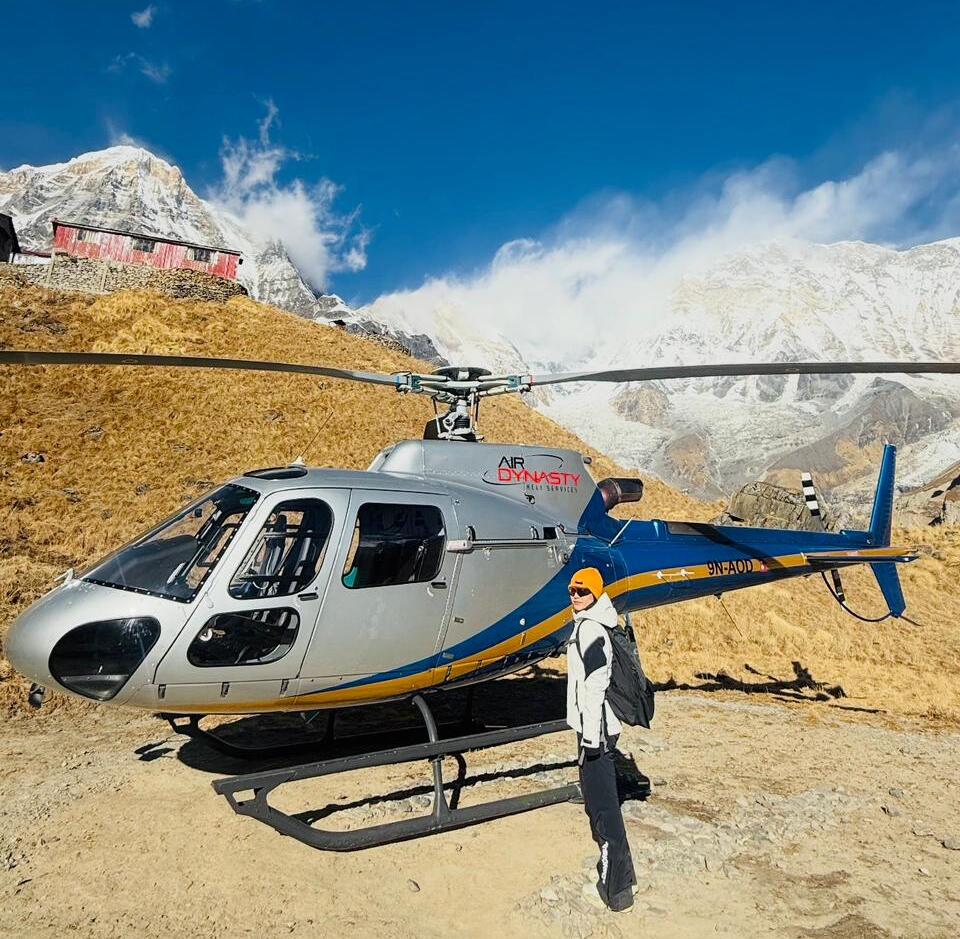
Step into the most luxurious trekking adventure of your life! Go all the way up the trekking trail to ABC and enjoy the beautiful Poon Hill sunrise. Later, take a fantastic helicopter ride from the base camp to Pokhara directly which will only take 25 minutes.
Key Highlights:
- Full acclimatization trek up (7 trekking days)
- Includes Poon Hill sunrise experience
- Helicopter flight from ABC (4,130m) to Pokhara
- Cut off 3-4 days of hard knee-descending
- Breathtaking aerial views of Annapurna Sanctuary
Perfect For: Trekkers wishing for a one-of-a-kind luxury ending, those worrying about long descents, photographers craving aerial shots, and anyone who wants to spend more time in the mountains and less time on the total trip.
Helicopter Information: Subject to weather, 20-25 minutes flight, can take 4-5 passengers, offers camera holders the best shooting positions.
Would you like a personalized trip plan?
Any ABC trek can be tailored to your liking with additional acclimatization days, side trips to cultural villages, luxury hotel upgrades, or private arrangements for families and groups.
Reach out to us to create the trek that suits you best:
📧 [email protected]
📱 WhatsApp: +977-9851006121
Complete Cost Breakdown for 2026
Knowing the Annapurna Base Camp trek cost is key to making a correct budget and thus not being caught off guard. At Escape Himalaya, we are committed to giving out information on the price openly. This is what is necessary for you to know:
Package Cost with Escape Himalaya
- Standard Package (14 Days): 850 - 1250 USD per person
- Budget Package: 680 - 860 USD per person
- Comfort Package: 1400 - 1750 USD per person
- Private Trek: 950 - 1350 USD per person
Discounts for groups of various sizes: The more people are in a group, the less will be the costs per person.
What Our Package Offers
- Related to the very first moment of arrival, we are going to pick you up and drop you at the airport in Kathmandu.
- We'll provide you with 3-star hotel accommodation in Kathmandu and Pokhara (2-3 nights).
- Teahouse accommodation during your trek (on a twin-sharing basis).
- The full diet is provided during the trekking activities (breakfast, lunch, and dinner).
- Surface means of transportation will be available for you (Kathmandu-Pokhara-Nayapul by tourist bus).
- An experienced English-speaking guide will assist you on your trekking adventure.
- Porter service (one porter for two trekkers, 20kg total)
- Annapurna Conservation Area Permit (ACAP)
- Trekkers' Information Management System (TIMS) Card
- The guide and the porter have health insurance, and together with their salary, food, and accommodation, are provided for by the agency.
- First aid medical kit
- Escape Himalaya trekking duffel bag
What We Don't Offer
- A visiting visa to Nepal ($30-50 USD depends on length of stay).
- International flights.
- Lunch and dinner in Kathmandu and Pokhara.
- Personal trekking equipment and clothing.
- Mandatory travel insurance (please check the requirements below).
- Hot showers, Wi-Fi, and battery charging on the trek can be purchased at $2-5 per use.
- Bottled water and soft drinks, as well as alcoholic drinks.
- Guide and porter tips (generally accepted but totally voluntary).
- The cost of an emergency evacuation, if necessary.
Individual Expense Breakdown
Permits (Required)
- ACAP: NPR 3,000 ($30 for foreigners, $15 for SAARC nationals)
- TIMS Card: NPR 2,000 ($20)
- Total: Close to $50
Accommodation Costs (If Trekking Independently)
- Teahouses in the lowermost areas: NPR 500-800 ($4-6) per night
- Higher elevation (Bamboo to ABC): NPR 800-1,200 ($6-10) per night
- Hotels in Kathmandu/Pokhara: $20-50 per night varies with comfort
Food Costs
- Breakfast: NPR 400-600 ($3-5)
- Lunch: NPR 500-800 ($4-6)
- Dinner: NPR 600-1,000 ($5-8)
- Daily food budget: $15-25
- Total food for 10-day trek: $150-250
Note: Food prices become higher as one goes up. At ABC, a modest meal is more expensive than in villages down.
Guide and Porter Costs (Hired Independently)
- Certified trekking guide: NPR 3,000-4,000 ($25-35 USD) per day
- Porter: NPR 2,000-2,500 ($18-22 USD) per day
- Cost of a guide for 10 days trekking: $250-350 USD
- Cost of a porter for 10 days trekking: $180-220 USD
Transportation
- Kathmandu to Pokhara via tourist bus: $8-15 USD one way
- Pokhara to Nayapul via local jeep: $15-25 USD (can be shared)
- Domestic flight Kathmandu-Pokhara (alternative): $100-120 USD one way
Miscellaneous Expenses
- Hot shower during trek: NPR 200-400 ($2-3 USD)
- Battery charging: NPR 200-500 ($2-4 USD)
- Wi-Fi: NPR 300-500 ($3-4 USD) per hour
- Bottled water: NPR 100-500 ($1-4 USD) per Liter (increases with altitude)
- Tips: $50-100 USD total (10% of package cost is standard)
Money-Saving Tips for 2026
- Consider trekking during shoulder seasons (such as late March or late November) for possibly reduced prices
- Instead of a private trek, simply a group departure
- Use water purification tablets rather than purchasing bottled water
- Restrict hot showers to lower elevations where they are less expensive
- Make your own snacks from Kathmandu/Pokhara (energy bars, chocolates) and take them with you
- If you are going independently, porters can be shared with other trekkers
- Locally, you can book with companies like Escape Himalaya directly (without the international agency markups)
Essential Packing List for ABC Trek 2026
If you have the right equipment, a trek can be a nice and comfortable journey instead of a hard and challenging ordeal. Here is a complete packing guide for you:
Clothing Layers
Base Layers
- 3 moisture-wicking trekking t-shirts
- 2 sets of thermal underwear (top and bottom)
- 4-5 pairs of trekking socks (wool or synthetic)
- 1 pair of thermal socks for ABC
Mid Layers
- 2 fleece jackets or pullover
- 1 insulated down jacket (very important above 3,000m)
- 2-3 comfortable trekking pants/leggings
- 1 waterproof and windproof trekking pants
Outer Layer
- 1 waterproof and breathable rain jacket
- 1 rain pants or poncho
- 1 pair of warm gloves
- 1 warm beanie/hat
- 1 sun hat or cap
- Buff or neck warmer
Footwear
- Strong trekking boots (already worn in before the trek - very important!)
- Camp shoes/sandals for nights at teahouse
- Gaiters (you can choose to wear them if you like but they will be of great help if there is snow or rain)
Trekking Equipment
Essential Gear
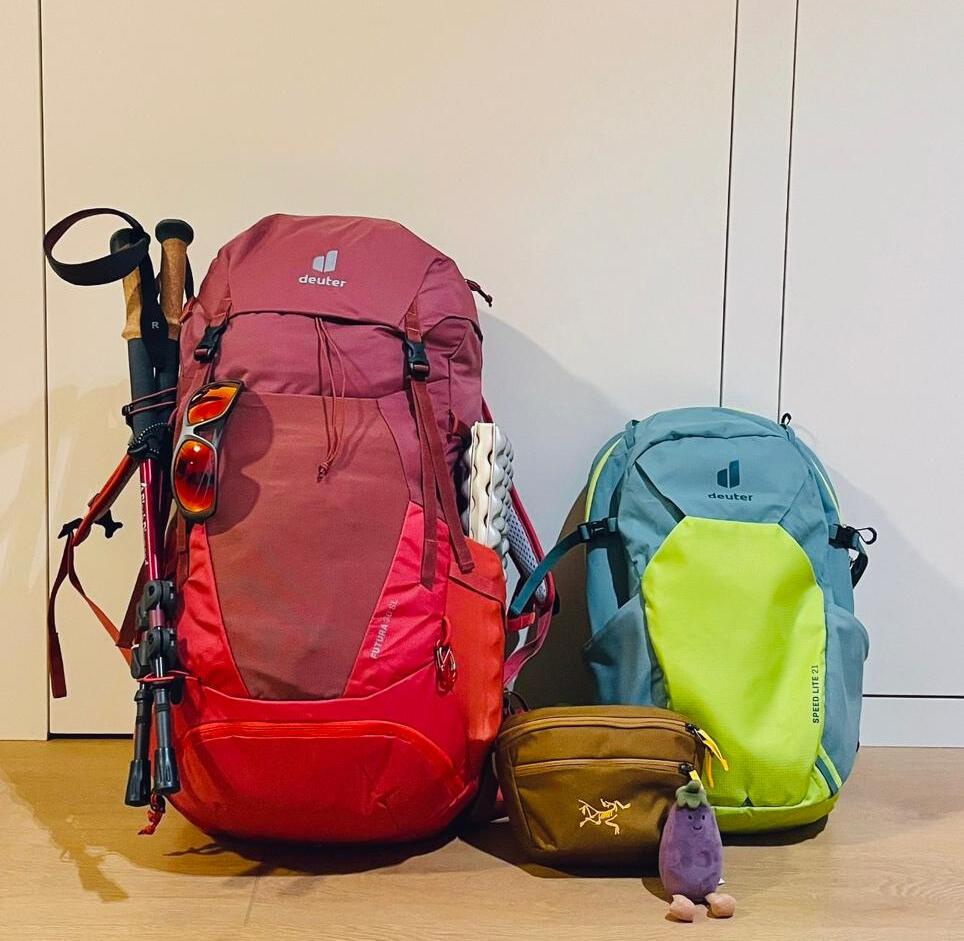
- Backpack (40-50L) comfortable and equipped with a rain cover
- Trekking poles (strongly advised for going down)
- Sleeping bag with a temperature rating of -10°C (can be rented in Pokhara at $1-2/day)
- Headlamp with spare batteries
- Water bottles (2x 1 liter) or a hydration reservoir
- Water purification tablets or a SteriPEN
- Glasses (must have UV protection)
- Sunscreen (SPF 50+ for mountaineering)
Personal Items
- Towel made of quick-drying material
- Toiletries (biodegradable soap, toothbrush, toothpaste)
- Toilet paper and wet wipes
- Hand sanitizer
- Medications for personal use
- Small first aid kit (band-aids, blister treatment, analgesics)
Electronics
- Camera with spare batteries
- Smartphone with offline maps
- Power bank (20,000mAh advised)
- Universal adapter and charging cables
Documents
- Passport with a visa for Nepal
- Permits for trekking (ACAP and TIMS)
- Travel insurance documents
- Contact information for use in an emergency
- Money (NPR and some USD)
Optional but Highly Recommended
- Book or Kindle for nights
- Playing cards
- Energy bars and snacks
- Chocolate (perfect for a morale boost!)
- Duct tape (fixes everything)
What You Should Not Bring
- Too many clothes (you will be cold while doing laundry)
- Cotton clothes (they take a very long time to dry)
- Heavy jeans
- Large towels
- Hair dryer
- Too many electronic devices
Renting vs Buying Gear in Nepal
At reasonable rates, you can rent good quality trekking gear in Pokhara:
- Sleeping bag: $1-2 USD per day
- Down jacket: $1-2 USD per day
- Trekking poles: $1 USD per day
- Backpack: $1 USD per day
It's a great way to save some space in your luggage and money if you are not trekking regularly.
Physical Preparation and Fitness Requirements
The ABC trek is a moderate challenge, but with the right preparation, the experience will be your pleasure and not a mere survival of the task.
Fitness Level Required
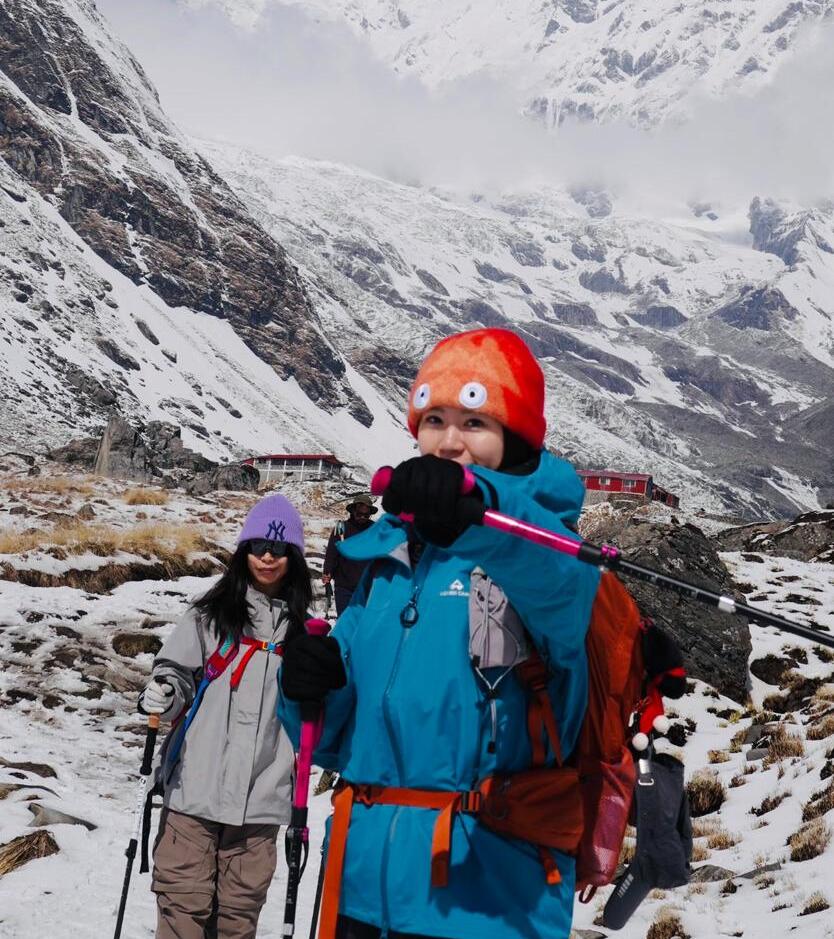
It's not necessary to be a top athlete but you should be able to:
- Walk non-stop 5-7 hours with your rest periods
- Go up the stairs for a long time
- Carry a light daypack (5-7kg)
- React well to an altitude of 4,130 meters
Apart from those who are very inactive, most people who have a regular exercise routine will be able to finish the trek without any problems. If, however, you are totally inactive, it is advisable that you start your training at least 8 to 12 weeks prior to the day of your trek.
Training Recommendations!
Cardiovascular Endurance (4-5 times per week)
- Comfortable paced hike with progressive elevation
- Climbing stairs or using StairMaster (great way to prepare for Ulleri steps!)
- Running or jogging (for 30-45 minutes)
- Cycling (for 60-90 minutes)
- Swimming (develops endurance with no impact on joints)
Strength Training (2-3 times per week)
- Squats and lunges (help build leg muscles for climbing and descending)
- Step-ups (simulate the motion of trekking)
- Calf raises (helps prevent cramping)
- Core exercises (plank, crunches for balance and support)
- Shoulder exercises (for handling the daypack)
Practice Treks
Start weekend hikes with gradually increasing distances two months before your departure:
- Gradual distance increases (start with 2-3 hours, build to 6-8 hours)
- Elevation gain similar to trek days (500-1,000m)
- The boots you will wear for trekking (wear them in!)
- Backpack with weight (slowly increase the weight)
Mental Preparation
Being physically fit is just one aspect of the challenge. A proper mental training should consist of:
- Knowing that you will have difficult days
- Agreeing with the fact that you will be staying in basic accommodation
- Considering that it will be cold in the high altitude
- Being able to weather the changes in the itinerary due to weather
- Keeping your positive mood when you are tired or uncomfortable
It is very important to recall: "Slow and steady" (bistari bistari in Nepali) is the mantra. You are not competing.
Health, Safety and Altitude Sickness Prevention
On any a trek into the Himalayas nature, safety comes first. Look at the most important points below to learn more about what you actually need to have in your mind.
What Altitude Sickness Really Is
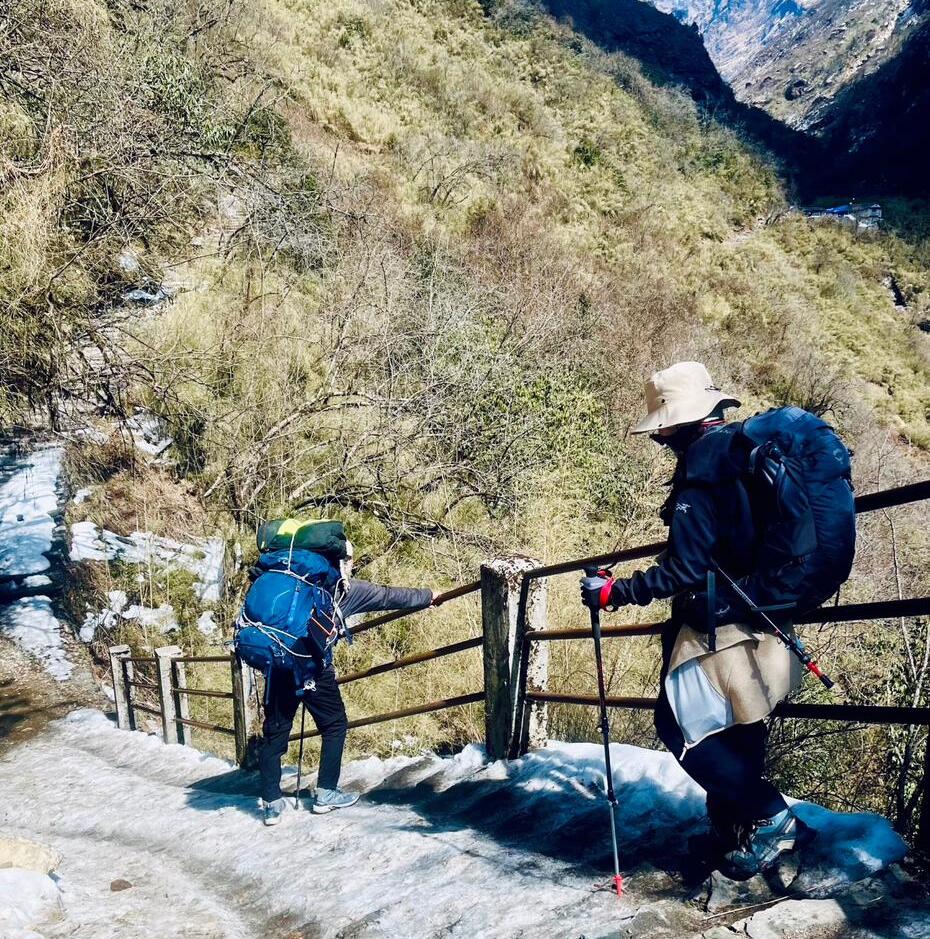
One main reason for acute mountain sickness is a very quick ascent without proper acclimatization. At a height of 4,130m, the oxygen content in the air is almost 60% of that at sea level.
Signs of Mild AMS
- Headache
- Nausea or loss of appetite
- Dizziness
- Fatigue
- Difficulty sleeping
Signs of Severe AMS (Immediate Descent is a Must)
- Very strong headache that no painkiller can relieve
- Vomiting
- Being disoriented and even losing consciousness
- Difficult to walk (ataxia)
- Shortness of breath even at complete rest
Prevention Measures
- Gradual Ascent: We acclimate well through the itinerary of our trek
- Keep Drinking Water: Drinking 3-4 liters of water a day is a must (even if you are not feeling thirsty)
- No Alcohol: As the alcohol causes dehydration and makes the acclimatization process difficult
- Don't Hurry: Although you may be walking, it would still be advisable to take it easy and continue at a slow pace, 'pole pole' (slowly slowly)
- Sleep Down: It is possible to sleep at a lower altitude than the one reached during the day, isn't it?
- Have Good Food: Keep energy even when the appetite is lacking
- Care for Your Body: It is absolutely impossible to ignore warning signs
Medicine
Diamox (Acetazolamide)
- An altitude sickness preventive drug
- Usually, 125mg twice daily if a person starts the treatment 1-2 days before he/she goes to high altitude
- It's better to have a doctor's consultation before the trek
- Some of the side effects are: urination becomes more frequent, there may be a slight numbness of fingers/toes, and the taste can be changed
Additional Medications You Should Bring
- Ibuprofen or Paracetamol (for pain and inflammation)
- Diamox (as above)
- Antibiotics (doctor prescribed for tummies)
- Oral rehydrating salts
- Medicine for altitude sickness, if prescribed
Mandatory Travel Insurance
In addition to a visa and tickets, travelers must have travel insurance, which at least should cover:
- Medical expenses up to high altitude (minimum 4,500m coverage)
- Helicopter evacuation (usually $3,000-5,000 USD if paid out of pocket)
- Trip cancellation/interruption
- Theft or loss of belongings
Insurance companies offering good Himalayan coverage and from which you could purchase a policy are:
- World Nomads
- IMG Global
- Seven Corners
- Allianz Travel Insurance
It is always good practice to have your insurance policy and the emergency contact numbers printed and saved separately.
Medical Facilities on Trail
- There are basic health posts in bigger villages (Chhomrong, Ghorepani)
- Some tea houses maintain an oxygen cylinder for use in emergencies
- Rescue via helicopter is an option if the weather is clear (weather-dependent)
- Closest hospitals: Pokhara (with full medical facilities)
Water Safety
Untreated water should not be consumed anywhere on the trek:
- Purification tablets should be used (most affordable solution)
- A SteriPEN or UV purifier (quick and efficient)
- Water that is boiled in a teahouse can be purchased (for a small fee)
- Bottled water (costly and a source of plastic waste - better not to use if you can)
Food Safety
- Eat at your local teahouse where you are staying
- Consume only thoroughly cooked, hot meals
- Do not eat raw vegetables at a high altitude
- Dal bhat (rice and lentils) is a safe and energizing meal
- If you want to be absolutely sure, bring your own snacks
Best Time to Trek ABC in 2026
Choosing the right season dramatically affects your experience.
1. Spring Season (March, April, May)
Advantages
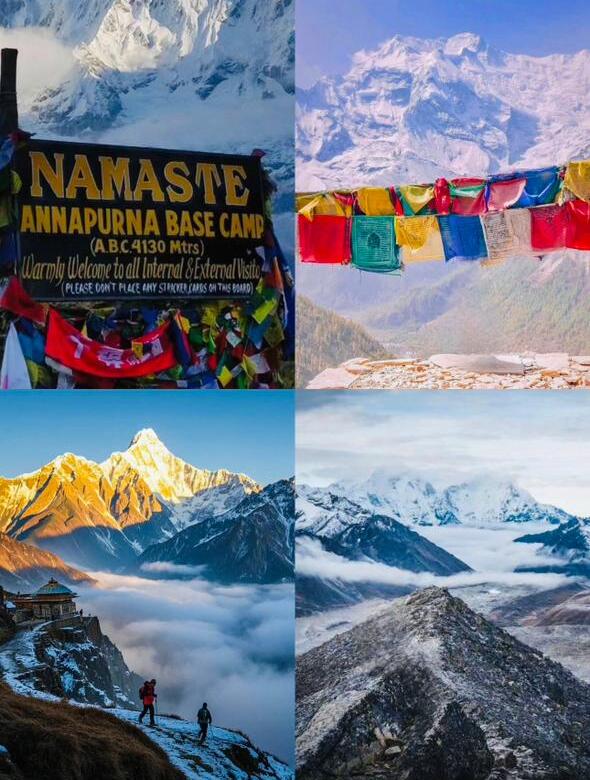
- The flowering of rhododendron makes the forest look very colorful (late March-April)
- Warmer weather than in autumn
- Very clear mountain air (especially in the early hours of the day)
- Not too many people on the trail
- Animals are more lively
Disadvantages
- The clouds cover the sun only some of the afternoons
- The likelihood of rain is increasing with May
- At some places you will find that temperature is too warm, for example at lower elevations
Best Months: Late March and April
2. Autumn Season (September, October, November)
Advantages
- Almost absolute mountain views (the clearest ones of the year)
- Very good and stable weather with nearly no rain
- Not too hot not too cold temperatures
- The atmosphere in the villages is very lively due to the celebrations of the harvest season
- Very good atmosphere of the peak season (large number of fellow trekkers)
Disadvantages
- The season with the most number of people (book your accommodation well in advance)
- Prices of services are more expensive than usual
- Teahouses fill up quickly
- On heavily choked trails it is dusty due to the large number of people
Best Months: October and early November
3. Winter Season (December, January, February)
Possible but challenging!
- Very cold temperatures (night at ABC can be as low as -20°C)
- The snow can cover and block the parts of the route that are at high altitudes
- There are only a few teahouses that are open above Bamboo
- Risk of avalanches
- Requires a long list of warm and insulated clothing and gear
Advantages
- There are drastically fewer trekkers than in the other seasons
- Cheaper prices for everything
- Snow-covered nature is beautiful and looks great
- Good weather during which the sky is very clear
Only Recommended For: Skilled trekkers who also have all the necessary winter equipment
4. Monsoon Season (June, July, August)
Not Recommended!
- As the trail becomes very slippery due to the torrents coming down, it is quite dangerous to walk on it
- Lampreys feed on blood and so they are mostly found on the lower parts of the body
- The mountain cannot be seen because of the clouds which stand there for quite some time
- Very high possibility that landslides may occur
- Stuff is soaking wet and chock-full of mud leading to it being very unpleasant for people
Cultural Insights and Local Communities
The ABC trek isn't just about mountains; it's a cultural journey through living Himalayan traditions.
Ethnic Groups
1. Gurung People
The Gurungs are the main ethnic group in the Annapurna area. They are well-known for their courage and their involvement in the British and Indian Gurkha regiments. To see the typical Gurung style of architecture, one can visit the villages of Chhomrong, Ghandruk, and Landruk where you will find houses made of stone with slate roofs.
2. Magar People
Magars are an ethnically significant group in the region of the Annapurna area. They share a similar culture to that of the Gurungs and also have a history of developing in the military sector.
Cultural Highlights:
- Traditional dance performances (if you're lucky)
- Gurung Museum in Ghandruk
- Stone-carved mani walls (prayer walls)
- Buddhist and Bon religious practices
- Traditional dress and jewelry
Local Customs and Etiquette
Do's:
- Before entering homes or temples, take off your shoes
- Before taking photos of people, get their permission
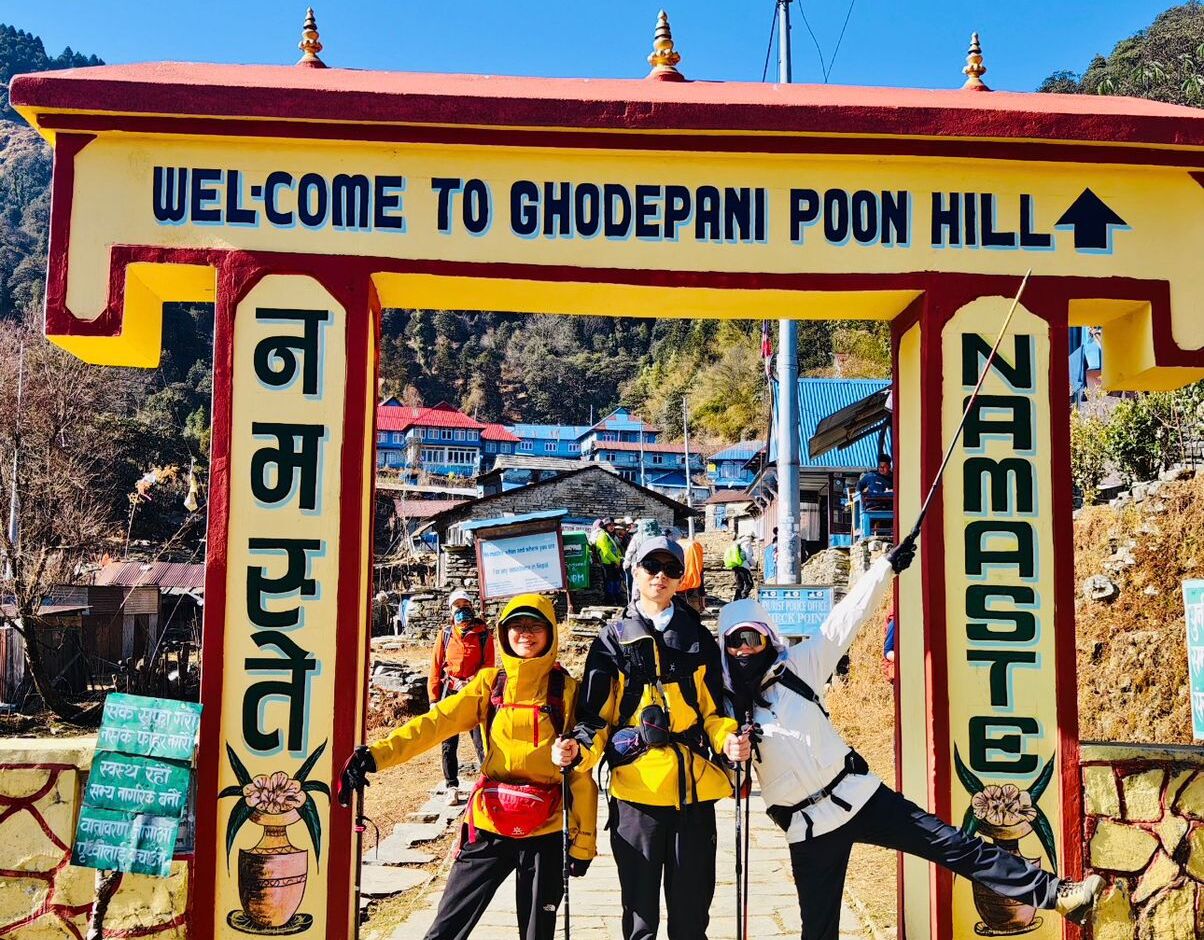
- When meeting locals say "Namaste" (palms together at chest)
- Go along the stairs or road in a clockwise direction around Buddhist stupas and mani walls
- If you are offered tea or food, accept it (if you refuse, it might be considered impolite)
- Dress neatly (wrap shoulders and knees)
Don'ts:
- Don't point your feet at people or religious objects
- Don't touch the heads of children or adults
- Don't show any kind of public display of affection
- Do not use the left hand for eating or giving (left hand is considered unclean)
- Don't waste food
- Do not give money to begging children (it creates dependency)
Teahouse Journey
Teahouses refer to family-run lodges that offer very basic but still somewhat comfortable accommodation.
How the place looks like:
- Communal dining hall with a wood/dung-burning stove (this is where everyone gathers)
- Simple twin-share rooms (thin walls, small windows)
- Shared squat or Western toilets
- Sometimes hot shower (for a fee)
Dining Hall Culture:
Evenings in the dining hall are the center of the trekking experience. Trekkers from different countries fill the hall with their stories, card games, and fun besides getting warmed by the stove. Make sure you don't miss these moments!
What to eat?
- Dal bhat (unlimited refills - the best value and energy)
- Momos (Tibetan dumplings - very tasty)
- Fried rice or chow mein
- Thukpa (noodle soup - very good for cold and high places)
- Chapati with curry
- Eggs (various preparations)
- Porridge for breakfast
Responsible Trekking Tips
- Carry out all non-biodegradable waste
- Use refillable water bottles
- Tip guides and porters fairly
- Buy local products when possible
- Respect religious and cultural sites
Why Escape Himalaya for Your ABC Trek?
There are a lot of trekking companies in Nepal to choose from but what makes Escape Himalaya the best choice for you?
Our Difference
1. Local Expertise Since 2015
Escape Himalaya, the company was Founded by Rajendra Dhamala (Raj) and Suman Thapa after their long years of experience in the field. We are not simply a business but adventurous climbers who are totally committed to the Himalayas.
2. Licensed and Certified
- Registered with TAAN (Trekking Agencies Association of Nepal)
- All guides have government-issued licenses
- Porters welfare standard is higher than the industry requirements
- Well-rounded insurance coverage for all employees
3. Safety First Philosophy
- Guides have been trained in first aid in the wilderness and are able to recognize symptoms of altitude sickness
- Good quality gear and regular safety briefings
- Emergency support is available 24/7
- Direct communication with Pokhara and Kathmandu offices
4. Personalized Service
- Work out with the guides the itinerary that fits your pace
- Small groups of maximally 12 people
- You can choose the privacy of a trek
- Help with food requirements
5. Transparent Pricing
There are no hidden costs or surprise fees. You pay only for what you see with the detailed inclusions and exclusions made clear.
6. Sustainable Tourism Commitment
- Adequate wage and good working conditions for porters and guides
- Environmental conservation practices
- Community support through donations and volunteering
- Waste management initiatives
7. Outstanding Reviews
Don't just count on what we say. Look at our reviews on TripAdvisor, Google, and Trustpilot. Our previous clients always highlight our professionalism, friendly guides, and smooth organization.
8. The Experience of Our Guides
Our team aren't only leaders on the trails; they're the promoters of the mountains and sharing their extensive knowledge with you of:
- Local geography, flora, and fauna
- Cultural traditions and customs
- Altitude sickness prevention and recognition
- Trail conditions and weather patterns
- Emergency protocols
Also, they are fluent in English and genuinely eager to make your trek enjoyable and secure.
Your ABC Adventure Awaits
In the Annapurna Base Camp Trek, you will find one of the most spectacular adventures of the Himalayas. To be in such a natural amphitheater of towering peaks and one of the highest mountains of the Earth is really something to remember forever. And the way there, through colorful rhododendron forests, over suspension bridges, alongside terraced rice fields, and through hospitable mountain villages, is so nice that you will remember it as well.
Indeed, this is how it goes. With Escape Himalaya being your reliable partner, you will undertake this landmark trek safe, sound, and under the guidance of friendly, experienced local guides who are used to these mountains. We take care of the logistics, permits, and planning so you can be out there enjoying the amazing nature of the Annapurna region.
We can create an ABC trek package just right for you whether you are a trek novice maverick or an experienced adventurer, whether you have 7 days or 14, and whether you are a budget traveller or a comfortable lodger.
The mountains are calling. Ready to Start Your Annapurna Adventure?
Contact Escape Himalaya Today!
