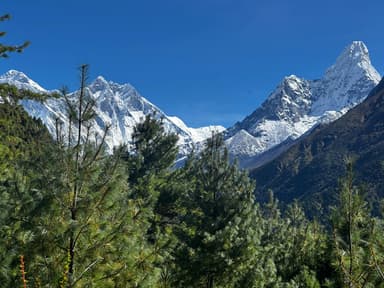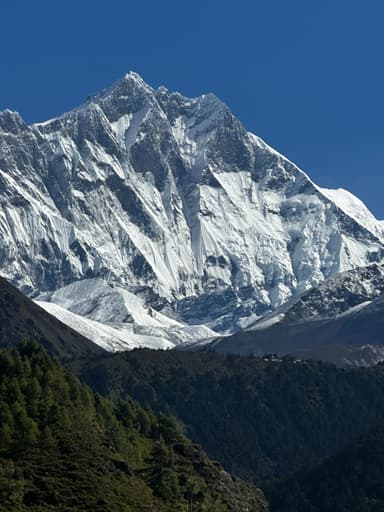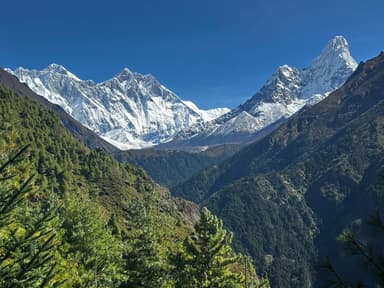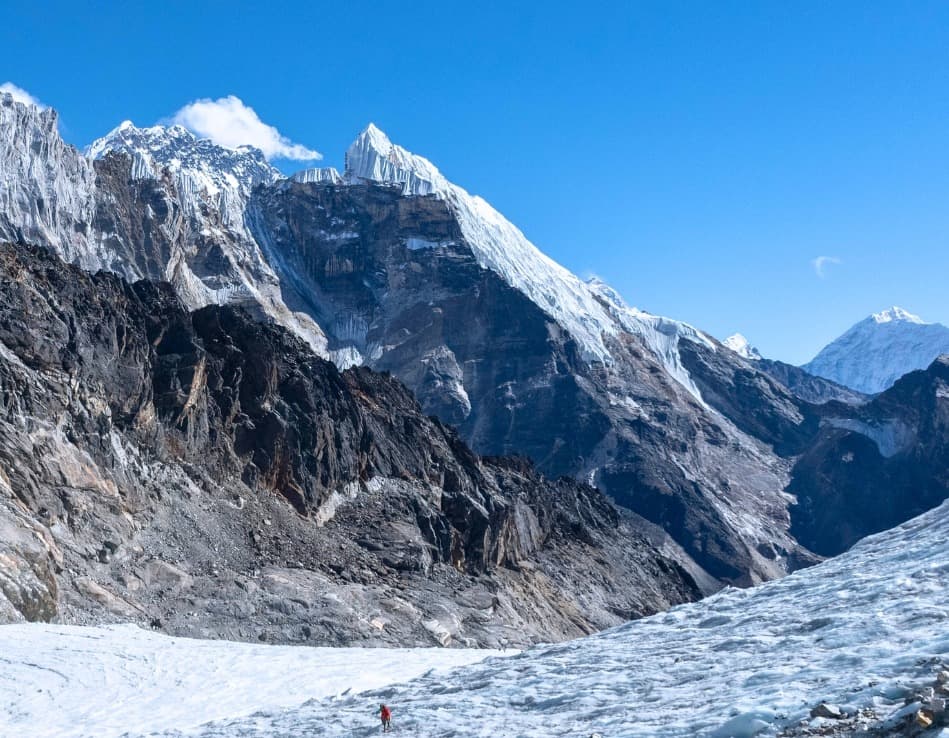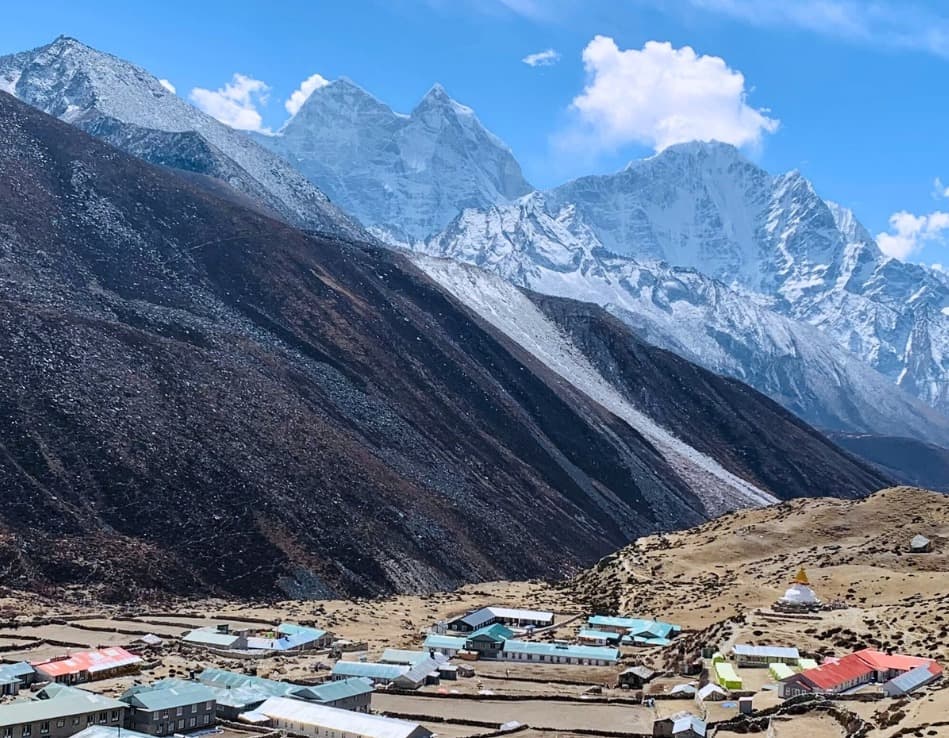
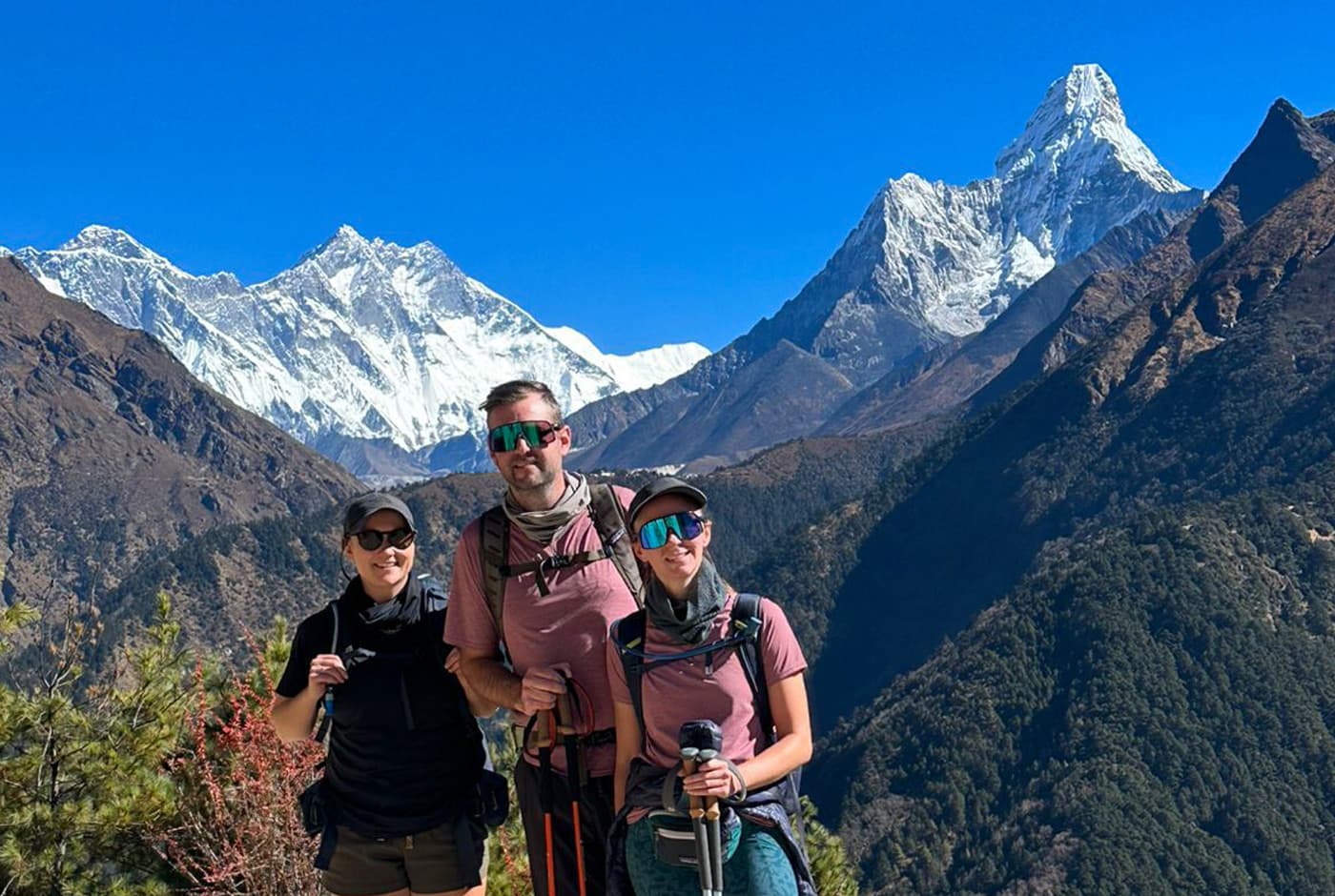
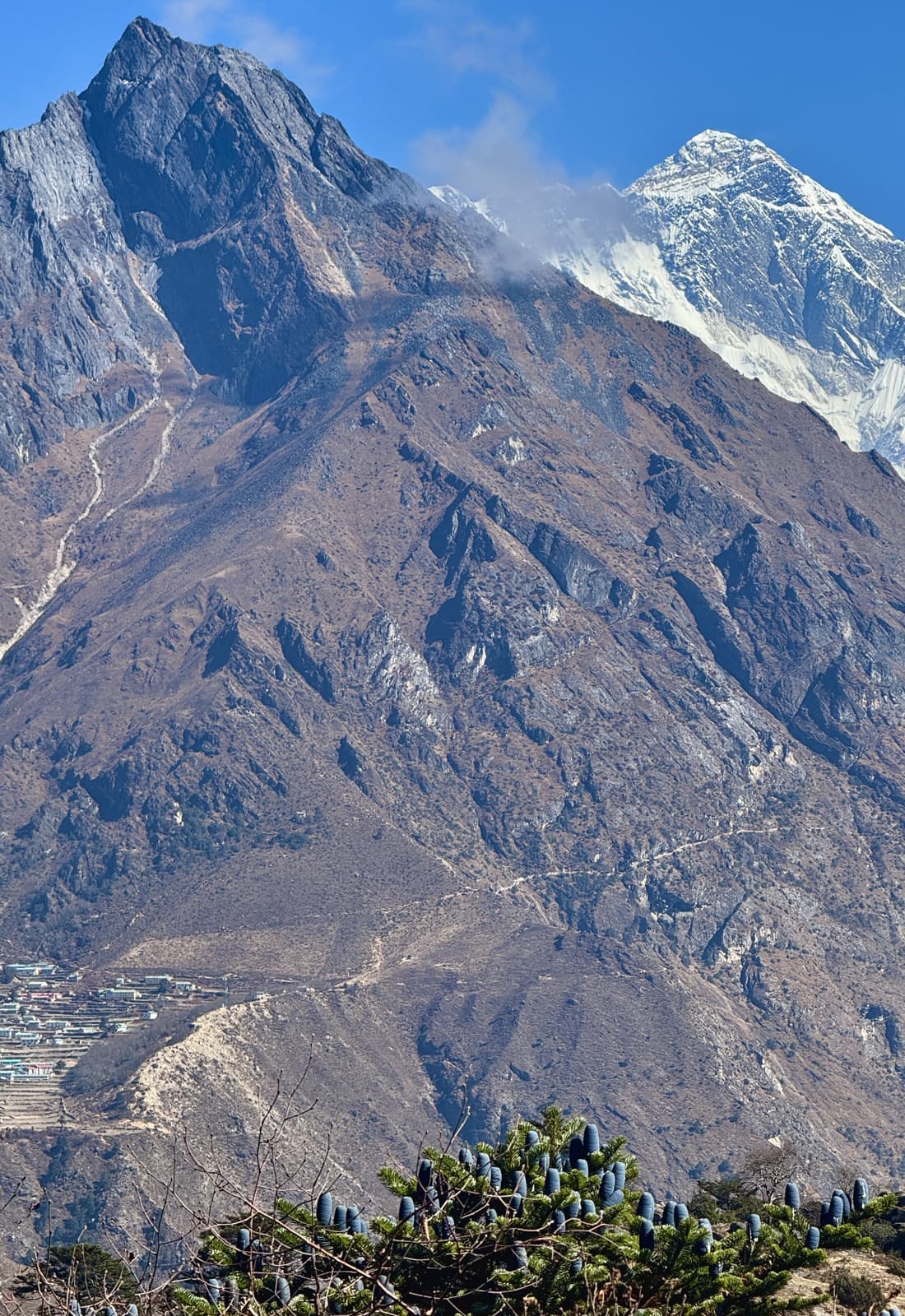
The 7-day Everest View Trek offers the best trekking itinerary through vibrant Sherpa villages like Phakding, Namche, and Lukla, where you'll encounter rich local culture and Himalayan marvels, including the highest soaring Mt. Everest.


The 7-day Everest View Trek offers the best trekking itinerary through vibrant Sherpa villages like Phakding, Namche, and Lukla, where you'll encounter rich local culture and Himalayan marvels, including the highest soaring Mt. Everest.
Watching Everest is delightful, and trekking to see it in person is an extravagant journey that will lift your delicate soul. The Everest View Trek is a seven-day adventure for those who want to view Everest more effortlessly and quickly. The trip comprises an ethereal hiking experience in the Khumbu region, with each day offering a unique and exciting trekking experience. Indeed, Everest View Trek is a compact package offering a complete Himalayan grandeur experience in a few days.
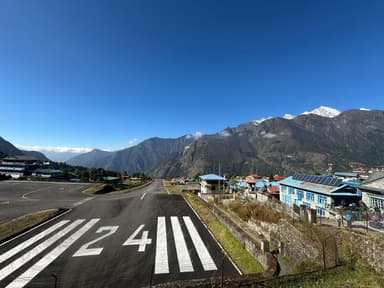
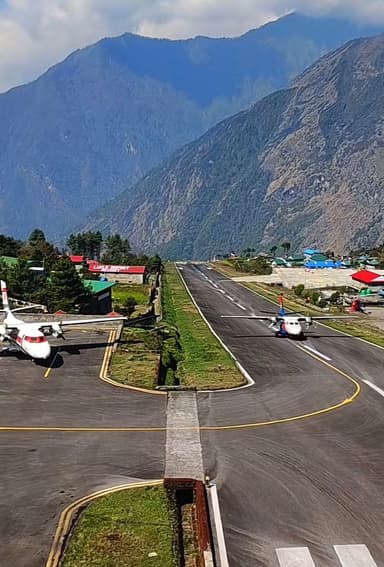
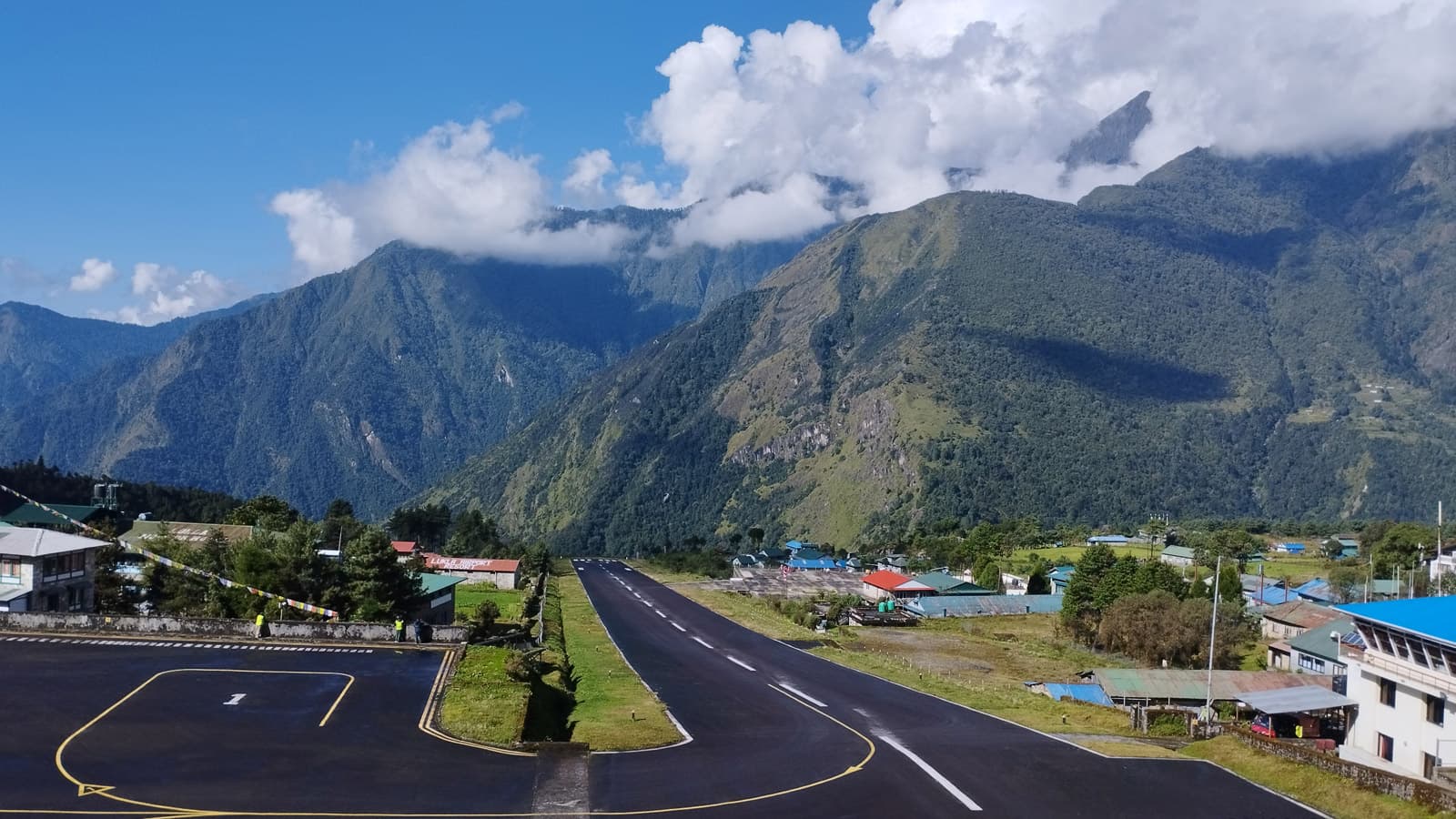
The second you take off at Lukla Airport, the tall mountains welcome trekkers backing up the bustling town of Lukla. Lukla is a gateway to the world's highest peak, Mt. Everest, and has a wide range of biodiversity. The flight to Lukla is a thrilling experience, as the airport is located at a high altitude and is considered one of the world's most dangerous airports. Local people will invite you with warm smiles as you travel ahead of your trip. It is quite an incredible experience to traverse through the lush Sagarmatha National Park. Sagarmatha National Park is situated at the highest elevation on earth. It provides various mitigating and protection measures for flora and fauna on the verge of extinction in their natural habitats.
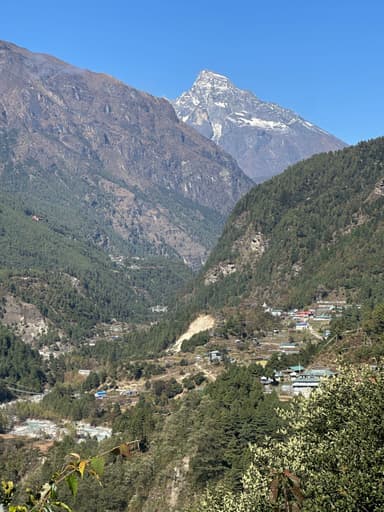
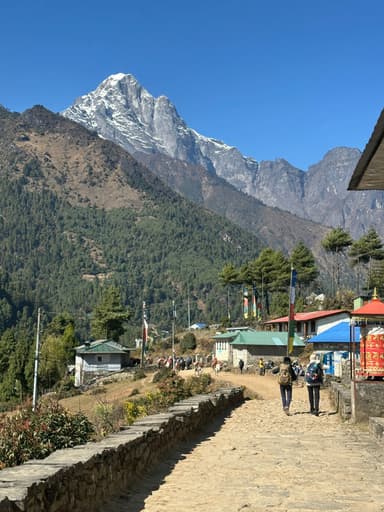
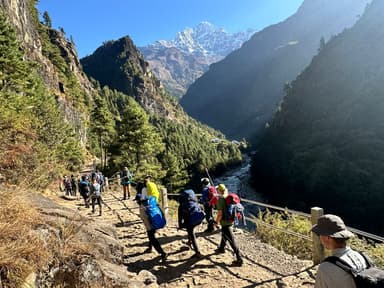
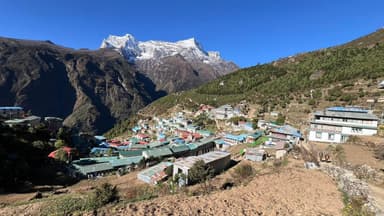
Moreover, the walk to Namche from Lukla is equally captivating! The distance from Lukla to Namche is only 13.5 km, and it is filled with unique experiences. The trails start with a gradual inclination to the top and provide an extremeness of adventure. That involves strolling past rich high woodland through narrow ways on the edge of hills alongside the streaming azure Dudh Koshi River, creeks, waterfalls, landscapes, vegetation, and climate, and passing many exciting suspension bridges. The trip crosses past small, beautiful Sherpa towns like Phakding, Jorsalle, and Monjo, where you can immerse yourself in the local culture and hospitality. You might even spot some rare Himalayan wildlife along the way!
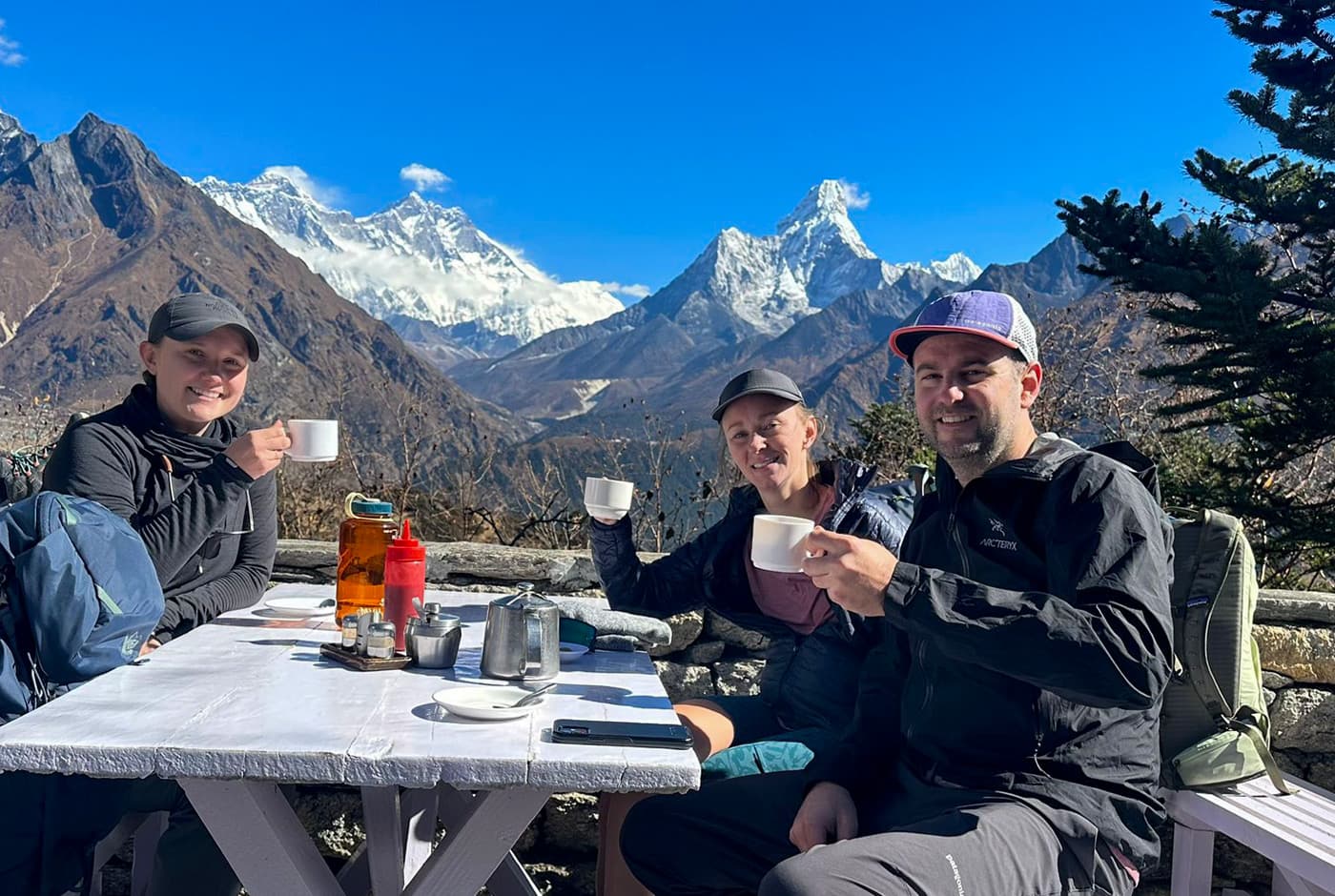
Further, the trip incorporates visiting the Everest View Hotel, where you can catch the superb sight of all-encompassing peaks standing tall against the blue skies' stimulating background.
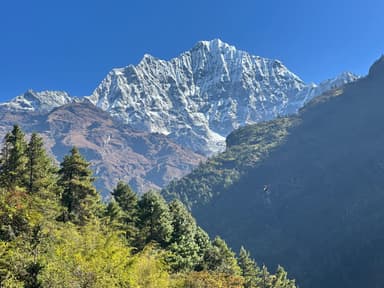
Everest View Hotel (3,880m) is a luxury hotel in Khumbu. Visiting the Everest View Hotel is a must during the day of acclimatization at Namche Bazaar. The hotel opened in 1971 and has been listed on the Guinness Book of World Records (2004) as the highest-placed hotel in the world at 13,000ft. It is above Namche, hidden on a ridge in the Sagarmatha National Park, overlooking the Everest range. The hotel offers comfortable rooms, hot showers, and delicious meals, ensuring a pleasant stay during your trek. You will have a clear view of Mount Everest from the hotel terrace. The hotel offers a 360-degree view of awe-inspiring peaks. Also, it is famous for enjoying the sunrise and sunset with the majestic view of many mountains like Thamserku, Ama Dablam, Lhotse, Nuptse, Kongde Ri, Kusum Kanguru, etc.
Likewise, you will explore the Sherpa Culture Museum, a treasure trove of Sherpa history and culture. Here, you can learn about the Sherpas' equipment, tools, clothes, culture, and traditions preserved and protected for ages. The museum houses artifacts and clothing of Edmund Hillary and Tenzing Norgay Sherpa from the first expedition to Mt. Everest in 1953. It was built with traditional Sherpa design and architecture, and all the old and forgotten Sherpa artifacts are displayed in their original place, resembling the Sherpa way of life in the past before tourism in this area began. This immersive cultural experience is a highlight of the Everest View Trek.
The Everest View Trek is accessible to all, regardless of age. With a gradual ascent and no rapid altitude increase, it is perfect for those with a budding interest in trekking. Whether you're a seasoned adventurer or a first-time trekker, you can confidently partake in this short and easy Everest trek.
Choosing the Everest View Trek is not just a decision for a memorable Himalayan adventure but also an opportunity to experience the perfect blend of comfort and adventure. Revel in breathtaking views of the world's tallest peak, explore vibrant Sherpa villages, and savor the rich local culture. Enjoy unparalleled panoramic views of Everest and surrounding giants from the famous Everest View Hotel. Walk the same trails that Sir Edmund Hillary and Tenzing Norgay once tread. Spend time in the bustling Sherpa Capital, exploring markets and indulging in local delicacies. This moderate challenge is ideal for first-time trekkers, introducing you to a high-altitude trek without overwhelming intensity. The Everest View Trek promises a memorable Himalayan experience that excites you for more.
This trek is great if you've never done a mountain trek before. You don't need to be some super athlete or experienced climber. We've had families with kids do this trek. We've had people in their 60s and 70s complete it without problems. The path is pretty straightforward, and you're staying in proper lodges every night, not camping in tents.
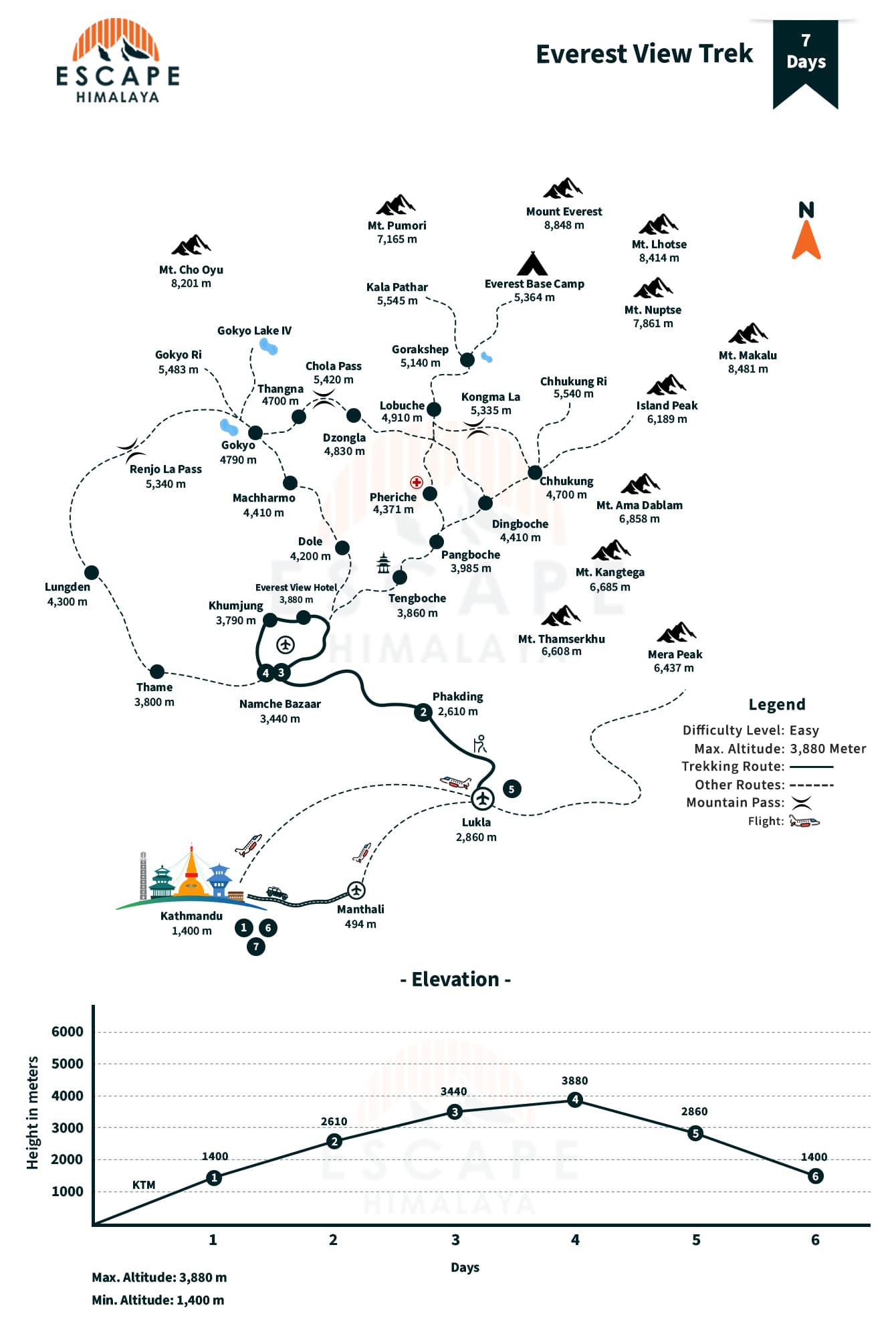
The highest you'll go is 3,880 meters at the Everest View Hotel. Most people handle it fine. You get a full rest day at Namche to let your body adjust. The daily walking is about 5 to 6 hours, which sounds like a lot, but it's really not that bad. You take breaks, stop for tea, and take photos.
If you can walk for a few hours without getting completely exhausted, you can do this trek. We recommend doing some walking or light exercise before you come, but you don't need to train like you're running a marathon.
Safety is something we take seriously at Escape Himalaya. Even though this is one of the easier treks, you're still in the mountains and things can happen. All our guides carry first aid kits. They know how to deal with basic stuff like blisters, headaches, stomach problems. They're trained to spot altitude sickness symptoms early.
The trek includes a rest day at Namche specifically for your safety. This gives your body time to adjust to the altitude. A lot of people feel fine and want to skip it, but we suggest that you don't. It's there for a reason. On that rest day, you actually hike up to the Everest View Hotel and come back down. Going up and sleeping lower helps your body adjust better.
If someone gets seriously sick, helicopter rescue is available. It can get to most places within a couple hours. This is why travel insurance is very important. We've only had to call for helicopter rescue a handful of times over the years, but it's good to know it's there.
The trails themselves are safe. Yes, there are some steep sections and high bridges, but nothing dangerous if you're paying attention. Watch your step, don't walk too close to the edge, and you'll be fine. Our guides know the route really well. They've done this trek hundreds of times.
The Everest View trek is perfect for families due to its moderate altitudes, reducing the chances of altitude sickness and ensuring a safe and enjoyable experience for kids. Families have the opportunity to discover the Dudh Kosi River and its surrounding areas, providing children with ample room for play and exploration. The journey also provides families with chances to engage with the friendly Sherpa community, enabling them to gain insight into their culture. Cozy teahouses offer comfortable lodgings and tasty food, with the beautiful natural landscape of snow-covered mountains and thick forests enhancing the charm of a memorable family hiking trip in Nepal.
You'll stay in teahouses the whole way. These are basically small family-run guesthouses. Every village has them. They're simple but clean and comfortable. You get a room with two beds, blankets, pillows. Some places have attached bathrooms with hot showers, especially in Lukla, Phakding, and Namche. Higher up, you might have to share a bathroom, but they're kept clean.
Every teahouse has a dining room with a stove in the middle. That's where everyone hangs out in the evening. It gets pretty cozy. You order from the menu and they cook it fresh. The menu usually has dal bhat (rice and lentils), fried rice, noodle soup, momos, sometimes even pizza and pasta in the bigger villages.
Dal bhat is what most trekkers eat because it's cheap and filling, plus you get unlimited refills. It's basically Nepal's national dish. Breakfast is usually eggs, toast, porridge, pancakes, Tibetan bread. Tea and coffee come with meals. The food is safe and tasty. I've eaten at these teahouses dozens of times and never had food poisoning.
As you go higher, the food costs more. That's because everything has to be carried up by porters or yaks. A bottle of water that costs 50 rupees in Lukla might cost 200 rupees in Namche. Same with meals. Therefore, it is important to budget for that.
The highest point on this trek is 3,880 meters at the Everest View Hotel. That's high enough that altitude can affect you, but low enough that serious problems are rare. Altitude sickness happens when you go up too fast. Your body needs time to adjust to having less oxygen in the air.
Common symptoms are headache, feeling tired, not being hungry, maybe some nausea. A lot of people get a mild headache on day two or three. It's annoying but not dangerous. Usually it goes away after you rest and drink water. The key is going slowly. Don't try to race up the trail. Take your time.
This is why the trek includes two nights at Namche with a rest day in between. On the rest day, you hike up to 3,880 meters at the Everest View Hotel, hang out for a bit, then hike back down to sleep at Namche which is at 3,440 meters. This "climb high, sleep low" thing really helps your body adjust.
Drink a lot of water. Like, more than you think you need. At least 3 to 4 liters a day. Skip alcohol. Don't take sleeping pills. If you start feeling really bad (like really bad headache that won't go away, throwing up, can't walk straight), tell your guide immediately. Those are signs of serious altitude sickness and you need to go down right away.
Most people do this trek without any altitude problems at all. It's not as high as Everest Base Camp, so the risk is much lower. Just be smart about it.
Spring and autumn are when most people go for this trek. March to May is the spring season here. The weather stays nice, and you'll see rhododendron flowers everywhere. Some people think it's the prettiest time to visit because the whole forest turns red and pink with flowers. The days are warm enough, but you still need warm clothes for mornings and nights.
Autumn runs from September to November. This is actually when we get the most bookings at Escape Himalaya. Because the monsoon rains just finished, the air is super clear. You can see Everest and all the other mountains really well. October is probably the busiest month. Lots of trekkers from all over the world come during this time.
Winter is possible too if you don't mind cold weather. December through February gets pretty chilly up there. Not many people trek then, which means quieter trails and lower prices at teahouses. But it's seriously cold at night. June to August is the monsoon season, so it’s better to skip those months. Rain, clouds, leeches. Not fun.
The Everest View Trek, while moderate in difficulty, requires a solid fitness foundation to ensure a rewarding experience. Cardiovascular endurance is crucial, as trekkers will walk 4-6 hours daily, often on varied and challenging terrain. Regular cardio workouts such as running, cycling, or brisk walking will boost stamina and help you maintain a steady pace. Leg strength is essential for handling uphill and downhill sections, so exercises like squats, lunges, and step-ups will prepare your muscles for the strain.
You can also have alternate trekking options with our Everest Base Camp Trek, which allows you to trek to the foot of Mount Everest. The Everest Chola Pass Trek also offers you the opportunity of excursing through the pass, letting you be captivated by its natural quintessence. The Everest Gokyo Lake Trek enables you to encounter the cerulean lakes at the bosom of the mountains. So join us in this adventure! You can also opt for a customizable itinerary if you wish to do so. The Traditional Everest Base Camp Trek is another classic trek venture where you can experience the natural pulchritude of the destinations while undergoing the most beautiful trekking journey.
If the provided schedule isn't suitable for you, we are able to create personalized travel arrangements according to your preferences and requirements.

Planning an Everest View Trek? Here are the Top 10 key things to know for an awesome adventure:
Bonus Tip: Capture the memories! Take photos and videos to document your incredible journey.
The trek is rated as easy to moderate. The hardest day is definitely the hike from Lukla up to Namche Bazaar. That takes about 6 hours and it's mostly uphill. Your legs will feel it. But once you make it to Namche, the hard part is basically over. The rest of the trek is much easier.
The trails are in good condition. They've got stone steps in most places and the bridges are sturdy. You'll cross quite a few suspension bridges over the river. Some people find them a bit scary at first, especially when they swing a little. But they're totally safe. Thousands of people cross them every day.
What makes it harder is the altitude. You're above 3,000 meters for a few days. Some people get headaches or feel tired. That's normal. Just take it slow, drink lots of water, and don't try to rush. If you start feeling really sick, tell your guide right away.
You don't need any special gear like ropes or ice axes. Good trekking shoes, warm jacket, and you're set. It's way easier than Everest Base Camp because it's shorter and doesn't go as high. Most people complete it without any major issues.
Here's something important that catches people off guard. The flight to Lukla has a strict 15 kg baggage limit total. That's 10 kg for your main bag and 5 kg for carry-on. The planes are tiny, and the runway is really short, so they have to be careful about weight. If your bag is over the limit, you might have to pay extra, or your bag could go on a different flight.
The advice is to pack light. Wear your heavy stuff on the plane. Put on your trekking boots, your thick jacket, stuff your pockets with your camera and batteries. Those things weigh a lot. Don't carry full water bottles through security. You can buy water after you land in Lukla. Empty those bottles.
Buy your snacks and energy bars in Lukla, not in Kathmandu. Every kilogram matters. You can leave extra luggage at your hotel in Kathmandu. They'll store it for free while you're trekking. Most of our clients at Escape Himalaya do this. They pack one small bag for the trek and leave their big suitcase at the hotel.
The porters will carry your main bag anyway, so during the actual trek you only carry a small daypack with water, snacks, and your camera. The weight limit applies only to the flight, and it's a real rule. They will weigh your bags.
We always recommend going with a guide and porter. A guide makes the whole experience so much better. Our guides are local Sherpas who know these mountains like the back of their hand. They speak English well and can tell you all about the culture, the mountains, and the villages you're passing through.
Guides handle all thelogistics. They book the teahouses, order meals, and deal with permits. You just show up and walk. They also know first aid and can spot altitude problems early. They'll tell you when to slow down, when to drink more water, and when to take a rest day if needed.
Porters carry your main bag, so you only carry a light daypack. This makes a huge difference. Walking uphill for 6 hours with a heavy backpack is miserable. Let the porter carry it. They're used to it. Plus, it creates jobs for local people, which benefits the community.
Both guides and porters are insured and paid fairly. At Escape Himalaya, we make sure of that. At the end of the trek, tipping your guide and porter is customary. How much is up to you, but most people give about $10 to $15 per day for the guide and $8 to $10 per day for the porter.
Get travel insurance. You need coverage for trekking up to at least 4,000 meters. Regular travel insurance won't cover mountain activities. Make sure your policy specifically says it covers trekking and helicopter rescue.
Why helicopter rescue? Because if something goes wrong, that's how they'll get you out. A helicopter evacuation from Namche to Kathmandu costs anywhere from $5,000 to $10,000. Without insurance, you're paying that out of pocket. With insurance, they handle it.
Your insurance should also cover medical treatment, trip cancellation, and lost luggage. Flight delays are common on the Lukla route because of weather, so having coverage for extra hotel nights is helpful too. Some companies won't fly if there's fog or strong wind. You might be stuck in Lukla for an extra day or two.
Good companies for trekking insurance are World Nomads, True Traveller, IMG Global. Read the fine print. Make sure altitude sickness and helicopter rescue are specifically covered. Some policies exclude them. Print out your insurance certificate and give a copy to your guide. They need to know your policy number if they have to call for help.
Insurance usually costs around $100 to $300 for a two-week trip. It's worth every penny for peace of mind.
You can book this trek as a private trip with just your group. This is perfect for families, couples, or friends who want to go at their own pace. With a private trek, you get your own guide and porter. You can start any day you want, not just on fixed group departure dates.
The nice thing about private trips is flexibility. Want to spend extra time taking photos at a viewpoint? No problem. Want to start later in the morning? You can do that. Your guide works around your schedule. You also get more attention. If you have questions or want to learn more about something, your guide has time to explain.
Private trips cost more per person if you're solo or just two people, because you're paying for the whole guide instead of splitting the cost. But for groups of 3 to 5 people, the price gets pretty close to group rates. Some families prefer private trips because they can go slower with kids, or faster if everyone's fit.
At Escape Himalaya, we do a lot of private treks. It's actually more popular than group treks these days. People like having control over their schedule. You can also customize the itinerary if you want. Maybe spend an extra night somewhere, or cut a day if you're short on time.
The trek package covers most things, but you'll need extra cash for personal stuff. Hot showers at teahouses cost about $4 to $5 each time. Not every shower is free. Charging your phone or camera costs $2 to $3 per hour. The higher you go, the more expensive it gets.
Wi-Fi is available at some teahouses but it's not great and costs about 300 to 500 rupees for 24 hours. The connection is really slow. Don't count on video calls or uploading photos. It's barely good enough for WhatsApp messages.
Bottled water, soft drinks, beer, hot chocolate, all cost extra. Water is about $1 to $2 per bottle in lower villages, and more expensive higher up. By the time you're in Namche, it might be $3 per bottle. You can also get boiled water at teahouses and use purification tablets, which is cheaper and better for the environment.
Snacks, chocolate, energy bars are available at teahouses but marked up. If you want souvenirs, Namche has shops selling prayer flags, t-shirts, and handicrafts. Tipping your guide and porter at the end is customary too.
Bring about $200 to $300 in cash for all these extras for the week. Carry mostly Nepali rupees. Some places take dollars but the exchange rate won't be great and they might not have change.
Change your money in Kathmandu before you start trekking. There are no exchange places in the mountains. You can exchange at the airport when you land, but the rates aren't the best. Better to exchange in Thamel, which is the tourist area. There are lots of licensed exchange shops there with better rates.
Bring clean US dollars or Euros. They're picky about the condition. If your bills are torn or really wrinkled or marked up, they might not take them. Bring newer bills if possible. Banks will exchange money too but there's usually a long line and it takes forever.
ATMs are all over Kathmandu if you want to just withdraw rupees directly. That's actually easier. Most ATMs let you take out 30,000 to 50,000 rupees at a time. There are ATMs in Namche Bazaar too, but they run out of money sometimes or just don't work. Don't count on them. Get your cash in Kathmandu.
Exchange enough to cover all your expenses. You can't really use cards in the mountains. It's all cash. Keep some small bills too, like 100 and 500 rupee notes. Teahouses might not be able to break a 1,000 rupee note.
If you're with Escape Himalaya, we can help you find a good exchange place in Kathmandu. Just ask your guide or contact our office. We know which places give fair rates.
Apart from the major costs of your Everest View trek package, you will need to budget for certain additional fees. Here's a simple plan to help you budget while still having a good time:
Trail Necessities:
Food & Treats:
Staying Connected:
Remember that prices might vary, so use these estimates as a guideline.
Consider your spending patterns for drinks, snacks, and gifts.
Note: Carry Nepali Rupees for incidental expenses. While some tea shops accept US dollars, possessing the local currency eliminates conversion problems and ensures you have the correct amounts for smaller transactions.
By budgeting for these things, you'll be better prepared to deal with unexpected costs and enjoy your Annapurna Base Camp route!
Lunch and dinner on the Everest high pass trek to Everest delicious adventure in themselves. Dal Bhat, a traditional Nepali cuisine, is a popular choice among trekkers due to its low cost and high-calorie content. But the variety does not end there. Tea houses cater to a wide range of tastes, with classic dishes such as fried rice, chicken curries, and even burgers and pizzas. Noodle enthusiasts can have stir-fried noodles or cheesy pasta meals.
After a day of hiking, dinner becomes a joyous occasion, with tea houses broadening their menus to include a broader selection of familiar favorites as well as local specialties. So, whether you crave a hearty Dal Bhat or a soothing slice of pizza, the EBC journey delivers a great and satisfying refill after each adventure-filled day.
Prepare for the Everest View Trek with our full package, carefully planned to keep you comfortable and prepared during the entire trip.
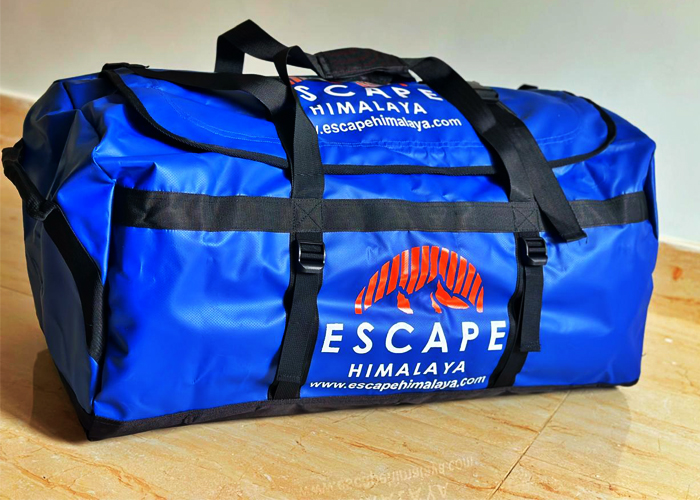
We provide a 120-liter Duffel Bag for trek packing, a certified -20°C Down Jacket, and a four-season Sleeping Bag, ensuring warmth and coziness during chilly mountain nights.
A duffle bag, also known as a kit bag is a cylindrical-shaped carrying bag having a top closure generally made of either natural fabric or other sturdy fabric (usually canvas). It has a handle or a shoulder strap to carry which makes it easy for the porter to carry it. Duffle bags are commonly used for traveling, sports, and outdoor activities or even for temporary storage. They are used for carrying clothing, personal items, and electronics or sports gear during travel. The size of the duffle bag varies according to one's needs and requirements. They come in different sizes from small bags to large travel duffle bags capable of holding required gear during travel. Generally, duffle bags are used to carry loads up to 15 kg in all trek which varies according to the size and materials to be carried during the travel, as well as the carrying limit of the porter. Duffle bags are suitable for trekking due to their comfort and accessibility as it is flexible and portable which makes them easy to carry. It is an excellent choice to carry for traveling due to its versatility and ease of handling.
We arrange the duffle bags that hold up to 120 liters of storage capacity and are also waterproof which helps in the rainy environment by protecting the materials inside the bag. Generally, these duffle bags are carried by the porter during the trek and you can carry a small or medium carrying bag for yourself to carry personal materials and gadgets with you. Please be assured that your luggage and suitcase will be securely managed and safeguarded at our hotel while you enjoy your trek and will promptly return to you once you complete your trek.
Down Jacket
A down jacket, also known as a puffer jacket is a quilted coat filled with soft feathers either from a duck or goose. Down jackets are more popular for cold climates and especially useful in mountains and higher altitudes. They are generally preferred by hikers, trekkers, and backpackers for being extremely comfortable due to their lightweight and compressibility making it easy to pack without occupying a lot of space. It has an excellent warmth-to-weight ratio, best for maintaining body heat essential for trekking in cold climates and higher altitudes.
It is also ideal for wearing and sleeping in during high-altitude treks, providing excellent insulation and good comfort. Please ensure to return it once the trek is completed so it can be preserved for the next adventures.
Sleeping Bag
Sleeping bags are essential gear for travelers and trekkers which provide good comfort and protection in various climatic conditions and altitudes. Most of our treks and tours require a sleeping bag as it keeps you warm by trapping the heat around you from your body.
The sleeping bags we use are mummy-shaped with a zip up and down that keeps the top tight around you. It is used in cold and wet climates in high altitudes( -20°C to -25°C maximum temperature) giving you protection, and comfort and as well it is also lightweight and compact which it easy to carry on long treks. The sleeping bag is returned after the trek as it helps us to maintain our gear for future adventurers.
At Escape Himalaya, we provide a detailed checklist of essential trekking gear, ensuring that you're fully equipped for your Himalayan adventure.
HEAD
FEET
HANDS
LOWER BODY
ACCESSORIES
Personal Hygiene Items
ADDITIONAL ITEMS
Prepare for your Everest View Trek with confidence, knowing that you have all the necessary gear and essentials to make your journey safe, comfortable, and memorable.
The best tour guide!👍🏻
If there is a better room type, will help us fight.
Because of the big fog, the small aircraft can not fly, the guide worked hard to help fight for the helicopter, not a moment to rest, let us succeed in catching the plane to Kathmandu.
Great scenery, although very tired, but definitely worth it.💕
Once in a lifetime!
Yuyu
Our recent trek with Escape Himalaya exceeded all expectations. From start to finish, the team demonstrated remarkable professionalism, warmth, and local expertise. The booking process was smooth, and they were highly responsive, addressing all our questions in advance and helping us feel prepared.
Once on the trail, our guide, Raj, was knowledgeable, friendly, and always attentive to our needs. He shared fascinating insights into the local culture and geography, making each stop along the way feel meaningful. The accommodations were comfortable, and the itinerary was well-paced to allow for both challenging hikes and ample time to rest and acclimatize.
The whole team went above and beyond to ensure our comfort and safety, and we felt genuinely cared for at every step. I highly recommend Escape Himalaya to anyone looking for an unforgettable adventure in the Himalayas!
We had an amazing and unforgettable Everest View trip. Raj and Escape Himalaya team made sure we get the safest, and comfortable family trip. Our 11 and 9 y.o. girls got their first experience to Nepal and enjoying it a lot. Since we're taking our trip on June which is a monsoon season and the opportunity to see Everest's peak were very small, Raj do his best till the last day to give us the best scenery to see the peak. We really appreciate his effort. Attentive, full of experience, good knowledge, fun and extra careful are their strength.