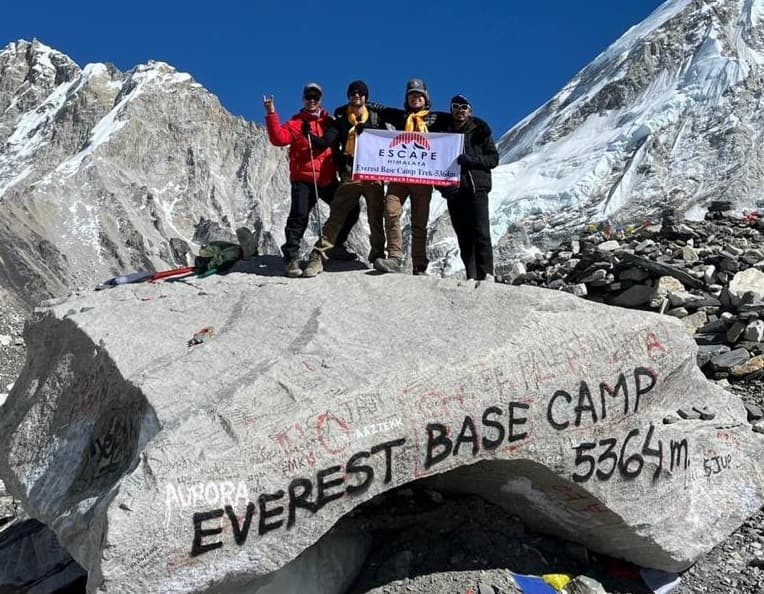

To stand before Mount Everest at the height of 5,364 meters is not just another item to cross off the list, it is a deeply transformative experience that challenges your limits and offers you memories to cherish forever. With the arrival of the 2026 season of trekking, adventurers numbering in their thousands from across the world are getting ready to go for the legendary Everest Base Camp (EBC) trek through the stunning Nepalese Khumbu region.
It may come as a surprise to many, but getting to Everest Base Camp isn't about being physically the fittest person. It is more about being well-prepared in a smart way, having a strong mind, and showing the mountain your respect. This all-inclusive guide is just what you need to make your dream of Everest come true in 2026 whether you are a novice high-altitude trekker or someone who has been hiking for years.
Understanding the Everest Base Camp Trek: What You're Really Getting Into
The Journey at a Glance
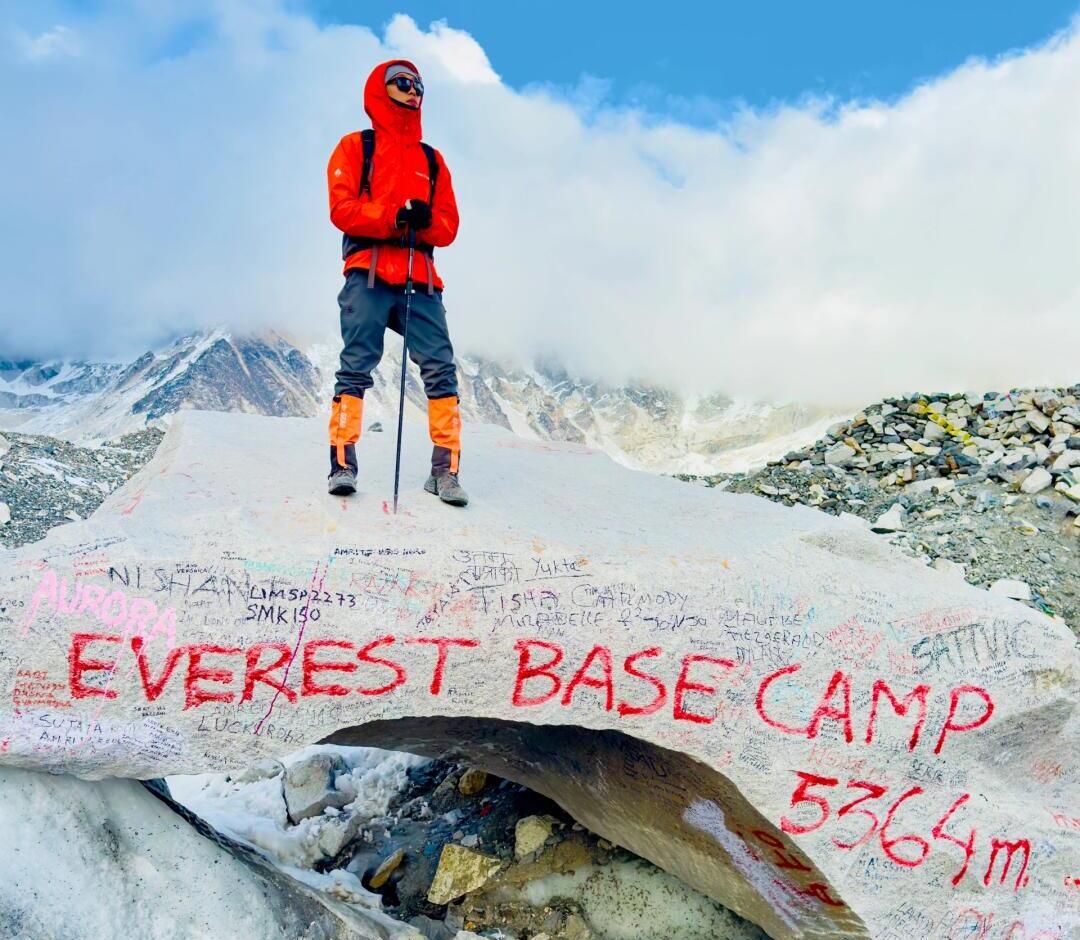
The famous Everest Base Camp trek lasts for 12-14 days and the round-trip distance is approximately 130 kilometers (80 miles) starting from Lukla. Everyday, you will be walking for 5-8 hours through a variety of scenes. First, you pass through rhododendron forests then cross several suspension bridges over rivers before finally reaching the desolated areas at high altitude where prayer flags hang against the backdrop of snow-capped mountains.
Key Statistics:
- Starting Point: Lukla (2,860m/9,383ft)
- Highest Point: Kala Patthar (5,545m/18,192ft) - offers the best Everest views
- Everest Base Camp: 5,364m (17,598ft)
- Total Elevation Gain: Approximately 2,700 meters
- Difficulty Level: Moderate to challenging (primarily due to altitude)
What Makes EBC Challenging?
Let's just say: going to the EBC isn't really about the difficulty of the technical part at all. For climbing, you won't be needing ropes, ice axes, or skills in mountaineering. The real issue? Altitude.
At over 5,000 meters even top athletes can have troubles if they are not acclimatizing properly.
The trek is made up of:
- Steep uphill sections with stone steps
- Rocky, uneven trails
- Significant temperature fluctuations (-15°C to 15°C within a single day)
- Basic teahouse accommodations
- Thin air that contains 30-50% less oxygen than at sea level
But here's the uplifting fact: with disciplined training, more than 90% of the hikers can make it to Everest Base Camp. That can be you.
Best Time to Trek to Everest Base Camp in 2026
Choosing the right season dramatically impacts your experience. Here's what 2026 offers:
1. Spring Season (March May 2026) - PEAK SEASON
Highlights of Spring:
- Weather: The weather is usually calm, with daytime temperatures ranging between 10-15°C at the lower levels of the mountains.
- Visibility: After the winter snow has melted and settled, you can enjoy extremely good views of the mountains.
- Flora: The rhododendron trees turning into gorgeous flowers all around the forests (April-May).
- Summit Season: Get a glimpse of climbers gearing up for the Everest summit challenge.
- Crowds: The trail and teahouses will be busier than usual during the high season.
Optimal Months: April and the beginning of May offer the ideal mix of weather and scenery.
2. Autumn Season (September November 2026) PEAK SEASON
Why Autumn Shines:
- Weather: The weather is usually the most stable of the year with the least amount of rain
- Visibility: Awesome photo quality (October is the best month)
- Temperatures: Nice and comfy for daytime hiking (12-22°C)
- Festivals: Participate in the festive Dashain and Tihar occasions in Nepal
- Crowds: Very popular season but not quite as crowded as spring
Best Months: October is generally the top month during which the highest beauty of EBC is revealed.
3. Winter Season (December February)
For the Bold:
Pros
- Less crowd, cheaper, beautiful, snow-covered scenery
Cons
- Very cold (-20°C at nights in the base camp), some teahouses not operating
Recommendation:
Strictly for the experienced winter trekkers having perfect gears
4. Monsoon Season (June August)
Generally Not Recommended:
- Torrential rains make the pathways slippery and risky
- Leeches at the lower altitude
- Cloud cover blocking the view of mountains
- More chance of flight cancellations
- Exception: The trekking is still feasible but the person should be ready to compromise on certain aspects
2026 Booking Advice: For spring and autumn seasons, make a trek booking 4-6 months prior. Dates for departing become full very fast especially for well-known outfits like Escape Himalaya.
Physical Training: Your 3-6 Month Preparation Plan
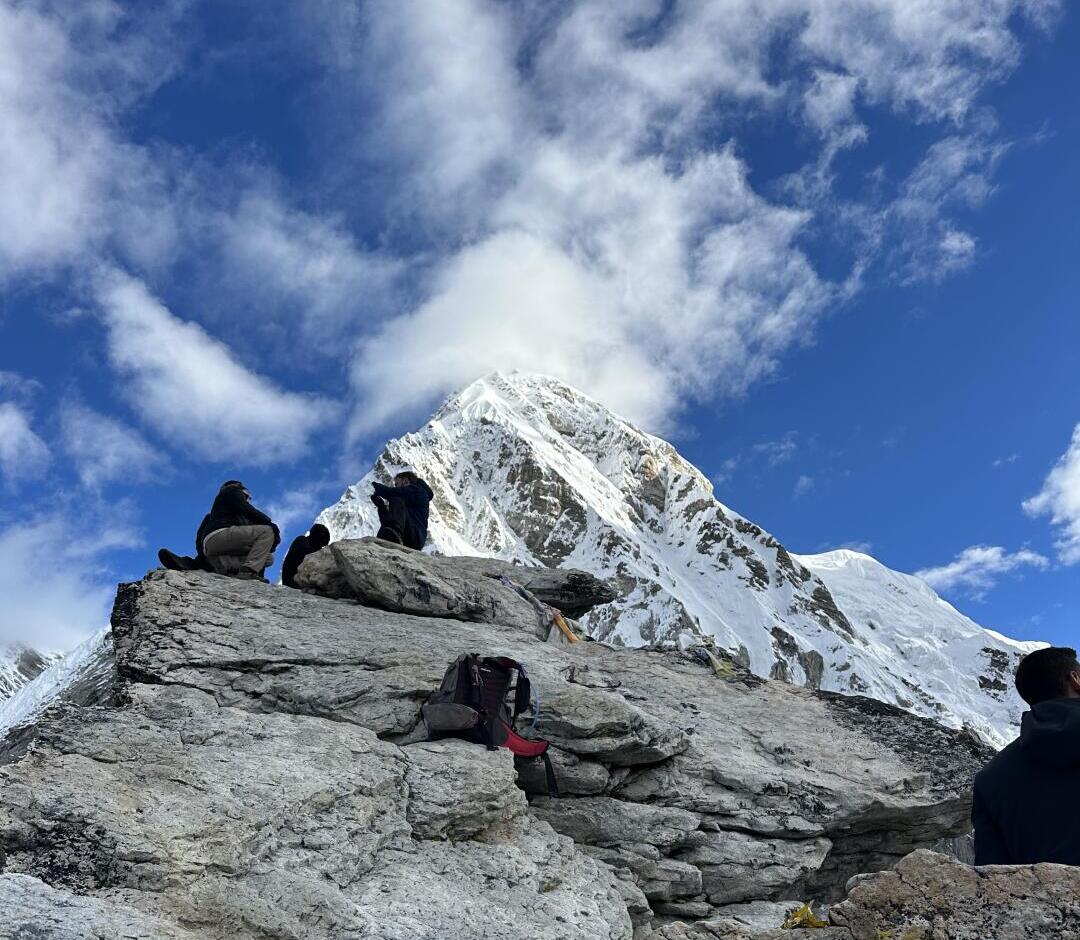
The error most hikers commit? It is starting to train late. Your body will essentially require time to develop the endurance, strength, and toughness that will enable it to be hooked up to 12+ days of continuous trekking.
When to Start: The Magic Timeline
- 6 months before: Perfect if you are a beginner or have a sedentary lifestyle
- 4 months before: Enough for those who are moderately physically active
- 3 months minimum: Only if you already have a regular fitness practice
- 8-12 weeks: The bare minimum (will need very intensive training)
The Four Pillars of EBC Training
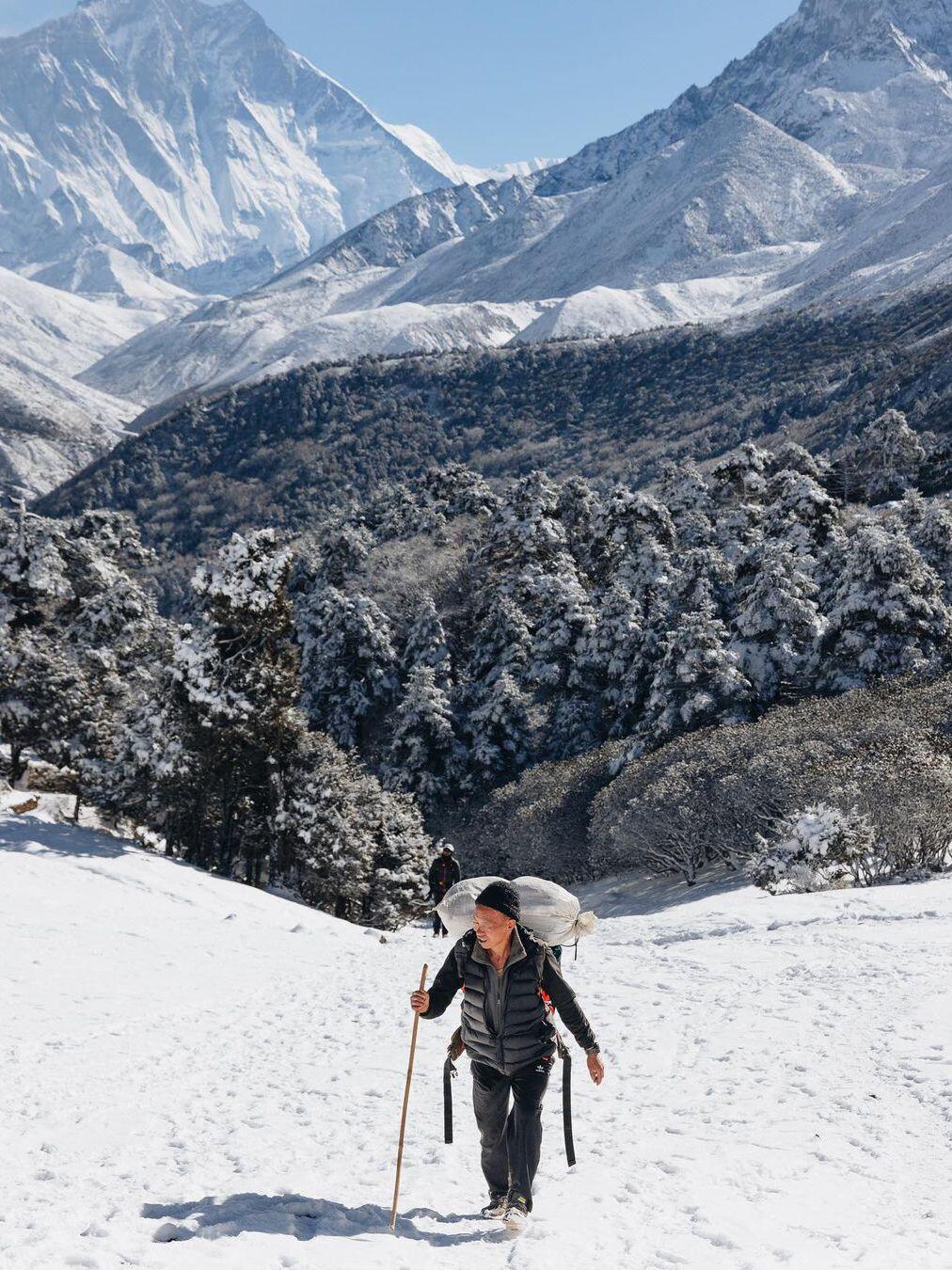
1. Cardiovascular Endurance (4-5 Days/Week)
Your heart and lungs are likely to work harder than usual at altitude. Cardiovascular training increases the body's ability to transport and use oxygen.
Months 1-2: Foundation Building
- 30-45 minutes of continuous moderate cardio
- Running, cycling, swimming, elliptical
- Lay down a solid endurance base while avoiding getting hurt
Months 3-4: Intensity Increase
- 45-60 minutes of sustained effort
- Introduce 1 weekly HIIT (High-Intensity Interval Training) session
- Add stair climbing or incline treadmill work
Months 5-6: Peak Conditioning
- 60+ minute sessions
- Hiking 5-7 hours with minimal stops is the goal
- Trek conditions can be simulated by doing weighted backpack training
Pro Tip: The stair climber is your secret weapon. It mimics the repetitive uphill climbing you'll face on the trek.
2. Strength Training (Three times a Week)
In order to manage your daypack and stay physically fit for 12 consecutive days, you need to have strong legs, a solid core, and a powerful upper body.
Important Training:
Lower Body (Most Important):
- Squats (with or without weights): Do 3 sets of 15-20 repetitions
- Lunges (forward, backward, walking): Do 3 sets of 12-15 reps per leg
- Step-ups (holding dumbbells): Do 3 sets of 15 reps per leg
- Calf raises: Do 3 sets of 20
- Wall sits: Hold for 60 seconds. Do 3 sets
Core Stability:
- Planks: 3 rounds, each hold for 60 seconds
- Russian twists: Do 3 sets of 20
- Mountain climbers: 3 rounds with 15 reps each
- Bicycle crunches: Do 3 sets of 20
Upper Body and Back:
- Push-ups: 3 sets of 15
- Rows (using resistance bands or weights): 3 sets of 12
- Shoulder press: 3 sets of 10
Training Tip: Emphasize on functional strength rather than bodybuilder's physique. You need muscular endurance to go far, not great strength.
3. Hiking Training (Weekly Priority)
The real thing that can't be substituted is hiking itself. It's the single most significant part of your training.
Progressive Hiking Schedule:
Months 1-2:
- Light hikes for 1-2 hours during weekends
- Going on flat or slightly sloping terrain
- Light daypack (5-7kg)
Months 3-4:
- Hiking 3-4 hours including elevation gain
- Increase your pack weight by 8-10kg
- Look for trails with an elevation gain of 300-500m
Months 5-6:
- Back-to-back training with 5-7 hour hikes
- 10-15kg pack (your target trek weight)
- 500-1000m elevation gain is your goal
- Go for trekking on rocky, uneven surfaces
Golden Rule: In case you can easily go hiking for 6-7 hours two consecutive days at home, you are physically ready for EBC.
4. Flexibility and Recovery (Daily)
Stretching Routine (10-15 minutes daily):
- Hamstrings
- Quadriceps
- Calves
- Hip flexors
- Lower back
- Shoulders
Recovery Strategies:
- One full rest day every week
- Foam rolling to relax muscles
- Getting enough sleep (7-9 hours)
- Nutrition and hydration on point
Sample Weekly Training Schedule (Month 4)
Monday: Strength training (60 min) + Stretching
Tuesday: Cardio (45 min running/cycling)
Wednesday: HIIT session (30 min) + Core work
Thursday: Strength training (60 min) + Stretching
Friday: Rest or gentle yoga
Saturday: Long hike (4-6 hours with pack)
Sunday: Moderate cardio (45 min) or rest
Training Tips from Seasoned Trekkers
1. Start breaking in your boots as early as possible: Wear them on every training hike for 2-3 months before the trip
2. Get fit while carrying the gear you'll have on the trek: Take with you the daypack you'll carry on the hike
3. Use stairs as training for hills if that's your only option: Stair climbing is highly effective
4. Keep increasing physical load: Increase gradually the weight of your backpack (up to double your trek weight)
5. Avoid overtraining: That is when your body really gets stronger, rest
Reality Check: You don't have to be a marathon runner. A 60-year-old who trains properly can be more than twice as fit as a 25-year-old who doesn't and has the capacity to outperform him/her on this trek.
Mental Preparation: A Secret Ingredient No One Talks About
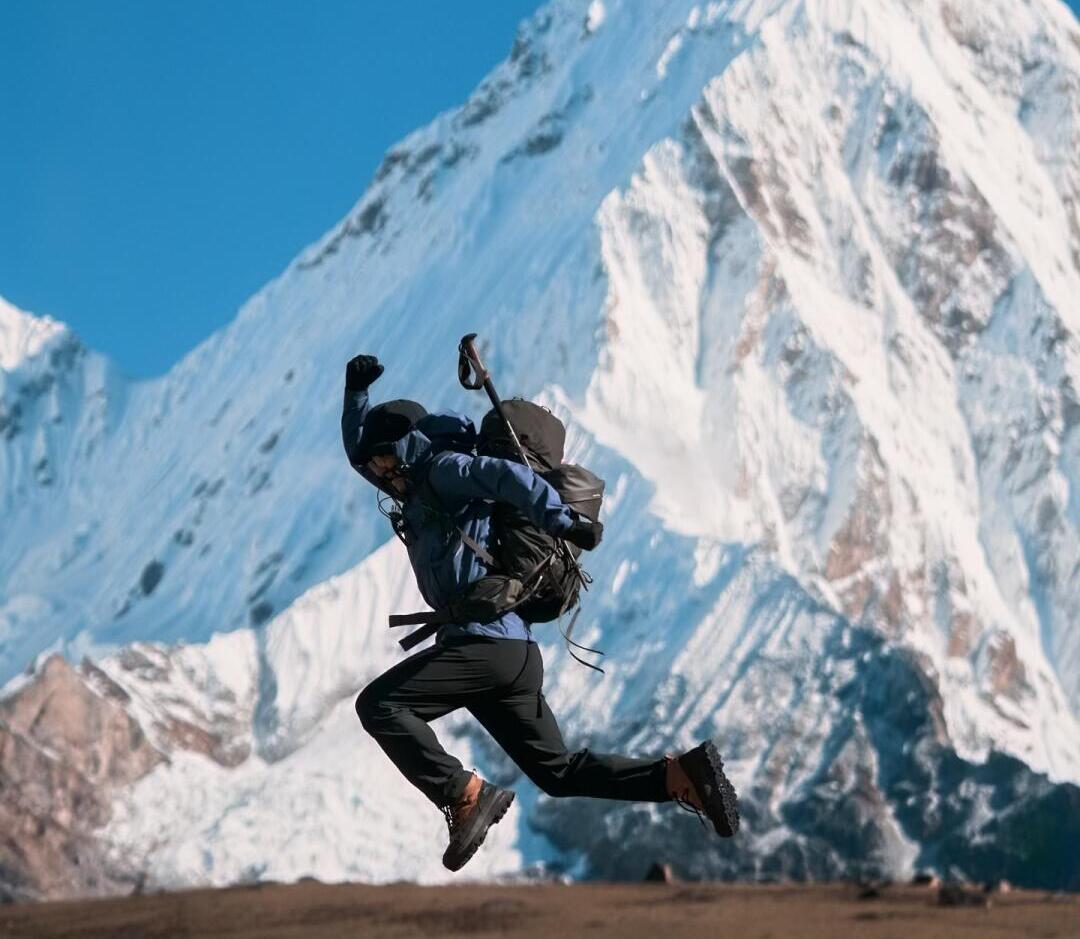
Physical fitness can take you to base camp and nothing more. Physical and mental strength will certainly get you through those moments when altitude headaches hit, you are too tired to keep going, and you start questioning what made you sign up for this.
How to Become Mentally Resilient
1. Visualization Practice (Daily)
- See yourself reaching base camp successfully
- Imagine going through the tough situations (cold, fatigue, altitude)
- See your happiness of achievement
2. Mindfulness and Breathing
- Do breathing exercises
- Study the Wim Hof Method or a similar technique
- They will help you increase your lung capacity and stay calm mentally.
3. Learn to Welcome Discomfort While Exercising
- Taking cold showers builds up mental toughness
- Get exercise even if weather isn't good
- Keep going even if it is very difficult (make sure it is safe)
4. Determine the Reason for Your "Why"
- Make a list of reasons why you decided to do this trek
- Refer to your list when times get tough
- Tell your trekking partners
5. Be Aware of and Regulate Your Expectations
- It is okay to have tough days
- Be aware that flights might be delayed
- Prepare your mind for the basic living conditions
- Be focused on the journey as well as the destination
The Power of Positive Self-Talk
It is said that during day 7 or 8, near Lobuche, many people reach a plateau in their energy levels. The way you talk to yourself really makes a difference:
Instead of: "I can't do this, it's too hard" Use: "This is tough, but I'm strong enough to go on"
Instead of: "Everyone else seems fine, something's wrong with me" Use: "Altitude is difficult for everyone; I'm getting used to it in my own way"
Essential Gear and Packing Strategy for 2026
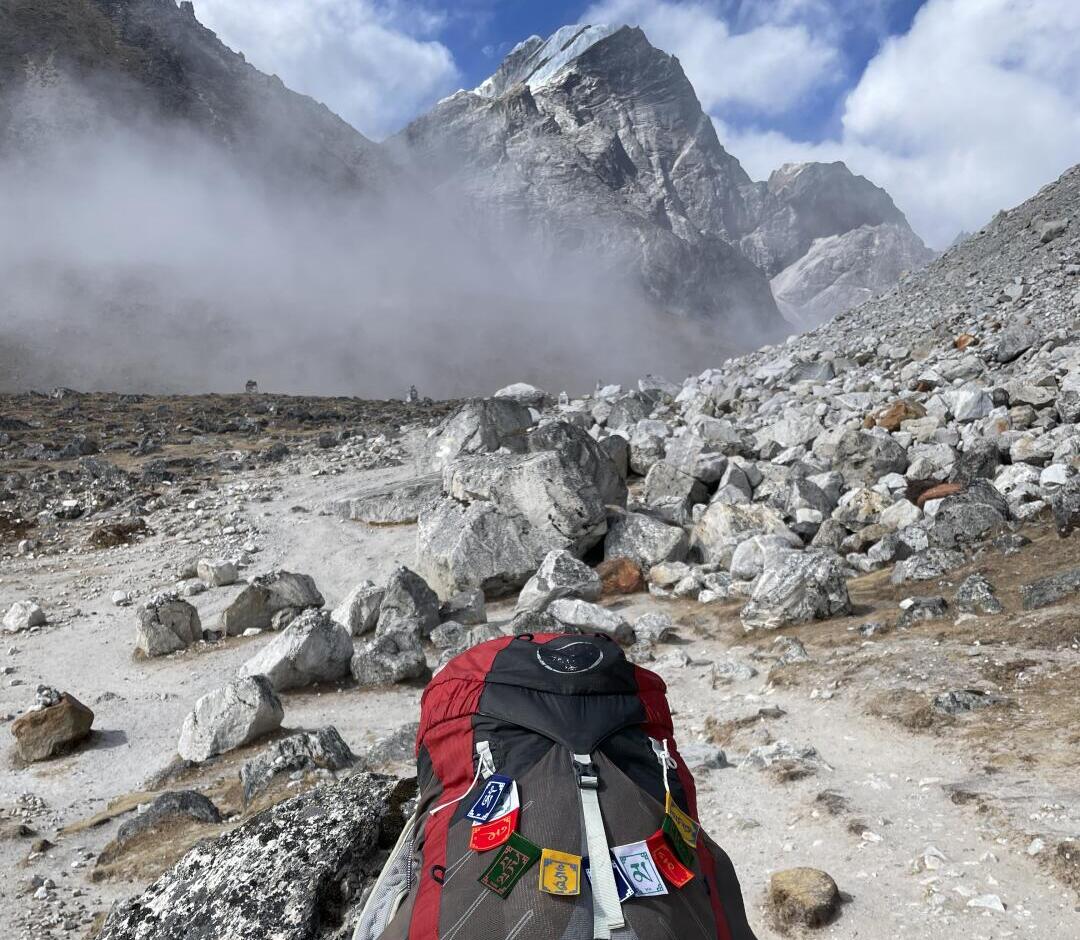
Packing well is a skill. Carrying too heavy a load will slow you down, but carrying too little will leave you cold and uncomfortable. Here is the ultimate checklist compiled from first-hand experience.
Understanding Your Baggage System
You'll have TWO bags:
1. Duffel Bag (Porter-carried, 10-15kg max)
- Your main gear is stored here
- The porters will carry this from teahouse to teahouse
- You won't open this bag during the day
2. Daypack (Self-carried, 5-7kg)
- Daily trekking necessities
- Water, snacks, layers, camera, sun protection
- Keep this as light as possible
Clothing: The Layering System
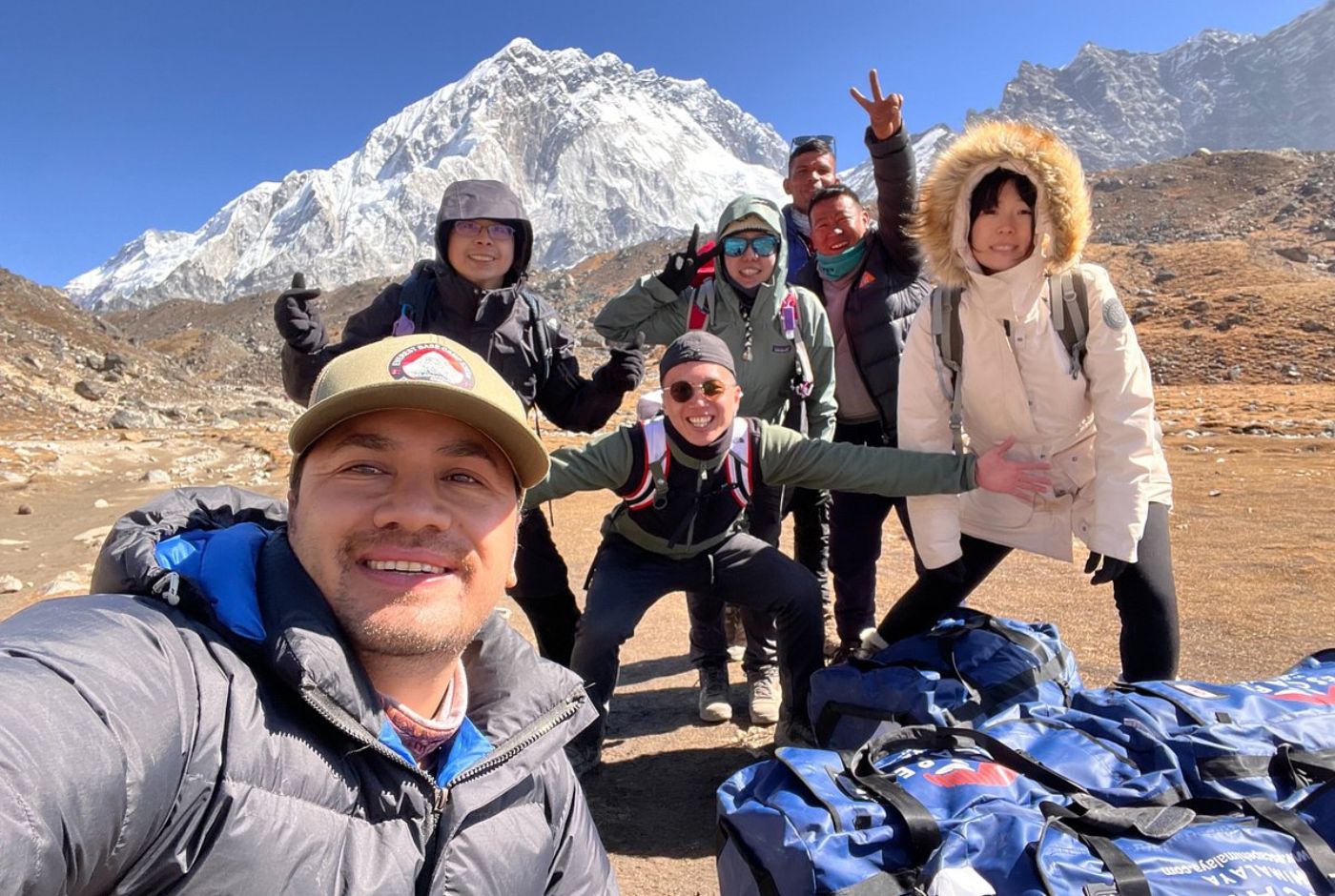
Comfort is all about layers. When the sun is shining and you are climbing, you will take layers off, but during the lunch break in the shade, you will put them on again.
Base Layer (Moisture-wicking)
Upper Body:
- 2-3 merino wool or synthetic long-sleeve tops
- 2-3 short-sleeve technical t-shirts
Lower Body:
- 2 pairs of thermal leggings/long underwear
- Note: Merino wool is the best option because even after 5 + days it doesn't smell
Mid Layer (Insulation)
- 1-2 fleece jackets or pullovers
- 1 down vest (optional but highly suggested)
- 1 lightweight insulated jacket
Outer Layer (Weather Protection)
Must-have:
- Waterproof, windproof shell jacket (Gore-Tex or equivalent)
- Waterproof pants (full-zip side zippers for ventilation)
- Down jacket rated to -15°C to -20°C (available for rent in Kathmandu)
Pro Tip: At higher altitudes, your down jacket is your closest companion. Don't compromise on quality.
Lower Body
- 2-3 pairs of trekking pants (quick-dry, breathable)
- 1 pair of thermal trekking pants (for higher altitudes)
- Shorts or convertible zip-off pants (for lower altitudes)
- 5-7 pairs of trekking socks (merino wool blend)
- 5 pairs of underwear (moisture-wicking)
Extremities
Hands:
- 1 pair of thin liner gloves
- 1 pair of insulated, waterproof gloves or mittens (-15°C rated)
Head:
- Choose between a wide-brimmed sun hat or a baseball cap
- Warm beanie or winter hat
- Buff or neck gaiter (a must-have for "Khumbu cough" prevention)
Feet:
- Waterproof, well-broken-in hiking boots with ankle support
- Camp shoes or sandals (for teahouses)
- Gaiters (for snow/dust protection)
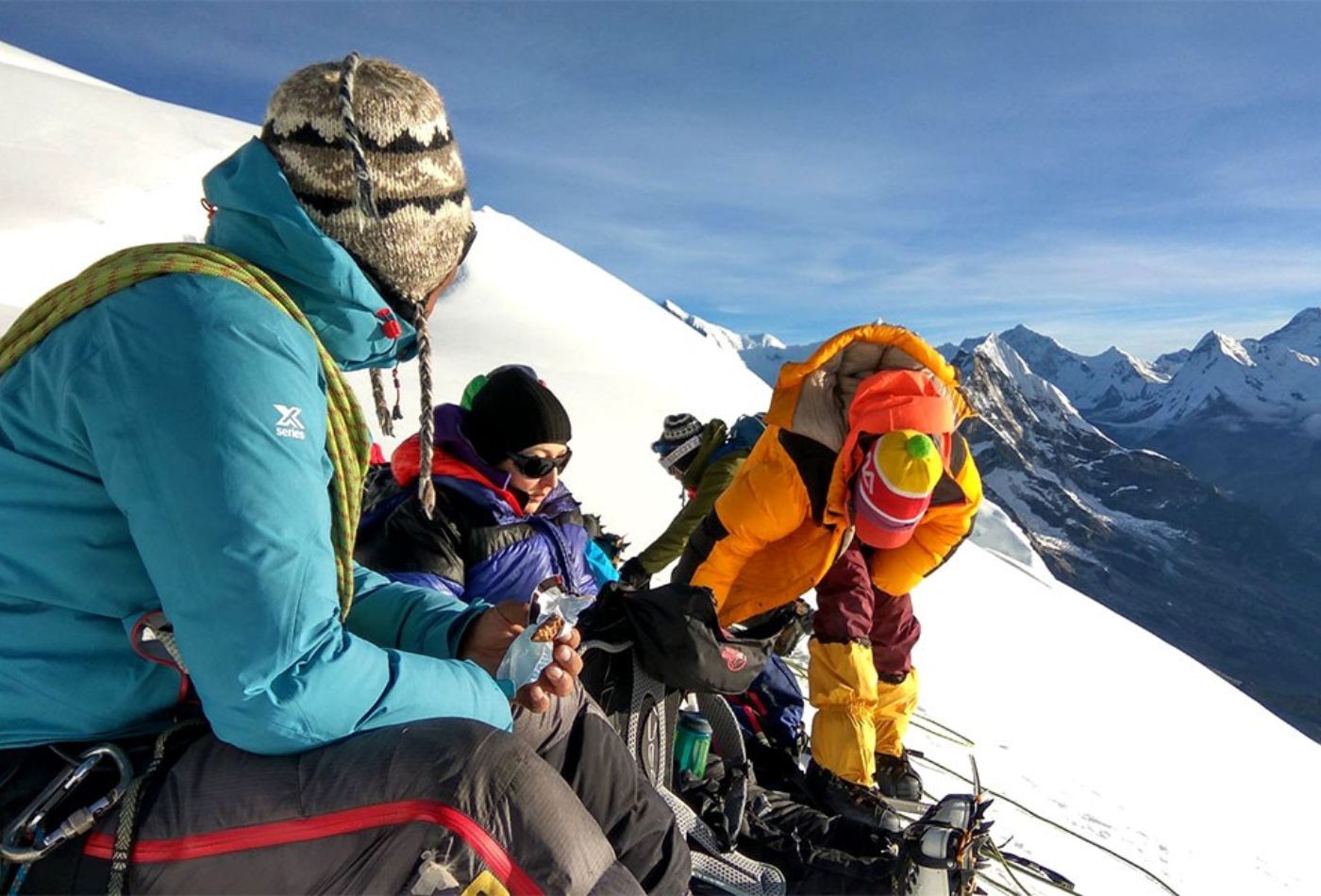
Essential Gear Checklist
Sleeping
- Sleeping bag rated to -15°C to -20°C (a rental bag will cost around $1-2/day in Kathmandu)
- Silk or fleece sleeping bag liner (provides extra warmth and keeps the sleeping bag clean)
- Inflatable pillow (optional for added comfort)
Trekking Equipment
- Trekking poles (adjustable with wrist straps), can reduce knee strain by 25%
- Headlamp with spare batteries (a must-have for early risers and when there is a power failure)
- Sunglasses with UV400 protection (Category 3 or 4)
- Backpack rain cover or waterproof liner
Hydration & Nutrition
- 2 water bottles (1 liter each) OR hydration bladder
- Water purification (tablets, SteriPen, or LifeStraw)
- High-energy snacks (trail mix, energy bars, dried fruit)
- Electrolyte powder packets
First Aid & Toiletries
Medical:
- Your personal meds
- Diamox (for altitude sickness prevention, doctor's advice is a must)
- Ibuprofen/paracetamol
- Materials for blisters (Compeed, moleskin, etc.)
- Antibiotic cream
- Assorted band-aids and gauze pads
- Medicines for stabilizing bowels
- Hand sanitizer
Toiletries:
- Soap that's biodegradable
- Toothbrush and toothpaste
- Wet wipes/baby wipes
- Sunscreen SPF 50+ (the sun in the mountains is very aggressive)
- Lip balm with SPF
- Small towel (quick-dry microfiber)
Pro Tip: Besides your chin, apply sunscreen also inside your nostrils, UV rays are reflected upwards by snow!
Electronics
- Smartphone with offline maps (Maps.me)
- Camera with extra batteries and memory cards
- Portable charger (10,000+ mAh)
- Charging cables
- Universal adapter (Nepal uses Type C, D, M plugs)
Reality Check: You will have to pay for electricity in teahouses ($1-3 per device). Cold makes batteries drain fast, so carry spare ones.
Documents & Money
- Passport valid for at least 6 more months
- 2 passport photos (permits)
- Travel insurance docs (including mountain insurance)
- Cash (NPR and USD), above Namche, ATMs are unreliable
- Credit card for backup
Weight Management Strategies
Rent in Kathmandu:
- Down jacket
- Sleeping bag
- Duffel bag
Dual-Purpose Items:
- Buff (can be sun protection, neck warmer, or headband)
- Trekking pants that zip off to become shorts
- Phone that doubles as a camera
Leave at Kathmandu Hotel:
- Clothes you'll hardly need
- Shoes that are not for hiking
- Travel documents not required on the trail
Common Packing Mistakes
- Boots straight from the shop: Perfect for blisters. Wear them in for 50+ hours first
- Clothing made of cotton: It keeps the sweat inside, flies forever to dry, and eventually, you become cold
- Clothes overload: The same merino base layers will be your faithful companion for days
- Heavy camera gear: By the 8th day, carrying that DSLR becomes a burden
- Toiletries extravaganza: Limited facilities, bare necessities
- Electronics overdose: Just keep it simple
Altitude Acclimatization Should Be Your Topmost Safety Concern
Altitude sickness is an equal-opportunity condition. It is capable of affecting anyone regardless of age, fitness, or previous high-altitude experience. It is absolutely necessary to understand and respect altitude.
Altitude Sickness Explained
As the outside pressure drops the concentration of oxygen also decreases, Thus, less oxygen enters your bloodstream. Your body needs a break to adjust.
Symptoms of acute mountain sickness (AMS):
- Headache lasting long
- Feeling nauseated or vomiting
- Not feeling hungry
- Being very tired
- Feeling dizzy
- Trouble sleeping
- Shortness of breath during physical activity
Severe symptoms (call for urgent evacuation):
- HAPE (High Altitude Pulmonary Edema): Presence of liquid in lungs, breathing sounds with crackles
- HACE (High Altitude Cerebral Edema): Severe headache, confusion, lack of coordination).
Most Important Rules of Acclimatization
1. Climb High, Sleep Low Your schedule should have acclimatization hikes where you go to a higher place during the day but go down to sleep.
2. "Pole Pole" (Slowly, Slowly in Swahili) The slow your ascent, the more effective it is. Bare the temptation of going fast.
3. Hydrate Aggressively Consume 3-4 liters of water every day. Under hydration is your dark-colored urine.
4. You Mustn't Skip Your Acclimatization Days Typical EBC itineraries come with rest days at:
- Namche Bazaar (Day 3-4): 3,440m
- Dingboche or Pheriche (Day 7-8): 4,410m
5. Pay Attention to Your Body
Immediately notify your guide if you experience symptoms.
Acclimatization Hikes
At Namche Bazaar:
- Go to Everest View Hotel (3,880m)
- Visit Sagarmatha National Park Headquarters
- Explore Khumjung village
At Dingboche:
- Hike to Nangkartshang Peak (5,083m) or Nagarjun Hill
- Day hike to Chhukung village
Prevention Strategies
1. Gradual Ascent Profile
- Do not make a sudden change in your height (don't sleep at an altitude that is more than 300-500m higher a day after 3,000m).
2. Diamox (Acetazolamide)
- Always talk to your doctor before the trek
- Effective in both prevention and reduction of AMS symptoms
- Usual dose: 125mg twice daily, 1-2 days before starting the ascent
3. Proper Nutrition
- High carbohydrate diet (60-70% of the total calories)
- No alcohol and sleeping pills
- Eat even if you do not feel hungry
4. Quality Sleep
- Altitude makes it difficult, but it is essential for the recovery
- Use a pillow or rolled-up blanket to elevate your head slightly
- You will awake often during the night (this is perfectly normal at altitude)
When to Descend
If symptoms are getting worse even without:
- Rest
- Hydration
- Medication
It is absolutely necessary for you to come down immediately. Even a descent of 300-500 meters can significantly relieve the symptoms.
Note that it is a sign of strength, not weakness, to be able to turn back. Mountains are eternal, but your health is the most important thing.
Permits, Documentation, and Travel Insurance
Necessary Permits for 2026
1. Sagarmatha National Park Entry Permit
- Price: NPR 3,000 (~USD 23) for foreigners
- Where to get: The Nepal Tourism Board office in Kathmandu or at the Monjo entry gate
- What you need: 2 passport-sized photos
2. Khumbu Pasang Lhamu Rural Municipality Permit
- Price: NPR 2,000 (~USD 15)
- Where to get: Lukla or via a trekking agency
- What you need: A copy of your passport
Note: A TIMS (Trekkers' Information Management System) card has not been required to EBC trek since 2024.
Travel Insurance: Mandatory
Your insurance policy MUST include coverage for:
- Emergency helicopter evacuation from 6,000m+
- High altitude medical treatment
- Repatriation to home country
- Trip cancellation/interruption
- Lost/stolen baggage
Suggested Coverage: A minimum of USD 100,000 for medical and evacuation
Good Insurance Companies:
- World Nomads
- Global Rescue
- IMG Global
- Allianz
Pro Tip: The devil is in the details. Some policies may not cover trekking above certain altitudes unless you have been guided.
Essential Documents Checklist
- Passport (6+ months validity)
- Nepal Visa (obtain on arrival at Kathmandu airport: USD 30 for 15 days, USD 50 for 30 days)
- Travel insurance certificate with emergency contact numbers
- Permits (organized by your trekking company or obtained in Kathmandu)
- Flight confirmations (international and Lukla)
- Hotel reservations in Kathmandu
- Emergency contacts list
- Photocopies of all important documents (keep separate from originals)
Budget Planning for Everest Base Camp Trek 2026
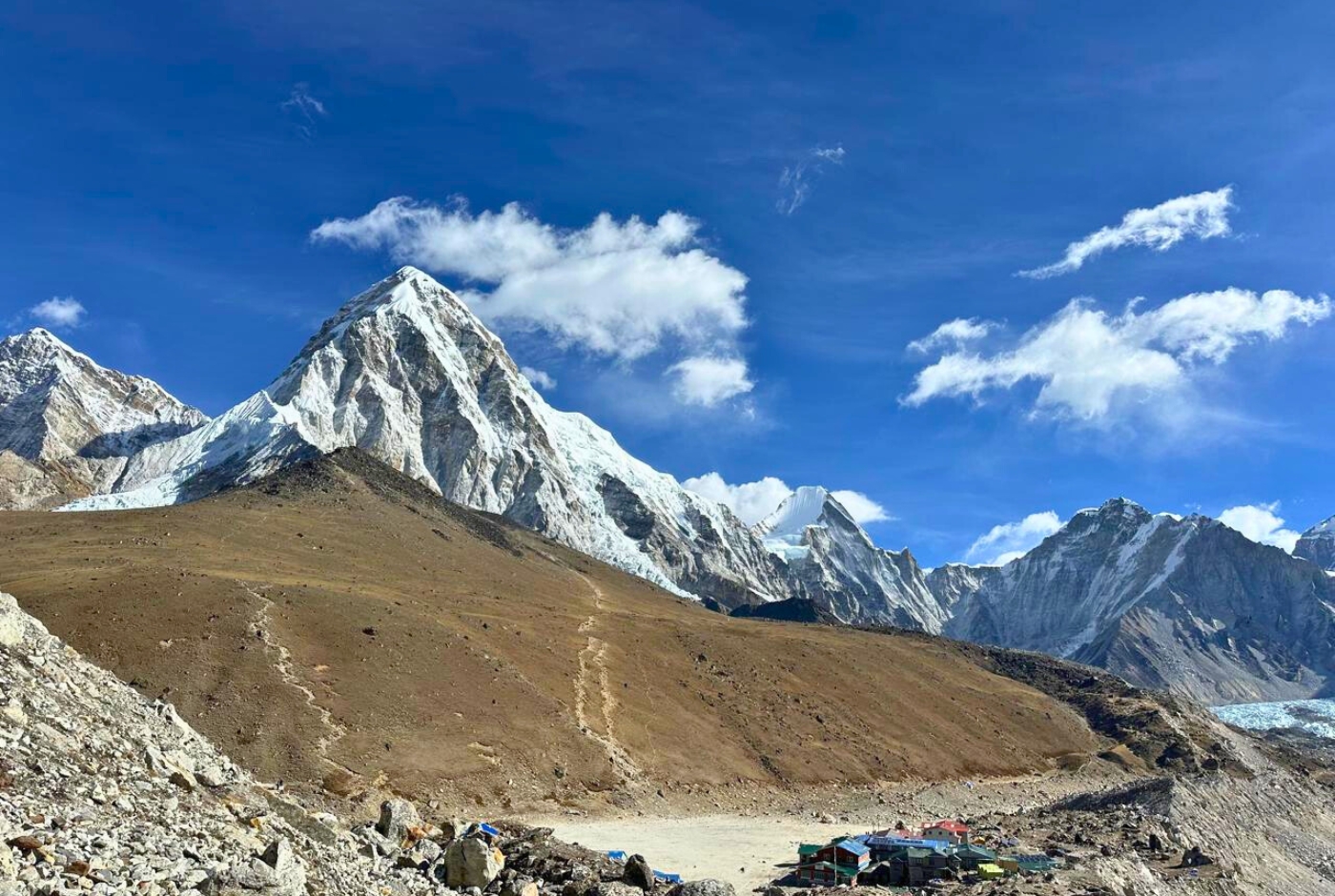
Trekking to EBC is a very doable trip from an affordability point of view if you know where to look and what to do to stay cheap. Of course, the EBC trek can also be a luxury trip if that is what you want.
Package Cost Breakdown
Budget Trek (USD 1,200-1,500)
- Accommodation in basic rooms at teahouse
- Simple meals (dal bhat, noodles)
- Local guide and porter
- Group departure
- Domestic flights (Kathmandu-Lukla-Kathmandu)
Mid-Range Trek (USD 1,500-2,000)
- Better teahouse selection
- More variety in food
- Experienced guide with good English
- group size 6-10 people
- Domestic flights included
Premium Trek (USD 2,000-3,000+)
- Excellent lodges
- Private or small group (2-4 people)
- Senior guide with extensive experience
- Extra safety equipment (oxygen, oximeter)
- Helicopter return option
What's Typically Included:
- Domestic flights (Kathmandu-Lukla-Kathmandu)
- Teahouse accommodation (twin-sharing)
- Three meals daily during trek (breakfast, lunch, dinner)
- Guide and porter services
- Trekking permits
- Airport transfers in Kathmandu
- First aid kit
Additional Costs to Budget:
- International flights: Variable
- Nepal visa: USD 30-50
- Travel insurance: USD 100-200
- Kathmandu hotel (before/after trek): USD 20-100/night
- Personal gear: USD 100-300 (if buying new)
- Gear rental in Kathmandu: USD 50-100
- Hot showers on trek: USD 2-5 each
- Charging devices: USD 1-3 per charge
- Wi-Fi: USD 3-5 per hour
- Snacks and beverages: USD 100-200
- Tips for guide and porter: USD 150-250 (industry standard)
Money Saving Tips
1. Book early: You will get better deals and more options to choose from
2. Travel in the shoulder season: Go in March or November if you want to have cheaper tickets and it's still not as crowded as April/October
3. Go on group treks: It's always cheaper to go in a group than to have a private trek
4. Rent your outdoor gear in Kathmandu: You can save a lot by renting down jackets and sleeping bags instead of buying them
5. Take food from your home: Trail mix and energy bars will cost you less than buying them on the trail
6. Keep it to the essentials: Hot showers and getting online can make your budget explode
ATM and Cash Considerations
- The last dependable ATM is in Namche Bazaar
- You should always carry enough local currency (NPR) to cover your daily expenses and some USD in case of emergencies
- Total daily snacks, drinks and extras budget: USD 10-15
- Tipping: Guide: USD 100-150, Porter: USD 75-100
2026 Price Note: There will be a few price increments in 2026 as a result of inflation and the rise in operational costs.
Nutrition and Hydration Strategy on the Trail
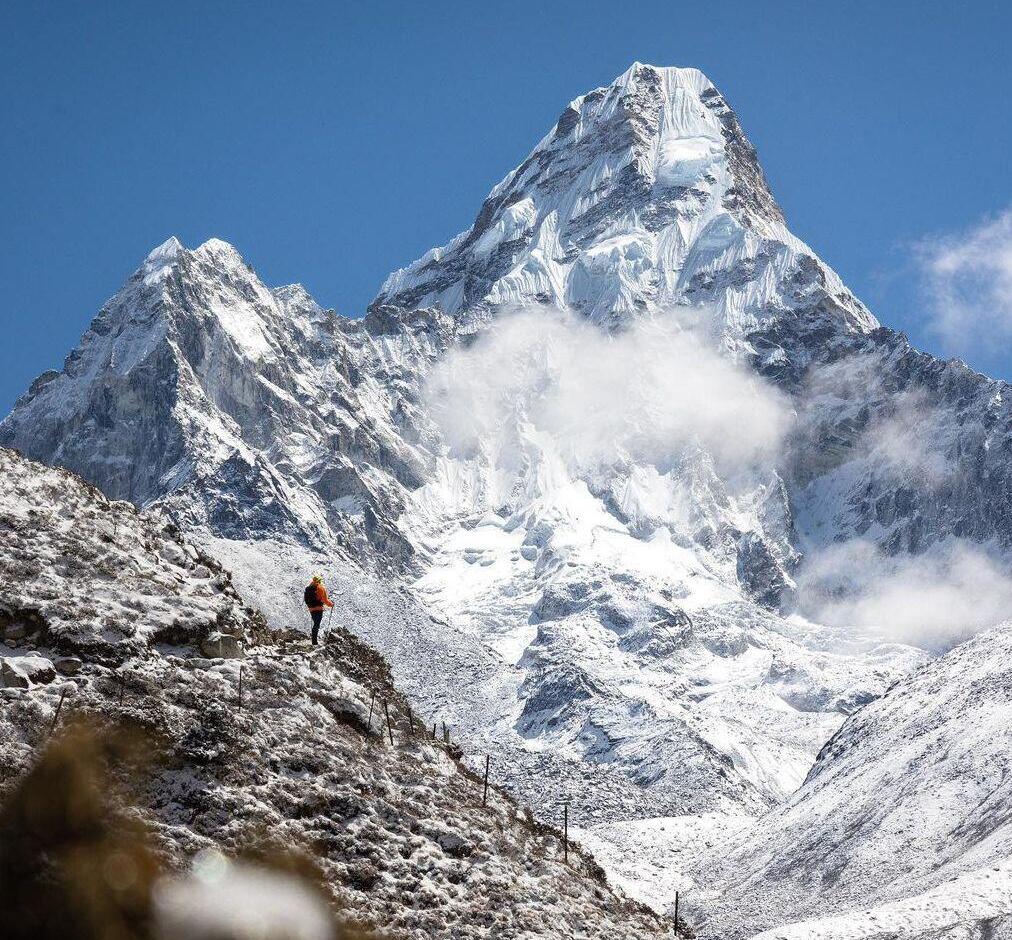
Eating at Altitude
It is quite common for your appetite to reduce as you go higher. Nevertheless, you must take fuel if you want to do the trekking effectively.
Typical Teahouse Menu Options
Breakfast:
- Porridge (highly recommended)
- Eggs (fried, scrambled, omelet)
- Tibetan bread with jam/honey
- Pancakes
- Toast
- Hot drinks (tea, coffee, hot lemon)
Lunch/Dinner:
- Dal Bhat: Rice with lentil soup, vegetables, pickle, the trekker's main fuel (refills are unlimited)
- Fried rice or noodles
- Momos (Tibetan dumplings)
- Pasta dishes
- Pizza (yes, really, though quality varies)
- Soups (garlic soup is famous for providing altitude benefits)
Dal Bhat Power Strategy
There is a well-known saying among trekkers: "Dal bhat power, 24 hour". This classic Nepali dish consists of:
- Complex carbohydrates that provide energy
- Protein sourced from lentils
- Vitamins and minerals from the vegetables
- Usually being accompanied by unlimited refills
- Most cost-effective
Tip: Copy what your guide orders. That is generally the most freshly prepared and therefore the safest option.
Hydration Guidelines
Daily Target: 3-4 liters minimum
Hydration Strategies:
- Start drinking well in advance before thirst hits
- Alternate water with hot lemon or ginger tea
- Check the color of your urine (should be light yellow)
- Don't consume too much caffeine (has a diuretic effect)
- Don't drink alcohol at altitude
Water Sources:
- Filtered/boiled water from teahouses (NPR 100-200 per liter)
- Refill and purify on your own (cheaper, eco-friendly)
- Use tablets, SteriPen, or a filter to always purify
Supplementation and Snacks
Bring from Home:
- Electrolyte powder (Nuun, GU, or similar)
- Energy bars
- Trail mix with nuts and dried fruit
- Jerky
- Chocolate (energy boost and morale!)
Available on Trail:
- Snickers bars (surprisingly available everywhere)
- Pringles
- Cookies and biscuits
- Packaged snacks (at premium prices)
Common Nutritional Mistakes
- Skipping meals: Even without appetite, eat something
- Too much coffee: Stick to 1-2 cups daily
- Relying only on western food: Often not fresh; stick to local dishes
- Undereating carbs: You need them for energy
- Drinking inadequate water: Leading cause of altitude symptoms
Final Thoughts: You're Ready for This
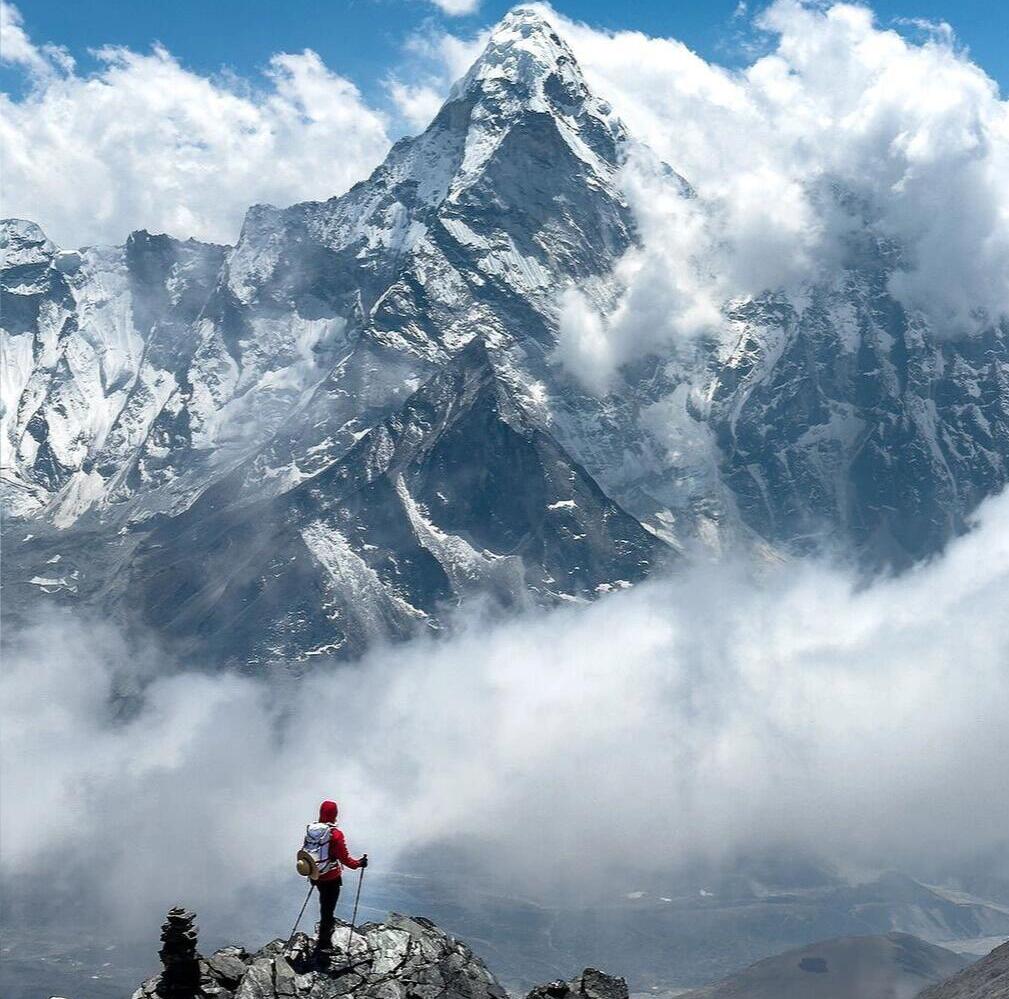
The Everest Base Camp trek in 2026 is not only about a physical challenge but it is a story of personal transformation, experiencing the local culture and the breathtaking natural scenery. To be under the towering peak of the world, amidst the fluttering prayer flags and the friendly Sherpa people, you will get the reason why this trek changes perspectives.
Your Action Plan
6 Months Before:
- Book your trek with a reputable company like Escape Himalaya
- Start training program
- Research and buy gear
- See your doctor for a check-up and talk about Diamox with your doctor
3 Months Before:
- Accelerate training (longer hikes, carrying heavier pack)
- Break-in your boots completely
- Book your international flights
- Get travel insurance
1 Month Before:
- Do the final gear round-up
- Practice packing your bags
- Use Diamox if doctor recommends it
- Mentally prepare and go through your itinerary
1 Week Before:
- Pack and repack (the more you do it the better)
- Get your documents ready and make copies
- Start hydrating
- Get enough sleep
About Escape Himalaya
Escape Himalaya is a premier trekking company based in Nepal, specializing in authentic Himalayan adventures. With experienced local guides, sustainable practices, and a track record of successful treks, we're committed to making your Everest Base Camp dream a safe, enriching, and unforgettable reality.
Why Pick Escape Himalaya?
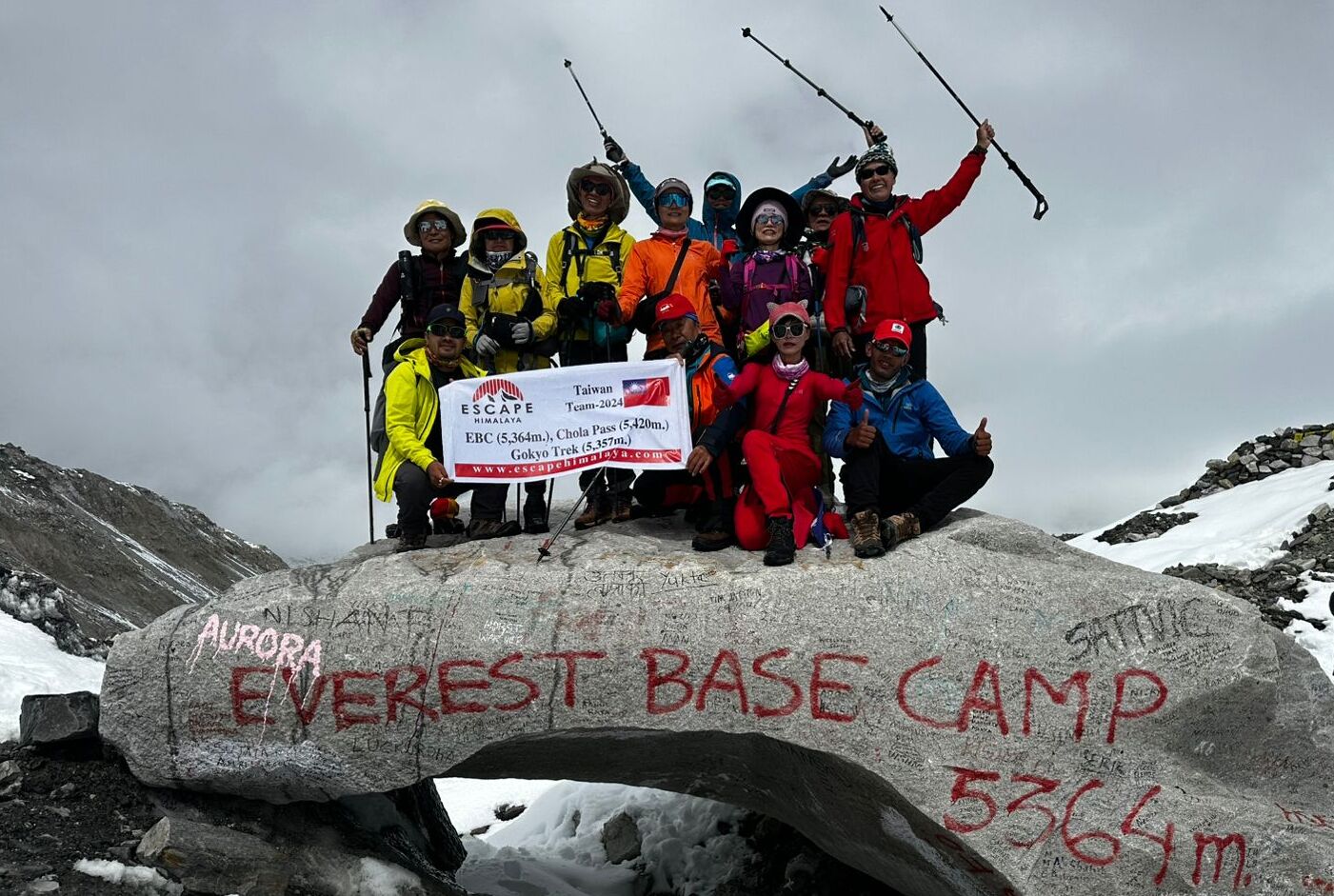
Everest Base Camp trekking, being that it was more than a trip for you at least, is probably a dream that you have been nurturing for years, right? Experienced Sherpa guides who work with us, well-thought-out travel schedules, along with an uncompromising attitude towards safety and sustainability, have all been kept in mind to make sure your experience is not a mere success, but a breakthrough.
Features of Our Services:
- Local knowledge combined with international standards
- Limited group sizes to ensure personalized care
- Extensive safety measures and readiness for emergency situations
- Trekking conduct that is respectful towards the natural environment
- Explanatory pricing without any concealed charges
- Round-the-clock backing before, during, and after your trek
Want Everest to Be Your 2026 Destination?
The call of mountains is constant. Your preparations ought to commence right now. Every one of your training sessions is a step closer to the giant of the world, Mt. Everest. Not only are the sceneries very spectacular, but the whole trekking experience can also change your life completely, hence, it is definitely doable if you are well-prepared.
Head over to us to check out our 2026 Everest Base Camp trek packages or get in touch with our staff if you need a more personalized plan or help with booking.
It is your Everest trip that is on standby. Together, we can turn it into a reality.