
Standing at the foot of Mount Everest has long been a dream for adventurers worldwide. The Trek to Everest Base Camp Trek packages allow you to experience this once-in-a-lifetime moment. Besides the world-renowned destination, this trek also brings you through the beautiful Himalayan valleys, the colorful Sherpa villages, and the old Buddhist monasteries. This thorough guide will take you step by step through your 14-day journey to 5,364 meters, the base of the highest mountain on Earth.
Why Choose the Everest Base Camp Trek?
Everest Base Camp Trek to Mount Everest means less of a mere walk in the mountains. In fact, that adventure will plunge you deep into the village of Nepal's Khumbu, home of the Sherpa people, who have survived for centuries in one of the most difficult natural environments on Earth. You will trace the very historic trail that was taken by Sir Edmund Hillary and Tenzing Norgay on their world-famous first ascent of Mount Everest in 1953.
What Makes This Trek Special
Trekking to Everest Base Camp is not just about a hike in the mountains. It allows you to discover Nepal's Khumbu Valley, home of the Sherpa people who have lived for centuries in one of the most difficult places on Earth. Your trail will be the same one used by Sir Edmund Hillary and Tenzing Norgay for their historic first ascent of Everest in 1953.
The adventure starts with a thrilling flight to Lukla Airport that is known as one of the most exciting mountain landings in the world. From Lukla, you will be hiking through changing landscapes every day:
- the trek goes through dense pine forest
- then it ascends to alpine meadows
- finally, you will be walking on rocky high-altitude terrain with glaciers and massive peaks surrounding you
During the hike you will experience an amazing variety of flora and fauna in Sagarmatha National Park that is a world heritage site as declared by UNESCO.
You will trek across suspension bridges hanging over fast glacial rivers, pass by prayers flags of different colors that are tied to the trees and move gently in the mountain breeze, see yaks loaded with goods going to the remote villages. The sounds that will accompany you throughout the whole trip will be the yak bells, the boots on the stones, and the wind playing among the peaks.
More than the scenery, it is the contact with the local culture that makes this trek so memorable. In every stop, you will stay in a teahouse that is run by a local Sherpa family and who will give you a warm welcome.
Trek Highlights: What You'll Experience
- Get to Everest Base Camp (EBC) at 5,364 meters and look up to the world's highest mountain; see the giant Khumbu Icefall and the glacier where climbers start their summit ascents
- Climb Kala Patthar (5,645 m) for sunrise and see the unbeatable view of Mount Everest's peak, also Lhotse, Nuptse, Pumori and many other Himalayan giants which will be just a sea of golden light
- Walk in Sagarmatha National Park which is a UNESCO World Heritage Site where you will see changing sceneries from dense rhododendron forests and alpine meadows to harsh barren high-altitude terrain with glaciers and moraines
- Go to Tengboche Monastery which is at an altitude of 3,860 meters and the spiritual center of the Khumbu region. Here, enjoying the sight of the Buddhist monks who are doing their evening prayers right in front of the majestic north face of Ama Dablam could very well make your day
- Get into the daily lives of the Sherpas by living in Sherpa traditional local tea houses, run by families, visiting the busy trading center town of Namche Bazaar, and getting to learn about the mountain people's age-old traditions and warm hospitality
- Feel thrill by crossing hanging bridges over melting snowbanks causing river with their stream, m passing along colorful prayer flags which are fluttering at mountain winds, and seeing yak caravans with goods heading to remote villages via ancient trading routes
- To have a safe and effective acclimatization, there will be two days for this at Namche Bazaar and Dingboche so that you can have a half-day hike to Everest View Hotel and Nangkartshang Peak, get the areas' stunning views and unforget the experience of the mountain scenery
Route Map
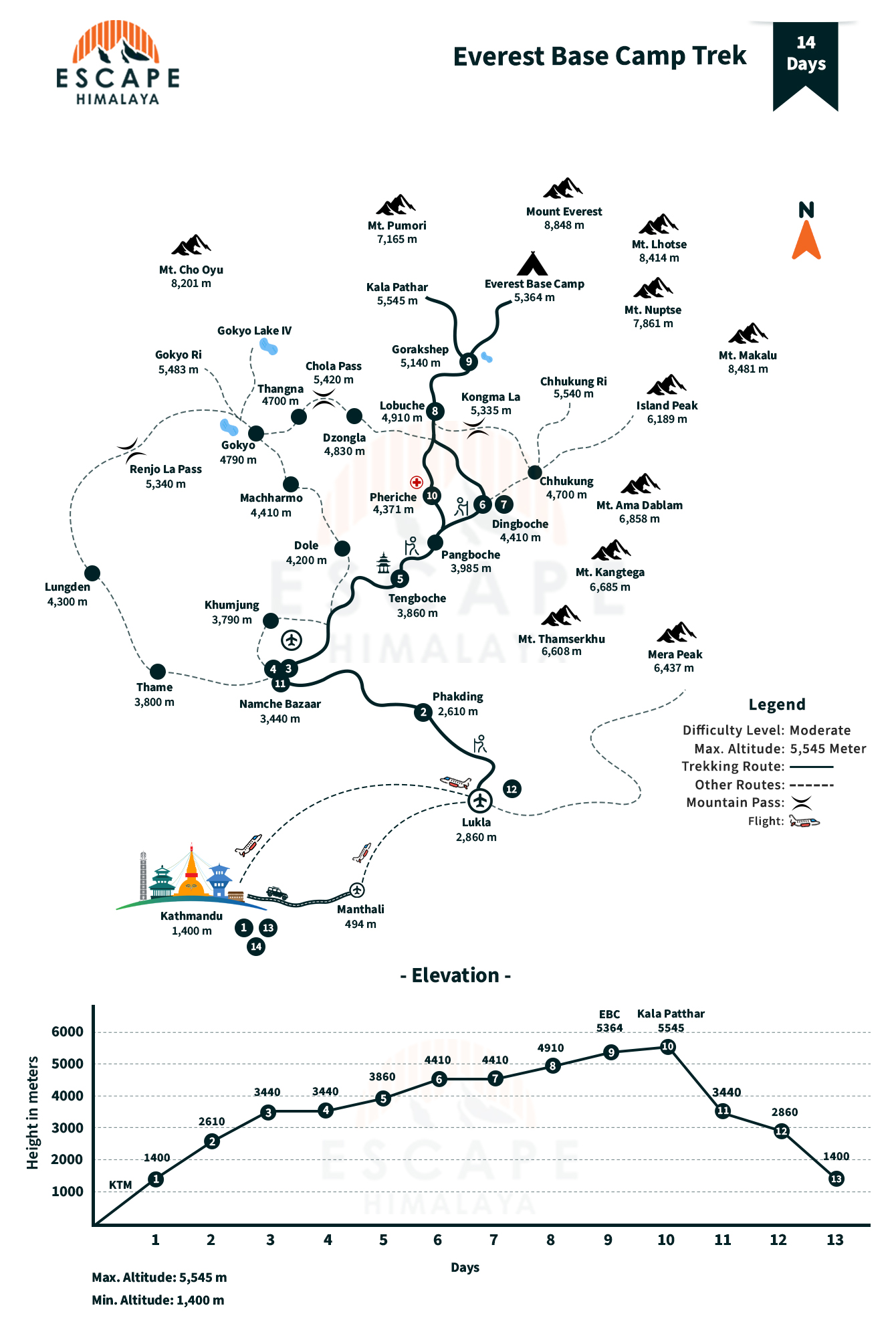
The trek to Everest Base Camp is a typical in-and-out route via the Khumbu Valley. The trip starts at Lukla (2,860m) and the path slowly goes up passing through Namche Bazaar (3,440m), Tengboche (3,860m), Dingboche (4,410m), and Lobuche (4,910m) before reaching Gorak Shep (5,164m). At Gorak Shep, you get to visit Everest Base Camp (5,364m) and Kala Patthar (5,645m) before heading down on the same track back to Lukla.
The slow elevation increment and the two acclimatization days inserted into the schedule help your body to adjust naturally to the lowering oxygen levels. The "climb high, sleep low" principle on acclimatization days is the key factor that helps in avoiding altitude sickness.
OUTLINE ITINERARY
Day 01: Arrive At Tribhuwan International Airport, Kathmandu
Day 02: Fly To Lukla and Trek to Phakding (2,652m/8,699ft), Walking Distance - 8 km, Duration - 3 hours
Day 03: Phakding To Namche Bazaar (3,440m/11,283ft), Walking Distance - 12 km, Duration - 6 hours
Day 04:Acclimatization Day at Namche Bazaar - Hike To Everest View Hotel (3,880m) - 3-4km, 2 hours
Day 05:Trek To Tengboche (3,860m/12,660ft), Walking Distance - 11 km, Duration - 5 hours
Day 06:Tengboche To Dingboche (4,410m/14,464ft), Walking Distance - 12 km, Duration - 5 hours
Day 07:Acclimatization Day at Dingboche - Hike to Nangkartshang Peak (5,083m/16,676ft) and back, Walking Distance - 6 km, Duration - 5 hours
Day 08:Trek To Lobuche (4,910m/16,105ft), Walking Distance - 12 km, Duration - 5 hours
Day 09:Trek To Gorak Shep (5,181m/16,994ft) - Hike to Everest Base Camp (5,364m/17,594ft) and back, Walking Distance - 15 km, Duration - 8 hours
Day 10:Hike To Kala Patthar (5,545m/18,188ft) & Trek to Pheriche (4,210m/13,809ft), Walking Distance - 13 km, Duration - 7 hours
Day 11:Trek To Namche (3,440m/11,283ft), Walking Distance - 15 km, Duration - 7 hours
Day 12:Trek To Lukla (2,800m/9,184ft), Walking Distance - 19 km, Duration - 7 hours
Day 13:Flight From Lukla To Kathmandu
Day 14:Farewell
Everest Base Camp 14 Day Detailed Itinerary
Day 1: Arrival in Kathmandu (1,355m)
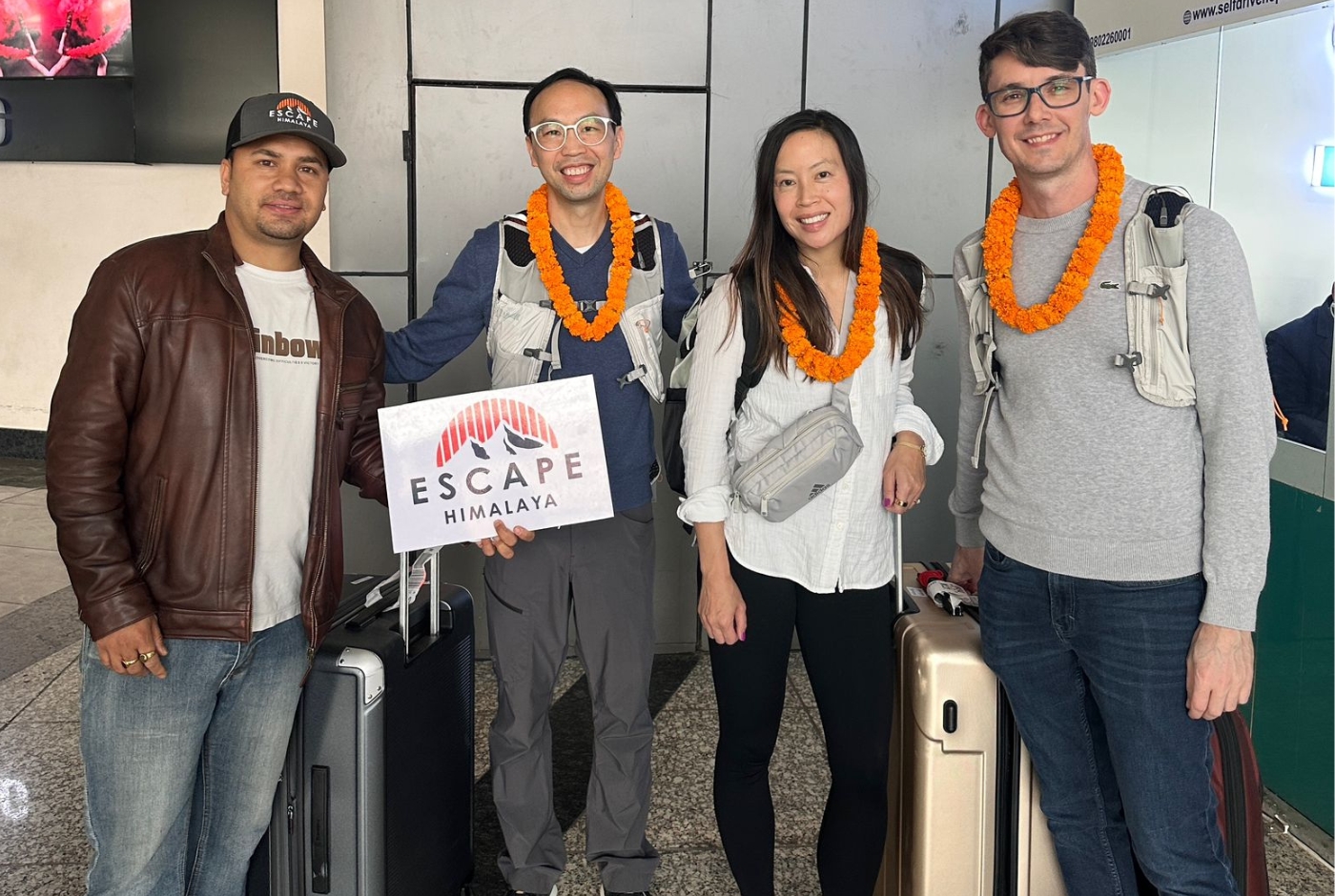
Upon arrival at Tribhuvan International Airport, your Everest expedition is officially set to begin. A representative of Escape Himalaya will be there to pick you up at the arrivals area holding a company sign and then you will be taken to your hotel in Thamel area. The car ride will show you the first view of Kathmandu's lively street life.
After the check-in, you are allowed to have a free day to rest and get over the jetlag. If you still have the energy, take a walk around the winding lanes of Thamel which are packed with trekking shops, eateries, and temples. Tonight, your trek leader will give a pre-trip briefing, during which you will be handed your duffel bag, down jacket, and sleeping bag and the trek leader will explain the coming journey.
Accommodation: 3-star hotel in Kathmandu
Meals: Welcome dinner included
Day 2: Flight to Lukla (2,860m) and Trek to Phakding (2,610m)
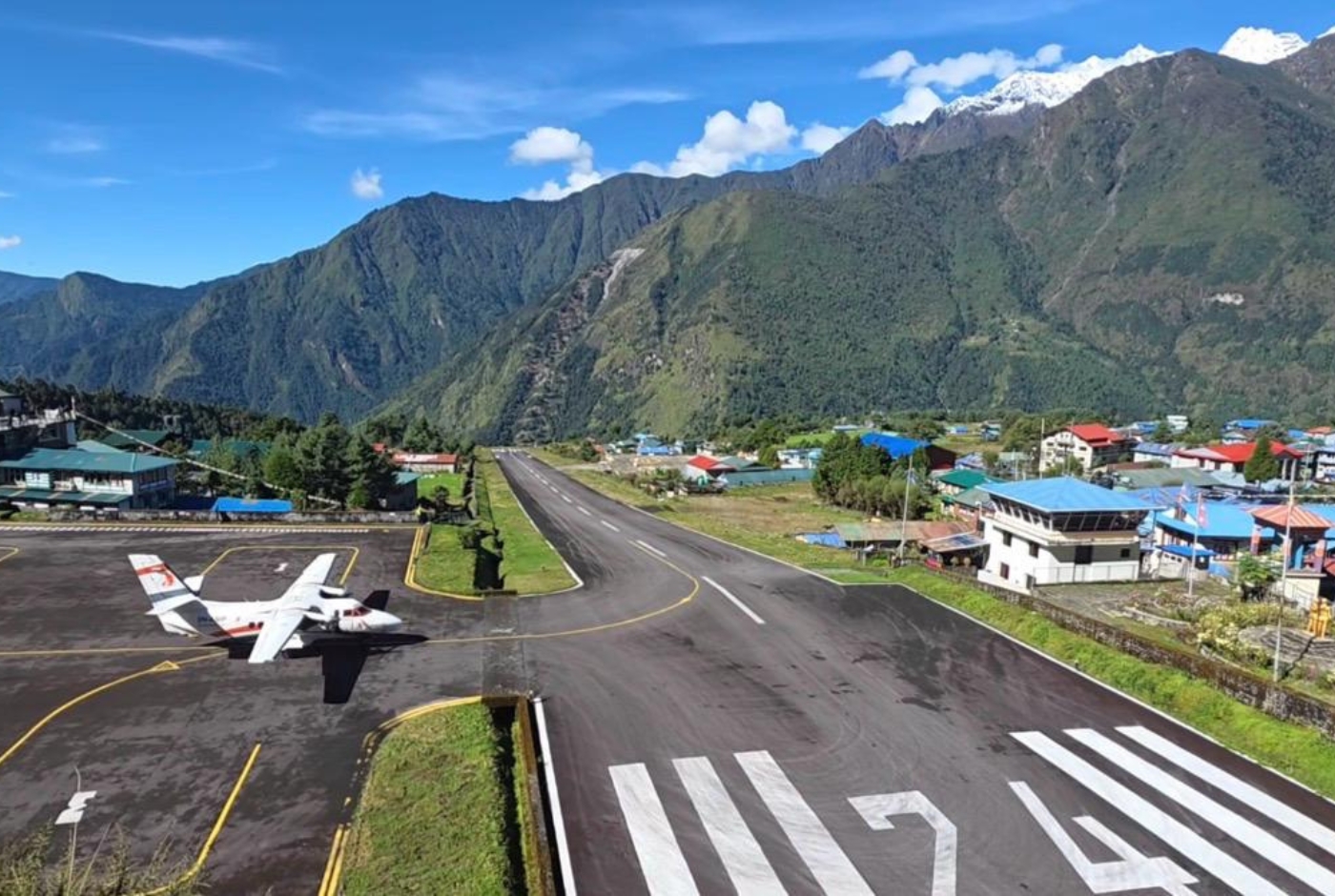
Wake up early for the mountain flight that will take you to Lukla. If you travel during the peak season (March-May, October-November), you might start your journey from Ramechhap after a 4-5 hour pre-dawn drive. The 25-30 minute flight offers stunning aerial views of terraced hillsides and snow-capped peaks.
Getting off the plane at Tenzing-Hillary is considered to be one of the world's most exciting aviation experiences. At the same time, you will meet your porter team and have breakfast before getting on the trail to the Dudh Koshi River. The well-maintained path leads you first down into a pine forest, then to a small Sherpa village.
The trail climbs to the top of a mountain ridge with great views of the river on your right side and the lovely forest on your left side. You'll cross several suspension bridges decorated with prayer flags, and then you'll get to the quiet riverside village of Phakding, where you will be staying your first night in the mountains.
Trekking Time: 3-4 hours
Distance: Approximately 8 kilometers
Accommodation: Teahouse lodge
Meals: Breakfast, lunch, dinner
Day 3: Trek to Namche Bazaar (3,440m)
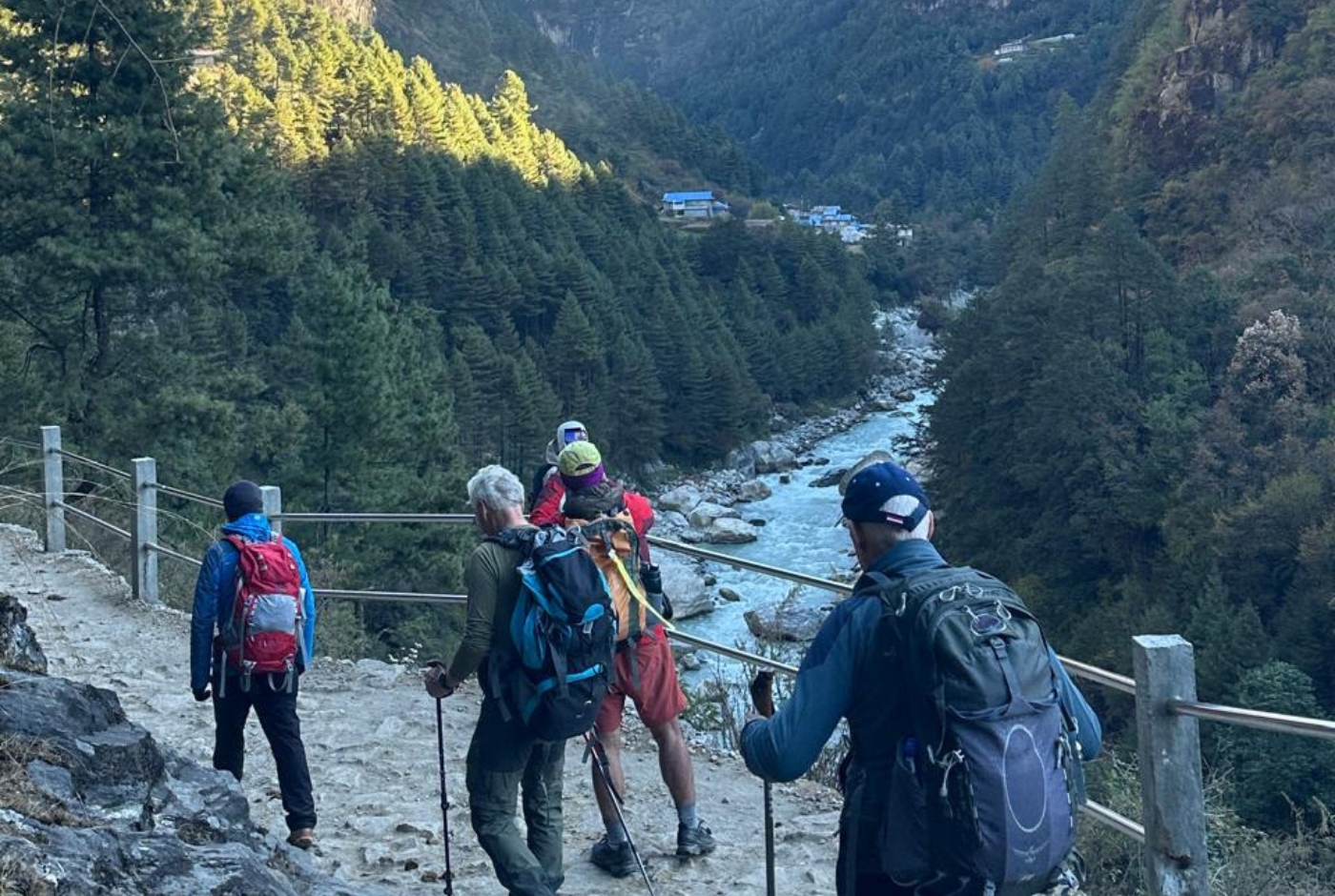
Today is the day of your first major altitude increase when going to Namche Bazaar from which you set off. The route goes alongside the Dudh Koshi which is surrounded by blue pine and rhododendron woods. The river is crossed several times on thrilling suspension bridges.
After a permit check at Monjo, the entry point to Sagarmatha National Park, you'll cross the famous Hillary Bridge over a deep gorge. The steep climb that follows will test your endurance but will give you a first look at the towering Everest, Lhotse, and the sacred peak Thamserku.
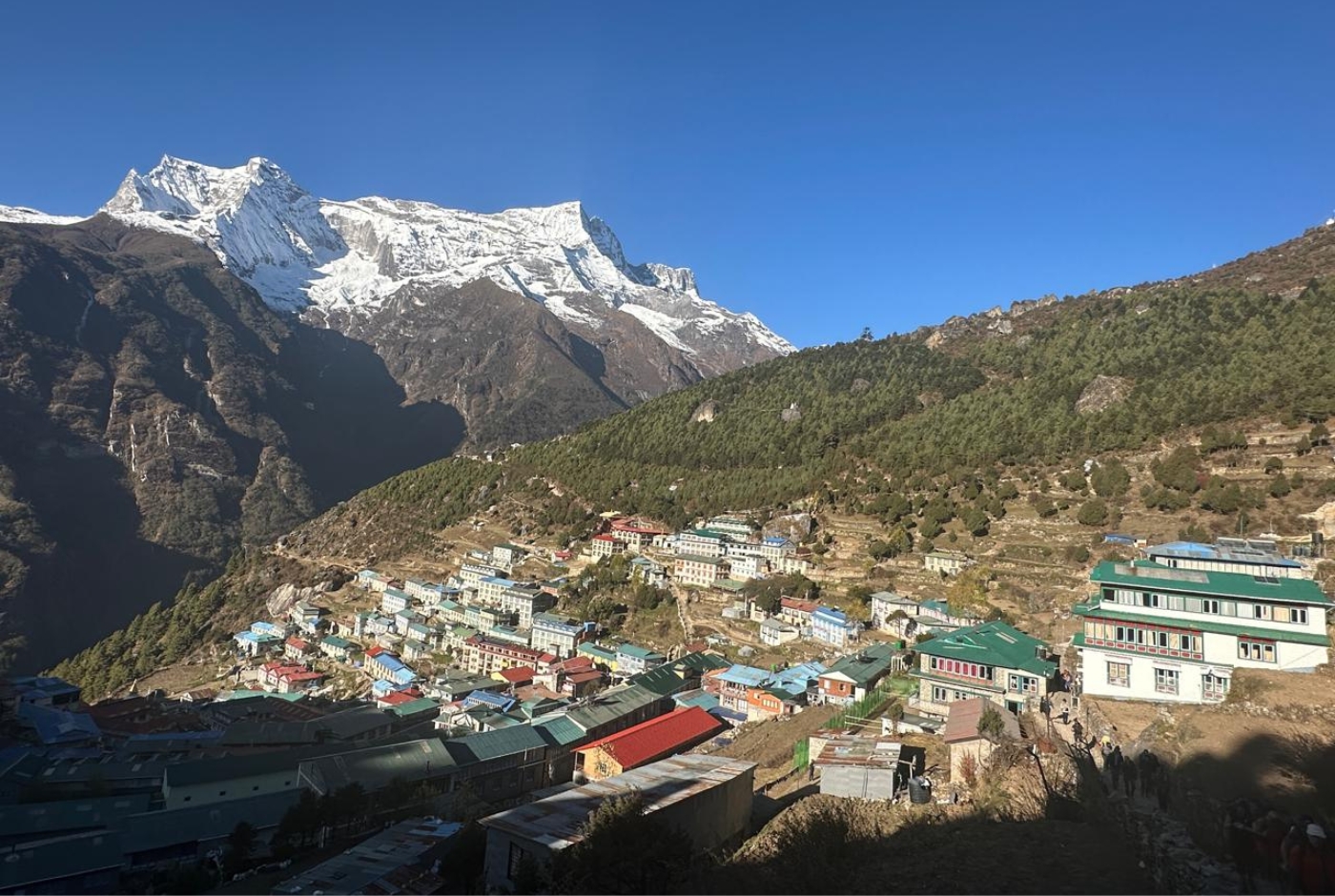
When you round the corner, Namche Bazaar comes into view- a town in a horseshoe shape, colorful buildings clinging to the mountainside. This lively trading hub has bakeries, restaurants, sporting shops, and breathtaking mountain scenery.
Trekking Time: 5-6 hours
Distance: 12 kilometers
Maximum Elevation: 3,440m
Accommodation: Teahouse lodge
Meals: Breakfast, lunch, dinner
Day 4: Acclimatization Day in Namche Bazaar
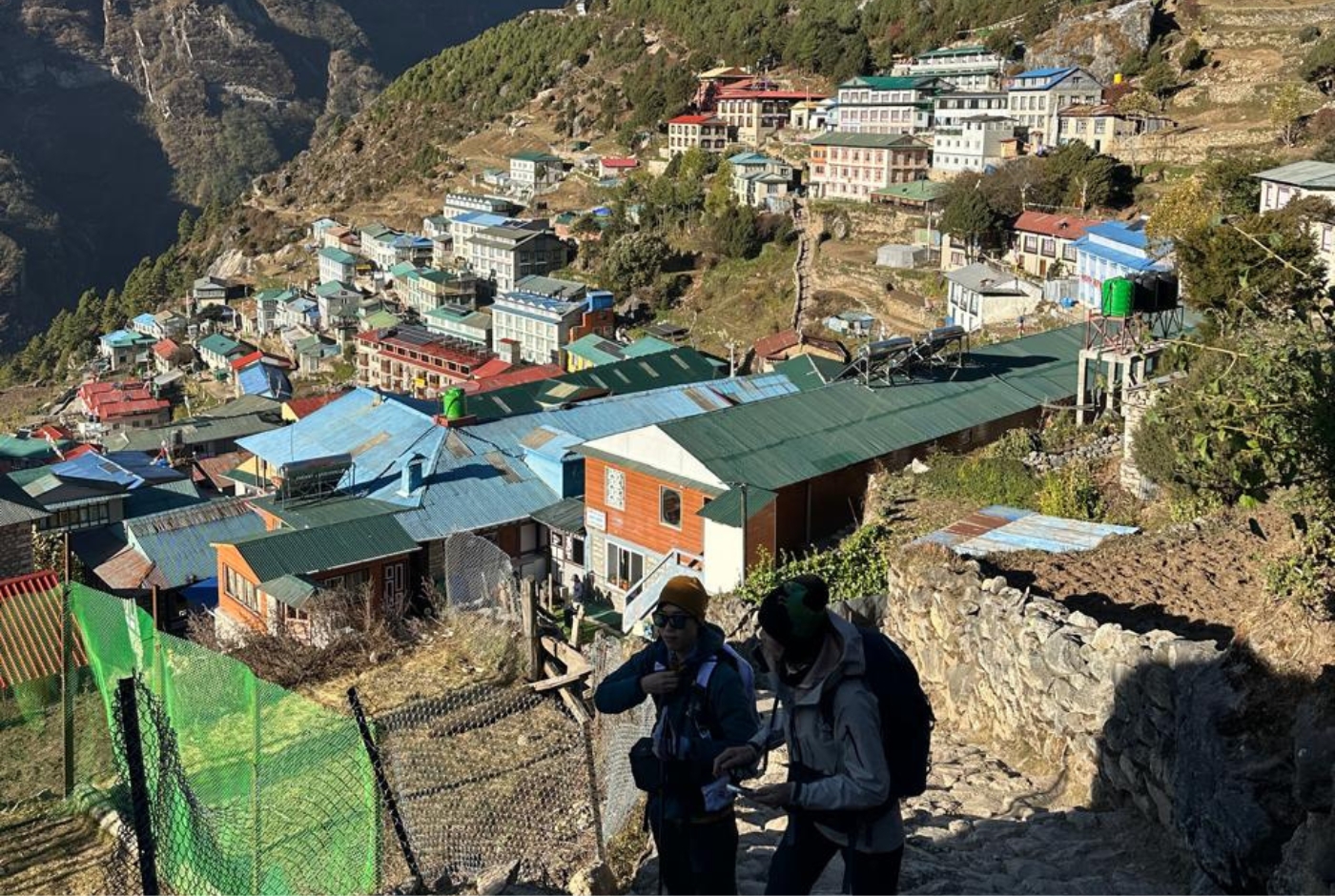
Instead of fully resting, you will ascend to a higher point to help your body get accustomed to the altitude. Typically, an acclimatization walk goes up to Everest View Hotel (3,880m) which provides breathtaking views of Everest, Lhotse, Nuptse, and Ama Dablam.
Hillary School and the monastery housing a supposed yeti scalp are the main attractions in Khumjung village where many trekkers continue on after Namche Thangna. The trail passes through juniper and rhododendron forests and the mountain views get more and more spectacular with each step.
By the time you get back to Namche in the afternoon, you are free to check out the town's markets, visit the Sherpa Culture Museum, or just hang out in a bakery while your body adjusts to the altitude.
Hiking Time: 3-4 hours
Distance: 6-8 kilometers
Maximum Elevation: 3,880m
Accommodation: Teahouse lodge
Meals: Breakfast, lunch, dinner
Day 5: Trek to Tengboche (3,860m)
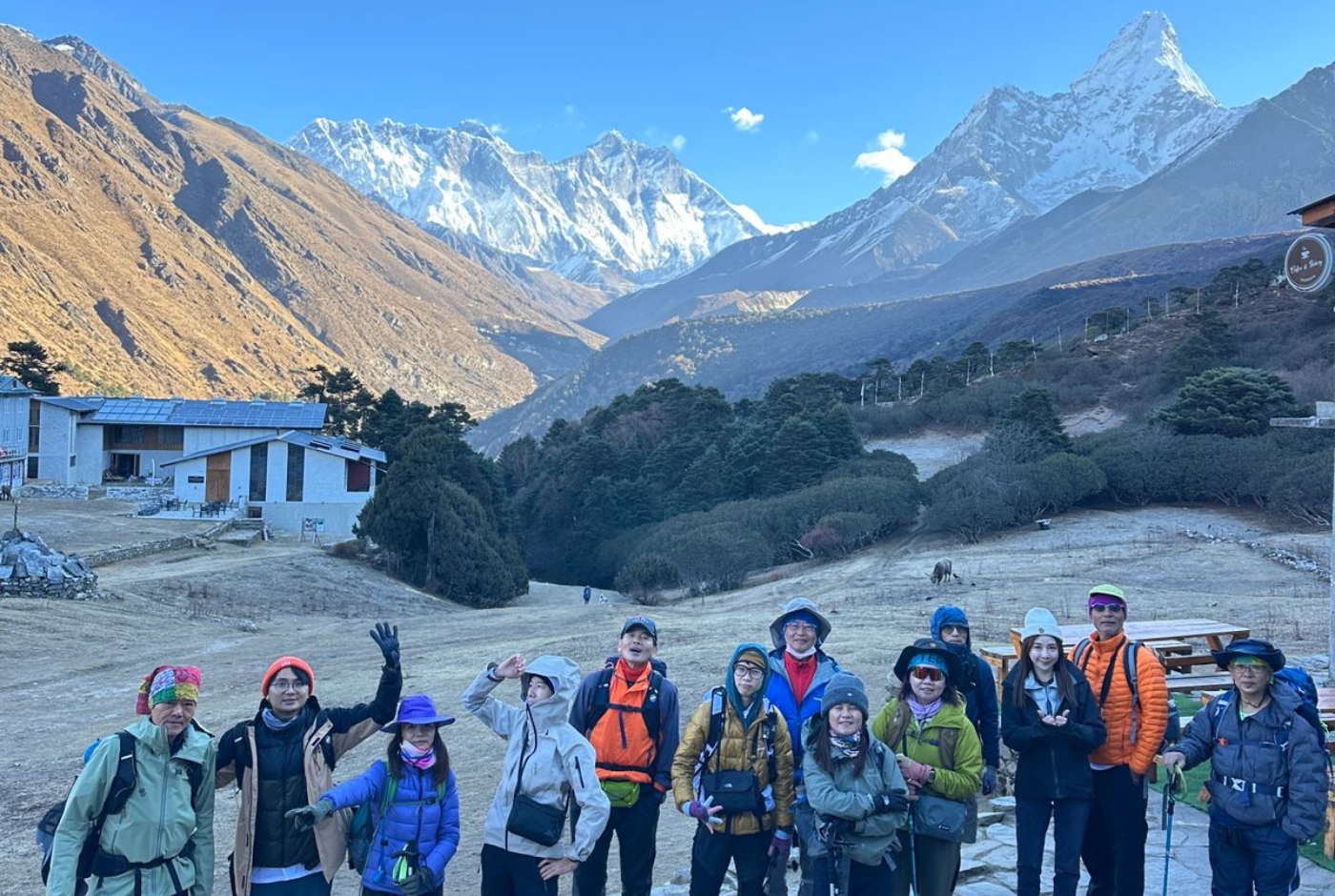
When you leave Namche, you first go down through rhododendron and magnolia forests to Phunki Tenga where you have lunch. After that, the trail goes up gradually through the alpine forest and the views of Ama Dablam get more and more spectacular with every step.
The top of the climb has Tengboche Monastery, a place of worship with the largest gompa in the Khumbu region. This Buddhist monastery is still functioning and is situated very dramatically below the towering face of Ama Dablam. If you get there before 3 PM, you may also sit in on the monks' evening prayer ceremony, a profoundly memorable cultural event.
The monastery's siting affords panoramic views of the mountain range all around, which are especially beautiful at sunset when the alpenglow colors the peaks in golden and pinkish hues.
Trekking Time: 5-6 hours
Distance: 11 kilometers
Maximum Elevation: 3,860m
Accommodation: Teahouse lodge
Meals: Breakfast, lunch, dinner
Day 6: Trek to Dingboche (4,410m)
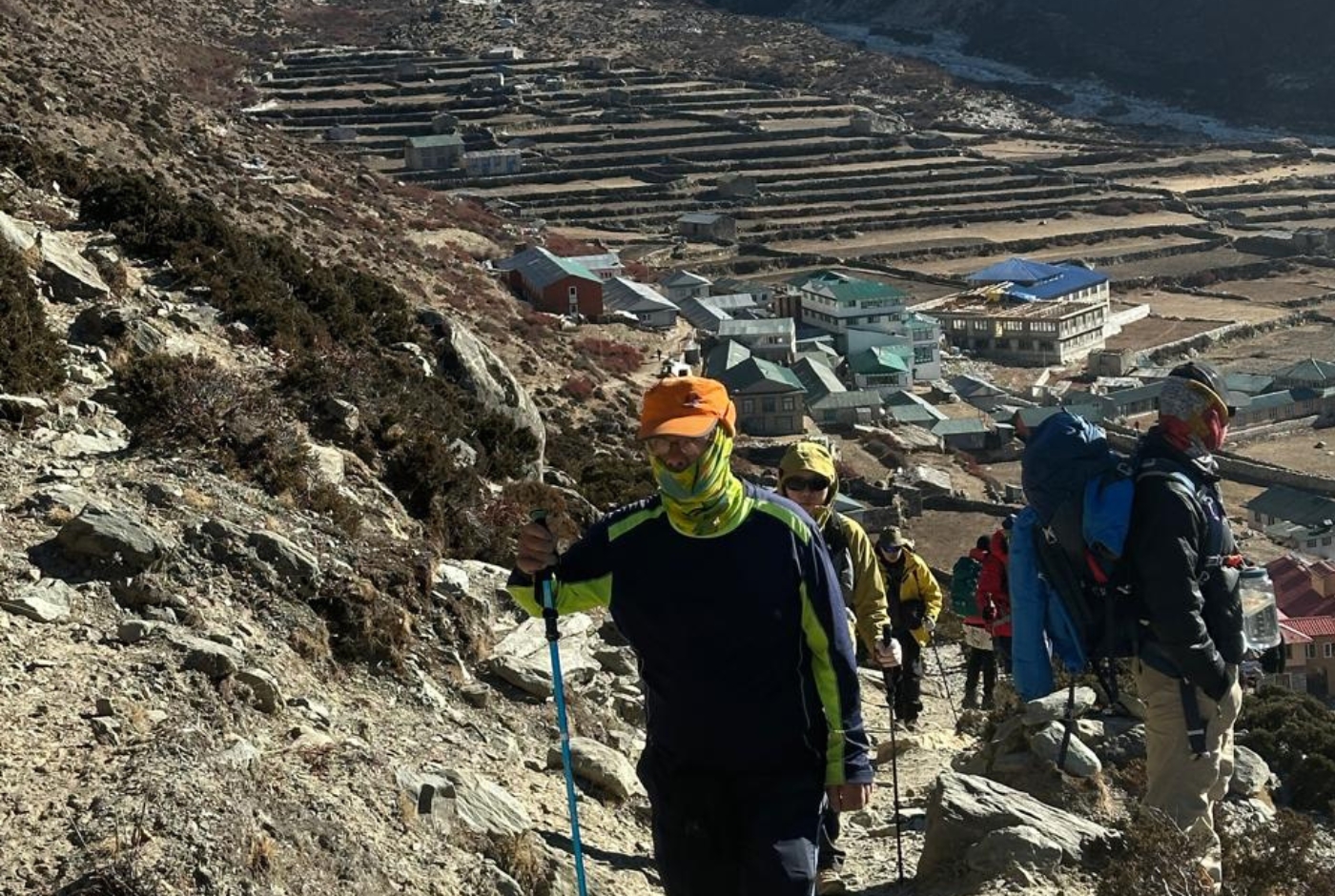
Today's hike goes above the tree line and you reach open alpine country. Afterward, you come down to Deboche, cross the Imja Khola river on a suspension bridge, and go through Pangboche, which is where one of the region's oldest monasteries is located.
The scenery gets more and more dramatic as you head up the Imja Valley. Stone walls surround the fields where hardy crops such as potatoes and barley are grown in the short summer season. Dingboche is situated in a hollow and looks like a small collection of stone lodges enclosed by protective ridges.
The place has a great view of the huge south face of Lhotse, Island Peak, and Ama Dablam. At this height, the air will be a lot thinner, and you can even taste it.
Trekking Time: 5-6 hours
Distance: 12 kilometers
Maximum Elevation: 4,410m
Accommodation: Teahouse lodge
Meals: Breakfast, lunch, dinner
Day 7: Acclimatization Day - Hike to Nangkartshang Peak (5,083m)
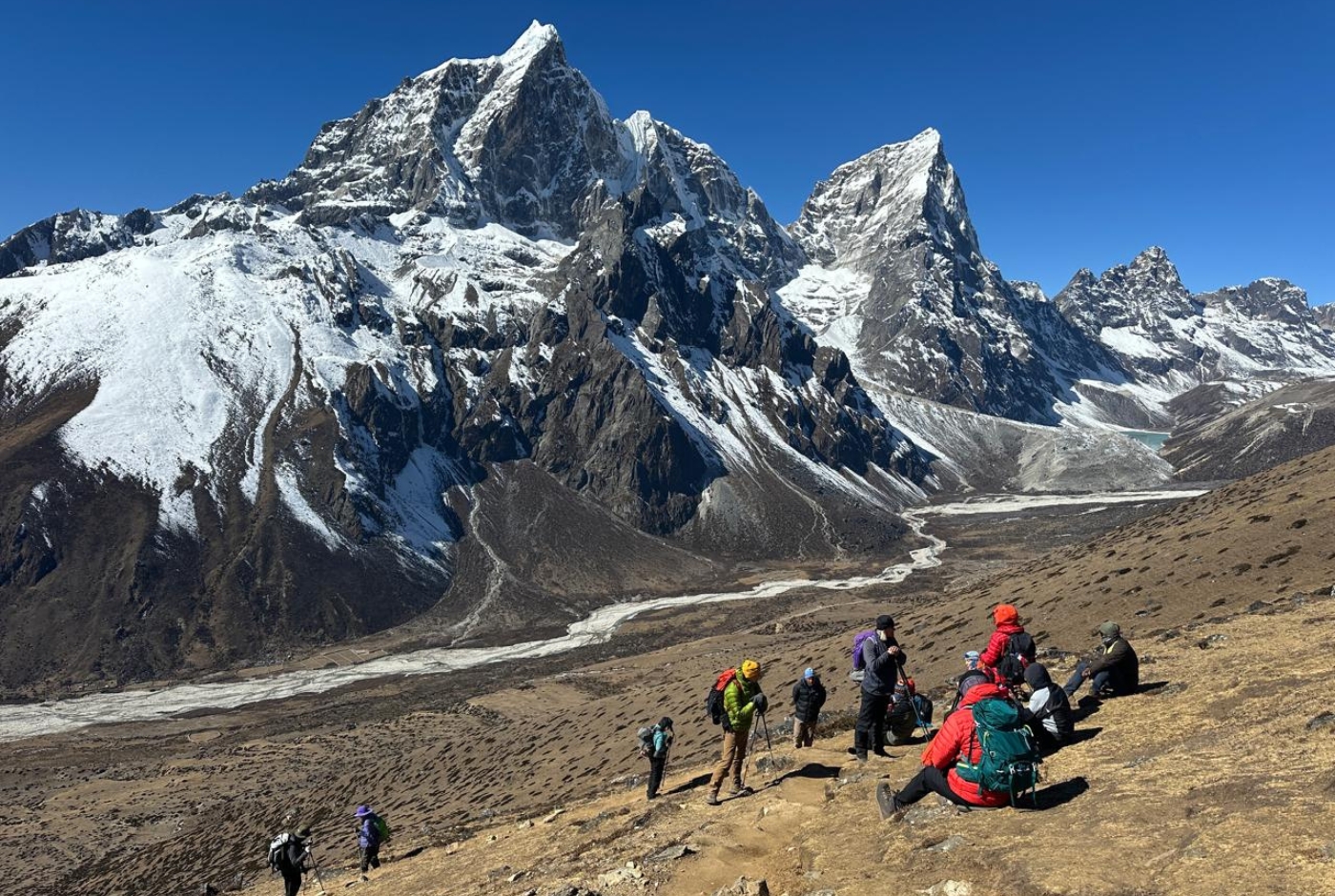
You can count on a hard yet exciting hike to Nangkartshang Peak for your second day of acclimatization. The path is steep and goes up 670 meters above Dingboche. The whole trip will take 5-6 hours.
The top of the peak offers you a spectacular view of 360 degrees, including the world's fifth-highest peak, Makalu, Lhotse, Cho Oyu, and many other great giants of the Himalayas. This is the only place on the EBC standard trek where you can see Makalu.
The physical activity at high altitude promotes your body's production of red blood cells, which is very important for acclimatization to less and less oxygen. After coming down to Dingboche for lunch you can take a rest and get ready for the next higher altitudes.
Hiking Time: 5-6 hours
Distance: 8-10 kilometers
Maximum Elevation: 5,083m
Accommodation: Teahouse lodge
Meals: Breakfast, lunch, dinner
Day 8: Trek to Lobuche (4,910m)
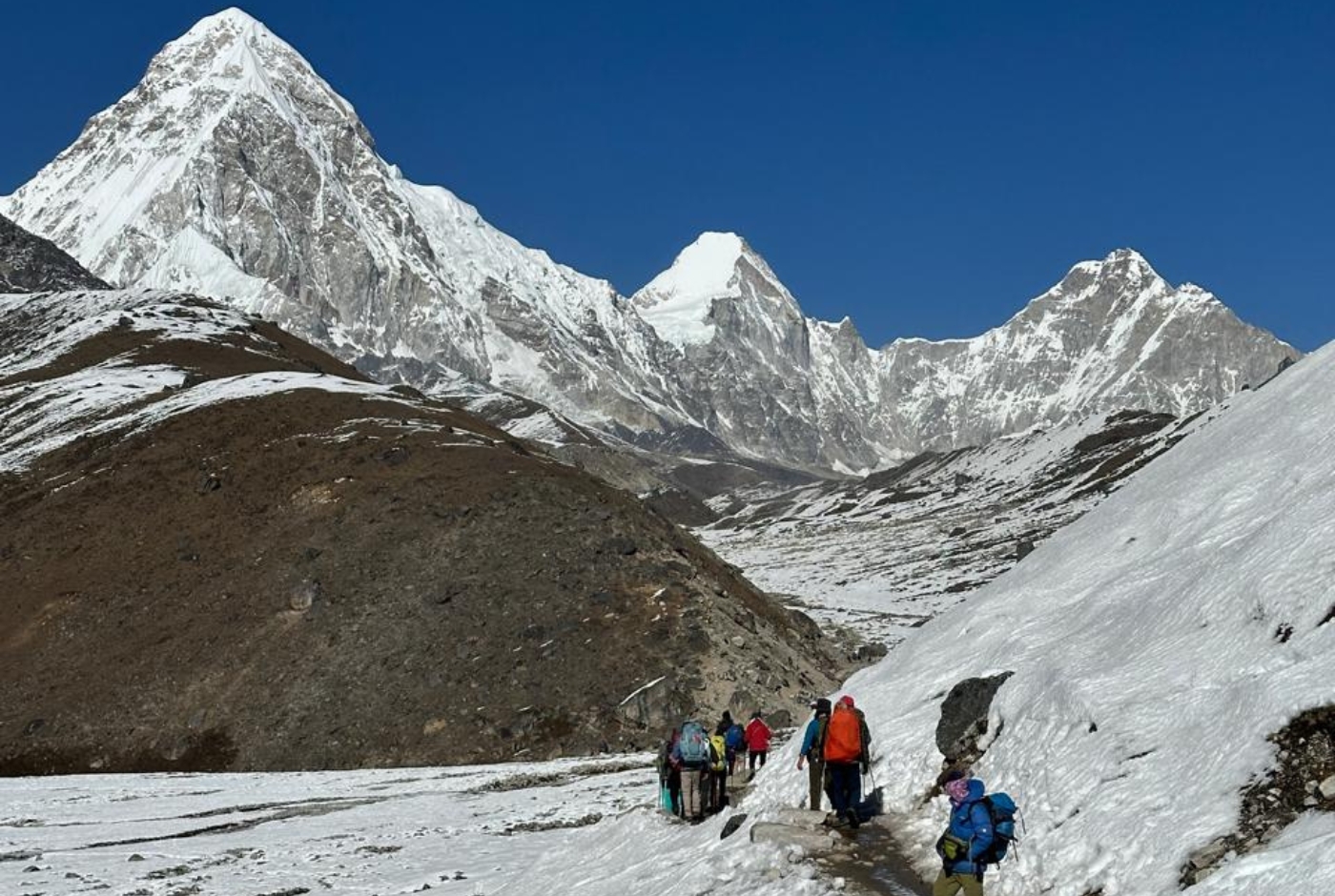
The path is going up gently through Dughla leading the terminal moraine of the Khumbu Glacier. Immediately after lunch you will have a difficult climb to Thukla Pass which is decorated with memorial pies and stones of climbers who died on Everest and neighboring peaks
The scene is comforting to the mountain power and the risks faced by high-altitude mountaineers. Before continuing along the rocky lateral moraine take a moment to pay your respects.
The town of Lobuche is in a very cold and windy place near the giant mountains. The thin air and harsh terrain give you an idea of the very harsh environment you will see tomorrow at Everest Base Camp.
Trekking Time: 5-6 hours
Distance: 12 kilometers
Maximum Elevation: 4,910m
Accommodation: Teahouse lodge
Meals: Breakfast, lunch, dinner
Day 9: Trek to Everest Base Camp (5,364m) via Gorak Shep (5,164m)
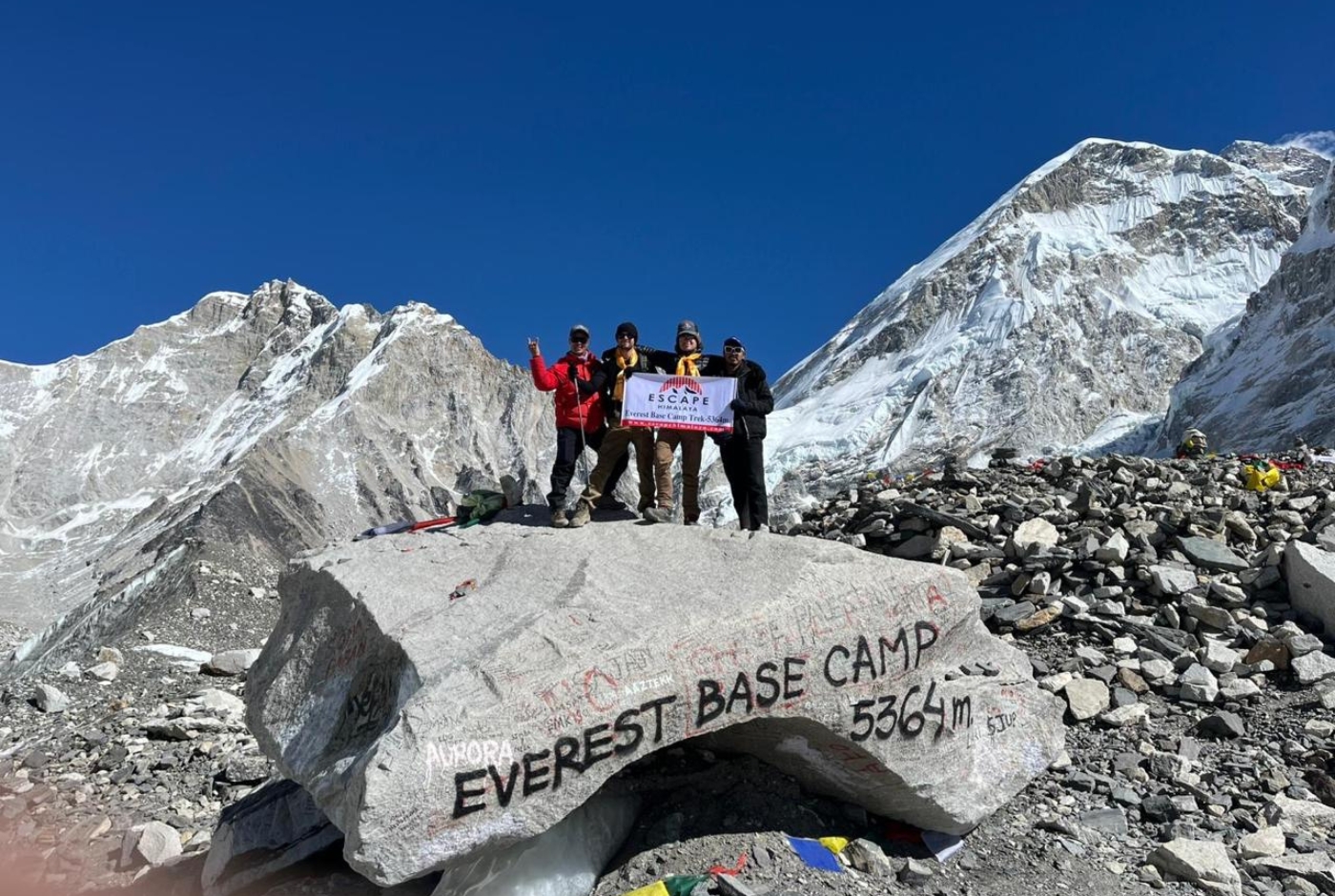
Today is the day you make your dream of getting to Everest Base Camp a reality! You start the day with a slow ascent to Gorak Shep, which is the last village before base camp. Once you have dropped your bags at your lodge and had lunch, you go on to EBC.
The path turns more rocky and difficult as you follow the edge of the Khumbu Glacier. Prayer flags indicate the location of Everest Base Camp, where you will be at an altitude of 5,364 meters and will be surrounded by the enormous Khumbu Icefall and gigantic peaks.
If you happen to be there in the climbing season, (April-May), there is a chance of seeing mountaineers at the base camp who are getting ready for summit attempts, thus, the atmosphere becomes very special. Don't forget to take some time to enjoy the moment before coming back to Gorak Shep for overnight stay.
Trekking Time: 7-8 hours
Distance: 15 kilometers
Maximum Elevation: 5,364m
Accommodation: Teahouse lodge at Gorak Shep
Meals: Breakfast, lunch, dinner
Day 10: Sunrise Hike to Kala Patthar (5,645m), Descend to Pheriche (4,240m)
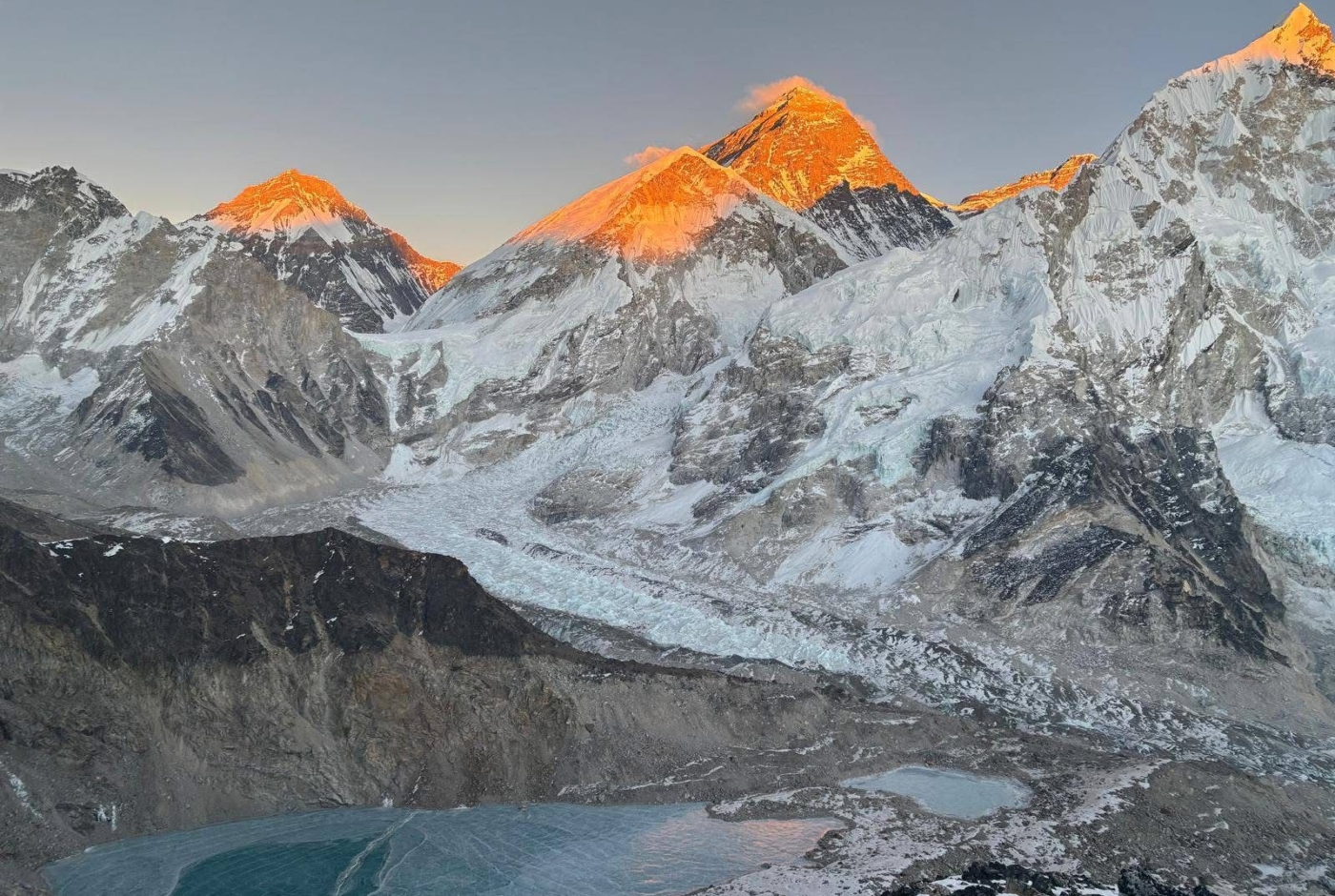
Get up before sunrise (about 4:30 AM) for the tough climb up to Kala Patthar, which means "black rock" in Nepali. This is the place of the trek's highest altitude and the spot from which you get the best views of Mount Everest's peak.
It is a truly unforgettable experience to see the sunrise lighting up the peak of Everest. The golden sunlight changes the snow and ice into amazing shades of orange and pink. At that moment, you can spot Everest, Nuptse, Pumori, and the whole Khumbu Valley right there at your feet.
You first go down to Gorak Shep for breakfast and then you start the long walk back to Pheriche. The going down part of the trek is a bit of a blessing in disguise because the air is getting less and less thin, but your legs will probably still hurt from all the uphill walking.
Hiking/Trekking Time: 7-8 hours total
Distance: 13 kilometers
Maximum Elevation: 5,645m
Accommodation: Teahouse lodge
Meals: Breakfast, lunch, dinner
Day 11: Trek to Namche Bazaar (3,440m)
Upon your return from the high-altitude adventure, one will see these villages with totally new eyes. It is a great pleasure to dream up one's visit to Pangboche and Tengboche; if you are in the mood, you may even check out the monastery once more.
The walk down continues through the woods, and you will notice the air becoming quite noticeably thicker and warmer. The birds and plants are back once you are less than 3,500 meters. Your lungs will thank you for the extra oxygen when you are back in Namche Bazaar.
Shower and relax after the summit. Showering is one of the most refreshing and satisfying things after a long trek. If you are in Namche, you may get hot water for your shower. In addition, it would be nice to get some fresh baked goods from the local bakeries for your celebration.
Trekking Time: 6-7 hours
Distance: 15 kilometers
Accommodation: Teahouse lodge
Meals: Breakfast, lunch, dinner
Day 12: Trek to Lukla (2,860m)
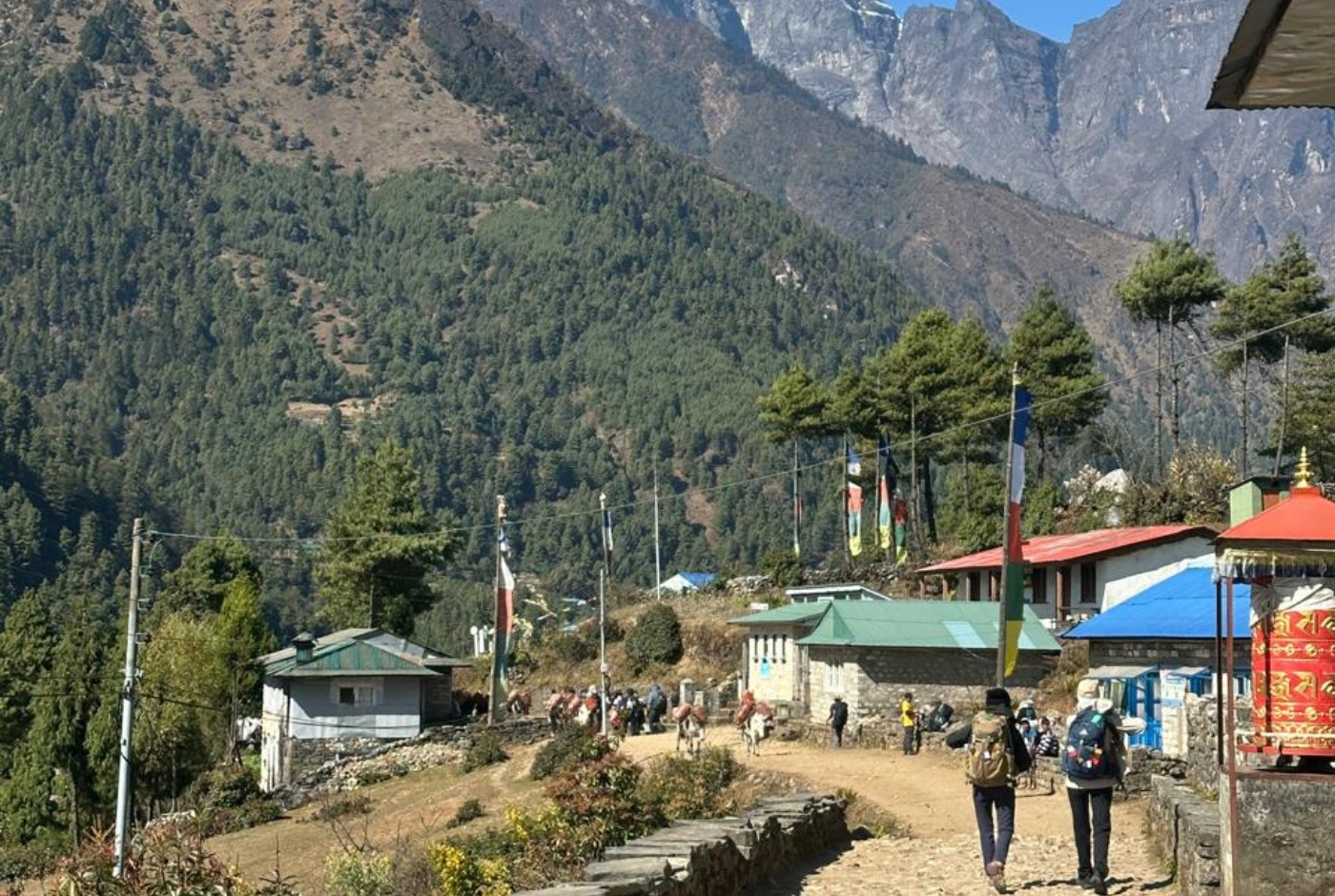
The last day of your hike traces the Dudh Koshi River downstream to more dense forest. The hiking path crosses through Monjo, Phakding, and other villages which you now recognize.
Back in Lukla by the afternoon, you'll have your last night in the mountains. Normally, this is the time to have a party with your guide and porter team, reminiscing your fun and thanking them for making your trip safe and successful.
This evening you might want to think about giving your crew a tip because they will probably leave early tomorrow morning and you will be getting ready for your flight.
Trekking Time: 6-7 hours
Distance: 19 kilometers
Accommodation: Teahouse lodge
Meals: Breakfast, lunch, dinner
Day 13: Flight to Kathmandu
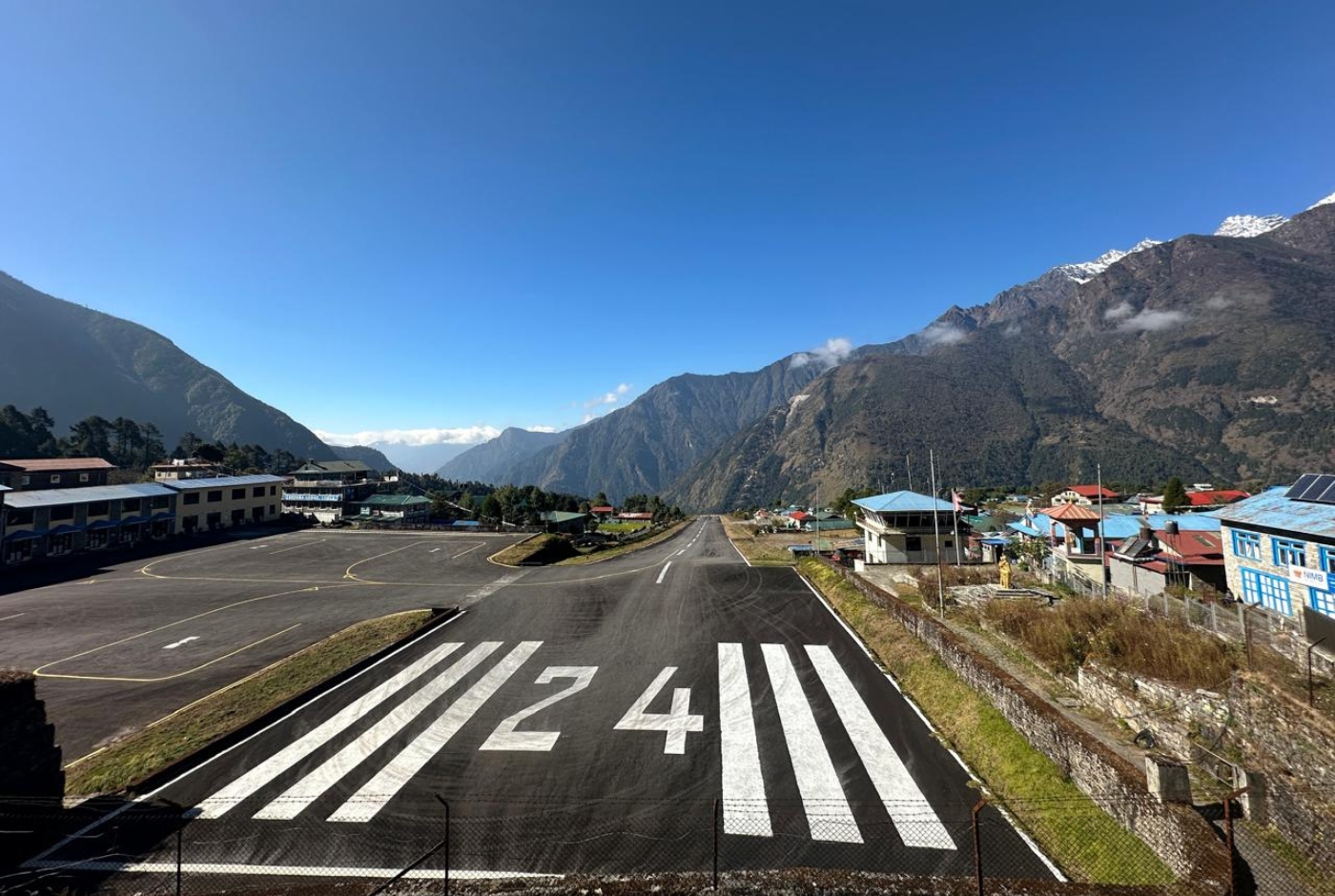
After spending two weeks trekking the mountains, take an early morning flight from Lukla back to Kathmandu. The scenic flight will let you have the mountains that you just explored for the last time from the sky. However, during the peak season, flights may go through Ramechhap from where there will be a 4-5 hour drive to Kathmandu.
Since you'll be free for the rest of the day after arriving in Kathmandu, you can do whatever you like. Many trekkers celebrate their successful trek by having a nice dinner, shop for souvenirs in Thamel at the last minute, or just rest at the hotel.
Accommodation: 3-star hotel in Kathmandu
Meals: Breakfast
Day 14: Final Departure
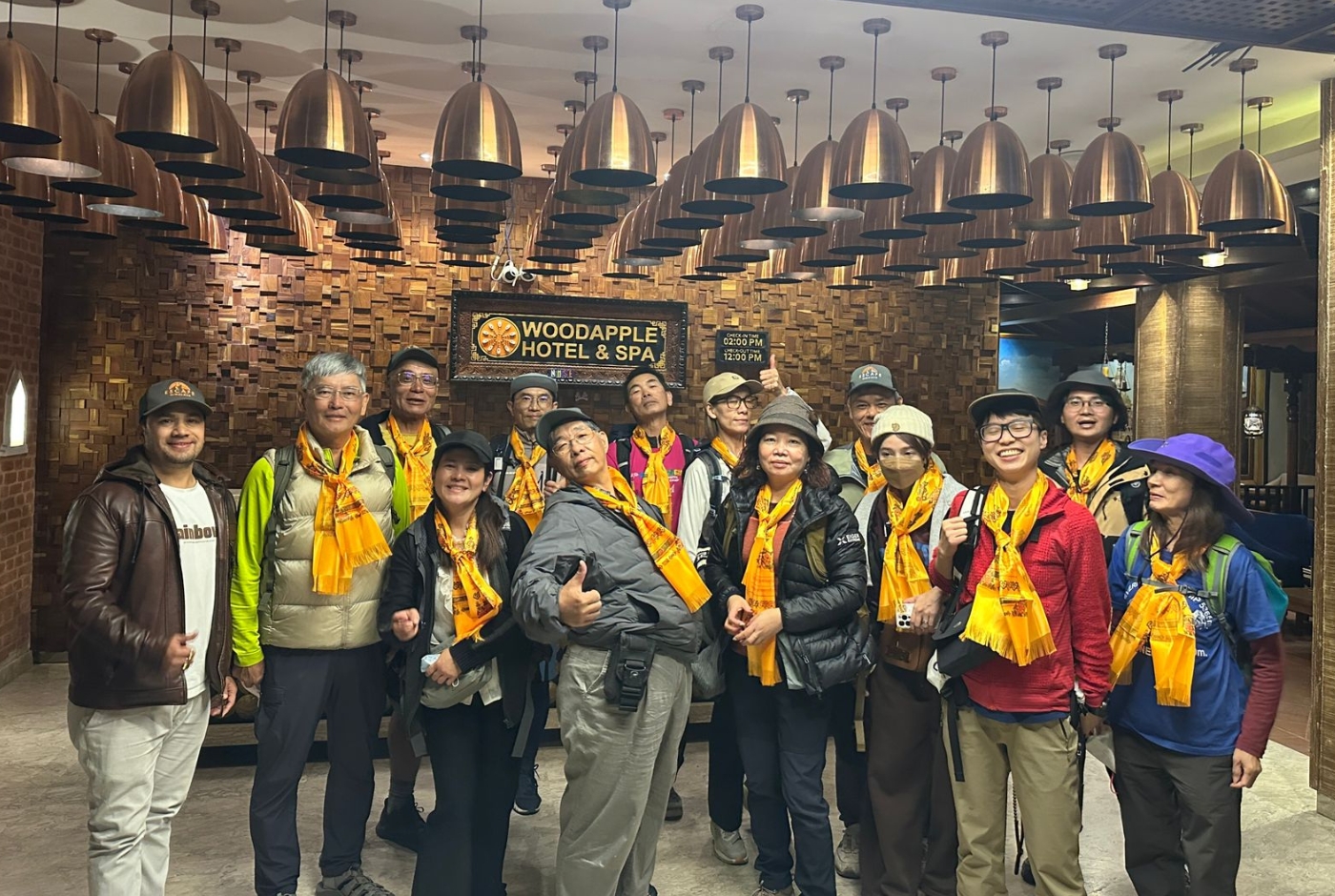
After your Everest Base Camp adventure, your day ends as you get the transfer to the airport, three hours before your international flight. A representative from Escape Himalaya will take care of your trip to Tribhuvan International Airport, allowing you to have enough time for check-in.
When you leave Nepal, you take with you not only pictures and gifts but memories of the high mountains, the friendly Sherpa hospitality, the personal success, and an experience that will be a source of inspiration to you for many years.
Meals: Breakfast
Temperature Guide Throught the Trek
| Location (Altitude) | Spring (Mar-May) | Autumn (Sep-Nov) | Winter (Dec-Feb) | Monsoon (Jun-Aug) |
| Lukla - Phakding (2,600-2,860m) |
Day: 10-15°C Night: 5-8°C |
Day: 10-14°C Night: 4-7°C |
Day: 5-8°C Night: -5 to -2°C |
Day: 15-18°C Night: 8-10°C |
| Namche Bazaar (3,440m) |
Day: 8-12°C Night: 0-5°C |
Day: 8-12°C Night: 0-4°C |
Day: 2-6°C Night: -8 to -5°C |
Day: 12-15°C Night: 5-8°C |
| Tengboche (3,860m) |
Day: 5-10°C Night: -2 to 2°C |
Day: 5-10°C Night: -3 to 0°C |
Day: 0-4°C Night: -12 to -8°C |
Day: 10-14°C Night: 3-5°C |
| Dingboche (4,410m) |
Day: 3-8°C Night: -5 to 0°C |
Day: 3-8°C Night: -6 to -2°C |
Day: -2 to 2°C Night: -15 to -10°C |
Day: 8-12°C Night: 0-2°C |
| Lobuche (4,910m) |
Day: 0-5°C Night: -8 to -5°C |
Day: 0-5°C Night: -10 to -6°C |
Day: -5 to 0°C Night: -20 to -15°C |
Day: 5-8°C Night: -2 to 0°C |
| Gorak Shep - EBC (5,164-5,364m) |
Day: -2 to 3°C Night: -12 to -8°C |
Day: -2 to 2°C Night: -15 to -10°C |
Day: -8 to -3°C Night: -25 to -20°C |
Day: 2-5°C Night: -5 to -2°C |
| Kala Patthar (5,645m) |
Day: -5 to 0°C Night: -15 to -12°C |
Day: -5 to 0°C Night: -18 to -15°C |
Day: -10 to -5°C Night: -30 to -25°C |
Day: 0-3°C Night: -8 to -5°C |
Best Seasons for EBC Trekking
Choosing the right time for your Everest Base Camp Trek significantly impacts your experience. Nepal's distinct seasons create very different trekking conditions.
Spring Season (March - May)
Spring represents peak trekking season and arguably the best time to visit Everest Base Camp. As winter's grip loosens, the Khumbu Valley bursts into life.
Weather Conditions:
- Clear and stable weather with hardly any precipitation
- Daytime temperatures at lower elevations: 12-18°C (54-64°F)
- Nighttime temperatures at EBC: -10 to -5°C (14-23°F)
- Increasing daylight hours (10-12 hours a day)
- Great mountain visibility
Highlights:
- Rhododendron forests display their beautiful red, pink, and white flowers
- Everest climbing season turns the base camp into a colorful and lively place
- The extended daylight hours make it possible to trek at a slow and easy pace
- Animals such as birds have become active after winter
Considerations:
- High season refers to crowded paths and teahouses
- Accommodation and flight bookings should be done far ahead
- Flights and lodges are more expensive
- Dust from the dry paths can cause irritation
Autumn Season (September - November)
Autumn rivals spring as the premier trekking season, with many trekkers preferring it for crystal-clear mountain views and stable weather.
Weather Conditions:
- The air is incredibly clear after the monsoon rains have washed away the dust.
- Daytime temperatures at the base of the mountain are 12-18°C (54-64°F).
- Nighttime temperatures at EBC are around -5 to -12°C (23-10°F).
- There was low humidity and very little precipitation.
- The mountains were perfectly visible and very beautiful.
Highlights:
- Due to the extremely clean air, the photography conditions are just perfect.
- After the monsoon, the valleys are covered with luscious, green grass.
- The temperatures are very suitable for trekking.
- The main festivals of Nepal (Dashain, Tihar) are also going on, so that the cultural aspects can be experienced as well.
Considerations:
- Trails are extremely crowded, especially in October.
- Teahouses get fully booked very quickly—so it is necessary to reserve a place beforehand.
- Due to high traffic, Lukla flights are often delayed.
- During the peak season, the prices get higher.
Winter Season (December - February)
Winter presents the greatest challenges but rewards hardy trekkers with solitude and pristine mountain views.
Weather Conditions:
- Very cold temperatures.
- Daytime at lower elevations normally 5-10°C (41-50°F).
- Nighttime at EBC: between -15 and -25°C (-5 to -13°F).
- When storms get away, there will still be clear skies.
- Short daylight hours (9-10 hours).
- Snowfall is very frequent at higher elevations.
Highlights:
- Quiet, empty trails make a peaceful, meditative experience.
- Glowing mountain peaks nicely revealed by the very clear sky.
- Lodging and flight costs down.
- Experience the real mountain winter.
Considerations:
- Most high-altitude lodges are closed during this season.
- Due to frozen water pipes, there are less showers available.
- Heavy snowfall can block the trails.
- You will need very good equipment to cope with the very cold nights.
- Since the air is colder and drier, you may have a higher risk of altitude sickness.
- Flight cancellations, unfortunately, are more common.
Monsoon Season (June - August)
Summer monsoon creates the most challenging trekking conditions due to heavy rainfall rather than temperature.
Weather Conditions:
- Monsoon - July/August heavy rain
- Warm daytime temperature: 15-20°C (59-68°F)
- Cool nights: 0-2°C (32-36°F) at EBC
- Very humid
- Clouds frequently cover the mountains
- Landslide danger
Highlights:
- The landscapes are very green with wild flowers
- Almost no trekkers and teahouses
- Much cheaper cost
- A great accommodation for adventurous trekkers
Considerations:
- Maybe mountain visibility will be poor because of clouds
- Flights to/from Lukla will be often cancelled
- Trail will be muddy and slippery
- Leeches around the lower elevations
- Landslides may block the trails
- Longer travel time because of delays
Conclusion
Trekking to the Everest Base Camp is a great way to experience an adventurous journey that combines the breathtaking beauty of nature with cultural interaction and personal satisfaction. During the 14-day trek, you will witness various sceneries ranging from sub-tropical forests to snow-capped mountains and meet the friendly Sherpa people who are the natives of this region.
When you reach the base of Mount Everest at 5,364 meters, you will have the privilege to walk on the path of the legendary mountaineers along with only a few other adventurers in the world. Watching the morning sun on Kala Patthar at 5,645 meters, with the top of Everest glowing against the dark blue sky, is an unforgettable experience.To be able to successfully complete this trek, you will need to be physically fit, well-acclimatized, properly equipped, and have the right attitude. With the professional guides of Escape Himalaya, complete support, and a well-planned schedule that provides two days for acclimatization, you will be fully equipped to accomplish your goal in a fun and safe way.
Why don't you start organizing your Everest Base Camp journey right now? Completing this trek alters the perspectives of every single one of the trekkers who have done it in terms of both the magnificence of nature and their own strengths. The mountains are inviting you – will you go?
Ready to start your Everest Base Camp journey?
Contact Escape Himalaya today to book your 14-day adventure to the foot of the world's highest peak. Our experienced team stands ready to make your Himalayan dreams a reality.
Email: [email protected]
WhatsApp: +977-9851006121
Website: www.escapehimalaya.com