Best Time for the Ama Dablam Base Camp Trek
Autumn – October, November
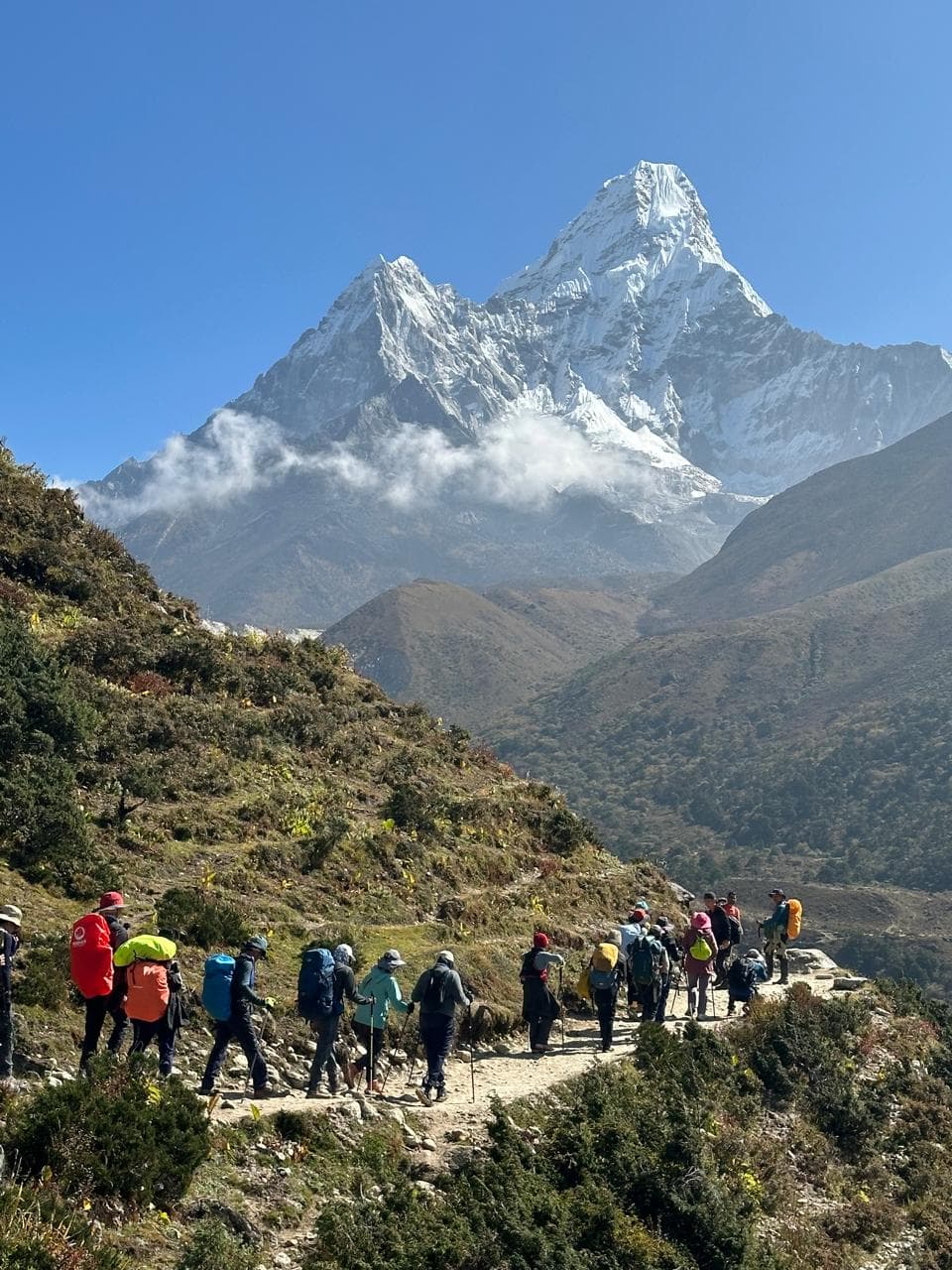
Autumn is the prime trekking season for the Khumbu region and the most popular time for the Ama Dablam Base Camp Trek. The monsoon ends in late September, leaving the atmosphere crystal-clear, the peaks brilliantly defined against deep blue skies, and the trails dry and well maintained. October coincides with Ama Dablam's main climbing season, you may encounter actual expeditions preparing at the base camp, which adds an extraordinary dimension to the experience. Book well in advance for October and early November as availability fills quickly.
Spring – March, April, May
Spring is the second peak season and arguably the most visually spectacular. Rhododendron forests between Phakding and Namche bloom in profusion from late February through April, filling the lower trail with colour. March and April bring Ama Dablam's spring climbing season, another opportunity to see expeditions at the base camp. Views are excellent, temperatures comfortable, and the trail alive with trekkers from around the world. Late May can bring pre-monsoon cloud that reduces afternoon visibility.
Winter – December, January, February
Winter trekking in the Khumbu is possible and rewarding for experienced trekkers who are fully equipped for cold conditions. The trails are quiet, the views outstanding on clear days, and the teahouses less crowded. However, temperatures at Namche and above drop well below freezing at night, snow above 4,000 metres is likely, and some teahouses above Namche operate with reduced services. Not recommended for first time high altitude trekkers.
Monsoon – June, July, August (Not Recommended)
Heavy daily rainfall, persistent cloud cover, muddy trails, and leeches below 3,000 metres make the monsoon months the least suitable period for this trek. Mountain views are largely obscured for days at a time. The high Khumbu, above 4,000 metres, receives less monsoon rain than the lower valleys, making the upper section of the route more viable, but the approach trail from Lukla is unpleasant in wet conditions.
Difficulty Level and Required Fitness
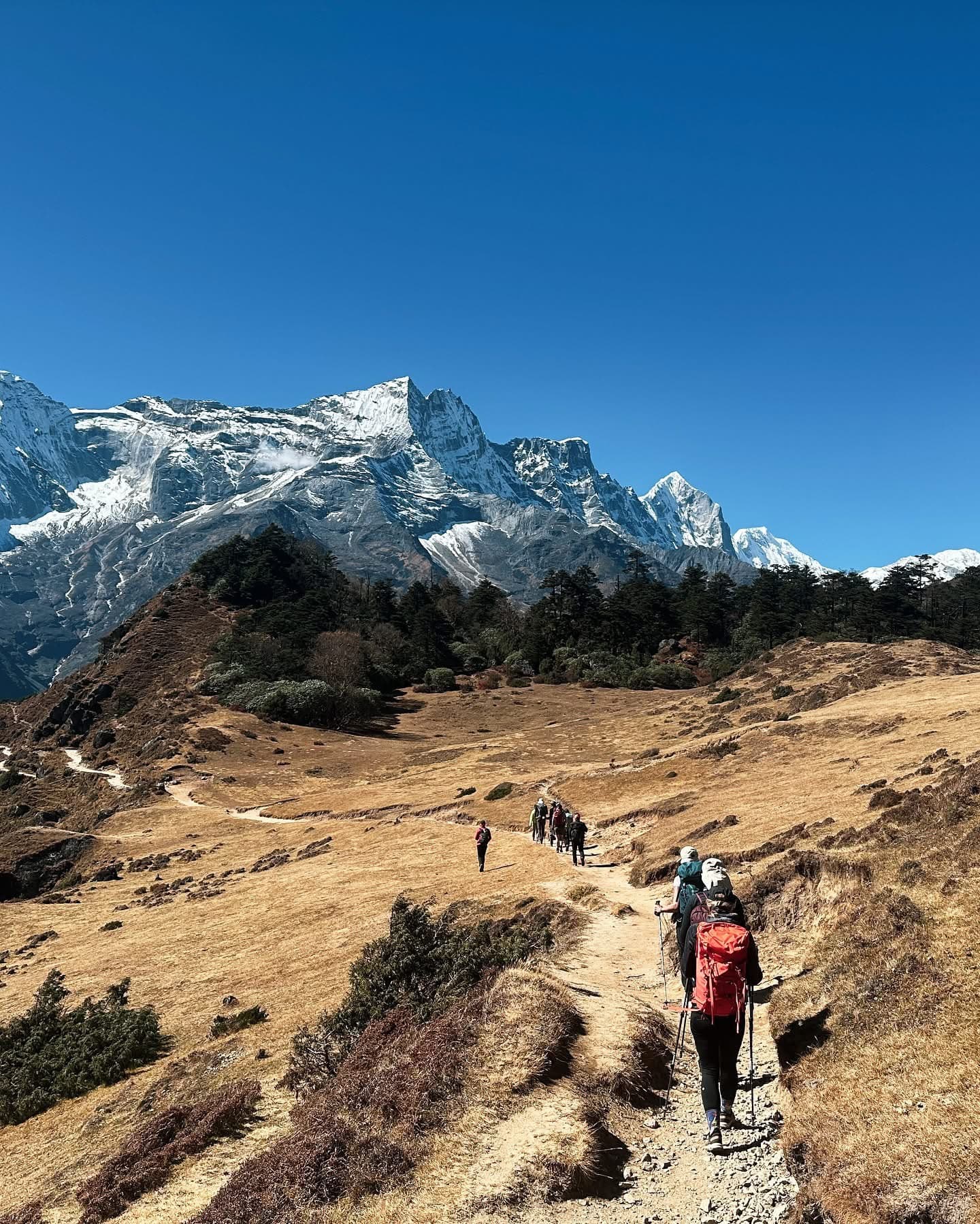
The Ama Dablam Base Camp Trek is graded moderate to strenuous. It does not require technical climbing skills, ropes, or mountaineering equipment, the route to the base camp is a straightforward high-altitude walk. The challenge comes from the sustained daily distances, significant daily elevation gain on the approach days, and the demands of the high-altitude environment above 3,500 metres.
Fitness requirement: Any reasonably fit adult who exercises regularly is a suitable candidate. Begin cardiovascular training six to eight weeks before departure. Daily stair climbing with a weighted pack, long weekend hikes, and regular running or cycling will prepare your legs and lungs for the Khumbu. Pay particular attention to downhill endurance, the descents from Namche and Pangboche are long and hard on the knees.
Altitude consideration: The trek reaches 4,600 metres at Ama Dablam Base Camp. The acclimatisation day in Namche is essential and must not be skipped. Follow your guide's pace, drink 4–5 litres of water daily, avoid alcohol above 3,000 metres, and tell your guide immediately if you develop a persistent headache or feel unwell.
Why Book with Escape Himalaya
Khumbu Experience You Can Trust. Escape Himalaya has been guiding trekkers through the Everest region for nearly a decade. Our guides have walked the Khumbu trails dozens of times in all seasons and know this valley in a depth that no guidebook can replicate.
Safety Is Non-Negotiable. Every guide carries a pulse oximeter, a full first aid kit, altitude medication including Diamox and Dexamethasone, and a water purification system. We monitor your health every evening and we will descend immediately if the situation requires it. Your safety overrides any schedule.
Fair Treatment of All Staff. We are registered with the Nepal Tourism Board and members of TAAN. Every guide and porter on our treks is paid fairly above industry minimums, fully insured, properly equipped, and treated with the professional respect they deserve.
Guaranteed Departures. Every confirmed booking runs. We do not cancel departures because groups are small. Solo trekkers get the same quality of service as full groups, always.
Fully Customisable. Want to combine this trek with Everest Base Camp? Add a Kala Patthar sunrise? Include a Kathmandu heritage tour before the trek? We will design the perfect itinerary around your dates and ambitions. Contact our team to discuss.
Frequently Asked Questions(FAQs)
1. How is the Ama Dablam Base Camp Trek different from the Everest Base Camp Trek?
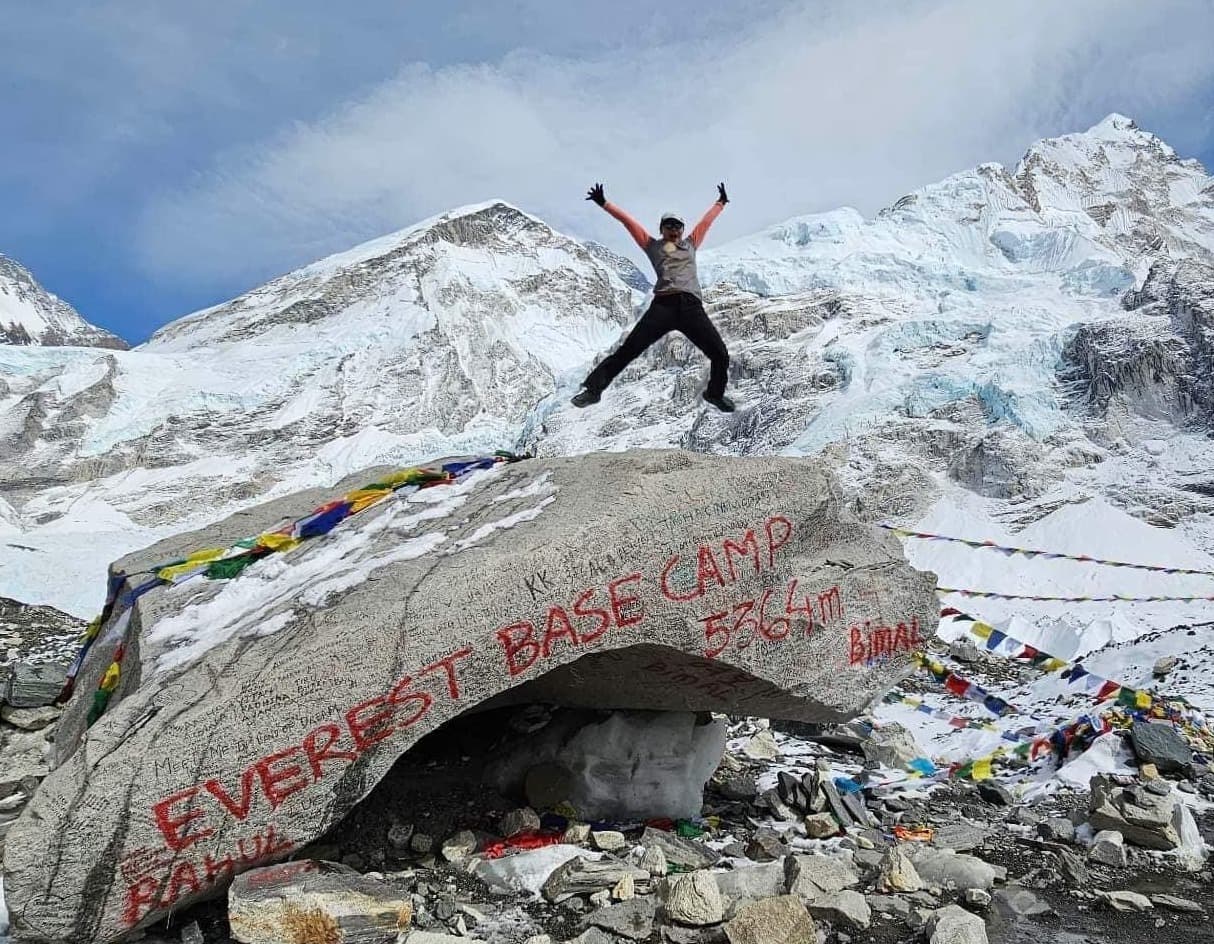
The two treks share the same trail from Lukla to Pangboche. At Pangboche, the Ama Dablam Base Camp route branches north toward the base of Ama Dablam (4,600 m) rather than continuing northeast to Everest Base Camp (5,364 m). The Ama Dablam route is shorter, 11 days versus the standard 14–16 days for EBC, and reaches a lower maximum elevation, making it a somewhat less demanding but equally rewarding alternative. The Ama Dablam Base Camp trail above Pangboche is significantly quieter and less crowded than the EBC trail, offering a more intimate experience of the Khumbu landscape.
2. Do I need prior high-altitude trekking experience?
Prior high-altitude experience is helpful but not required. The most important factors are reasonable physical fitness, a willingness to follow acclimatisation guidelines carefully, and the discipline to walk slowly and steadily rather than trying to rush. Our 11-day itinerary is specifically designed with a proper acclimatisation day in Namche to give your body the adjustment time it needs. First-time high-altitude trekkers complete this route successfully every season with Escape Himalaya.
3. What is the risk of altitude sickness on this trek?
Altitude sickness (Acute Mountain Sickness or AMS) is a genuine risk above 3,000 metres and can affect anyone regardless of fitness level. The most effective prevention is gradual ascent, adequate hydration, and proper rest. Our itinerary follows recommended altitude gain guidelines and includes the essential Namche acclimatisation day. Your guide monitors oxygen saturation every evening. If AMS develops, the correct response is immediate descent, your guide is trained to recognise symptoms early and will not hesitate to act.
4. Will I see Everest on this trek?
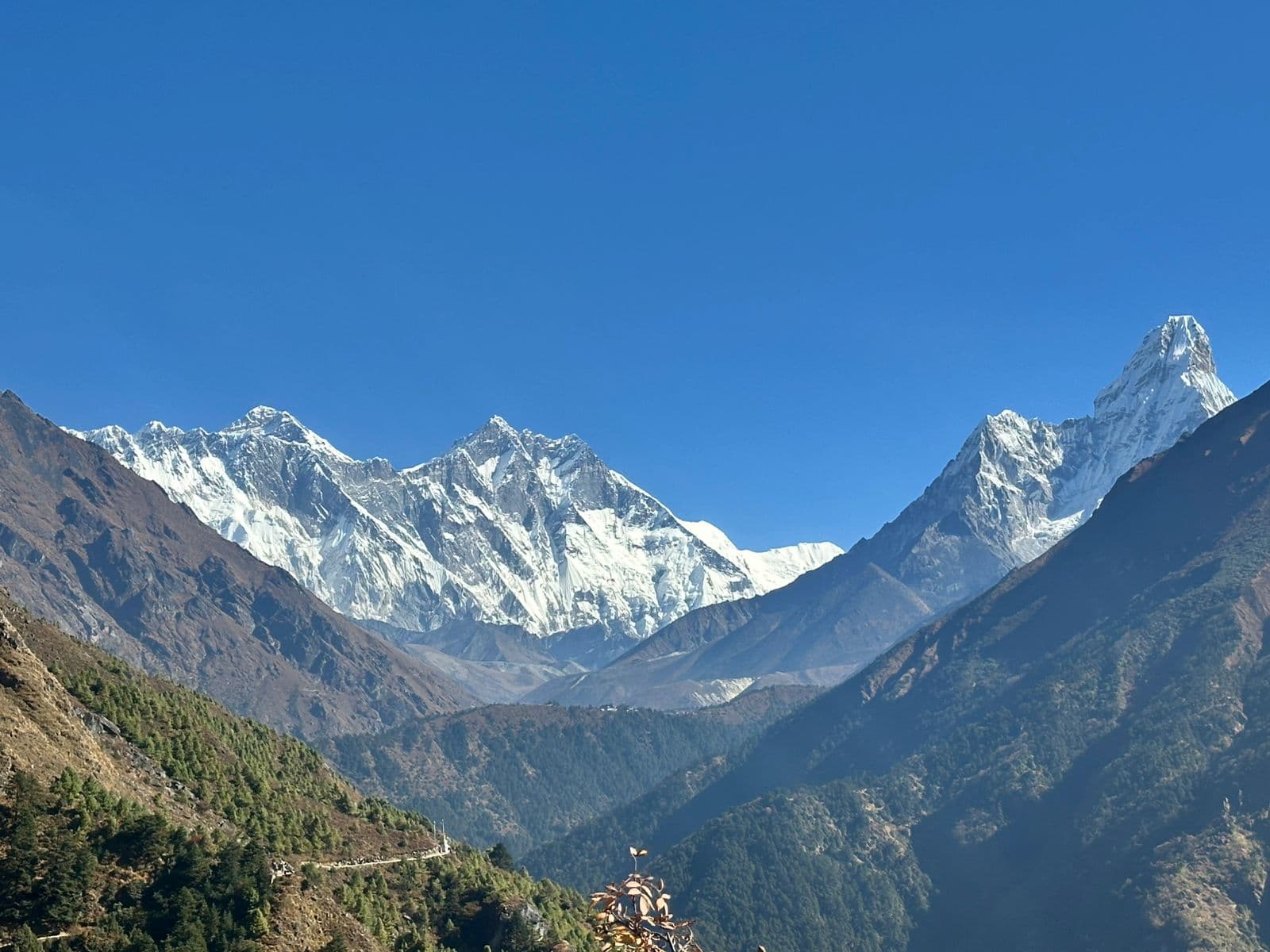
Yes, from multiple viewpoints. The classic first sighting occurs near the top of the Namche climb on Day 3. On the acclimatisation day hike to the Everest View Hotel (3,880 m) Everest, Lhotse, and Nuptse are all visible in one unrestricted panorama. The trail from Namche to Tengboche also offers prolonged clear views of Everest at the head of the valley. While Everest is not the primary objective of this trek, it is a constant and magnificent presence throughout the Khumbu approach.
5. What are the Lukla flights like and what happens if they are delayed?
The flight from Kathmandu to Lukla is a 35-minute mountain aviation experience on a small turboprop aircraft. It is one of the world's most famous short-haul routes and the landing strip at Lukla, carved into a steep mountainside, is genuinely dramatic. Flights are weather-dependent and delays of one or more days are not uncommon, particularly in spring and autumn. Escape Himalaya monitors conditions and handles all rebooking logistics. We strongly advise booking your international onward flight with a minimum one-night buffer after your scheduled Lukla return to Kathmandu.
6. Can I charge my devices and access the internet on the trail?
Device charging is available at most teahouses for a fee of NPR 200–500 per charge. Wi-Fi is available at most stops from Lukla to Namche and resumes again on the descent. Above Namche, connectivity becomes patchy, buy a local NTC or Ncell SIM card with a data pack in Kathmandu for the most reliable backup. Carry a high-capacity power bank (20,000 mAh minimum) as teahouse electricity is unreliable above Namche.
7. How much spending money should I bring?
Budget USD 10–20 per day for personal expenses, hot showers, device charging, Wi-Fi, cold drinks, and snacks. Withdraw Nepali rupees from ATMs in Kathmandu or Namche Bazaar, these are the last reliable ATMs on the route. Do not rely on finding working ATMs beyond Namche.
8. What are appropriate tips for guides and porters?
Tipping is not mandatory but is warmly appreciated and forms an important part of trekking staff income in Nepal. General guidance: lead guide USD 8–12 per trekker per day; porter USD 4–6 per trekker per day. For an 11-day trek, a total tip budget of USD 150–200 for the full team per trekker is reasonable and appropriate. Tips are given at the end of the trek in Kathmandu or Lukla.
9. Can I combine this trek with Everest Base Camp?
Yes, and it is an excellent combination. The standard approach is to extend the itinerary from Pangboche to follow the EBC trail to Lobuche and Gorakshep, then return via Pangboche to visit Ama Dablam Base Camp on the way back. This combined route typically takes 17–19 days. Contact our team and we will design a custom itinerary that incorporates both base camps.