Getting Fit for the Challenge
Start your training three months before departure. Work out five or six days every week. Long hikes matter most. Carry a weighted backpack, building up to 12-15 kilograms. Stair climbing helps, too. Your cardiovascular fitness needs to be solid. Summit day lasts 10 to 16 hours, so strong legs make a real difference. The fitter you arrive, the more you enjoy every moment instead of just surviving.
What Climbing Skills Do You Need
Basic mountaineering knowledge helps tremendously. You should feel comfortable with crampons and ice axes before arriving. Knowing how to use jumar ascenders matters too. Your guides teach these skills at base camp, but prior experience means you learn faster and move more confidently. A weekend mountaineering course back home prepares you well. Even a single day of instruction on a glacier or at an indoor climbing facility pays off when you're on the mountain.
Dealing with Altitude
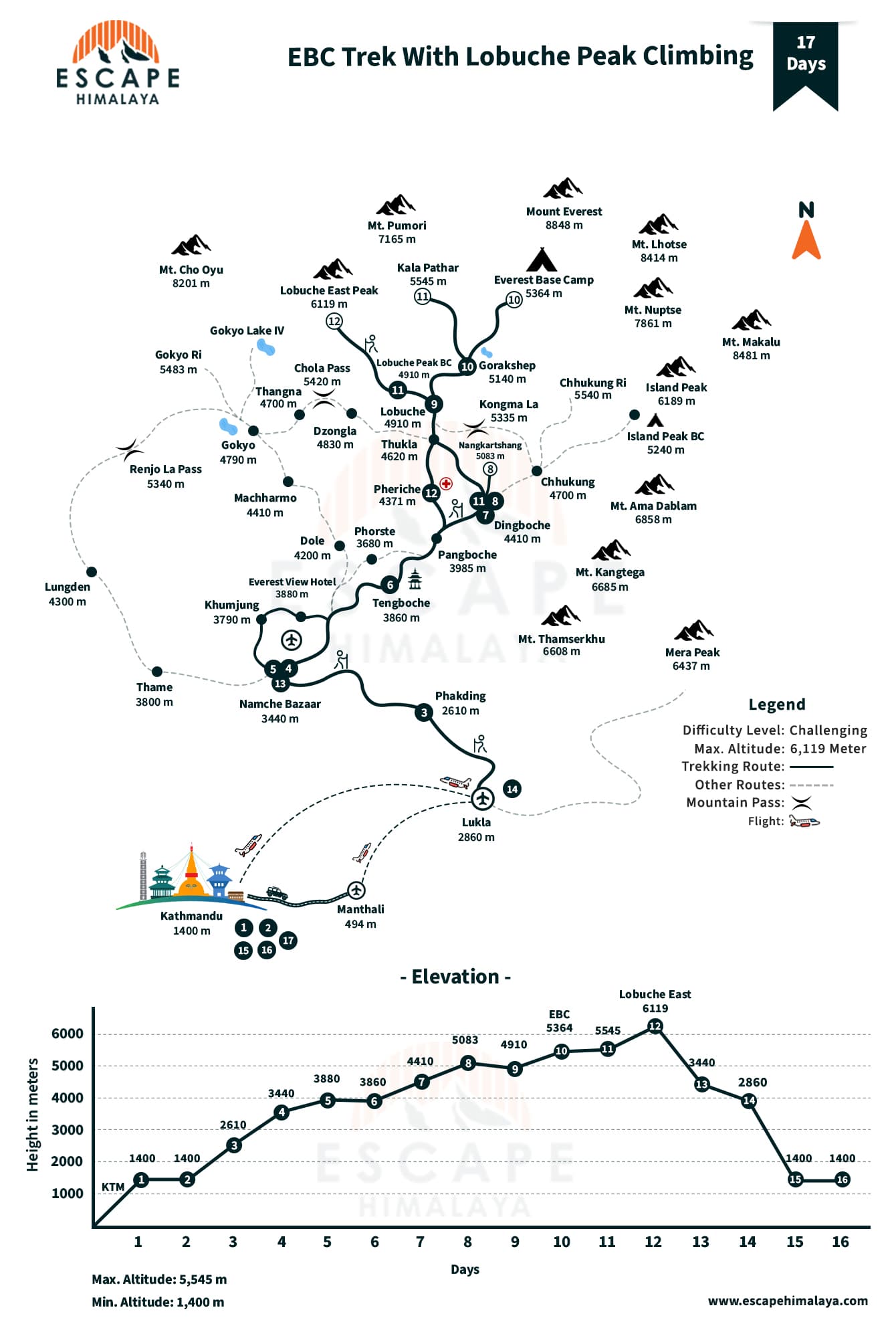
Your body needs time to adjust to thin air. The route includes rest days at Namche Bazaar (3,500 meters) and Dingboche (4,350 meters). You'll hike higher during the day, then sleep at lower elevations. This pattern helps your body adapt gradually. Producing more red blood cells takes time. Rushing altitude often ends badly. The extra days aren't wasted. They're your ticket to the summit.
Recognising Altitude Sickness
Headaches happen to nearly everyone above 4,000 meters. Feeling tired is normal. Loss of appetite comes with altitude. Trouble sleeping is common. These symptoms are manageable. But severe headaches combined with vomiting signal danger. Confusion or difficulty walking straight means serious trouble. Tell your guide immediately if symptoms worsen. Drink three to four litres of water daily. Eat even when food doesn't appeal to you. Being honest about how you feel could save your life.
When to Go
Spring runs from March through May. Autumn spans September to November. These seasons offer the best conditions. Spring brings warmer weather and blooming rhododendrons at lower elevations. More trekkers crowd the trails. Autumn delivers crystal-clear views after the monsoon season ends. The weather stays stable. Nights get pretty cold. Winter, from December through February, brings extreme cold and heavy snow. The monsoon from June through August brings rain, clouds, and dangerous trails. Flight cancellations happen frequently during the monsoon.
Papers and Permits You'll Need
Several permits are required. The Nepal Mountaineering Association issues the license for climbing Lobuche Peak. You need a pass for Sagarmatha National Park. A local area permit is required. The TIMS card is mandatory. Total costs run about 300 to 500 US dollars, depending on the season. You'll also pay a refundable garbage deposit of $250 to $500. Getting this back requires properly bringing your trash down. Your trekking company handles the paperwork. You just provide passport copies and photos.
What to Pack
Warm clothes are crucial. A down jacket rated to at least -20 degrees Celsius is required. Many climbers bring jackets rated to negative 30 degrees. You need a waterproof shell jacket and pants. Thermal underwear matters more than you think. Bring multiple glove layers: thin liners, insulated gloves, and waterproof mittens. Mountaineering boots must be rated to negative 40 degrees Celsius. These boots need to fit perfectly. Buy them months early and break them in thoroughly. Crampons, an ice axe, a harness, and a helmet can be rented in Kathmandu. But boots should always be your own. Blisters at altitude ruin trips.
Where You'll Sleep and What You'll Eat
Teahouses along the trek are simple but comfortable. You get a basic room, usually with shared twin beds. Bathrooms are shared. Everything is clean, though facilities are basic. Once you reach base camp, expect tent accommodation. The conditions get harsh and exposed. Food during trekking includes dal bhat, a rice dish with lentil soup. Momos are steamed dumplings. Noodle soups appear on every menu. Some Western dishes are available. Higher elevations mean simpler meals. The food provides the calories you need. Everything is freshly cooked and safe.
Insurance is Required
Travel insurance covering helicopter evacuation with a minimum of 100,000 US dollars is mandatory. Standard travel insurance won't work. You need specific coverage for mountaineering above 6,000 meters. Many insurance companies exclude high-altitude climbing from regular policies. Check the fine print carefully. Helicopter rescues cost 10,000 dollars or more. Without proper insurance, you're personally liable for these costs. Keep insurance documents accessible throughout your trek. Give a copy to your guide.
Staying Connected
WiFi and phone service work at lower elevations, such as Namche Bazaar. Extra charges apply, and the connection can be slow. Buy a local SIM card in Kathmandu if you want mobile service. NCell and Ncell provide the best coverage. Higher elevations have spotty or no service. Above Gorakshep, communication becomes nearly impossible. Your guides carry satellite phones for emergencies only. Tell family you'll be unreachable for days at a time. They'll understand once you explain the circumstances.
Hiring Porters and Guides
Porters carry your main duffel bag. Usually, one porter serves two trekkers. This arrangement saves your energy for the climb. You only have a daypack with water, snacks, and extra clothing. Guides are legally required and worth every penny. They know the route by heart. Weather assessment comes from experience. They spot altitude sickness symptoms early. Teaching climbing skills is part of their job. During summit attempts, the ratio should be one guide for every two climbers, maximum. This ratio ensures proper safety margins.
Taking Care of the Mountains
The garbage deposit reflects Nepal's environmental commitment. You must carry down everything you brought up. This includes all trash, used batteries, and toilet paper. Use designated toilets where they exist. At high camps, your team provides instructions about waste management. The Himalayan environment recovers extremely slowly from damage. A plastic bottle takes decades to decompose at high altitude. Every visitor shares responsibility for keeping these mountains pristine. Leave no trace behind you.
Summit Day Expectations
Waking up at 2 AM feels brutal. But starting early is necessary. You need to reach the summit and descend before the afternoon weather deteriorates. Climbing in darkness requires headlamps. After a few hours, you get the crampon point. The technical climbing begins there. You clip onto fixed ropes. Steep snow slopes test your stamina. The route crosses glacier sections. An exposed final ridge leads to the summit. Your guide might postpone or cancel the attempt if the weather looks threatening. Trust their judgment completely. They've climbed this peak many times and know what's safe.
Your Chances of Success
About 70 to 80 per cent of properly prepared climbers reach the summit. Altitude sickness stops some people. Exhaustion turns others back. Bad weather forces cancellations. Having realistic expectations helps maintain good decision-making. Some days feel great. Other days are struggles. This variability is completely normal. Remember that summiting is optional but descending safely is mandatory. Professional guides prioritise your safety above everything else, including summit photos.
Respecting Local Culture
Walk clockwise around Buddhist stupas and mani walls. Ask permission before photographing people. Dress modestly in villages. Tank tops and short shorts are inappropriate. Remove shoes when entering monasteries or local homes. Learning basic Nepali helps. "Namaste" means hello. "Dhanyabad" means thank you. The Sherpa community welcomes visitors warmly. But remember these are living villages, not tourist attractions. Show respect and you'll have wonderful cultural exchanges that enrich your journey.
After the Climb
The descent feels different after summiting. Your legs are exhausted, but your spirit soars. You've accomplished something remarkable. Walking back through familiar villages brings reflection time. Sharing stories with other trekkers at teahouses becomes a highlight. The lower you go, the easier breathing becomes. You notice how much thinner the air was up high. Taking time to appreciate the full experience matters before returning to Kathmandu. The memories you've created will stay with you forever.
FAQs
How difficult is the Lobuche Peak climb compared to regular trekking?
The difficulty jumps significantly beyond standard trekking. The Everest Base Camp trek itself challenges you with altitude and distance. Adding the peak climb brings technical mountaineering into play. You'll be using crampons, ice axes, and ropes on slopes that reach 45 to 60 degrees. Summit day demands 10 to 12 hours of climbing at extreme altitude. Most people who regularly do multi-day hikes back home can handle the trek with proper acclimatisation. The climb needs additional fitness, mental strength, and basic mountaineering knowledge. Think of it this way: trekking tests your endurance, and climbing tests your technical ability too.
Do I need previous climbing experience?
Some climbing background really helps, though it's not strictly required. If you've never touched crampons or an ice axe, take a basic mountaineering course beforehand. Even a weekend course makes a huge difference. You get training at base camp from experienced Sherpa guides. They teach rope work, crampon techniques, and ice axe use. But having prior experience makes you safer and more confident on the mountain. If you've only done regular hiking, consider Island Peak or Mera Peak first. These are slightly less technical. That said, fit and determined beginners with proper training do succeed on Lobuche every season.
What's the best season and why do dates matter so much?
Spring from late March to May, and autum,n from late September to November, work best. Spring offers warmer temperatures and blooming rhododendrons at lower elevations. You get longer daylight hours and trails are more crowded. Autumn brings crystal clear mountain views after the monsoon ends. Weather patterns stay stable. Temperatures are comfortable during the day. Nights get quite cold. Within these seasons, mid-April to mid-May and mid-October to mid-November provide the most stable weather windows. Winter brings extreme cold, sometimes negative 30 degrees Celsius or lower. Deep snow makes climbing dangerous. The monsoon season has frequent rain and clouds that hide the mountains. Trails become slippery. Flight cancellations are common.
How dangerous is altitude sickness and can it be prevented?
Altitude sickness poses the biggest risk on this trip. But smart planning largely prevents it. The itinerary includes proper acclimatisation days, which dramatically reduce danger. Common symptoms like headaches, nausea, and tiredness affect nearly everyone. That's just part of high altitude. Serious conditions like HACE (brain swelling) or HAPE (lung fluid) are rare with proper acclimatisation. They can be life-threatening if ignored. Prevention is straightforward. Follow the planned itinerary without rushing. Drink three to four litres of water every day. Eat well even when food doesn't appeal to you. Tell your guide immediately if you feel unusually unwell. Many trekkers take Diamox, an altitude sickness medication that can help. Consult your doctor first. The golden rule is simple: if you feel very sick, go down immediately. Altitude problems usually disappear within hours of descending.
Can I rent climbing gear in Nepal or must I bring everything?
Most technical climbing equipment is available for rent in Kathmandu. This includes crampons, ice axes, harnesses, helmets, down jackets, and sleeping bags. Rental shops in the Thamel area specialise in mountaineering gear. Quality is generally good. Check everything carefully before leaving Kathmandu. You should absolutely bring your own mountaineering boots. They need to fit perfectly and be broken in properly. Boots must be rated for extreme cold, negative 40 degrees Celsius minimum. Poorly fitting boots cause blisters and frostbite. Crampons won't attach properly either, creating serious safety issues. Also bring your own base layers, personal clothing, headlamp, and sunglasses. Budget about 200 to 300 US dollars for renting technical gear for the expedition.
What happens if the weather is bad on summit day?
Your climbing guide makes the final decision about attempting the summit based on the weather. Their decision is final and absolute. Bad weather includes heavy snow, high winds, or poor visibility. These conditions make climbing extremely dangerous. If conditions are unsafe, the summit attempt gets postponed by a day or two if possible. Sometimes it's cancelled entirely if there's no weather window. This frustrates everyone but safety comes first. The itinerary usually includes one or two buffer days for exactly this reason. There's no guarantee you'll get another chance, though. No refund is given for weather cancellations. This is a known risk of high altitude climbing that everyone accepts. Some companies offer to extend your trip if weather delays happen early on. Additional costs may apply.
How cold does it get and what temperature gear do I need?
Temperatures vary dramatically based on elevation and season. At Lobuche Base Camp, around 5,000 meters, nighttime temperatures range from negative 10 to negative 20 degrees Celsius even in the best seasons. On summit day, especially climbing in early morning darkness, temperatures can drop to negative 25 or even negative 30 degrees with wind chill. Your down jacket should be rated to at least negative 20 degrees. Many climbers bring negative 30-degree rated jackets. Sleeping bags need to be rated to negative 20 degrees. Mountaineering boots must handle negative 40 degrees. You need multiple glove layers: thin liner gloves, insulated gloves, and waterproof shell mittens. One of the most common mistakes people make is underestimating the cold. Inadequate gear means more than just discomfort. You risk frostbite and hypothermia. When in doubt, choose warmer over lighter.
What if I can't make it to the summit, can I still do the trek?
Absolutely yes. Many people on this expedition don't reach the summit. Altitude problems stop some. Exhaustion defeats others. Some make personal choices to turn back. They all still have incredible experiences trekking to Everest Base Camp and Kala Patthar. If you decide during the trip that the climb exceeds your ability or desire, you simply continue with the trekking portion. There's zero shame in this decision. Knowing your limits demonstrates smart mountaineering. Your guides will support whatever decision you make. Some companies might offer a small partial refund if you decide early on not to attempt the climb. Think of the summit as an amazing goal, but not the only measure of success. Getting up there would be fantastic. But the entire journey holds value.
How much does this expedition typically cost?
Prices vary widely based on group size, service level, and what's included. Expect to pay 1,900 to 2,500 US dollars for the package from Kathmandu. Budget groups cost less but have larger group sizes and more basic services. This usually covers permits, guide and porter wages, accommodation during trekking, meals on the trail, domestic flights, and group climbing equipment. It does not cover international flights to Nepal, travel insurance, personal climbing gear, tips for guides and porters (budget 150 to 300 dollars), drinks and snacks, hot showers (3 to 5 dollars each), battery charging (2 to 5 dollars per device), and extra nights in Kathmandu. All in, including gear, insurance, and miscellaneous costs, budget 3,000 to 5,000 US dollars total.
Do I need a guide, or can I do this independently?
Hiring a licensed guide is legally required for all peak climbing in Nepal. You cannot get a climbing permit as a solo climber. Beyond the legal requirement, a guide is essential for safety reasons. They know the route intimately. Assessing weather and snow conditions comes from experience. They carry emergency equipment. Watching for altitude sickness symptoms is part of their expertise. Teaching climbing techniques happens at base camp. Making critical decisions about when to turn back protects your life. Even experienced mountaineers hire guides in the Himalayas. Local knowledge saves lives. For the trekking portion to Everest Base Camp, technically, you can trek independently without a guide, according to recent rule changes. But having support makes the experience much better and safer, given the serious altitude challenges involved.