Pokhara City and Mountain Views
Pokhara is widely regarded as Nepal’s most visually rewarding city. What makes Pokhara special is the way modern comforts sit naturally beneath towering Himalayan peaks. On clear mornings, the Annapurna range appears incredibly close, rising sharply behind the city skyline. Machhapuchhre, the sacred fishtail mountain, dominates the horizon and changes color throughout the day. Unlike Kathmandu, Pokhara feels open, peaceful, and slower-paced. Lakeside streets are ideal for walking, dining, and enjoying uninterrupted mountain views. Even short drives within the city reveal new angles of snow-capped peaks, green hills, and river valleys. This balance of accessibility and scenery makes Pokhara perfect for travelers who want dramatic landscapes without physically demanding treks. It is a destination where simply being present feels rewarding.
Phewa Lake
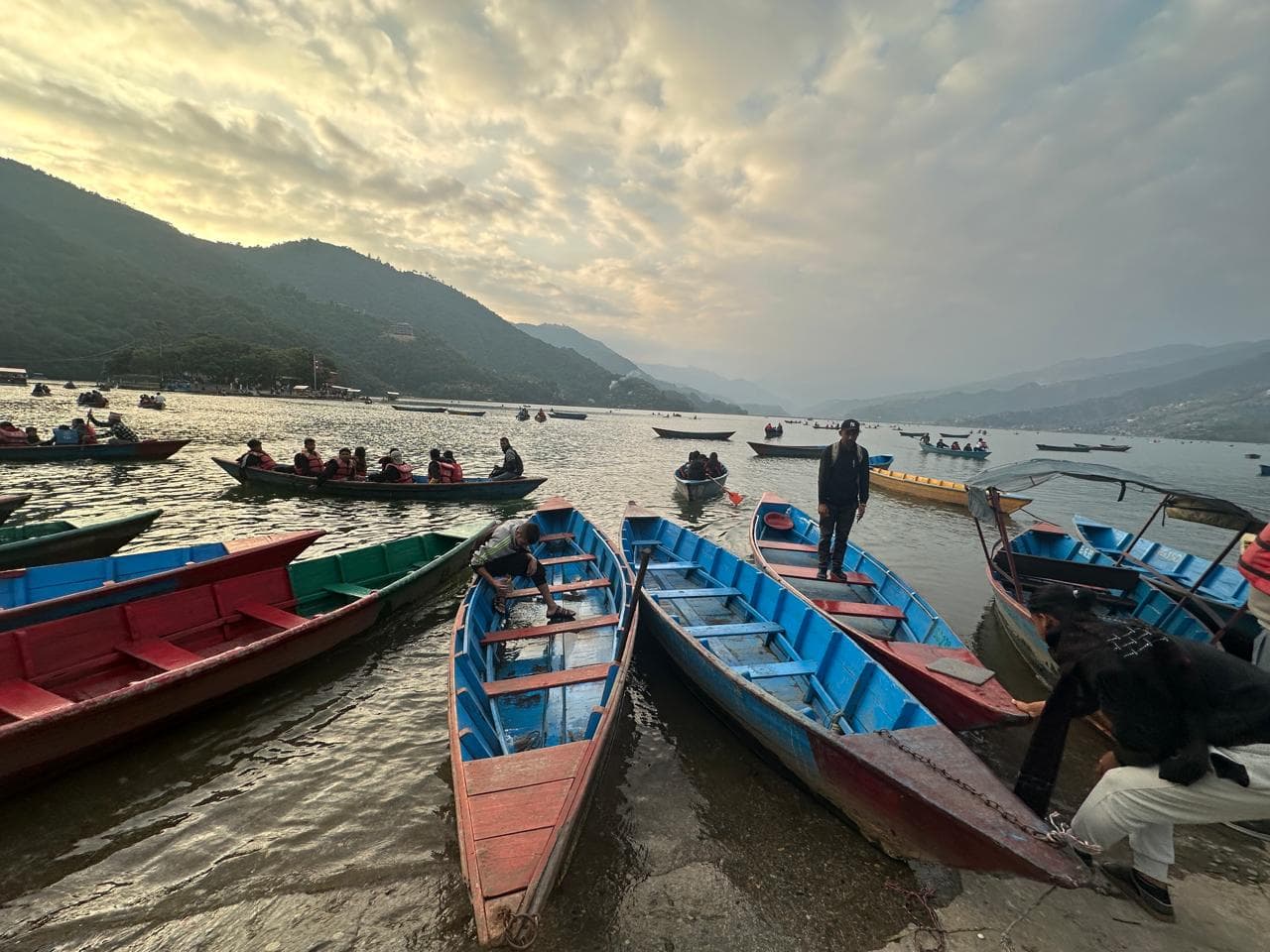
Phewa Lake is the centerpiece of Pokhara’s natural beauty. The lake stretches peacefully along the base of green hills, reflecting clouds, forests, and distant mountains on calm days. Boating across the water offers a slow, relaxing experience, allowing visitors to enjoy the silence broken only by birds and gentle oars. At the center of the lake sits Tal Barahi Temple, an important Hindu shrine visited by both pilgrims and tourists. The Lakeside area surrounding Phewa Lake is lively yet comfortable, filled with cafés, restaurants, bookstores, and souvenir shops. Evenings are especially beautiful, with soft lights reflecting on the water and mountains fading into twilight. Phewa Lake is not only a sightseeing spot but also a place to unwind and absorb Pokhara’s atmosphere.
Sunrise from Sarangkot
Sarangkot is one of Nepal’s most famous sunrise viewpoints. Located on a hill above Pokhara Valley, Sarangkot offers an expansive view of the Annapurna and Dhaulagiri ranges. Visitors leave early in the morning to reach the viewpoint before dawn. As the sun rises, the peaks gradually glow with golden and pink hues, creating a dramatic and peaceful moment. Machhapuchhre stands out clearly, its sharp profile catching the first light. On very clear days, the view stretches across multiple Himalayan ranges. Sarangkot is also known as a major paragliding launch site, so visitors often see colorful wings lifting into the morning air. The experience combines quiet anticipation, breathtaking scenery, and a strong connection to the surrounding mountains.
Easy to Short Day Tours
Pokhara is exceptionally well-suited for short, comfortable sightseeing days. Most attractions are located within 20 to 40 minutes of the city center, reducing long travel hours. This allows travelers to explore at a relaxed pace without feeling rushed or exhausted. Day tours typically include lakes, waterfalls, caves, hill viewpoints, temples, and local villages. The convenience makes Pokhara ideal for families, older travelers, and those combining leisure with exploration. Visitors can enjoy a full morning of sightseeing and still have afternoons free for rest, shopping, or lakeside walks. The city’s layout supports flexible itineraries, making it easy to adjust plans based on weather or personal preference. Pokhara proves that meaningful travel experiences do not require long or difficult journeys.
Lakes Inside Pokhara
Pokhara is blessed with several lakes beyond the well-known Phewa Lake. Begnas Lake lies east of the city and offers a quieter, more rural setting. Surrounded by farmland and small villages, it provides insight into local life alongside natural beauty. Rupa Lake is even more peaceful, attracting birdlife and local fishermen. These lakes are ideal for travelers seeking calm environments away from busy tourist areas. Gentle walks, photography, and quiet moments by the water are common activities. Visiting these lesser-known lakes adds depth to the Pokhara experience, revealing a slower, more traditional side of the region. They highlight how nature and community life coexist harmoniously in the Pokhara Valley.
Best Time to Visit Pokhara
Pokhara can be visited year-round, but certain seasons offer better experiences. October to November is the most popular period, with clear skies and excellent mountain visibility. Spring, from March to April, brings warmer temperatures and blooming rhododendrons across the hills. Winter months remain mild, with crisp mornings and clear views, though evenings can be cool. Monsoon season, from June to September, transforms the landscape into lush greenery but often hides mountain views behind clouds. While rain limits visibility, waterfalls and lakes become especially vibrant. Choosing the best time depends on whether travelers prioritize mountain views, warm weather, or fewer crowds.
Paragliding, Bungee Jump, and Zip Fly
Pokhara is widely recognized as Nepal’s adventure capital. Paragliding is the most popular activity, offering flights from Sarangkot over Phewa Lake with panoramic mountain views. These flights provide a calm yet exhilarating experience suitable even for first-time flyers. The zip-flyer is among the steepest and longest in the world, delivering high-speed thrills combined with stunning scenery. For adrenaline seekers, bungee jumping offers an intense yet controlled adventure. All activities are conducted by professional operators with strong safety standards. Adventure options in Pokhara allow travelers to add excitement without sacrificing comfort or safety.
Temples and Caves
Pokhara’s natural beauty is complemented by spiritual and geological sites. Davis Falls showcases powerful underground water flow, especially dramatic during the monsoon. Nearby, Gupteshwor Cave contains a sacred Shiva shrine hidden beneath the surface. The World Peace Pagoda sits atop a hill overlooking Pokhara Valley, offering sweeping views of lakes, mountains, and the city below. These sites combine nature, spirituality, and scenic viewpoints, making them meaningful stops rather than simple attractions. Visiting temples and caves adds cultural depth to the Pokhara experience.
Introduction to Chitwan National Park
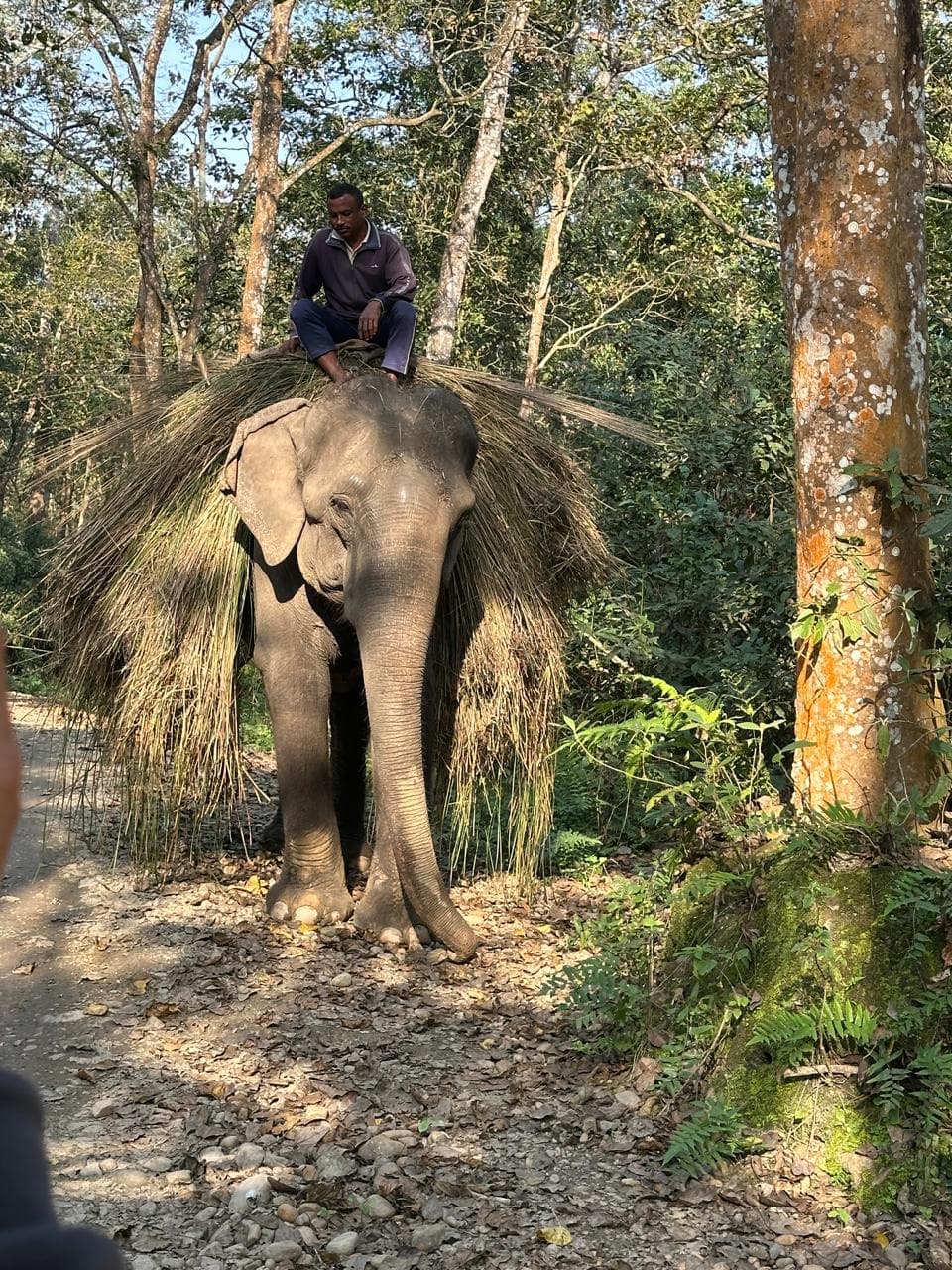
Chitwan National Park introduces travelers to Nepal’s tropical lowlands. This protected area preserves forests, grasslands, and river systems rich in wildlife. The park represents a completely different ecosystem from the mountains of Pokhara. Its conservation efforts have made it one of South Asia’s most successful wildlife reserves. Visitors experience a slower pace, guided by nature rather than city schedules. Chitwan offers a strong contrast within the same journey.
Jungle Safari with Jeep Drive
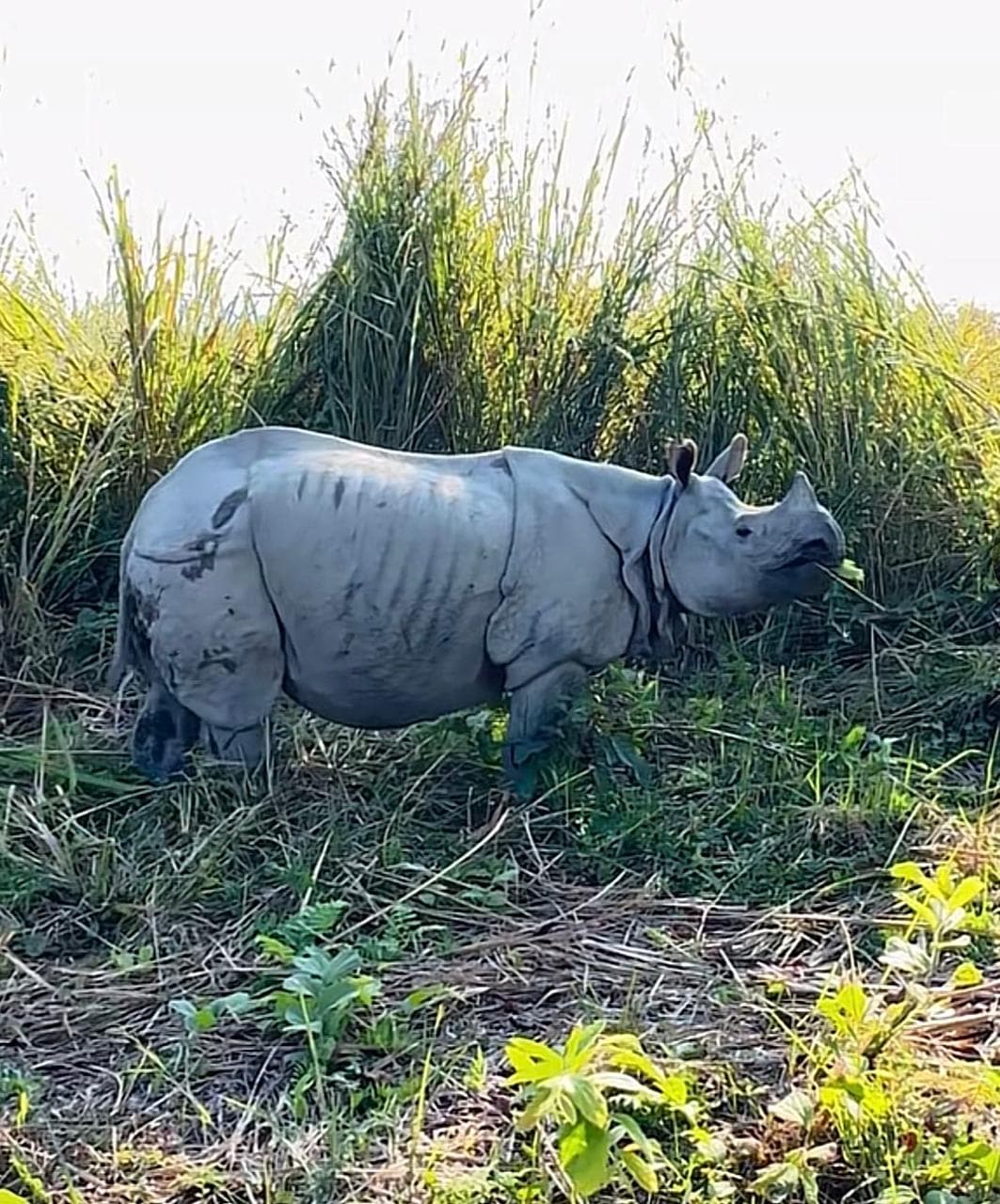
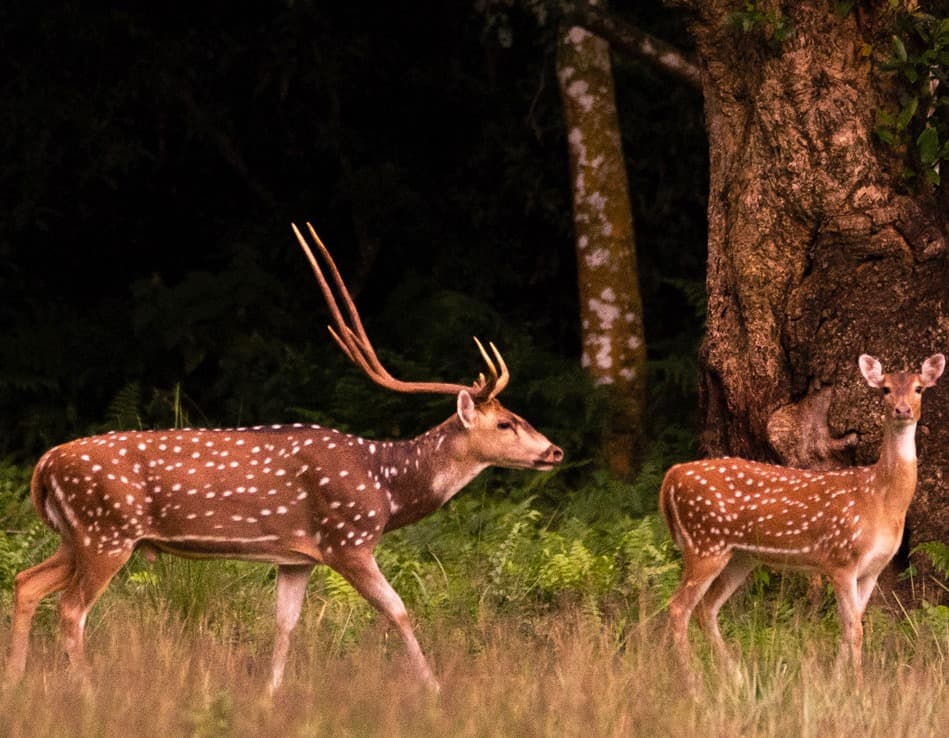
Jeep safaris in Chitwan National Park provide safe and efficient access to jungle interiors. Guided by experienced naturalists, travelers explore grasslands and forests where wildlife moves freely. Common sightings include one-horned rhinoceros, deer, monkeys, wild boar, and various bird species. While tiger sightings are rare, the possibility adds excitement. Guides explain animal behavior, plant life, and conservation efforts throughout the drive. Each safari is different, shaped by natural movement rather than guarantees.
Tharu Village with Culture
The Tharu people are indigenous to the Chitwan region. Village visits introduce traditional homes, farming practices, and daily routines shaped by generations of forest life. Guests learn about food preparation, tools, and cultural beliefs. Evening programs often include Tharu stick dances and storytelling. These cultural experiences provide meaningful interaction rather than staged performances, helping travelers understand local heritage.
Rapti River
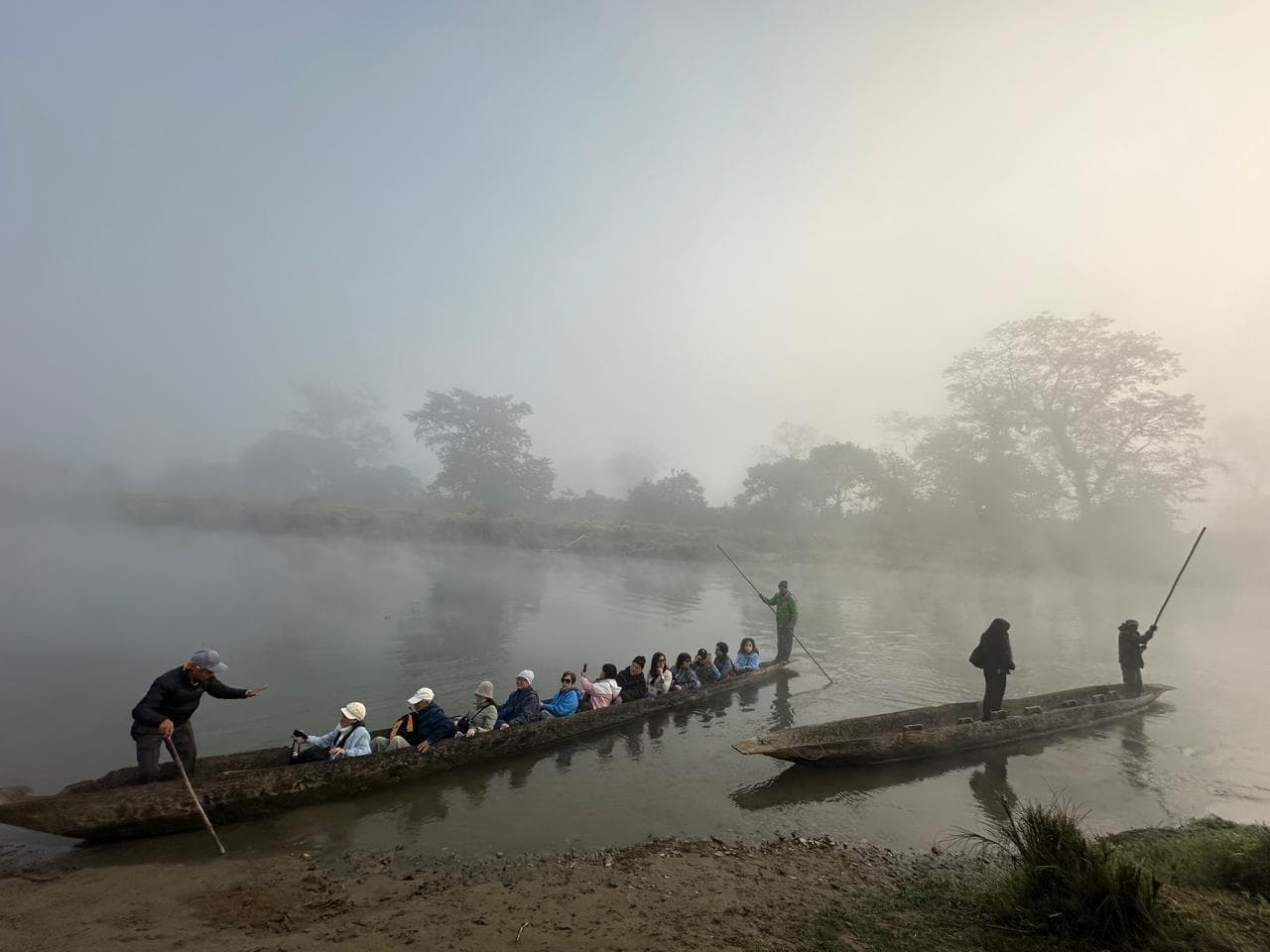
The Rapti River runs along the edge of Chitwan National Park and plays a vital role in the ecosystem. Canoe rides offer quiet wildlife observation, particularly birds and crocodiles along the riverbanks. Walking beside the river during sunset creates a peaceful atmosphere, with jungle sounds replacing city noise. The river experience balances adventure with calm reflection.
How Far Is Lumbini – Buddha Birthplace
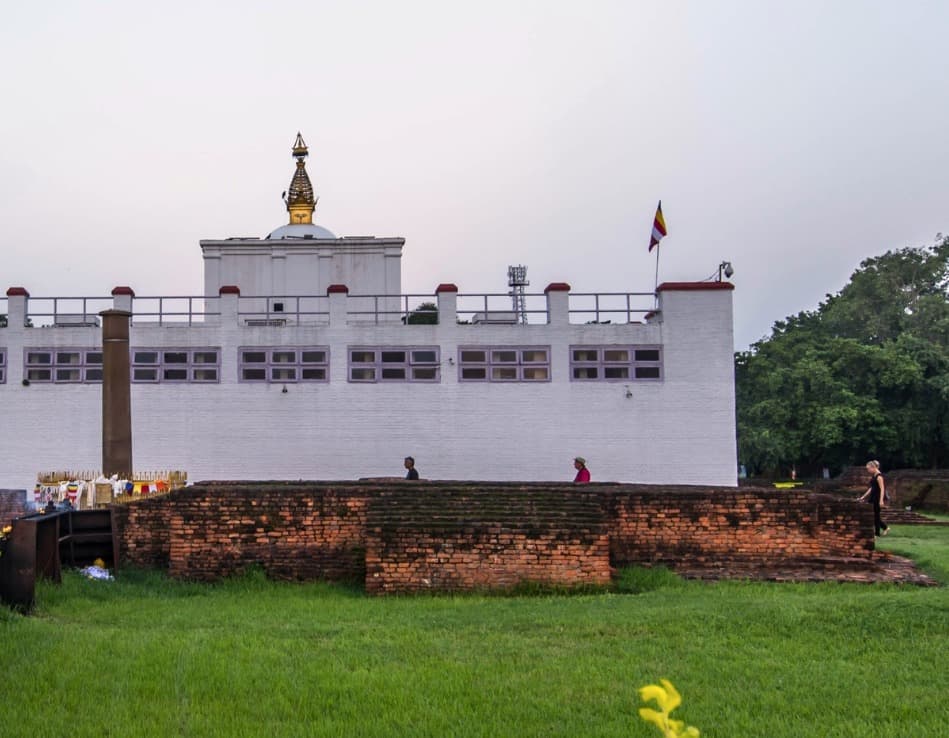
Lumbini lies approximately 250 kilometers from Chitwan. Road travel takes six to seven hours depending on conditions. Lumbini is one of the world’s most significant spiritual destinations, marking the birthplace of Lord Buddha. The sacred garden, Maya Devi Temple, and international monasteries attract pilgrims and visitors seeking reflection and insight.
Kathmandu – Culture and Heritage
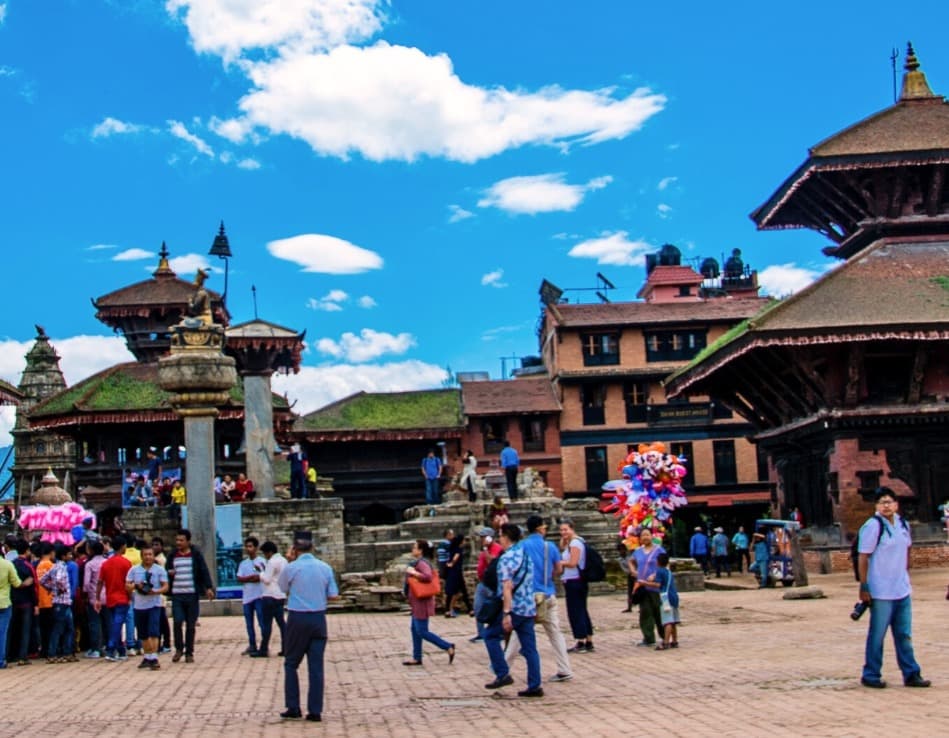
Kathmandu concludes the journey with history, spirituality, and living culture. Ancient temples, royal palaces, and vibrant markets fill the Kathmandu Valley. UNESCO World Heritage Sites reflect centuries of craftsmanship and devotion. Kathmandu offers an immersive cultural experience, blending tradition with modern life.