Are you prepared for a once-in-a-lifetime experience? Unmatched views, a taste of culture, and a sense of achievement are all provided by the Annapurna Circuit Trek. Let's discover what you need to know to maximize your experience before you tie up your boots and head out onto the trails.
Satisfying Journeys Await After Finishing the Annapurna Circuit Trek
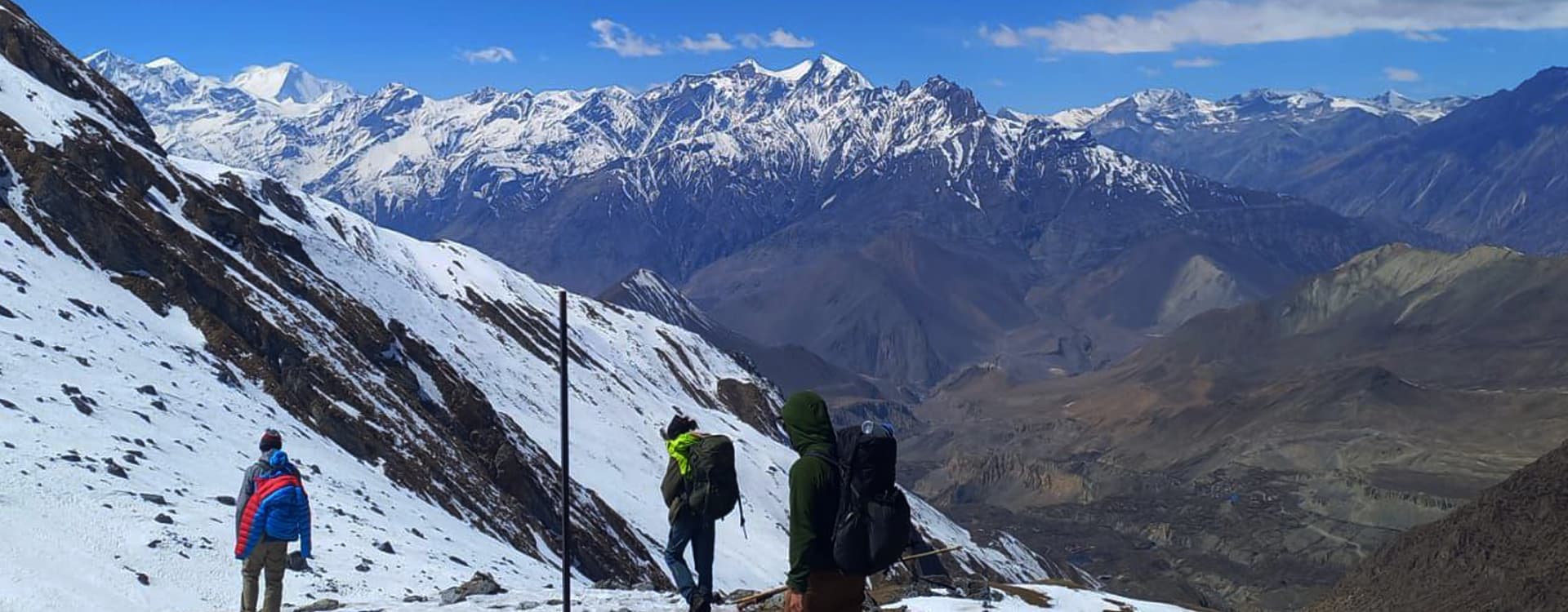
The 5,416-meter Thorong La Pass is reached through the difficult Annapurna Circuit climb in Nepal, but the effort is paid back with the expansive scenery of the Dhaulagiri and Annapurna mountains. Trekkers are rewarded with amazing views and the opportunity to experience Nepalese culture despite the challenging ascent. The Annapurna Circuit, all things considered, promises breathtaking landscapes, stunning scenery, inner peace, and cultural immersion, making it an experience that people who go on it will cherish forever.
While many trekkers stop to rest in Jomsom, some decide to continue their journey to explore Ghasa's natural beauty and Tatopani's soothing hot springs, which offer a welcome respite after days of hiking.
Top 10 Essential Information for Annapurna Circuit Trek
- Think About the Seasonal Conditions
- Use Reasonable Loads and Pack Lightly
- Maintain a Comfortable Pace
- Get Yourself Physically Ready
- Prepare Yourself Mentally for the Difficulties Ahead
- Trek with a Healthy Diet
- Choose the Correct Gear
- Maintain Hydration Throughout the walk
- Finding the Perfect Annapurna Circuit Trek Itinerary
- Respect Local Conventions and Culture
Think About the Seasonal Conditions:
Recognize how the weather will vary along the trekking route based on the seasons. Plan your travel and pack appropriately to prevent bad weather.
Use Reasonable Loads and Pack Lightly:
To reduce the physical strain on your body during the hike, bring only the necessities and keep your rucksack light. Evenly distribute your weight to keep your balance and stability.
Maintain a Comfortable Pace:
Pay attention to your body's needs and keep your speed consistent so that you may relish the trip without becoming too tired. Take pauses when necessary to recover and revitalize.
Get Yourself Physically Ready:
Before starting the trek, work out frequently and engage in conditioning exercises to increase your strength, endurance, and cardiovascular health.
Prepare Yourself Mentally for the Difficulties Ahead:
Mentally prepare yourself for the physical strain, effects of altitude, and unpredictability you can experience on the trek. Maintain your optimism and goal-focused attitude.
Trek with a Healthy Diet:
Keep up a healthy, high-protein diet, avoid alcohol and tobacco, and concentrate on wholesome foods to help you on your Annapurna Circuit trekking journey. Remember that drinking water is essential for preserving energy levels and preventing problems brought on by altitude.
Choose the Correct Gear:
The selection of appropriate equipment is important when preparing for the Annapurna Circuit trekking route. To walk safely on all types of terrain and prevent injuries, make sure you wear sturdy hiking boots. Acquire appropriate clothing, a strong bag, and essentials like a first aid kit to ensure your comfort and safety while traveling.
Maintain Hydration Throughout the walk:
To prevent dehydration and illnesses associated with altitude, bring along a sufficient amount of water and stay hydrated throughout the walk.
Finding the Perfect Annapurna Circuit Trek Itinerary:
Use waterproof bags or protective covers to keep your cameras and smartphones safe from moisture, dust, and harsh weather.
Respect Local Conventions and Culture:
Throughout your hike, be mindful of and mindful of the conventions, traditions, and cultural practices of the area. Dress modestly, ask permission before snapping pictures, and interact politely with locals.
Top Key Highlights of the Classic Annapurna Circuit Trek
Achieve Thorong La Pass: Take on the challenge of traversing the world's highest pass, at 5,416 meters, and enjoy the breathtaking, expansive views of the Himalayan ranges.
Observe Magnificent Himalayan Peaks: Take in the breathtaking views from trekking routes atop majestic peaks like Annapurna I, Dhaulagiri, and Manaslu.
Go to Muktinath: Discover this holy pilgrimage destination, which is adored by adherents of Buddhism and Hinduism and is renowned for its spiritual significance and ever-burning flame.
Engage with Locals in Ethnic Villages: Learn about the rich cultural legacy and customs of the Nepalese people through interactions with locals who serve as living museums.
Treat Yourself to Nepalese Cuisine: Savour mouthwatering Nepalese cuisine and encounter unmatched friendliness while you travel.
Rejuvenate in Tatopani Hot Springs: After a strenuous day of hiking, unwind and rest at Tatopani's natural hot springs.
Take a Beautiful trip: Savour a charming trip from Kathmandu to Jagat, passing through the Annapurna region's beautiful scenery.
Trip Exciting Wildlife: Bring excitement to your trekking trip by spotting musk deer, Himalayan tahr, and various bird species.
Experience Sunrise at Poon Hill: The Annapurna mountains may be seen in all its panoramic beauty from Poon Hill, which offers the best sunrise views.
Annapurna Massif
The Annapurna Massif is a massive mountain range with peaks rising to a height of over 8,000 meters that is located in Nepal. At 8,091 meters, the highest peak, Annapurna I Main, is the tenth-highest mountain in the world. These mountains, which bear the name of the Hindu deity of abundance, are essential for the region's rivers and verdant greenery, which sustain life. Trekkers are drawn to places like the Annapurna Sanctuary and Circuit by these mountains, which are protected inside the Annapurna Conservation Area. These summits' sheer heights and steep slopes make climbing them extremely difficult.
Annapurna Circuit Trek
Trekking the Annapurna Circuit offers amazing views of famous Himalayan peaks like Dhaulagiri and Annapurna while passing through a variety of environments, from lush forests to high-altitude deserts. Trekkers engage with communities and enjoy the hospitality of Nepal while immersing themselves in the native way of life. Seeing wildlife enhances the appeal of this walk. Highlights include visiting the holy site of Muktinath, traversing the daunting Thorong La Pass at an elevation of 5,416 meters, providing opportunities for rest and renewal as well, such as the Tatopani halt, and touring the quaint city of Pokhara. The Annapurna Circuit Trek, despite its difficulties, promises to be a life-changing adventure filled with breathtaking scenery, cultural immersion, and treasured memories.
Annapurna Circuit Trek Route: Explore the Beauty of Nepal
This route takes you on an exciting trip across Nepal's breathtaking Annapurna region. The trip begins with a kind welcome in Kathmandu and passes via charming villages like Jagat and Dharapani, providing glimpses into the way of life and customs of the locals. Trekkers are rewarded with breathtaking views of Himalayan peaks, like as Annapurna and Dhaulagiri, as the trail ascends. Acclimatization and exploration of monasteries and natural beauties are made possible with stops at Manang and Muktinath. In addition, there are leisurely stops at Tatopani's hot springs, which provide a refreshing break from the strenuous nature of the hike. The route culminates in Pokhara, with the opportunity to take an optional flight return to Kathmandu. It guarantees an incredible journey full of breathtaking scenery, engaging local culture, and leisure time.
|
Day |
Description |
Duration |
|
1 |
Arrive at Tribhuwan International Airport (KTM) Kathmandu |
- |
|
2 |
Drive from Kathmandu Jagat(1100m/3610FT) |
8-9 hours |
|
3 |
Jagat to Dharapani(1960m) |
6 hours |
|
4 |
Dharapani to Chame(2630m/8625FT) |
5 hours |
|
5 |
Chame to Pisang(3,300 M/10,825 FT) |
5 hours |
|
6 |
Pisang to Manang(3,370 M/11,710 FT) |
4 hours |
|
7 |
Manang – Acclimatization Day |
2-3 hours |
|
8 |
Manang to Yak Kharka (4,110 M/13,480 FT) |
3-4 hours |
|
9 |
Yak Kharka to Throng Phedi (4,450 M/14,465 FT) |
3-4 hours |
|
10 |
Trek to Muktinath (3,800 M/12,465 FT) Over Thorong La Pass (5,416 M/17,765 FT) |
7-8 hours |
|
11 |
Muktinath to Marpha (2,670 M/8,760 FT) |
6 hours |
|
12 |
Marpha to Ghasa (2010m/6590FT) |
5-6 hours |
|
13 |
Ghasa to Tatopani(1190m/3900FT) |
5 hours |
|
14 |
Rest and relax at Hot Spring |
- |
|
15 |
Tatopani to Ghorepani(2,810m/9215FT) |
7 hours |
|
16 |
Ghorepani to Pokhara |
7-8 hours |
|
17 |
Drive back to Kathmandu |
6-7 hours |
|
18 |
Farewell/Tour Ends |
- |
Most Preferred Paths: Exploring Alternative Paths for the Annapurna Circuit Trek
Start on the 14-day Annapurna Circuit Trek, the most popular route among trekkers. Begin in Kathmandu and trek from Jagat to Dharapani, Chame, and Pisang. Take a rest day in Manang to acclimatize before attempting Thorong La Pass at 5,416 meters. Descend to Muktinath and finally Jomsom, from which you may fly back to Pokhara. Finally, take a beautiful trip to Kathmandu and experience Nepal's stunning beauty.
|
Day |
Description |
Duration |
|
1 |
Arrive at Tribhuwan International Airport (KTM) Kathmandu |
- |
|
2 |
Drive from Kathmandu Jagat(1100m) |
8-9 hours |
|
3 |
Jagat to Dharapani(1960m) |
6 hours |
|
4 |
Dharapani to Chame(2630m) |
6 hours |
|
5 |
Chame to Pisang(3,300 M/10,825 FT) |
5 hours |
|
6 |
Pisang to Manang(3,370 M/11,710 FT) |
4 hours |
|
7 |
Manang – Acclimatization Day |
2-3 hours |
|
8 |
Manang to Yak Kharka (4,110 M/13,480 FT) |
3-4 hours |
|
9 |
Yak Kharka to Throng Phedi (4,450 M/14,465 FT) |
3-4 hours |
|
10 |
Trek to Muktinath (3,800 M/12,465 FT) Over Thorong La Pass (5,416 M/17,765 FT) |
7-8 hours |
|
11 |
Muktinath to Jomsom (2600m) |
5-6 hours |
|
12 |
Jomsom to Pokhara Flight |
- |
|
13 |
Drive back to Kathmandu |
- |
|
14 |
Farewell/Tour Ends |
- |
An outline of the 6-day Annapurna Circuit Trek
Take an amazing journey with the renowned 6-day Annapurna Circuit Trek, which provides unsurpassed vistas of Nepal's breathtaking Himalayan terrain. This adventure-packed route is not for the faint of heart, as the challenge increases, especially on days 4 and 5. Travel from Kathmandu to Chame, reaching a height of 2710 meters and passing through picturesque towns such as Pisang and Manang. Successfully ascend to Thorong Phedi, commonly known as Thorong High Camp, at 4540 meters before crossing the exhilarating Thorong La Pass to reach Muktinath. Finish the trip with a wonderful flight from Jomsom to Pokhara or Kathmandu.
|
Day |
Description |
Duration |
|
1 |
Kathmandu to Chame (2710M/8,892Ft) |
8-9 hours |
|
2 |
Chame to Pisang (3310/10859 Ft) |
5-6 hours |
|
3 |
Pisang to Manang (3519/11545 Ft) |
6-7 hours |
|
4 |
Manang to Thorong Phedi or Thorong High Camp(4540/14895 Ft) |
5-6 hours |
|
5 |
Thorong Phedi/Thorong High Camp to Muktinath(3763/12343 Ft) via Thorong La Pass, then drive to Jomsom(2743/8999 Ft) |
- |
|
6 |
Early morning flight from Jomsom to Pokhara or Kathmandu |
35 minutes |
Complete package for Annapurna Circuit Trek
With our complete plan, which is designed to guarantee comfort and convenience throughout your tour, experience the Annapurna Circuit Trek in full preparation.
The Escape Himalaya provides a thorough checklist of essential trekking gear to guarantee that hikers are well-equipped for their Himalayan expedition. We suggest packing an additional bag for personal belongings and offering necessary gear, such as a 70-liter duffel bag for trekking gear. We provide a -20 C certified down jacket and a four-season sleeping bag to guarantee warmth and comfort on chilly mountain evenings.
HEAD
- Sun Hat or Scarf
- Light Balaclava or Warm Fleece Hat
- Sunglasses with UV Protection
- Headband or ear covers
FEET
- Thin, Lightweight Inner Sock.
- Thick, Warm Wool Hiking Sock
- Hiking Boot
- Camp Shoes (Sneakers/Sandals
- Gaiters
- Spare Laces
- Microspike
HANDS
- Lightweight Gloves
- Heavyweight Gloves or Mittens
- Hand Warmers
LOWER BODY
- Under Garment
- Hiking Short
- Lightweight Cotton Long Pants
- Light & Expedition Weight Thermal Bottom
- Fleece Pants
- Waterproof Shell Pants.
ACCESSORIES
- Headlamp
- First Aid Kit
- Large Plastic Bag
- Trekking Pole.
- Water Bottle.
Toiletries
- Lip Balm
- Water Purification Tablets
- Dry Bags/Ziploc Bag
- Earplugs
- Guide and porter
- Trekking poles
- Chargers
- Bag Covers
- Rain Coat
Toiletries
- Personal Care Kit
- Sunscreen
- Moisturizer
Personal Hygiene
- Wet Wipes
- Tissue
- Handwash
- Blister plasters
- Portable Hand Sanitizer
ADDITIONAL ITEMS
- Maps and guides
- Snacks/Energy bars
- Camera
- Notebook/Pen
Annapurna Circuit Trek: A Trekker's Experience
Everyday activities on the Annapurna Circuit hike include walking from one place to another, usually lasting 4-9 hours and 15-22 km (9.3-13.7 miles) every day.
The trip begins at Jagat and passes via the villages of Pisang, Manang, Yak Kharka, and Ghorepani before arriving at Pokhara.
Trekkers get to see a variety of sceneries, learn about the customs and culture of the locals, and take in the breathtaking Himalayan panorama, which includes imposing peaks like Annapurna, Dhaulagiri, and Manaslu.
Trekkers can relax, eat, and refuel in tea houses or guesthouses, where they usually stay.
Highlights of the walk also include seeing wildlife like blue sheep, musk deer, snow leopards, and Himalayan tahr, as well as going to holy places like Muktinath and unwinding in natural hot springs like those in Tatopani.
After a breathtaking experience at Thorang La Pass, the tour ends with a visit to Pokhara, where you may relax and take in the natural beauty and adventure activities of the area.
Top 12 FAQS
Is the Annapurna Circuit Trek safe?
Numerous variables affect the Annapurna Circuit Trek's safety. Avalanches, steep terrain, and altitude sickness are among the inevitable concerns, despite the breathtaking views and cultural experiences it offers. With careful planning and exercise, hikers can reduce these hazards.
What is the best time to do the Annapurna Circuit Trek?
Trekking the Annapurna Circuit is best done in March-May or September-November. Trekking is comfortable during these months because of the dry weather, clear skies, and moderate temperatures.
Can I prevent altitude sickness during the trek? How?
The most effective method of protection against altitude sickness is smart planning. Reputable trekking organizations schedule their treks to allow for adjusting, and their guides are qualified to identify and handle any possible problems. If you're going it alone, carefully consider your itinerary, and don't push yourself too hard.
Limit alcohol and caffeine intake, get enough sleep, and stay active before embarking on an altitude hike. Drink plenty of water, wrap up warm, and use sunscreen. Altitude sickness can be lessened by some drugs; before departing, ask a chemist for assistance.
What are the signs of altitude sickness?
Altitude sickness symptoms include headache, nausea, sleeplessness, and decreased coordination and performance. Serum accumulation in the brain or lungs can happen under extreme circumstances, and it can be lethal. Immediate descent, medication, and the use of portable oxygen containers are examples of first-aid measures.
Do I need a guide or porter for the Annapurna Circuit trek?
Yes, hiring a guide or porter for the Annapurna Circuit hike can make your trip much easier. They can help with navigation, carry big packs, and provide support in case of emergencies or unanticipated difficulties.
Are there any health concerns or altitude sickness risks on the Annapurna Circuit trek?
A typical concern during high-elevation climbs such as the Annapurna Circuit is altitude sickness. Along the way, Thorong La Pass is frequently to blame for altitude sickness.
Where am I sleeping at night?
Along the walk, there are tea houses and guesthouses where you will be staying with basic comforts. The company also provides blankets to make sure you're comfortable at night.
The temperature of the room is kept between 10 and 12°C (50 and 54°F) to ensure a good night's sleep.
What can I have during the trek?
The most popular lunch option for hikers is dhal bhat, which is favored by Nepalese and is well-known for its high nutritious content.
There are many more options available besides this typical cuisine, including pizza, pasta, fries, dumplings, noodles, spaghetti, soups, and salads, both vegetarian and non-vegetarian. While on the trip, trekkers can choose from a wide variety of meals to fit their dietary requirements and tastes.
How is the weather in the Annapurna region?
At lower elevations, average temperatures during this period range from 5 to 15 °C (41-59 °F), while at higher elevations, they range from -5 to 5 °C (23-41 °F). The winter months of December through February bring cooler temperatures and frequent snowfall at higher altitudes.
What permits do I need for the Annapurna Circuit trek, and where can I obtain them?
The Annapurna Conservation Area Permit (ACAP) and the Trekkers' Information Management System (TIMS) card are required for the Annapurna Circuit trip. Permit fees are NPR 1000 for SAARC countries and NPR 3000 for non-SAARC nations. Furthermore, there's an NPR 2000 TIMS card cost. The Nepal Tourism Board or other approved organizations in Kathmandu or Pokhara are the places to get these permits.
Is it possible to charge electronics while hiking? What kind of adapter would I require?
Of course, you can charge your electronics while hiking. However, keep in mind that the power supply is restricted and weather-dependent. Additionally, there is an hourly charge for charging your electronics that is about between US $2 and US $3 or the equivalent in Rupees.
Three plug kinds are used in Nepal: C, D, and M. In the country, two round pins (type C) and three round pins arranged in a triangle (type D) are the standard. The majority of the nation runs on a 230 V supply voltage at 50 Hz. Therefore, it is safer to travel with a universal travel adaptor for charging.
How much money do I need to bring with me for the travel?
For the Annapurna Circuit Trek, trekkers should budget US $40-60 for permits and US $5-15 per night for basic tea houses or $30+ for luxurious lodges. Meals cost US $5-20 each, and drinks are US $1-3 each. Transportation is US $7-10 for a bus and $50-100 for a shared vehicle. Guides and porters cost US $35-50 per day. Additional costs for hot showers (US $3-5), WiFi (US $3-5 per day), and charging accessories (US $1-3 per device) should be considered, along with extra snacks and mementos.
Alternatively, choosing a company package for the trek ranges from US $850 to US $1400. This includes ground transportation, accommodation, airfare, meals, a trekking guide, porter, permits, and trekking gear. However, personal expenses like insurance, airfare, visa fees, drinks, snacks, and tips are not included.
Final Thoughts: Recalling Experience on the Annapurna Circuit Trek
Trekking the Annapurna Circuit is a once-in-a-lifetime experience filled with jaw-dropping views, cultural exchange, and personal achievements. Every moment is full of amazement, from scaling Thorong La Pass to gazing in awe at Himalayan peaks like Dhaulagiri and Annapurna.
When we think back on our trip, we treasure the friendly welcome, the companionship of other hikers, and the self-discovery moments. The walk offers a variety of experiences, such as enjoying the hot springs in Tatopani or dining on Nepalese cuisine.
The Annapurna Circuit Trek delivers a variety of life-changing experiences from the first footsteps to the finish path. Accept each step, each view, each relationship, for these are the things that will make this trip truly transforming. Make memories every day that will stay with you long after the walk is over so that the Annapurna Circuit will always hold a special place in your heart.