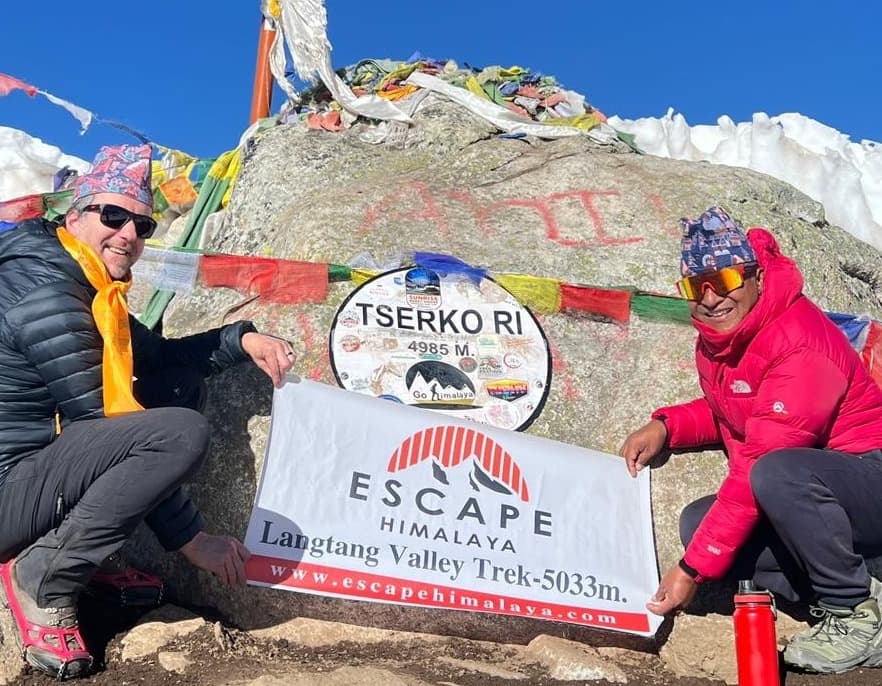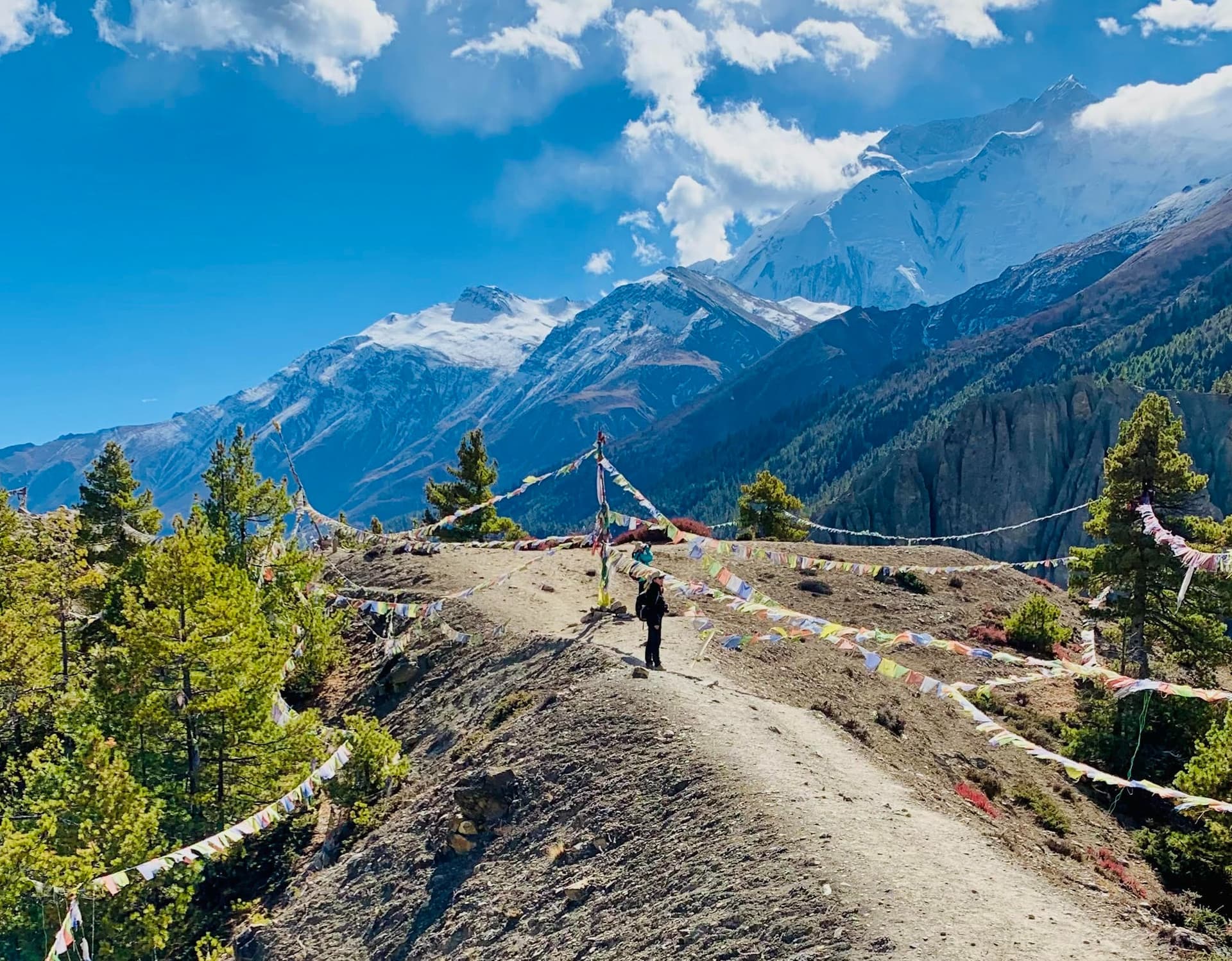
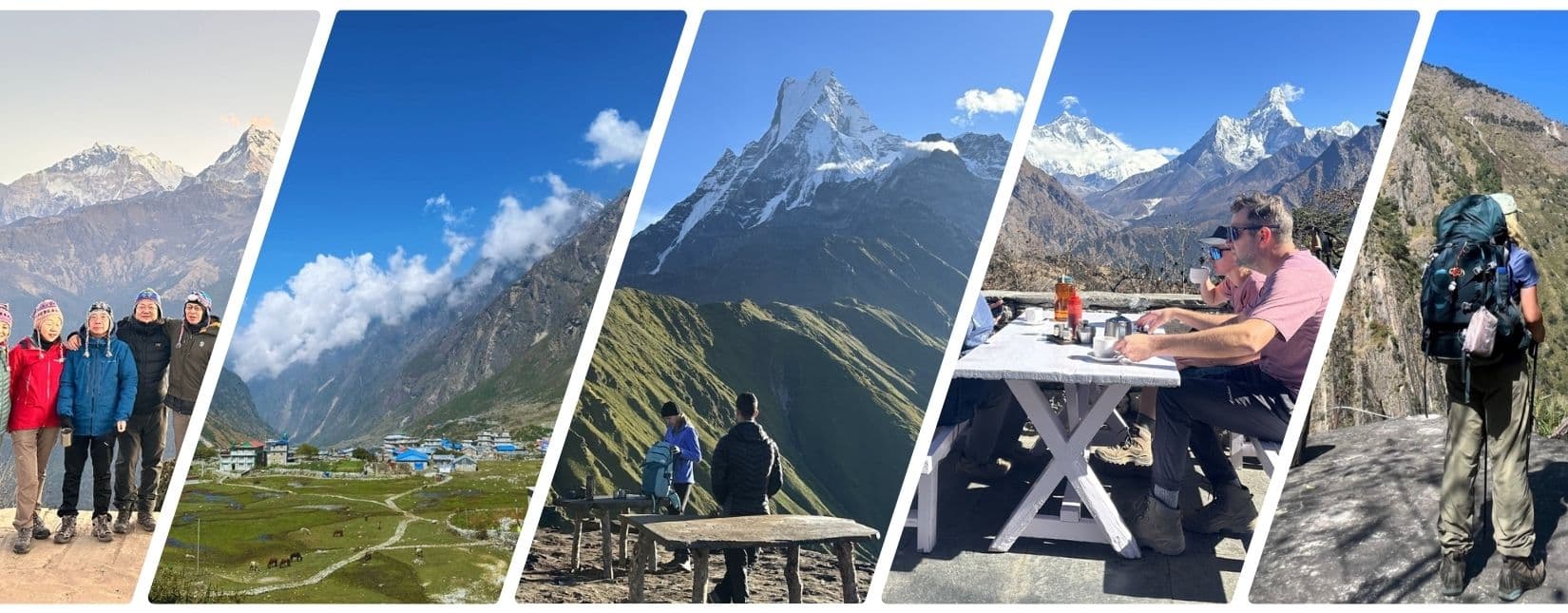

The best beginner treks in Nepal for 2026/2027 are Ghorepani Poon Hill, Langtang Valley, Mardi Himal, Everest View, and Tamang Heritage. Ghorepani Poon Hill is the best overall choice for first-time trekkers, while Langtang Valley is ideal for culture and nature, Mardi Himal suits fit beginners, Everest View offers a shorter Everest experience, and Tamang Heritage is best for village culture.
At Escape Himalaya, we have helped thousands of first-time trekkers plan their Nepal journeys safely. The most common question we hear is not about gear or permits. It is: which trek should I do first? This guide gives you a clear, honest answer.
Quick answer: For most first-timers, the Ghorepani Poon Hill Trek is the safest classic choice, offering iconic Annapurna views at a manageable altitude. The Langtang Valley Trek is best for nature and Tamang culture close to Kathmandu. The Mardi Himal Trek suits fit beginners who want a quieter Annapurna trail with a bigger challenge. The Everest View Trek lets you see Everest without committing to Everest Base Camp. The Tamang Heritage Trek is best for cultural immersion in traditional Tibetan Buddhist villages.
What Makes a Trek Beginner-Friendly in Nepal?
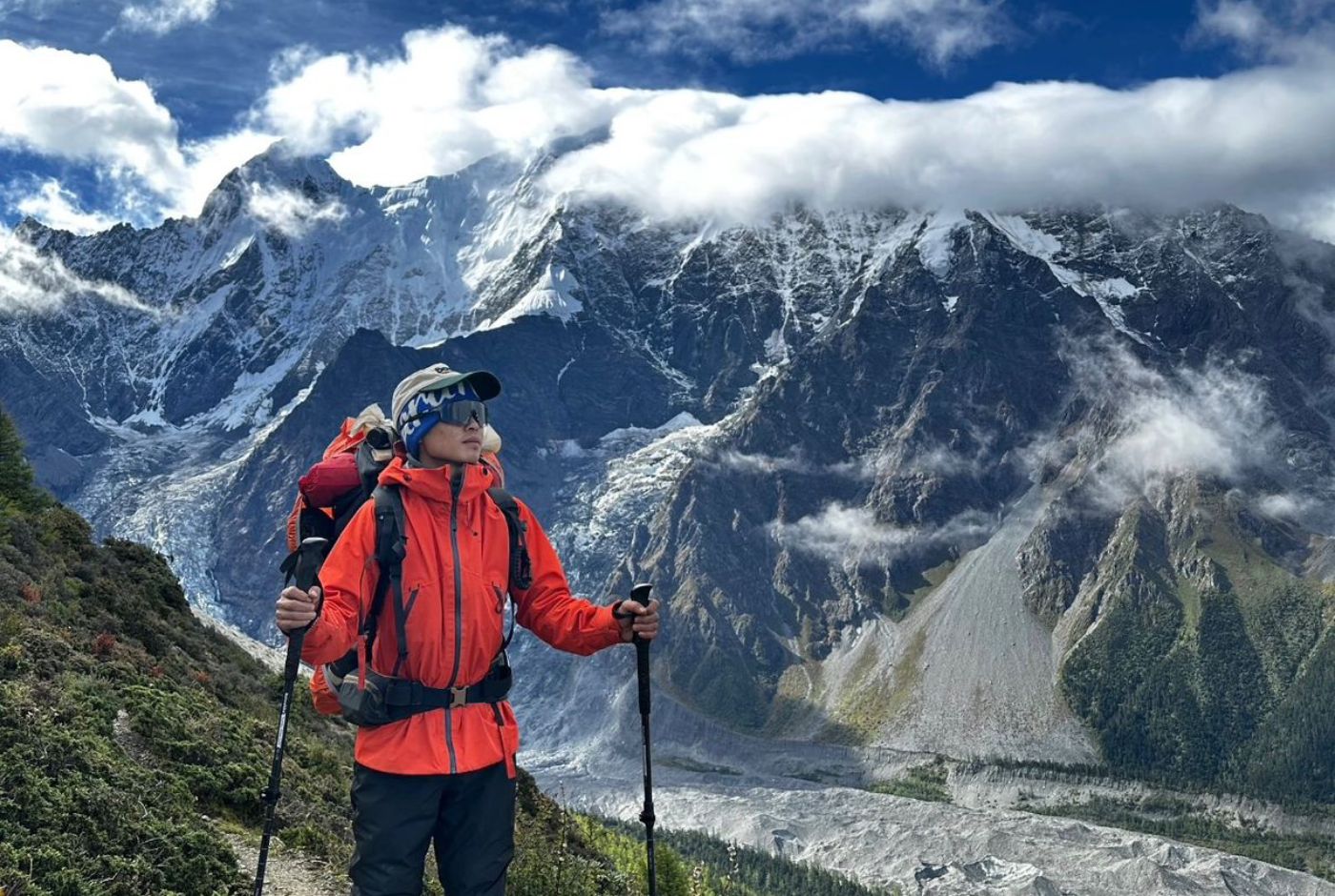
The word "easy" gets used loosely in trekking. Here is what we actually mean when we describe a route as suitable for beginners:
- Manageable altitude, generally staying below 4,200 metres to keep altitude sickness risk low
- Around 4 to 6 hours of walking per day on most days, with rest days or shorter stages built in
- Clear, well-maintained trails with teahouse accommodation available each night
- No technical climbing, rope work, or river crossings requiring specialist skills
- Realistic total duration of 5 to 10 days, within reach for travellers with basic fitness
- Good access to licensed guides, teahouse lodges, and evacuation support if needed
These criteria still leave room for real physical challenge. What they rule out is unnecessary risk for people who are new to altitude trekking.
Ghorepani Poon Hill Trek
Best for: First-time trekkers who want iconic Annapurna views with lower altitude risk
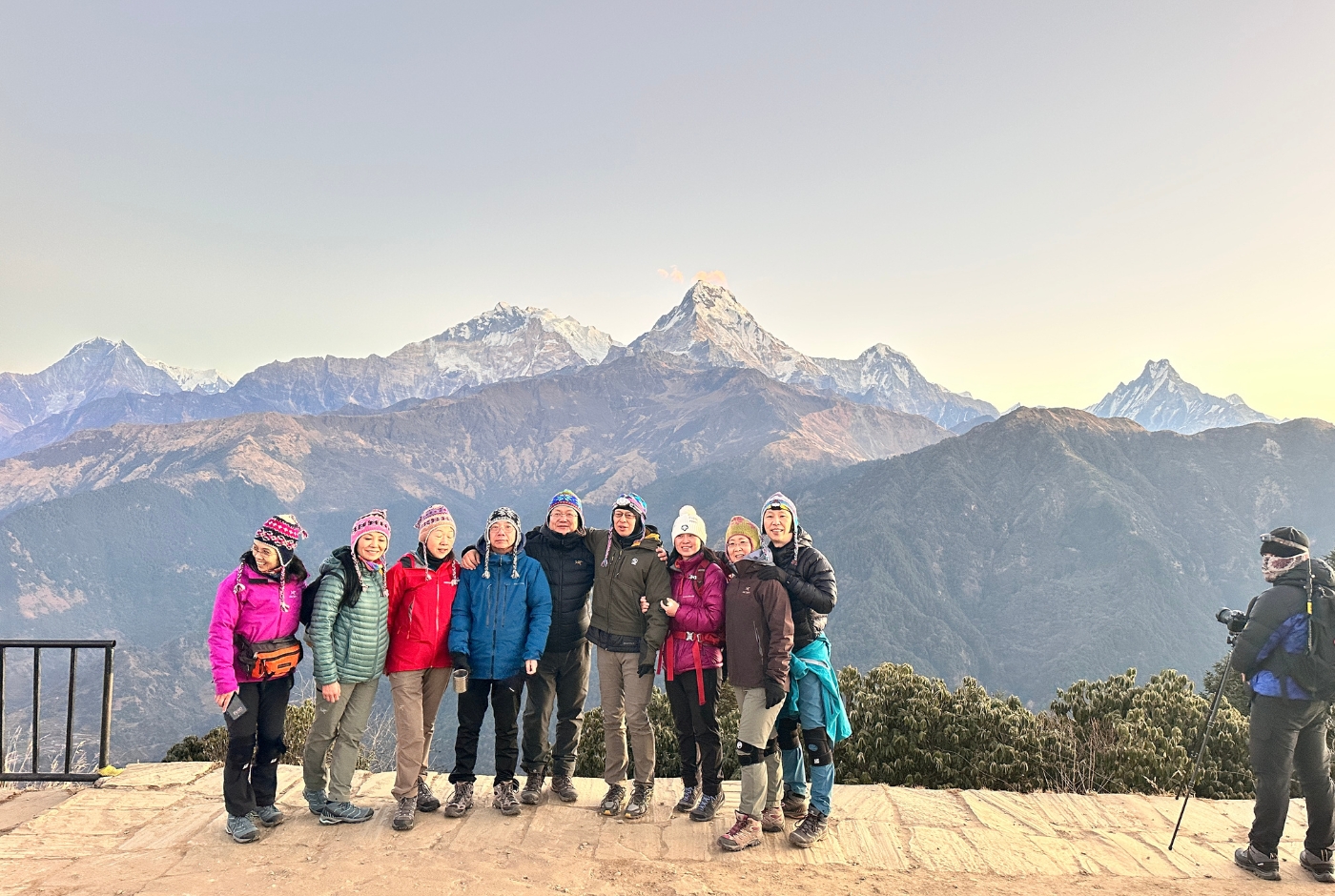
If there is one route that consistently delivers for first-time trekkers, it is Poon Hill. The trail passes through terraced farmland, traditional Gurung and Magar villages, and dense rhododendron forests before climbing to Ghorepani and the famous viewpoint at 3,210 metres. From there, on a clear morning, you can see Dhaulagiri, Annapurna South, Machapuchare (Fishtail Peak), and more than a dozen other high peaks spread across the horizon.
Ghorepani-Poon Hill is really a paradise for trekkers having keen interest in Nepal. You can learn more in our detailed blog on why Poon Hill trek is a heaven for travellers.
The early morning walk from Ghorepani to the Poon Hill viewpoint takes roughly 45 minutes, usually done in the dark with headlamps. Reaching the top alongside trekkers from around the world and watching the Annapurna range emerge in the first light is one of those genuinely memorable moments that stays with you. The trail starting points vary by itinerary and can include Nayapul, Birethanti, Hile, Ulleri, or nearby trailheads, all easily reached from Pokhara in about 1.5 hours by road.
If you want to add more challenge to your trekking skills, why not consider the Annapurna Base Camp Trek (ABC)?
One honest challenge worth mentioning: the stone steps around Ulleri and on the descent from Ghorepani are relentless. Your legs will know about them. Trekking poles help considerably.
Trek Facts
- Duration: 4–7 days
- Difficulty: Easy to moderate
- Max elevation: 3,210m
- Best seasons: March to May and October to November
- Starting point: Nayapul, Birethanti, or nearby trailheads, about 1.5 hours from Pokhara
- Highlights: Poon Hill sunrise, Annapurna and Dhaulagiri panoramas, rhododendron forests in bloom, Ghandruk village
Langtang Valley Trek
Best for: Travellers wanting nature, culture, and mountain scenery close to Kathmandu
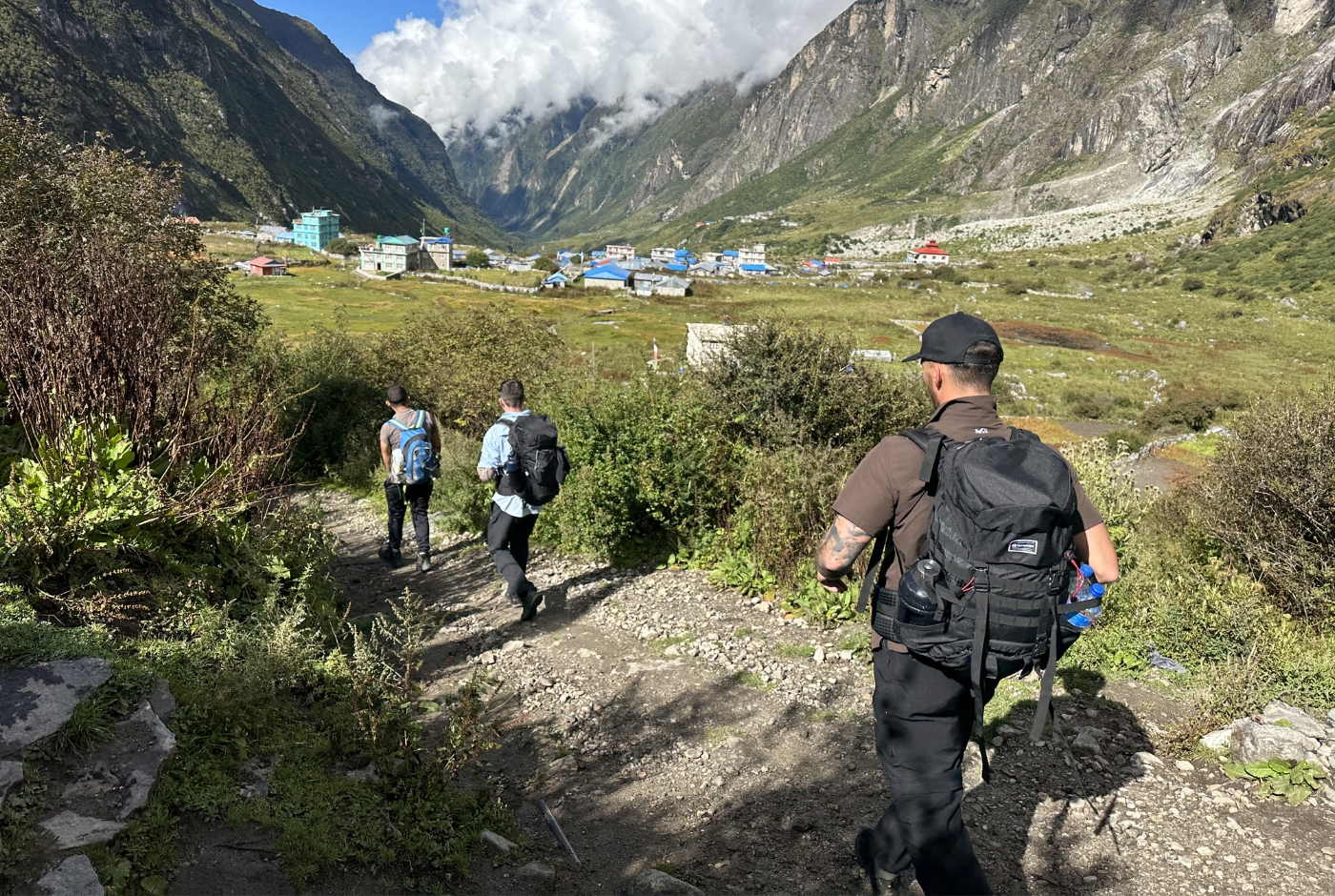
Langtang is Nepal's most accessible major trekking region, reachable in roughly 7 to 8 hours by road from Kathmandu, making it a practical choice for travellers with limited time. Yet the valley itself feels genuinely remote. The trail winds through Langtang National Park, home to red pandas, Himalayan black bears, and more than 345 bird species, before opening into a wide mountain valley dominated by the Langtang Lirung massif at 7,246 metres.
Langtang Valley trek is surely considered the most trekked route in the entire Langtang region.
Langtang valley trek is a major trekking option for any trekker who want accessible trekking experience in Nepal. Learn more about the major highlights of Langtang Valley Trek in our detailed blog here.
The Tamang communities along the route maintain strong ties to Tibetan Buddhist tradition. The monastery and yak cheese farm at Kyanjin Gompa are highlights most trekkers remember long after the trip. Optional viewpoints above Kyanjin can take you higher than the standard 3,870 metres if you want an extra challenge on acclimatisation days.
If you want more easier trek then, Langtang Valley Trek with Helicopter can be an suitable alternative.
A note worth acknowledging: the 2015 earthquake caused devastating loss in the Langtang valley. The village was rebuilt by the community itself, and trekking here today is a direct contribution to that ongoing recovery. Many visitors find that knowing this history adds a layer of meaning to the journey.
Trek Facts
- Duration: 7–10 days
- Difficulty: Easy to moderate, depending on pace and optional extensions
- Max elevation: Around 3,870m at Kyanjin Gompa, higher if optional viewpoints are included
- Best seasons: March to May and October to November
- Starting point: Syabrubesi
- Highlights: Langtang National Park wildlife, Tamang culture, Kyanjin Gompa monastery, yak cheese farm, glacier views
Mardi Himal Trek
Best for: Fit beginners who want a quieter Annapurna trail and close views of Machapuchare
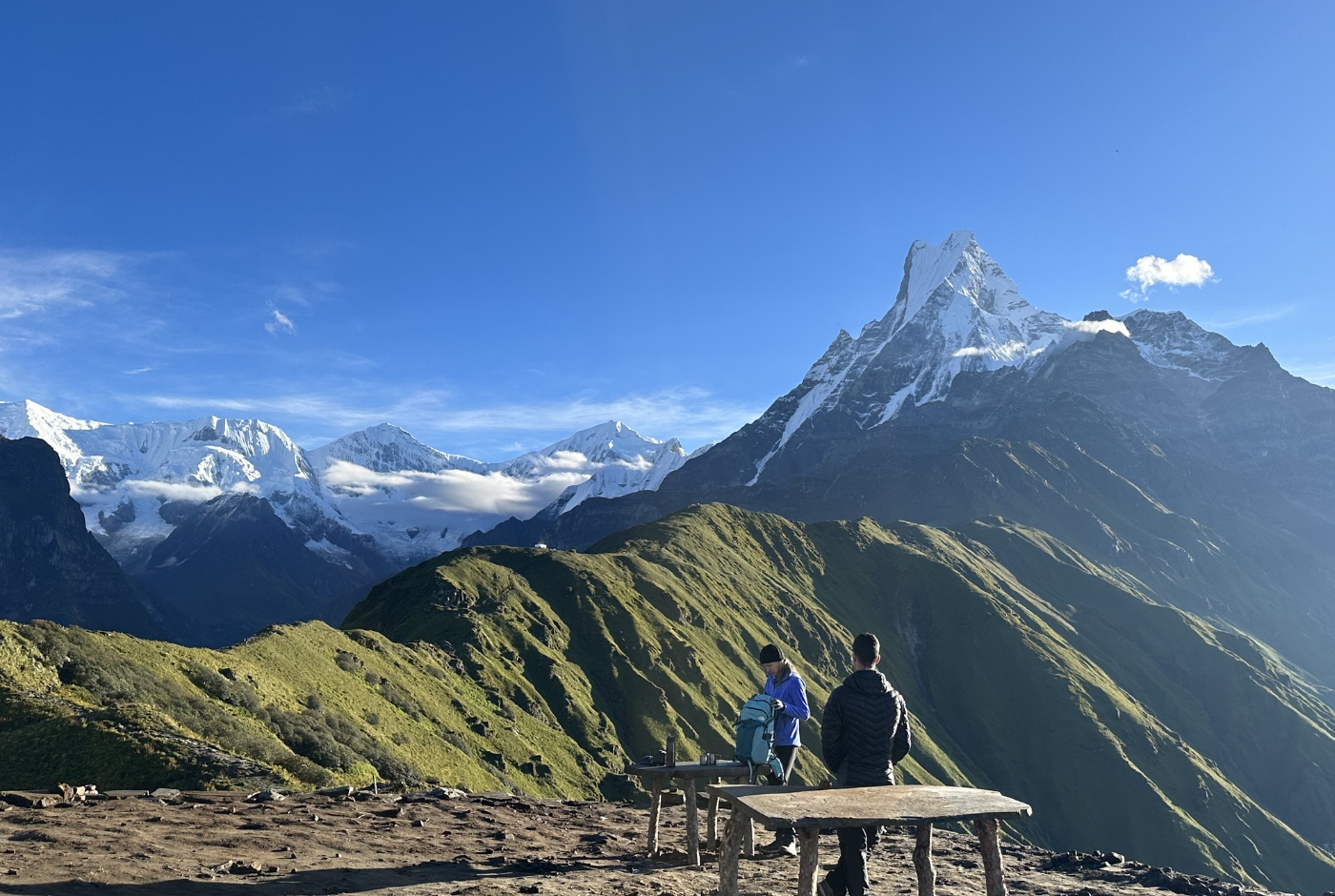
Mardi Himal remains one of the least-crowded trails in the Annapurna region, and the views it offers of Machapuchare, Annapurna South, Hiunchuli, and Mardi Himal itself are as dramatic as anything on the more popular routes. The trail climbs from dense rhododendron and oak forest into an open alpine zone where the mountains feel strikingly close.
This is not the easiest trek on this list. The route reaches around 4,500 metres at the High Camp viewpoint area, which puts it at the upper limit of what we recommend for beginners. The ascent is gradual, but the altitude and steeper sections in the upper portion make this a better fit for someone who is reasonably fit and comfortable with the idea of some physical effort. If altitude symptoms develop, staying an extra night at Low Camp for acclimatisation is always the right call.
Surely, if you feel that Mardi will remain too easy, you can futher add if with Ghorepani-Poon Hill trek joining from Landruk. We at Escape Himalaya offer this combo as Mardi Himal with Poon Hill trek.
For those who choose it, Mardi Himal tends to be the trek that surprises people most. First-timers who arrive uncertain of their own ability often find themselves at High Camp looking out over the Annapurna range and wondering why they doubted themselves.
Trek Facts
- Duration: 5–7 days
- Difficulty: Moderate
- Max elevation: Around 4,500m at High Camp/viewpoint area
- Best seasons: March to May and October to November
- Starting point: Kande, Phedi, or nearby trailheads from Pokhara
- Highlights: Forest ridge walking, High Camp views, Machapuchare up close, Annapurna South, quiet trail atmosphere
Everest View Trek
Best for: Travellers who want to see Everest without committing to a three-week Everest Base Camp itinerary
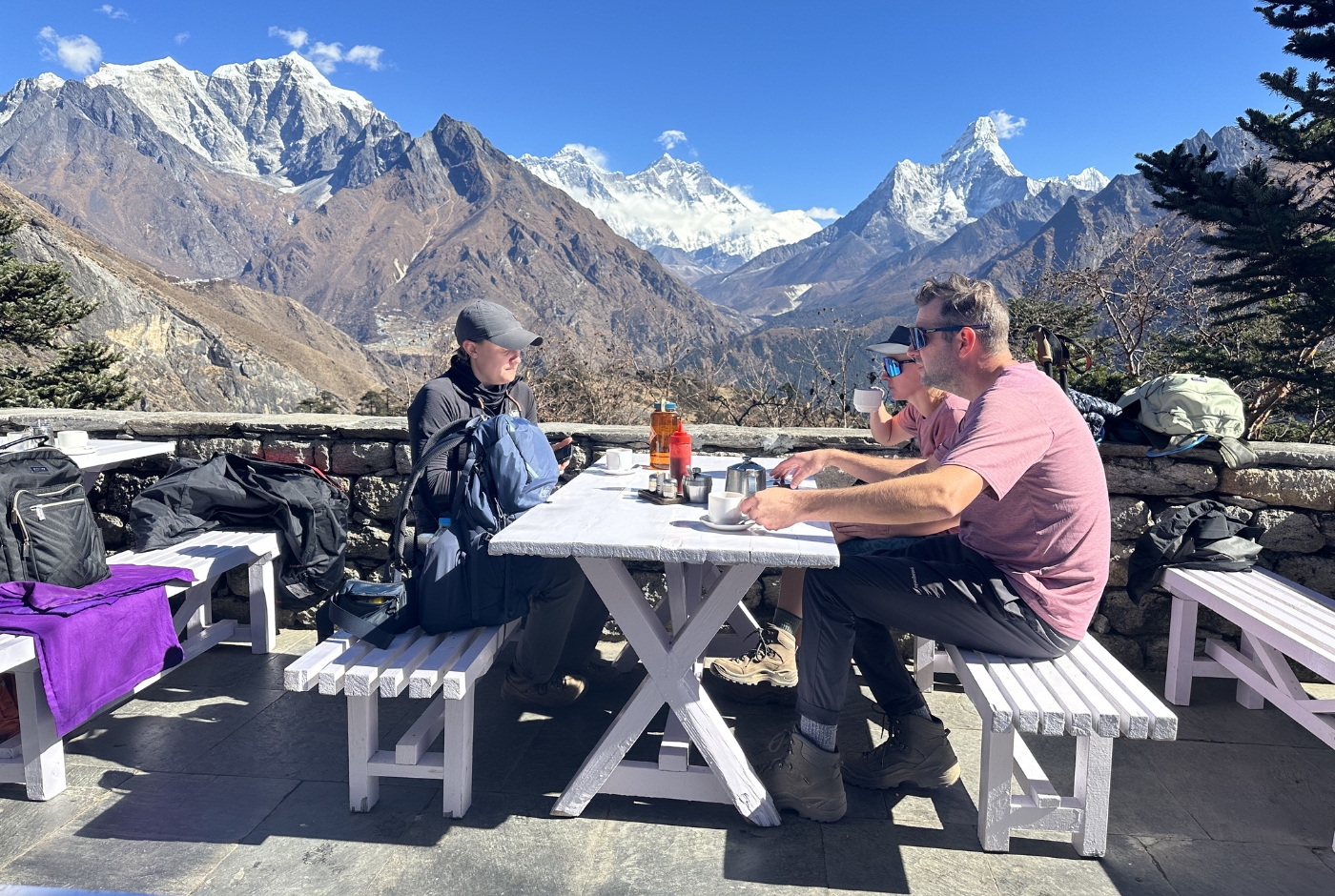
Not everyone can take three weeks for Everest Base Camp, and that is completely fine. The Everest View Trek gives you the cultural experience of the Khumbu region, including the famous Sherpa town of Namche Bazaar and Tengboche Monastery, along with clear sightlines to Everest, Lhotse, Nuptse, and Ama Dablam, while staying below around 3,867 metres.
Welll, Everest View Trek is one of the most costly beginner-level trek. Lukla flights and the heavy permits requirements are notable factors.
The trek begins with the Lukla flight, a short but memorable landing on a hillside runway at 2,840 metres that sets the tone for the whole trip. From Lukla, the trail follows the same path as Everest Base Camp trekkers through suspension bridges draped in prayer flags, yak caravans, and well-established teahouses. You share the trail with people heading much higher, which gives you the full atmosphere of the Khumbu without the demands of a longer expedition.
If you fell that Everest View Trek is too simple and plain for trekking in Nepal, why not join us for Everest Base Camp Trek? EBC is the most iconic trek of Nepal. Everest View Trek is just an tangible portion of the EBC trek.
One honest challenge: the climb to Namche Bazaar is steep, and altitude can still affect beginners in the 3,000 to 4,000 metre range. Go slowly, drink plenty of water, and take rest days seriously.
Trek Facts
- Duration: 5–7 days
- Difficulty: Moderate, with some steep sections near Namche
- Max elevation: Around 3,867m, depending on itinerary and viewpoint lodges chosen
- Best seasons: March to May and October to November
- Starting point: Lukla, reached by flight from Kathmandu or Ramechhap depending on season and current operations
- Highlights: Lukla flight, Namche Bazaar, Sherpa culture, Tengboche Monastery, direct views of Everest and Ama Dablam
Tamang Heritage Trek
Best for: Travellers who value culture, village life, and quieter trails over summit views
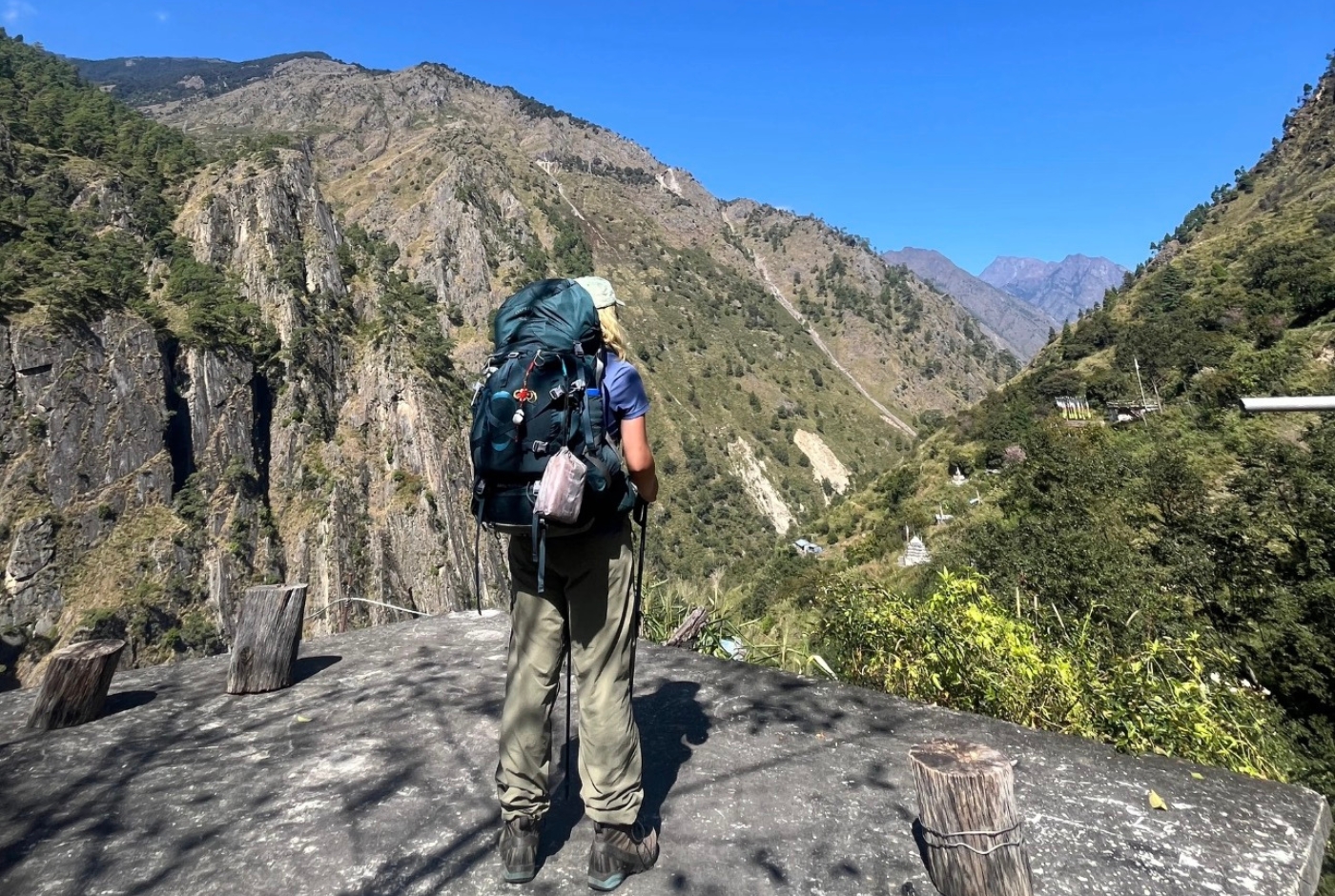
The Tamang Heritage Trail runs through the Langtang region and can be combined with the Langtang Valley Trek for a longer journey, or walked independently as a cultural focus trip. The route passes through genuine Tamang villages where traditional stone houses, old monasteries, hand-woven textiles, and Tibetan Buddhist practices remain very much part of daily life.
Please note that Langtang Valley Trek can be further extented to Tamang Heritage trail if you want to add more cultural dept to your journey.
The Ganesh Himal and Langtang ranges provide a consistent mountain backdrop, but the real draw here is the human experience. Accommodation on this trail often includes local homestays rather than commercial teahouses, which means simpler facilities but a far more direct connection with the communities you pass through. Facilities may be more basic than on well-trafficked routes, so it helps to go in with realistic expectations and an open mind.
Trek Facts
- Duration: 7–9 days
- Difficulty: Easy to moderate
- Max elevation: Around 3,300m, depending on route
- Best seasons: March to May and October to November
- Starting point: Syabrubesi
- Highlights: Tamang village culture, Tibetan Buddhist monasteries, Ganesh Himal views, local homestay accommodation
Quick Comparison: Which Beginner Trek Is Right for You?
| Trek | Duration | Max Elevation | Difficulty | Best For |
|---|---|---|---|---|
| Ghorepani Poon Hill | 4–7 days | 3,210m | Easy to moderate | First-timers, iconic Annapurna views |
| Langtang Valley | 7–10 days | 3,870m | Easy to moderate | Nature and culture near Kathmandu |
| Mardi Himal | 5–7 days | 4,500m | Moderate | Fit beginners, quiet Annapurna trail |
| Everest View | 5–7 days | 3,867m | Moderate | Seeing Everest on a shorter timeline |
| Tamang Heritage | 7–9 days | 3,300m | Easy to moderate | Cultural immersion, village stays |
Best Time for Beginner Treks in Nepal
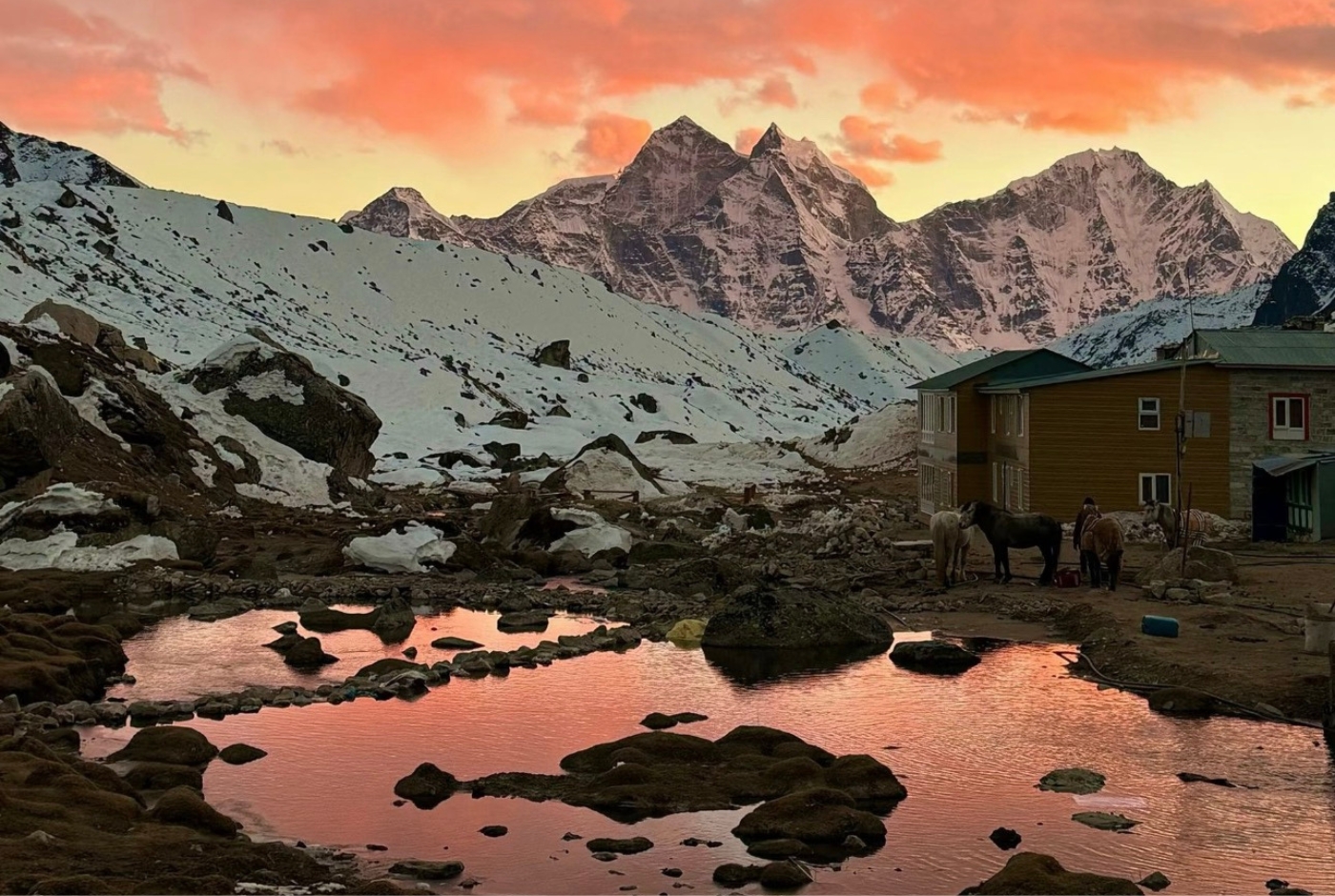
For a beginner, what is the most practical best time to trek in Nepal? Well, each season provides completely different genre of trekking experience in Nepal.
Autumn (October to November) is the most popular season, and for good reason. After the monsoon ends in late September, the air clears, trails dry out, and mountain views are typically at their sharpest. Teahouses are lively and well-stocked. This is the most reliably good window for a first visit.
Spring (March to May) brings rhododendron blooms across the lower forests, with more than 30 species flowering in shades of red, pink, white, and purple. There can be more haze at higher altitudes than in autumn, but the colour and warmth at lower elevations more than compensate. If you are trekking Poon Hill or Langtang in March or April, the forests in bloom are genuinely spectacular.
Winter (December to February) is rarely discussed for beginner trekkers, but lower-altitude routes such as Poon Hill and Tamang Heritage can actually be excellent in the colder months. There are fewer trekkers, teahouse prices are lower, and mountain views can be very clear. Morning temperatures at higher elevations will fall below freezing, so warm layering is essential, but it is a viable option for those who do not mind cold nights and want a quieter experience.
Monsoon (June to September) is generally less suitable for first-timers. Heavy rain, leeches on lower trails, persistent cloud cover, and slippery paths make the experience significantly harder. Some experienced trekkers enjoy the green landscapes of monsoon season, but for a first trek, the other seasons offer a far more comfortable introduction.
How Much Does a Beginner Trek in Nepal Cost?
Costs vary considerably depending on which route you choose, how many people are in your group, and whether you opt for a full package or guide-only arrangement. Here are realistic ranges to help with planning:
- Guide-only package (you arrange your own food and teahouse accommodation): approximately USD 30–45 per day for the guide
- Full agency package (guide, accommodation, meals, permits, transport): typically USD 80–150 per person per day
- Budget teahouse rooms: roughly USD 5–15 per night per person on most routes
- Trail meals: approximately USD 7–12 per meal; dal bhat (lentil soup, rice, and vegetable curry) is the best value and the most nutritious option
- A 7-day Poon Hill trek, full package: estimated USD 700–1,100 per person, depending on group size and agency
- Everest View Trek: generally costs more than the other beginner treks due to domestic flight costs to and from Lukla
Prices quoted by agencies should clearly list what is and is not included. Ask specifically about permits, transport, guide wages, and emergency support before committing.
How to Prepare for Your First Nepal Trek
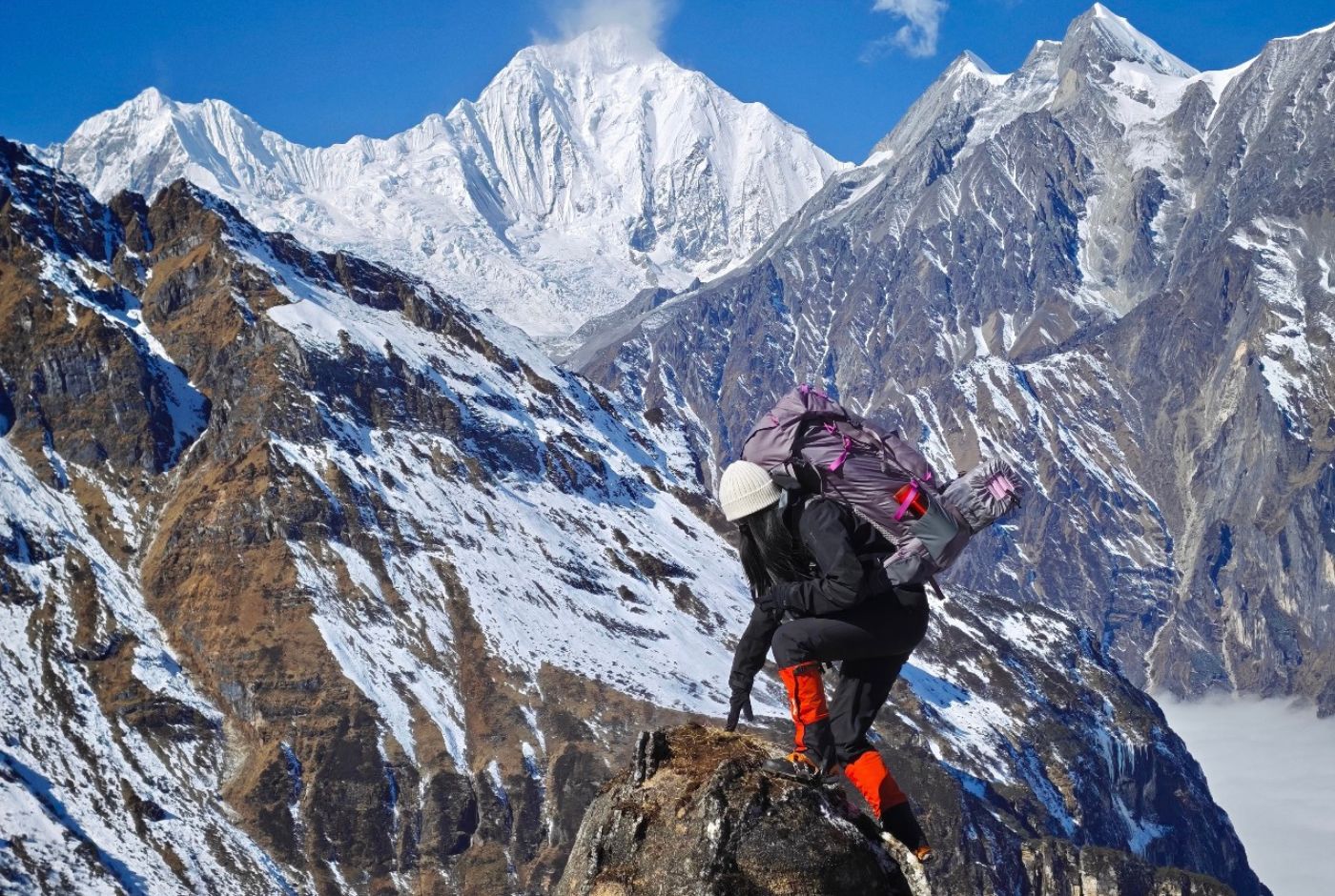
You do not need to be an athlete, but consistent preparation over 8 to 12 weeks before your trek will make the experience considerably more enjoyable. The main physical challenge on most beginner treks is not any single steep section; it is the cumulative effect of walking 5 to 6 hours a day for 5 to 10 consecutive days, often on uneven stone surfaces.
- Walk hills regularly: Find the steepest terrain available near you and use it. Stair climbing counts. What matters is sustained uphill effort, not gym cardio
- Train with a loaded pack: Even a 6 to 8 kilogram daypack changes the physical experience significantly. Train with weight on your back from early in your preparation
- Strengthen your knees and legs: Descents are where beginners most often struggle. Wall sits, lunges, and step-downs help build the quadriceps and glute strength that protects your knees on long downhills
- Walk multiple days in a row: A single long hike does not prepare your body the same way that three or four consecutive days of walking does
- Break in your boots before you leave: Do not arrive with new boots. Stiff footwear on day one of a week-long trek is a reliable way to end up with serious blisters. Wear your trekking boots on every training walk from the day you buy them
Altitude Sickness: What Beginners Should Know
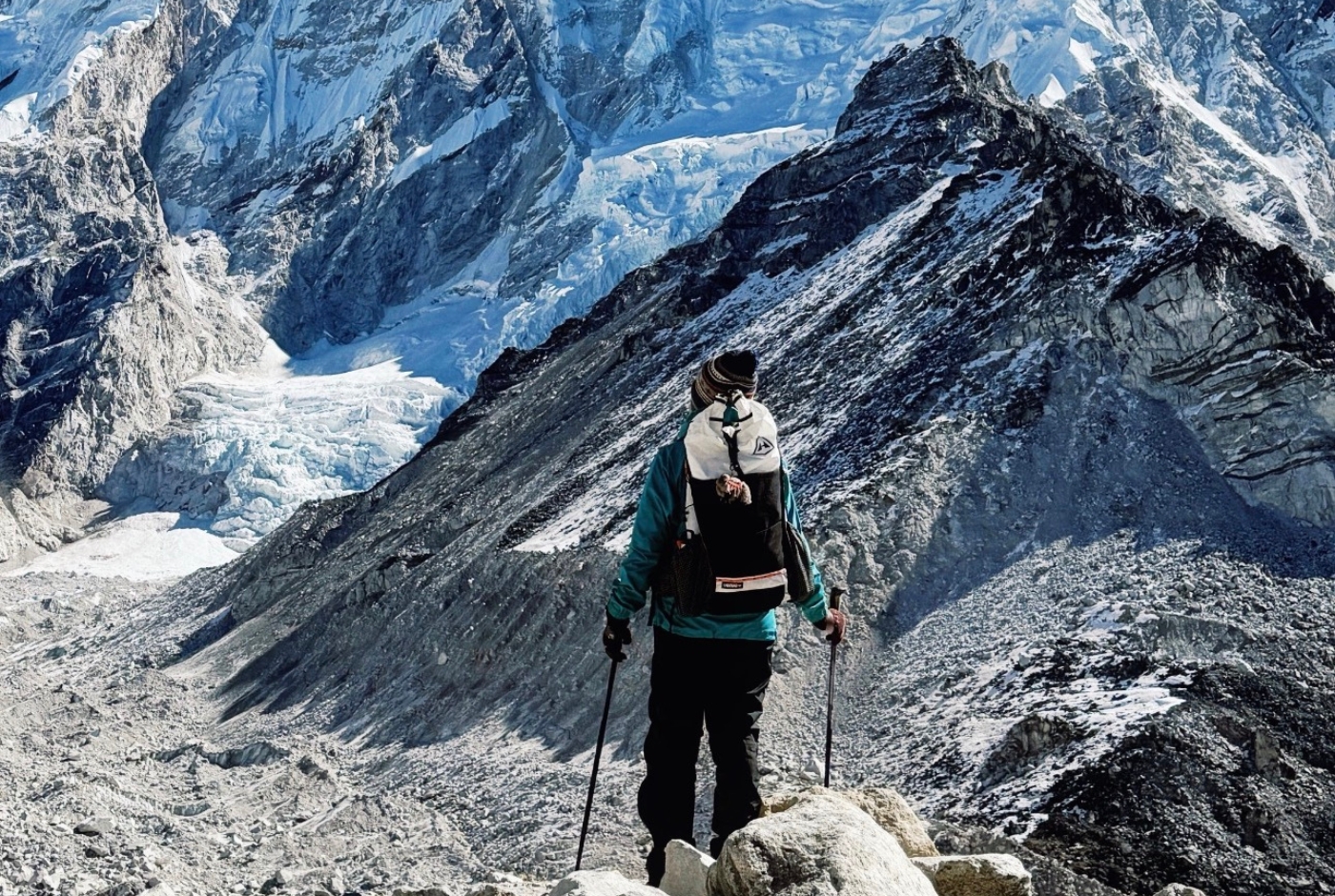
Altitude sickness can affect anyone, regardless of fitness level, age, or previous trekking experience. It is not something you can train your way out of or predict in advance. However, on beginner treks that stay below 4,200 metres, the risk is manageable with sensible behaviour.
Common symptoms include headache, nausea, dizziness, unusual fatigue, and loss of appetite. Symptoms typically begin above 2,500 metres and can worsen if you continue ascending without allowing your body to adjust.
The most important rule is straightforward: do not ascend higher if you have symptoms. Stay at the same altitude until you feel better. If symptoms worsen or become more serious, descend. No view is worth pushing through signs of altitude sickness.
- Drink 3 to 4 litres of water per day, whether or not you feel thirsty
- Avoid alcohol for at least the first few days at altitude
- Keep eating, even if your appetite is reduced; your body needs fuel at elevation
- If you are planning a route that goes above 3,500 metres, speak to a doctor before your trek about whether medication such as acetazolamide (Diamox) is appropriate for you
- Listen to your guide; experienced local guides can often identify early signs of altitude sickness before trekkers recognise them in themselves
The Mental Side of a First Trek
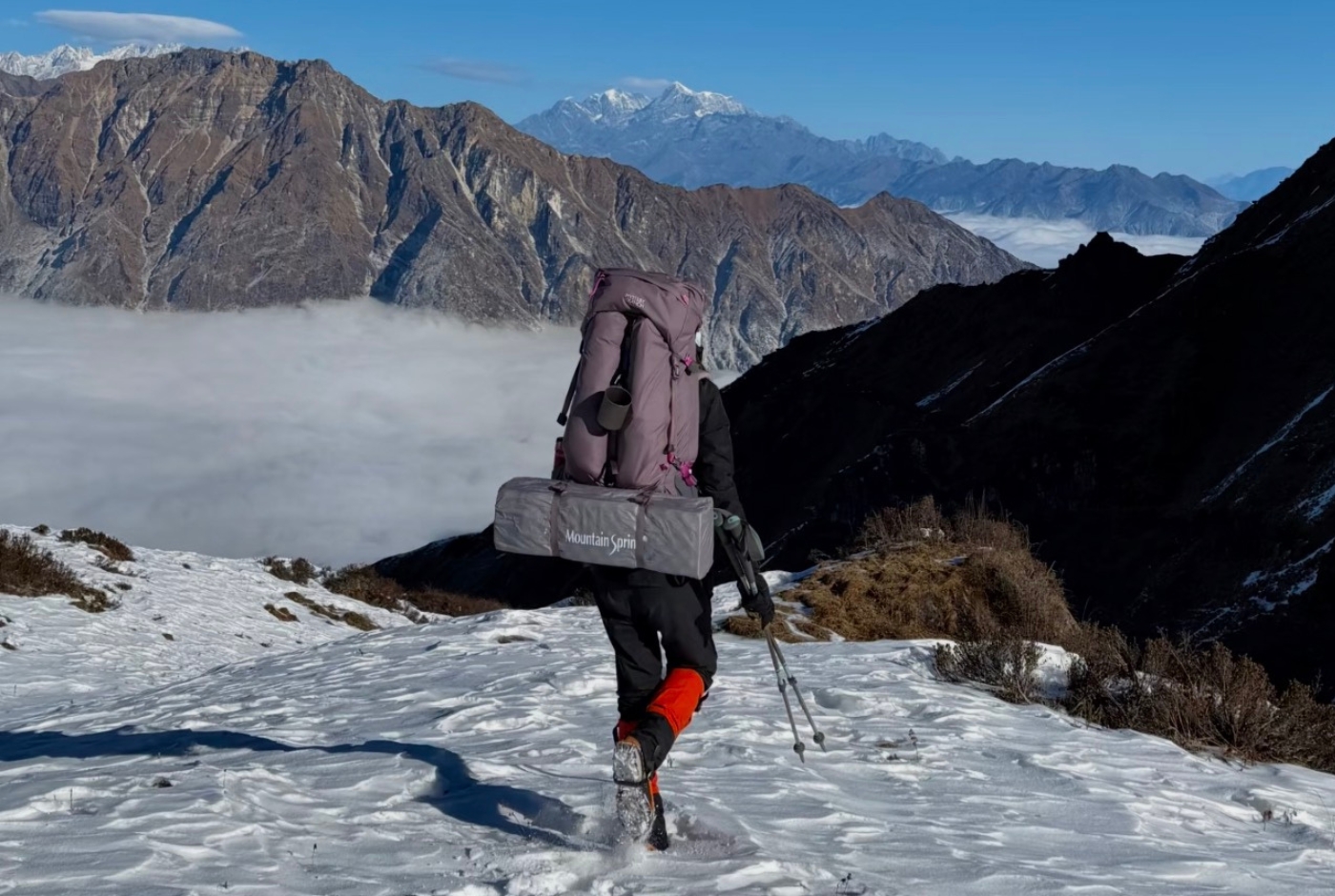
Days two and three are often the most difficult on any beginner trek. The initial excitement has settled, your legs are not yet strong, and you can see on the map how many days remain. This is normal, and it passes. The most effective strategy is to stop looking at the full distance and focus only on reaching the next teahouse or the next bend in the trail.
Pace matters more than speed. Trekking slowly and consistently is more effective than pushing hard and needing long rest stops. If your guide is moving faster than feels comfortable, say so. A good guide will adjust without question.
Consider putting your phone away for stretches of the day. Wi-Fi is available at most teahouses on popular routes, usually for a small fee, but the trekkers who disconnect fully, paying attention to how the light changes across a glacier, listening to the river, having real conversations at dinner, tend to come back having had a qualitatively different experience from those who stay constantly connected.
What to Pack for a Beginner Trek in Nepal
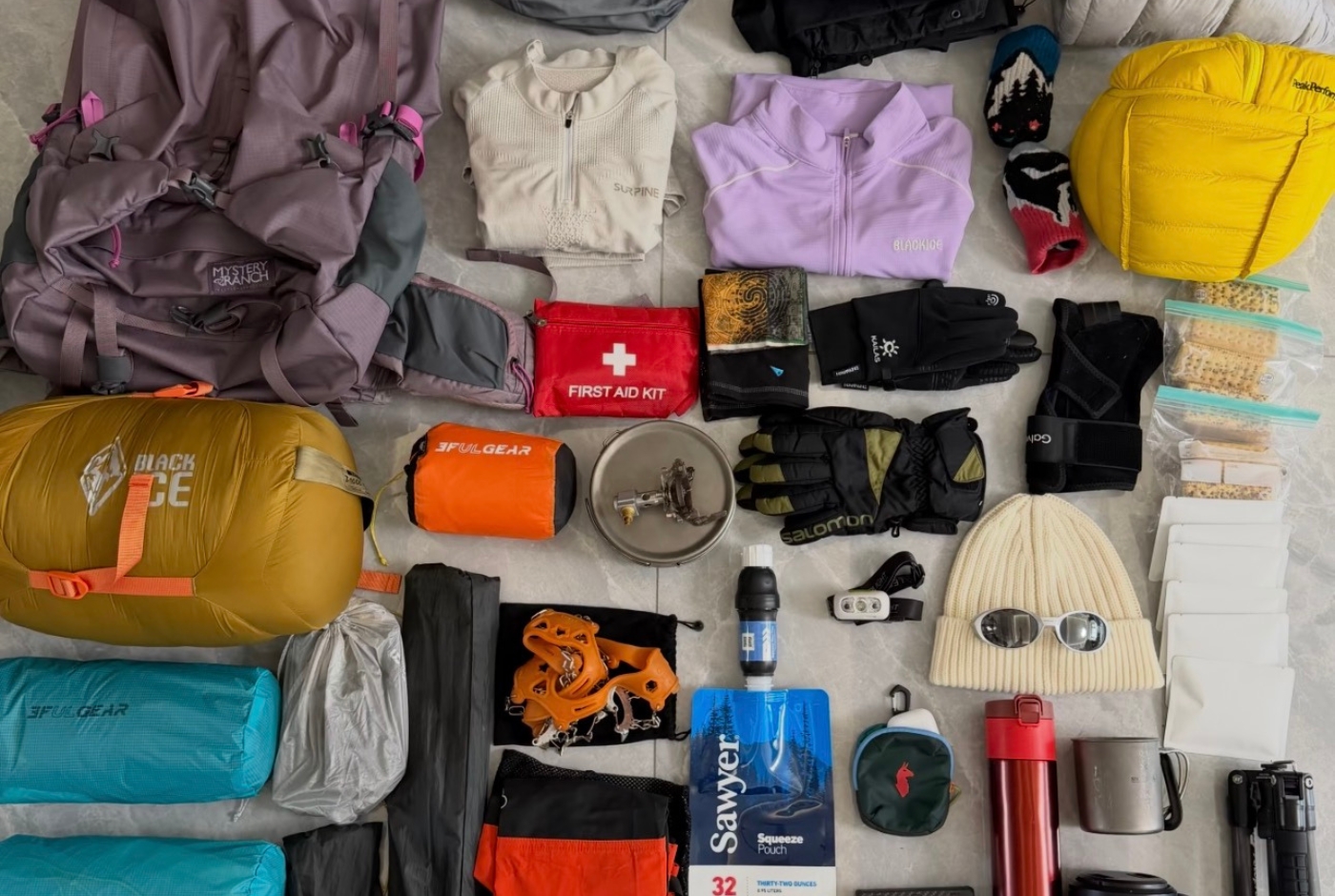
First-time trekkers almost always overpack. Your porter carries your main bag; you carry a daypack with water, snacks, layers, and your camera. Here is what you actually need:
Footwear and lower body
- Waterproof trekking boots, well broken in before arrival
- Light shoes or sandals for teahouse evenings
- Moisture-wicking trekking socks, 4 to 5 pairs (merino wool performs best)
- Trekking trousers, 2 pairs (zip-off style works well for varying temperatures)
- Warm base layer leggings for cold mornings and higher camps
Upper body and warm layers
- Moisture-wicking base layer t-shirts, 3
- Fleece mid-layer jacket
- Down or synthetic insulated jacket, essential even in spring and autumn
- Waterproof and windproof shell jacket
- Sun hat and warm beanie
- Lightweight gloves
Gear and essentials
- Trekking poles: highly recommended, especially for descents; rentable in Kathmandu and Pokhara if you do not have your own
- Headlamp with spare batteries
- Daypack, 25 to 30 litres
- Water bottle or hydration bladder, 1 to 1.5 litres
- Water purification: iodine tablets or a SteriPen
- Sunscreen SPF 50+ and UV-protection sunglasses (UV radiation is intense at altitude)
- Basic first aid: blister plasters, paracetamol, rehydration sachets, antihistamine
- Sleeping bag liner for extra warmth and hygiene in teahouse blankets
Gear can be rented affordably in Kathmandu's Thamel area or Pokhara's Lakeside district if you prefer not to travel with a full kit.
How to Choose a Reliable Trekking Agency
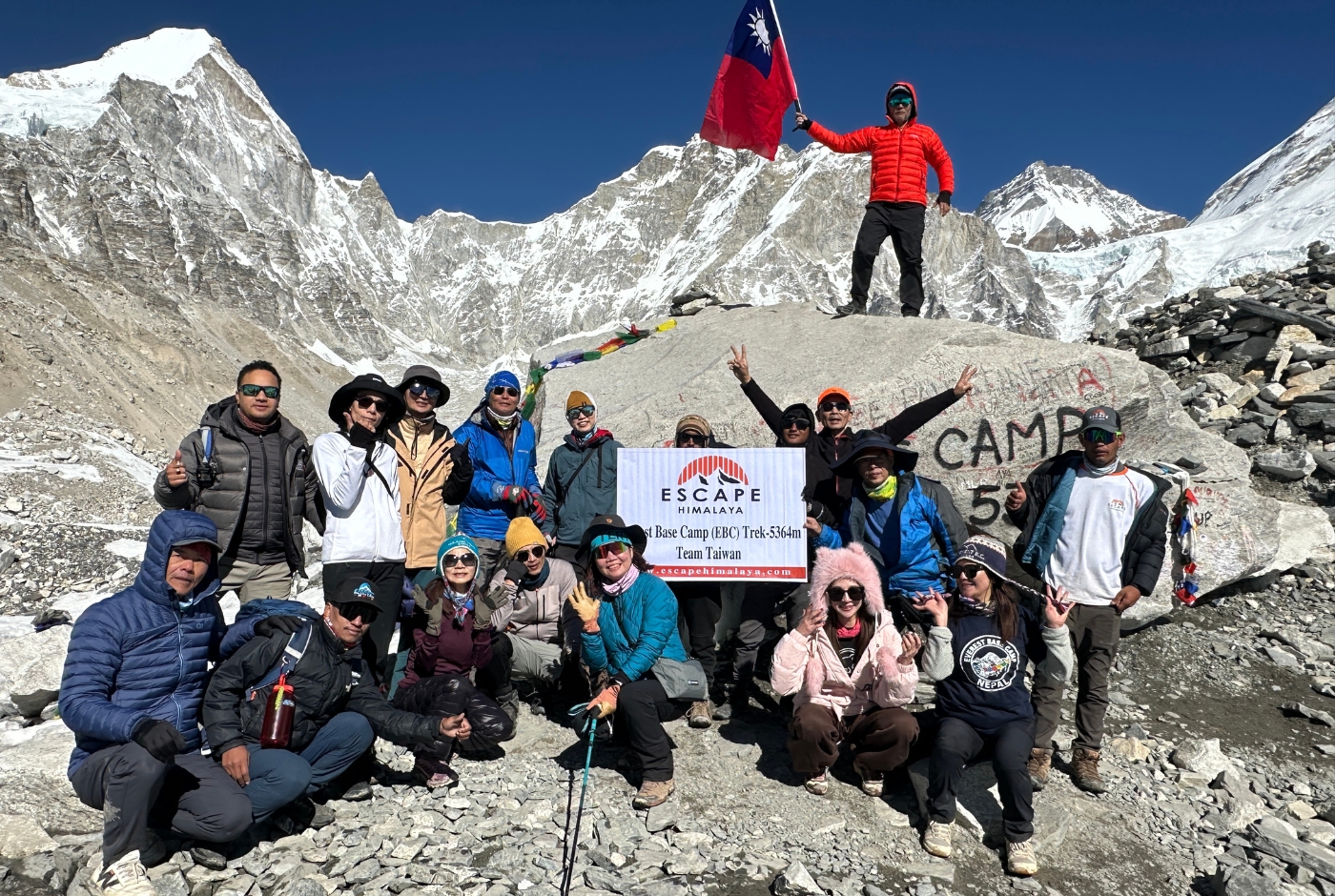
Nepal's trekking industry ranges from excellent to unreliable, and since current regulations require most foreign trekkers to use a registered agency on major protected-area routes, choosing carefully matters more than ever. Look for the following:
- TAAN registration: confirms the agency is government-registered and legally permitted to operate
- Licensed guides: your guide should hold a government-issued trekking licence; guides with additional first aid certification such as Wilderness First Responder provide an extra level of safety
- Transparent pricing: a reliable agency will tell you clearly what is and is not included before you pay a deposit
- Permit handling: all relevant permits should be arranged and included in your package without extra surprises
- Safety planning: ask how the agency handles emergencies, including evacuation procedures and what insurance is required
- Realistic itineraries: be cautious of agencies that promise aggressive schedules with little acclimatisation time; good agencies build in rest days and adjust pace to the group
- Verified reviews: check Google and TripAdvisor for consistent feedback from identifiable past clients
Escape Himalaya is a TAAN-registered agency with years of experience guiding first-time trekkers on all of the routes described in this article. Our guides are licensed, locally knowledgeable, and trained in trail safety and first aid. Every itinerary we design is tailored to the group rather than following a standard template.
Frequently Asked Questions
What is the best beginner trek in Nepal?
For most first-timers, the Ghorepani Poon Hill Trek is the strongest all-round choice. It offers genuinely impressive mountain views, stays at a manageable altitude below 3,210 metres, and can be completed in 4 to 7 days. Langtang Valley is a close second for travellers based in Kathmandu or with a strong interest in culture and nature.
Can beginners do the Mardi Himal Trek?
Yes, but it is better suited to fit beginners than absolute beginners. The trek reaches around 4,500 metres, which is higher than the other routes on this list. If you have reasonable fitness, some hill-walking experience, and you pace yourself carefully, Mardi Himal is a very achievable and deeply rewarding choice. If you are new to walking entirely, start with Poon Hill and save Mardi Himal for a return visit.
Do I need a guide for trekking in Nepal?
Under current regulations, most major trekking routes inside Nepal's protected areas require foreign trekkers to use a licensed guide arranged through a registered agency. The rules apply to the vast majority of popular routes, including all five described in this article. Your agency handles this as part of the booking process. Solo trekking without a guide is not permitted on these routes under current policy.
How fit do I need to be for a beginner trek?
You do not need to be particularly athletic, but you should be comfortable walking briskly for 2 to 3 hours without needing to stop, and able to climb stairs without difficulty. Start training 8 to 12 weeks before your trek, focus on hill walking with a light pack, and you will be well prepared for any route on this list except Mardi Himal, which benefits from a slightly higher baseline fitness.
Which beginner trek is best for families?
Ghorepani Poon Hill works well for families with children aged 10 and above. The trail is clearly marked, teahouses are plentiful, and the duration is flexible. Tamang Heritage is also a gentle option. For Mardi Himal and Everest View, children should ideally be at least 12 and comfortable with longer walking days and higher altitude.
Can I trek in Nepal in winter?
Yes, particularly on lower-altitude routes. Poon Hill and Tamang Heritage can both be excellent in December and January with far fewer trekkers and sometimes very clear mountain views. Temperatures drop sharply at higher elevations, so good warm layering is essential. Higher routes such as Mardi Himal High Camp are cold and potentially snowy in winter and are better saved for the main seasons.
What is the safest beginner trek in Nepal?
Safety on any trek depends largely on going with a qualified guide, pacing yourself sensibly, and responding appropriately to any altitude symptoms. In terms of altitude risk alone, Ghorepani Poon Hill at 3,210 metres and Tamang Heritage at around 3,300 metres carry the lowest risk. All five routes on this list are considered safe for beginners when trekked with a licensed guide and proper preparation.
How many days do I need for my first Nepal trek?
Between 5 and 10 days on the trail, plus travel days at the start and end. A 7-day Poon Hill package with transport and an acclimatisation buffer fits comfortably within a 10 to 12-day trip from arrival to departure. If you have 2 weeks, Langtang Valley or Tamang Heritage give you more time in the mountains without feeling rushed.
Choose Your First Nepal Trek with Confidence
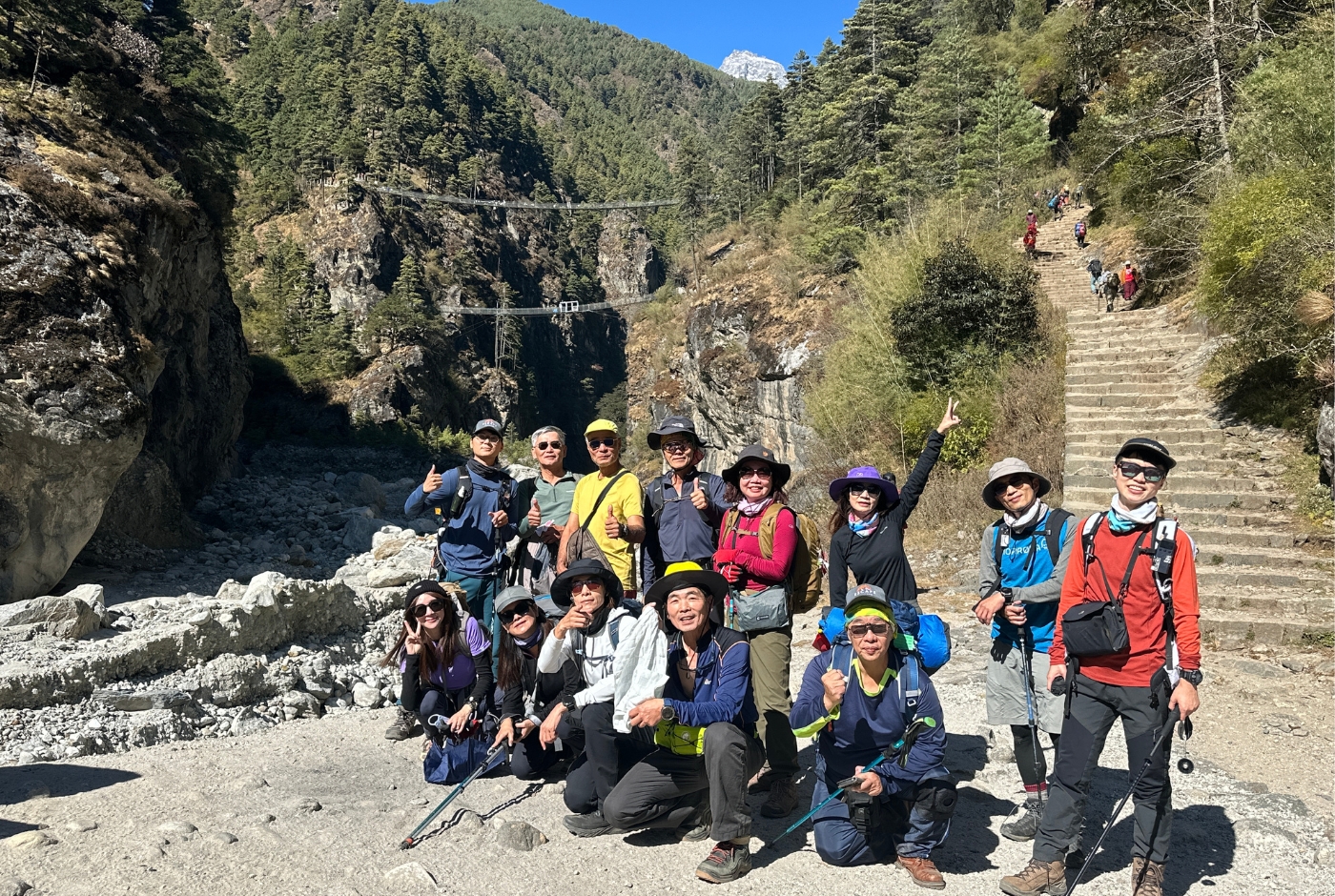
Nepal's trails offer something that is increasingly rare: days where the only task is to walk, look, and be present. The mountains do not care about your inbox or your schedule. They simply exist, and spending time among them has a way of putting things in proportion.
First-time trekkers often return as regulars. The people who worried most about whether they could manage the altitude or the distance are frequently the ones who find themselves booking again before the plane home has landed. The mountains have that effect.
At Escape Himalaya, we take care of permits, licensed guides, itinerary design, acclimatisation planning, and emergency support so that when you step onto the trail, your attention can be entirely on the journey. We do not use standard templates. Every trip is put together based on your travel dates, fitness level, group size, and what you actually want to experience.
If you are ready to plan your first Nepal trek, get in touch with the Escape Himalaya team. Tell us your available dates, how fit you are, how many people are travelling with you, and whether you are drawn more to mountain views, cultural experiences, or somewhere in between. We will recommend the route that fits you best and handle everything from there.