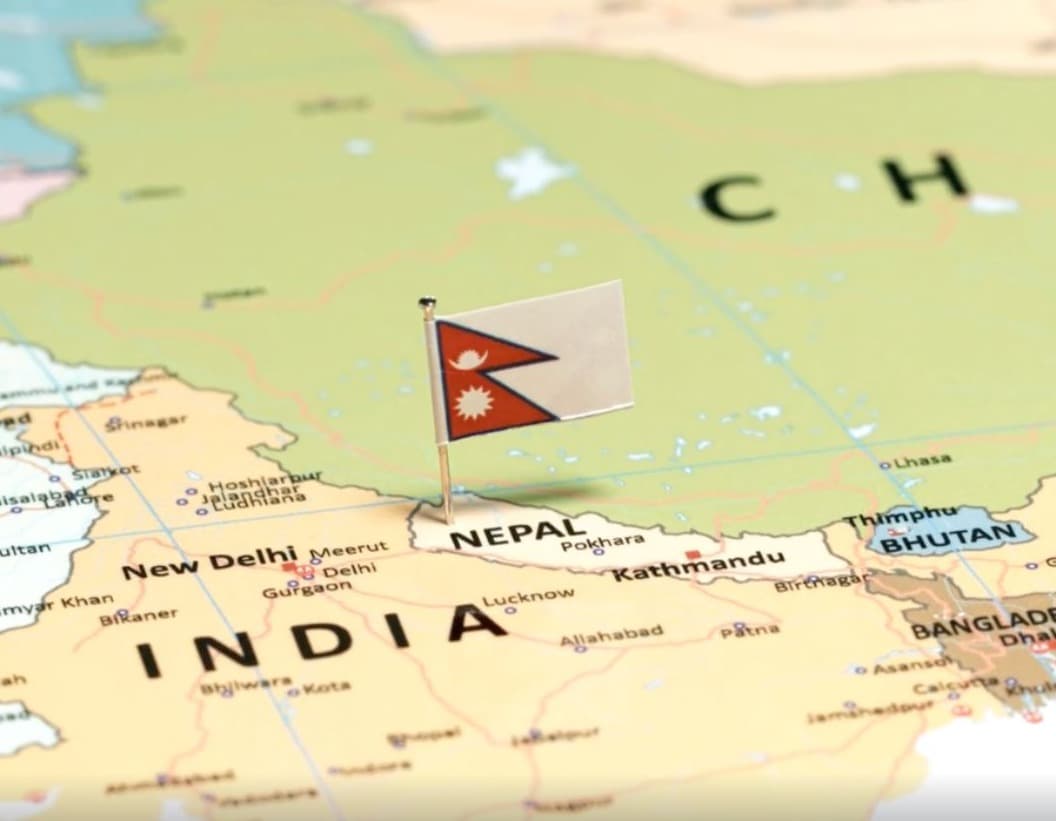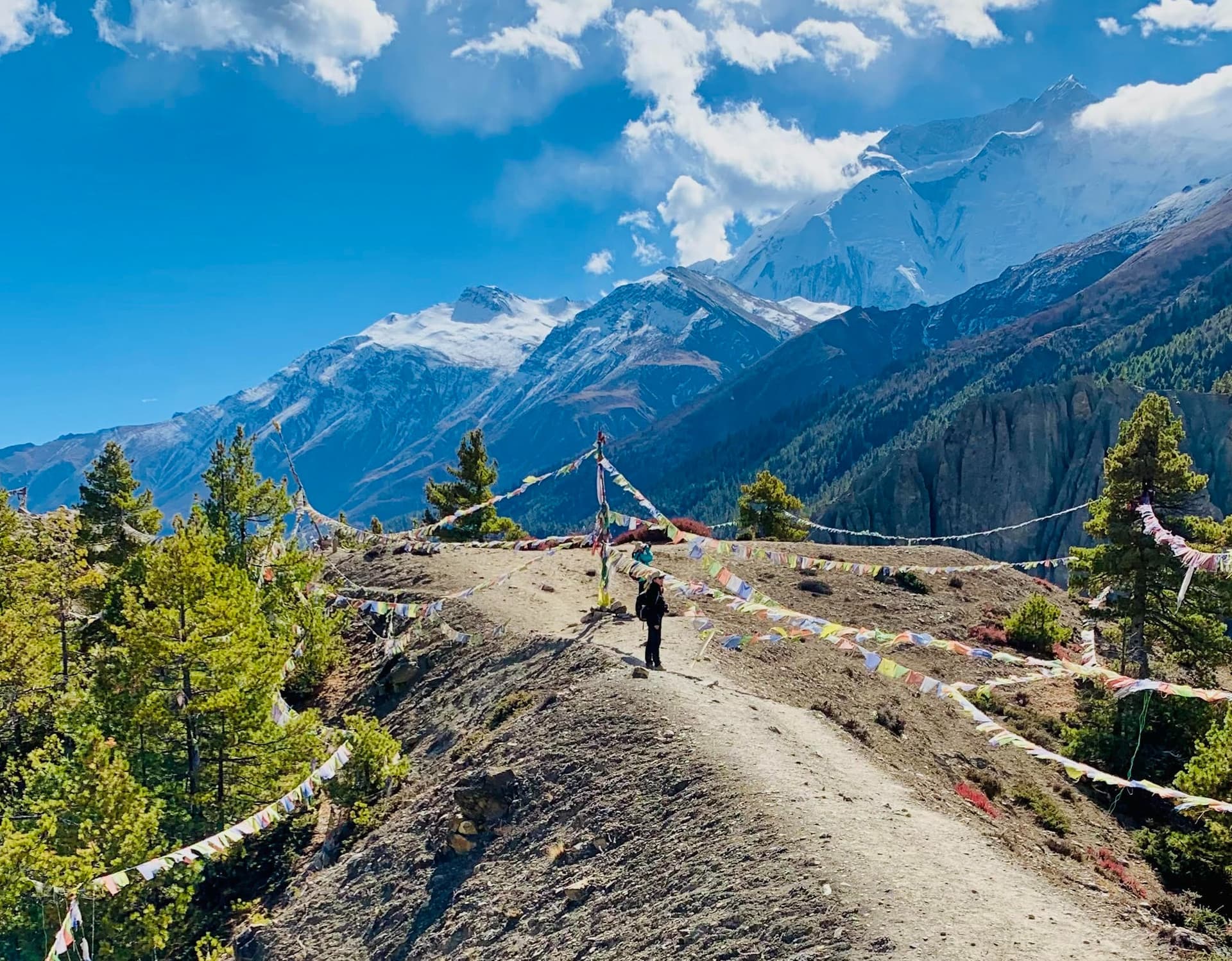
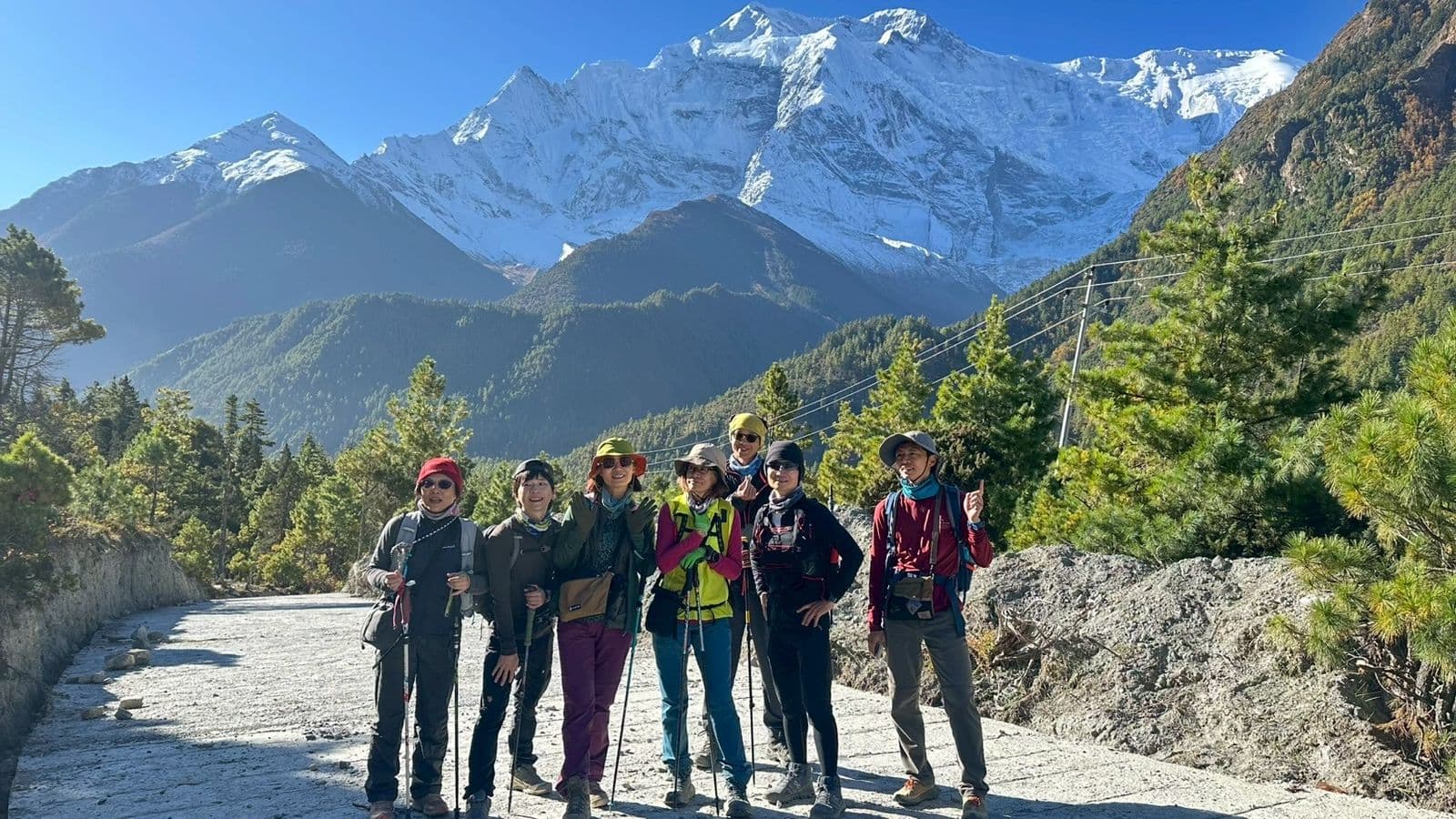
The Annapurna Circuit covers more ground than most treks in Nepal, and not just in distance. The landscape shifts from warm river valleys and terraced rice fields to pine forests, then to the dry open Manang Valley.
From there, Tilicho Lake sits at 4,919 meters in a hollow of ice and rock, and Thorong La Pass at 5,416 meters waits at the top of a pre-dawn climb most trekkers start before the valley winds pick up. Few routes anywhere pack that kind of variety into a single journey.
What that variety also means is that running this trek well takes a different kind of preparation at each stage.
The logistics at Tilicho Lake are nothing like the logistics at Thorong Phedi. The Kali Gandaki section has its own timing rules. The Jomsom flight needs to be booked weeks in advance during peak season. These are details that experienced operators have worked out over many departures and that less experienced ones tend to learn on the job.
Because the Annapurna Circuit is not a restricted zone, any trekking agency in Nepal can list it and sell it. Some know every part of it well. Others add it to a catalogue and fill in the gaps when someone actually books. The trail looks identical either way. The experience on the ground does not.
This guide covers what to look for when choosing an Annapurna Circuit Trek company, and how Escape Himalaya approaches the route specifically.
What Makes the Annapurna Circuit Trek Unique and Why Your Operator Still Matters
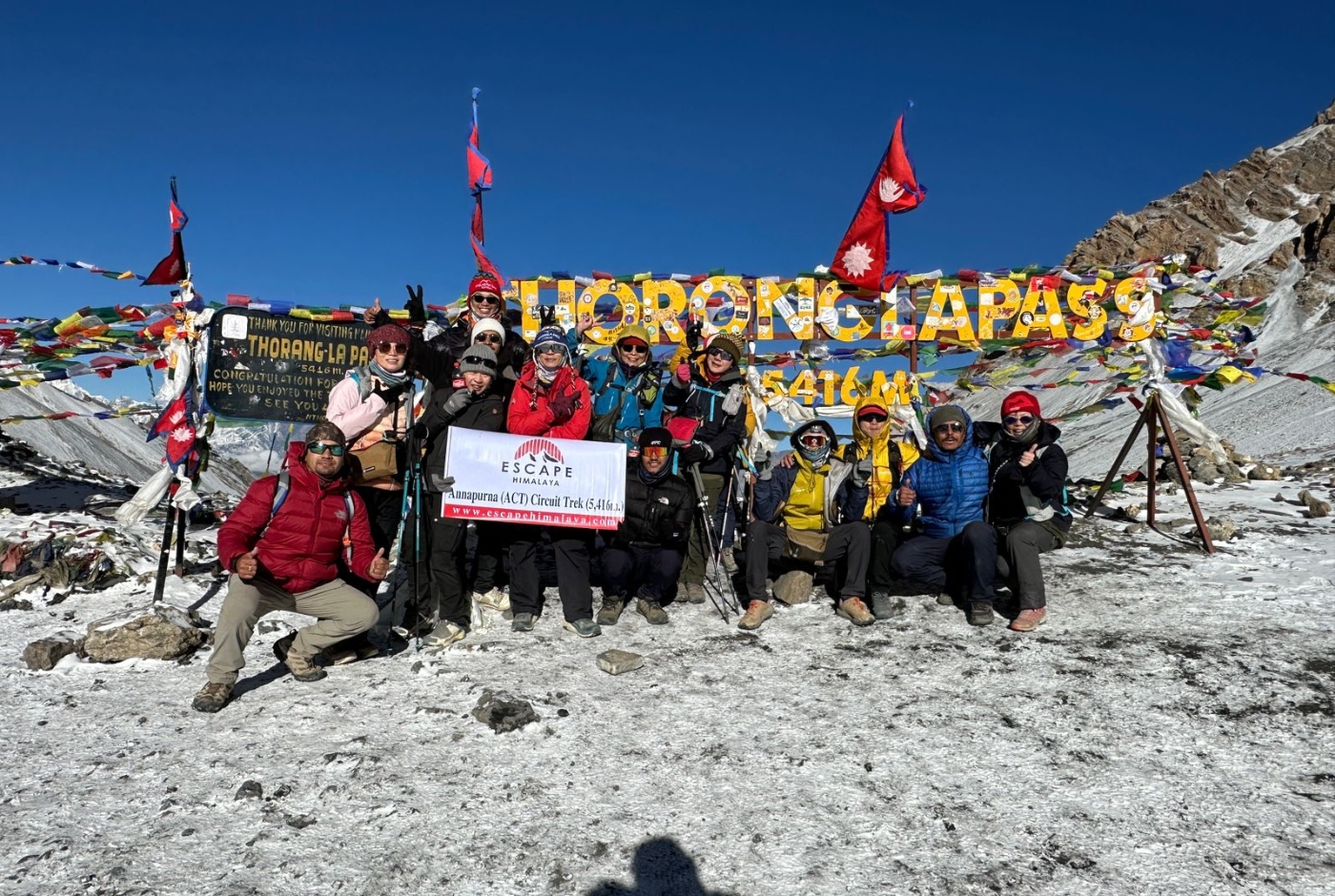
The ACT covers 160 to 230 kilometers depending on where you start and finish, typically completed in 14 to 18 days. The route begins around Besisahar or Jagat, passes through villages like Chame, Pisang, and Manang, crosses Thorong La Pass at 5,416 meters, and descends through Muktinath and Jomsom before finishing in Pokhara.
Unlike Everest Base Camp or the Manaslu Circuit, the Annapurna Circuit is not a restricted zone. Solo trekking is technically permitted. But that open-access status does not make operator quality less important. If anything, it makes the gap between a well-run trip and a poorly organized one more visible because there is no mandatory structure forcing accountability.
Here is what makes this trek logistically more complex than it appears:
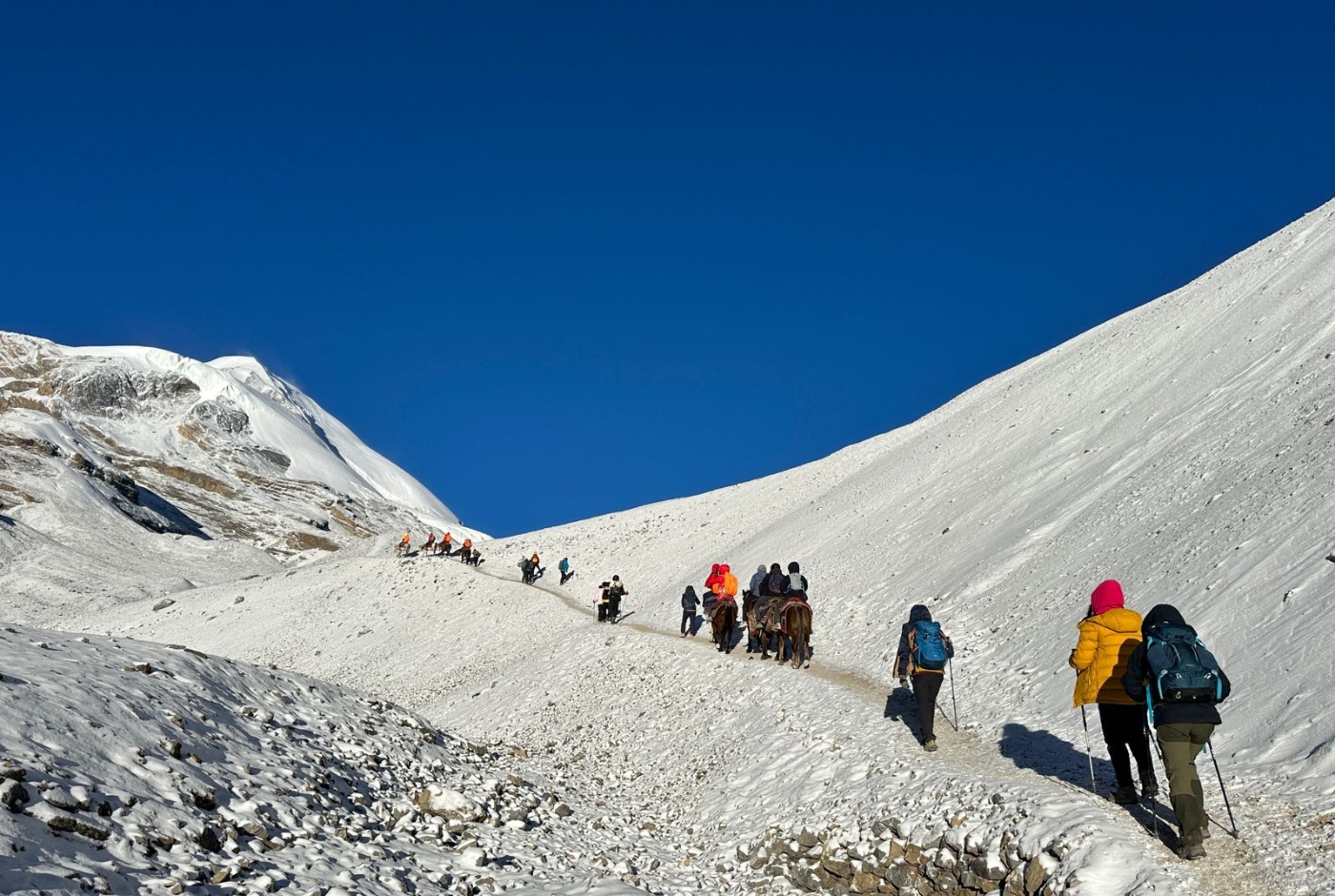
- Thorong La at 5,416 meters is one of the highest trekking passes in the world. Crossing it requires a full acclimatization day at Manang and an early morning start from Thorong Phedi or High Camp. A guide who knows the pass knows exactly when to start and how to pace the group across terrain that shifts from rocky trail to snow and ice near the top.
- The Jomsom to Pokhara flight at the end of the trek is weather-dependent and books out fast during peak season. Operators who run ACT regularly handle this in advance. Those who do not create a scramble at the end of a demanding journey.
- Two permits are required: the Annapurna Conservation Area Project Permit (ACAP, approx. USD 25) and the TIMS card (USD 10 with a registered agency, USD 20 for independent trekkers). That price difference alone is a financial reason to book with a licensed company.
- The Kali Gandaki Valley wind picks up intensely from midday every day. Knowing when to move through this section is route-specific knowledge that only comes from running this trek regularly.
- Teahouse quality changes significantly by altitude, and the higher sections near Thorong Phedi and Tilicho Base Camp have limited options that require advance planning.
The trail is well-marked. The complexity is in everything surrounding it.
8 Things to Look for When Choosing an Annapurna Circuit Trekking Company
1. Government Registration and Official Licensing
Start every conversation with a potential operator by asking about registration. Any legitimate Nepal trekking agency should be:
- Registered with the Nepal Tourism Board (NTB)
- Affiliated with TAAN (Trekking Agencies' Association of Nepal)
- Recognized by the Nepal Mountaineering Association (NMA)
These registrations confirm the agency is legally authorized to operate guided treks, that guides hold valid government-issued licenses, and that the company is accountable to official bodies if something goes wrong. Ask for documentation. A trustworthy operator will share this without hesitation.
Escape Himalaya is fully registered with NTB, TAAN, and NMA. Legal documents are available directly on the website, so you can verify everything before making a commitment. This level of transparency is a baseline worth expecting from any Annapurna Circuit Trek company.
2. Route-Specific Experience in the Annapurna Region
Running the Annapurna Circuit well takes more than knowing the route on paper. The Kali Gandaki wind, the Manang acclimatization timing, the teahouse logistics at Yak Kharka and Thorong Phedi, and the Jomsom flight coordination all require hands-on familiarity built over multiple seasons.
When speaking with any company, ask:
- How many Annapurna Circuit Trek departures have you run in the past two years?
- Do your guides have specific ACT experience across both spring and autumn seasons?
- Have you guided the Tilicho Lake extension, and how do you manage the additional altitude exposure that section adds?
Escape Himalaya has been running treks in the Annapurna region for close to a decade, covering the full circuit, the short circuit, the Tilicho Lake variation, Annapurna Base Camp, and Poon Hill routes. That breadth of experience in one region means the guides know the terrain at every stage, not just the popular sections.
3. Permit Management Handled Before You Arrive
Both permits for the Annapurna Circuit are obtainable in Kathmandu or Pokhara, but an organized operator handles them before you land so there is nothing to sort on the day.
Here is a breakdown:
- ACAP Permit: approx. USD 25 per person, available at the Tourist Service Center in Kathmandu or the ACAP office in Pokhara
- TIMS Card: USD 10 per person with a registered agency, or USD 20 for independent trekkers. This is a direct cost advantage of booking with a licensed company.
- Both permits are checked at multiple points along the route, starting from Besisahar
A company that does not know the permit requirements in detail or expects you to sort them independently is not running this trek regularly. Escape Himalaya manages both the ACAP permit and the TIMS card as part of every Annapurna Circuit package, with no extra work needed from the trekker.
4. Thorong La Pass Preparation and Altitude Management
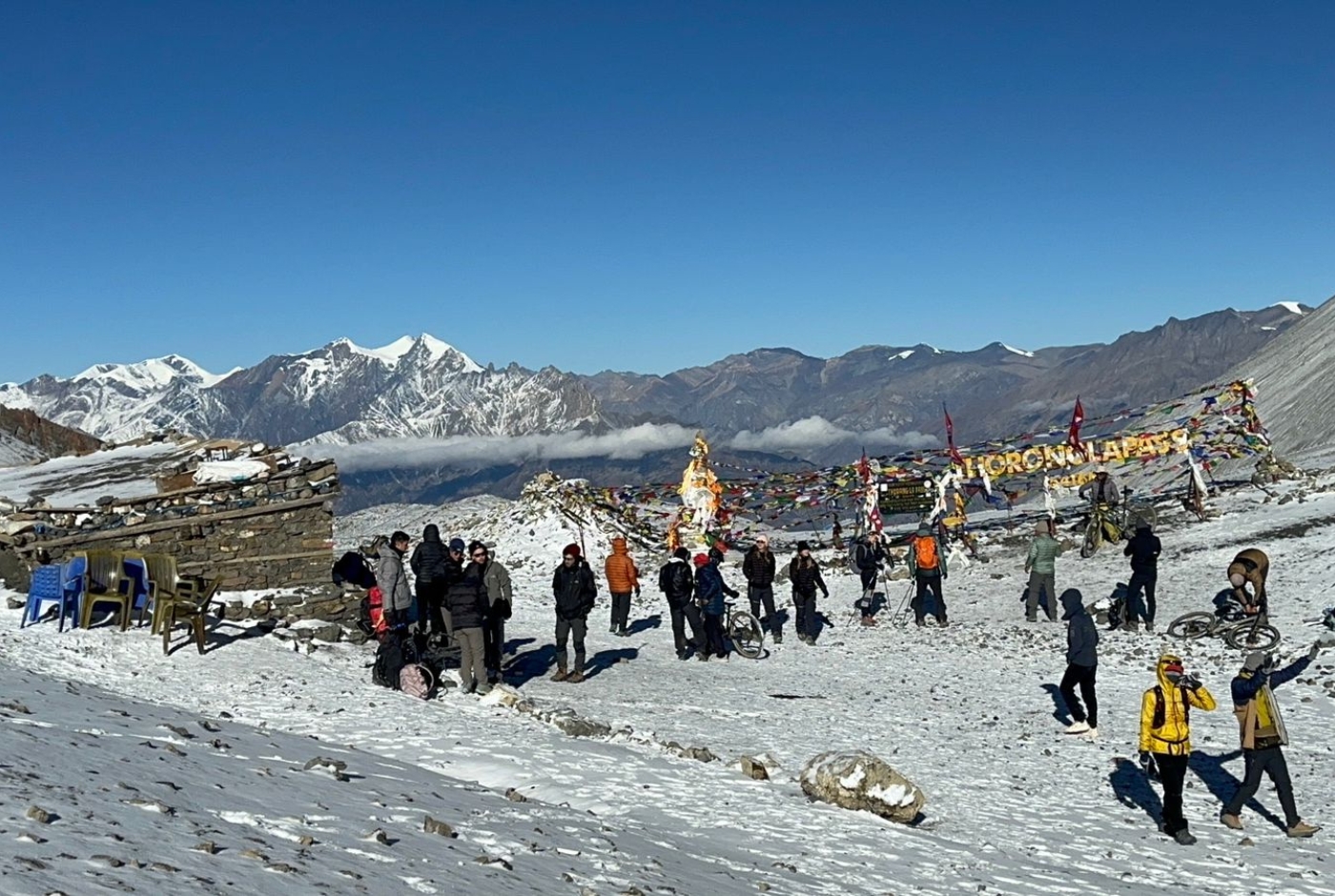
This is the factor most specific to the Annapurna Circuit that no other popular Nepal trek replicates. Thorong La at 5,416 meters is actually higher than Everest Base Camp at 5,364 meters, and it is crossed in a single continuous push covering 16 to 24 kilometers over 7 to 8 hours, starting before sunrise.
What makes this section manageable or dangerous comes down almost entirely to what happens at Manang the day before. Proper acclimatization at Manang (3,519 m) requires a full day with an active altitude-gain hike, not a passive rest day. The options available from Manang include:
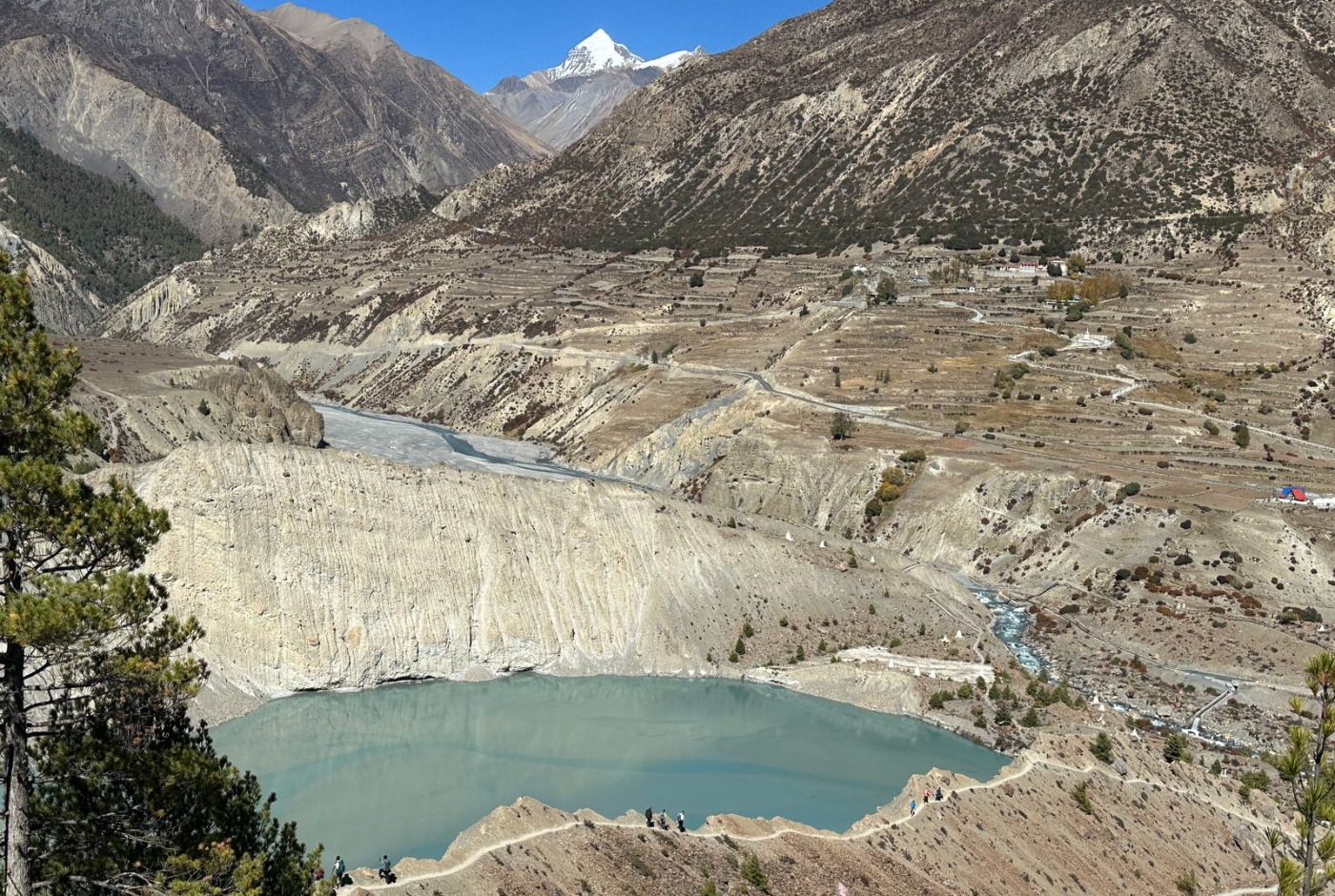
- Gangapurna Lake hike: a 3 to 4 hour round trip to a turquoise glacial lake at 3,540 meters, fed by the Gangapurna Glacier
- Ice Lake (Kicho Tal) hike: a 10 kilometre round trip reaching 4,600 meters, with views of Annapurna III, Annapurna IV, Gangapurna, and Tilicho Peak
An experienced guide enforces this acclimatization day properly and reads how each trekker is responding to altitude before making the call to move toward High Camp. Skipping or rushing this day is where most Thorong La problems originate.
When assessing any company's approach, ask:
- Do you build a full active acclimatization day into the Manang section of the itinerary?
- What does the guide do if a trekker shows altitude symptoms before the High Camp push?
- What is the plan if a trekker cannot safely attempt the pass on the scheduled day?
Escape Himalaya builds a full acclimatization day at Manang into every ACT itinerary, with active altitude-gain hikes structured into that day rather than an unguided rest.
5. Jomsom Flight Logistics and Post-Pass Planning
This is one of the most Annapurna-specific logistical factors and one that regularly catches less-prepared operators off guard.
After crossing Thorong La and passing through Muktinath, most ACT itineraries include a short flight from Jomsom to Pokhara rather than continuing the full walking route. This flight is short but complex in logistics:
- Jomsom flights operate only in the early morning before the Kali Gandaki Valley winds become too strong for safe flying. Flights are typically grounded by 10 am.
- During peak season (March to May, September to November), these flights fill up weeks in advance.
- Weather delays and cancellations happen even on clear-looking days due to wind conditions at the airstrip.
An operator who books the Jomsom flight in advance, briefs trekkers on the early morning timing, and has a contingency plan for cancellations is running this trek properly. One who leaves flight booking until you reach Jomsom is creating unnecessary risk at the end of a physically demanding journey.
Escape Himalaya includes the Jomsom to Pokhara flight in every standard ACT package price and manages bookings in advance as part of normal trip planning.
6. What the Package Includes and What It Does Not
The Annapurna Circuit is open-access, which means package prices across Nepal's trekking agencies vary more widely than almost any other major route. A USD 900 package and a USD 1,400 package can look identical on the surface until you start checking what each actually covers.
Common omissions in cheaper packages:
- The Jomsom to Pokhara flight is charged separately, even though it is a standard part of the itinerary
- Both permits (ACAP and TIMS) are listed as the trekker's responsibility
- Porter services are available only at extra cost
- Private vehicle from Kathmandu to the trailhead (some operators use public buses for a 6 to 7-hour drive to save money)
- Gear loans such as sleeping bags, down jackets, and duffel bags
- Kathmandu hotel nights before and after the trek
A complete Annapurna Circuit Trek package should cover:
- Airport pickup and drop-off in Kathmandu
- 3-star hotel in Kathmandu pre and post trek
- Private vehicle from Kathmandu to the trailhead (not a public bus)
- All meals on the trek: breakfast, lunch, and dinner
- Both ACAP and TIMS permit
- Licensed government guide
- Porter services
- Gear loan: sleeping bag, down jacket, and duffel bag
- Jomsom to Pokhara flight
- Trek completion certificate and Annapurna Circuit pocket map
Escape Himalaya's 14-day Annapurna Circuit Trek includes every item on that list. The drive from Kathmandu to the Jagat trailhead is by private vehicle as standard, not by local bus. Personal trail expenses like Wi-Fi, hot showers, snacks, charging fees, and guide and porter tips typically add USD 150 to 200 for the full duration.
7. Guide Quality and Cultural Knowledge of the Region
The Annapurna Circuit passes through one of the most ethnically and culturally diverse trekking corridors in Nepal. The lower valleys are home to Brahmin and Chhetri farming communities. The mid-section passes through Gurung and Magar villages, where traditions surrounding agriculture and mountain life are distinct. Above Manang, the culture shifts entirely toward Tibetan Buddhism, with monasteries, mani walls, and prayer flags marking the trail through to Muktinath.
Muktinath itself sits at 3,710 meters and is one of the most sacred pilgrimage sites in the region, revered by both Hindus and Buddhists. The 108 water spouts at the Muktinath Temple represent the 108 elements of the universe in Hindu belief. A guide who knows this region brings that kind of context to what you are walking through, making the cultural sections as rich as the mountain scenery.
Beyond cultural knowledge, look for:
- Government-issued guide license from the Nepal Tourism Board
- First aid certification and altitude sickness recognition training
- Proven Annapurna Circuit experience across multiple seasons, not just a general Nepal trekking background
- Strong English communication skills for explaining conditions, symptoms, and cultural context in real time
- A calm, practical approach to group pace management, particularly from Manang onward
Escape Himalaya's guides are government-licensed, first-aid trained, and carry Annapurna-specific route knowledge built across multiple circuits over multiple seasons.
8. Verified Reviews From Annapurna Circuit Trekkers Specifically
General Nepal trekking reviews are helpful as a starting point, but what you actually want to read is a review from someone who completed the Annapurna Circuit with that specific company, named the guide, and described what happened at Thorong La or during the Manang acclimatization section.
A company with 40 EBC reviews and 3 ACT reviews is showing you something real about where its operational depth lies. When reading reviews for any ACT operator, look for:
- The guide is named by first name with specific qualities described
- A mention of how altitude was managed at Manang or on the pass crossing day
- Feedback on the Jomsom flight coordination
- Reviews across different seasons, not just one or two from the same month
Escape Himalaya holds a TripAdvisor Certificate of Excellence for 2025 and is listed on TourRadar and Viator, with Annapurna region reviews spanning multiple seasons and route variations.
Tilicho Lake: Why It Belongs on Your Annapurna Circuit Itinerary
At 4,919 meters above sea level, Tilicho Lake is one of the highest lakes in the world and one of the most visually striking places accessible by trekking in all of Nepal.
The lake sits west of Manang village and is reached via a side trail that branches off the main circuit. Getting there involves a steep climb across rocky moraines and glacial debris, with the trail narrowing significantly as you gain elevation above the main valley. Most groups start the hike to Tilicho Lake from Tilicho Base Camp before 5 am, reaching the lake as the sun begins to rise over the surrounding peaks.
What you find at the top is difficult to describe in a way that does it justice. The water shifts between a deep cobalt blue and a bright emerald green depending on the angle of the light, a result of glacial rock flour suspended in the water that reflects sunlight differently throughout the day. The Tilicho Peak (7,134 meters) stands directly above the lake, and the Great Barrier, bordering the lake on one side, creates a sense of being entirely enclosed in the mountains.
A few facts worth knowing:
- Tilicho Lake sits at 4,919 meters and is one of the largest high-altitude glacial lakes in Nepal
- The lake remains partially or fully frozen through winter and early spring, making the October to November and March to May windows the best for visiting.
- The approach from Tilicho Base Camp covers 14 kilometers round trip and takes 6 to 7 hours, involving significant elevation gain across exposed terrain.
- The trail to the lake is narrower and less developed than the main circuit, running along a cliff edge in sections where concentration and a steady pace matter
- The lake holds religious significance for both Hindu and Buddhist communities in the region. Local Manangi communities identify it as Kak Bhusundi Lake from the Ramayana, a place where the sage Kak Bhusundi is said to have told the stories of Lord Ram to Garuda. Many pilgrims visit before continuing to Muktinath.
The Tilicho Lake detour adds approximately two to three days to the standard circuit itinerary and also serves as excellent additional acclimatization before the Thorong La crossing. Trekkers who visit the lake before attempting the pass tend to handle the altitude on crossing day noticeably better than those who push straight through from Manang.
An operator who includes Tilicho Lake in the itinerary needs specific logistical knowledge for this section: which teahouses at Siri Kharka and Tilicho Base Camp are reliable, how to time the early morning departure for the lake visit, and how to manage the exposed cliff-edge sections of the approach trail safely.
Escape Himalaya offers the full Tilicho Lake experience as part of the Annapurna Circuit Trek with Tilicho Lake (17 Days). This itinerary builds the lake visit into the acclimatization structure before Thorong La, making the extra days work for both the experience and the altitude adjustment.
The Stages of the Annapurna Circuit Where Your Operator Makes the Biggest Difference
The Drive to the Trailhead
Kathmandu to Besisahar or Jagat is a 6 to 7 hour drive through rural Nepal on roads that vary from reasonable to genuinely rough. A good operator uses a private vehicle. A budget one puts you on a local bus for the same journey. When a full first day of trekking follows the drive, the difference in comfort and timing matters more than it sounds.
The Lower Valley Section From Jagat to Chame
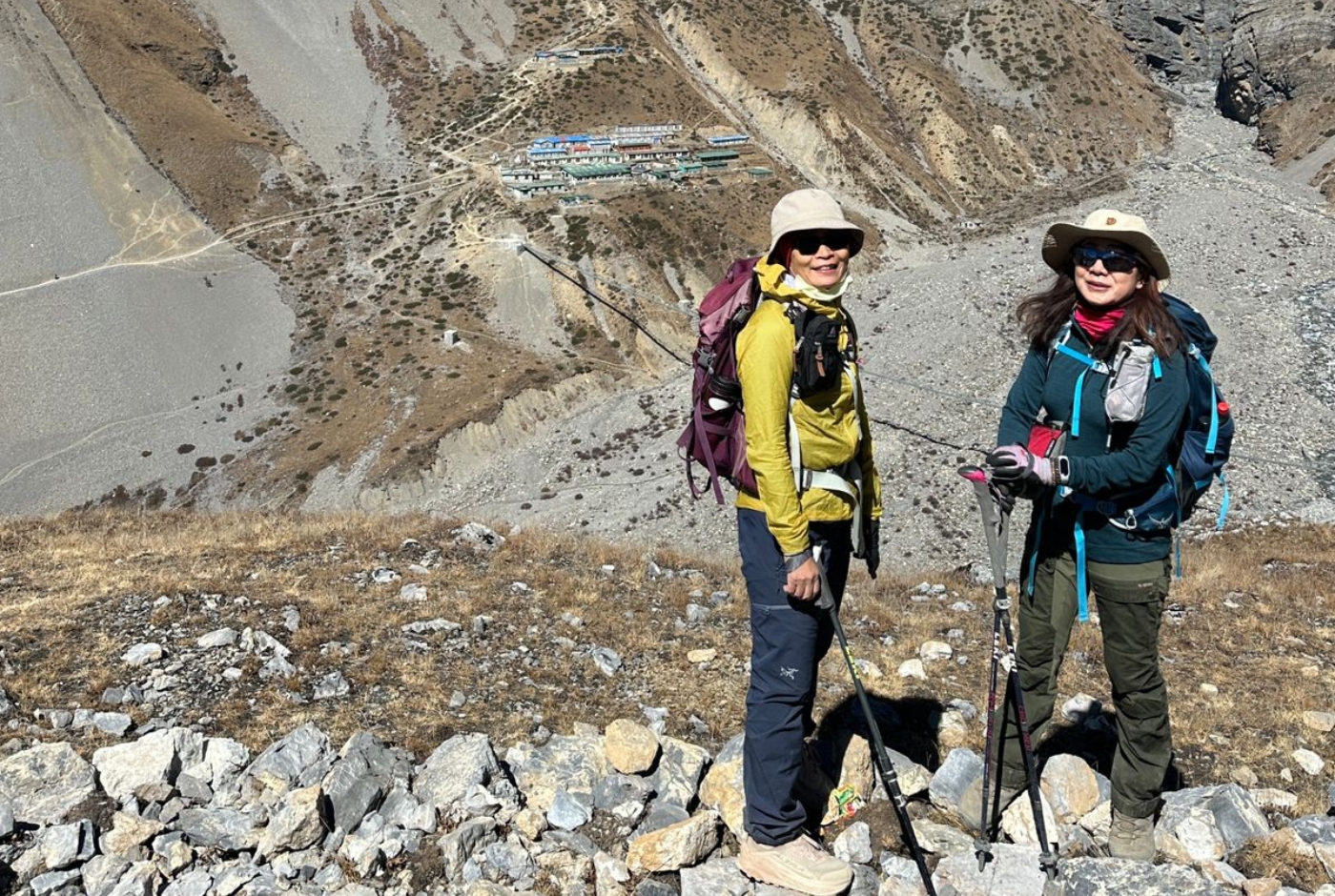
The trail through the lower Marsyangdi Valley passes through subtropical forests, river crossings, and farming villages where the culture is distinctly different from the high-altitude sections above. The path is well-marked through most of this section, but between Tal and Chame there are sections that flood during monsoon and require alternative routes. A guide with Annapurna-specific seasonal experience knows which paths to take and when.
Manang and the Acclimatization Day
This is the most operationally important section of the entire trek. The acclimatization day at Manang is not a rest day. It is an active altitude-gain outing designed to prepare the body for what comes next. Whether the guide takes the group to Gangapurna Lake at 3,540 meters for a shorter outing or pushes to Ice Lake at 4,600 meters for a more demanding session, the structure of this day determines how the Thorong La crossing goes.
An experienced ACT guide enforces this day properly, monitors how each trekker is responding to altitude in real time, and makes the judgement call on whether the group is ready to move toward High Camp or needs another day at elevation.
The Thorong La Crossing
Pre-dawn start from Thorong Phedi at 4,450 meters or High Camp at 4,850 meters. The pass sits at 5,416 meters. The full crossing covers 16 to 24 kilometers over 7 to 8 hours across terrain that includes rocky switchbacks, potential ice and snow near the top, and wind that picks up sharply as the morning progresses. TIlicho Lake is one of the best highlights of Annapurna Circuit trek.
On this day specifically, guide decisions are everything: when to start, how to pace the group across shifting terrain, when to call a rest stop, how to monitor for altitude symptoms in real time, and what to do if a trekker is struggling at 5,000 meters with limited options for a quick drop in elevation.
Muktinath and the Jomsom Flight Out
The trail from the pass down to Muktinath is long and steep on tired legs, but the hardest altitude section is behind you. Muktinath at 3,710 meters is worth time: the temple complex, the 108 sacred water spouts, and the transition from the high-altitude Buddhist landscape to the wind-swept streets of Jomsom happen in the space of a single afternoon.
From Jomsom, the early morning flight to Pokhara is the final logistical piece. An operator who booked this flight weeks ago keeps the end of the trek smooth and calm. One who left it until you arrive in Jomsom creates unnecessary stress after a journey that already asked a lot of the people on it.
Annapurna Circuit Trek Options From Escape Himalaya
Escape Himalaya offers a full range of Annapurna region options covering different timelines, interests, and fitness levels. You are not pushed into a single standard package regardless of how much time you have or what you want to get out of the region.
Standard and Short Circuit Options:
- Annapurna Circuit Trek (14 Days): the classic full circuit from Jagat through Chame, Pisang, Manang, Thorong La Pass, Muktinath, and Jomsom with a full acclimatization day at Manang and the Jomsom to Pokhara flight included
- Short Annapurna Circuit Trek (9 Days): a compressed version starting from Chame, suited for trekkers with limited time who still want the Thorong La crossing and the Kali Gandaki valley experience
With Tilicho Lake:
- Annapurna Circuit Trek with Tilicho Lake (17 Days): the full circuit with a structured side trip to Tilicho Lake at 4,919 meters. The lake visit is built into the acclimatization plan before Thorong La, making the extra days work both experientially and physiologically. This is one of the most requested Annapurna variations in the Escape Himalaya portfolio.
Annapurna Sanctuary Routes:
- Annapurna Base Camp Trek: a different route from the circuit, heading into the Annapurna Sanctuary and reaching the base of Mt. Annapurna (8,091 m) through a glacial amphitheatre surrounded by thirteen peaks above 6,000 meters
- Annapurna Base Camp Short Trek (9 Days): the ABC route condensed for trekkers with tighter schedules, keeping the core sanctuary experience intact
Accessible Annapurna Region Options:
- Poon Hill Trek (8 Days): the most accessible Annapurna region option, covering the Ghorepani and Poon Hill section with sunrise views over the Annapurna and Dhaulagiri ranges. Well suited for trekkers who want an Annapurna region experience without the altitude or duration of the full circuit
Why Escape Himalaya Is a Strong Choice for the Annapurna Circuit Trek
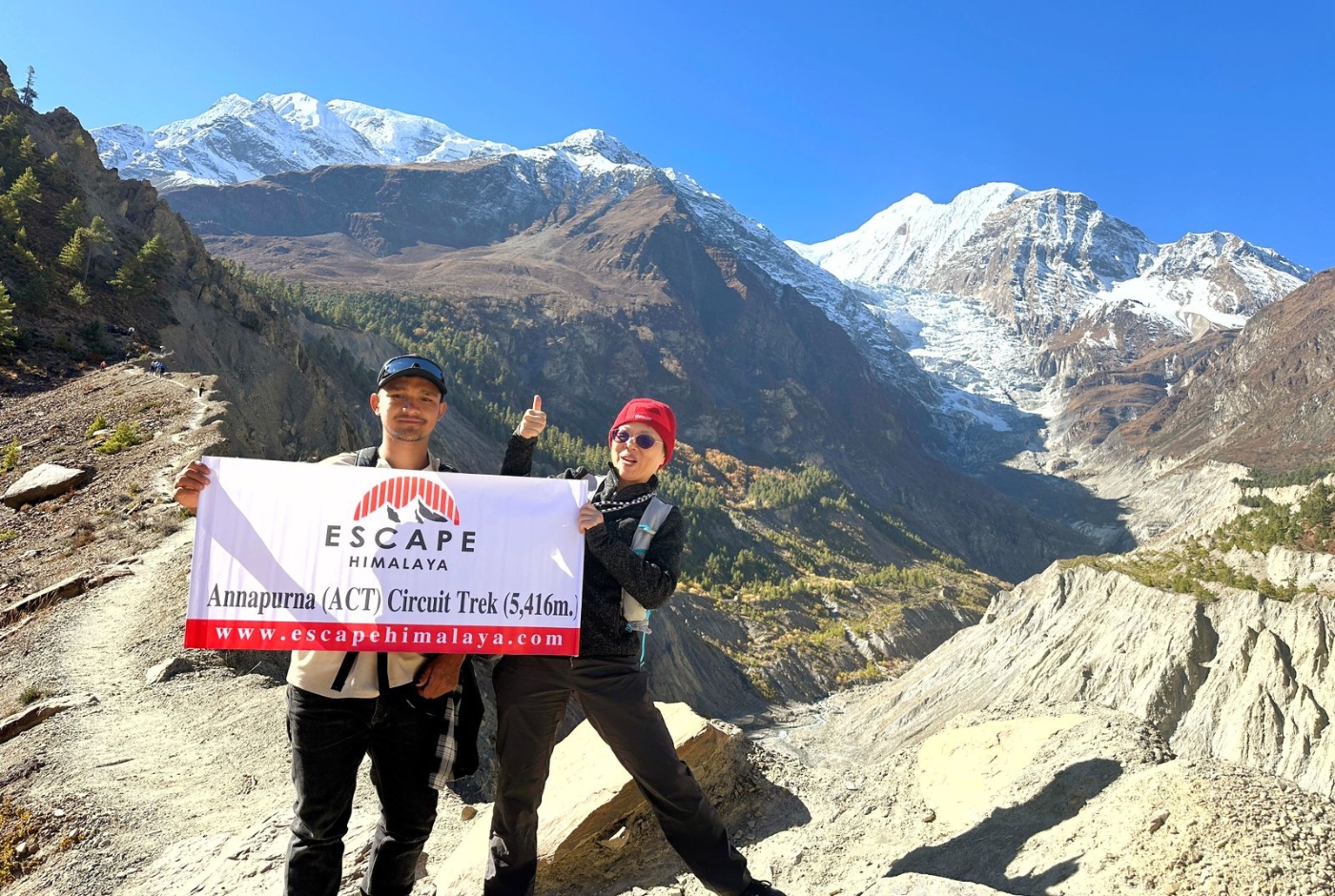
Putting everything in this guide together, here is what Escape Himalaya actually brings to the Annapurna Circuit Trek:
- Close to a decade of Nepal trekking experience with the Annapurna region as a core part of the portfolio across multiple routes and seasons
- Full registration with NTB, TAAN, and NMA, with legal documents available on the website
- Both ACAP and TIMS permits managed before arrival, with no extra coordination needed from the trekker
- Annapurna-specialist guides with route-specific knowledge covering Thorong La timing, Manang acclimatization management, Tilicho Lake approach logistics, Jomsom flight coordination, and Kali Gandaki afternoon wind patterns
- Private vehicle from Kathmandu to the trailhead included as standard, not a public bus
- Jomsom to Pokhara flight included in the package and booked in advance
- Complete package covering airport transfers, Kathmandu 3-star hotel, all trek meals, both permits, licensed guide, porter, sleeping bag, down jacket, duffel bag, trek completion certificate, and Annapurna Circuit pocket map
- Six Annapurna region trek options from 8 to 17 days across different budgets, timelines, and styles
- TripAdvisor Certificate of Excellence 2025, with Annapurna-specific reviews across multiple seasons
- 24/7 WhatsApp support: Raj at +977-9851006121 and Suman at +977-9851363580
Questions to Ask Any Annapurna Circuit Company Before You Book
Use this list when comparing operators. Straightforward answers to these questions tell you quickly whether you are talking to an Annapurna specialist or a company that runs the circuit occasionally alongside a large general portfolio.
- Are your guides government-licensed and trained in altitude sickness recognition and response?
- Do you manage both the ACAP permit and the TIMS card before our arrival in Nepal?
- Is the Jomsom to Pokhara flight included in the package price or charged separately?
- What vehicle do you use for the Kathmandu to trailhead drive?
- What exactly is included in the package price and what will we pay extra for on the trail?
- Do you build a full active acclimatization day into the Manang section of the itinerary?
- What happens if a trekker is not ready to cross Thorong La on the scheduled day?
- Do you offer the Tilicho Lake extension and how is that section managed logistically?
- Do you offer private departures and customizable itineraries?
- Can I read reviews from trekkers who specifically completed the Annapurna Circuit with your company?
Plan Your Annapurna Circuit Trek With Escape Himalaya
The Annapurna Circuit delivers something that very few trekking routes anywhere in the world can match: five genuinely distinct landscapes in a single journey, from terraced river valleys at 900 meters to glacial lakes approaching 5,000 meters and a high pass where the whole of the Annapurna and Dhaulagiri ranges spread out in front of you at once. Add the cultural range from Gurung villages to Tibetan-influenced Manang to the sacred pilgrimage town of Muktinath, and the circuit earns its reputation on almost every day of the route.
Getting there well comes down to the team behind you. Permits, guides, Thorong La preparation, Tilicho Lake logistics, Jomsom flights, none of it should be sorted on the fly.
Bookings for 2026 and 2027 are open now. Explore the full range of Annapurna Circuit Trek options at escapehimalaya.com or reach out directly on WhatsApp at +977-9851006121 (Raj) or +977-9851363580 (Suman). You can also get in touch through the contact page to start planning.