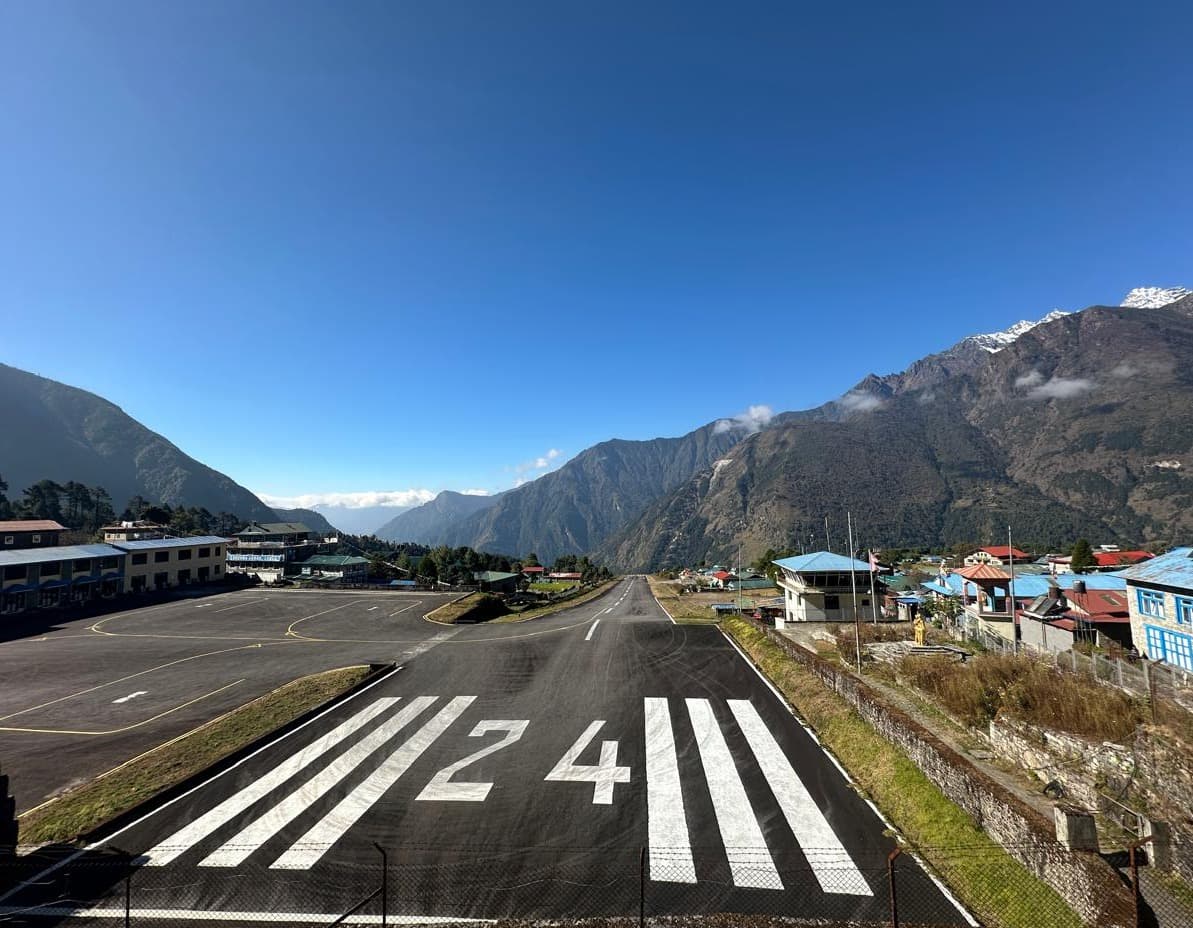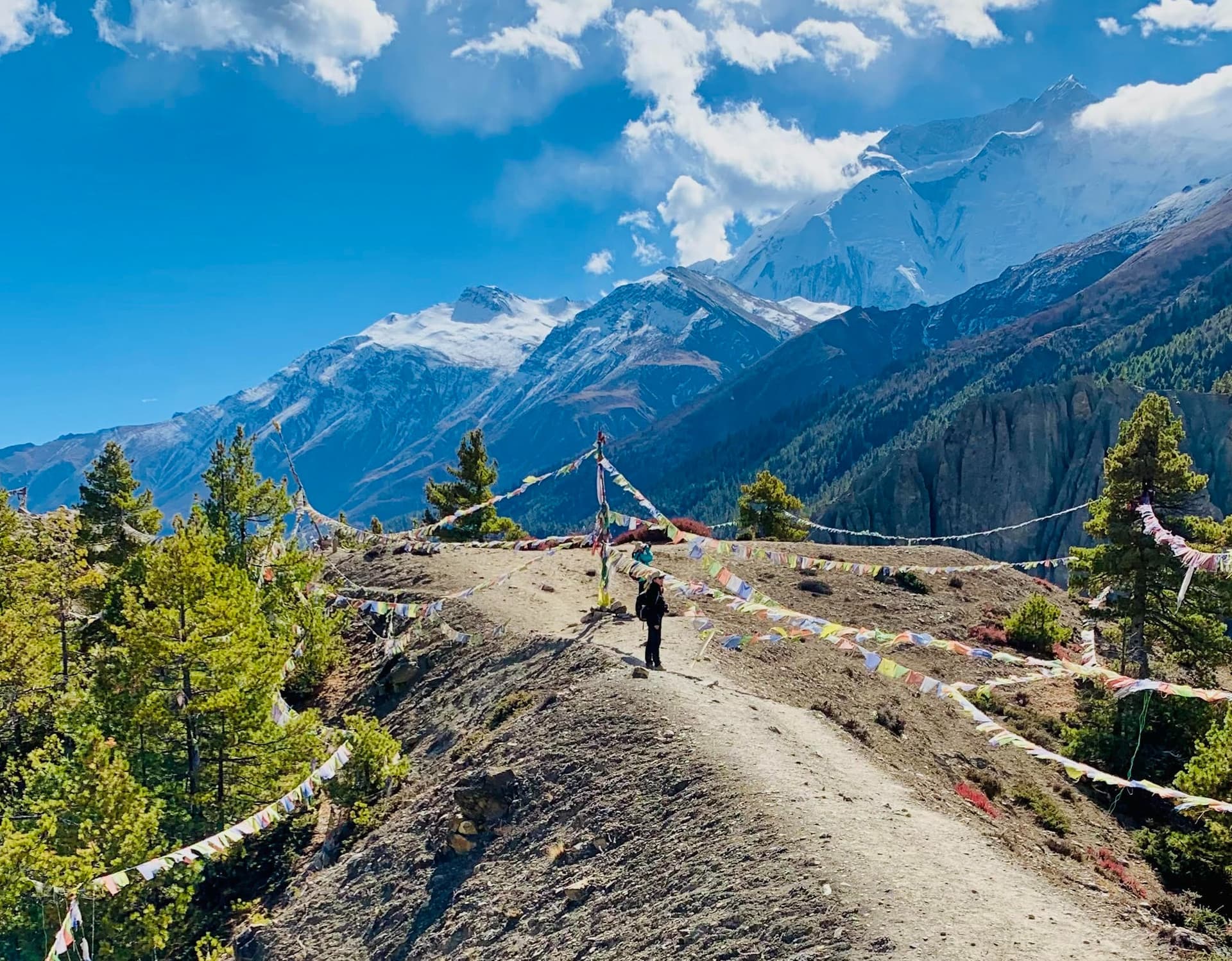
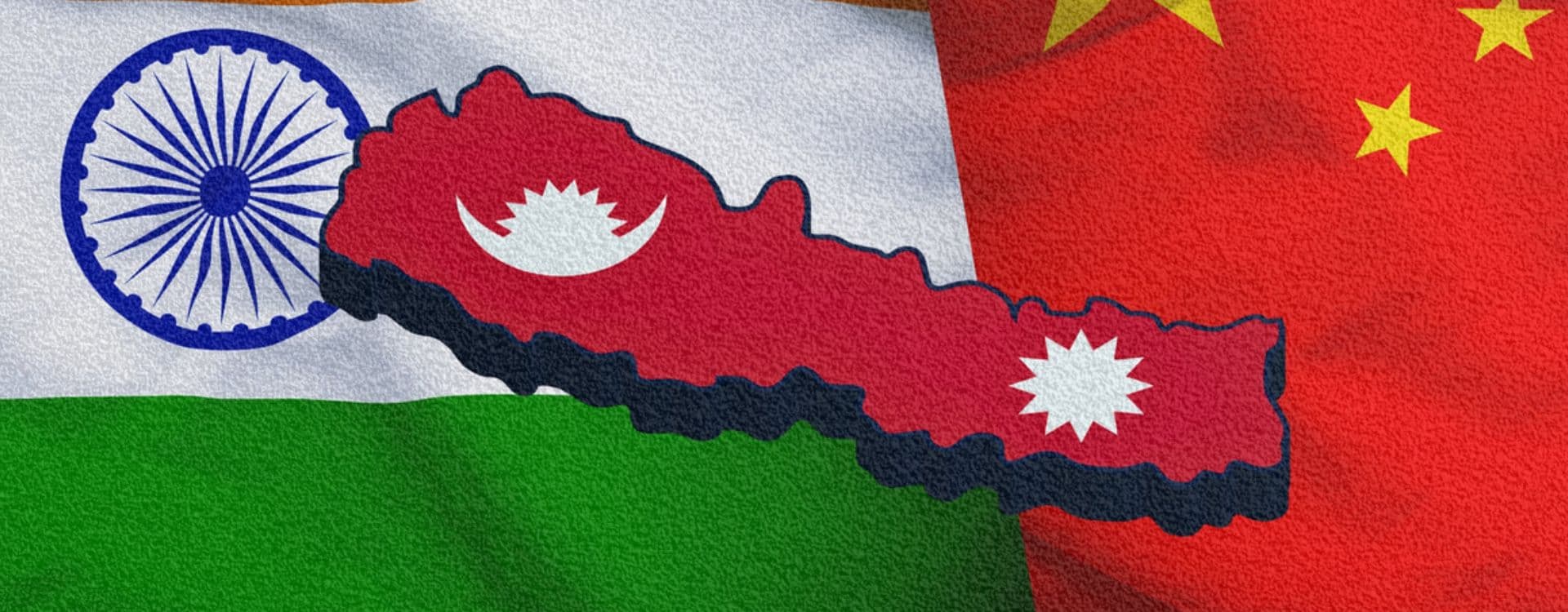
Nepal is culturally and socially closer to India than China, especially in its languages, festivals, religions, food habits, family traditions, and daily social life. However, Nepal is not the same as India, and it is not an extension of either neighbor. It is an independent Himalayan nation with its own history, identity, languages, ethnic communities, and cultural traditions. In the southern plains and hill regions, Nepal shares many similarities with India through Hindu and Buddhist practices, open-border movement, and long-standing social ties. In the northern Himalayan areas, Nepal also reflects Tibetan and Chinese cultural influences through monasteries, mountain communities, trade routes, and Buddhist traditions.
Hence, Nepal gains a distinct character shaped by both neighbors, but proudly rooted in its own national identity.
How Nepal Is Similar to India
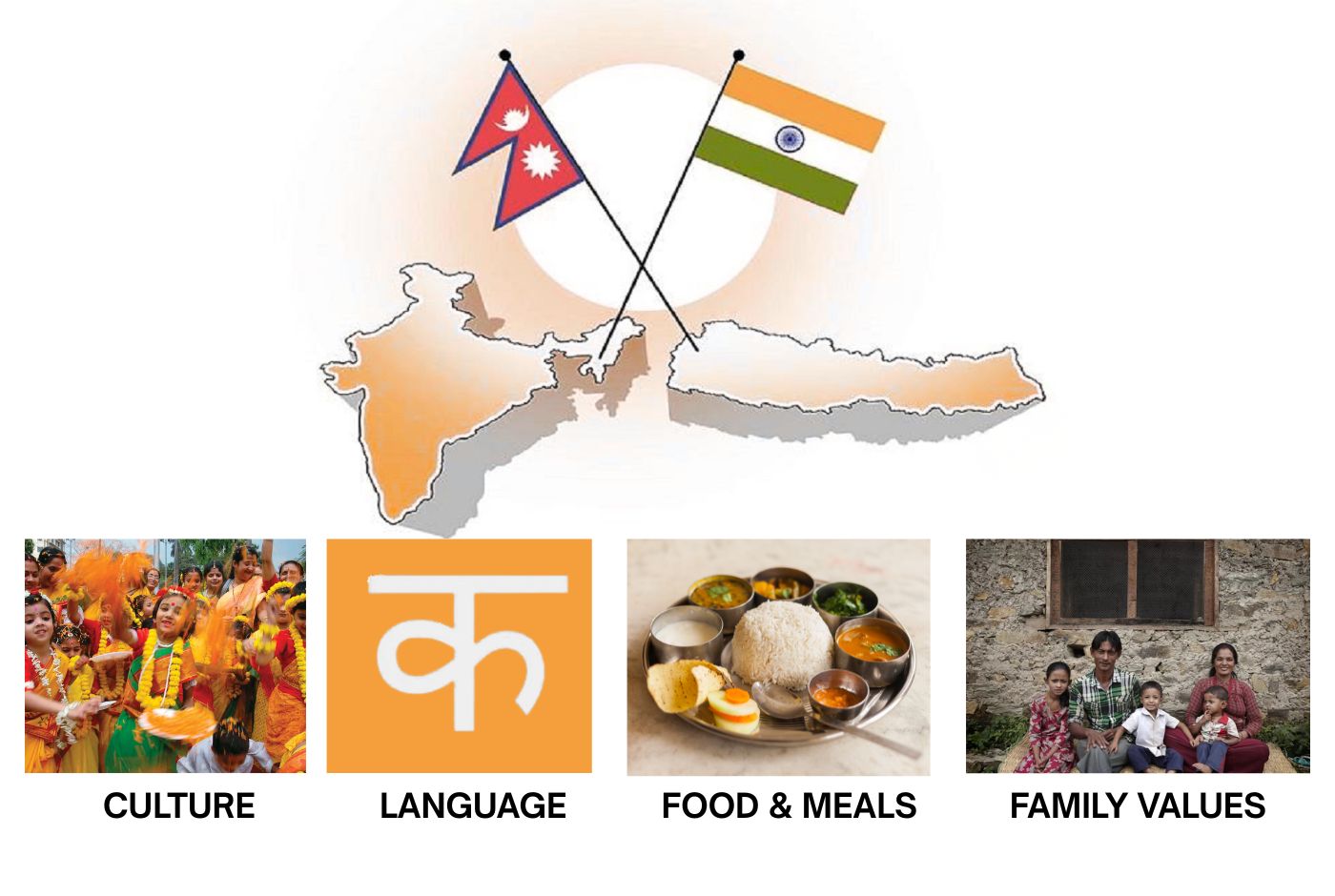
Nepal and India share close cultural, religious, linguistic, and social connections shaped by geography, history, pilgrimage routes, and generations of cross-border interaction. These similarities are most visible in daily life, from festivals and family values to food habits, language, and sacred traditions. Still, Nepal remains a distinct Himalayan nation with its own identity, ethnic diversity, and cultural depth.
Culture and Religion
Nepal and India share deep cultural and religious ties, especially through Hinduism and Buddhism. Nepal is a predominantly Hindu country, with a significant Buddhist minority that also shapes its spiritual life. Sacred Hindu and Buddhist pilgrimage sites such as Pashupatinath Temple, Janakpur, Lumbini, and Muktinath attract devotees from both Nepal and India. Festivals like Dashain, Tihar, Holi, and Chhath also reflect shared devotional traditions across the India-Nepal cultural landscape.
Language and Script
Nepali, the official language of Nepal, is an Indo-Aryan language written in the Devanagari script, the same script used for Hindi and Sanskrit. This shared writing system shows the long linguistic connection between Nepal and northern India. Many Nepali words, expressions, and religious terms are also familiar to Hindi-speaking visitors, although Nepali remains a distinct national language.
Food, Cuisine, and Daily Customs
Nepali cuisine shares many similarities with northern Indian food culture. Dal bhat, the classic Nepali meal of rice, lentil soup, vegetables, and pickles, reflects a wider South Asian food tradition. Spices, tea culture, open-air markets, vegetarian meals, homemade pickles, and daily cooking habits create a familiar rhythm between Nepal and India. These shared food customs make Nepal feel culturally recognizable to many Indian travelers.
Society and Family Values
The social fabric of Nepal closely mirrors many traditional Indian values. Respect for elders, strong family bonds, joint family life, arranged marriages, community gatherings, and festival celebrations are important parts of Nepali society. These shared social and family values give Nepal a warm, community-centered atmosphere while still preserving its own national identity, ethnic diversity, and Himalayan character.
How Nepal Is Similar to Tibet and the Himalayan Region
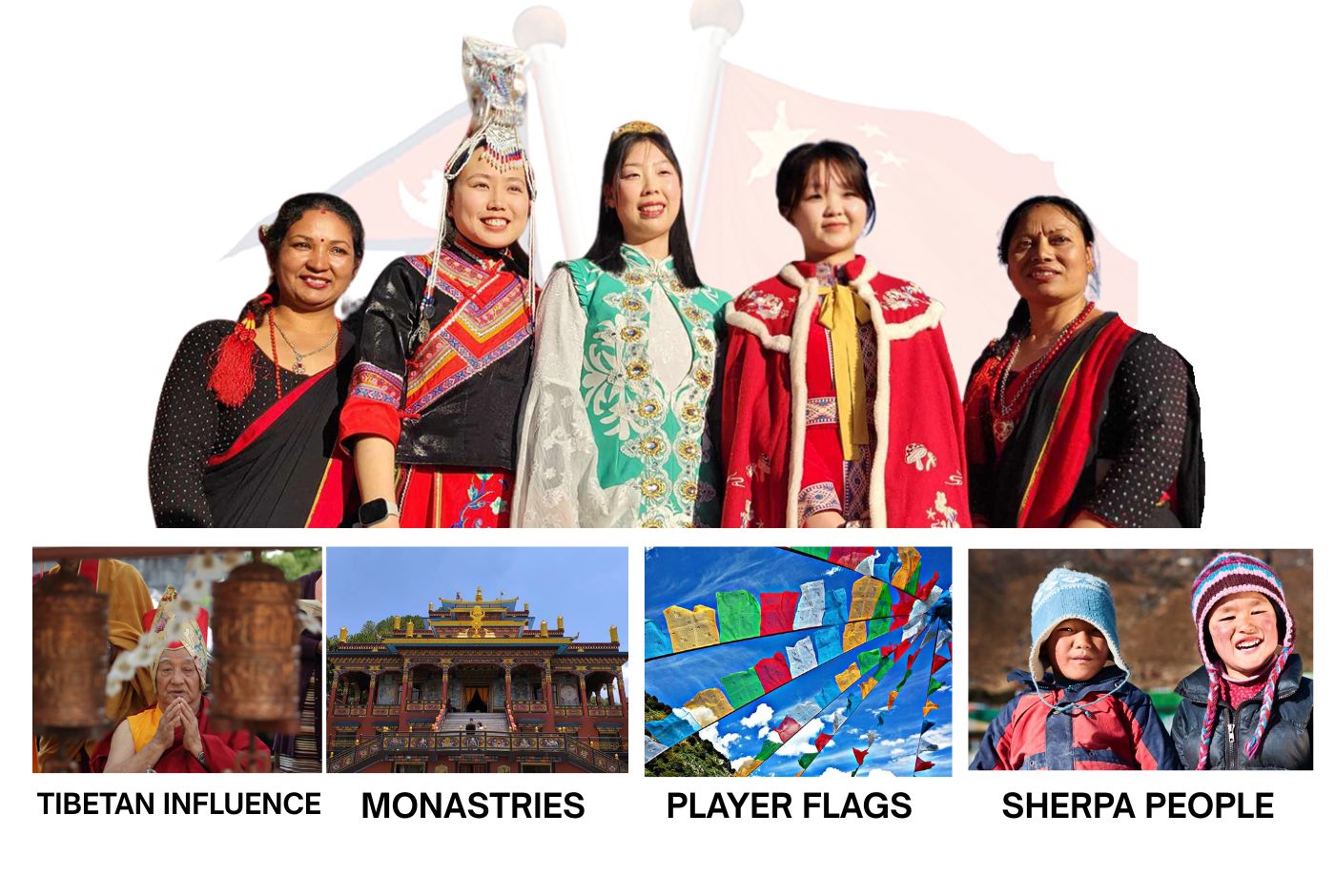
Nepal’s northern Himalayan belt shares deep cultural links with Tibet, especially in religion, architecture, mountain trade, language groups, and daily life. These similarities are most visible in high-altitude regions where Tibetan Buddhism, monasteries, prayer flags, and trans-Himalayan traditions shape the landscape. While Nepal is socially closer to India in many parts of the country, its mountain regions carry a strong Tibetan and Himalayan identity.
Tibetan Buddhist Influence in Northern Nepal
The northern regions of Nepal, including Everest, Mustang, Manaslu, Dolpo, Humla, and Langtang, have a strong Tibetan Buddhist character. These areas developed along ancient trans-Himalayan trade routes that connected Nepal with Tibet for centuries. As a result, local culture, religious practices, settlement patterns, and mountain lifestyles reflect a deep connection with Tibetan Buddhist tradition.
Monasteries, Prayer Flags, and Mountain Culture
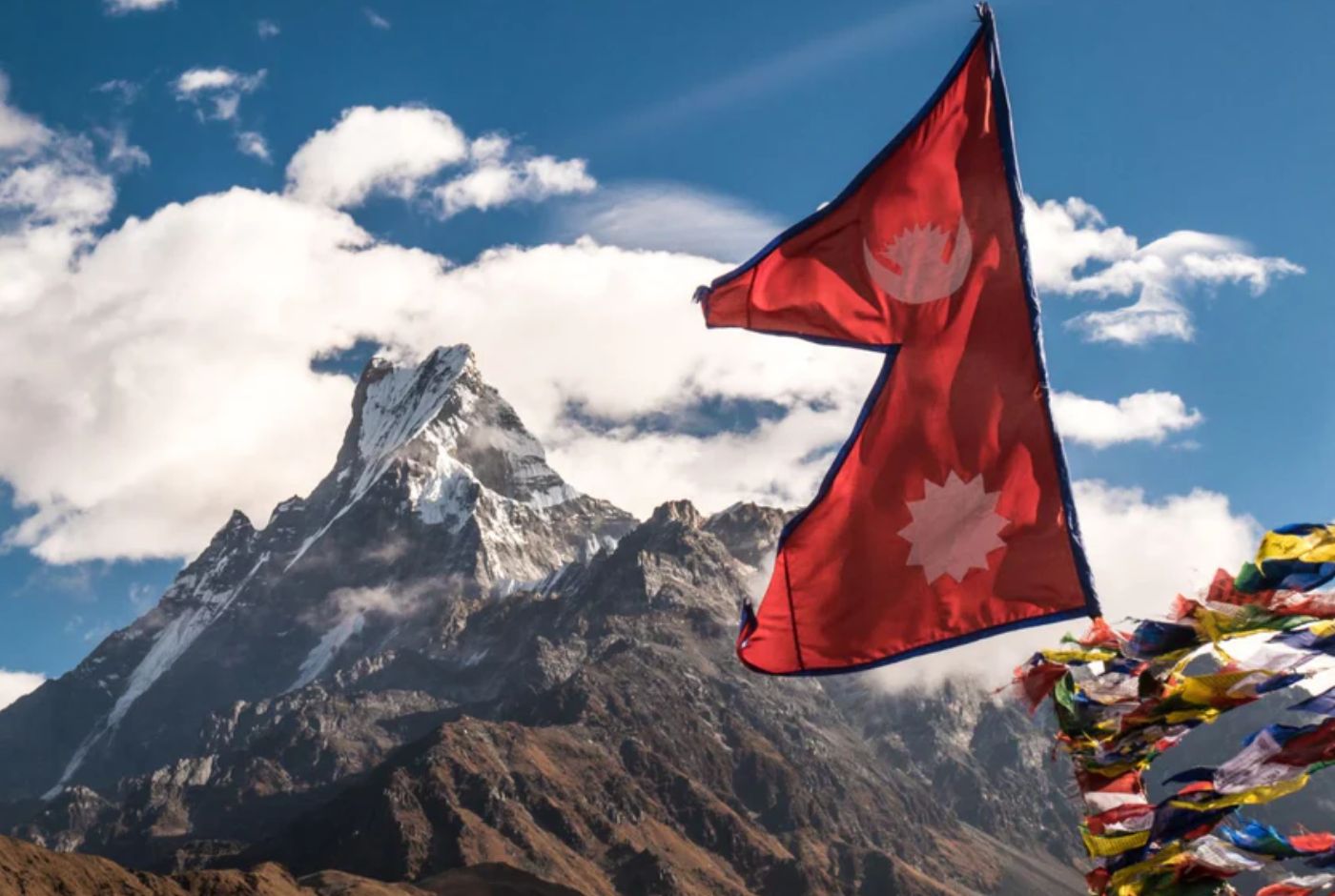
Buddhist monasteries, mani walls, prayer wheels, chortens, and colorful prayer flags are common across Nepal’s high mountain trails and villages. These sacred features are especially visible in places such as Namche Bazaar, Tengboche, Lo Manthang, Samagaon, Kyanjin Gompa, and Dolpo. They give northern Nepal a spiritual and visual identity closely connected to the wider Tibetan Himalayan world.
Sherpa and Himalayan Communities
Sherpa, Tamang, Gurung, Thakali, Loba, Dolpo-pa, and other Himalayan communities preserve traditions shaped by Buddhism, mountain trade, livestock herding, agriculture, and high-altitude living. Their festivals, food, clothing, architecture, language influences, and community values reflect a distinct Himalayan identity. This makes northern Nepal culturally closer to Tibet in many ways, while still remaining part of Nepal’s wider national character.
What Makes Nepal Different from Both India and China
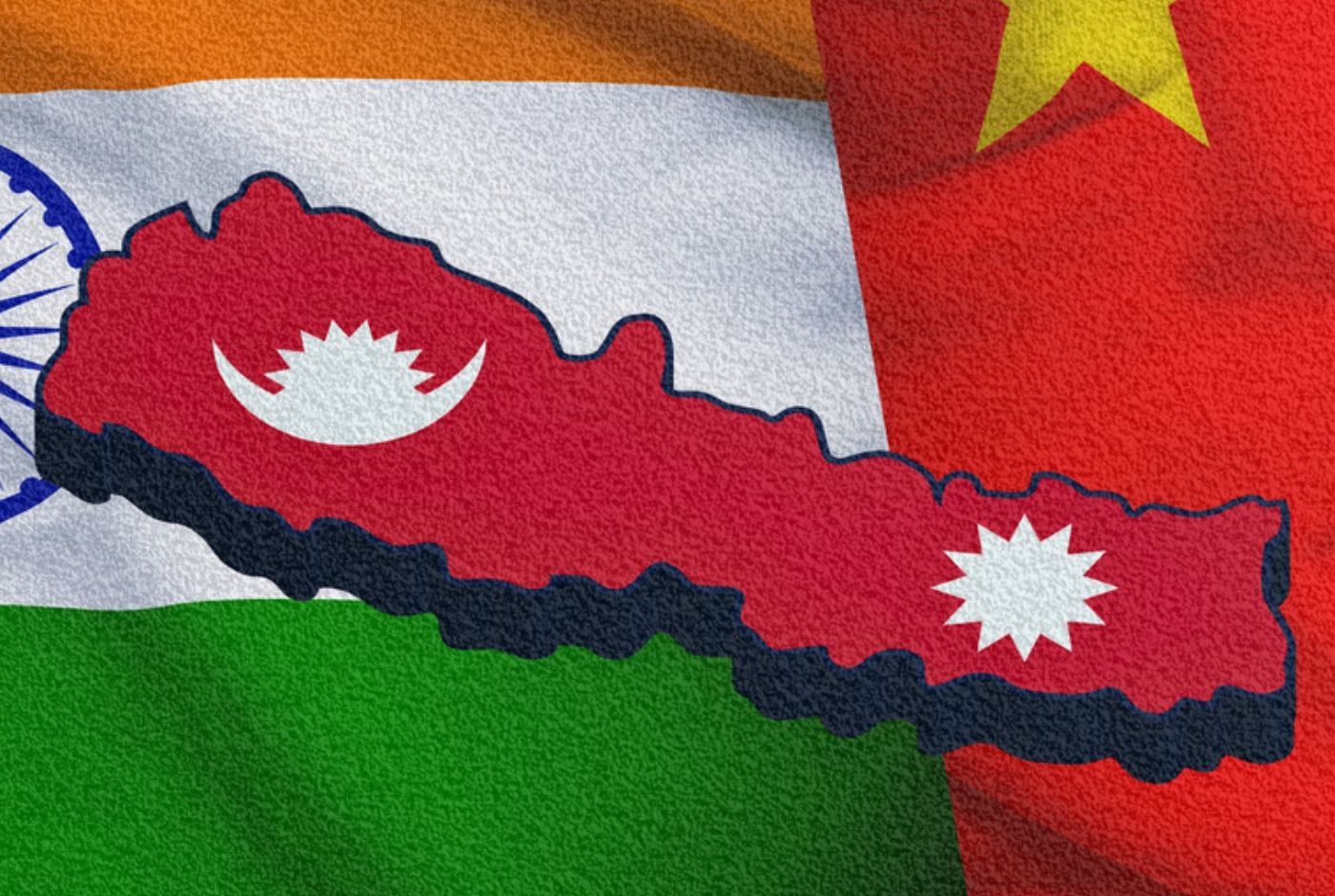
Nepal shares cultural influences with both India and Tibet, but it remains a distinct Himalayan nation with its own identity, history, geography, and way of life. Its character comes from the meeting point of South Asian traditions, Himalayan Buddhism, mountain communities, and deep national independence. This balance makes Nepal different from both India and China.
Nepal Is a Sovereign Himalayan Nation
Nepal is an independent and sovereign country with its own flag, government, constitution, language, currency, culture, and national identity. It has never been colonized and has preserved its independence between India and China, two of the world’s largest nations. This history gives Nepal a strong sense of pride and shapes how Nepali people see their country, culture, and place in the Himalayas.
Nepal’s Landscape Feels Distinct
Nepal’s geography is one of its strongest differences. Within a short distance, the country rises from the subtropical Terai plains to hill villages, the Kathmandu Valley, alpine forests, glaciers, and the world’s highest mountains. Mount Everest, Annapurna, Langtang, Manaslu, Mustang, and Dolpo create landscapes that shape local culture, food, architecture, climate, and daily life in ways unique to Nepal.
Nepal’s Trekking Culture Is Unique
Nepal has a trekking culture unlike India or China. Mountain trails connect villages, monasteries, forests, suspension bridges, river valleys, teahouses, and high Himalayan passes. Trekking in Nepal is a cultural journey as much as an outdoor adventure, where travelers meet local guides, porters, lodge owners, farmers, monks, and mountain families along ancient routes. This trail-based hospitality gives Nepal a special place in Himalayan travel.
Nepal’s Hospitality Feels Personal
Nepali hospitality is deeply rooted in family values, community life, and respect for guests. Travelers often remember the warmth of teahouse hosts, local guides, porters, village families, and city residents long after their journey ends. This welcome feels personal because it comes from daily culture, not from a scripted tourism style. Whether in Kathmandu, Pokhara, the Terai, or the high Himalayas, Nepal’s human connection remains one of its strongest identities.
What Does Nepal Feel Like for Travelers?
For travelers, Nepal often feels intimate, grounded, and closely connected to mountain life. Kathmandu brings energy, history, and sacred traditions into one compact valley, while Pokhara offers lakeside calm and clear Himalayan views. Beyond the cities, the trekking regions move at the pace of foot trails, village life, prayer flags, river valleys, and mountain weather. The strongest feeling in Nepal is not comparison with India or China, but connection with people, landscapes, and the rhythm of the Himalayas.
Kathmandu
Kathmandu is busy, spiritual, historic, and full of character. Ancient temples, palace squares, street markets, shrines, courtyards, and traditional neighborhoods give the city a layered cultural identity. Sacred sites such as Pashupatinath Temple, Boudhanath Stupa, Swayambhunath, and Kathmandu Durbar Square show Nepal’s deep Hindu and Buddhist heritage. For many travelers, Kathmandu feels like the cultural doorway into Nepal.
Pokhara
Pokhara offers a calmer and more scenic side of Nepal. Set beside Phewa Lake with views of Machhapuchhre and the Annapurna range, it is the main gateway for Annapurna trekking, including Annapurna Base Camp, Ghorepani Poon Hill, Mardi Himal, and Annapurna Circuit routes. The city is relaxed, open, and easy to enjoy before or after a trek. Its lakeside atmosphere gives travelers a gentle contrast to Kathmandu’s energy.
Everest and Annapurna Regions
The Everest and Annapurna regions are Nepal’s most iconic trekking areas. Everest is known for Sherpa culture, Buddhist monasteries, high mountain villages, and views of Mount Everest, Lhotse, Ama Dablam, and Nuptse. Annapurna is known for Gurung and Magar villages, rhododendron forests, terraced hillsides, high passes, and close views of Annapurna, Machhapuchhre, Dhaulagiri, and Manaslu. Together, these regions show why trekking in Nepal is both a mountain journey and a cultural experience.
Mustang, Manaslu, and Langtang
Mustang, Manaslu, and Langtang offer a deeper Himalayan character for travelers who want culture, mountain scenery, and quieter trails. Mustang carries strong Tibetan Buddhist influence through desert-like valleys, cave settlements, monasteries, and the walled town of Lo Manthang. Manaslu combines remote villages, forests, monasteries, and the dramatic crossing of Larkya La Pass. Langtang feels close to Kathmandu but culturally rich, with Tamang villages, yak pastures, monasteries, and wide mountain valleys shaped by Tibetan Buddhist traditions.
Nepal vs India vs China: A Simple Comparison
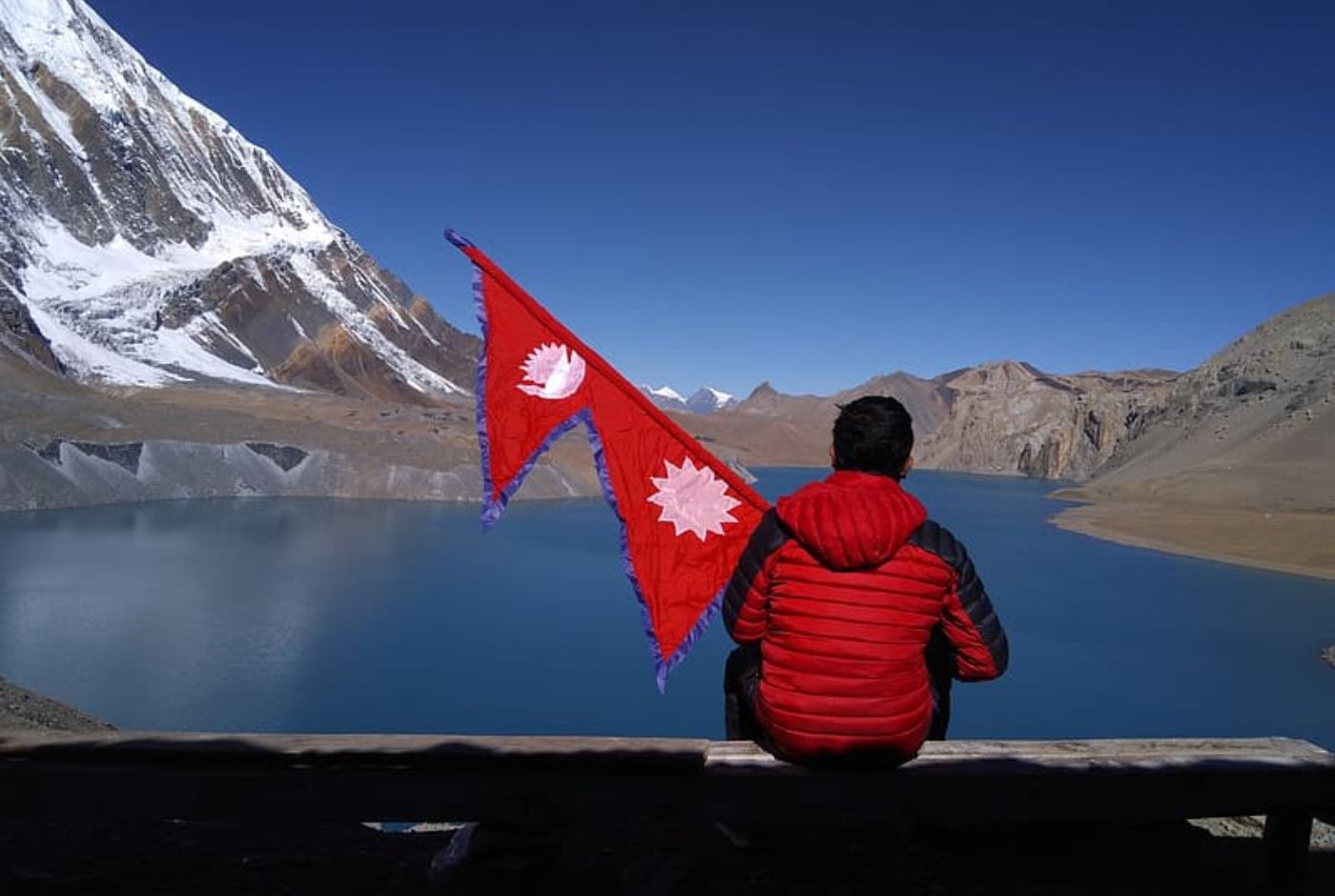
Nepal, India, and China are neighboring countries, but each offers a very different travel experience. Nepal feels Himalayan, personal, cultural, and closely connected to mountain life. India feels vast, colorful, diverse, and energetic, shaped by many languages, religions, regions, and centuries of civilization. China feels larger in scale, structured, and shaped by different historical, political, and regional influences. Nepal stands apart from both because its identity is built around the Himalayas, living traditions, close-knit communities, and a strong sense of independence.
Is Nepal Worth Visiting?
Yes, Nepal is absolutely worth visiting, especially for travelers who value mountains, culture, and meaningful human connection. Many visitors come for Everest, Annapurna, Langtang, Manaslu, and the Himalayan trails, but they often remember the people, villages, teahouses, festivals, and guides with equal warmth. Nepal offers a rare combination of dramatic scenery, spiritual heritage, and personal hospitality. With experienced local guides, well-planned trekking routes, and careful support, a journey in Nepal becomes a rich experience through landscapes, culture, and mountain life.
Nepal is worth visiting for many reasons:
- World-famous trekking routes, including Everest Base Camp, Annapurna Circuit, Annapurna Base Camp, Langtang Valley, and Manaslu Circuit.
- Dramatic Himalayan views across Everest, Annapurna, Langtang, Manaslu, Dhaulagiri, and Machhapuchhre.
- Rich Hindu and Buddhist heritage, seen in temples, monasteries, stupas, prayer flags, festivals, and pilgrimage sites.
- UNESCO World Heritage Sites across the Kathmandu Valley, including ancient palace squares, temples, and sacred monuments.
- Warm Nepali hospitality in mountain villages, teahouses, family-run lodges, and city neighborhoods.
- Experienced local guides and organized trekking support for safer, smoother, and better-planned journeys.
- Living festivals and cultural traditions that make Nepal feel active, spiritual, and closely connected to daily life.
- Diverse landscapes, from the Terai plains and hill villages to alpine valleys, glaciers, and high Himalayan passes.
FAQs About Nepal, India, and China
Is Nepal part of India?
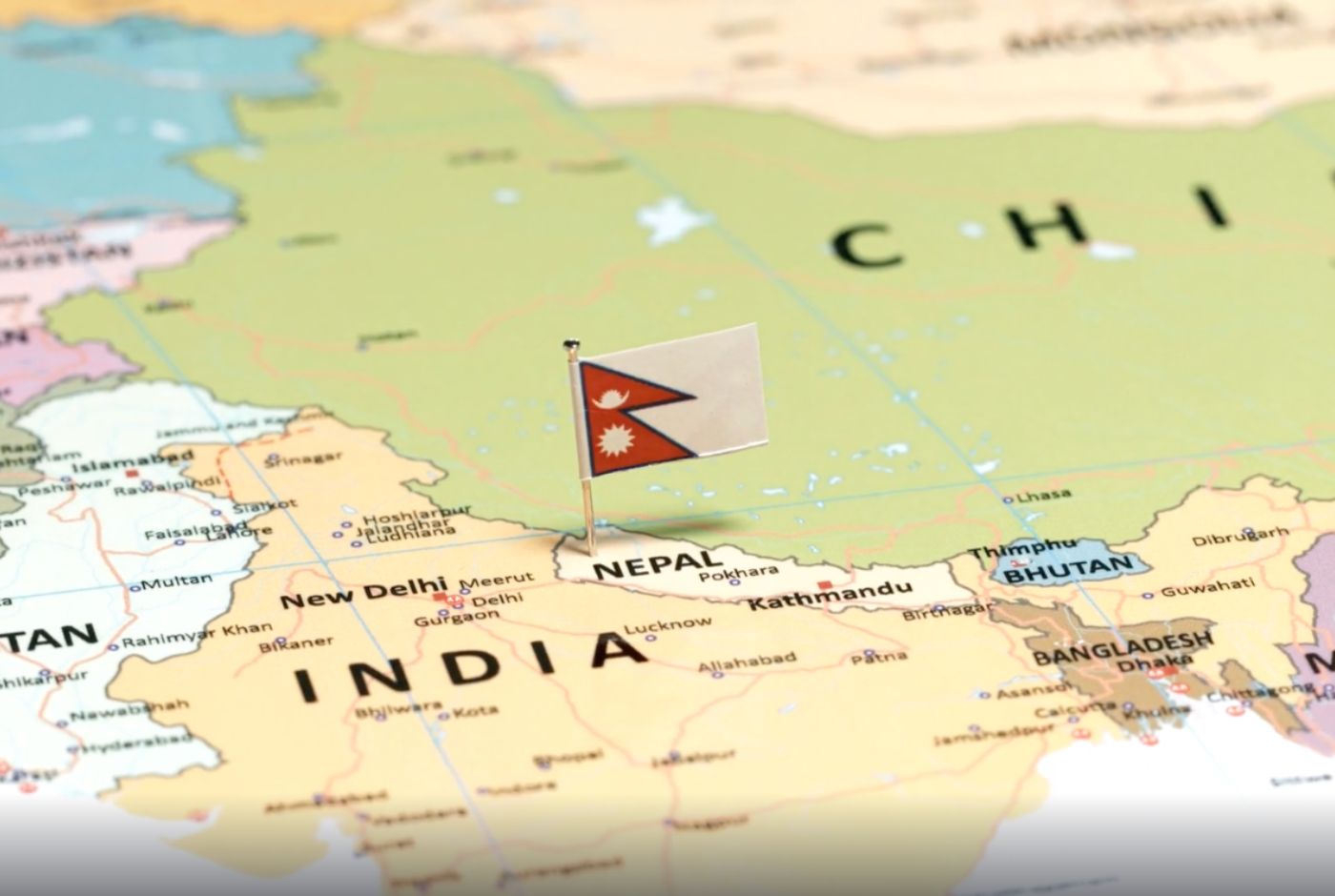
No. Nepal is an independent country located between India and China. It has its own government, language, currency, and national identity.
Is Nepal part of China?
No. Nepal is not part of China. It borders China's Tibet Autonomous Region to the north and maintains its own sovereignty.
Is Nepal culturally closer to India or China?
Nepal is generally closer to India in religion, language, festivals, and daily customs. Northern Nepal has strong Tibetan Buddhist and Himalayan influences that connect it more closely to Tibetan culture.
Is Nepal Hindu or Buddhist?
Nepal is mainly Hindu, with an important Buddhist presence. Both traditions shape temples, festivals, art, and daily life throughout the country.
What language do people speak in Nepal?
Nepali is the official language of Nepal. Many communities across the country also speak their own ethnic and regional languages, reflecting Nepal's cultural diversity.
Is Nepal good for first-time travelers?
Yes. Nepal is a rewarding destination for first-time travelers, especially with a reliable local operator, a clear itinerary, and experienced guides who know the trails, culture, and conditions.
What is Nepal famous for?
Nepal is famous for Mount Everest, the Himalayas, trekking, Kathmandu Valley, Buddhist monasteries, Hindu temples, wildlife reserves, and the warm hospitality of its people.
Why is Nepal different from India?
Nepal has its own language, culture, political system, and national identity. While it shares many cultural threads with India, its mountain geography, ethnic diversity, and Himalayan traditions make it a distinctly different country and travel experience.
Why is Nepal different from China?
Nepal is a small, predominantly Hindu-Buddhist Himalayan country with a community-based trekking culture. Its everyday life, language, religion, and social customs are very different from China's, though northern Nepal shares some Tibetan Buddhist influence with the Tibet Autonomous Region.
Conclusion
Nepal shares close cultural and social ties with India, while its northern Himalayan regions reflect deep Tibetan Buddhist influence. Yet Nepal should never be understood as a copy of either neighbor. It is a sovereign Himalayan country with its own history, languages, ethnic communities, sacred traditions, landscapes, and national character. From the temples of Kathmandu and Janakpur to the monasteries of Everest, Mustang, Manaslu, Dolpo, and Langtang, Nepal carries many cultural layers within one distinct identity. For travelers, this is what makes Nepal special: sacred cities, mountain trails, welcoming villages, dramatic Himalayan views, and a sense of place that belongs only to Nepal.