Every year, tens of thousands of trekkers land in Kathmandu with one goal: reaching Everest Base Camp. And every year, a good number of them spend more time researching their gear than the company taking them there.
That is where things go wrong.
The Everest Base Camp Trek-14 Days is Nepal's most popular high-altitude route, and because of that, hundreds of trekking agencies offer it. Prices range from suspiciously cheap to hard-to-justify expensive. Packages look similar on the surface. But the experience on the trail, how your guide handles altitude, whether your permits are ready before you land, and how the Lukla flight logistics are managed during peak season vary dramatically depending on who is behind the trip.
This guide breaks down exactly what to look for when choosing an EBC Trek company, using Escape Himalaya as the benchmark for what a well-run operator actually looks like.
What Makes the Everest Base Camp Trek Different From Other Nepal Treks
The EBC Trek is not technically restricted the way Manaslu or Upper Mustang are. You do not need a licensed guide by law. But that does not mean going without one is a good idea, and it certainly does not mean all operators are built the same.
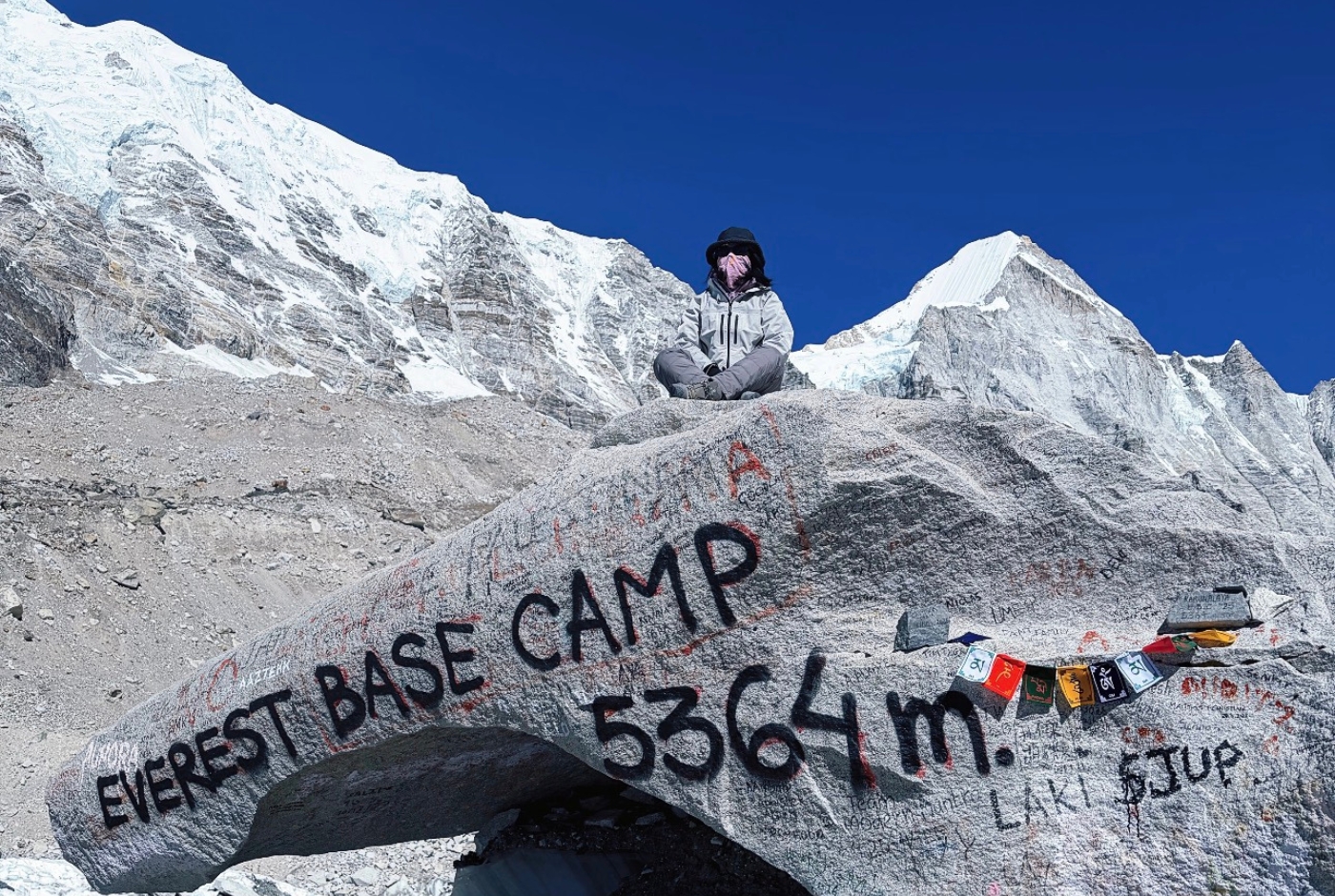
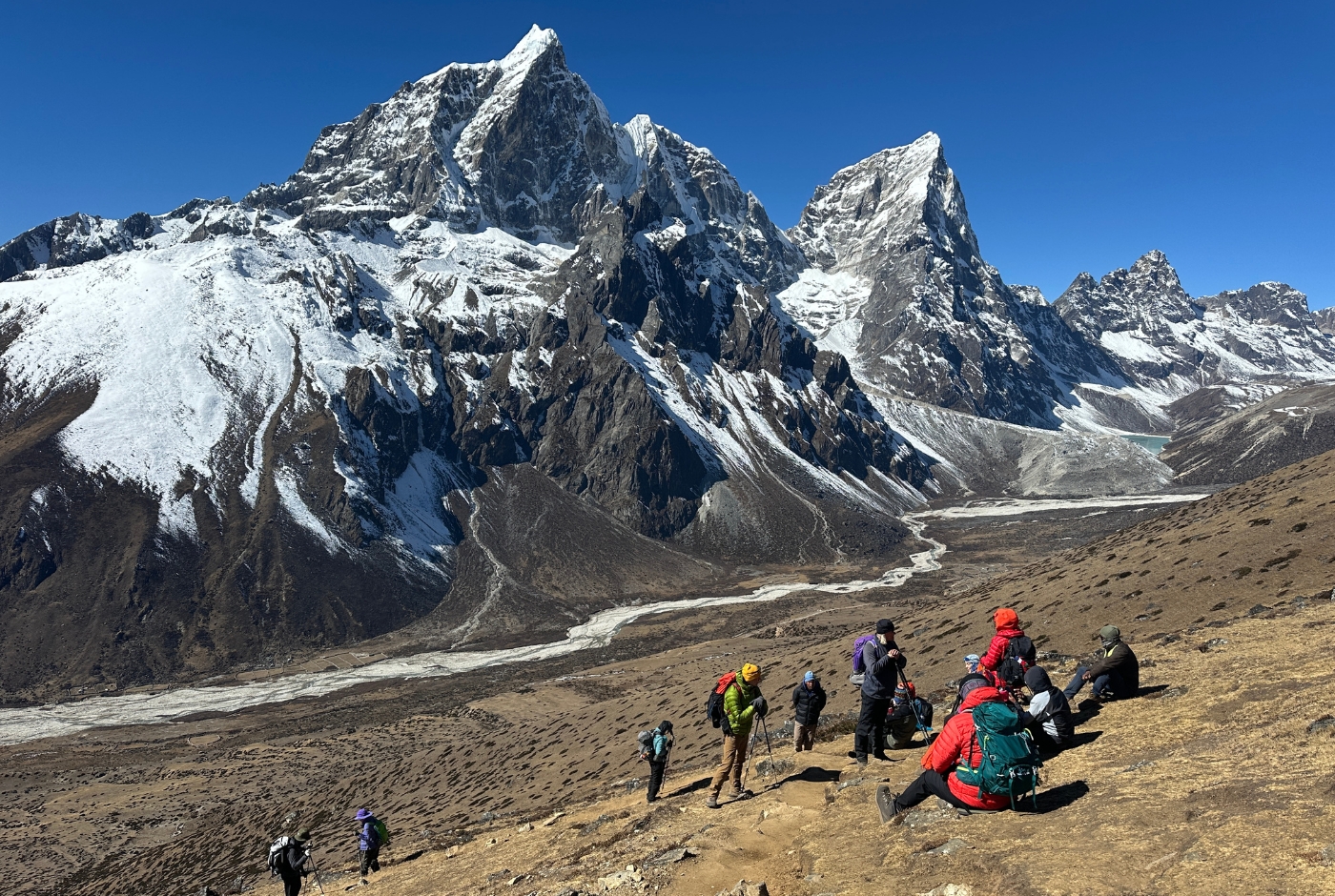
The classic 16-day Everest Base Camp Trek route runs from a flight into Lukla at 2,860 metres through Namche Bazaar, Tengboche Monastery, Dingboche, Lobuche, Gorak Shep, and finally Everest Base Camp at 5,364 metres. Kala Patthar at 5,645 metres is the highest point of the entire journey, and it requires a pre-dawn start from Gorak Shep, where conditions can be cold, icy, and physically demanding.
Two acclimatization days are built into the standard itinerary at Namche Bazaar and Dingboche. These are not optional extras. They are structured for a reason, and a good guide enforces them even when a trekker feels fine and wants to keep moving.
A few things make this trek logistically complex in ways that a less experienced operator will struggle with:
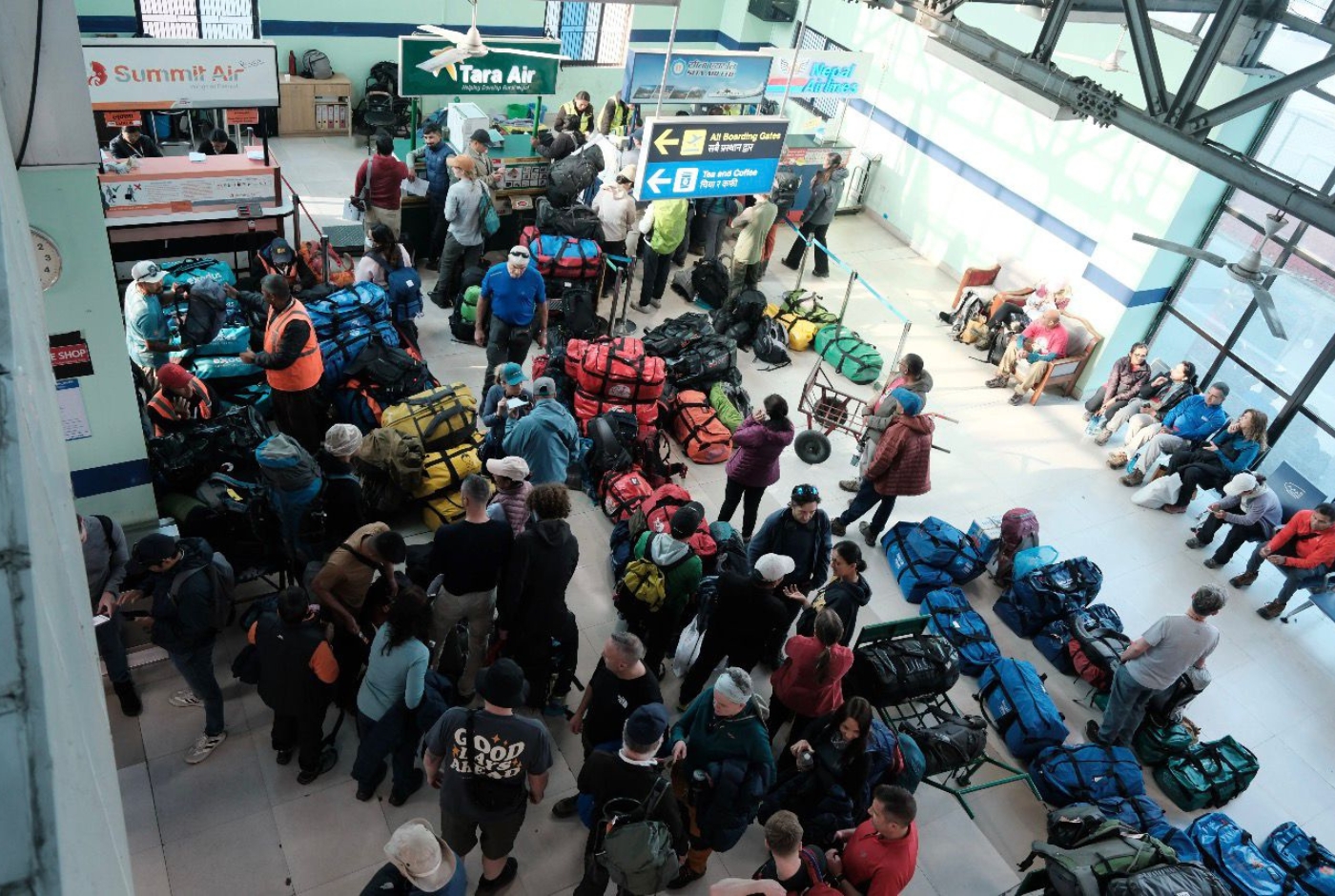
- During peak season (March, April, May, October, November), Lukla flights are rerouted from Kathmandu to Ramechhap/Manthali Airport, meaning a 4-5 hour drive starting at 1am or 2 am. Operators who run EBC regularly are prepared for this. Those who do not will leave you figuring it out on the day.
- Weather delays and flight cancellations at Lukla are routine. A good itinerary has buffer days built in precisely for this.
- Two permits are required before the trek begins: the Sagarmatha National Park Entry Permit (USD 30) and the Khumbu Pasang Lhamu Rural Municipality Entrance Permit (USD 20). Note that the TIMS card is no longer required.
- Altitude sickness becomes a real consideration from Namche upward, and your guide's ability to recognise early symptoms before they escalate is the most important safety variable on the entire trek.
The trail is well-marked. The challenge is everything around it.
10 Things to Look for When Choosing an Everest Base Camp Trekking Company
1. Government Registration and Proper Licensing
Start every conversation with a potential operator by asking about licensing. Any legitimate Nepal trekking agency should be:
- Registered with the Nepal Tourism Board (NTB)
- Affiliated with TAAN (Trekking Agencies' Association of Nepal)
- Recognised by the Nepal Mountaineering Association (NMA)
These registrations confirm the company can legally operate guided treks, that guides hold government-issued licenses, and that the agency is accountable to regulatory bodies if something goes wrong. Ask for documentation. A company worth booking will not hesitate to share it.
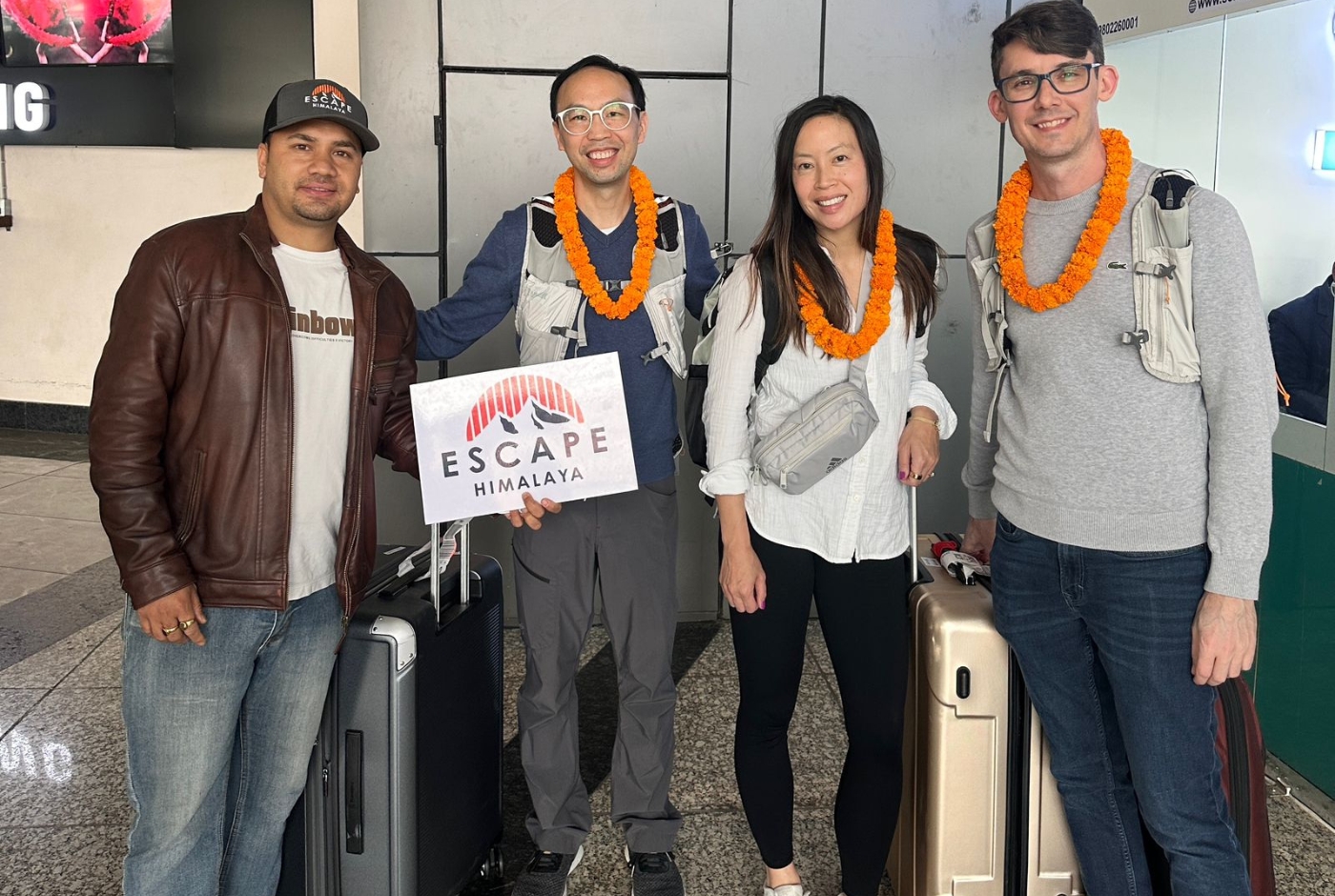
Escape Himalaya is fully registered with NTB, TAAN, and NMA. Legal documents are available on the website for anyone to verify before committing to a booking. This kind of transparency is a baseline you should expect from any reputable EBC operator.
2. A Track Record on the EBC Route Specifically
There is a significant difference between a company that has run the EBC Trek regularly across multiple seasons and one that lists it in a catalogue alongside fifty other routes. The Khumbu region has its own rhythm, and knowing it takes time on the ground.
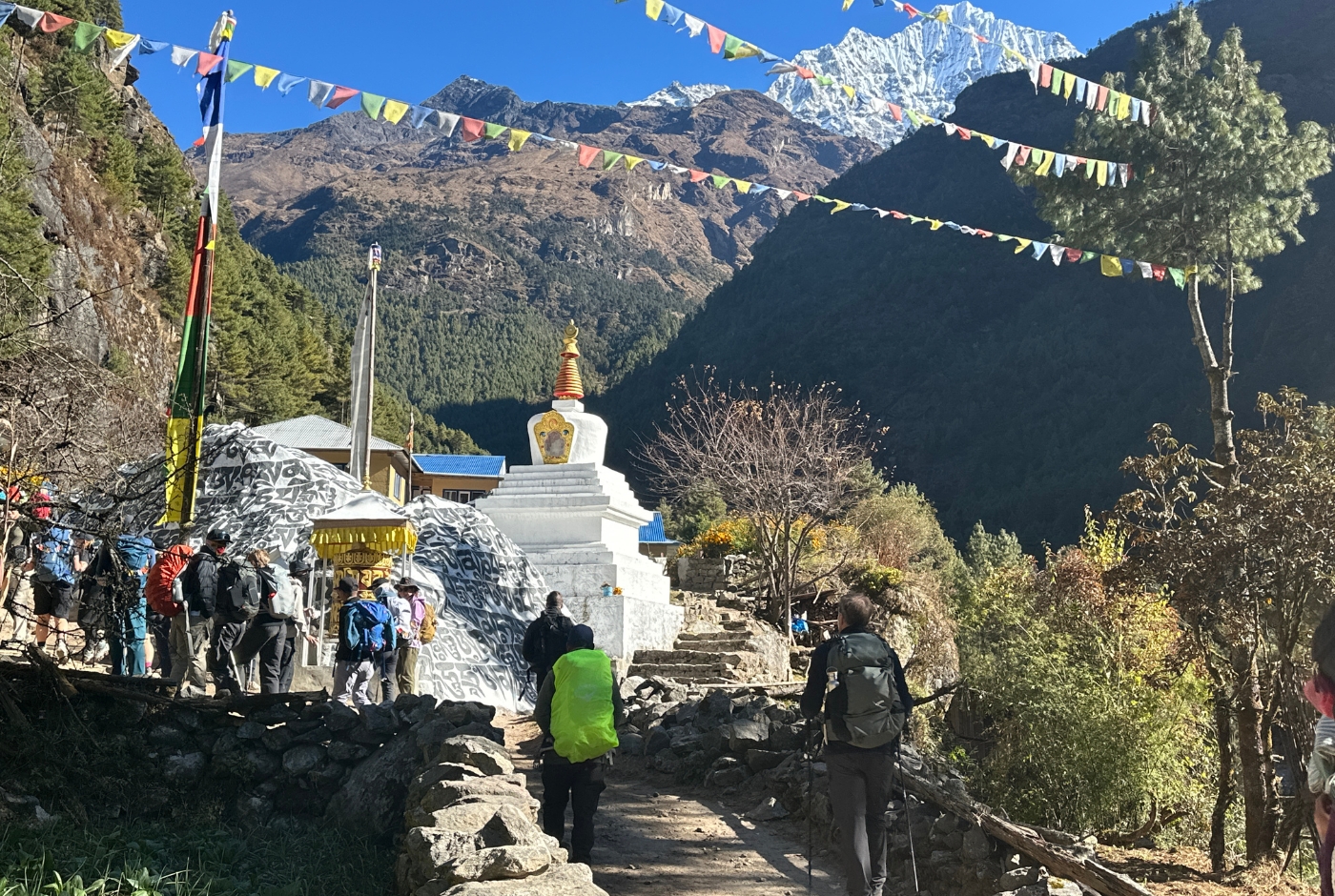
Knowing which teahouses at Lobuche are reliable, how to manage the group pace on the push from Dingboche to Lobuche, and how to handle a Ramechhap reroute without disrupting the whole trip, these things come from doing the route repeatedly, not from reading about it.
When you speak with any EBC company, ask:
- How many Everest Base Camp departures have you run in the past two years?
- Do those include peak season departures that required the Ramechhap reroute?
- Have you guided trekkers of different fitness levels and ages on this specific route?
Escape Himalaya has been running treks in Nepal for close to a decade. The Everest Base Camp Trek is one of the most consistently reviewed packages in the portfolio, with guest accounts spanning spring and autumn seasons, offseason departures, and trekkers ranging from teenagers to people in their late 60s and 70s.
3. Permits Handled Before You Arrive
Both required permits for the EBC Trek can be obtained at checkpoints along the route, but that does not mean you want to be sorting them out mid-trek. A reliable operator arranges everything in advance so the only thing you are thinking about on Day 1 is getting to Namche.
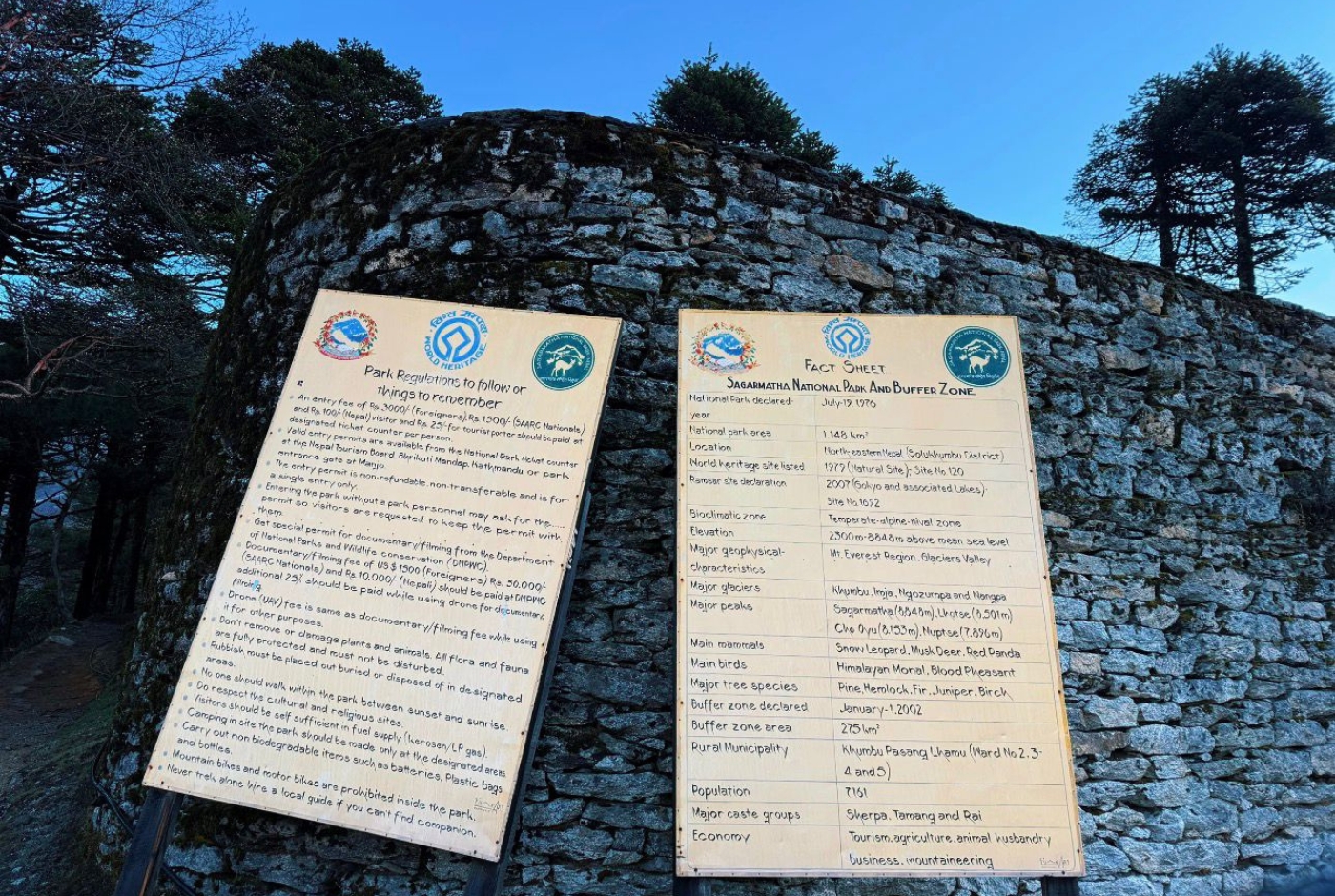
Here is what is needed and where to get them:
- Sagarmatha National Park Entry Permit: USD 30, checked at the Monjo entry checkpoint
- Khumbu Pasang Lhamu Rural Municipality Entrance Permit: USD 20, available in Lukla or Monjo only, not in Kathmandu
- TIMS card: no longer required as of the most recent policy update
The fact that the municipality permit cannot be obtained in Kathmandu catches operators who do not regularly run EBC off guard. If your company does not know this already, that tells you something useful about their level of route familiarity.
Escape Himalaya handles both permits as part of every EBC package, with no extra coordination needed from the trekker.
4. Guide Quality and Guide-to-Trekker Ratio
Your guide is the most consequential part of the EBC Trek. More than the teahouse you sleep in or the itinerary on paper, the person leading you through the Khumbu determines whether you reach Base Camp safely, whether altitude issues are caught early, and whether the experience feels like a genuine adventure or a logistical transaction.
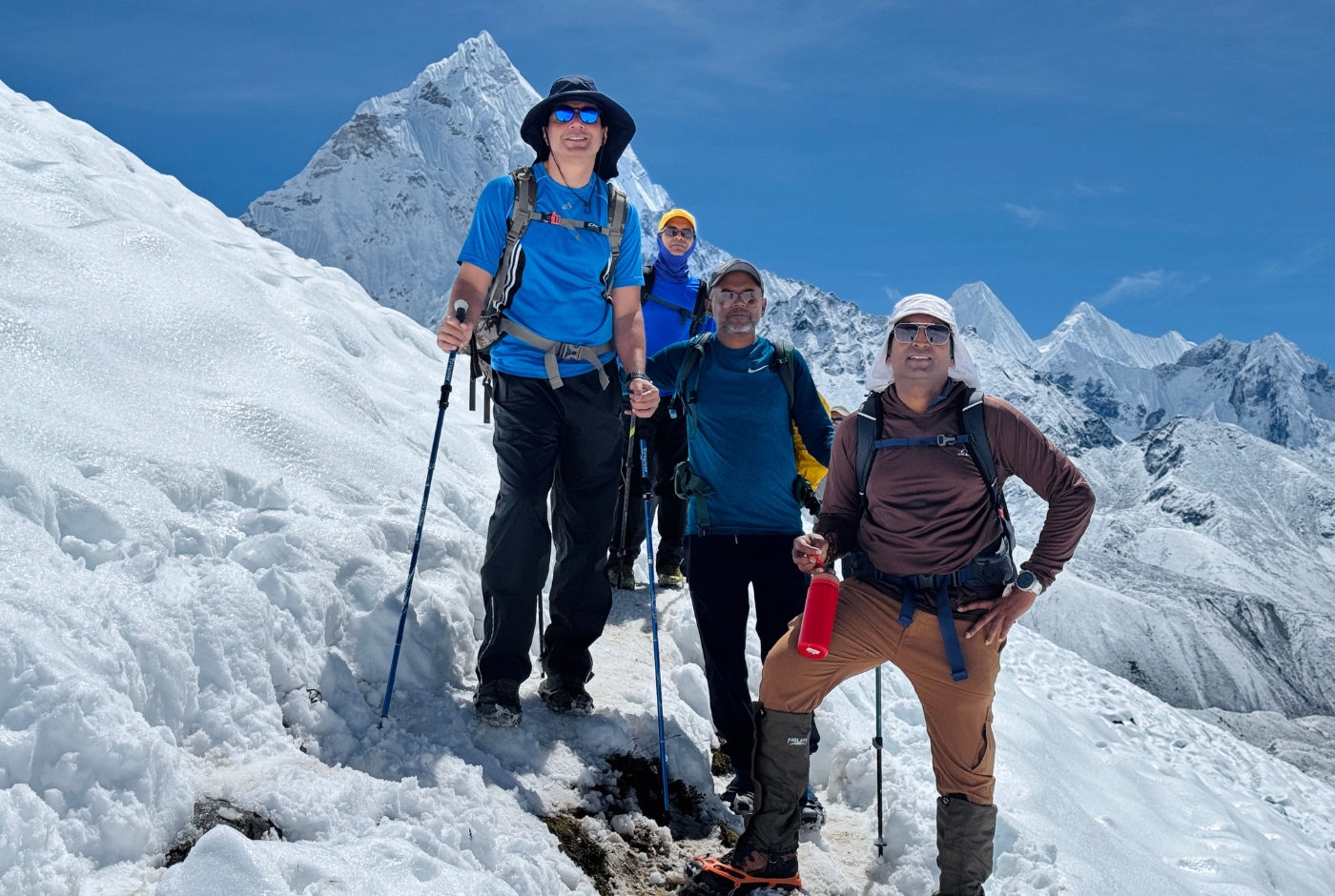
When asking any company about their guides, look for these specifics:
- Government-issued guide license from the Nepal Tourism Board
- Wilderness First Aid certification or equivalent altitude medicine training
- Proven experience on the EBC route across multiple seasons, not just a general Nepal trekking background
- Daily oxygen level checks using a pulse oximeter, every morning before setting off and every evening on arrival at the teahouse
- Strong English communication skills for explaining altitude symptoms, safety decisions, and local culture in real time
- A calm, measured approach to group pace management at altitude
What real trekkers say about Escape Himalaya guides:Escape Himalaya guest reviews name guides consistently and specifically, which is a strong signal of real operational quality.
Kevin P (EBC, March to April 2024) trekked with guide Raj Kumar and wrote: "I would not have made it without Raj. I cannot thank him enough. Janak often took my backpack on steep climbs where I was struggling."
Megha M (EBC with Cho La Pass and Gokyo Lakes, spring 2026) described guide Bhim as "the backbone of the entire journey, strong, calm, and deeply knowledgeable," adding that his "encouragement pushed me through the toughest moments."
Jedd P (solo EBC, offseason December 2025) said of guide Ramesh: "His knowledge of the Himalayas, culture, wildlife and history is extraordinary. I felt more connected to the Nepalese people and culture thanks to him."
These are not general praise comments. They describe specific moments and decisions on the trail, and they are the kind of reviews that matter when you are trying to judge an operator.
5. Altitude Sickness Protocols and Emergency Response
The EBC Trek takes you to 5,645 metres at Kala Patthar. Altitude sickness can begin to affect trekkers from 3,440 metres at Namche Bazaar. The most serious cases, HAPE (High Altitude Pulmonary Oedema) and HACE (High Altitude Cerebral Oedema), develop when early symptoms are missed or ignored, and that is exactly where guide training makes the difference.
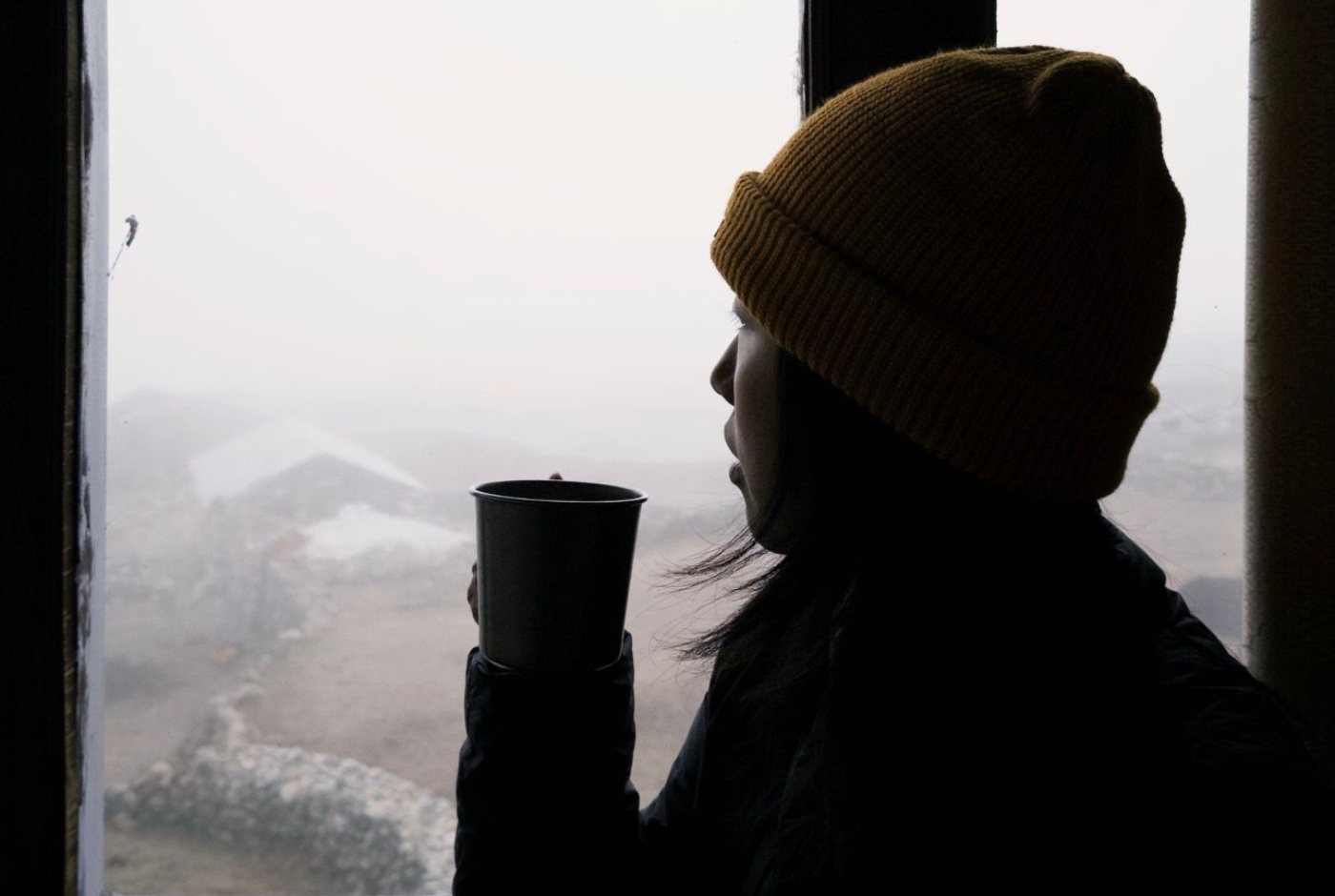
What to look for in an operator's safety setup:
- Guides who carry pulse oximeters and check oxygen saturation levels daily, morning and evening, for every trekker above Namche
- Supplemental oxygen cylinders are carried on the trail and available on request whenever a trekker needs them
- Clear protocols for when to slow pace, when to rest, and when to move someone to a lower elevation
- A tested helicopter evacuation process with established contacts
- 24/7 team coordination back in Kathmandu for emergency support
Travel insurance:
Travel insurance covering altitude trekking to a minimum of 5,500 metres, including helicopter rescue, is something any responsible operator will advise before departure. It is not optional on this route.
How Escape Himalaya handles safety:
Escape Himalaya guides carry first aid kits, pulse oximeters, and supplemental oxygen cylinders on every EBC trek. Oxygen level readings are taken daily for each trekker, every morning before the day's walk and every evening on arrival at the teahouse. It is how altitude problems get caught at the manageable stage rather than the serious one. Supplemental oxygen is available on request whenever a trekker needs it, giving both the guide and the trekker time to make a calm, informed decision. The team maintains 24/7 WhatsApp coordination throughout, with direct contact for emergency support.
6. Lukla Flight and Peak Season Logistics
This is one area that separates EBC specialists from generalists, and it is something most trekkers do not think to ask about until they are facing a 2am wake-up call in Kathmandu.
Peak season rerouting:
During spring and autumn peak seasons, flights from Kathmandu to Lukla are rerouted through Ramechhap/Manthali Airport to reduce air traffic congestion. This means a 4-5 hour drive from Kathmandu, starting between 1 am and 2 am, followed by a short mountain flight to Lukla. For first-time EBC trekkers, this comes as a surprise if the operator has not prepared them properly.
Helicopter options from Kathmandu to Lukla:
For trekkers who want to skip the early drive entirely, helicopter flights from Kathmandu directly to Lukla are available:
- Shared helicopter (4-5 passengers): approximately USD 400 to 450 per person
- Private charter: available for trekkers who want full schedule flexibility
- The mountain views on the way into the Khumbu by helicopter are genuinely worth experiencing, and the time saved makes a real difference to the first day on the trail
Weather delays and cancellations:
Beyond peak-season rerouting, Lukla weather delays and cancellations happen throughout the year. A well-run itinerary builds in buffer days for precisely this reason. An operator who does not account for this is setting trekkers up for unnecessary pressure at the end of the trip.
Escape Himalaya manages all Lukla flight bookings and briefs every trekker in advance on peak season logistics, including Ramechhap departure arrangements, helicopter options, driver coordination, and what to expect on the day.
7. What the Package Actually Includes
The EBC Trek market in Nepal has a wide spread of package prices, and the gap between USD 900 and USD 1,400 often comes down to what the cheaper one quietly leaves out.
Common omissions in cheaper packages:
- Domestic Lukla flights (round-trip)
- Porter services
- Kathmandu hotel nights before and after the trek
- Gear loans such as sleeping bags, down jackets, and duffel bags
- Government taxes and permit fees
What a complete EBC package should include:
- Airport pickup and drop-off in Kathmandu
- 3-star hotel accommodation in Kathmandu (typically 2 nights pre-trek, 1 night post-trek)
- Domestic round-trip flights to and from Lukla
- All meals during the trek (breakfast, lunch, dinner)
- Both required trekking permits
- Licensed guide and porter services
- Essential gear: sleeping bag, down jacket, and duffel bag
- First aid kit on the trail
Escape Himalaya EBC pricing:
The 16-day Everest Base Camp Trek with Escape Himalaya covers everything listed above, plus a trek completion certificate, seasonal fruits on the trail, and all government taxes. Pricing is structured by group size:
- 1 person: USD 1,590
- 2 to 3 people: USD 1,445
- 4 to 7 people: USD 1,395
- 8 to 12 people: USD 1,350
Personal trail expenses, things like Wi-Fi cards, hot showers, snacks, charging fees, and guide and porter tips, typically add USD 200 to 250 for the full duration.
8. Teahouse Accommodation Standards Along the Route
Teahouse quality changes significantly with altitude on the EBC route, and knowing which lodges to book at each stop is something that only comes from running this route regularly.
What to expect by elevation:
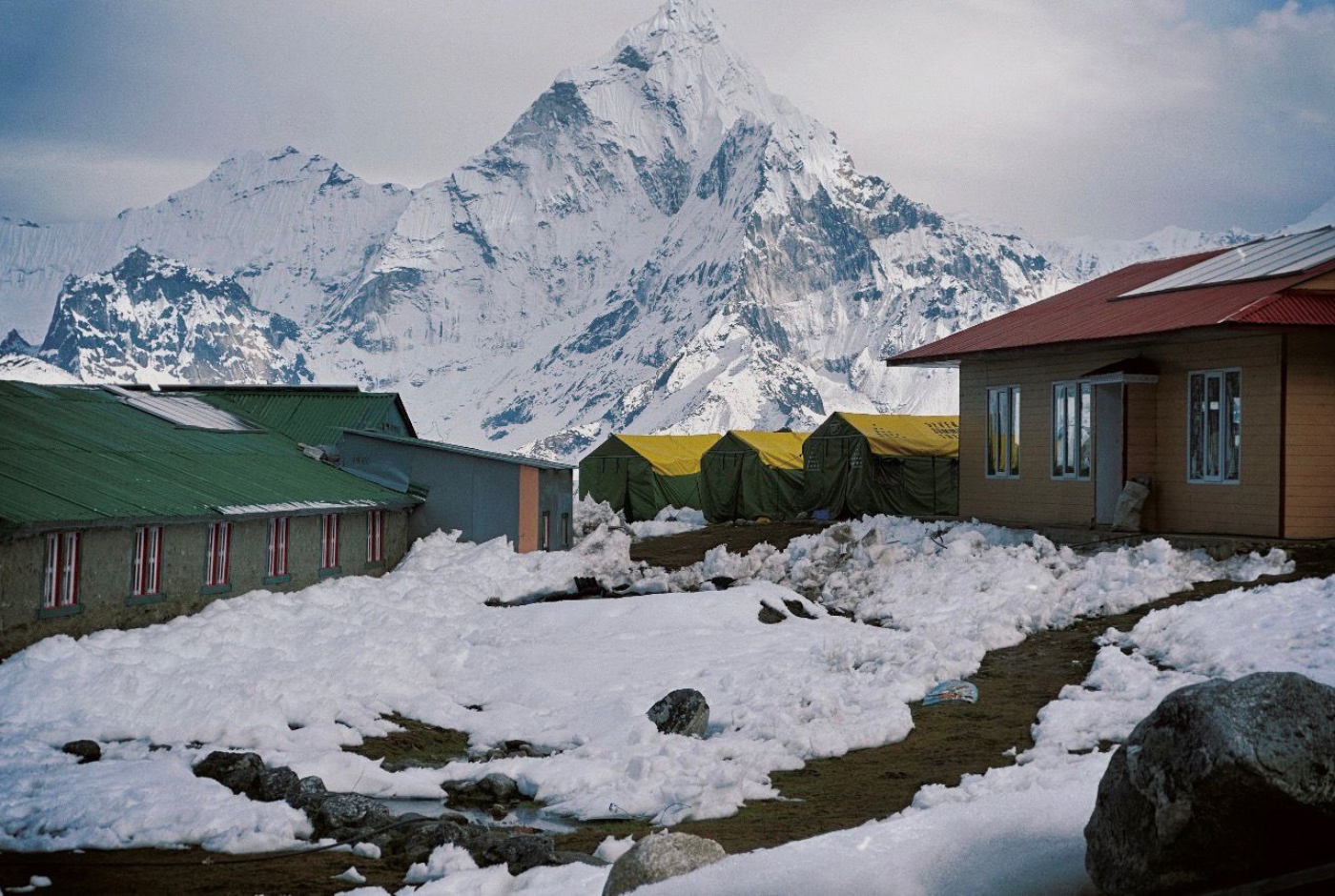
- Lower sections (Lukla, Phakding, Namche Bazaar): private rooms with attached bathrooms, hot showers, and reliable electricity are generally available
- Mid-route (Tengboche, Dingboche): facilities become more basic, with shared rooms and limited hot water
- Upper route (Lobuche, Gorak Shep): expect the basics: shared rooms, squat toilets, solar power only, and limited heating
A good operator has established relationships with reliable teahouses at each stop and knows what to book based on current conditions. Trekkers eat together in shared dining rooms, which is genuinely part of what makes the EBC experience feel like a journey rather than a hotel stay.
Escape Himalaya books twin-sharing rooms in the best available lodges throughout the route, with attached bathrooms and hot showers specifically secured at Lukla, Phakding, and Namche Bazaar.
9. Itinerary Flexibility and Options for Different Schedules
Not every EBC trekker has 16 days, wants a group departure, or is looking for the same level of comfort. A good operator offers flexibility across itinerary length, group size, and style without pushing everyone into one standard package.
When speaking with any company, ask:
- Do you offer private departures with flexible start dates?
- Can the itinerary be adjusted if I need an extra acclimatization day?
- Can solo trekkers join a group departure?
- Do you have options for trekkers with limited time or trekkers who want more comfort?
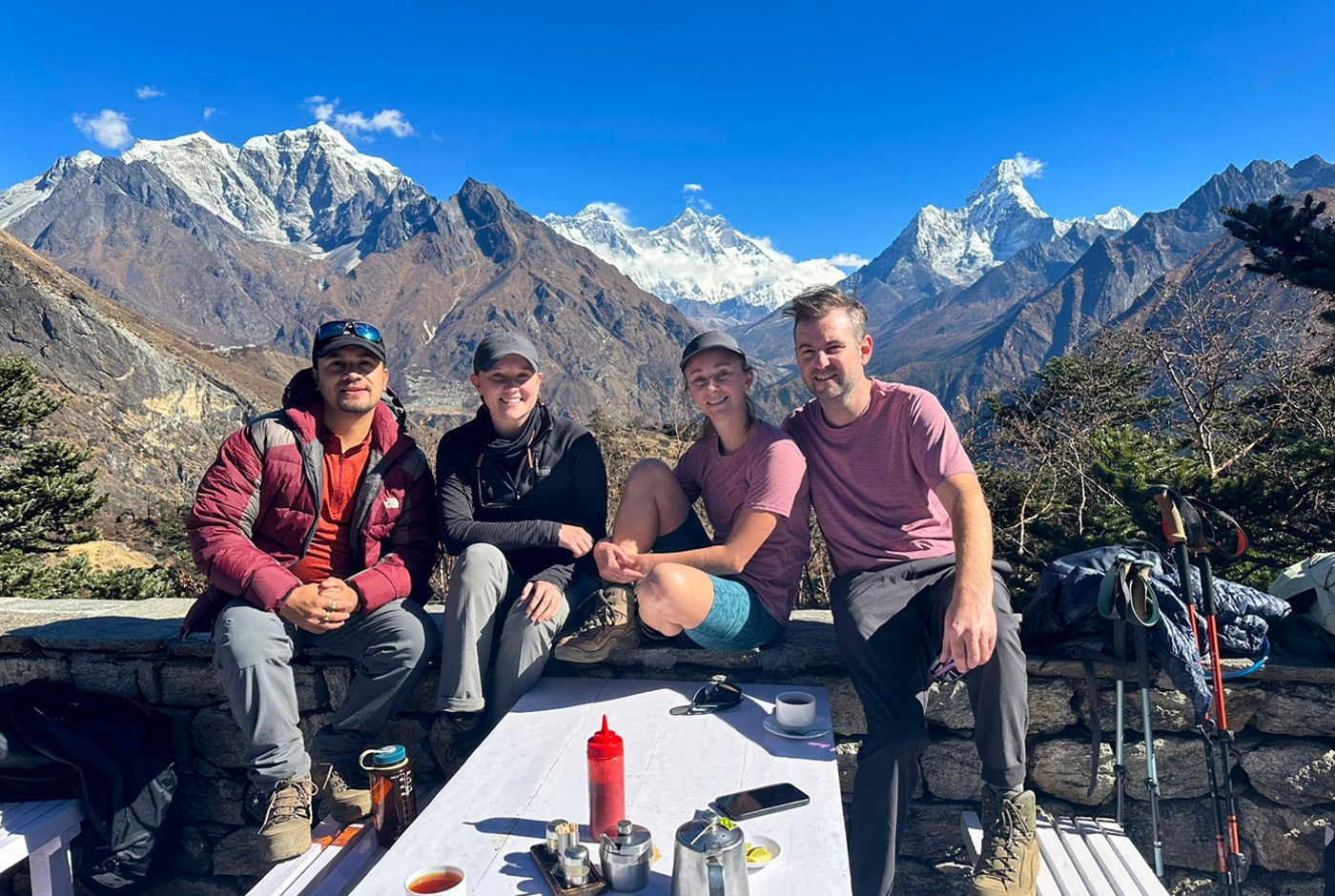
Escape Himalaya offers both group and private departures, accommodates solo trekkers joining groups, and has a full range of EBC itineraries from 11 to 20 days. The full range of options is covered in the next section.
10. Verified Reviews From Trekkers Who Specifically Completed EBC
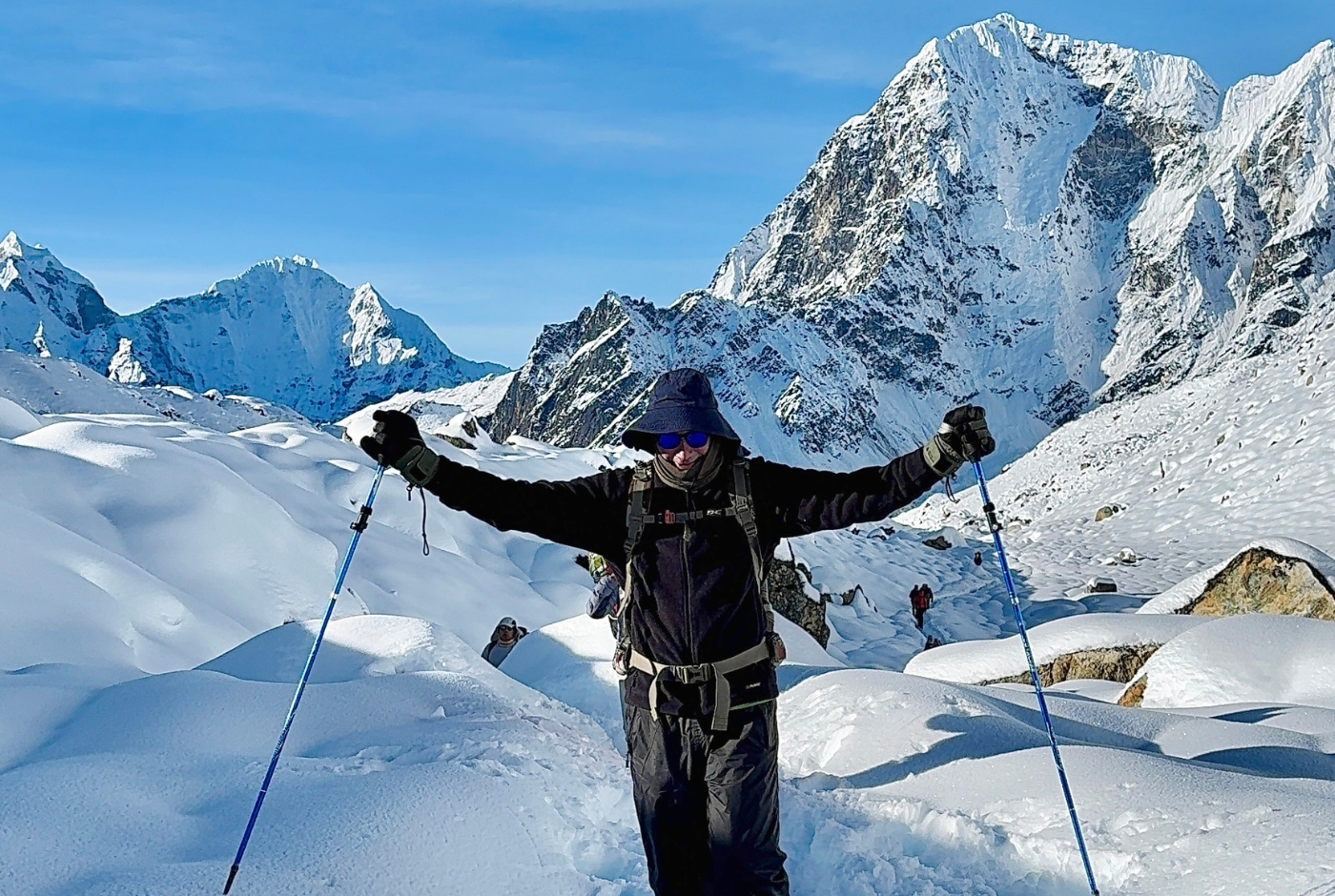
General Nepal trekking reviews are a starting point, but what actually tells you something useful is a review from someone who did the Everest Base Camp Trek with that specific company, named the guide, and described what happened on the trail, not just the scenery.
What to look for in EBC-specific reviews:
- The guide is named, and specific qualities are described
- The reviewer mentions how altitude was managed at key points
- The review covers logistics like the Lukla flight or permit handling
- Multiple reviews exist across different seasons, not just one or two from the same month
Escape Himalaya holds a TripAdvisor Certificate of Excellence for 2025 and is listed on TourRadar and Viator. The EBC-specific reviews span spring, autumn, and offseason departures, with named guides and specific trail moments described in detail across multiple seasons.
The Stages of the EBC Trek Where Your Operator Makes the Biggest Difference
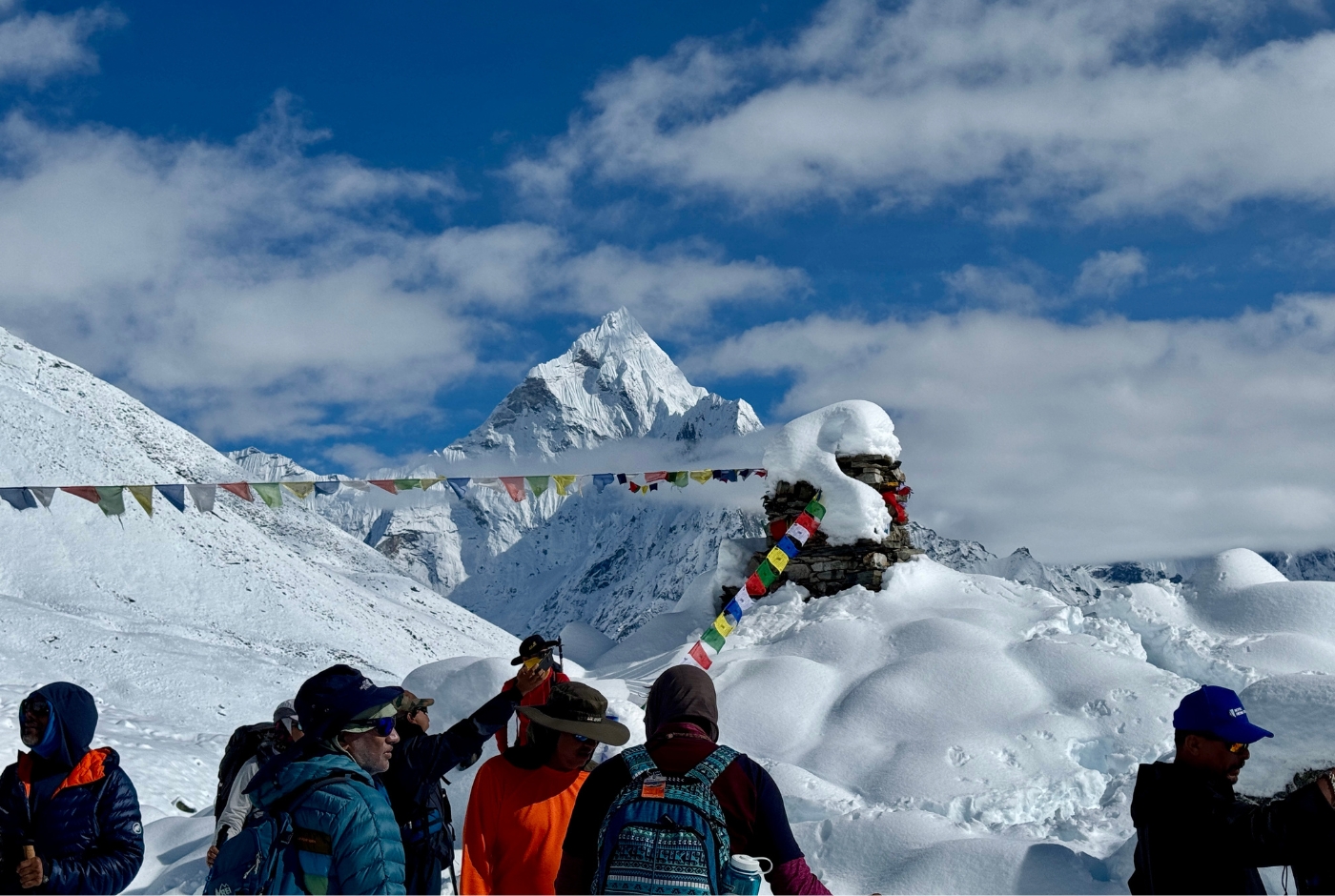
Knowing the specific pressure points on this route helps explain why operator experience matters at each stage, not just in general terms.
Pre-Departure Day in Kathmandu
This day is more important than it sounds. A well-run pre-departure briefing covers:
- Gear distribution: sleeping bag, down jacket, duffel bag, and first aid kit handed over
- Introduction to your guide and porter team
- Permit confirmation and document check
- Full briefing on Lukla or Ramechhap flight logistics for the next morning
- Opportunity to ask questions and sort any last-minute gear needs
An organised company runs this smoothly in under an hour. A disorganised one creates confusion before the trek even starts.
The Lukla Flight and First Two Days on Trail
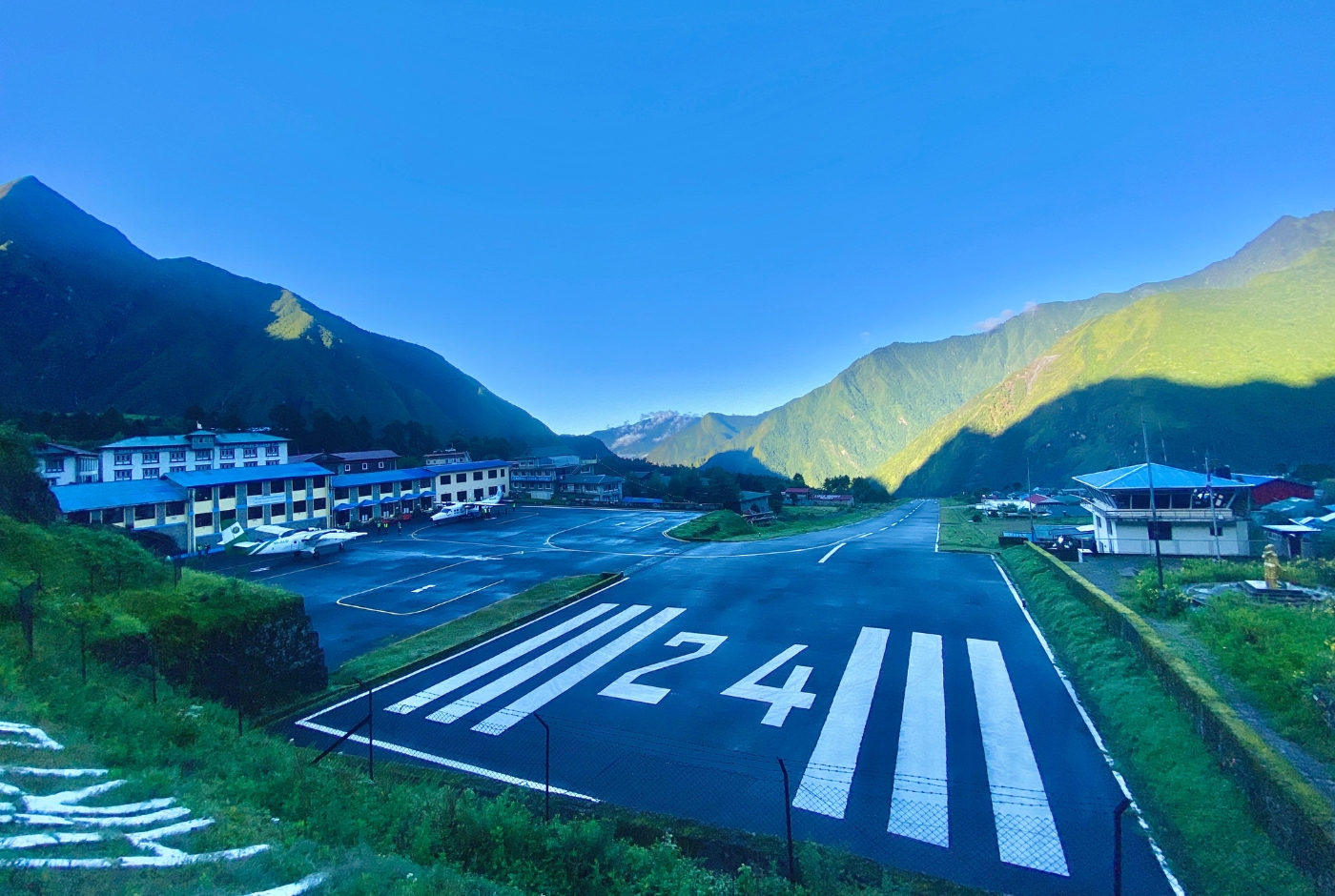
The Lukla flight information into Lukla is a trekking experience in itself, one of the shorter but more dramatic mountain landings in the world. From there, the trail from Lukla to Phakding is manageable as a first day, but the climb from Phakding to Namche Bazaar on Day 4 is the first real test. It is steep, long, and happens at an elevation where some trekkers start feeling breathless for the first time.
A guide who knows the EBC route knows how to pace this section without burning out the group early in the trip. For trekkers who need extra support on certain sections of the lower trail, horse riding is available through the mountain villages as an optional add-on, and an experienced operator can arrange this without disrupting the day's schedule.
Acclimatisation Days at Namche and Dingboche
These two days are when the guide's judgment matters most. Both are active altitude-gain outings, not rest days, and they serve a specific physiological purpose:
- Namche acclimatization hike: up to Everest View Hotel at 3,880 metres, with the first clear views of Everest, Lhotse, and Ama Dablam on clear days
- Dingboche acclimatization hike: up to Nangkartshang Peak at 5,083 metres, the only point on the standard EBC route from which Mt. Makalu is visible
Some trekkers feel good on these days and want to push ahead. A guide with real EBC experience knows why that is not a good idea and how to explain it without creating tension in the group.
The Long Day to Base Camp
The Lobuche to Gorak Shep to Base Camp stretch is the single longest and most demanding section of the trek, covering 14-15 kilometres across rocky glacial terrain alongside the Khumbu Glacier. On this day:
- The guide manages the pace for the whole group across shifting terrain
- Oxygen levels are checked before departure and monitored throughout the day
- Real-time decisions are made about who needs a rest stop and who can keep moving
- The supplemental oxygen cylinder is accessible if anyone needs it on the approach
The Pre-Dawn Kala Patthar Summit
Starting before dawn from Gorak Shep at 5,645 metres, this is the highest point of the entire EBC journey. Conditions can be cold, icy, and windy, and this is where altitude decisions are most critical. A guide who has done this crossing many times knows the pace, the right rest points, and the warning signs to watch for in the dark.
What to Ask Any EBC Company About Their Equipment and Safety Setup
Before committing to any Everest Base Camp trekking company, ask these questions directly. How they answer tells you whether their safety infrastructure is operational or aspirational.
- Does your guide carry a pulse oximeter, and do they take SpO2 readings for every trekker morning and evening, every day from Namche upward?
- Do you carry supplemental oxygen cylinders on the trek, and are they available on request before a situation becomes an emergency?
- What is included in the first aid kit, and is it stocked and checked before each departure?
- Have your guides completed altitude medicine training, specifically, not just standard wilderness first aid?
- Do your guides carry walkie-talkies for reliable communication above Namche?
- What is your helicopter evacuation process, and who are your contacts on the route?
- Do you require or strongly advise travel insurance that explicitly covers helicopter rescue at altitudes above 5,500 metres?
- Is there a 24/7 support line in Kathmandu for emergencies that occur on the trail?
A company that answers all of these directly, without hesitation, is a company running a professionally managed EBC operation. A company that deflects, gives vague answers, or treats these questions as excessive is one worth approaching with real caution before you hand over a deposit.
Trekking Tools, Equipment, and Safety Provided by Escape Himalaya
Most trekkers spend weeks researching what gear to pack for the Everest Base Camp Trek. Layering systems, boot types, trekking poles, sleeping bags, the gear lists are long, the advice is everywhere, and it is easy to feel like you need to buy everything before you even land in Kathmandu.
Here is something most first-time EBC trekkers do not realise until they have booked with the right company: a significant portion of the gear you actually need on the mountain is already waiting for you.
What a trekking company provides in terms of equipment, safety tools, and emergency infrastructure is not a bonus. It is one of the most important things to compare before you book. A company that supplies properly maintained high-altitude gear and carries field safety tools on every single departure is doing something fundamentally different from one that hands you a pre-dawn Lukla transfer and calls it a full package.
Here is exactly what Escape Himalaya provides, why each item matters at altitude, and what questions to ask any EBC operator before assuming they do the same.
Essential Trekking Gear Provided on Every EBC Trek
Sleeping Bag (rated to -10°C or below)
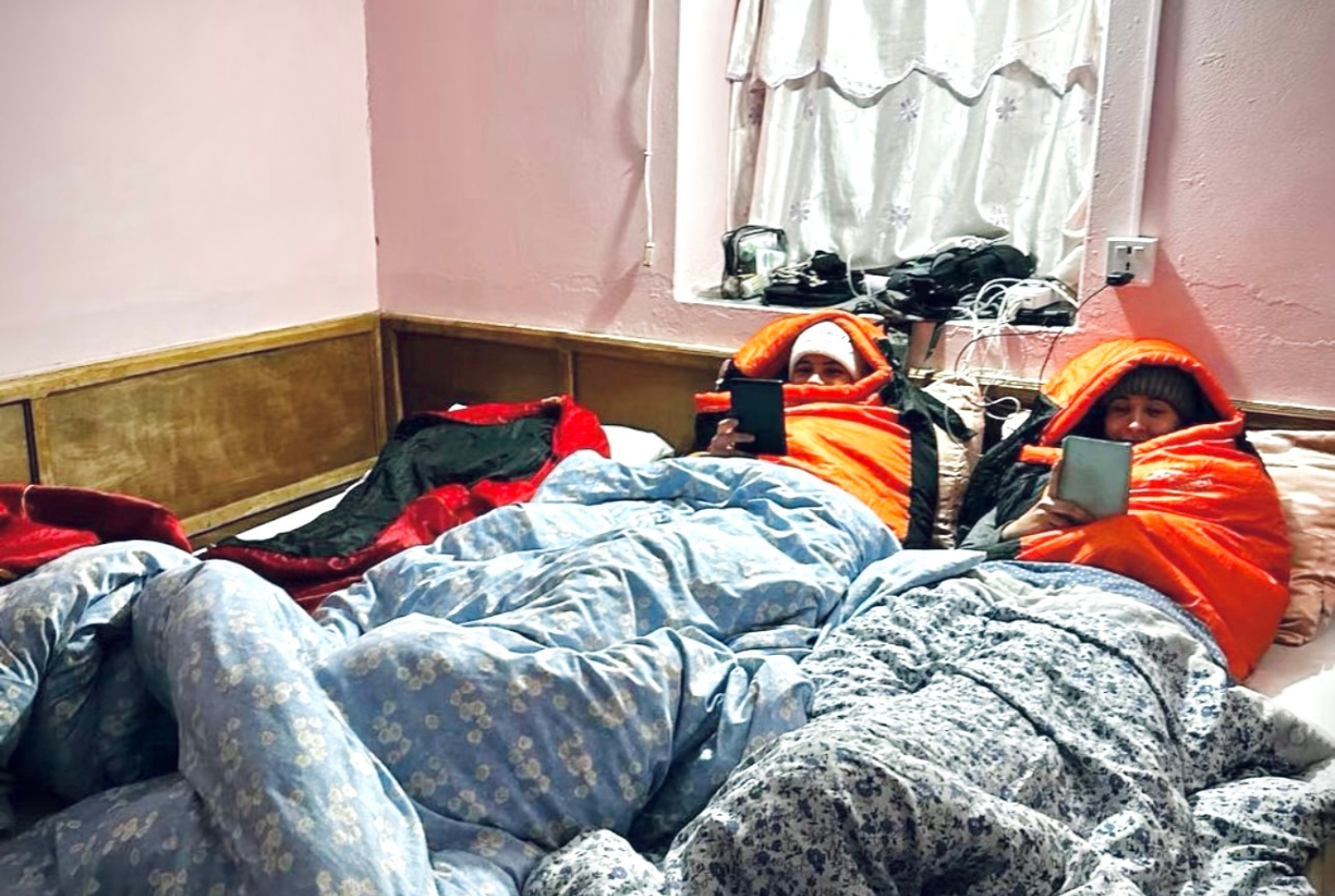
Above Namche, and especially at Lobuche and Gorak Shep, temperatures drop sharply after dark. Teahouse rooms are not insulated, heating is minimal or absent, and nights at altitude feel significantly colder than the forecast temperature suggests. A sleeping bag rated to at least -10°C is not optional; it is the difference between a night of proper rest and arriving at Kala Patthar already exhausted.
Escape Himalaya provides a high-quality sleeping bag rated for the upper elevations of the EBC route as a standard inclusion in every package. You receive it during the pre-departure gear handover in Kathmandu, along with time to check the fit and ask questions before Day 1 on the trail.
Down Jacket
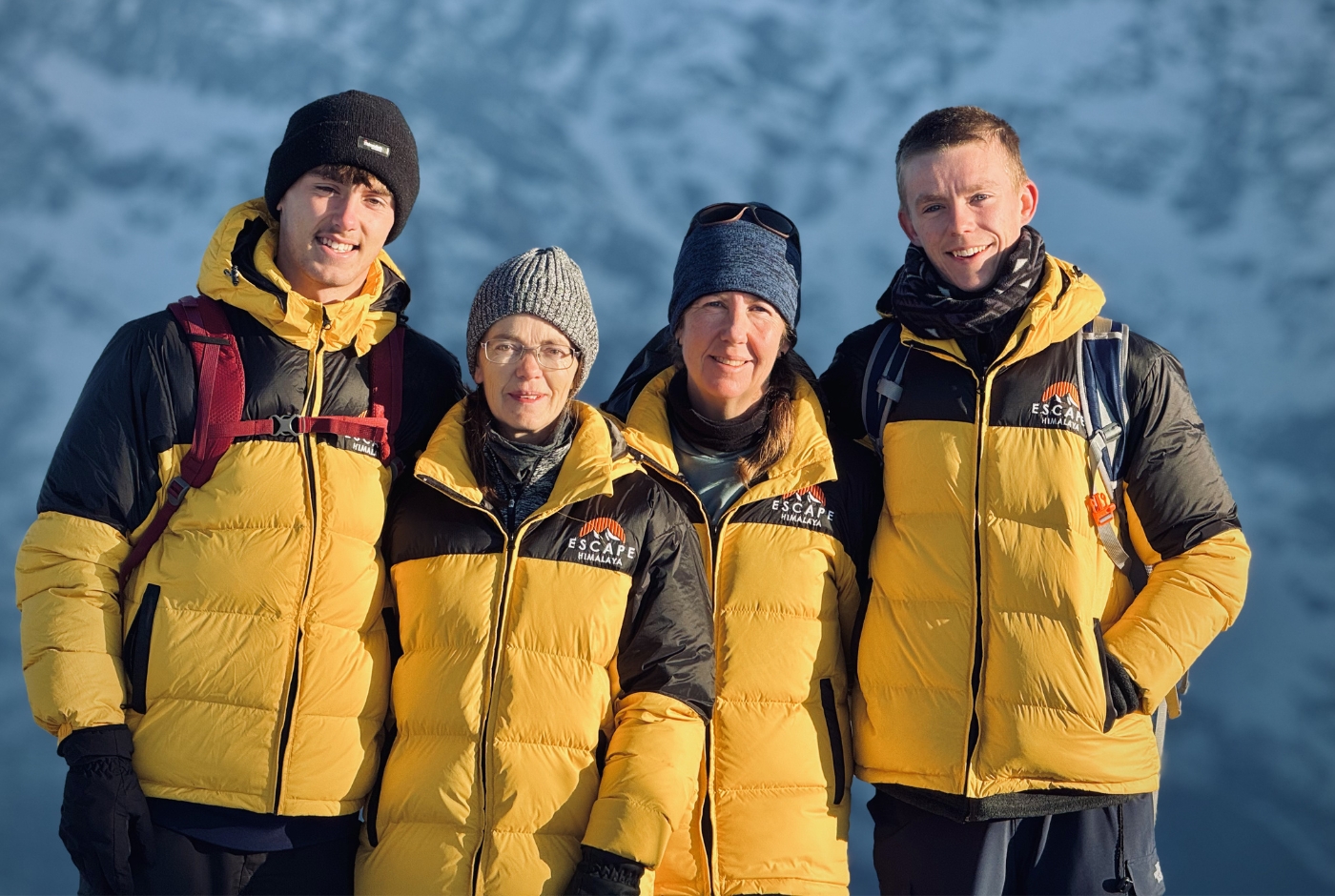
Wind chill at 5,000 metres feels nothing like the numbers suggest. A high-fill-power down jacket is essential from Dingboche upward, and particularly on the pre-dawn Kala Patthar push where temperatures and wind combine at their worst. Carrying your own is fine, but many trekkers arrive in Kathmandu without one suitable for these elevations.
Escape Himalaya provides a quality down jacket as part of the standard gear package, handed over at the same pre-departure briefing. No last-minute gear shopping in Thamel required, and no guesswork about whether what you brought is warm enough.
Duffel Bag
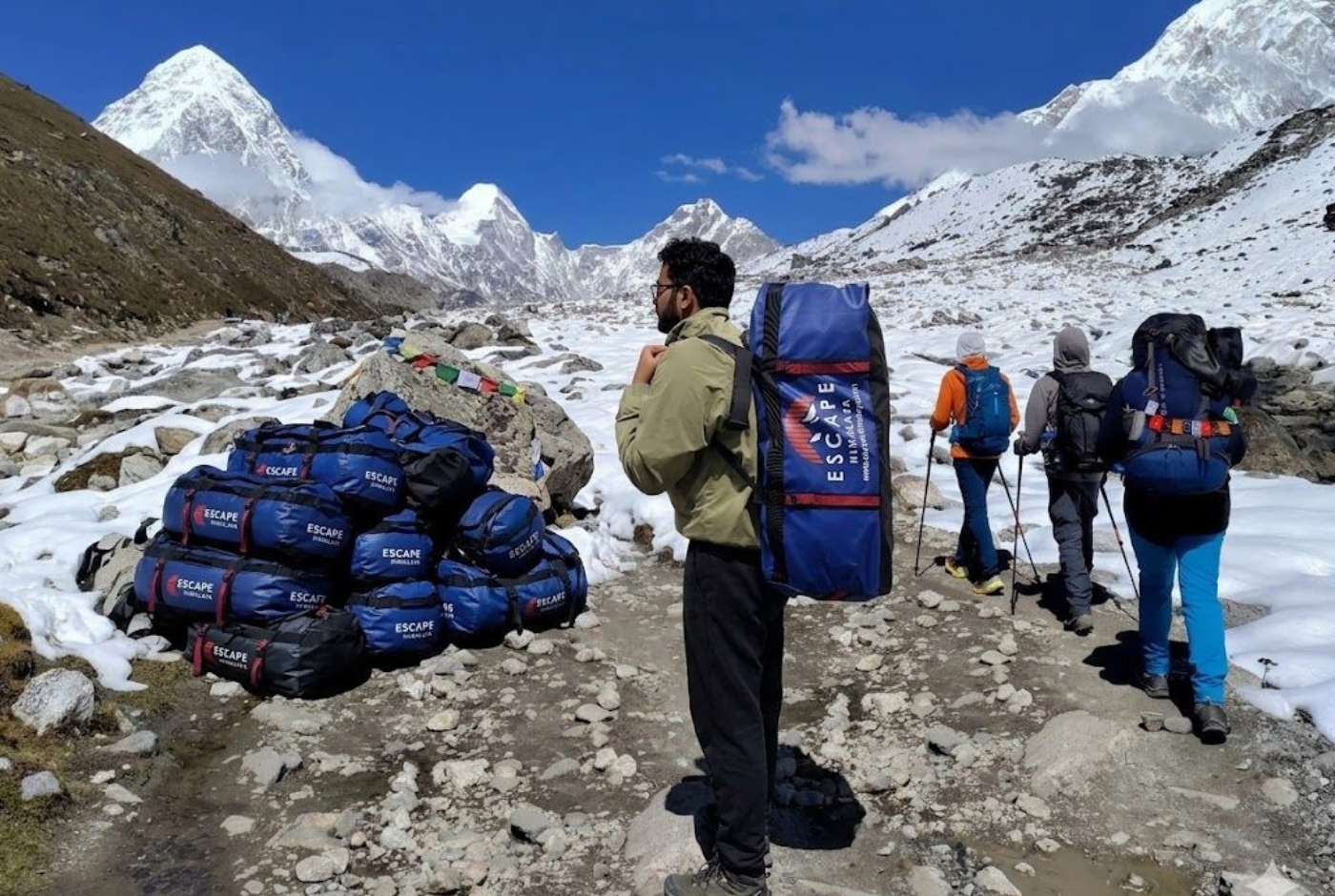
Your main load, clothing, sleeping bag, and extra gear is carried by your assigned porter throughout the trek. The duffel bag provided by Escape Himalaya is sized appropriately for the EBC route, durable enough for the trail conditions, and labelled clearly to avoid any mix-ups at teahouses where multiple groups may be staying on the same night.
Your day pack, water, snacks, camera, layers, and personal items, you carry yourself. Everything else goes with your porter.
Trekking Poles (available on request)
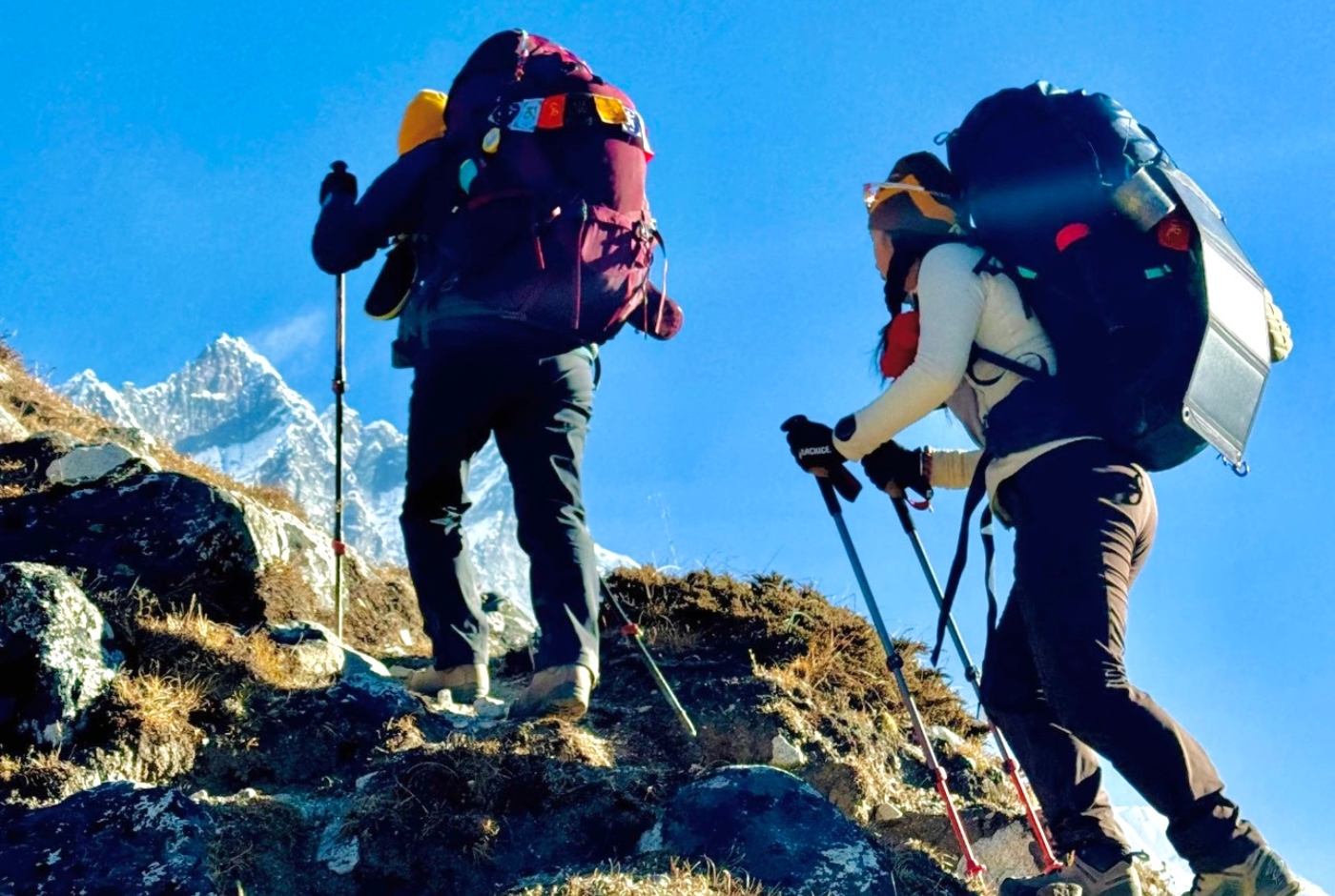
Not every trekker uses poles. Many do. On the descent sections of the EBC route, particularly on the steep drop back down to Namche on the return, trekking poles reduce the load on your knees significantly over what is several hours of continuous downhill on uneven stone steps and trail.
If you need a pair and did not bring your own, ask at your pre-departure briefing. Escape Himalaya can arrange them before you leave Kathmandu.
Safety Tools and precautions Carried on the Trail
This is the section most trekkers forget to ask about, and it is the one that matters most when something goes wrong above 4,000 metres.
Pulse Oximeter: Morning and Evening, Every Day
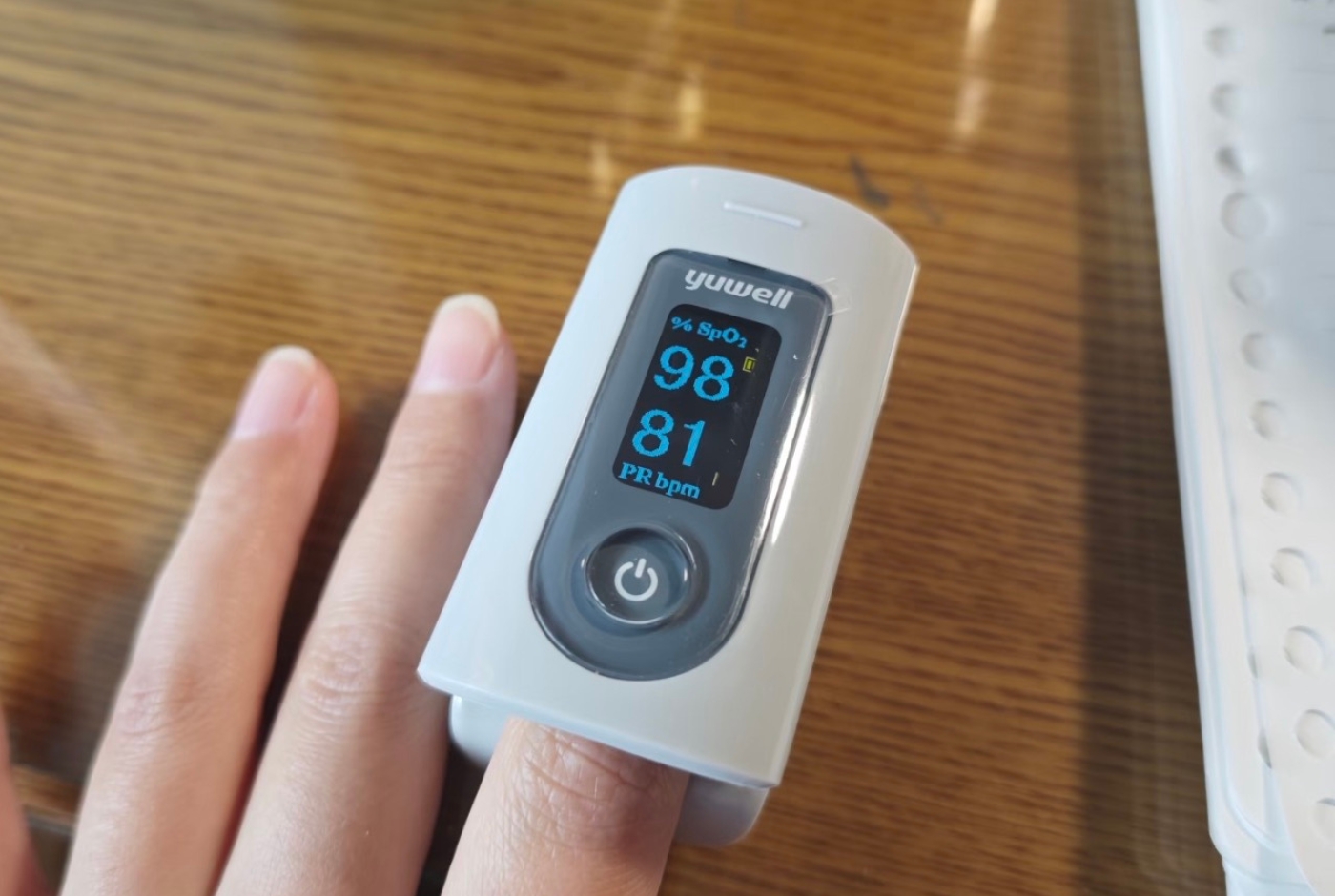
A pulse oximeter is a small clip device that measures blood oxygen saturation (SpO2) and heart rate in seconds. At altitude, these two readings are the clearest early indicators of how well a trekker is acclimatising. SpO2 levels that would be normal at sea level drop with elevation, but a faster-than-expected drop, or one that does not recover overnight, tells a trained guide that something needs attention before it escalates.
Every Escape Himalaya guide carries a pulse oximeter on the EBC trek and takes readings for every trekker, every morning before the day's walk begins and every evening on arrival at the teahouse. Not once at the start of the trip. Not only when someone feels unwell. Every trekker. Every day. Morning and evening.
This routine is what catches altitude problems at the manageable stage rather than the serious one. By the time a trekker at Dingboche or Lobuche develops visible symptoms, a persistent headache, nausea, or unusual fatigue, the problem has often been building for 24 to 48 hours. Daily SpO2 monitoring catches the pattern early.
Supplemental Oxygen Cylinders
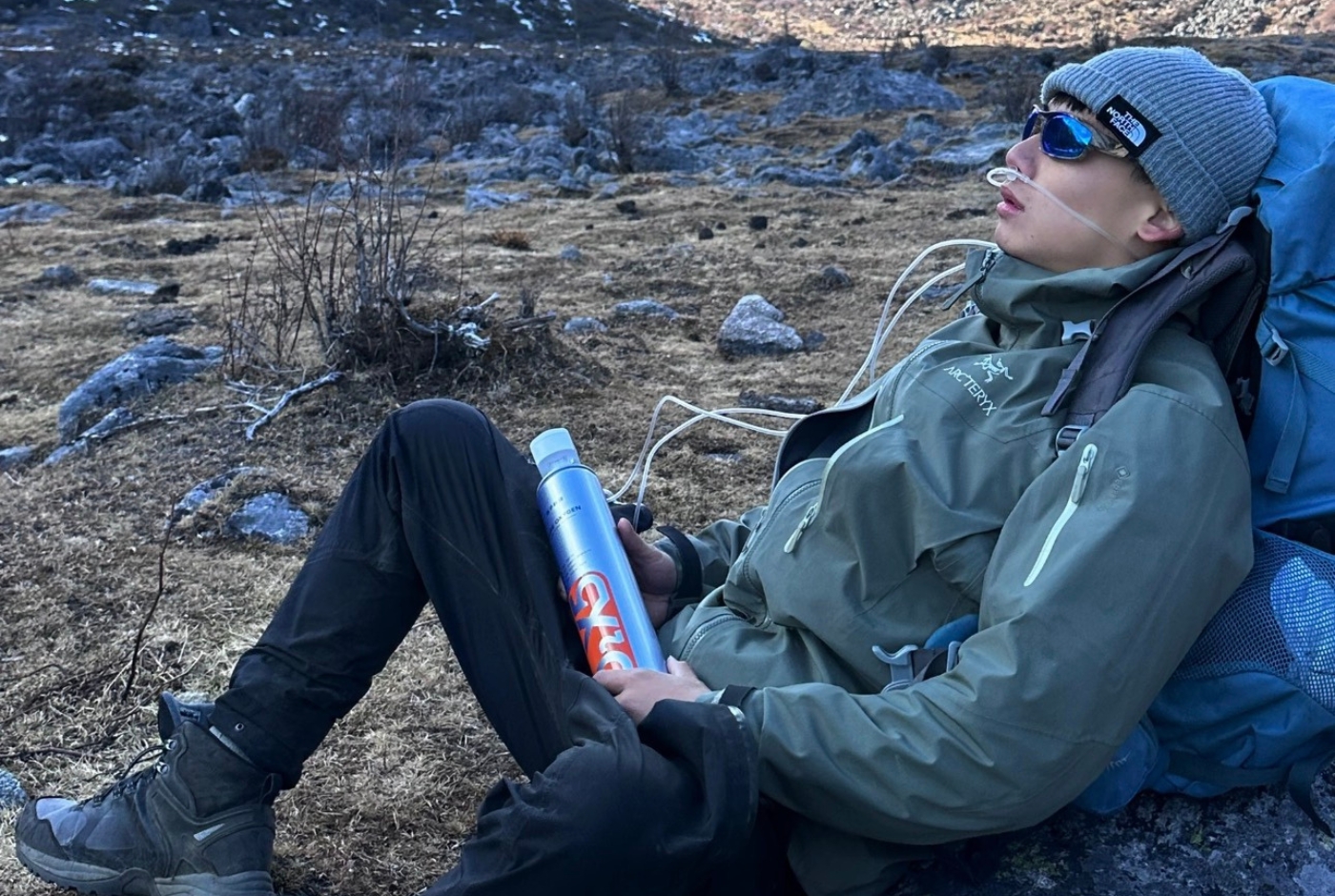
Supplemental oxygen is not only for emergencies. On the EBC route, it plays a quieter and more important role: it gives both the guide and the trekker breathing room, literally to make a calm, informed decision when SpO2 readings drop or symptoms begin to appear.
Escape Himalaya guides carry supplemental oxygen cylinders throughout the EBC trek, available on request from Namche upward. A trekker who receives a few minutes of supplemental oxygen at Lobuche while the guide assesses their condition is in a fundamentally safer position than one whose guide has to improvise without it. The cylinders are medical-grade, properly maintained before departure, and form part of the standard field safety kit on every Escape Himalaya EBC departure.
First Aid Kit
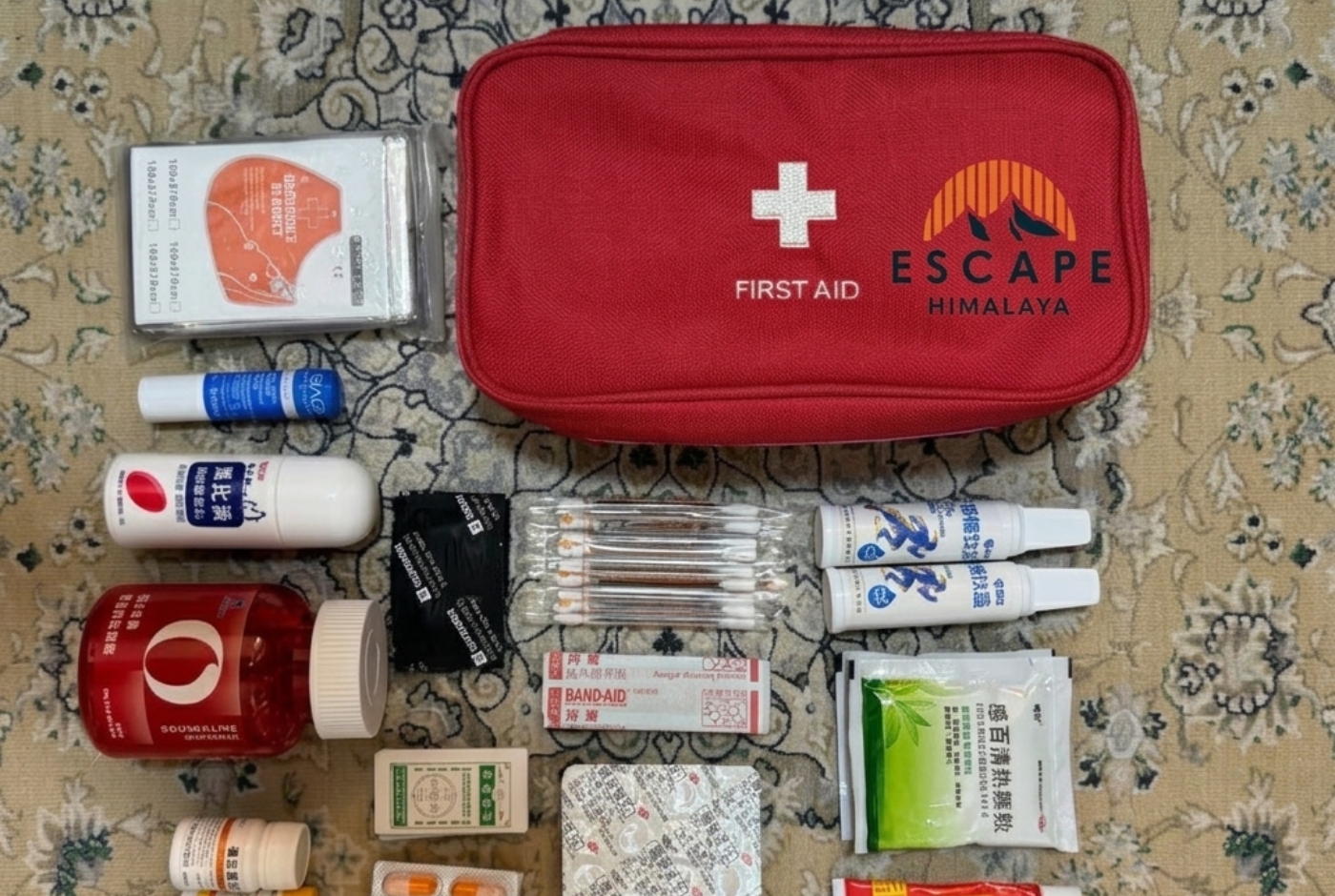
Every Escape Himalaya guide carries a comprehensive first aid kit on the trail. This includes wound care supplies for cuts and blisters, which are common on the rocky sections of the upper route, anti-inflammatory and pain relief medications, blister treatment, oral rehydration salts for dehydration management, and medication relevant to altitude-related symptoms including Diamox (acetazolamide) for cases where the guide determines it is appropriate.
The kit is checked and restocked before every departure. It is carried throughout the trek, not left at the teahouse.
Wilderness First Aid Training
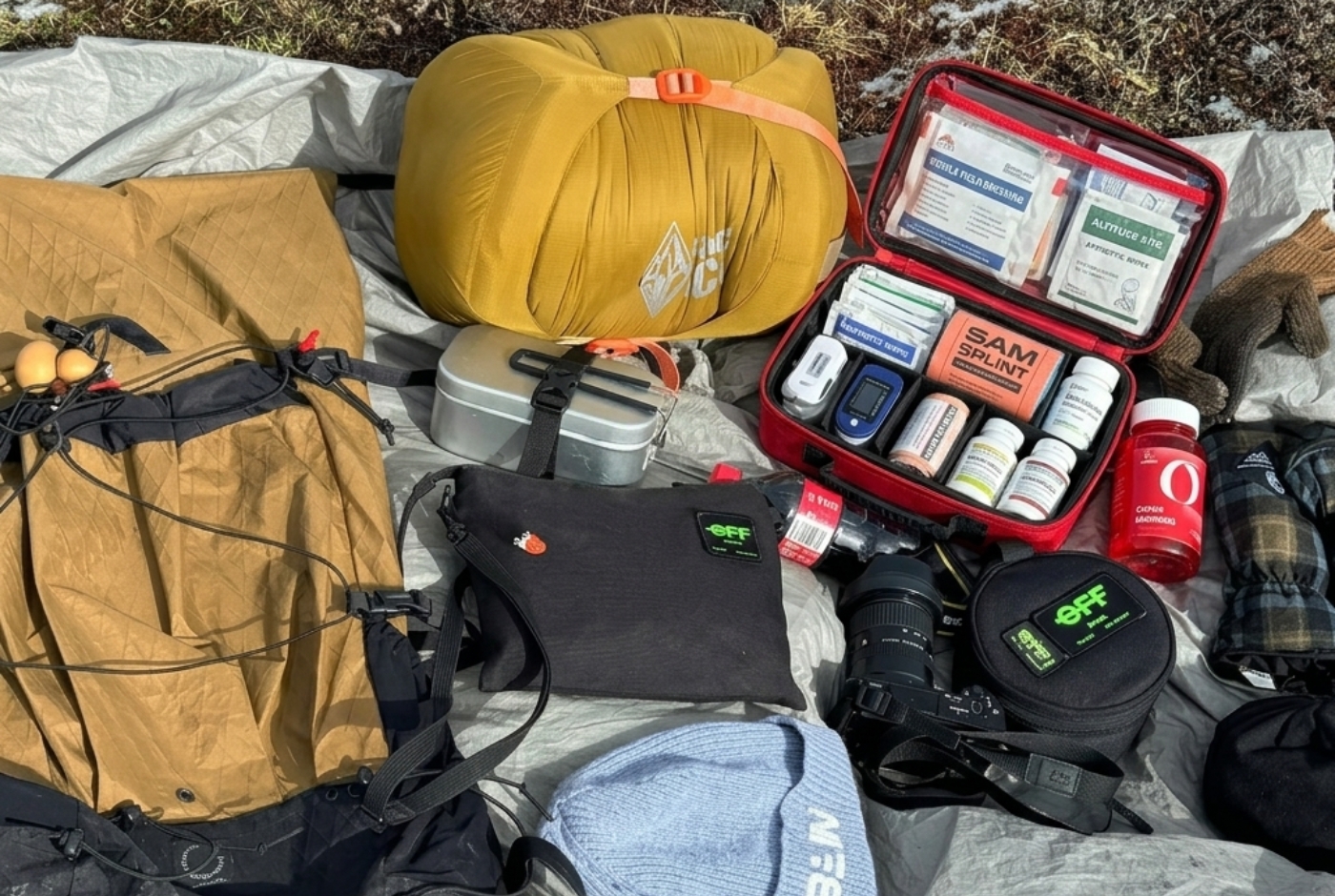
A first aid kit is only as useful as the person carrying it knows how to use it. Escape Himalaya guides are trained in wilderness first aid and altitude medicine, with the specific knowledge to recognise the early symptoms of Acute Mountain Sickness (AMS), High Altitude Pulmonary Oedema (HAPE), and High Altitude Cerebral Oedema (HACE) before they reach a critical stage.
When you ask any EBC company about their guide safety training, ask specifically about altitude medicine training, not just standard first aid certification. The clinical picture at 5,000 metres looks different from a lowland emergency, and the treatment decisions, when to administer oxygen, when to descend, when to call for helicopter evacuation, require training built around high-altitude environments specifically.
Walkie-Talkie Communication
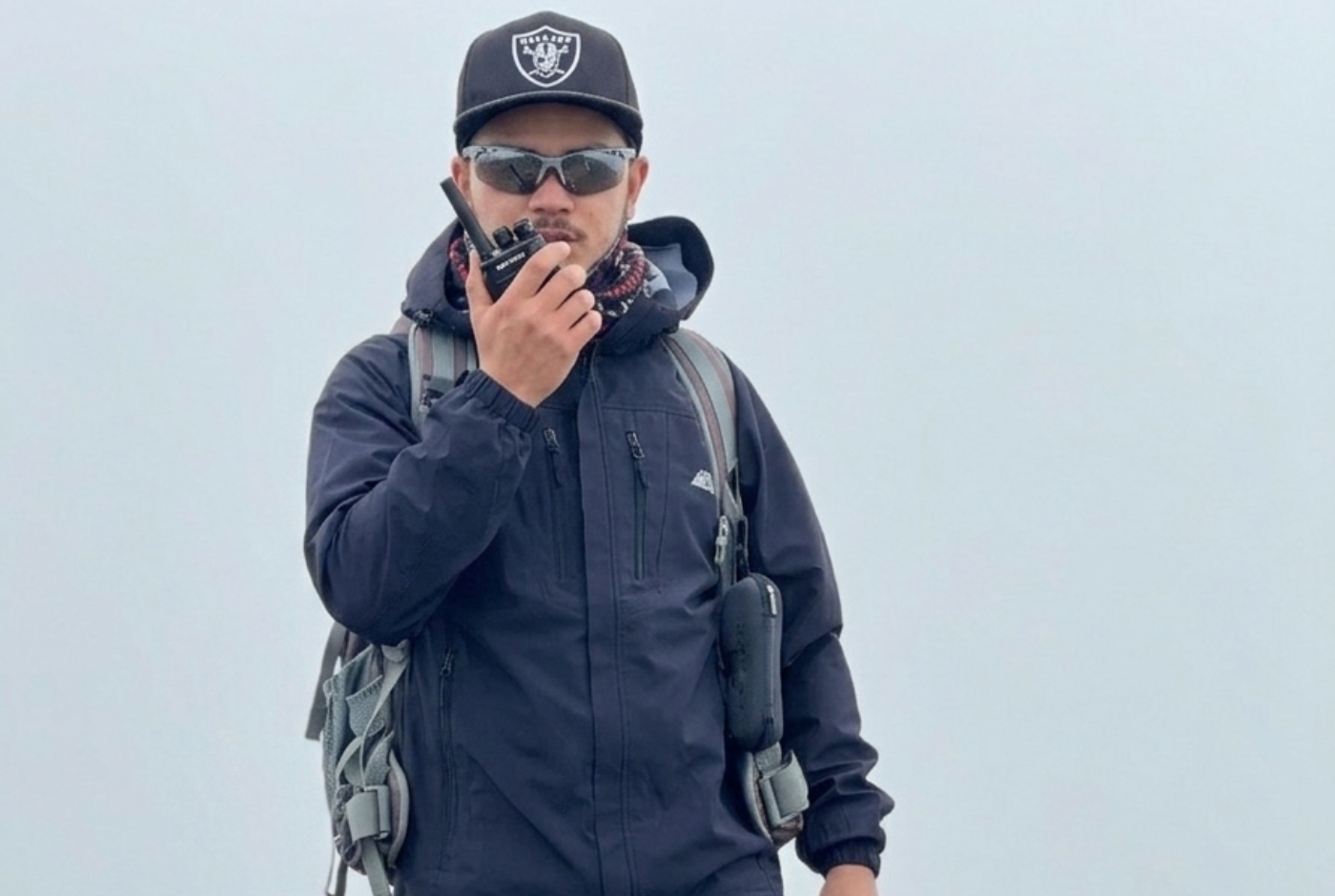
Mobile networks on the EBC route are inconsistent above Namche and non-existent in certain stretches between Tengboche and Dingboche. A guide carrying a mobile phone as the only communication tool is operating without a reliable backup in exactly the locations where a reliable backup matters most.
Escape Himalaya guides carry walkie-talkies for direct, clear communication with the Kathmandu support team and with other guides operating on the route during the same season. This enables rapid coordination in the event of an emergency, a change in weather conditions affecting the high sections, or a logistics issue requiring real-time support from base.
Emergency Evacuation Infrastructure
No amount of preparation eliminates risk on a trek that reaches 5,645 metres. What a good EBC company does is ensure that when a genuine emergency occurs, the infrastructure to respond to it is already in place before the trek departs.
Helicopter Evacuation Protocol
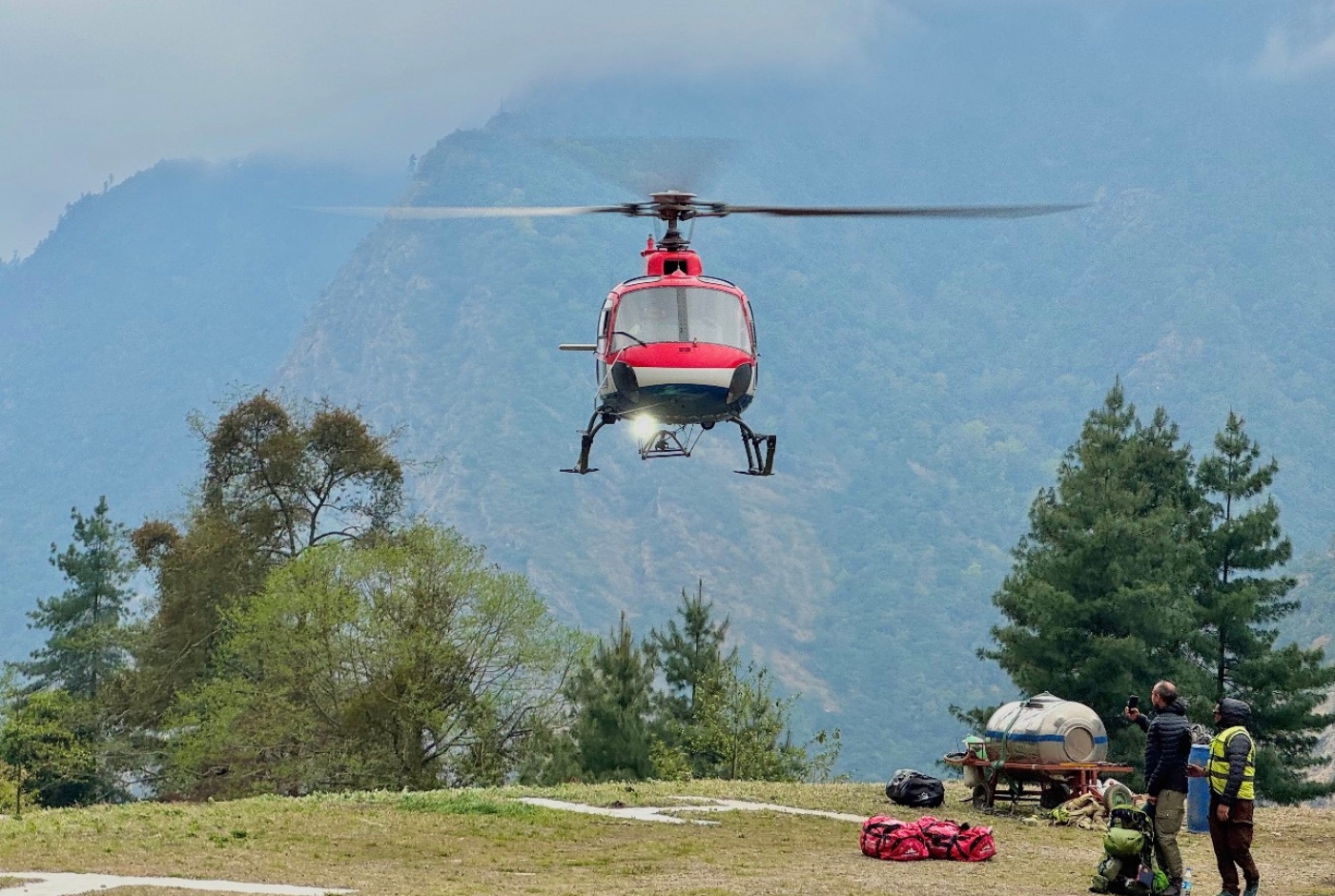
Escape Himalaya maintains a tested helicopter evacuation process with established contacts throughout the Khumbu Valley. If a trekker requires emergency descent from the upper route, whether from serious altitude illness, injury, or a medical condition that cannot be managed on the trail, the guide does not need to figure out who to call. The process is pre-established, the contacts are known, and the evacuation can be initiated rapidly.
This infrastructure exists specifically because helicopter evacuation on the EBC route is not a theoretical option. It is used every season, and the speed at which it happens is directly connected to how prepared the operator was before anyone left Kathmandu.
Travel Insurance: Why It Is Not Optional
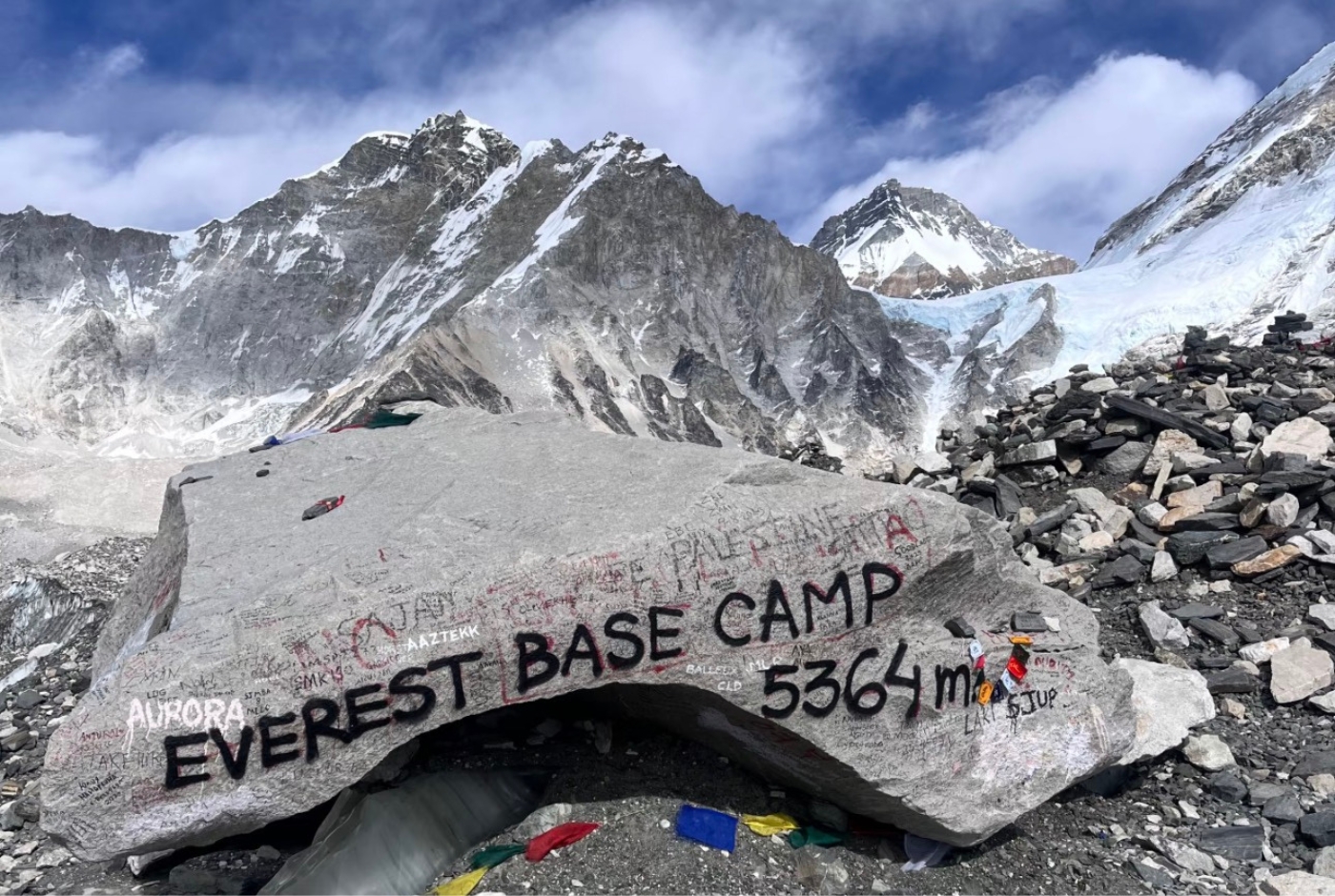
Escape Himalaya strongly advises every EBC trekker to purchase comprehensive travel insurance covering high-altitude trekking to a minimum of 5,500 metres, with helicopter rescue and medical evacuation as explicit policy inclusions. This is not a standard travel insurance product; it requires a policy specifically designed for high-altitude adventure activities.
A helicopter rescue from Gorak Shep or Lobuche to Lukla or Kathmandu can cost between USD 3,000 and USD 6,000 depending on conditions and aircraft availability. Without a policy that covers it directly, the cost falls on the trekker at exactly the moment they are least equipped to manage it.
Any reputable EBC operator will confirm this requirement clearly during the booking process. If a company does not bring up travel insurance before you reach Kathmandu, treat that as a signal.
24/7 Emergency Support From Kathmandu
Throughout every Escape Himalaya EBC trek, a direct WhatsApp line to the Kathmandu operations team remains active around the clock. Raj (+977-9851006121) and Suman (+977-9851363580) are reachable at any point during the trek for emergency coordination, permit queries, flight rescheduling caused by weather delays at Lukla, and any situation requiring support from base.
This 24/7 coordination layer means your guide on the trail is never operating in isolation. If a decision needs to be escalated or an emergency requires outside coordination, the line is open.
Everest Base Camp Trek Options From Escape Himalaya
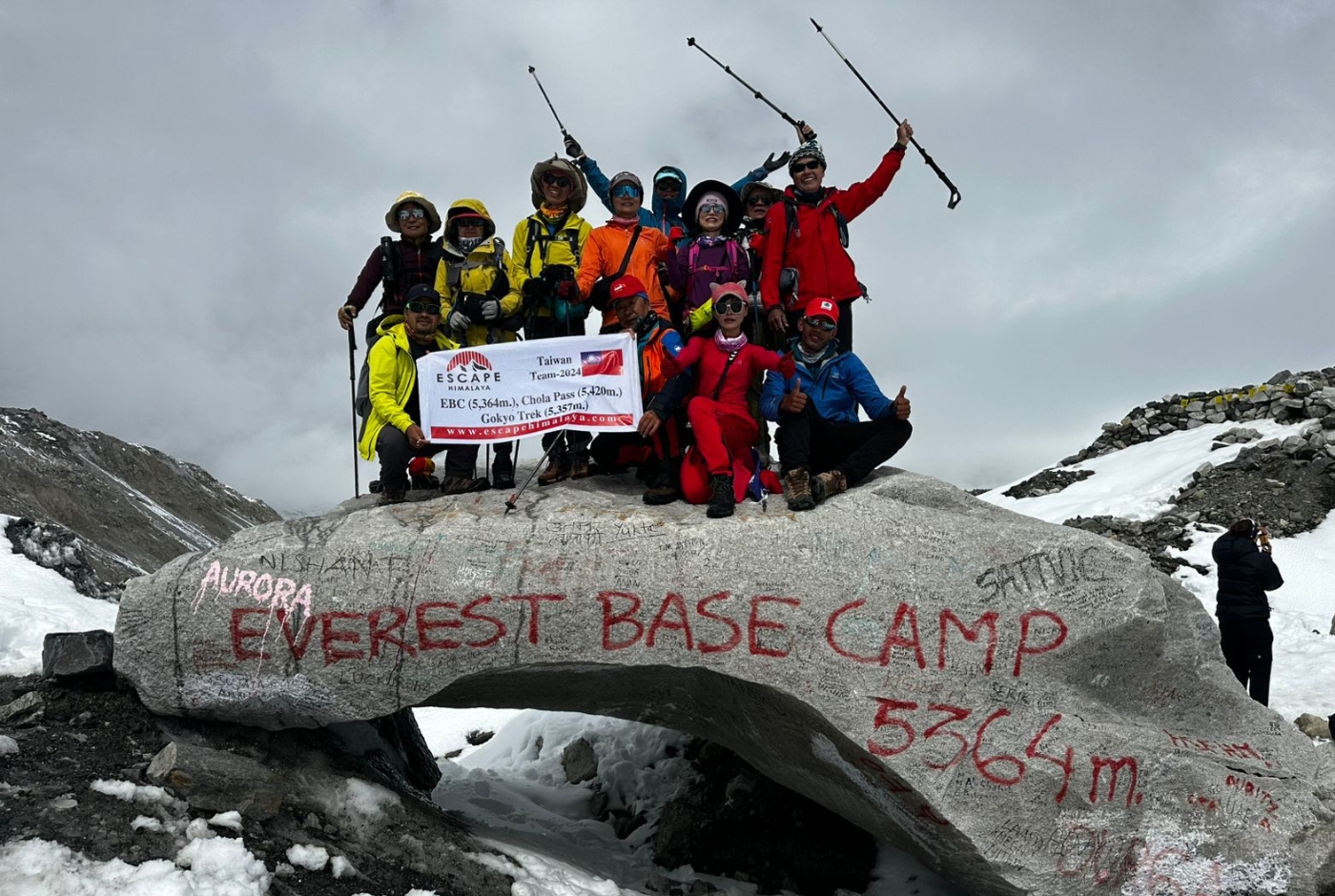
One of the reasons Escape Himalaya works well for EBC is the range of options available. You are not pushed into one standard package regardless of your schedule, fitness level, or budget. Here is the full range:
Standard and Short Routes:
- Everest Base Camp Trek (16 Days): the classic full route with two acclimatisation days, the pre-dawn Kala Patthar experience, and the complete Khumbu valley journey
- Everest Base Camp Short Trek (14 Days): same core highlights with a tighter schedule, starting from USD 1,250, suited for trekkers with limited time who still want the full Base Camp experience
Comfort and Luxury Options:
- Everest Base Camp Luxury Trek (15 Days): the full EBC route with upgraded lodge accommodation and enhanced services throughout, from USD 2,250
- Luxury Everest View Trek (8 Days): a shorter option focused on the classic Everest viewpoints with comfort-focused accommodation
Helicopter Options:
- Everest Base Camp Heli Return Trek (11 Days): walks to Kala Patthar, then flies back from Gorak Shep to Lukla by helicopter, saving two full walking days on the return with aerial views of the Khumbu
- Everest Base Camp Heli Shuttle Trek (12 Days): incorporates a helicopter transfer into the itinerary structure, combining both the walking and aerial experience of the Everest region
Extended and Challenging Routes:
- Everest Base Camp with Gokyo Lakes and Cho La Pass (17 Days): branches into the Gokyo Valley, crosses Cho La Pass at 5,420 metres, and rejoins the main EBC trail. Escape Himalaya's most scenically varied Everest option
- Everest Three High Passes Trek (19 Days): for experienced trekkers who want to cross all three high passes in the Khumbu region
For Seniors:
- Everest Base Camp Trek for Seniors (20 Days): a purpose-built extended itinerary with additional acclimatisation time and a measured daily pace. Escape Himalaya has guided trekkers in their late 60s and 70s to Base Camp successfully
Peak Climbing Combinations:
- Island Peak with EBC (20 Days): combines the full EBC route with a guided summit attempt on Island Peak (Imja Tse) at 6,189 metres, one of Nepal's most popular trekking peaks. Basic crampon and rope skills are required, and all climbing permits and technical gear guidance are included
- Lobuche Peak Climbing with EBC (17 Days): adds a summit attempt on Lobuche East at 6,119 metres, reached directly from the EBC trail near Lobuche village, making it a natural extension of the classic route for trekkers looking for a summit rather than just Base Camp
Why Escape Himalaya Is a Strong Choice for the EBC Trek
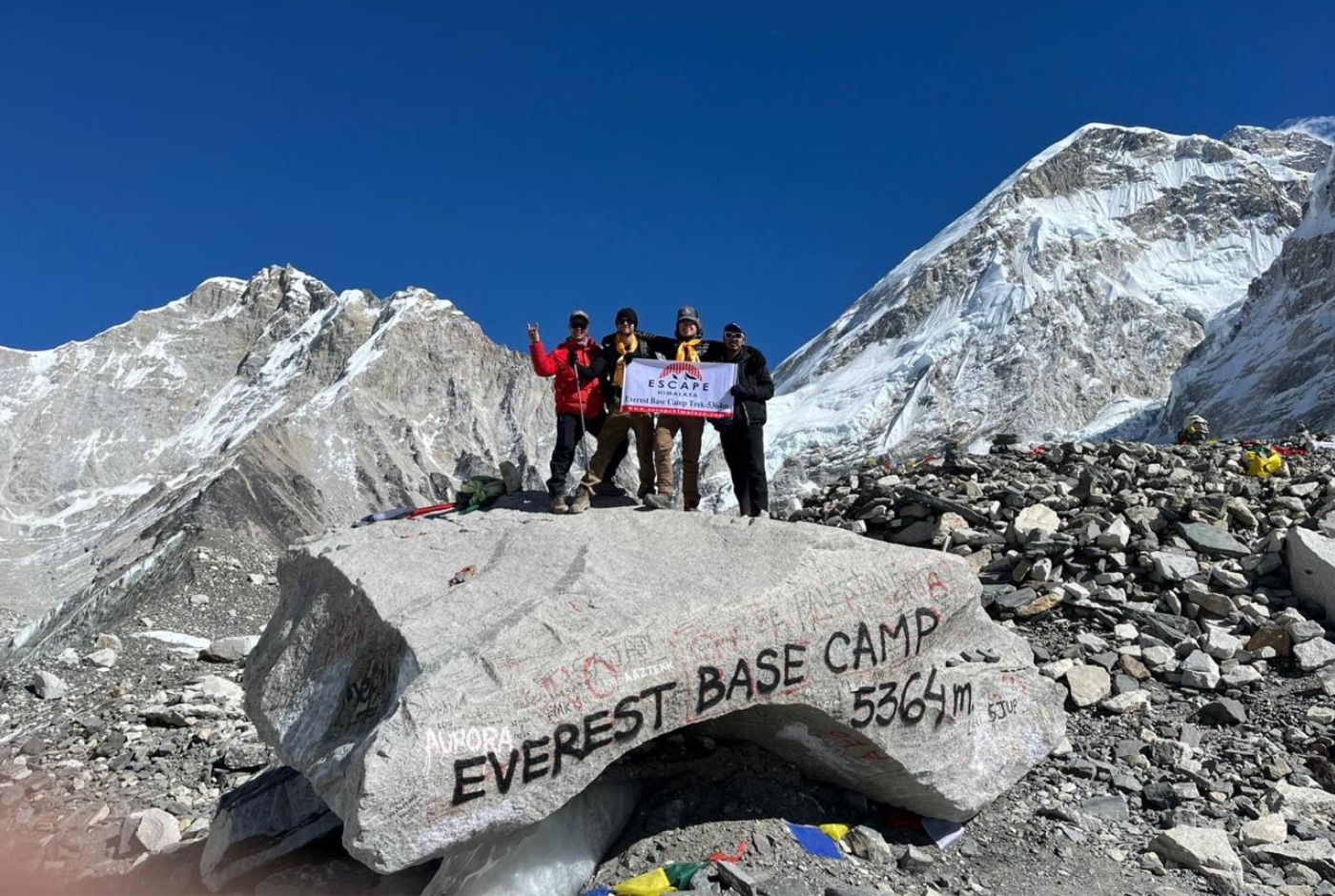
Putting everything above together, here is what Escape Himalaya actually brings to the Everest Base Camp Trek:
- Close to a decade of Nepal trekking experience with EBC as a core, high-frequency route across multiple seasons
- Full registration with NTB, TAAN, and NMA, with legal documents available on the website
- Government-licensed guides with first aid training, daily pulse oximeter checks for every trekker, and supplemental oxygen cylinders available on request throughout the trek
- Complete permit management for both required EBC permits, handled before arrival
- Peak season, Lukla and Ramechhap flight logistics are managed in advance, with helicopter Kathmandu to Lukla options available for trekkers who prefer a direct flight
- Horse riding available in the mountain sections for trekkers who need extra support on the lower trail sections
- Packages covering airport transfers, Kathmandu 3-star hotel, all trek meals, permits, guide, porter, sleeping bag, down jacket, duffel bag, first aid kit, and trek completion certificate
- Peak climbing extensions available: Island Peak (6,189 m) and Lobuche East (6,119 m) combined with the full EBC route
- Private and group departures, with itineraries from 11 to 20 days across different budgets and styles
- TripAdvisor Certificate of Excellence 2025, with EBC-specific reviews naming guides and describing trail experiences across spring, autumn, and offseason
- 24/7 WhatsApp support: Raj at +977-9851006121 and Suman at +977-9851363580
Questions to Ask Any EBC Company Before You Book
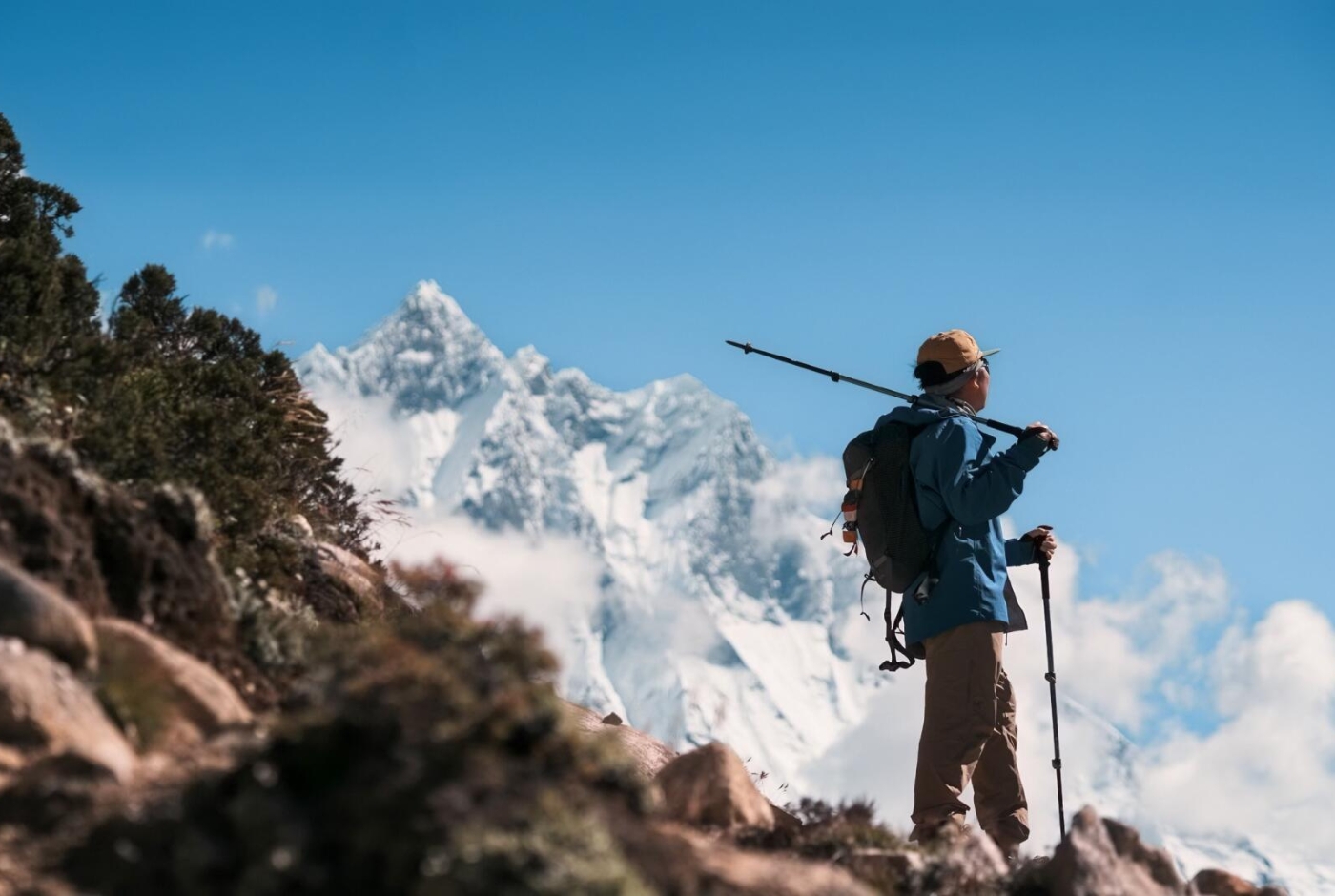
Use this checklist when comparing operators. The answers tell you quickly whether you are speaking to an EBC specialist or a company that runs it occasionally alongside a general Nepal portfolio.
- Are your guides government-licensed and trained in altitude sickness recognition and response?
- Does your guide check oxygen levels daily using a pulse oximeter, morning and evening?
- Do you carry supplemental oxygen cylinders on the trail, and are they available on request?
- Do you manage both the Sagarmatha National Park permit and the Khumbu Pasang Lhamu Municipality permit before we arrive?
- What is included in the package price, and what will we pay extra for on the trail?
- How do you handle Lukla flight delays and the Ramechhap reroute during peak season?
- Do you offer helicopter transfers from Kathmandu to Lukla, and what does that cost?
- Is horse riding available on the lower trail sections for trekkers who need it?
- Do you offer private departures and customizable itineraries?
- Can I read reviews from trekkers who completed EBC specifically with your company, including the guide's name?
- What is the emergency evacuation process if someone develops serious altitude sickness above Dingboche?
- What gear is provided, and when is it handed over?
Start Planning Your Everest Base Camp Trek With Escape Himalaya
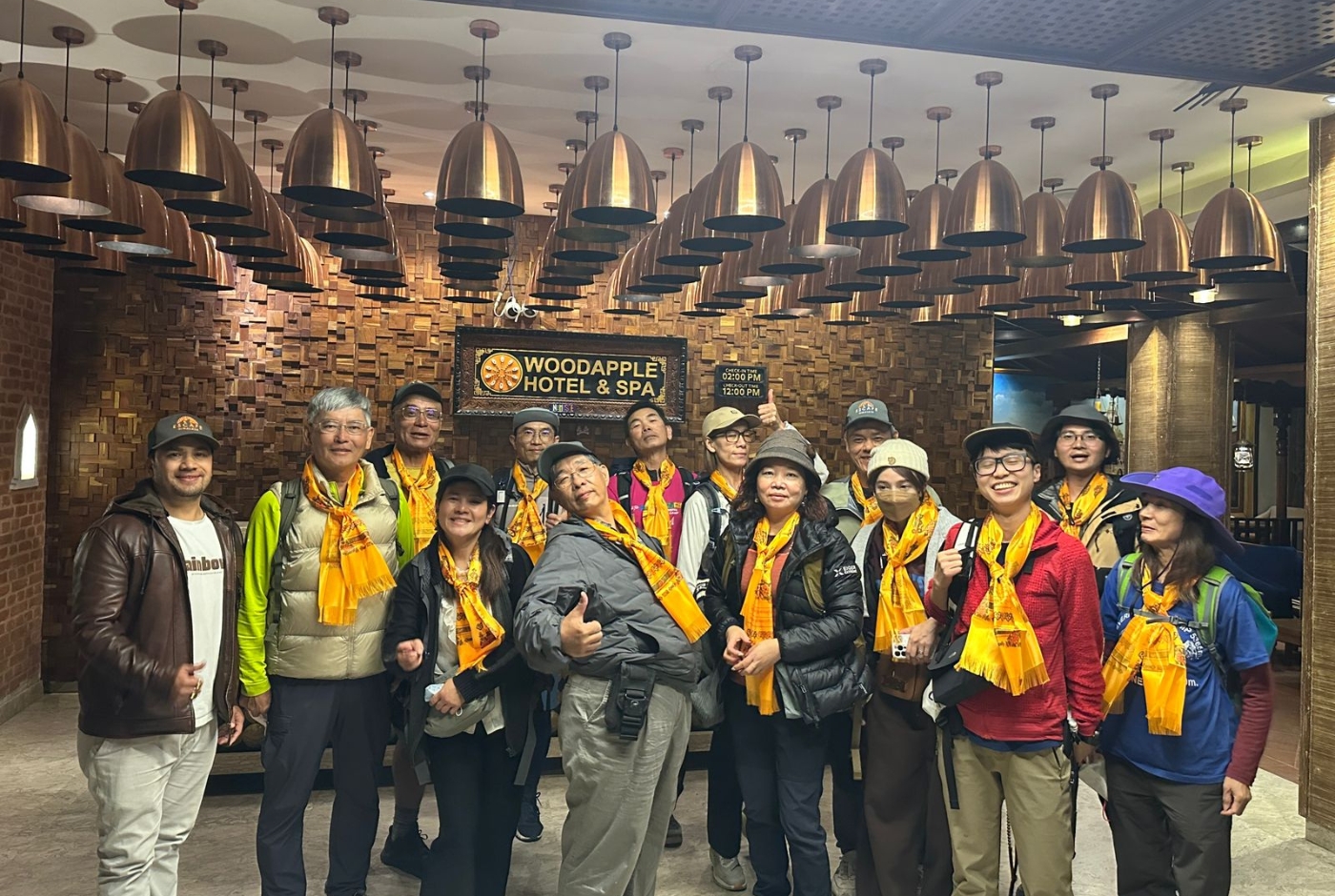
The Everest Base Camp Trek earns its reputation every single season. Walking the same route as Hillary and Tenzing, spending evenings in teahouses run by Sherpa families who have called these valleys home for generations, crossing suspension bridges over glacial rivers with Ama Dablam overhead, and standing at 5,645 metres watching the sun rise over the highest point on earth, it stays with you long after you are back home.
Getting there safely comes down to the team behind you. Permits, guides, altitude protocols, flights, and accommodation should be an afterthought.
Bookings for the 2026 and 2027 seasons are open now.
Explore the full range of Everest Base Camp Trek options at escapehimalaya.com or reach out directly to the Escape Himalaya team on WhatsApp at +977-9851006121 (Raj) or +977-9851363580 (Suman). You can also get in touch through the contact page to start planning