The Langtang Valley Trek starts differently from any other major trek in Nepal. There are no flights to book. No early morning airport scrambles. Just a 7 to 8 hour drive north from Kathmandu, and by the time the jeep pulls into Syabrubesi, you are already in a different world.
What most people do not expect is how alive the trail feels from the very first day.
The opening stretch of Langtang National Park sits in a warm, green zone where sal trees, bamboo groves, and fern-covered slopes line the path along the Bhote Koshi River. Langur monkeys move through the trees above. Birdsong fills the forest on both sides of the trail. None of it feels like the rocky, high-altitude routes most people picture when they think of Nepal trekking.
That is what makes the Langtang Valley Trek genuinely different.
It moves through four distinct landscapes in the space of a few days: warm green forest at the start, oak and rhododendron woodland through the middle, bamboo-covered slopes where red pandas live, and wide open alpine meadows around Kyanjin Gompa at 3,870 meters. The cultural story runs just as deep. The Tamang people of this valley have a way of life shaped by Tibetan Buddhism, yak herding, and a resilience that the 2015 earthquake put to its hardest test.
As of 2025 and 2026, solo trekking in the Langtang region is no longer permitted for foreign trekkers. A licensed guide through a registered agency is now mandatory. That makes choosing the right operator both a legal requirement and a practical one.
This guide covers what to look for in a Langtang Valley Trek company, and how Escape Himalaya approaches this specific route.
What Makes the Langtang Valley Trek Different From Other Nepal Treks
Most high-altitude Nepal treks take you through one or two types of terrain. The Langtang Valley Trek takes you through four, and the shift between them happens quickly enough that you notice it day by day.
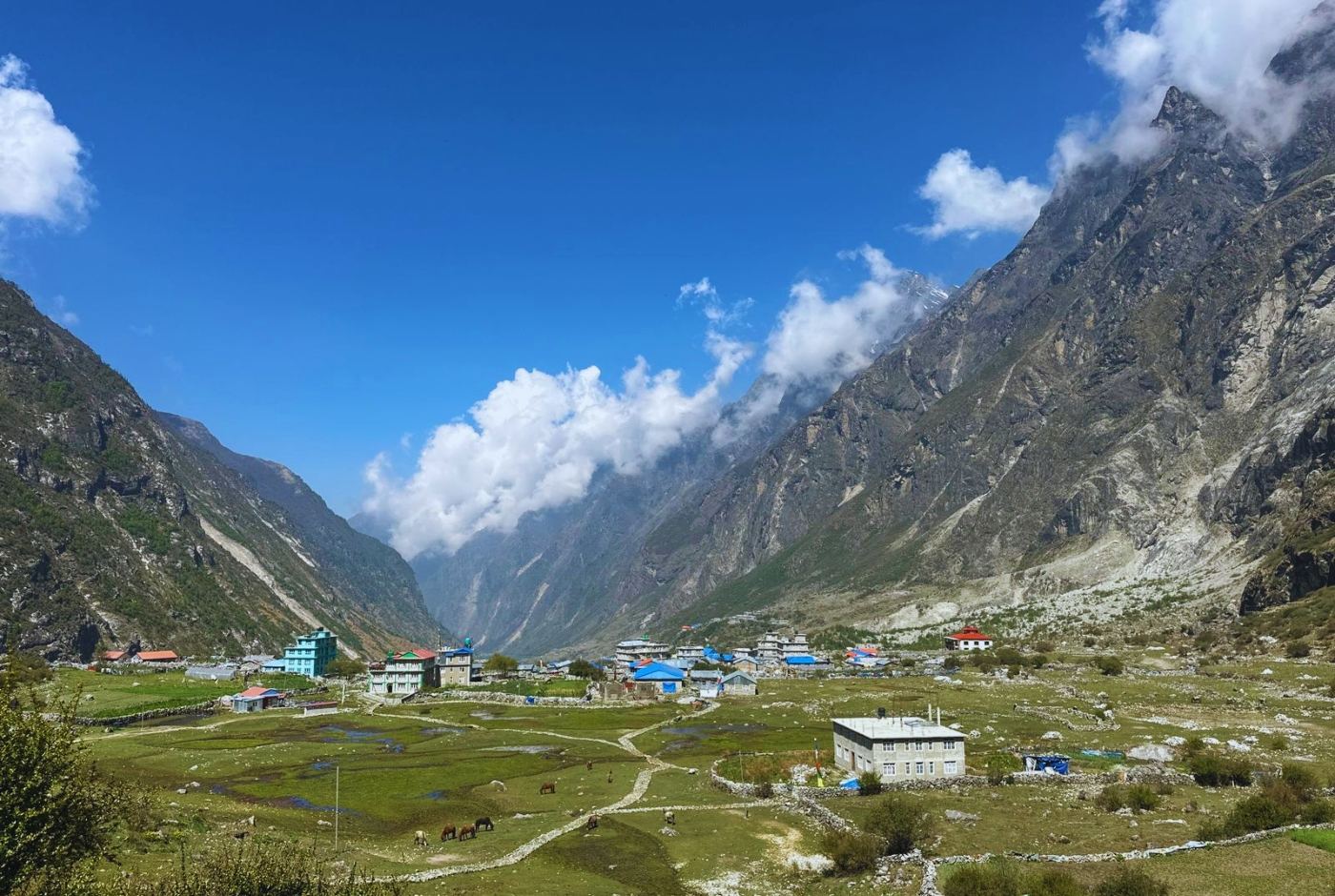
The trail begins in the warm green zone around Syabrubesi at 1,460 meters. Sal trees grow alongside schima, Castanopsis, and thick bamboo. The air is warm and humid. Ferns and mosses cover the ground between the tree roots, and the Bhote Koshi River runs loud and fast below the trail. This part of the park is rich with wildlife: langur monkeys, musk deer, and Himalayan black bears all live here, and birdwatchers have a particularly good time. Thrushes, minivets, and pheasant species including Nepal's national bird, the Himalayan Monal (Danphe), with its green, blue, red, and purple feathers, are all regularly spotted.
As the trail rises toward Lama Hotel at 2,380 meters, the forest changes. Oak, maple, hemlock, and pine replace the sal trees. Rhododendron becomes increasingly common, and in spring (March to May), the whole hillside turns red, pink, and white with bloom. Walking through these forests on a clear April morning is one of the more memorable parts of any Nepal trek.
Between 2,500 and 3,200 meters, thick bamboo covers the slopes. This is the main home of the red panda, one of the most exciting wildlife sightings in the Himalayan region. Red pandas are shy and mostly active at dawn and dusk. The section between Bamboo Village and Ghodatabela gives the best chance of seeing one, especially when a guide knows where to slow down and look.
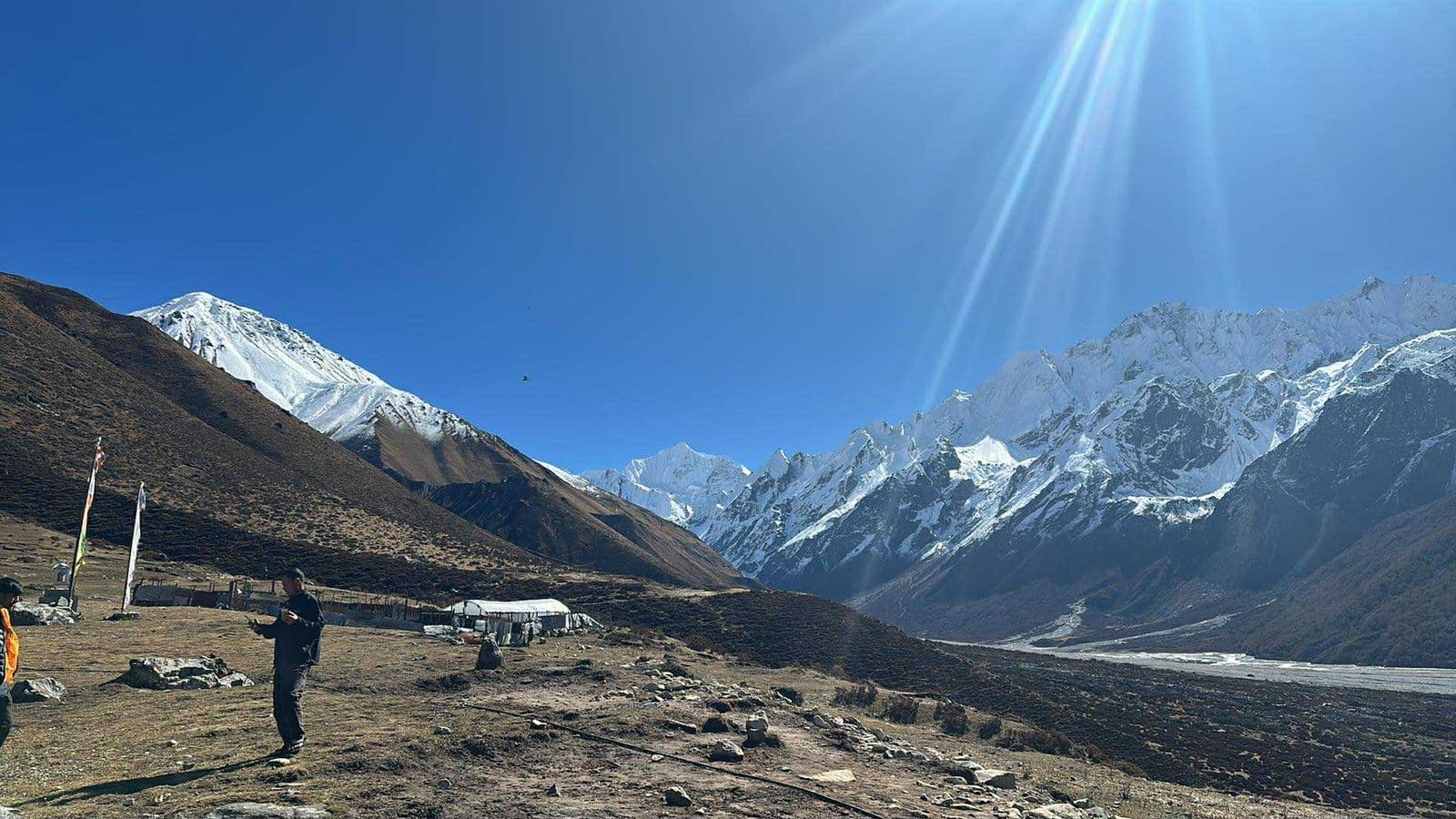
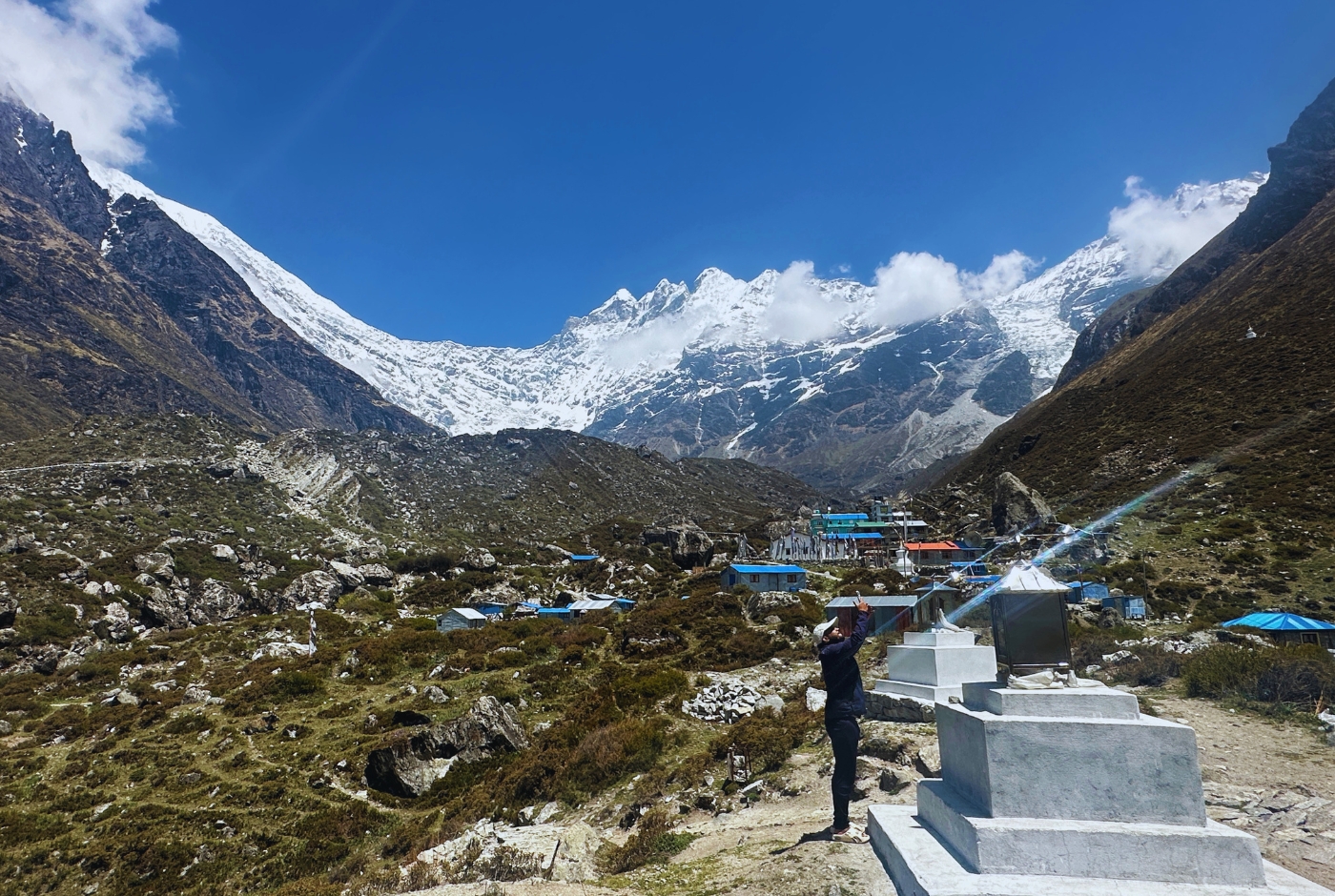
Above 3,500 meters, the trees give way to open meadows around Langtang Village and Kyanjin Gompa. Yaks graze in wide grassland with Langtang Lirung rising to 7,227 meters directly above. The landscape becomes quieter, more open, and visually dramatic with glacier debris, moraine fields, and the ice face of the Lirung Glacier visible from the village.
A few other things make this trek logistically distinct:
- The drive from Kathmandu to Syabrubesi follows the Pasang Lhamu Highway along the Trisuli River through Dhunche. The road has rough sections that get worse in monsoon season and can be blocked by landslides near Dhunche. A private jeep is the standard and most reliable choice.
- There are no ATMs anywhere after Syabrubesi. NPR 3,500 to 5,500 per day in cash is recommended for personal trail expenses such as Wi-Fi, hot showers, charging, snacks, and tips.
- Mobile network coverage becomes patchy above Langtang Village. NTC works better than Ncell in this region. Wi-Fi is available at some teahouses for NPR 300 to 500 per session.
- The 2015 earthquake buried the original Langtang Village under 14.38 million cubic meters of rock and ice triggered by a 7.8-magnitude seismic event. The rebuilt village now stands in a safer location, and the story of that recovery is an important part of understanding this valley.
Is the Langtang Valley Trek Good for Beginners?
The short answer is yes. The Langtang Valley Trek is widely considered one of the most beginner-friendly high-altitude treks in Nepal, and for good reason.
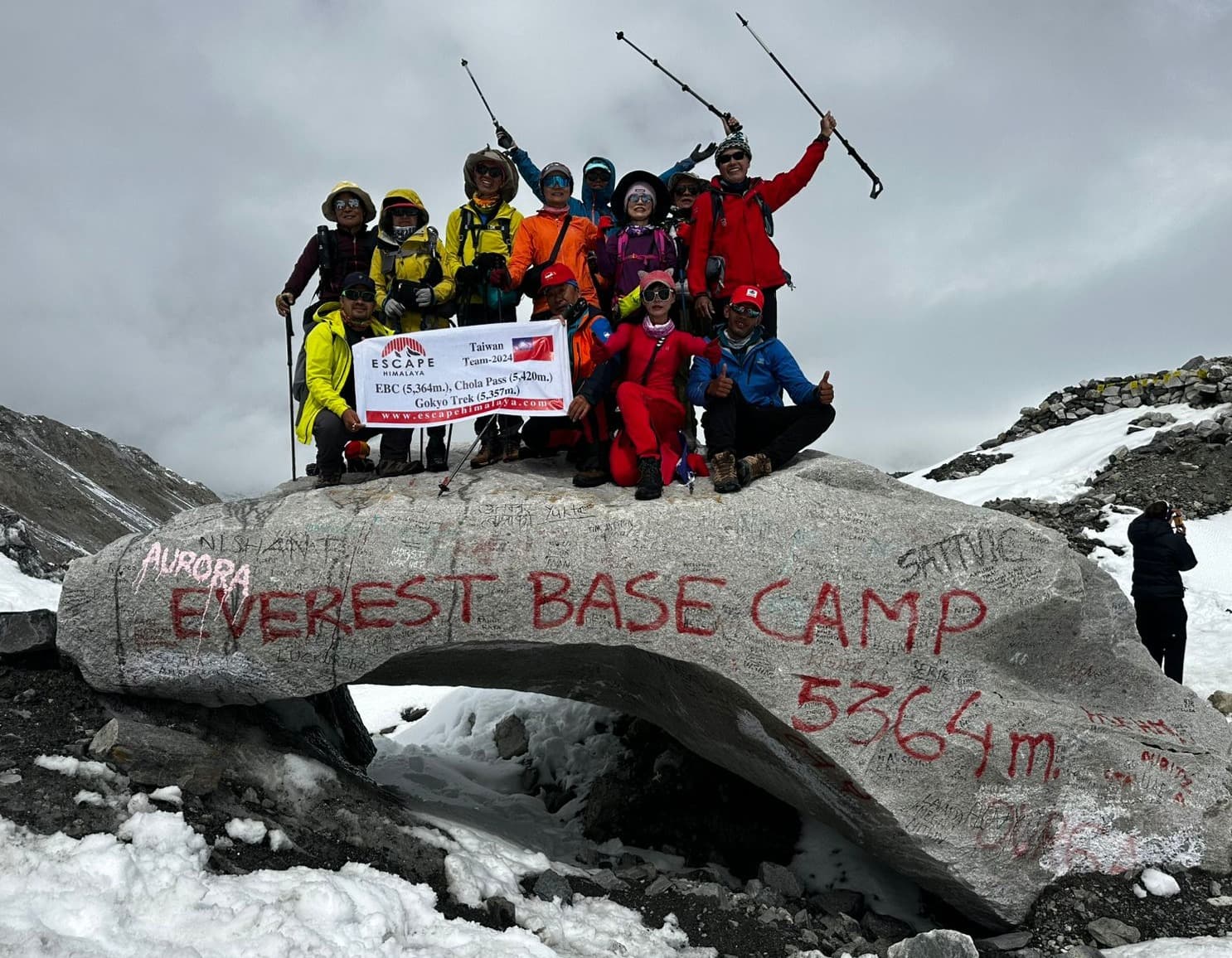
The highest point on the standard route is Kyanjin Gompa at 3,870 meters, with optional side hikes to Kyanjin Ri at 4,773 meters and Tsergo Ri at 4,984 meters. Compare that to Everest Base Camp at 5,364 meters or Annapurna Circuit's Thorong La at 5,416 meters, and the altitude exposure is noticeably more manageable. The itinerary also builds altitude gain gradually, giving the body enough time to adjust without rushed days.
The daily walking distances are reasonable. Most stages cover 10 to 16 kilometers over 5 to 7 hours, which suits trekkers who are reasonably active but not experienced long-distance walkers. The trail is well-defined throughout and does not require any technical skills or specialist equipment.
Here is why beginners do particularly well on Langtang:
- No flights required. The drive from Kathmandu to the trailhead removes the flight anxiety and weather-delay risk that EBC and Annapurna involve.
- The first two days walk through warm, green forest along the river. The terrain is gentle enough to get the legs moving without overwhelming anyone straight away.
- The route is an out-and-back, so there are no complicated logistics around alternate exits or connecting jeep rides mid-trek.
- Teahouse accommodation is available at every major stop, so trekkers carry light daypacks while porters handle the main bags.
- A licensed guide is now mandatory for this region, which means first-time trekkers automatically have experienced support with them throughout.
That said, beginners benefit most from a company that structures the itinerary with appropriate pacing. Rushing the section from Langtang Village to Kyanjin Gompa without a proper rest day before the side hikes is where problems tend to happen.
For the exploration day at Kyanjin Gompa, Kyanjin Ri at 4,773 meters is the recommended climb for beginners. It takes 3 to 4 hours round trip, the trail is manageable after a few days of acclimatization, and the mountain views from the top are well worth the effort. Tsergo Ri at 4,984 meters is the more demanding option and is better suited to experienced trekkers with a good altitude track record. A good operator builds the schedule around the group's actual pace and makes the right call on which hike fits.
Escape Himalaya has guided first-time trekkers through the Langtang Valley on the 10-day Langtang Valley Trek successfully across multiple seasons. The minimum group size of 1 person makes it easy for solo beginners to book a private departure with a dedicated guide.
8 Things to Look for When Choosing a Langtang Valley Trekking Company
1. Government Registration and Legal Licensing
As of 2025 and 2026, foreign trekkers can no longer trek the Langtang region independently. A licensed guide through a registered agency is mandatory. This is the starting point for evaluating any company offering this trek.
Any legitimate Nepal trekking agency should be:
- Registered with the Nepal Tourism Board (NTB)
- Affiliated with TAAN (Trekking Agencies' Association of Nepal)
- Recognized by the Nepal Mountaineering Association (NMA)
- Using the e-TIMS system for trekker registration, which replaced the old paper TIMS card
Ask for documentation before booking. A company with nothing to hide will share it without hesitation.
Escape Himalaya holds full registration with NTB, TAAN, and NMA. Legal documents are available on the website so trekkers can check credentials before committing.
2. Route-Specific Experience in the Langtang Region
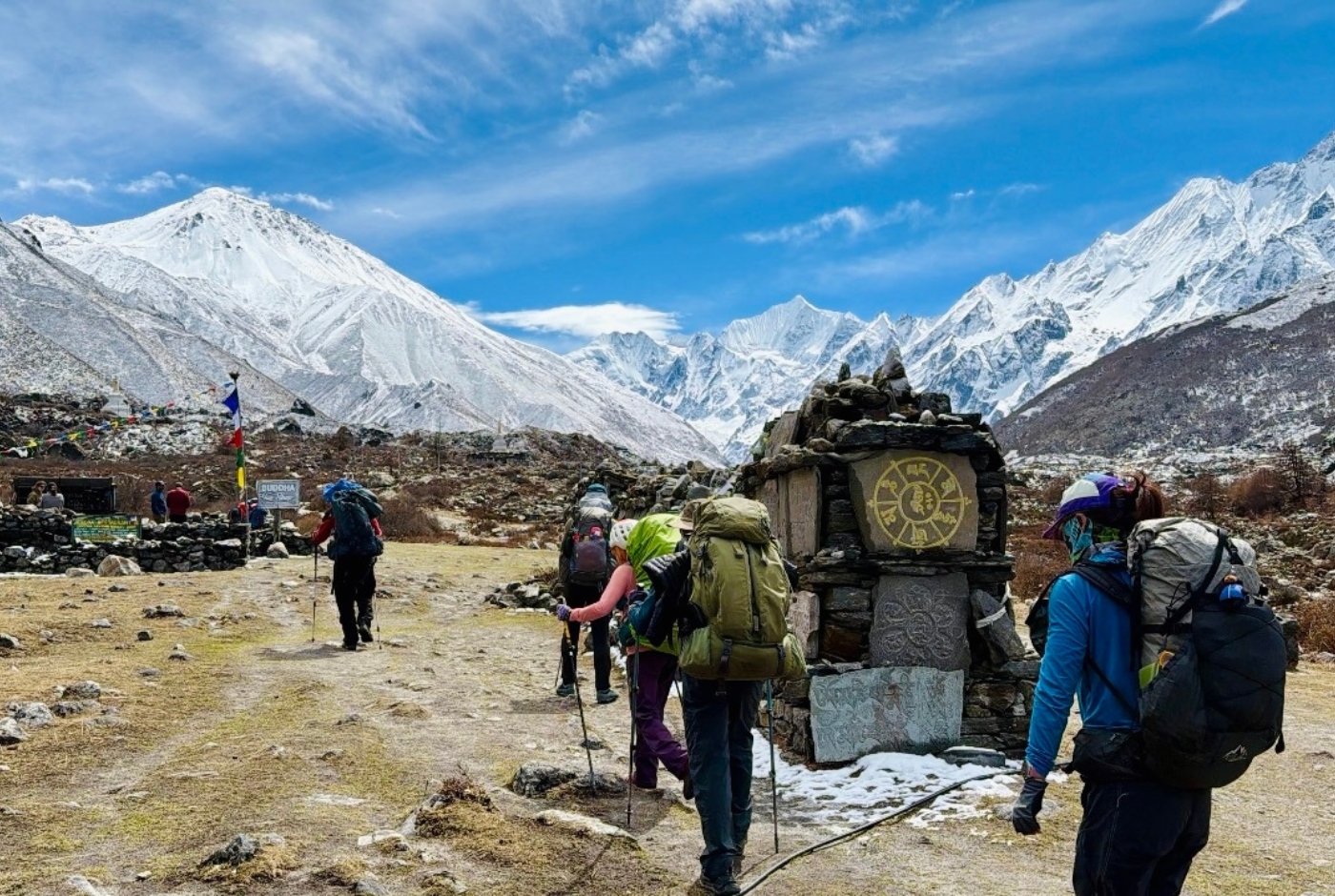
Knowing the Langtang Valley Trek well means more than knowing the trail. It means knowing which teahouses at Lama Hotel are reliable, how the road to Syabrubesi behaves after monsoon, where red panda sightings are most realistic, how to read the post-earthquake landscape above Ghodatabela, and how to structure the exploration day at Kyanjin Gompa based on how the group is feeling.
When speaking with any company, ask:
- How many Langtang Valley Trek departures have you run in the past two years?
- Do your guides have specific Langtang experience, including knowledge of the post-earthquake trail sections?
- Have you guided the route across different seasons?
Escape Himalaya has been running the Langtang Valley Trek as a core part of its portfolio for close to a decade, with a minimum group size of just 1 person. Solo trekkers can book a private departure without waiting for a group, which is a practical advantage for people with fixed travel dates.
3. Permit Management and the Mandatory Guide Rule
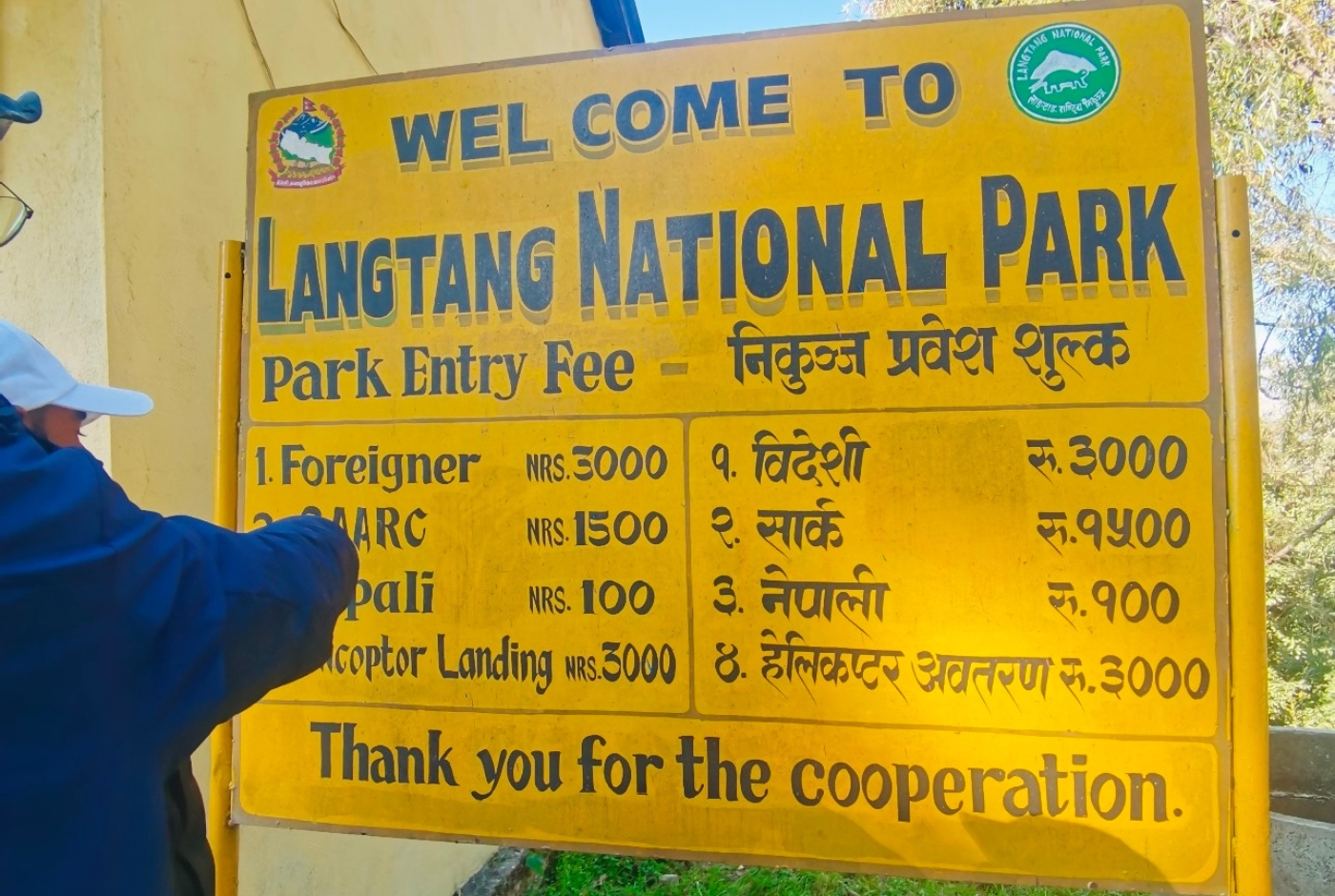
Two permits are required for the Langtang Valley Trek:
- Langtang National Park Entry Permit: NPR 3,000 per person for foreign trekkers, checked at entry points in Dhunche and Syabrubesi
- e-TIMS card: managed through the registered trekking agency as part of the booking process
A licensed agency handles both permits before the trek begins. The checkpoints at Dhunche and Syabrubesi are strict, and a trekker who arrives without the correct paperwork faces delays right at the start of the route.
Escape Himalaya manages both the National Park permit and the e-TIMS card as part of every Langtang package. Nothing needs to be sorted on arrival.
4. Guide Knowledge of the Forest and Wildlife Sections
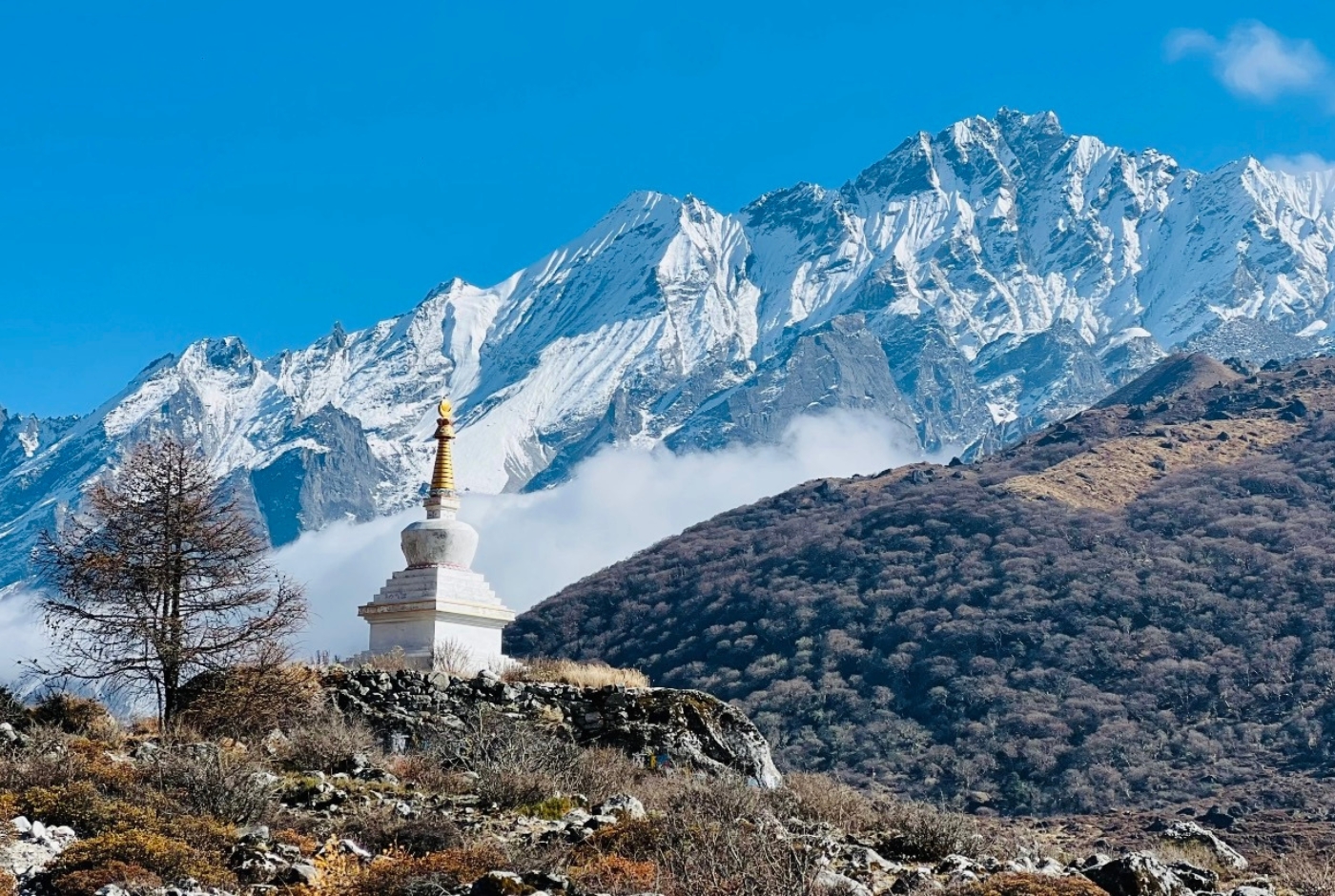
The first two days of the Langtang Valley Trek are unlike anything on EBC or Annapurna. The trail runs through warm, dense forest where the wildlife is as much a highlight as the mountain scenery. A guide who knows this part of the route makes the experience considerably richer.
From Syabrubesi, the trail enters green forest almost immediately. The sal and bamboo give way to oak and rhododendron as the trail rises. Between Bamboo Village and Ghodatabela, the forest is particularly thick and humid, with bamboo arching over the trail and the Langtang River audible through the trees. This is the stretch where red pandas live, where Himalayan black bears make their home in the oak forest, and where over 250 bird species have been recorded within the national park.
A good Langtang guide knows:
- The best wildlife spotting windows (early morning and dusk in the bamboo section between Bamboo Village and Rimche)
- Where the rhododendron bloom is most reliable in spring (the slopes between Syabrubesi and Lama Hotel from March to May)
- Where to pause for birdwatching without throwing off the day's schedule
- How the forest changes as the altitude increases and what wildlife to expect at each stage
Escape Himalaya's guides include people with Tamang heritage and first-hand knowledge of the valley's natural and cultural landscape, built over years of guiding this specific route.
5. Tamang Cultural Knowledge and the Post-Earthquake Village Story
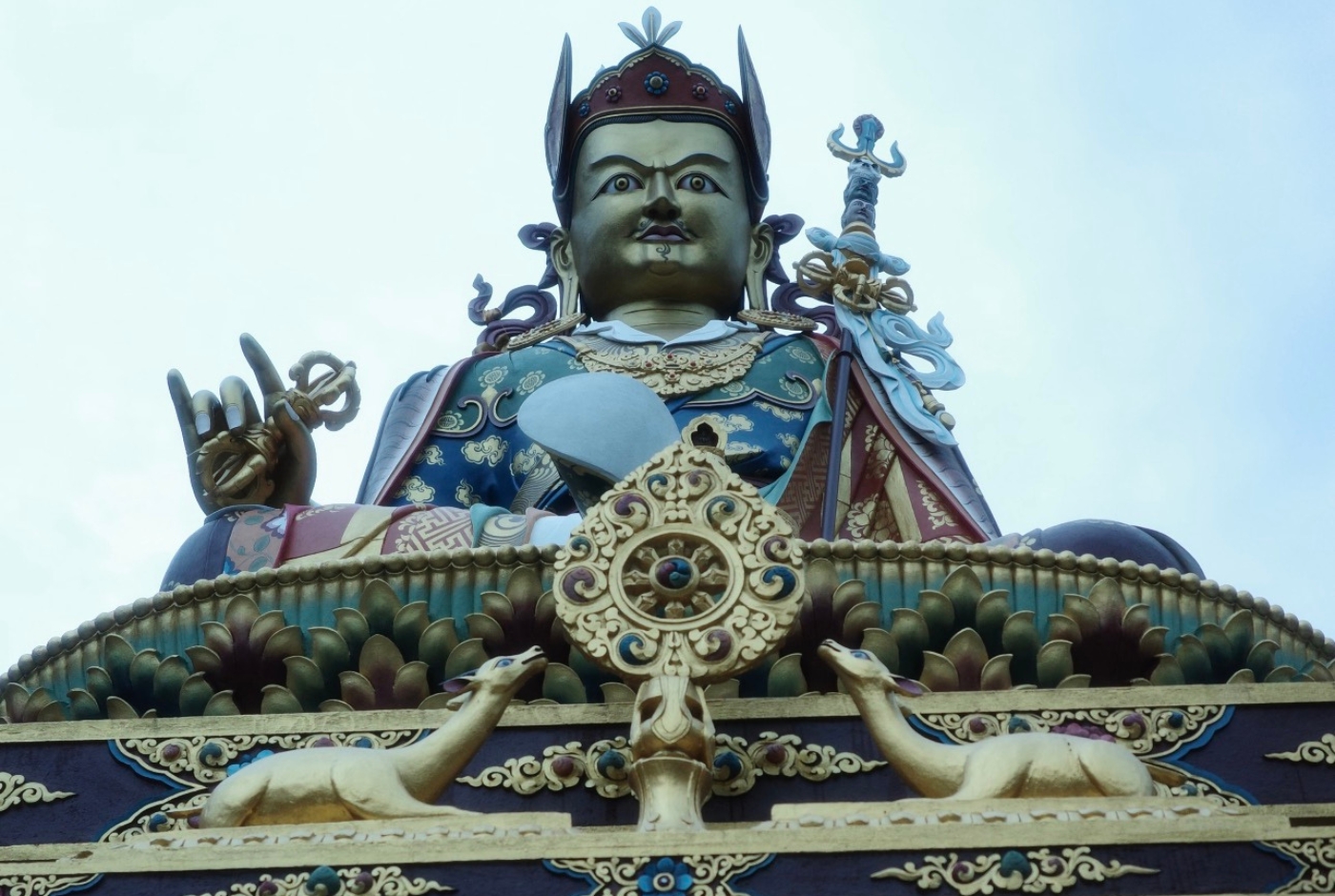
The Langtang Valley Trek is as much a cultural journey as a natural one. The Tamang people who live in this valley have a way of life that is distinct from the rest of Nepal. Their language, Tamang, is a Tibeto-Burman language with no relation to Nepali. Their traditions, buildings, festivals, and daily life draw from Tibetan Buddhist culture rather than the Hindu practices more common in Nepal's lower hills.
Walking through the valley, trekkers pass water-powered prayer wheels spinning beside rivers, mani walls carved with Buddhist mantras, and chortens at every village entrance. The local custom is to walk to the left of these structures and spin prayer wheels clockwise. A culturally informed guide explains this before the first encounter, so it becomes a gesture of genuine respect rather than an afterthought.
The rebuilt Langtang Village carries one of the most significant stories on any Nepal trek. The original settlement was buried in 2015 when the earthquake triggered an avalanche that brought 14.38 million cubic meters of rock and ice down onto the village in minutes. Over 300 people in the valley lost their lives. The community rebuilt in a safer location through a local reconstruction effort supported by organizations like the Langtang Management and Reconstruction Committee. Walking through the new village feels different from any other trekking village in Nepal, and a guide who knows this history gives trekkers the context to understand what they are walking through.
Other cultural highlights worth noting:
- Kyanjin Gompa is a 300-year-old settlement at 3,870 meters that serves as the spiritual center for the Lama Tamang community. After the 2015 earthquake damaged the original monastery, the local community took responsibility for rebuilding and maintaining it.
- Tamang festivals include Lhosar (Tamang New Year, celebrated with Tamphu Selo music played on the Damphu drum), Dumje at Kyanjin Gompa (mask dances honoring Guru Rinpoche), and Buddha Jayanti.
- Traditional Tamang dress: men wear the Bakkhu (a long robe tied at the waist), women wear the Gung blouse and Shyade skirt with a Pangden striped apron, often paired with silver Yhungri necklaces.
- The yak herding economy is central to life in the upper valley. Yaks graze in high pastures above 3,000 meters through the summer months, and the herding patterns have remained largely unchanged for generations.
6. The Kyanjin Gompa Yak Cheese Factory
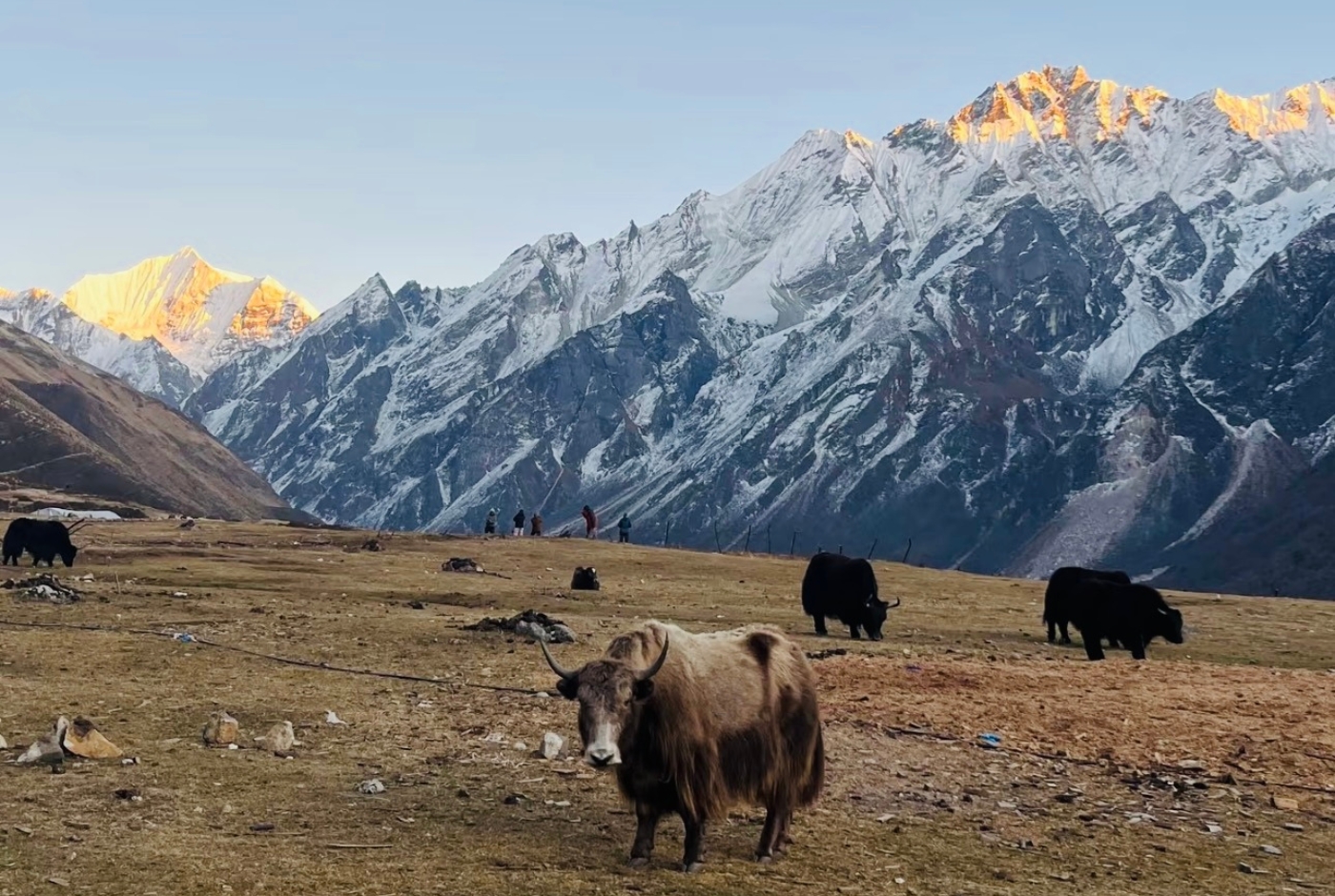
Kyanjin Gompa at 3,870 meters is the final stop on the Langtang Valley Trek, and it holds something most trekking routes in Nepal cannot offer: Nepal's first yak cheese factory, established in 1955 with Swiss technical expertise.
The factory was created to process milk from the local yak herds, which are central to village livelihoods. Yak milk is richer in fat and protein than cow's milk, which gives the cheese its distinctive density. Milking runs seasonally from May to September, done entirely by hand, once each morning. The cheese produced here is sold to teahouses along the route, sent to Kathmandu markets, and tasted fresh on-site.
Visiting the factory is a small but memorable part of the Kyanjin Gompa experience. It connects the mountain scenery to the practical reality of how this community sustains itself. A guide who knows the village well can time the factory visit correctly and explain what makes this place economically and historically significant.
7. Tsergo Ri vs Kyanjin Ri: Which Climb Is Right for Your Group?
The exploration day at Kyanjin Gompa offers two options for side hikes, and the choice between them is one of the most important decisions the guide makes on the entire trek.
Kyanjin Ri (4,700 meters)
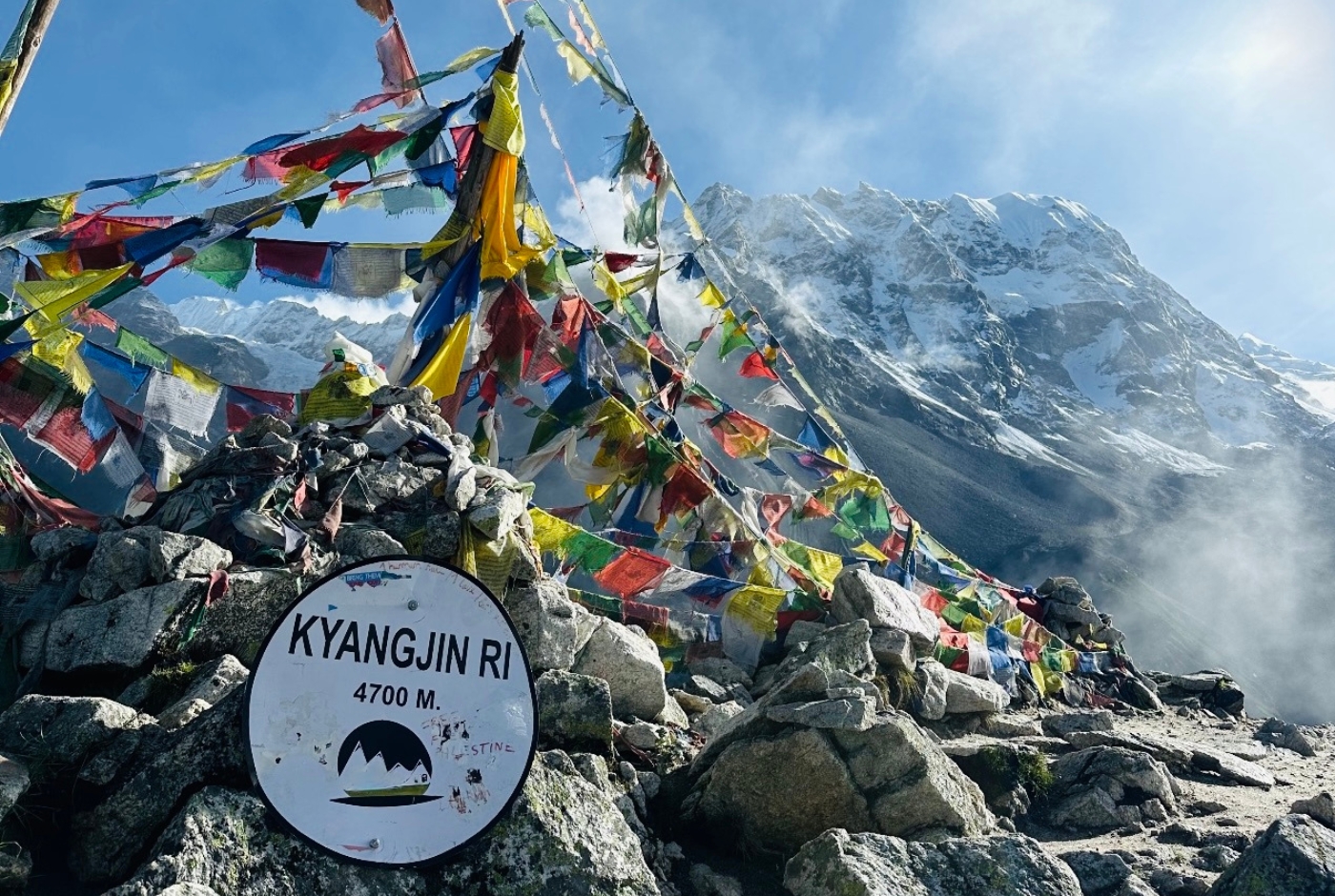
Kyanjin Ri is the shorter, more accessible option. The hike goes directly behind the village and takes around 3 to 4 hours round trip. The trail is steep in places but manageable for most trekkers who have acclimatized well at Kyanjin Gompa. The views from the top are genuinely excellent: Langtang Lirung (7,227 m), Dorje Lakpa (6,966 m), Naya Kanga (5,844 m), and Yala Peak (5,500 m) are all visible on a clear day, along with the Tibetan peaks across the border.
Kyanjin Ri is the right choice for:
- First-time trekkers or beginners who want a strong viewpoint without a full-day commitment
- Trekkers who feel the altitude has been a challenge over the past day or two
- Groups who want to leave time in the afternoon to visit the monastery and cheese factory
Tserko Ri (4,985 meters)
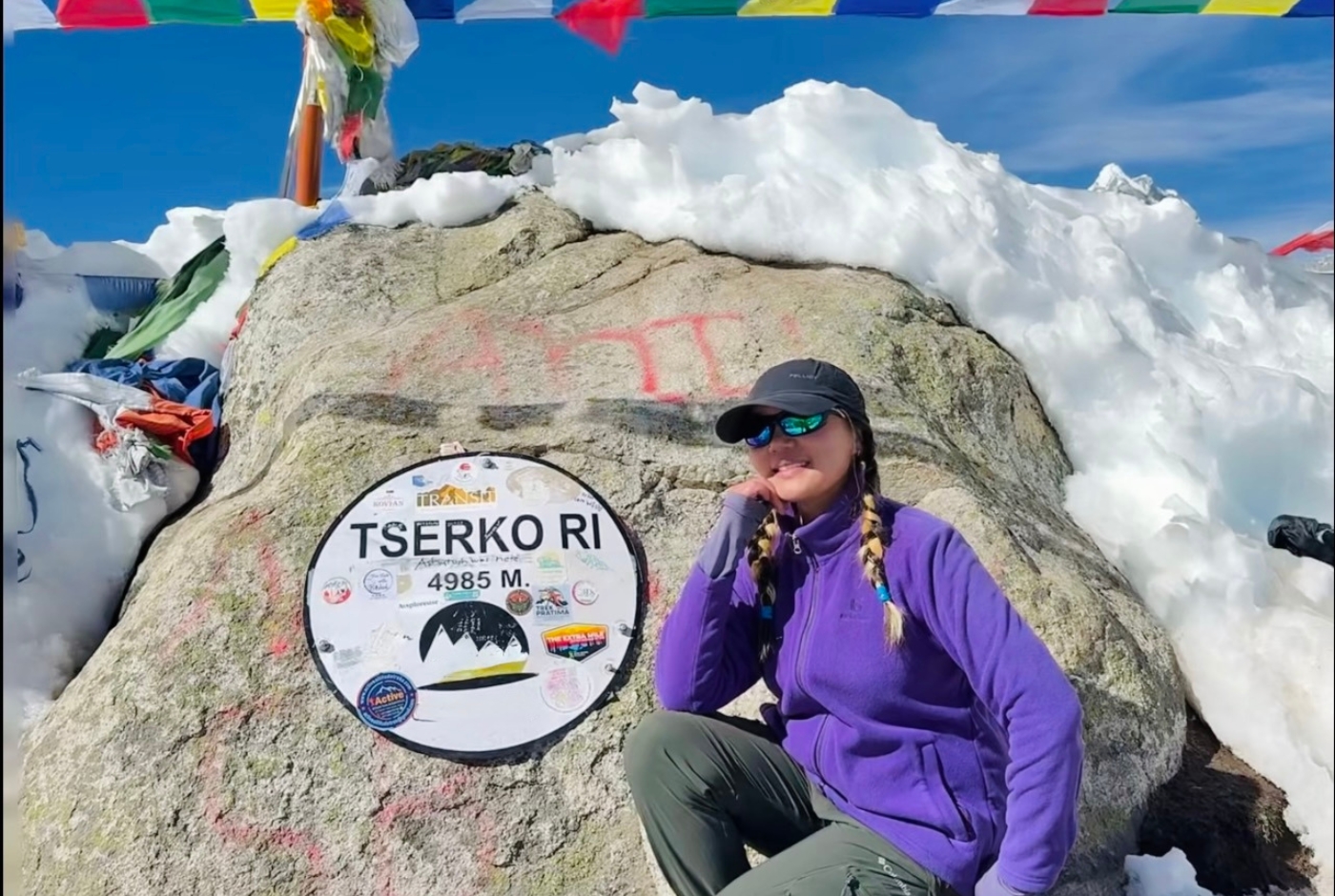
Tserko Ri is the highest point on the entire standard Langtang Valley Trek. The hike takes approximately 8 hours round trip and involves a significant gain in elevation from the village. The trail covers open, rocky ground above the tree line, with no shelter from wind, so an early start is important.
What makes Tserko Ri worth the effort is the view. From the top, the panorama covers the full Langtang Himalayan range, Ganesh Himal, Dorje Lakpa, and the glaciers that stretch along the Tibetan border. It is a 360-degree mountain view that rivals anything available on treks twice the length. On a clear morning, few viewpoints in Nepal at this altitude match it.
Tserko Ri is the right choice for:
- Trekkers who have handled the altitude well throughout the route
- Anyone who wants the highest and most complete mountain viewpoint on the trek
- Physically fit trekkers who have arrived at Kyanjin Gompa feeling strong after Langtang Village
Which one should you do?
For beginners, Kyanjin Ri is the better choice. The shorter duration, the more gradual terrain, and the lower altitude make it the right fit for trekkers who are new to high-altitude hiking. The views are genuinely impressive and the hike itself feels like a proper achievement without pushing the body too hard after several days on the trail.
Tserko Ri is best saved for trekkers who have solid trekking experience, have handled the altitude well throughout the route, and want to push to the highest viewpoint the trek has to offer.
A good guide reads the group honestly and makes the call based on how people are actually feeling, not what looks best on the itinerary. Escape Himalaya structures the exploration day around the group's real condition. Both hikes are available on every departure, and the recommendation always comes from the guide on the ground rather than a fixed plan set before the trek begins.
8. What the Package Includes and What It Does Not
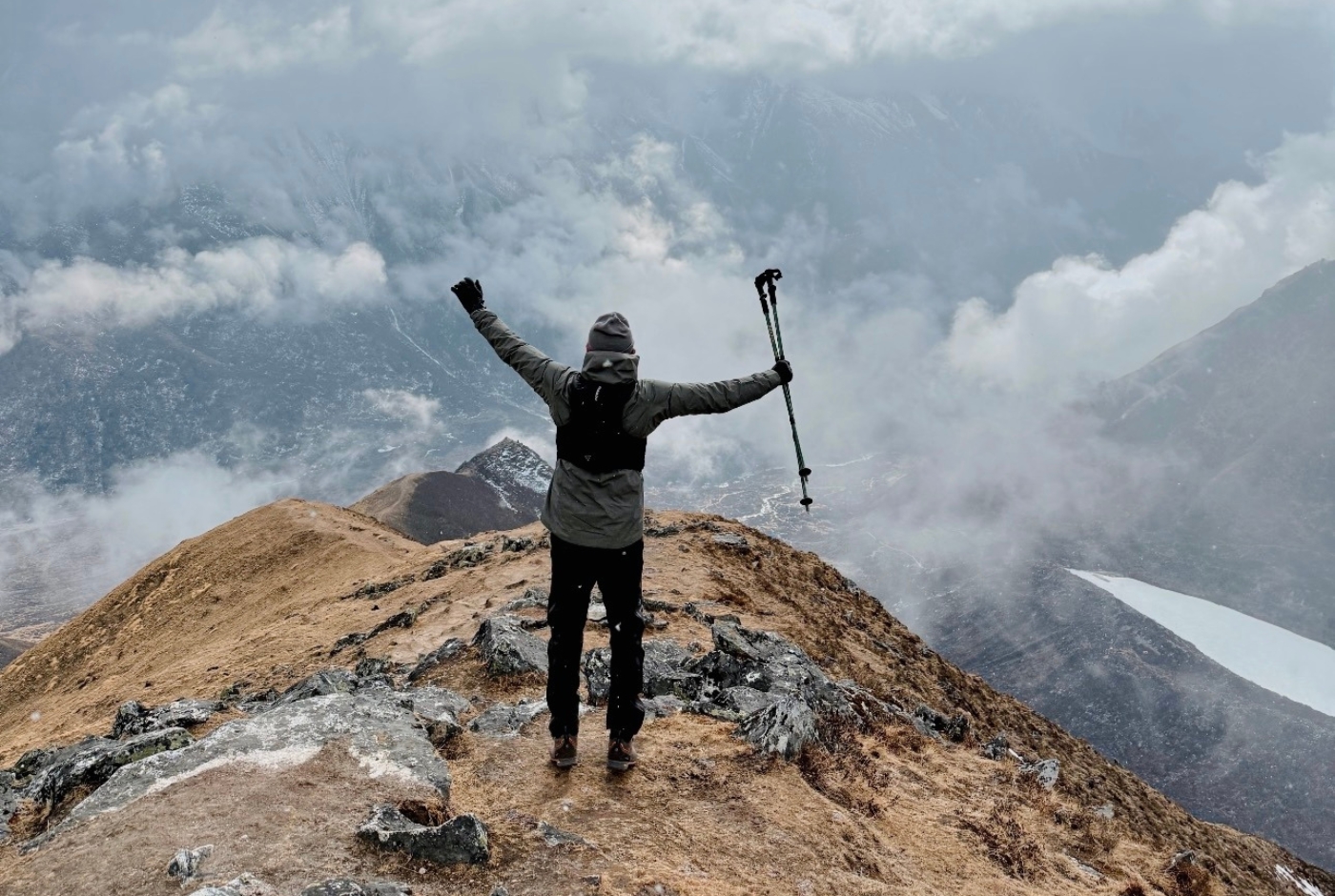
The Langtang Valley Trek typically costs USD 500 to USD 900 per person depending on the operator. The difference in price usually comes down to what the cheaper packages quietly leave out.
Common gaps in budget packages:
- Private jeep from Kathmandu to Syabrubesi (some use public buses for the same 7 to 8 hour drive)
- Porter services
- Both permits (National Park entry and e-TIMS)
- Gear: sleeping bag, down jacket, duffel bag
- Kathmandu hotel nights before and after the trek
A complete Langtang Valley Trek package should include:
- Airport pickup and drop-off in Kathmandu
- 3-star hotel in Kathmandu before and after the trek
- Private jeep from Kathmandu to Syabrubesi and return
- All meals on the trek (breakfast, lunch, dinner)
- Langtang National Park Entry Permit and e-TIMS card
- Licensed government guide
- Porter services
- Gear loan: sleeping bag, down jacket, and duffel bag
- Trek completion certificate
Escape Himalaya's 10-day Langtang Valley Trek covers everything above. The minimum group size is 1 person, so solo trekkers can book without needing to wait for a group to form. Personal expenses on the trail typically run NPR 3,500 to 5,500 per day for Wi-Fi, hot showers, charging fees, snacks, and guide and porter tips.
The Stages of the Trek Where Operator Experience Makes a Real Difference
The Kathmandu to Syabrubesi Drive
The drive follows the Pasang Lhamu Highway along the Trisuli River, passing through Dhunche before reaching Syabrubesi. The road has rough sections that worsen after heavy rain and can be affected by landslides near Dhunche during and after monsoon. A private jeep with an experienced driver handles these sections reliably. A public bus gets you there cheaper but on a much less predictable schedule, and the comfort of the vehicle matters when trekking starts the next morning.
The Green Forest Section: Syabrubesi to Lama Hotel
This is where the Langtang trek reveals itself as something different from the rocky mountain routes most trekkers expect. The trail follows the Bhote Koshi River through warm, dense forest, crossing suspension bridges over fast-moving water. Sal trees and bamboo grow thickly at the start, shifting to oak and rhododendron as the trail rises toward Lama Hotel at 2,380 meters. Langur monkeys are commonly spotted in the trees along this section. Musk deer and Himalayan black bears also live in these forests, though they are harder to see.
A guide who knows this part of the route makes the walk far more interesting, pointing out wildlife signs, explaining what each tree species is, and timing rest stops at spots with clear views into the forest. In spring, the rhododendron slopes between Syabrubesi and Lama Hotel are extraordinary.
The Bamboo and Red Panda Section: Lama Hotel to Ghodatabela
The trail between Lama Hotel and Ghodatabela runs through thick bamboo forest between 2,500 and 3,200 meters. This is the main habitat of the red panda within Langtang National Park. Red pandas live at elevations between 2,200 and 3,500 meters and feed almost entirely on bamboo. They are shy and mostly active at dawn and dusk, which is why the timing of this section matters. Moving through too fast at the wrong time of day means missing the most realistic wildlife spotting window on the entire trek.
Bamboo Village is the most reliable spot for red panda sightings within the park. A guide who has run this section regularly knows the quiet spots and how to help a group move through the forest without disturbing the wildlife.
The Rebuilt Langtang Village
Walking into the rebuilt Langtang Village at 3,430 meters is one of the more moving parts of the trek. The new settlement, built above the original site in a safer location, carries the weight of a community that lost most of its people and buildings in 2015 and rebuilt from scratch. The terraced fields, stone houses, prayer flags, and yak pastures surrounding the village are all new, but the culture behind them is centuries old.
A guide with Tamang heritage knowledge gives this section its full depth. Understanding what happened here makes the walk through the village feel different from walking through any other trekking village in Nepal.
Kyanjin Gompa: The Cultural and Natural Heart of the Trek
Kyanjin Gompa at 3,870 meters is where the Langtang Valley Trek reaches its cultural and visual peak. The monastery, rebuilt by the local community after the earthquake, continues to function as a center of daily Buddhist practice. The yak cheese factory, the first of its kind in Nepal, has been producing cheese since 1955. The open meadows around the settlement stretch toward the Lirung Glacier, visible as a wall of blue-white ice directly above the village.
The side hikes to Kyanjin Ri and Tsergo Ri are covered in detail in Section 7 above. An experienced operator structures the time at Kyanjin Gompa around the group's actual fitness and acclimatization, not a fixed schedule.
Langtang Region Trek Options From Escape Himalaya
Escape Himalaya covers the full range of Langtang region options for different timelines, interests, and fitness levels.
Classic Route:
- Langtang Valley Trek (10 Days): the full route from Syabrubesi through the green forest and bamboo sections to Kyanjin Gompa, with an exploration day covering the monastery, yak cheese factory, and the choice of Kyanjin Ri or Tsergo Ri. Minimum 1 person, fully customizable.
Cultural Focus:
- Tamang Heritage Trail (10 Days): a route built around the Tamang village network, passing through Gatlang, Tatopani (with natural hot springs), Thuman, Timure, and Briddim before connecting to Syabrubesi. This is the right choice for trekkers who want deeper time in Tamang communities rather than the high viewpoints.
Extended Route With Sacred Lakes:
- Langtang Gosainkunda Helambu Trek (16 Days): combines the Langtang Valley with Gosainkunda Lake and the Helambu Valley. Gosainkunda Lake sits at 4,380 meters and is sacred to both Hindus and Buddhists. In Hindu belief, Lord Shiva struck the mountain with his trident to find water after swallowing a poison that threatened to destroy the universe, and the lake formed where the trident struck. Thousands of pilgrims visit each August during the Janai Purnima festival. This is one of the most culturally and ecologically varied long treks available near Kathmandu.
Shorter Option:
- Helambu Trek (8 Days): a shorter, lower-altitude option in the same broader region, suited to trekkers who want the Tamang and Sherpa cultural experience without the higher elevations of Kyanjin Gompa or Gosainkunda.
Why Escape Himalaya Is a Strong Choice for the Langtang Valley Trek
Here is what Escape Himalaya actually brings to this trek:
- Close to a decade of Nepal trekking experience with Langtang as a core part of the portfolio, run across multiple seasons and route variations
- Full registration with NTB, TAAN, and NMA, with legal documents available on the website
- Both the Langtang National Park Entry Permit and the e-TIMS card managed before arrival
- Guides with Tamang heritage knowledge and Langtang-specific route experience, covering the forest wildlife sections, the post-earthquake village context, and the Kyanjin Gompa cultural sites
- Private jeep from Kathmandu to Syabrubesi included as standard
- Minimum group size of 1 person, so solo trekkers and beginners can book a private departure
- Complete packages covering airport transfers, Kathmandu 3-star hotel, all trek meals, permits, licensed guide, porter, sleeping bag, down jacket, duffel bag, and trek completion certificate
- Flexible exploration day at Kyanjin Gompa with both Kyanjin Ri and Tsergo Ri available based on the group's condition
- Four Langtang region trek options from 8 to 16 days
- TripAdvisor Certificate of Excellence 2025, listed on TourRadar and Viator, with Langtang-specific reviews across multiple seasons
- 24/7 WhatsApp support: Raj at +977-9851006121 and Suman at +977-9851363580
Questions to Ask Any Langtang Trek Company Before You Book
- Are your guides government-licensed and is the mandatory guide included in the package as required by the 2025 and 2026 regulations?
- Do you manage both the Langtang National Park Entry Permit and the e-TIMS card before our arrival?
- What vehicle do you use for the Kathmandu to Syabrubesi drive?
- Do your guides have specific knowledge of the forest wildlife sections between Syabrubesi and Ghodatabela?
- What is included in the package price and what will we pay extra for on the trail?
- How do you decide between Kyanjin Ri and Tsergo Ri for the exploration day?
- Do your guides understand the post-earthquake Langtang Village history and the Tamang cultural context along the route?
- Is the Langtang Valley Trek suitable for first-time or beginner trekkers?
- Can solo trekkers book a private departure without waiting for a group?
- Can I read reviews from trekkers who completed the Langtang Valley Trek specifically with your company?
Plan Your Langtang Valley Trek With Escape Himalaya
The Langtang Valley Trek is genuinely one of Nepal's most complete short treks. The warm green forest at the start gives way to rhododendron slopes, then bamboo where red pandas live, then wide open mountain terrain with glaciers overhead and a 300-year-old Tibetan Buddhist settlement at the end of the trail.
The Tamang community here has been farming, herding yaks, making cheese, and practicing Buddhism in the shadow of Langtang Lirung for centuries. The story of the 2015 earthquake and the rebuilding that followed adds a layer of depth that most trekking routes simply do not have.
As of 2026, a licensed guide through a registered agency is the legal requirement for this region. The right operator ensures that requirement is met properly and that the wildlife, cultural, and historical layers of the trek are fully part of the experience from start to finish.
Bookings for the 2026 and 2027 seasons are open. Explore all Langtang region options at escapehimalaya.com or contact the team on WhatsApp at +977-9851006121 (Raj) or +977-9851363580 (Suman). The contact page is also available for detailed planning inquiries.