Chisapani Nagarkot Hiking

Trip Fact

  • DestinationNepal
  • Durations3 Days
  • Trip DifficultyEasy
  • ActivitiesShort Hikes
  • AccommodationHotels / Teahouses
  • MealsBreakfast, Lunch, Dinner
  • Mx.altitude2195m.
  • VehiclePrivate Vehicle
  • Group SizeMin. 1 Pax

Chisapani Nagarkot Hiking Highlights

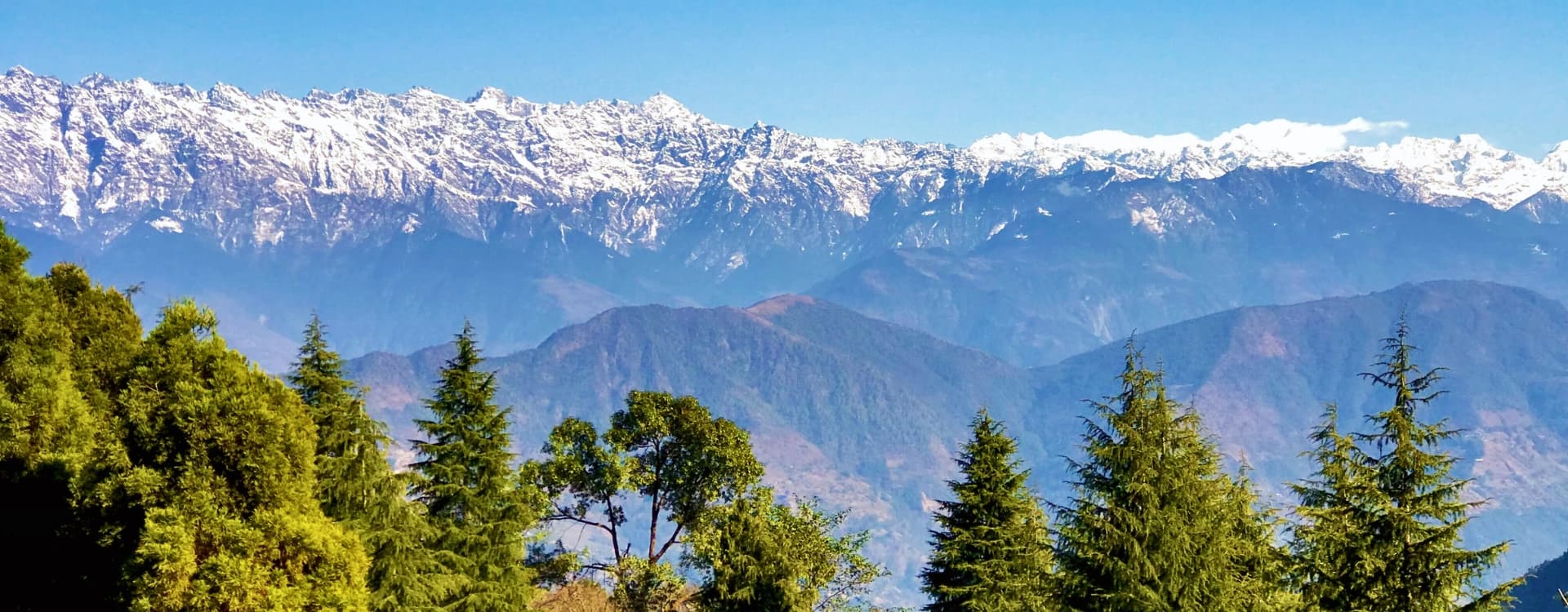
  • Witness panoramic views of Langtang, Ganesh Himal, Gaurishankar, and Dorje Lakpa ranges, especially during sunrise and sunset.
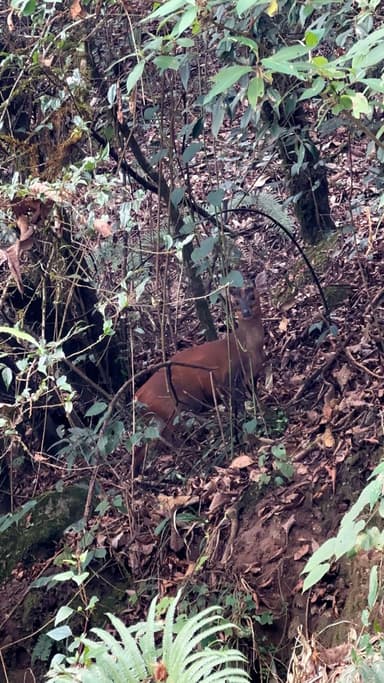
  • Hike through lush rhododendron, oak, and pine forests, home to diverse wildlife and bird species.
  • Enjoy the Sundarijal waterfall and crystal-clear streams along the trail for a refreshing experience.
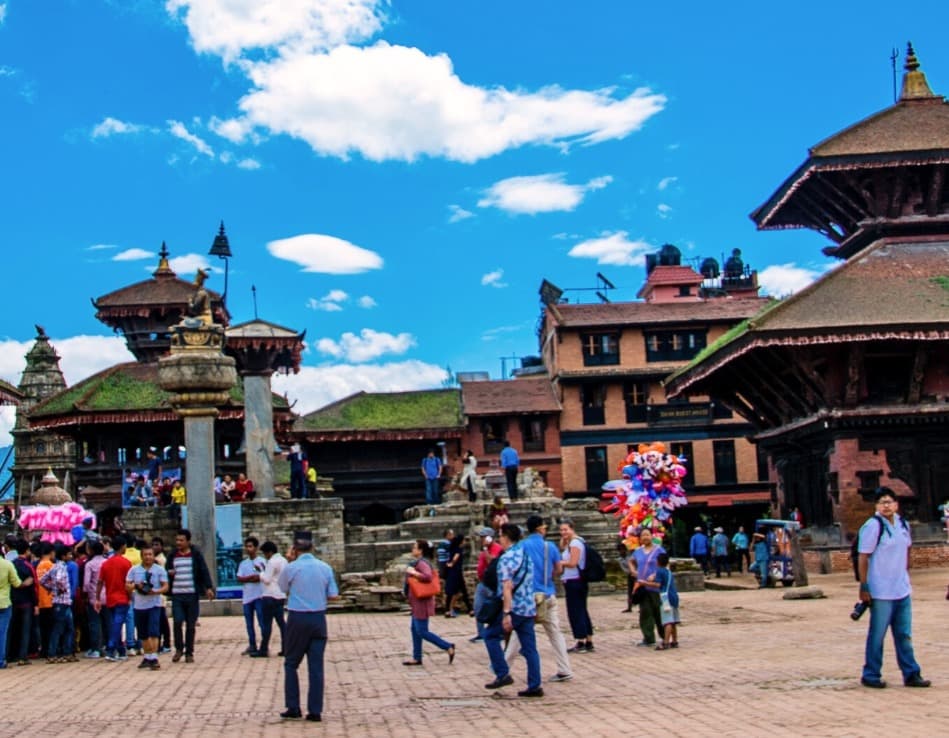
  • Pass through Mulkharka and other Tamang & Newar villages, experiencing local traditions and hospitality.
  • A quick and scenic escape just an hour’s drive from Kathmandu, ideal for a one or two-day adventure.

Overview

Chisapani Nagarkot Hiking is the best short trek near Kathmandu that lets you experience an elegantly decorated Himalayan tapestry, with a glorious sunrise and sunset views casting their ethereal rays over the ivory peaks. The journey encompasses the unique traditions and cultures of the people residing along the trail. The trek offers an easy trekking route in Nepal, letting you trudge through the fluorescently rich acres of woods and jaded forests, creating an excellent green canopy for travelers. Ebullient rivers and jovial streams accompany the trail, all incorporated into the region's peaceful atmosphere. Chisapani Nagarkot Hiking is one of the best short hiking packages that allow you to experience the quintessence in the most beautiful way possible.

Starting the tour with a drive from Kathmandu to Sundarijal, you will enter the verdant area of Shivapuri National Park, a habitat for several endangered wild animals and flora. The excursion along the Shivapuri National Park is filled with beautiful scenery of natural quirks and quiddities. You might even catch rare glimpses of animals within the vibrancy of the forests. Walking by the Mulkharka village occupied by the traditional Tamang people, you will observe their unique cultures and customs up close. Upon reaching Chisapani, you will further interact with the inhabitants of the place occupied mainly by Brahmin, Sherpa, and Gurung people. The village of Chisapani also presents a beguiling view of the Himalayan range.

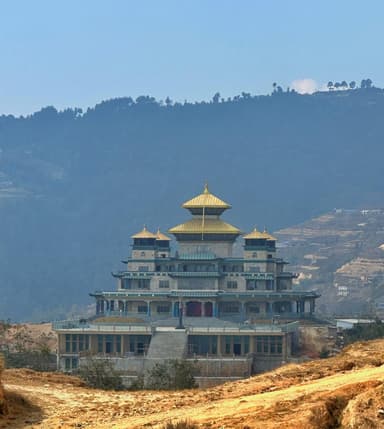
On the way to Nagarkot, witness a breathtaking sunrise over the Himalayas. Watch as the golden sun illuminates the snow-capped peaks, creating a magical landscape. You can see Kanchenjunga Himal on the east of Nagarkot and Dhaulagiri on the west. Hiking to Changu Narayan, you can look at one of the oldest temples dedicated to Lord Vishnu, ornamented lavishly with intricate carvings and an idol of God inside. The experience of trudging along the trails that present marvelous sights of mountain peaks adorned with the lushness of the land and the incorporation of the traditions and cultures of the people, and the emergence of holy temples and places of worship, is quite enjoyable and provides insight at the idiosyncratic quiddities of the region.

Chisapani Nagarkot Hiking Tour, designed by Escape Himalaya, is one of Nepal's most thrilling sightseeing tours that bestows an exciting experience. It will be an unforgettable experience that Escape Himalaya presents to you. Escape Himalaya provides an excellent rendering of services to its customers, and we ensure that our customers get the optimal context on their journeys. The Nagarkot Chisapani Hiking Tour package is designed carefully, keeping the satisfaction of our customers in mind. At the same time, the package also incorporates all of the beautiful natural and cultural quintessence of Nagarkot in a relatively short amount of time. Join us in this beautiful adventure, where you can experience the aesthetically pleasing magnificence of the mountain peaks, the alluring natural wonders of the valley, and the myriad of cultural settlements in the Nagarkot Chisapani Hiking Tour Package with us! You can also opt for our Kathmandu Day Tour Package as well.

Why Choose Chisapani Nagarkot Hiking

Stunning Himalayan Views: Witness the breathtaking sunrise and sunset over Mount Everest, Langtang, Ganesh Himal, and Dorje Lakpa.

Diverse Landscapes: Hike through lush rhododendron forests, terraced fields, and rolling hills.

Cultural Immersion: Experience the unique lifestyles of Tamang, Sherpa, Brahmin, and Gurung communities along the trail.

Tranquil Environment: Escape the city’s hustle and enjoy the serene beauty of rivers, waterfalls, and wildlife in Shivapuri National Park.

Short & Rewarding Trek: Ideal for beginners and time-conscious travelers looking for an authentic trekking experience near Kathmandu.

Stunning Himalayan Views & Sunrise Experience

Wake up to a breathtaking sunrise over the Himalayan range, as golden rays illuminate peaks like Langtang, Ganesh Himal, and Everest. From Chisapani and Nagarkot, enjoy unobstructed panoramic views of snow-capped mountains stretching across the horizon. The changing hues of dawn create a magical and serene atmosphere, making this trek a photographer’s paradise and a must-experience for nature lovers.

Best Time for Chisapani Nagarkot Trek

Spring (March to May): Blooming rhododendrons and clear mountain views.

Autumn (September to November): Crisp weather with stunning visibility.

Winter (December to February): Chilly but offers a unique snowy landscape.

Entry Permit for Shivapuri National Park 

Shivapuri Foreigners Permit
Shivapuri National Park Permit for Foreigners

Those who want to hike the Chisapani Nagarkot trail from Sundarijal need to have a permit for entry to Shivapuri Nagarjun National Park, as the route goes through the park, which is a protected conservation area. The permit costs NPR 1000 for foreigners and NPR 100 for nationals of SAARC countries, and it is payable at the park entry checkpoint in Sundarijal before the hike starts. Since no other trekking permit or special restricted area permit is required for this route, it is probably one of the least complicated hikes coming from Kathmandu. You should carry your permit at all times during the hike, as there are places on the trail where officers may check it.

Meals and Accommodation at Chisapani
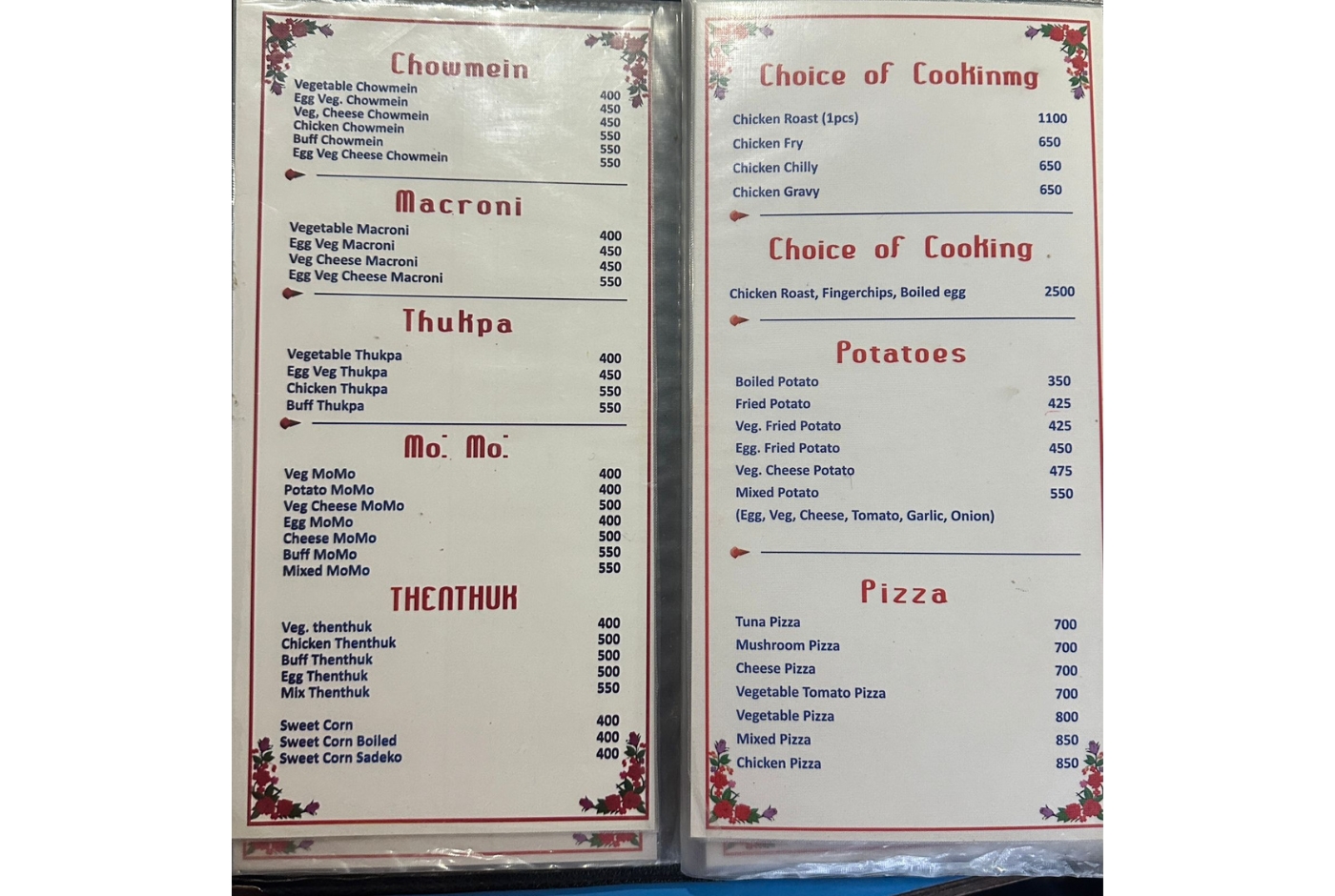
Nagarkot Food and Accomodation
Menu at GuestHouse in Chisapani

Facilities at Chisapani involve ordinary but nice local teahouses and guesthouses run by warm and hospitable Nepali families, which can provide twin or double-sharing rooms with cozy blankets and clean bedding. Food is simple, healthy, and freshly made. You might get a familiar spread of classic Nepali dal bhat (rice and lentils), noodles, chapati, bread, soups, and eggs, served with hot tea and coffee to get your mornings going. Although the facilities are quite limited when compared to city hotels, they essentially give you the genuine mountain village experience that is the real charm of this trek.
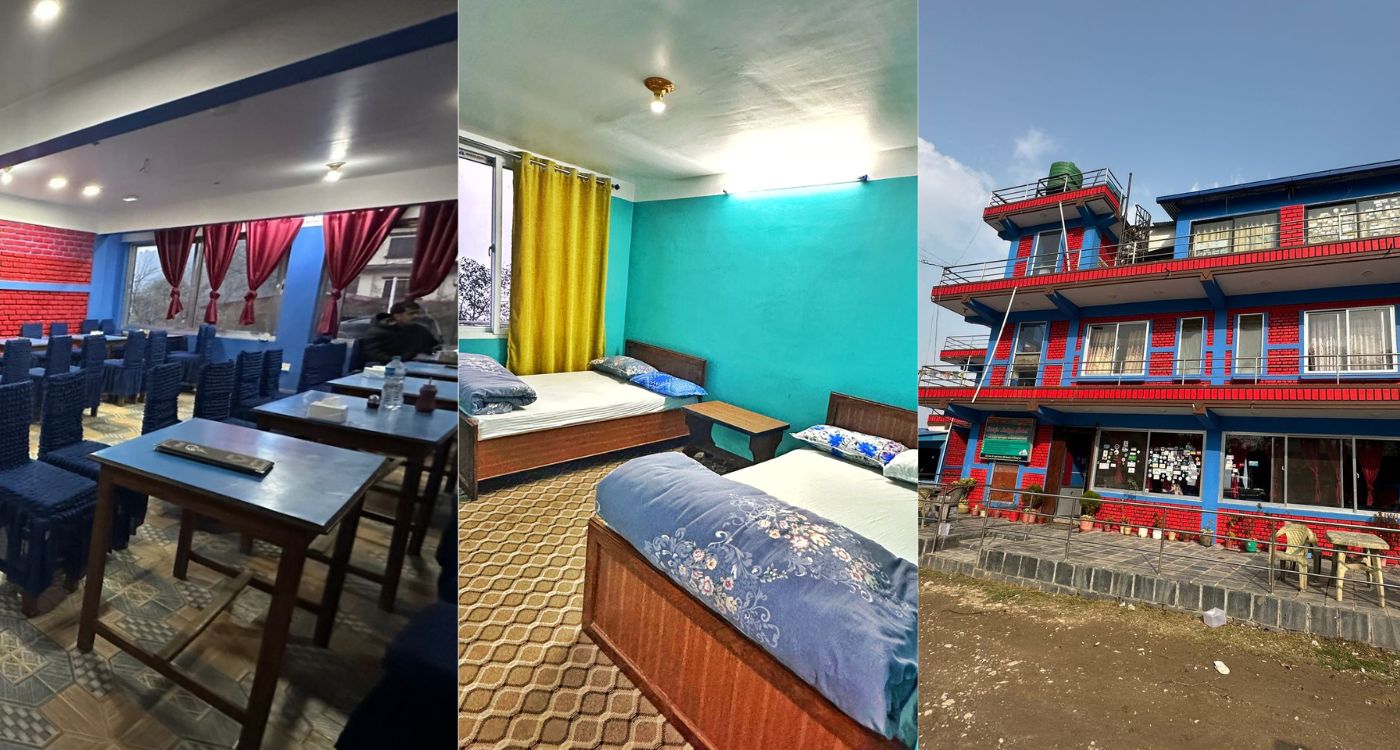
1
Accomodation During Nagarkot Chisapani Hiking

Escape Himalaya offers you breakfast, lunch, and dinner throughout the trek so that you can fully immerse yourself in the natural beauty without the least concern about food.

Total Hiking Distance for the Three Days

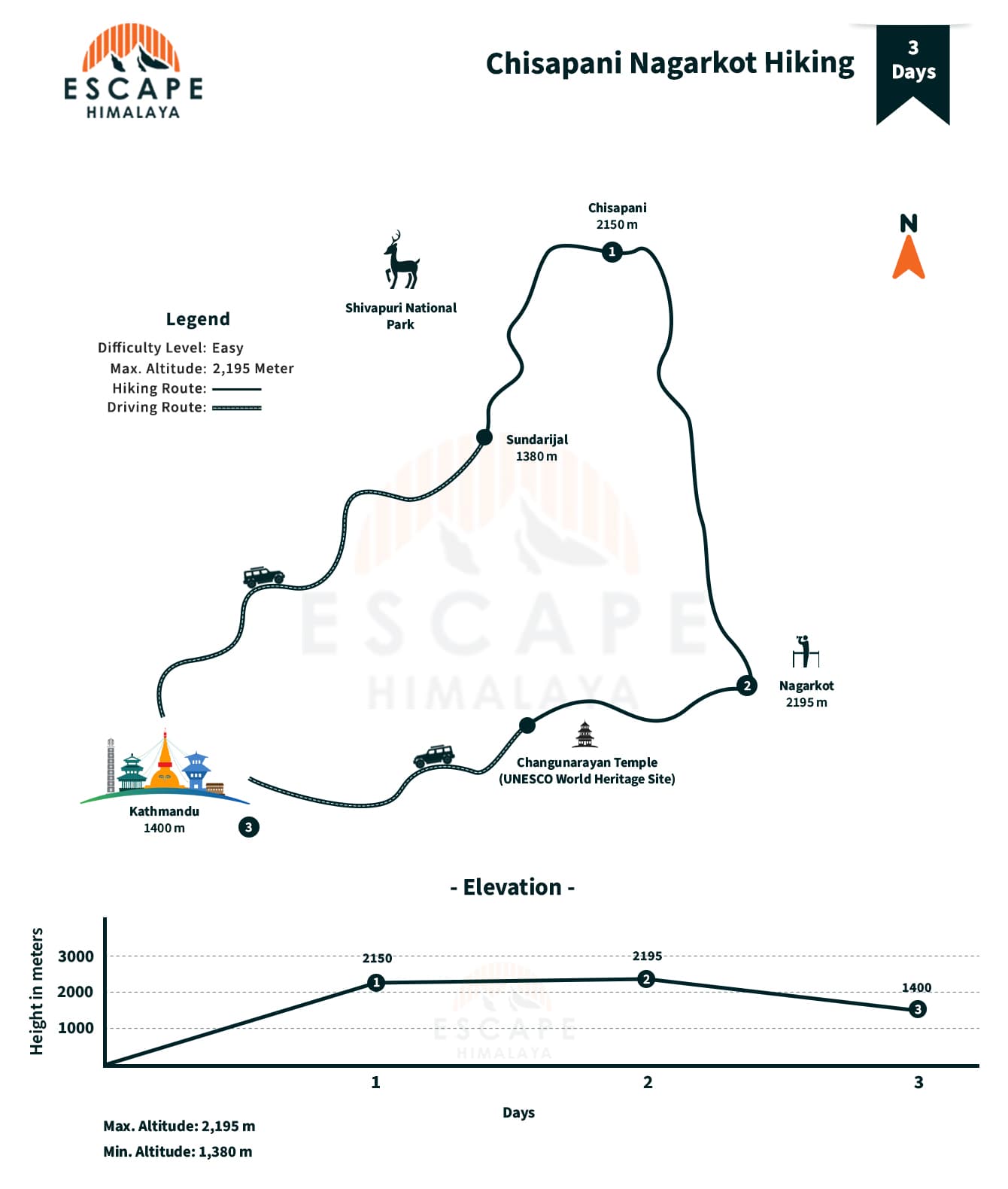
The Chisapani Nagarkot Hiking trail is a three-day trek that includes a total trekking distance of slightly over 45-50 kilometers and is a fairly short hike, which can be done by novices as well as experienced trekkers. On the first day, a trek from Sundarijal to Chisapani is around 10 to 11 km via the dense forests of Shivapuri National Park and takes about 5 hrs. On the second day, the trek goes along the route from Chisapani to Nagarkot via Chauki Bhanjyang, covering 11-12 km in 6 hrs with gradual ascents and beautiful, wide ridgeline views. The third day's hike from Nagarkot to Changu Narayan is an easy 6-7 km descent and takes about 3 hour,s after which you will be back in Kathmandu by vehicle.

Preparation hike before the high mountain trekking

People turning to the Chisapani-Nagarkot Hiking Trail as a prep walk before embarking on big Himalayan high-altitude treks like Everest Base Camp, Annapurna Circuit, or Langtang Valley are quite unanimous about it. At just a little over 2,000 meters in elevation, the trail effectively prepares your body for the mild altitude by gradually getting it used to working in oxygen-depleted environments, while the two days of consecutive walking help condition your legs, lungs, and overall stamina. Besides being an ideal test of your fitness and gear, from trekking boots and poles to your backpack weight and hydration, it is none of those things that are in focus but the actual risk of high altitude. Should you be comfortable and delighted with this trail, longer and more challenging Himalayan expeditions with Escape Himalaya will be waiting for you with open arms.

Why Book with Escape Himalaya

Escape Himalaya offers a well-organized trekking experience with expert guides, comfortable accommodations, and personalized services. Our Chisapani to Nagarkot hiking itinerary is designed to maximize your adventure while ensuring safety and comfort.

Ready to explore the best short trek near Kathmandu?

Book your Chisapani Nagarkot Hiking Tour today for an unforgettable adventure!

Detail Itinerary

Expand all +

If the provided schedule isn't suitable for you, we are able to create personalized travel arrangements according to your preferences and requirements.

Chisapani Nagarkot Hiking Route Map

Chisapani Nagarkot Hiking Map

Good to Know

What You'll Find Inside Shivapuri National Park

Before you start walking, you'll need to pay for a park entry permit at the Sundarijal checkpoint. The cost is NPR 1,000 for visitors from outside Nepal and NPR 600 for visitors from SAARC countries. The park has documented 318 different bird species over the years, and there's a good chance you might see the spiny babbler during your walk. This particular bird doesn't exist anywhere else on Earth, which makes spotting one pretty special. The park is also home to Himalayan black bears, leopards, and barking deer, although these animals tend to stay away from the main trails. Your best opportunity to see wildlife is early in the morning, when the forest is just waking up. The vegetation changes quite a bit as you gain elevation, starting with warmer-climate plants near Sundarijal and transitioning into beautiful pine and oak forests by the time you reach Chisapani.

2. Why Changu Narayan Temple Matters

The temple you'll visit at the end of your trek has stood since the 4th century, making it the oldest Hindu temple in Nepal. What survived centuries of weather and time sustained some damage during the 2015 earthquake, but restoration work returned it to its former beauty by 2017. There's a stone inscription here from 464 AD that historians consider the country's oldest written record. The temple courtyard displays stone sculptures created by master craftsmen between the 5th and 12th centuries, and one of these carvings appears on Nepal's 10-rupee note today. You won't be able to enter the inner prayer area where the statue of Lord Vishnu sits because that space is reserved for priests only. However, walking around the courtyard gives you plenty to see, and the age of everything around you really hits differently when you remember some of these stones were carved 1,500 years ago.

3. Life in the Tamang Villages You'll Pass Through

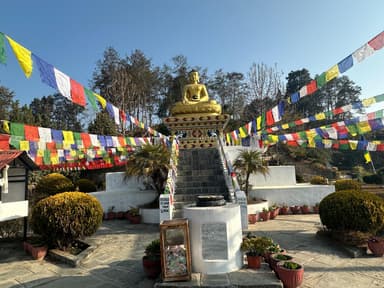
The Tamang people you'll meet during your trek represent about 5.8% of Nepal's total population, and their way of life connects deeply to Tibetan Buddhism. Walking through their villages, you'll notice houses built from stone with wooden details that have lasted for generations. If you're trekking in February, you might catch their Lhosar celebrations, which mark the Tibetan New Year with music and traditional dances featuring the damphu drum. Families here are known for being incredibly generous with visitors, and it's common for someone to offer you a cup of raksi when you stop to rest. This is their homemade alcoholic drink, and taking a small sip shows respect for their hospitality without requiring you to finish the entire serving. Before you take anyone's photo, ask first, as some people prefer not to be photographed. Remember to remove your shoes when entering someone's home or visiting a monastery, and a friendly "Namaste" will open doors everywhere you go.

4. Picking the Right Season for Your Trek

Autumn months from September through November give you the most reliable weather, with daytime temperatures sitting comfortably between 15-20°C and skies that stay clear for days at a time. This is when you get those postcard-perfect views of the mountains without any clouds or haze blocking your sight. Spring season (March to May) brings almost identical temperatures, but the real attraction is watching the rhododendron forests burst into color with deep reds, soft pinks, and bright whites covering the hillsides. You might get some afternoon clouds during spring, but mornings are usually crystal clear. Winter trekking between December and February means dealing with cold mornings that can drop down to 2-5°C, so packing warm layers becomes necessary, but the payoff is some of the sharpest mountain visibility you'll ever see. Whatever you do, skip June through August when monsoon rains turn the trails into mud, bring out the leeches, and hide the mountains behind thick clouds. If you want to catch that famous sunrise at Nagarkot, plan to wake up around 4:30 AM during autumn or spring so you're in position when the sun starts painting the peaks.

5. Where You Sleep and What's on the Menu

Chisapani keeps things straightforward, with guesthouses that prioritize function over luxury. The rooms are clean but simple, bathrooms are shared among guests, and hot water comes from either buckets or solar panels, depending on the weather. Meals are held in a common dining area where everyone sits together, and the kitchen serves authentic Nepali dishes such as dal bhat, momos, and thukpa. Moving on to Nagarkot feels like stepping into a different world because tourism development has brought in proper 3-star hotels with private bathrooms, beds that don't creak, and showers with reliable hot water from gas heaters. The menus expand here too, offering both traditional Nepali dishes and Western options for anyone craving something familiar. Most places have Wi-Fi available, though the connection speed won't impress anyone, especially when all the rooms are occupied. 

6. How Fit Do You Need to Be

This trek is suitable for people with basic fitness who can walk for several hours without running out of steam. Families bring their kids along regularly, as long as the kids are at least 8 years old. Day one presents the biggest physical challenge because you're climbing roughly 800 meters from Sundarijal to Chisapani, and it takes about 5 hours, with sections steep enough to slow you down and make you breathe hard. The second day covers more distance at 14-16 kilometers over 6 hours, but the trail mixes uphill sections with downhill walking, so your muscles get different types of work throughout the day. Your final day descends mostly downhill toward Changu Narayan for about 3 hours, which feels easier on your breathing but can be surprisingly hard on your knees if you're not used to downhill hiking. Trekking poles help tremendously on these descents. You don't need any special technical skills or prior mountain experience, though having hiked before certainly makes things smoother. Getting your legs ready by walking 2-3 hours a day for a week before departure puts you in good shape for what's coming.

7. Permits, Hiring Help, and Being Respectful

The only permit you need is the NPR 1,000 entry fee for Shivapuri National Park, and there are no other bureaucratic requirements for this particular route. You can walk these trails on your own since the paths are clearly marked, but hiring a guide for USD 25 per day adds significant value through their knowledge of the area's history and culture. A porter costs about USD 1,8-20 per day and can carry 15-22 kilograms for two trekkers, freeing you to enjoy the walk without a heavy pack on your back.  Understanding local customs makes your interactions better for everyone involved. Always take off your shoes before entering someone's home or a temple. Use your right hand when you're giving something to someone or receiving anything from them. Ask before taking photos inside any religious building, as some places don't allow cameras. When you buy handicrafts from village shops or eat at family-run teahouses, that money goes directly to local families rather than larger companies based in Kathmandu.


Travellersā€˜ Reviews

  • Sheryl Ang

    14th Dec 2024

    Gorgeous Views!

    Excellent trekking experience with Escape Himalaya to Kala Patthar! Everything went seamlessly, and my guide ensured we were safe and comfortable at all times, even in the high altitude. Will definitely choose EH again when I am back in Nepal for more hiking! The country is so beautiful and just has so much to offer!

  • Tony W

    18th Apr 2024

    Amazing Manaslu Circuit with Phurba & Ram

    Just back from a fantastic 2 week trek around the Manaslu Circuit including Larke Pass (5100m). The weather was perfect and the views were outstanding!!

    Our guide Phurba Sherpa was excellent. Super knowledgeable and helpful at all times and always made sure we had a fantastic trip.

    Our porter, Ram Badhadur Magar was also a rockstar. He was super professional and always arrived before us every day. He was also super friendly and helpful too.

    Thanks to Phurba, Ram for always smiling and for a fantastic trip. Would highly recommend them to anyone interested in trekking in Nepal

  • Kevin P

    3rd Apr 2024

    Everest base camp trek - Mar-Apr 2024

    My 60 year old pals set out in hope on this adventure. In late March. We had our guide Raj Kumar and two porterd Janak and Ramesh. All three were stars. We changed our schedule - no problem. I would not have made it without Raj. I cannot thank him enough. Janak often took my back pack on steep climbs where I was struggling. This is a truly majestic and spiritual trek and I would encourage using Escape Himalaya and request this team of guide and porters if you want to give yourself the best chance of finishing and making best use of your time.

FAQS

Expand All (9)