Best Time for the Poon Hill with Mardi Himal Trek
Spring – March, April, May (Best Season)
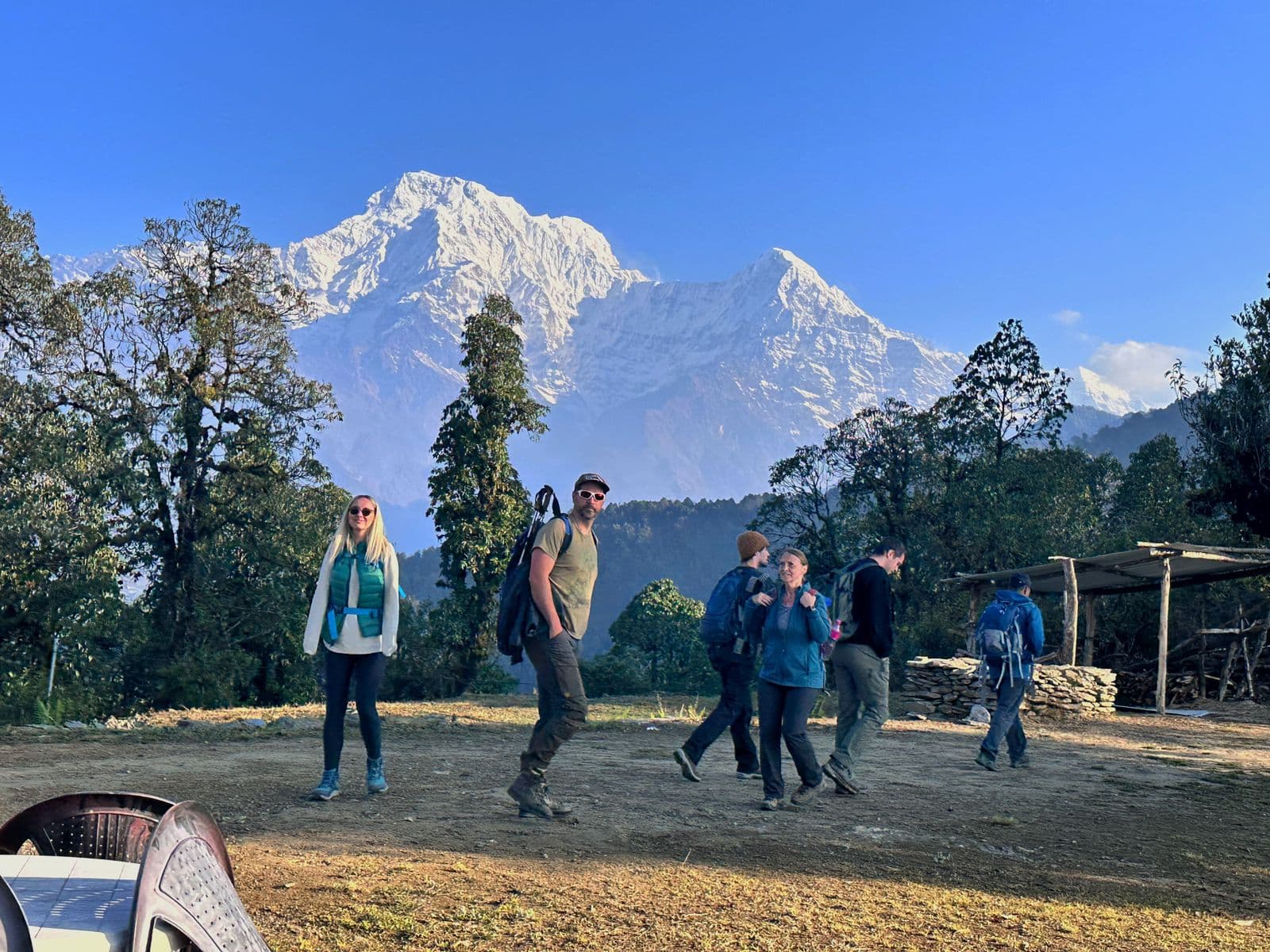
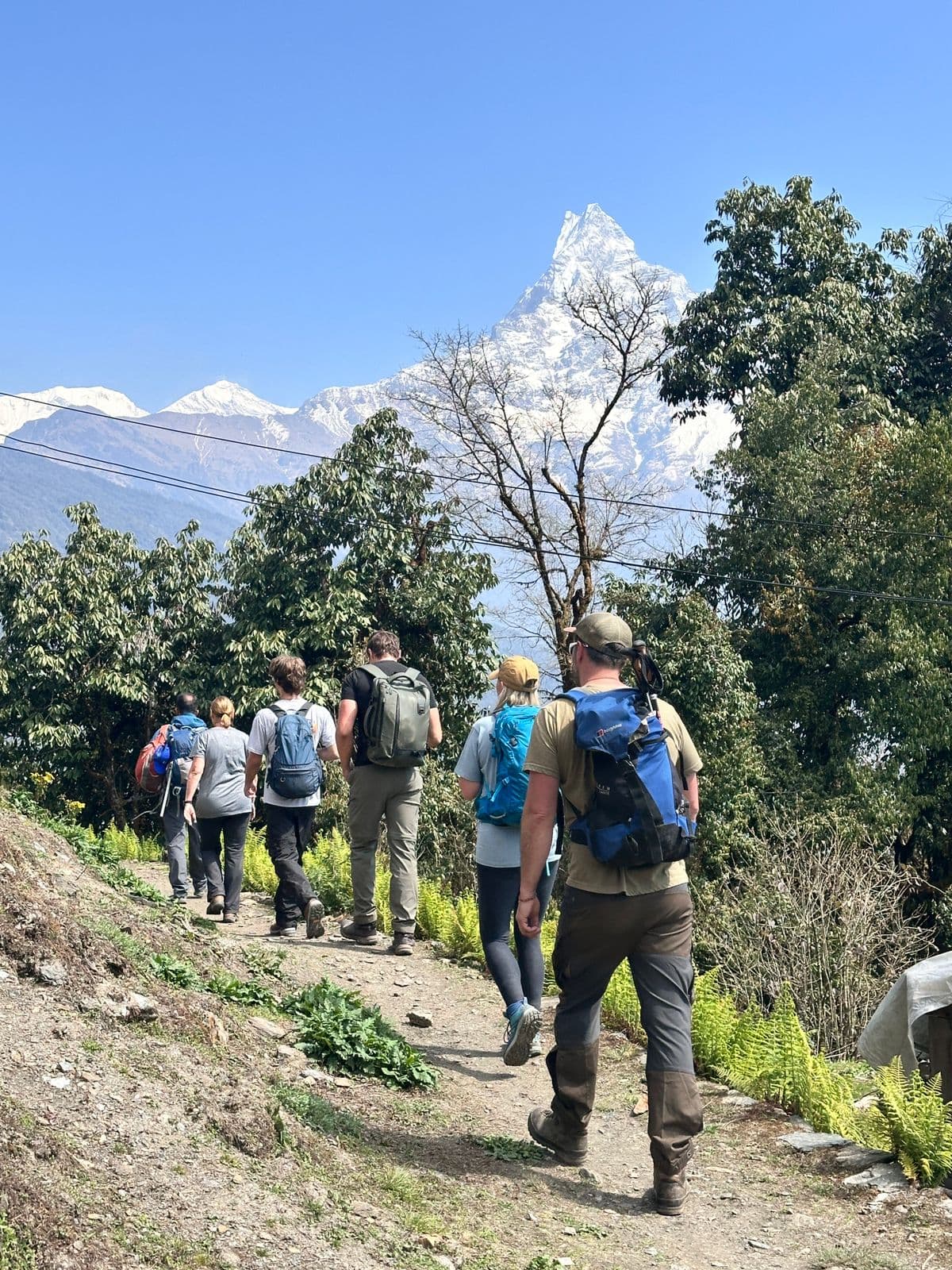
Spring is the finest time to do this trek. The rhododendron forests between Ulleri and Ghorepani, and along the entire Mardi Himal ridge, are in spectacular full bloom, red, pink, and white flowers covering the hillsides from mid-February through April. Temperatures are comfortable at all elevations, mountain views are consistently clear, and the trail is alive with colour and birdsong. March and April are particularly magical.
Autumn – September, October, November (Best Season)
Post-monsoon autumn delivers the clearest mountain views of the year. The air is freshly washed, the peaks are sharp and vivid, and the trails are in excellent condition. October is the single busiest and most celebrated trekking month in Nepal. Book accommodation and guides well in advance. November is quieter, slightly colder, and equally beautiful.
Winter – December, January, February (Good with Preparation)
The Poon Hill and Mardi Himal trails are accessible in winter and offer the reward of quiet, uncrowded trails and extraordinarily clear-sky photography. Temperatures at Poon Hill and High Camp drop well below zero overnight, and mornings on the ridge can be bitterly cold; proper layering is essential. Snow is possible above 3,000 metres from December through February. This is not a beginner's winter trek but is very doable with the right gear and an experienced guide.
Monsoon – June, July, August (Not Recommended)
Heavy daily rainfall, muddy trails, persistent cloud cover obscuring mountain views, and leeches below 2,500 metres make the monsoon months the least suitable for this trek. The Mardi Himal ridge in particular becomes slippery and challenging in wet conditions. If you must travel in this period, July and August, on the Mardi Himal upper ridge, receive less rain due to the terrain and can still deliver occasional clear mornings.
Difficulty Level and Fitness
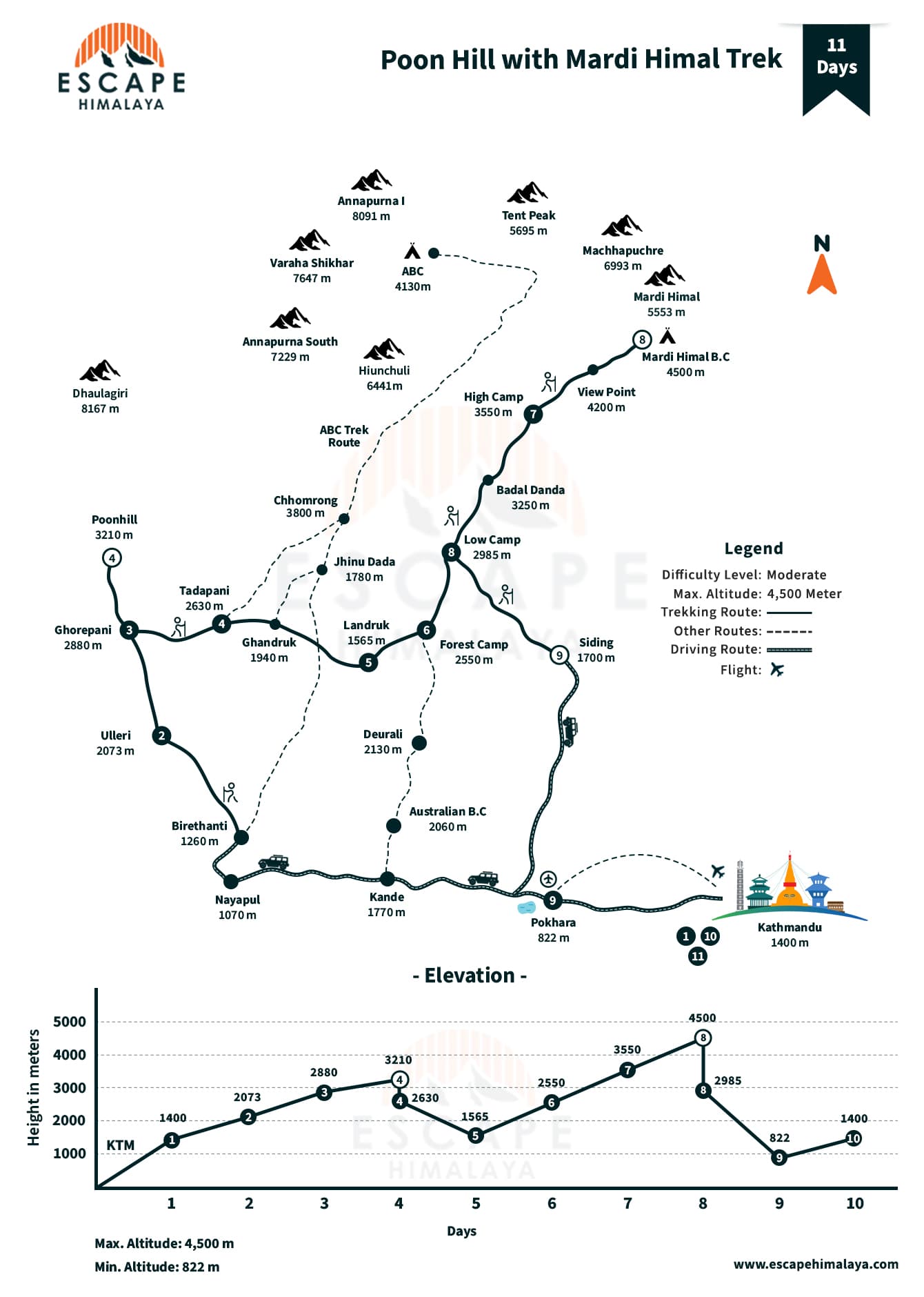
The Poon Hill with Mardi Himal Trek is graded moderate and is accessible to any physically fit adult who exercises regularly. No technical climbing skills, mountaineering experience, or prior Himalayan trekking background is required. The two most demanding sections are the steep stone staircase ascent to Ulleri on Day 2 and the high ridge climb to High Camp and the Mardi Himal Viewpoint on Days 7 and 8. Both are manageable with a steady pace and proper hydration.
Begin light training four to six weeks before departure: daily stair climbing, hill walks with a loaded daypack, and 30 to 45 minutes of cardio three times per week will prepare your legs and lungs for the trail. Trekking poles are highly recommended; they protect your knees on the long descents from Poon Hill and from the Mardi Himal ridge and make the uphill sections significantly easier.
Why Trek with Escape Himalaya
Nearly a Decade of Experience. Escape Himalaya has been guiding trekkers safely through the Annapurna region for close to ten years. Our TripAdvisor Certificate of Excellence and consistent five-star reviews reflect a long track record of doing things properly.
Guides Who Know Both Trails. Our trek leaders have walked the Poon Hill and Mardi Himal routes dozens of times in all seasons. They know the best teahouses, the finest viewpoints, where the rhododendrons peak first, and how to read the weather on the Mardi Himal ridge.
Health & Safety First. Every guide carries a pulse oximeter and monitors your health each evening. We carry first aid supplies, altitude medication, and maintain contact with our Kathmandu office throughout the trek. Your safety is never an afterthought.
Guaranteed Departures. Every confirmed booking runs, even for solo travellers. We never cancel because a group is small.
Fully Customisable. Want to add a Kathmandu city tour? Extend your Pokhara stay? Add a helicopter return from Mardi Himal? We will build the itinerary around your preferences. Contact our team to discuss.
Frequently Asked Questions(FAQs)
Is this trek suitable for beginners?
Yes, the Poon Hill with Mardi Himal Trek is one of the best options for first-time Himalayan trekkers. It does not require prior high-altitude experience; the maximum elevation of 4,500 metres is manageable with basic acclimatisation, and the trail is well-marked and well-serviced throughout. The key requirement is reasonable physical fitness and a willingness to walk 5 to 8 hours on some days.
How is this trek different from just doing Poon Hill alone?
The standard Poon Hill trek takes 4 to 5 days and covers the Ghorepani area only. This 11-day combination continues from Poon Hill onto the completely separate Mardi Himal ridge trail, a wilder, less-crowded route that adds the Mardi Himal Viewpoint at 4,500 metres and an entirely different landscape and experience. You get two iconic Annapurna viewpoints, two distinct trail characters, and a much more complete picture of the Annapurna region in a single trip.
How crowded are the trails?
The Poon Hill section, particularly between Ghorepani and Poon Hill, is one of the busiest trekking routes in Nepal, especially in October and March. The Mardi Himal section is significantly quieter. Above Forest Camp, the trail feels genuinely remote, and the High Camp and Viewpoint area sees a fraction of the foot traffic of the main Annapurna routes. This contrast is one of the great pleasures of combining the two trails.
What is the food like on the Mardi Himal trail?
Teahouses along the Poon Hill section offer a wide variety of meals, dal bhat, pasta, soups, momos, porridge, and freshly baked goods. On the Mardi Himal ridge above Forest Camp, the teahouses are simpler and the menu more limited, typically dal bhat, noodle soups, omelettes, and basic snacks. The food is always freshly cooked and perfectly adequate for trekking energy needs. We recommend embracing dal bhat above 3,000 metres as your primary fuel; it is nutritious, hot, and comes with free refills.
Can I do this trek in winter?
Yes, with proper preparation and packing list. The trail is accessible in December, January, and February, but temperatures at Poon Hill and High Camp drop well below freezing overnight and in the early mornings. Snow above 3,000 metres is possible. Ensure you have quality cold-weather clothing and that your boots are waterproof and insulated. The reward is a peaceful, uncrowded trail and exceptionally clear sky photography on good days.
Is the Kathmandu to Pokhara flight included?
Yes, the domestic flight from Kathmandu to Pokhara on Day 2 is included in the package price. The return from Pokhara to Kathmandu on Day 10 is by tourist bus (also included). If you prefer to fly back from Pokhara to Kathmandu, this is available at an additional cost of approximately USD 115 per person.
How much spending money do I need on the trail?
Budget approximately USD 8-15 per day for personal expenses, hot showers, device charging, Wi-Fi, cold drinks, and personal snacks. Withdraw all the cash you need in Pokhara before the trek starts, as there are no ATMs on either the Poon Hill or Mardi Himal trail sections. Carry Nepali rupees only.
What are appropriate tips for guides and porters?
Tipping is not obligatory but is genuinely appreciated and forms an important part of income for trekking staff in Nepal. General guidelines: lead guide USD 7–10 per trekker per day; porter USD 4–6 per trekker per day. Tips are given at the end of the trek during the farewell in Pokhara or Kathmandu.
What is the difference between the Poon Hill Trek and the Mardi Himal Trek?
The main difference between the two treks is the level of difficulty and the mountain experience they offer. Poon Hill is a shorter, easier trek known for its famous sunrise viewpoint, while Mardi Himal is a higher-altitude trek that offers closer views of the Himalayas and a more adventurous experience.
Which trek is better for beginners?
Poon Hill is generally the better choice for beginners. The trail is well-established, the altitude is lower, and the daily walking distances are manageable. Mardi Himal can also be completed by beginners, but it requires better fitness and preparation due to steeper trails and higher elevation.
How many days do I need for the Poon Hill and Mardi Himal Treks?
Most trekkers complete the Poon Hill Trek in 4 to 5 days. The Mardi Himal Trek usually takes 5 to 7 days, depending on the itinerary and trekking pace. Travellers with limited time often choose Poon Hill, while those seeking a longer adventure prefer Mardi Himal.
Which trek offers the best mountain views?
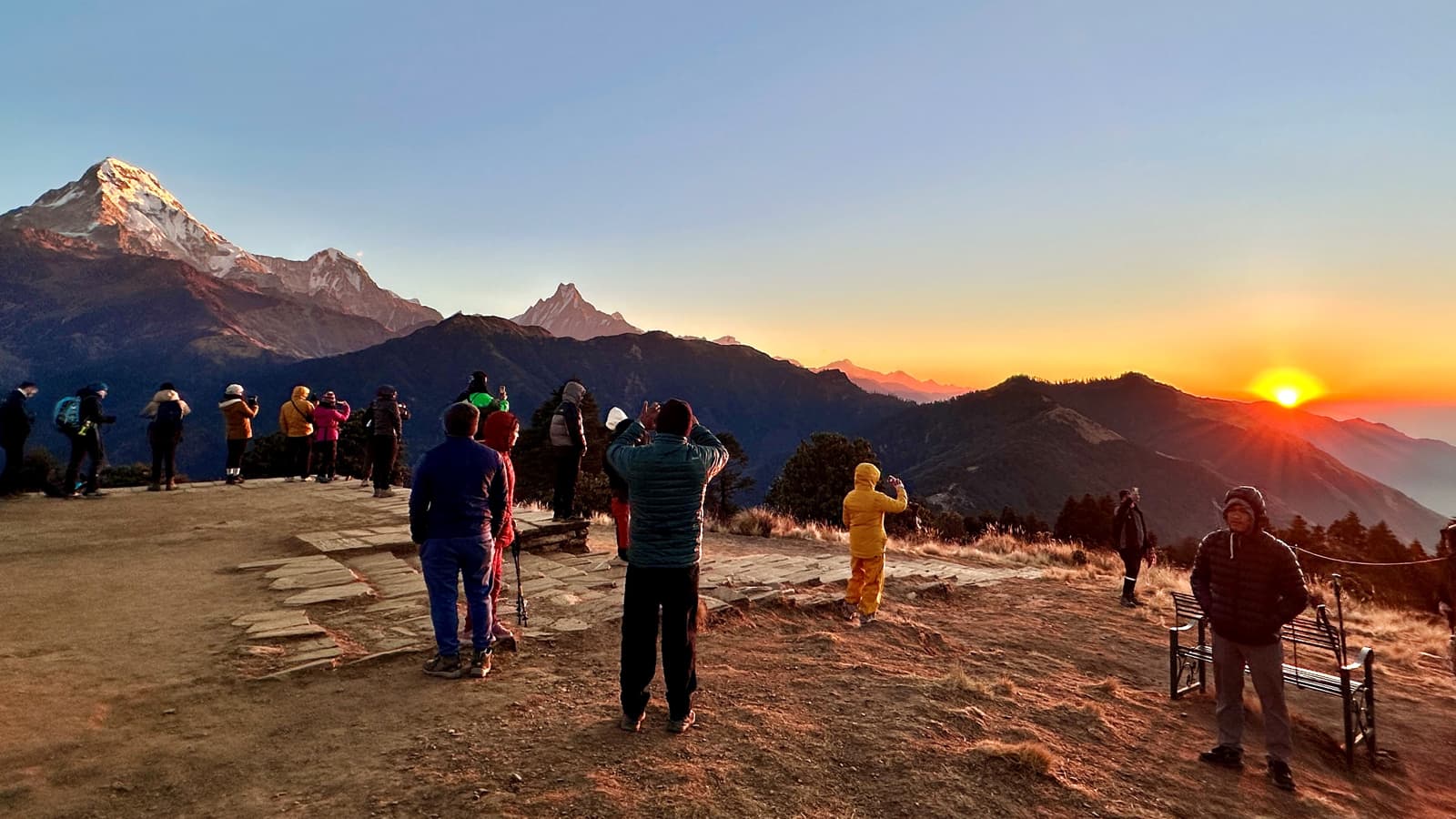
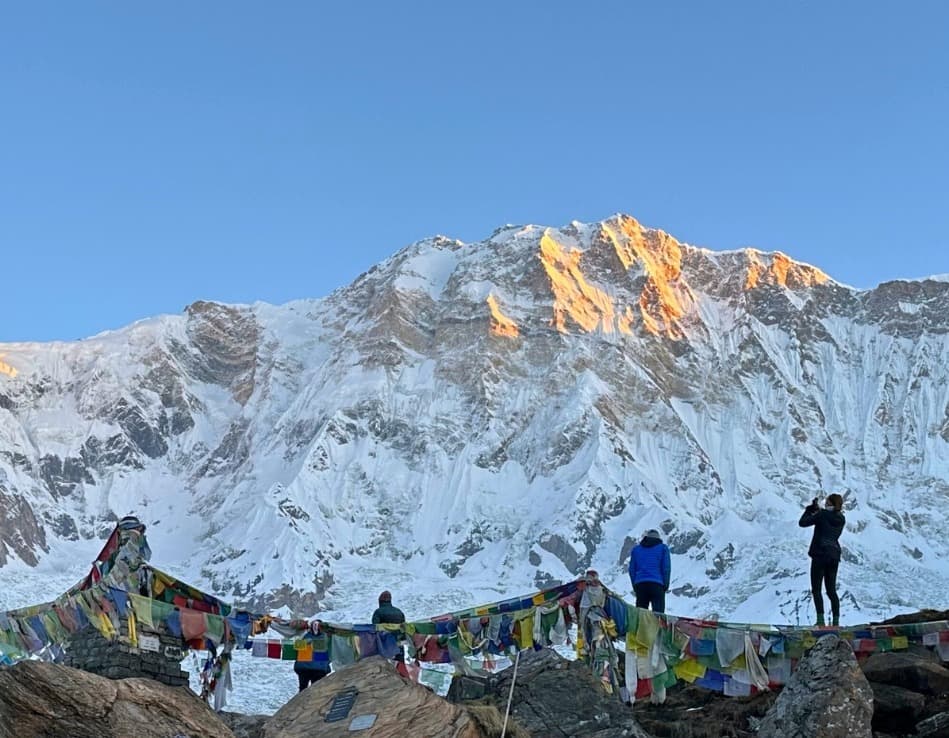
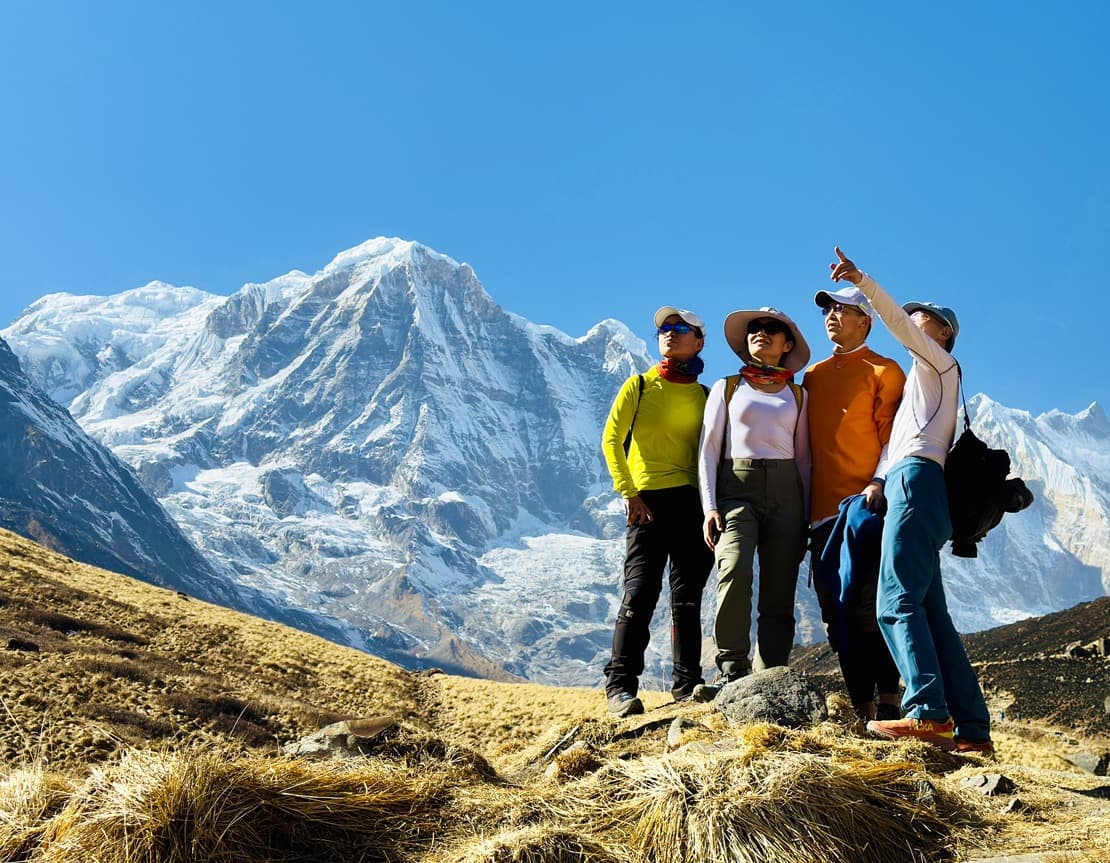
Both treks offer spectacular Himalayan scenery. Poon Hill is famous for panoramic sunrise views of Annapurna and Dhaulagiri, while Mardi Himal provides closer views of Machhapuchhre (Fishtail), Annapurna South, and Hiunchuli. Many trekkers consider Mardi Himal to have more dramatic close-up mountain views.
Is altitude sickness a concern on these treks?
Altitude sickness is uncommon on the Poon Hill Trek because the highest point is 3,210 meters. On the Mardi Himal Trek, which reaches approximately 4,500 meters, trekkers should be aware of altitude-related symptoms and ascend gradually.
What is the best time to trek Poon Hill and Mardi Himal?
The best seasons are spring (March to May) and autumn (September to November). Spring offers blooming rhododendron forests, while autumn provides clear skies and excellent mountain visibility. Both seasons are ideal for trekking in the Annapurna region.
Which trek is less crowded?
Mardi Himal is generally less crowded than Poon Hill. While Poon Hill attracts many trekkers due to its accessibility and popularity, Mardi Himal offers a quieter and more peaceful trekking experience.
What permits are required for the treks?
Trekkers need the Annapurna Conservation Area Permit (ACAP) to trek both routes. Permit requirements may change, so it is important to check the latest regulations before starting the trek.
Can I do the trek without a guide?
Many trekkers complete these routes with a licensed guide or porter-guide. Regulations and requirements can change, so visitors should verify the latest trekking rules in Nepal before planning their trip.
Should I choose Poon Hill or Mardi Himal?
Choose Poon Hill if you want an easy, short trek with iconic sunrise views. Choose Mardi Himal if you prefer a quieter trail, higher elevations, and closer Himalayan scenery. Both treks are excellent choices and showcase the natural beauty of Nepal's Annapurna region.
Do I need to carry cash on the trail, and are there ATMs available?
There are no ATMs anywhere on either the Poon Hill or Mardi Himal trail. The last place to withdraw cash is Pokhara's Lakeside area before the trek begins. We recommend pulling out enough Nepali rupees in Pokhara to cover all personal spending for the full seven trekking days. A rough daily budget of NPR 800 to 1,200 covers hot showers (NPR 200 to 400 each), device charging (NPR 100 to 300), Wi-Fi, cold drinks, and personal snacks. Cards are not accepted at any teahouse on either trail. What permits are needed, and does Escape Himalaya handle them?
Two permits are required before the trek starts.
The Annapurna Conservation Area Project permit (ACAP) costs NPR 3,000 per foreign trekker, and the TIMS card is handled through the registered agency. Both are checked at the Birethanti checkpoint on Day 2, so they need to be in hand before the trail begins. Getting permits at the trailhead rather than in advance carries a penalty surcharge. Escape Himalaya arranges both permits as part of every package booking, so there is nothing to sort out on the trekker side.
Is this trek safe for solo female trekkers?
Both the Poon Hill and Mardi Himal trails are well-suited for women trekking alone, particularly when booked through a licensed agency with an assigned guide. Escape Himalaya regularly takes solo female trekkers on this route and provides a government-licensed guide on every departure regardless of group size. The teahouses on both trails are run by local families who host trekkers year-round. The upper Mardi Himal ridge is quieter and more remote than the Poon Hill section, which makes having a guide with you on that part especially worthwhile.
Can I arrange a helicopter return from the Mardi Himal section?
Yes. Escape Himalaya can organise a helicopter pickup from the Mardi Himal High Camp area for trekkers who want to skip the long walk back down on Day 8 or need to save time at the end of the trip. This is arranged separately and depends on the weather and availability. The aerial view of the Mardi Himal ridge, Machhapuchhre, and the Annapurna range from a helicopter is genuinely something else and not comparable to anything seen from the ground. Reach out to the Escape Himalaya team to discuss this before or during booking.
What is the difference between the Mardi Himal Viewpoint and Mardi Himal Base Camp?
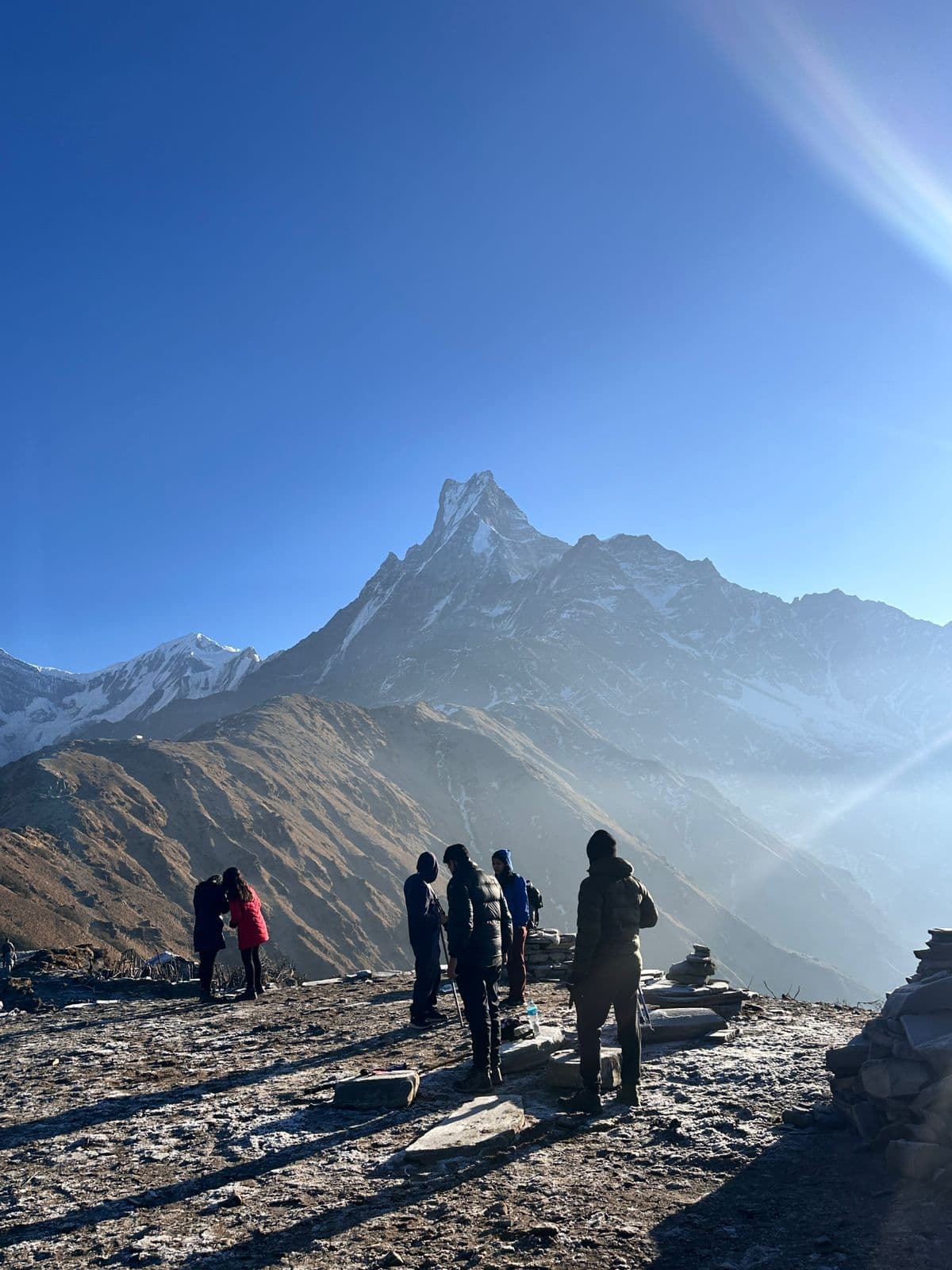
The two names refer to the same place on this trek. The Mardi Himal Viewpoint at 4,500 meters, reached on Day 8 of the Escape Himalaya itinerary, is also widely called Mardi Himal Base Camp. It sits on an open ridge directly below the Mardi Himal summit at 5,587 meters, with a close, unobstructed view of Machhapuchhre filling the sky ahead. The actual technical base camp used for a summit attempt on Mardi Himal would sit higher and requires a separate expedition permit, which is not part of this trek.
The teahouses from Forest Camp through High Camp are simpler than what you find on the busier Poon Hill trail. Rooms are basic twin-sharing. Shared bathrooms are the standard above Forest Camp. Hot showers may be available at Forest Camp for an extra charge, but Middle Camp and High Camp at 3,580 meters typically do not offer them. Escape Himalaya's package includes sleeping bags rated to minus 15 degrees Celsius and a down jacket of the same rating, which makes the cold nights at High Camp perfectly manageable. Pack thermal base layers regardless.
How far in advance should I book, and what is the deposit?
For spring departures (March to May) and autumn departures (October to November), booking 6 to 8 weeks ahead is the safe window. Teahouses on both trails fill fast during peak season, particularly around Ghorepani and High Camp. Escape Himalaya locks in every departure with a 20 per cent deposit at the time of booking. Once that deposit is paid, the departure date is confirmed and guaranteed regardless of how many people are in the group. Solo trekkers get the same departure guarantee as a group of ten.
What should I pack specifically for the High Camp section?
The Mardi Himal ridge above Forest Camp is open, exposed, and considerably colder than the lower Poon Hill trail. Escape Himalaya provides a down jacket and sleeping bag rated to minus 15 degrees Celsius as part of the package, which covers the core warmth requirement. On top of that, pack thermal base layers, a fleece mid-layer, waterproof outer jacket and trousers, warm gloves, a hat that covers the ears, and waterproof trekking boots. Trekking poles are strongly recommended for the steep sections from the viewpoint back down to Low Camp.
What wildlife can I expect to see on the trail?
The Annapurna Conservation Area has a good mix of wildlife spread across the different altitudes on this route. Langur monkeys are commonly spotted in the tree lines in the lower sections between Nayapul and Ghorepani, and barking deer appear in the early mornings. The rhododendron and oak forest on the lower Mardi Himal ridge is the main habitat for Himalayan monal pheasants, Nepal's national bird, which are regularly seen between Forest Camp and Middle Camp. Higher on the open ridge near High Camp and the viewpoint, Himalayan thar, a stocky wild mountain goat with curved horns, live on the rocky slopes.
Can I extend this trek or combine it with another package?
The Poon Hill with Mardi Himal Trek connects naturally to other Annapurna region routes. Trekkers seeking higher altitudes can continue on the Annapurna Base Camp Trek via Landruk and Chhomrong, which branches off where the Mardi Himal trail meets the lower valley. The Annapurna Circuit Trek is another option for those with more time and a higher altitude target. Escape Himalaya can also add a Kathmandu city tour, a Chitwan National Park safari, or extra days in Pokhara around the trek dates. Contact the team to put together a customised plan.