

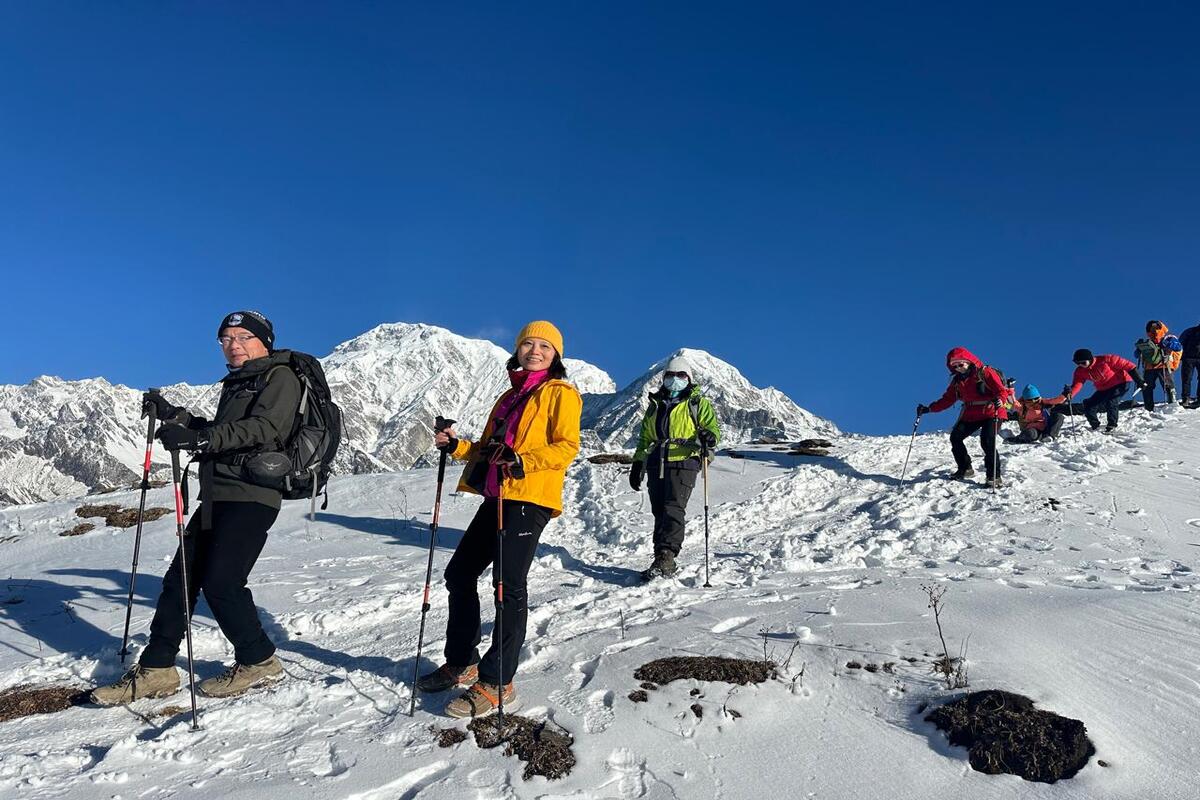
Standing below the revered Machhapuchhre (Fishtail Mountain), witnessing the first rays of sunlight turn the Annapurna massif into a work of art in amber and rose this is the Mardi Himal journey. Moving into 2026, this secret treasure keeps attracting those adventurers who like to go offbeat and avoid the packed trails of the well-known ones.
In case you are dreaming about your first Himalayan adventure or are a trekker with a heap of experience, and want something completely different and refreshing, this comprehensive packing list covers everything you need for Mardi Himal Trek 2026, from essential gear and clothing to permits, preparation, and insider tips that ensure your trek is perfectly planned.
Why Mardi Himal Trek Should Be on Your 2026 Bucket List
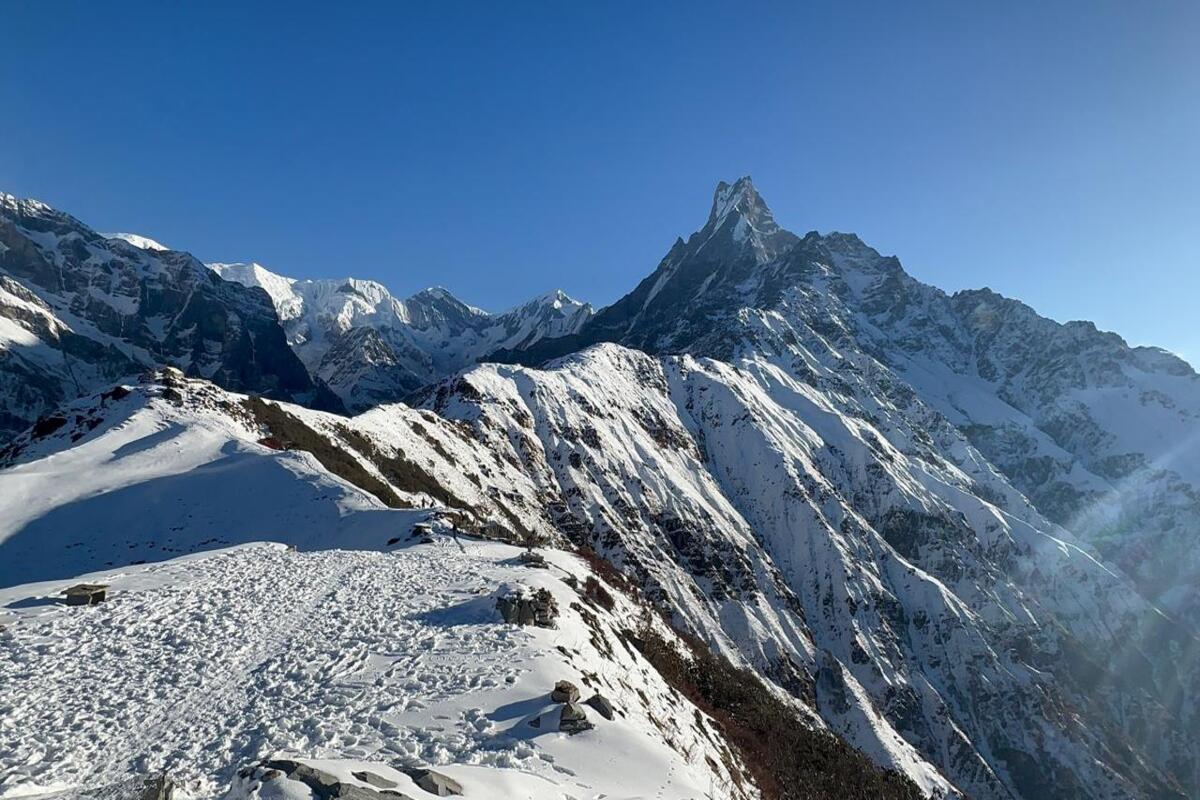
Before we get into the checklist, I want to explain why this trek has become so popular among the trekking community. Officially, this was only allowed for teahouse trekking in 2012 when Mardi Himal was opened. What Mardi Himal really offers is a ridge-walking experience with so you can get a 360-degree view of the Himalayas from the ridge without having to go through the technical difficulties of higher-altitude treks.
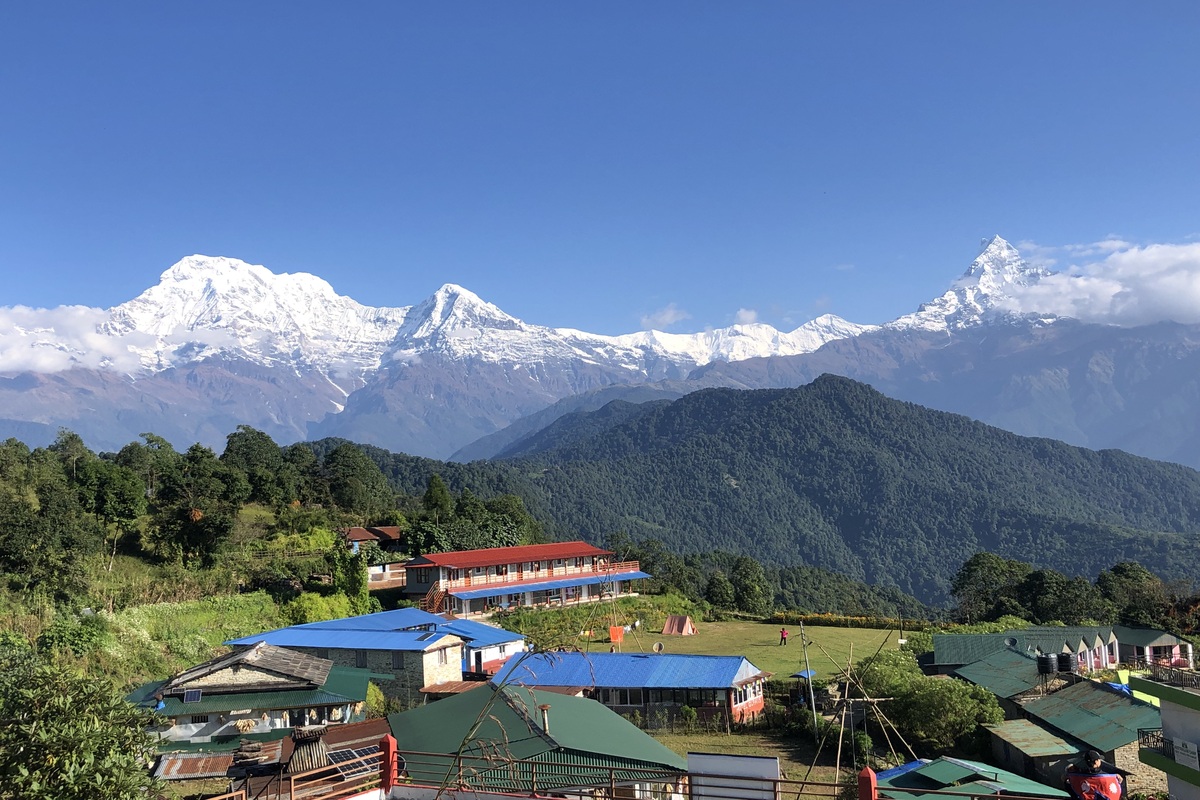
The secret is merely its lonely nature. Whereas other paths will be like the main roads during the peak season, Mardi Himal is still a great place to have peace and quiet. You will have the chance to walk through magical cloud forests with flowering rhododendrons in spring, make your way along narrow ridges with the clouds on both sides and at 4,500 meters be almost eye to eye with some of the most spectacular peaks on Earth.
Essential Documents and Permits Checklist
Main Documents
- Valid Passport (At least 6 months validity from the date of the trek)
- Tourist Visa for Nepal (can be obtained on arrival at the Kathmandu airport or beforehand)
- Passport-sized Photos (4 for permits and emergency situations)
- Travel Insurance Certificate that covers high-altitude trekking up to 5,000m
- Emergency Contact Details (have both digital and printed copies)
Trekking Permits for 2026
In 2026 Nepal continued the policy of restrictions on Foreign Trekkers with Licensed Guides.
Here is what you need to prepare:
- ACAP (Annapurna Conservation Area Permit)
- TIMS Card (Trekkers' Information Management System)
Pro Tip: If you decide to book your tour with Escape Himalaya, we will take care of all the permit arrangements so that you don't lose time and have everything ready for your first step on the trail.
Clothing Checklist: Layering System That Works
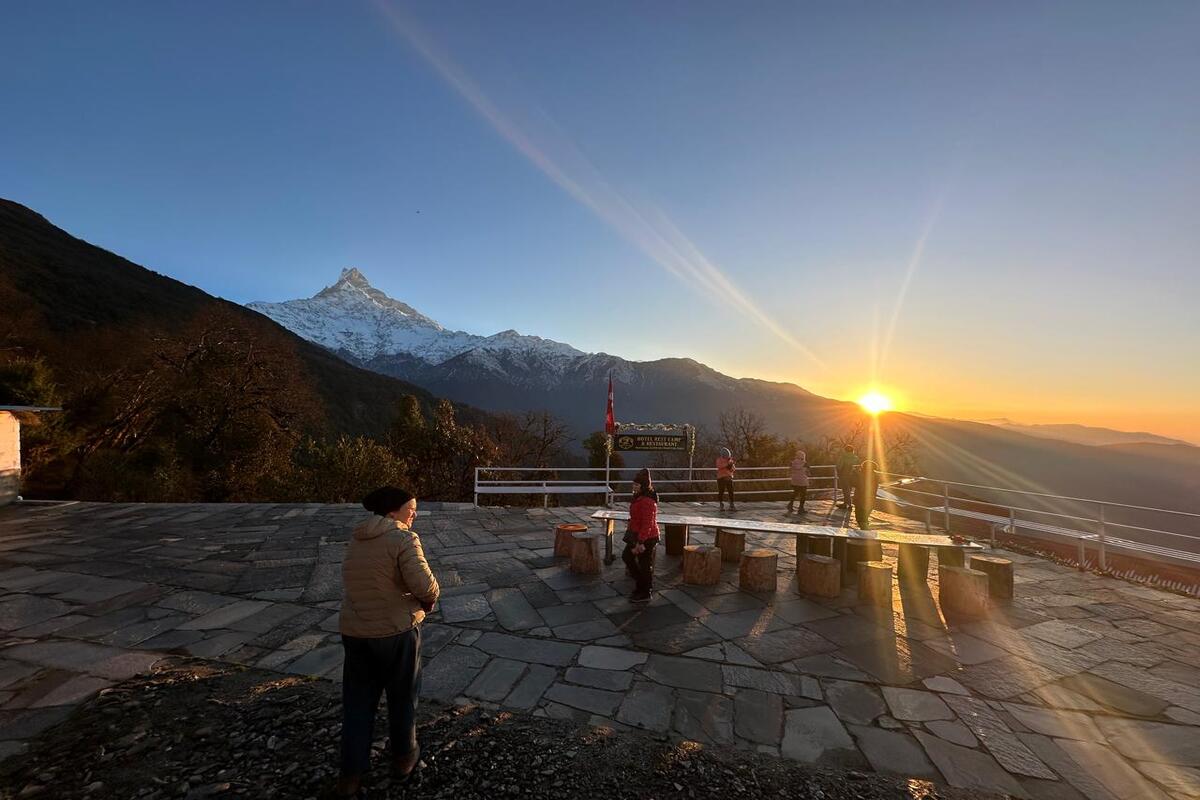
The secret of a comfortable Mardi Himal trek is to layer your clothes perfectly. The temperature in the mountains can vary wildly - from the warm 20°C days at lower elevations to the -5°C nights at High Camp.
Base Layer (Moisture-Wicking)
- 2-3 light trekking t-shirts (synthetic or merino wool)
- 2 sets of thermal underwear (top and bottom)
- 3-4 pairs of moisture-wicking underwear
- 2 sports bras (for women)
Mid Layer (Insulation)
- 1 fleece jacket or pullover
- 1 down jacket (lightweight, packable, necessary for High Camp)
- 1 long-sleeve shirt for when you are in teahouses in the evenings
Outer Layer (Protection)
- 1 waterproof, windproof jacket (Gore-Tex or any other similar)
- 1 pair of waterproof trekking trousers
- 1 pair of comfortable trekking trousers
- 1 pair of thermal leggings
Extremities Protection
- A sun hat with a wide brim or a cap
- A warm beanie or a thermal hat
- A neck gaiter or a buff Glove liners (thin inner gloves)
- Thick outer gloves (waterproof are preferable)
- 3-4 pairs of trekking socks
- 2 pairs of thermal socks for cold nights
2026 Changes: Because the global climate has been changing, the weather is becoming more sporadic than before. Bring an additional warm layer with you just in case.
Footwear Checklist: Your Trek Depends On This
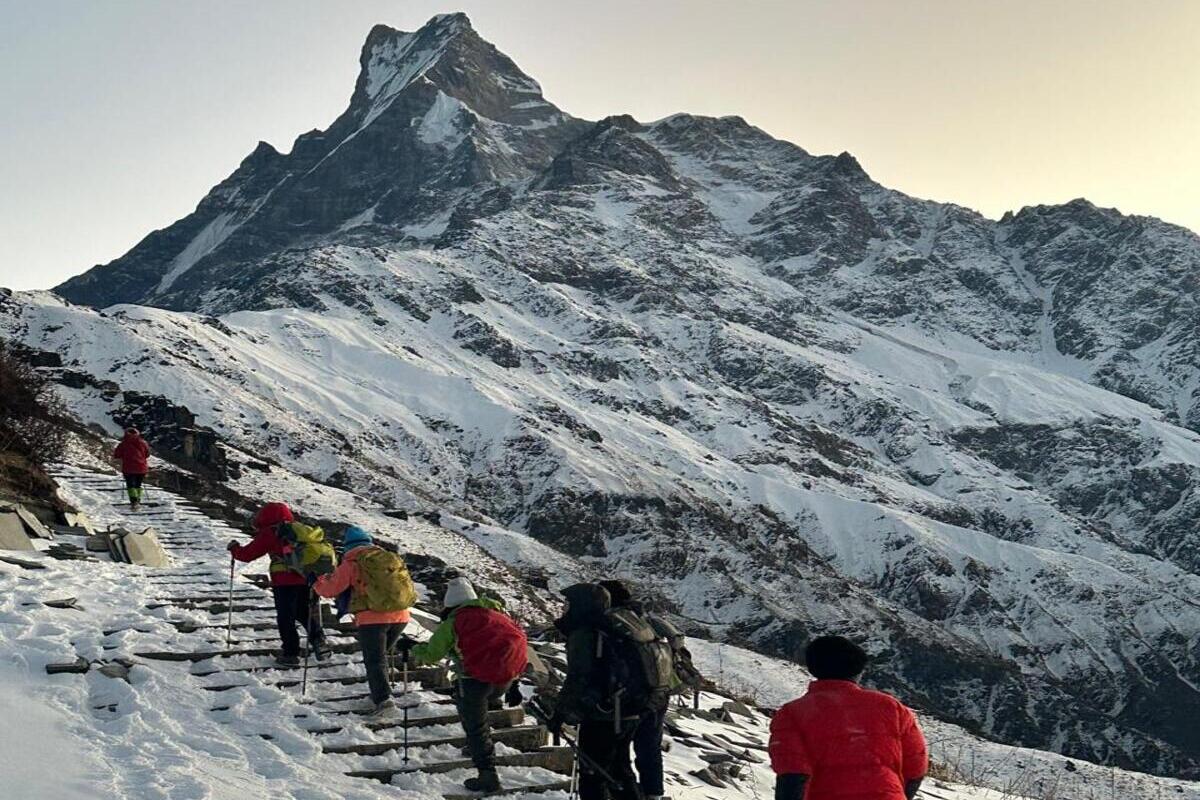
As your feet carry you to an altitude of 4,500 meters, you should invest wisely. Broken-in waterproof hiking boots with great ankle support, break them in for at least 2-3 weeks before your trek. Salomon, Scarpa, and Meindl brands are well known for their top-notch quality.
- Lightweight trekking shoes or sandals for hanging out at the teahouses
- Flip-flops for walking comfortably around the teahouses and for showering
- Gaiters (only if doing a winter trek or you expect to have very muddy conditions)
- Crampons or microspikes (only if your December-February trek will require walking on ice)
Gear & Equipment Checklist
Backpack System
- Backpack of 40-50 liters with rain cover
- Small daypack (20-25 liters) for water, snacks, and camera
- Waterproof bag liners/dry bags
- Duffel bag for porter (if hiring one)
- TSA-approved locks
Sleep System
- Sleeping bag rated -10°C to 0°C (can be rented in Kathmandu/Pokhara)
- Sleeping bag liner (adds additional warmth and hygiene)
- Travel pillow (optional but enhances comfort)
Trekking Essentials
- Trekking poles (with adjustable shock absorption you will be grateful to your knees)
- Headlamp or flashlight with extra batteries
- Water bottles (at least 2 liters capacity) or hydration bladder
- Water purification tablets or portable filter
- Multi-purpose knife or tool
- Trekking map (can be purchased in Pokhara)
Navigation & Communication
- Mobile phone fully charged
- Power bank (20,000mAh recommended charging at higher camps is costly)Universal plug adapter
- Portable solar charger (optional but handy)Offline maps app downloaded
Photography & Entertainment
- Camera or GoPro with extra batteries
- Memory cards (carry more than you think you'll need)
- Playing cards or travel games for teahouse evenings
- Journal and pen (put those sunrise moments into words)
- Book or e-reader (less screen time helps you connect more with nature)
2026 Insight: WiFi is available in most teahouses but gets pricey and unreliable at higher elevations. Make sure to download all your entertainment before leaving Pokhara.
Health & Safety Checklist
First Aid Kit Essentials
- Your own prescription medications (carry a sufficient amount)
- Diamox (to prevent altitude sickness check with your doctor)
- Pain relievers (e.g. ibuprofen, acetaminophen)
- Antibiotics (as per your doctor's instructions)
- Anti-diarrheal medicine
- Oral rehydration salts
- Plasters and blister treatment
- Antiseptic cream
- Motion sickness tablets
- Altitude sickness medicine
Personal Care Items
- Soap biodegradable
- Towel quick-drying
- Toothbrush and toothpaste
- Wet wipes (A real saver if there aren't any hot showers around)
- Hand sanitizer
- Tissues and toilet paper
- Sunscreen (SPF 50+ the Himalayan sun is really strong)
- Lip balm with SPF
- Face and body moisturizer
- Small mirror
- Nail clipper
Sun Protection
- UV-protection sunglasses (Category 3 or 4)
- Sunscreen (Use again after every 2 hours of trekking)
- Face shield or bandana (use both for dust and sun)
Food & Nutrition Checklist
Although teahouses serve meals, intelligent hikers carry foods for a backup:
- Energy bars and protein bars (6-8 per person)Trail mix or mixed nuts
- Chocolate bars (for quick energy and morale boost)Electrolyte powder packets
- Instant coffee or tea bags (if you are a coffee/tea snob)
Escape Himalaya Tip: Dal Bhat (lentils and rice) will be your favorite dish on the trek. Besides being loaded with nutrients and very filling, the owners of the teahouses give unlimited refills of Dal Bhat for free. It is even said, "Dal Bhat power, 24 hour!"
Cash & Financial Checklist
- Nepalese Rupees (NPR 30,000-40,000 per person recommended)
- Small denominations (teahouses often can't break large bills)
- USD or other major currency for emergencies
- Credit card backup (limited use on the trek itself)
2026 Update: ATM machines are available and works well in Pokhara; however, the trek route itself has no ATMs. So, make sure you withdraw enough money before you start the trek.
When to Trek: Best Months for Mardi Himal in 2026
1. Spring Season (March - May)
Best for Rhododendron blooms, clear mountain views, pleasant temperatures
Temperature: 17-20°C daytime, 0-5°C nights at high camps
Highlights: Nepal's national flower colors the forest red, pink, and white
Crowds: Moderate, but still less busy than Everest or ABC routes
2. Autumn Season (September - November)
Best for: Crystal-clear skies, dry trails, stable weather
Temperature: 15-20°C daytime, 0-5°C nights at high camps
Highlights: Best mountain visibility of the year
Crowds: Peak season but Mardi is still less crowded
3. Winter Season (December - February)
Best for Solitude, snow-covered landscapes
Temperature: 5-10°C daytime, -5°C to -10°C nights
Challenges: Cold, some teahouses may be closed, snow on upper trails
Who should go: Experienced trekkers who are comfortable with cold
4. Monsoon Season (June - August)
Best for Lush green forests, fewer crowds, budget deals
Challenges: Leeches, muddy trails, limited mountain views
Reality check: Only for adventurous souls comfortable with rain
Physical Preparation Checklist
6-8 Weeks Before Trek
- Start cardio basics (hiking, running, cycling)
- Do leg strength exercises (squats, lunges, stair climbing)
- Carry a loaded backpack for weekend hikes
- Get in a shape that you can walk for 5-6 hrs without getting tired
2-3 Weeks Before Trek
- Get your check-up from a doctor
- Take travel vaccines if prescribed
- Try your hiking outfit and gear
- Don't skip your regular cardio schedule
Week Before Departure
- Do some resting and avoid hard training
- Drink enough water
- Have a good sleep
- Final check on the gear
Fitness Reality Check: If you can hike 5-7 hours with a daypack, you are ready for Mardi Himal. No marathon-runner level fitness is necessary!
What NOT to Pack (Common Mistakes)
One of the greatest enemies of a trip is overpacking. Here are those items that you should leave behind:
- Too many clothes (you will be wearing the same garments over and over)
- Heavy books (one light paperback or an e-reader is sufficient)
- Drones (these are generally not allowed in most trekking areas without permits)
- Laptop or tablet (you have come to disconnect!)
- Hair dryer (unnecessary weight accept your mountain hair)
- Expensive jewelry or valuables
- Too many electronics (go back to the basics)
Altitude Sickness Prevention Checklist
It is hardly ever that somebody gets altitude sickness during Mardi Himal trek mainly because the ascent is gradual. However, you should always be on the lookout:
- Don't rush your climb and follow your guide's pace closely
- Keep yourself well hydrated by drinking at least 3-4 liters of water/day
- Stay away from alcohol and tobacco
- Have plenty of carbohydrate-rich food
- Try to sleep at lower altitudes
- Be familiar with symptoms such as headache, nausea, dizziness, and tiredness
- Do not ignore severe symptoms and start descending right away
Our Promise from Escape Himalaya: Our guides are always equipped with a pulse oximeter and are trained to identify altitude sickness. We put your safety above everything else.
Teahouse Life: What to Expect in 2026
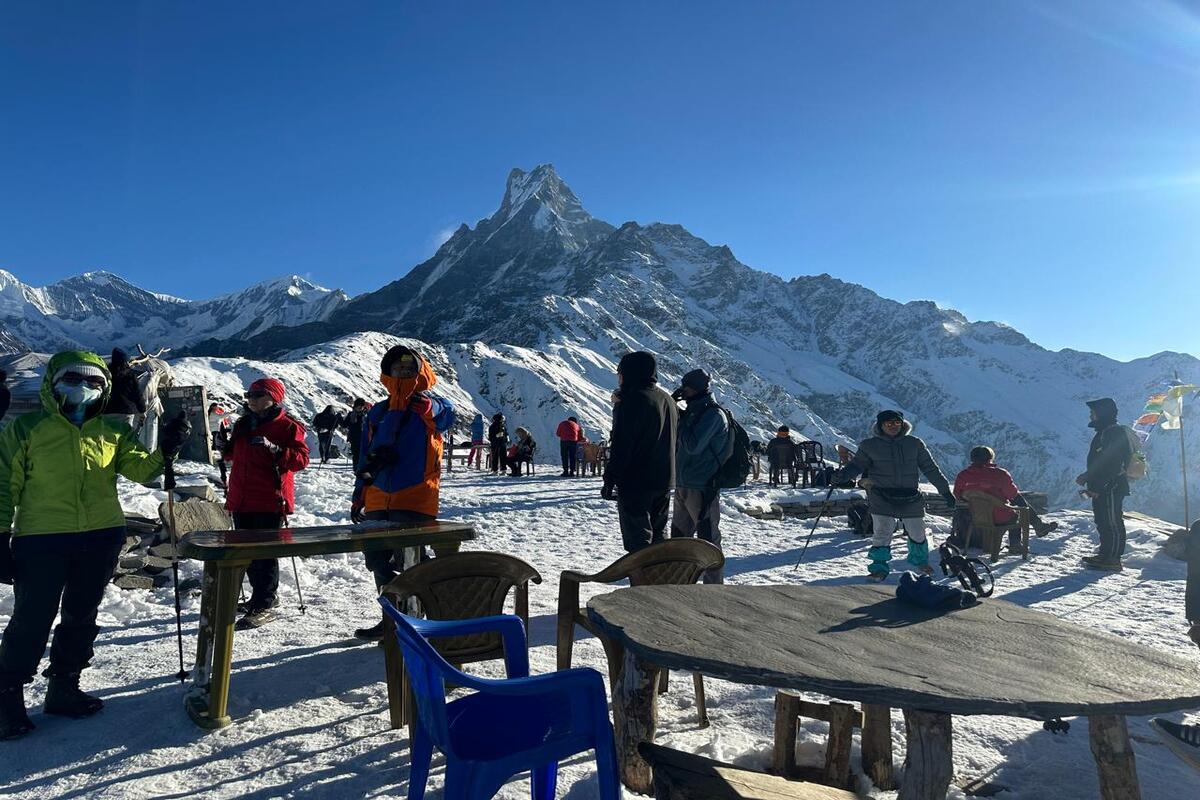
Immerse yourself in teahouse culture for a really meaningful visit:
Accommodation
- Simple rooms with twin beds and only basic furniture
- Bathroom facilities are shared, and you will often encounter squat toilets
- Hot showers are possible (each one costs between NPR 200 and 500)
- Electricity is available for charging (each device charges cost NPR 200-400)
- WiFi access (NPR 300-500 per day, slower at higher elevations)
Meals
- Breakfast: NPR 400-600Lunch/Dinner: NPR 500-800
- Hot drinks: NPR 100-300
- Smart choice: Order the same meal for a group for faster service!
Etiquette Tips
- Don't wear your boots in the sleeping area
- Order food at the same place where you sleep (teahouse etiquette)
- Charge your devices while the meals are served and the generator is running
- Always be polite and considerate towards the locals
- By buying snacks at the teahouses, you are indirectly helping the locals
Environmental Responsibility Checklist
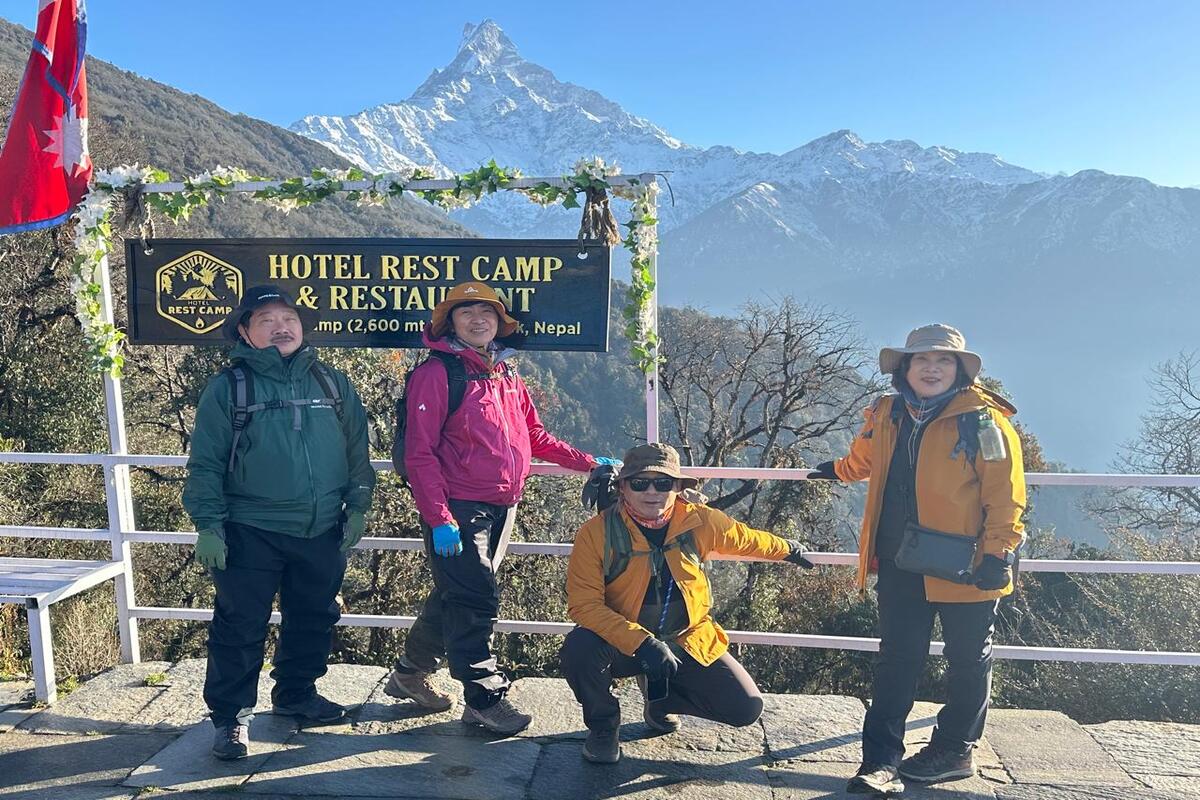
Leave Mardi Himal better than you found it:
- Bring a reusable water bottle for your hydration needs.
- Prefer biodegradable products only.
- Take your trash out with you (even toilet paper).
- Walk only on designated trails.
- Do not interact with (feeding or approaching) the animals.
- Choose to support local tea houses instead of camping.
- Reduce plastic consumption.
- Practice "Leave No Trace" etiquette.
Final Week Checklist
One Week Before
- Re-confirm all bookings with Escape Himalaya
- Look at weather forecast for trekking days
- Inform your bank about travel to Nepal
- Make copies of your documents
- Get travel insurance if you haven't done it already
- Pack and weigh your bag (porter's duffel should be less than 12kg)
Day Before Trek
- Do a final gear check using this complete list
- Charge all your devices
- Rest well at night
- Have a light breakfast before you leave
- Have a meeting with your guide for trek briefing
Why Trek with Escape Himalaya in 2026?
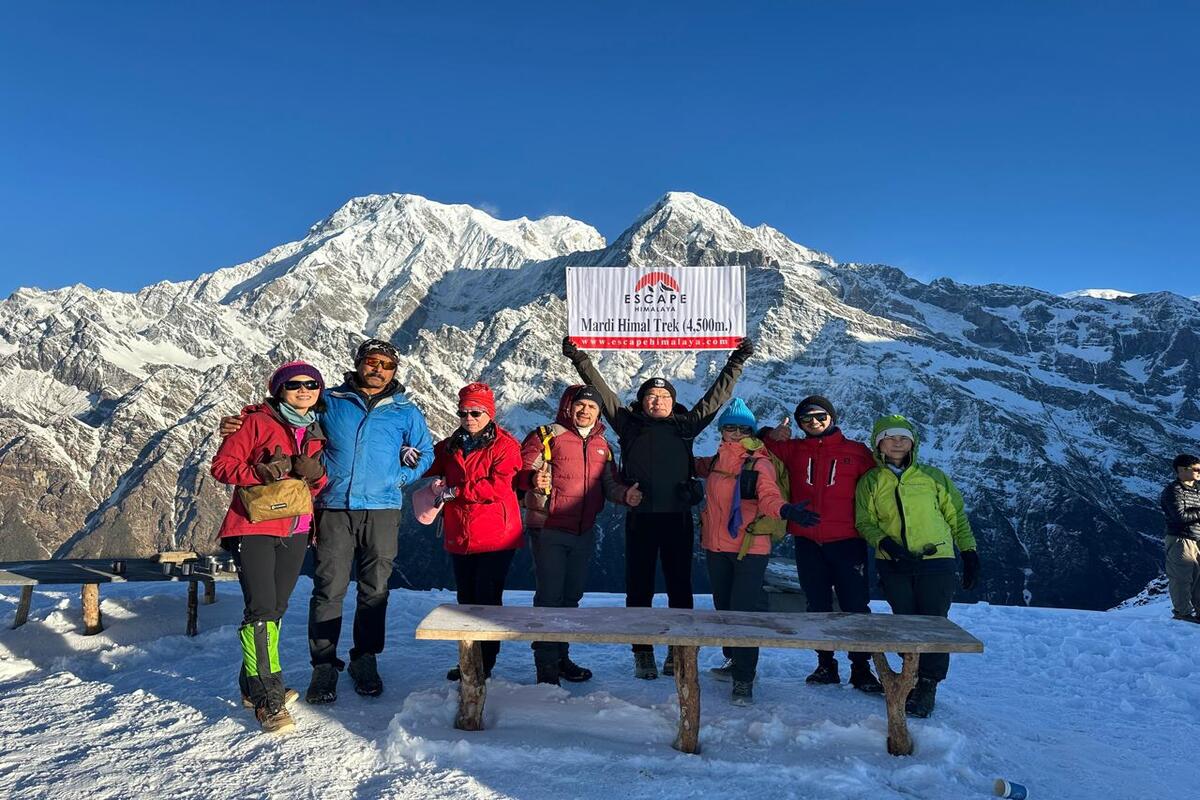
At Escape Himalaya, our aim is not only to organize treks but to offer such an experience that changes people through the mountains. Here are some of the things that define us:
Licensed Expert Guides: Our guides know Mardi Himal as if it were their own backyard
Small Group Philosophy: We keep the number of trekkers maximum 12 to provide personal attention
Permit Handling: We take care of all the paperwork allowing you to put your mind only on excitement
Flexible Itineraries: Adapt your trek to your time and fitness level
Safety First: Complete insurance cover, first aid trained guides, emergency plans
Local Support: We are 100% local-owned and the mountain communities benefit directly
Transparent Pricing: No hidden costs, clear breakdowns, and honest communication
Package Inclusions & Investment
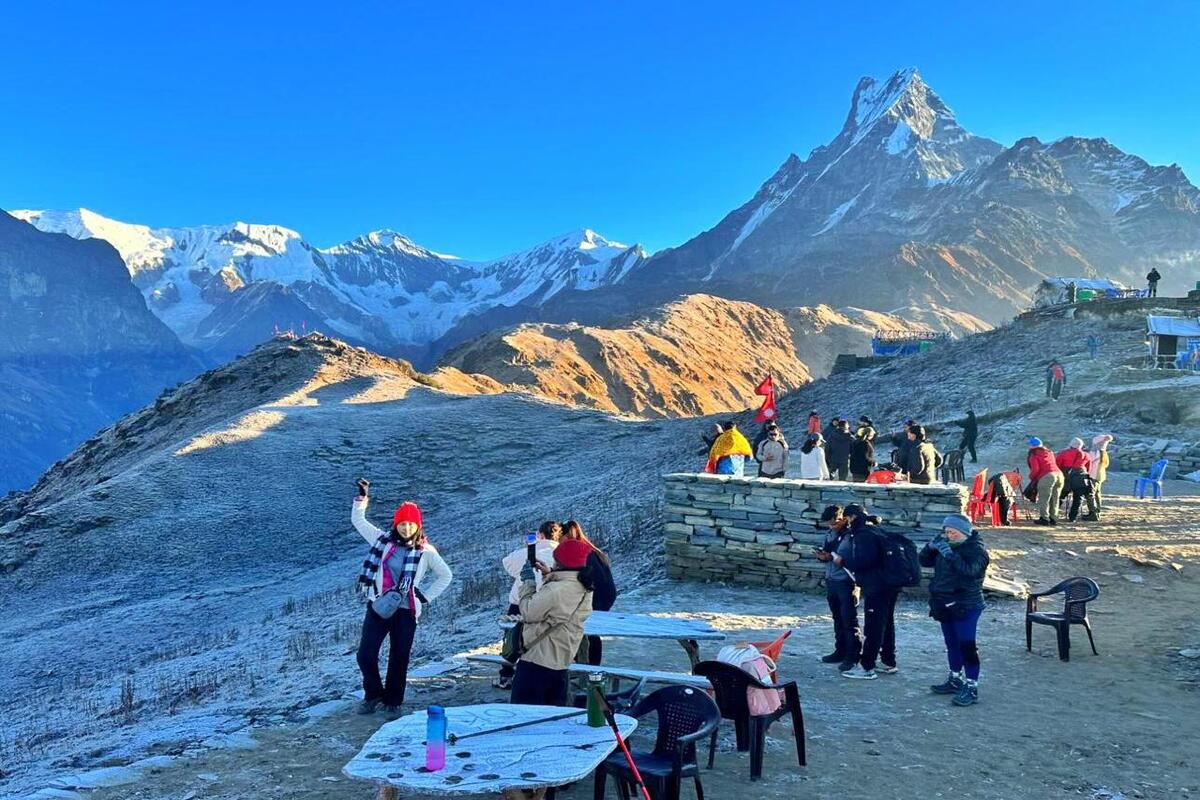
Begin your 8-days Mardi Himal trek with us in 2026 from a package cost of USD 699 which comprises:
- Airport transfers
- Kathmandu-Pokhara-Kathmandu transport
- Licensed trekking guide and porter service
- All permits (ACAP and TIMS)
- Teahouse accommodation during trek
- Three meals per day on the trek
- First aid medical kit
- Government taxes and service charges
Do not hesitate to reach us for updated prices and group discount offers!
The Mardi Himal Trek is not only a trip to base camp, but it also opens you the heart of Himalayas, enchants you with local mountain culture, and challenges your determination level with rewards of beauty and experiences which will be etched in your memory forever.
With a thorough equipment checklist, you are now ready to launch your Mardi Himal expedition, the adventure of a life time, in 2026. The mountains are beckoning you, and Escape Himalaya is ready to respond together with you.
Reserve your 2026 Mardi Himal Trek now and come in contact with an adventure where each sunrise is a present and each step draws you nearer to the world's rooftop.
Contact Escape Himalaya Today!
Last Updated: January 2026 Written by experienced trekkers at Escape Himalaya.