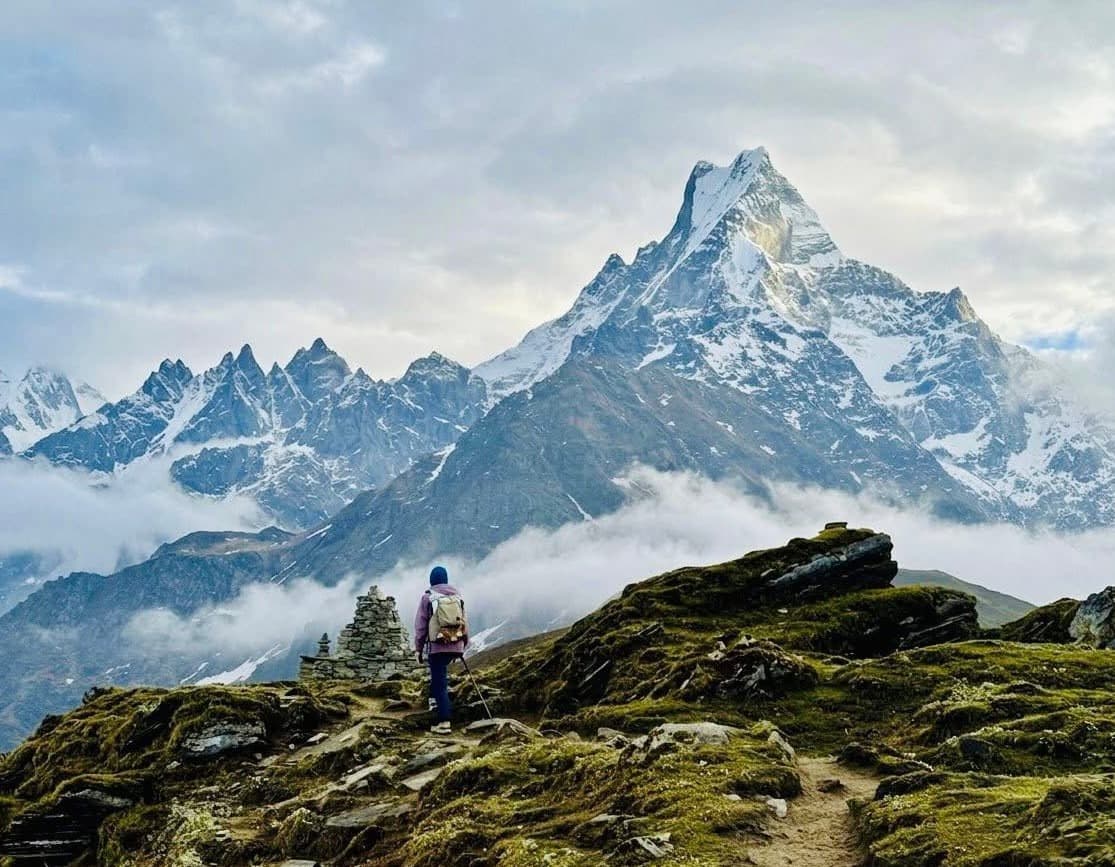
Panch Pokhari Trek

Trip Fact

  • DestinationNepal
  • Durations7 days
  • Group Size15+

Overview

Panch Pokhari Trek Key Highlights

From peaceful forest trails to the sacred lakes beneath the Jugal Himal, this itinerary combines spiritual heritage and Himalayan scenery. Some defining experiences of the Panch Pokhari Trek are highlighted below:

  • Reach Panch Pokhari at approximately 4,100 metres and explore five sacred lakes surrounded by rugged alpine hills and open mountain landscapes.
  • Experience an important pilgrimage destination visited by Hindu and Buddhist devotees, particularly during the annual Janai Purnima festival.
  • Trek through rhododendron and pine forests before entering alpine grasslands, seasonal grazing areas, and exposed high-altitude terrain.
  • Enjoy distant views across the Jugal Himal, including prominent mountains such as Dorje Lakpa and Phurbi Chhyachu.
  • Walk through traditional Tamang settlements, terraced farmland, forested ridges, and peaceful rural landscapes northeast of Kathmandu.
  • Follow a less-crowded trekking route where quiet trails and remote surroundings create a more personal Himalayan experience.
  • Stay in simple local guesthouses and mountain lodges, experiencing the limited but welcoming infrastructure of this developing trail.
  • Complete approximately 46 kilometres of trekking between Bhotang, Tuppi Danda, Panch Pokhari, and Nasim Pati.
  • Travel by private four-wheel-drive vehicle between Kathmandu and Bhotang, passing river valleys, hillside villages, and cultivated farmland.

Panch Pokhari Trek Overview

The Panch Pokhari Trek explores a remote highland area of Sindhupalchok, northeast of Kathmandu. Its name means “Five Lakes,” referring to the group of sacred freshwater lakes forming the journey’s highest destination.

Unlike Nepal’s heavily travelled trekking regions, Panch Pokhari remains peaceful and comparatively undeveloped. Forest trails, isolated settlements, basic mountain accommodation, and open alpine landscapes shape the character of this short adventure.

Although the trek lasts only seven days, the route is physically demanding because it gains altitude quickly. Trekkers should expect sustained ascents, long descents, uneven forest paths, and daily walking periods of approximately four to seven hours.

Panch Pokhari, at approximately 4,100 metres, is the journey’s highest point and highest overnight destination. A nearby viewpoint offers broader perspectives across the lakes, surrounding ridges, and distant peaks of the Jugal Himal.

The trek requires no technical climbing experience. However, good physical fitness, appropriate preparation, and careful attention to altitude symptoms remain important throughout the journey.

Spring, from March to May, usually brings flowering forests and increasingly comfortable temperatures. Autumn, from October to November, generally offers clearer skies, stable trail conditions, and stronger mountain visibility.

Under current Nepal Tourism Board regulations, international trekkers on the Panch Pokhari route must travel with a licensed trekking guide and carry an agency-issued TIMS card.

Panch Pokhari Trek Route Overview

The Panch Pokhari journey begins in Kathmandu before travelling overland to Bhotang, the gateway to this short trekking route. The drive passes terraced hills, rural communities, river valleys, and traditional settlements across Sindhupalchok.

From Bhotang, the trek begins with an uphill walk through rhododendron and pine forests towards Tuppi Danda. The ridge provides open views across surrounding hills and marks the first mountain overnight stop.

The trail then climbs beyond the forest into alpine meadows and exposed highland terrain. After passing grazing areas and prayer flags, the route reaches the five sacred lakes of Panch Pokhari at approximately 4,100 metres.

After exploring the lakes, the return journey descends along mountain ridges towards Nasim Pati. The landscape gradually changes from alpine grasslands to forests as elevation decreases.

The final trekking day continues downhill through wooded trails, cultivated terraces, and traditional Tamang communities before returning to Bhotang. A private vehicle then completes the journey back to Kathmandu.
Detail Itinerary

Expand all +

If the provided schedule isn't suitable for you, we are able to create personalized travel arrangements according to your preferences and requirements.

Good to Know

Trek Difficulty

The Panch Pokhari Trek is moderately challenging and requires good physical fitness. Trekkers should be comfortable walking uphill and downhill for four to seven hours daily.

The route includes forest paths, steep climbs, uneven ground, and long descents. Previous trekking experience is helpful, although technical climbing skills are not required.

Altitude and Acclimatization

Panch Pokhari sits at approximately 4,100 metres, making altitude awareness essential. This short itinerary gains elevation quickly, especially between Bhotang, Tuppi Danda, and Panch Pokhari.

Walk slowly, drink sufficient water, and immediately inform your guide about headaches, nausea, dizziness, or unusual tiredness. Physical fitness does not prevent altitude sickness, so symptoms should never be ignored.

Accommodation

Accommodation along the route is considerably simpler than lodges found in Everest or Annapurna. Trekkers stay in basic guesthouses, local teahouses, homestays, or seasonal mountain lodges.

Rooms may have twin beds, shared bathrooms, limited heating, and basic bedding. Facilities near Panch Pokhari can vary according to the season and local availability.

Road Conditions

The road between Kathmandu and Bhotang passes through rural and mountainous terrain. Driving times may change because of traffic, construction, weather, landslides, or seasonal road conditions.

A four-wheel-drive vehicle provides greater comfort and reliability on rough sections. However, travellers should remain prepared for a slow and occasionally bumpy journey.

Weather and Temperature

Mountain weather can change quickly, even during Nepal’s main trekking seasons. Mornings may begin clear before clouds, wind, rain, or snowfall develop later.

Daytime temperatures are usually comfortable at lower elevations, while nights become cold near Panch Pokhari. A warm jacket, thermal layers, gloves, and a suitable sleeping bag are strongly recommended.

Electricity and Communication

Electricity may be available at selected settlements, but charging facilities remain limited. Some lodges may charge an additional fee for charging phones, cameras, or power banks.

Mobile coverage is unreliable in the higher sections of the route. Travellers should inform family members that communication may be unavailable for several trekking days.

Essential Trekking Equipment

Trekkers should bring broken-in hiking boots, layered clothing, waterproof protection, trekking poles, sunglasses, sunscreen, and a reusable water bottle.

A headlamp, personal medicines, spare batteries, and a compact first-aid kit are also useful. Trekking poles are especially valuable during the long descent from Nasim Pati to Bhotang.

Travel Insurance

Comprehensive travel insurance is strongly recommended before beginning the trek. The policy should cover high-altitude trekking, medical treatment, trip interruption, and emergency evacuation.

Travellers should carry both digital and printed copies of their insurance documents. Emergency assistance in remote areas can be expensive without suitable coverage.

Cultural Respect

Panch Pokhari is an important sacred destination for Hindu and Buddhist communities. Visitors should behave respectfully around temples, prayer flags, religious structures, and pilgrimage areas.

Always request permission before photographing local residents or religious ceremonies. Avoid disturbing wildlife, leaving rubbish, or entering restricted sacred spaces without guidance.

Travellers‘ Reviews

  • Sheryl Ang

    14th Dec 2024

    Gorgeous Views!

    Excellent trekking experience with Escape Himalaya to Kala Patthar! Everything went seamlessly, and my guide ensured we were safe and comfortable at all times, even in the high altitude. Will definitely choose EH again when I am back in Nepal for more hiking! The country is so beautiful and just has so much to offer!

  • Tony W

    18th Apr 2024

    Amazing Manaslu Circuit with Phurba & Ram

    Just back from a fantastic 2 week trek around the Manaslu Circuit including Larke Pass (5100m). The weather was perfect and the views were outstanding!!

    Our guide Phurba Sherpa was excellent. Super knowledgeable and helpful at all times and always made sure we had a fantastic trip.

    Our porter, Ram Badhadur Magar was also a rockstar. He was super professional and always arrived before us every day. He was also super friendly and helpful too.

    Thanks to Phurba, Ram for always smiling and for a fantastic trip. Would highly recommend them to anyone interested in trekking in Nepal

  • Kevin P

    3rd Apr 2024

    Everest base camp trek - Mar-Apr 2024

    My 60 year old pals set out in hope on this adventure. In late March. We had our guide Raj Kumar and two porterd Janak and Ramesh. All three were stars. We changed our schedule - no problem. I would not have made it without Raj. I cannot thank him enough. Janak often took my back pack on steep climbs where I was struggling. This is a truly majestic and spiritual trek and I would encourage using Escape Himalaya and request this team of guide and porters if you want to give yourself the best chance of finishing and making best use of your time.